


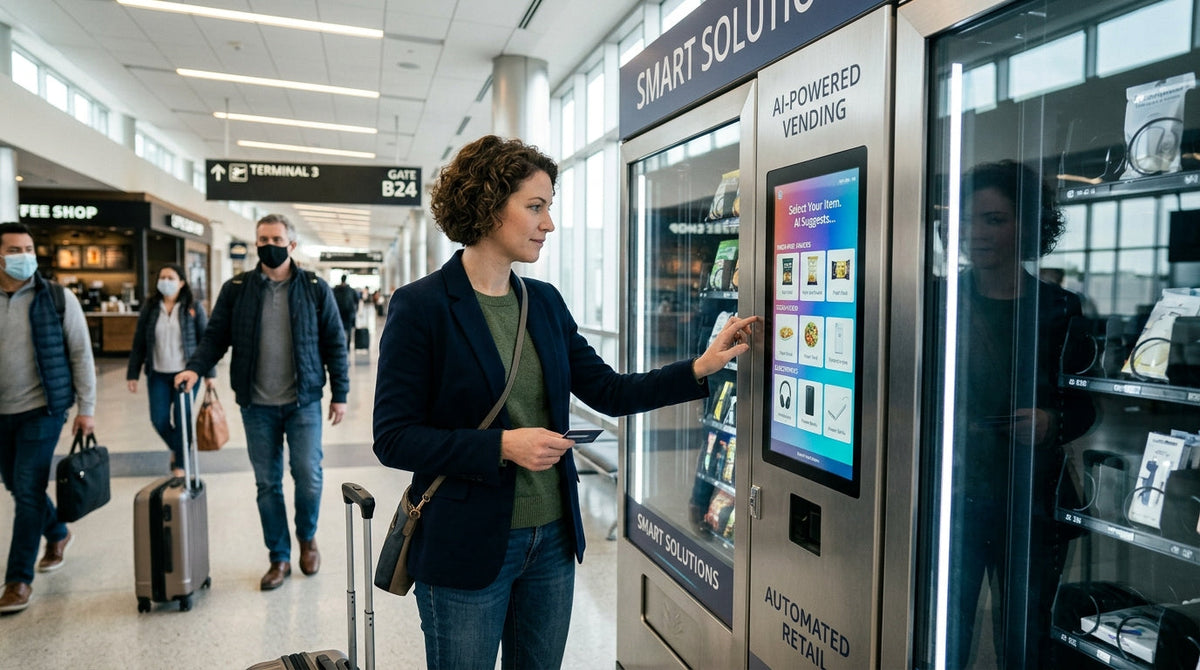


Diseñe la solución de vending perfecta para su ubicación y clientes.

Únete al boletín de VMFS y forma parte de una red próspera dedicada al éxito colectivo.
Un registro. Posibilidades infinitas.
Comprar una máquina expendedora con IA conlleva seis pasos secuenciales: definir la ubicación y los requisitos del producto, establecer un presupuesto, comparar formatos de máquinas, solicitar presupuestos y especificaciones a los fabricantes, confirmar las condiciones de financiación y pago, y programar la entrega y la instalación. Omitir el primer paso —definir claramente qué debe hacer la máquina antes de comparar opciones— es la razón más común por la que los compradores terminan con una máquina que no encaja, ya que el formato, la capacidad y las necesidades de refrigeración deben estar dictados por la ubicación y la mezcla de productos, no elegirse primero para luego adaptar todo lo demás. Esta guía recorre cada paso en orden, con las preguntas específicas que se deben responder y los detalles que vale la pena confirmar antes de que cambie el dinero de manos.
Ya sea que se trate de una primera máquina o de una adición a una ruta existente, se aplica el mismo marco de compra; solo cambia la escala de la decisión.
Tabla de contenido
La siguiente tabla describe la secuencia completa de compra, desde la planificación inicial hasta la puesta en marcha de la máquina, con un plazo realista para cada etapa.
| Paso | Duración típica |
|---|---|
| Definir requisitos y presupuesto | 1–2 semanas |
| Comparar formatos y solicitar presupuestos | 1–3 semanas |
| Confirmar financiación y realizar pedido | 1–2 semanas |
| Tiempo de fabricación o cumplimiento | 2–8 semanas, depende del formato |
| Entrega e instalación | 2–4 horas en el lugar |
Comience por el patrón de tránsito peatonal de la ubicación, el espacio disponible en el piso y el acceso a energía y conectividad, ya que estos tres factores limitan qué formatos de máquina son viables incluso antes de tomar cualquier decisión sobre el producto. Una sala de descanso de oficina con tráfico constante durante el día y Wi-Fi confiable admite una máquina diferente a la de un vestíbulo residencial de 24 horas con conectividad incierta, y confirmar estos detalles por adelantado evita una incompatibilidad descubierta solo después de la compra. Los criterios de evaluación de ubicación que vale la pena aplicar en esta etapa se detallan en Datos de ubicación para máquinas expendedoras con IA y Estudio de caso: Encontrar el lugar ideal.
La mezcla de productos se deriva directamente del tipo de ubicación: los aperitivos y las bebidas se adaptan a casi cualquier entorno, mientras que los artículos refrigerados requieren una ubicación con un tráfico peatonal fuerte y confiable para justificar el costo adicional del equipo, y la venta de productos electrónicos de mayor valor exige un perfil de ubicación con menor riesgo de robo y mayor tolerancia a la seguridad, lo cual se trata en Máquinas expendedoras de productos electrónicos que impulsan la IA en ciudades inteligentes y la sostenibilidad.
Un presupuesto completo incluye la máquina en sí, el inventario inicial, las licencias y permisos, el seguro y la entrega, no solo el precio de etiqueta del equipo, ya que los compradores primerizos que solo presupuestan la máquina habitualmente subfinancian los costos iniciales restantes. Un desglose completo de los costos por tipo de máquina está disponible en Máquinas expendedoras con IA: Costo, y establecer el presupuesto frente al retorno esperado es tan importante como la cifra en sí, un cálculo que se trata en ROI de las máquinas expendedoras con IA.
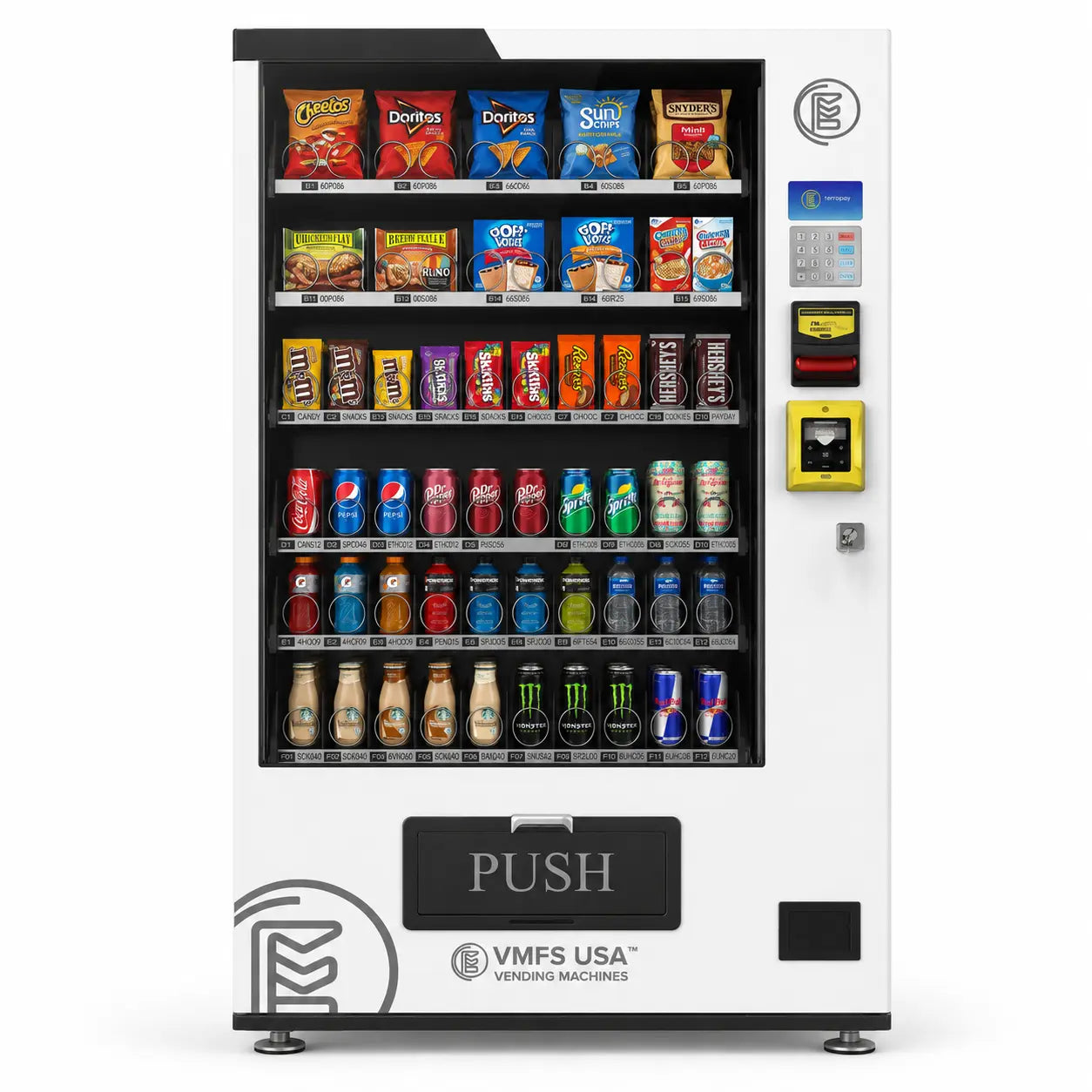
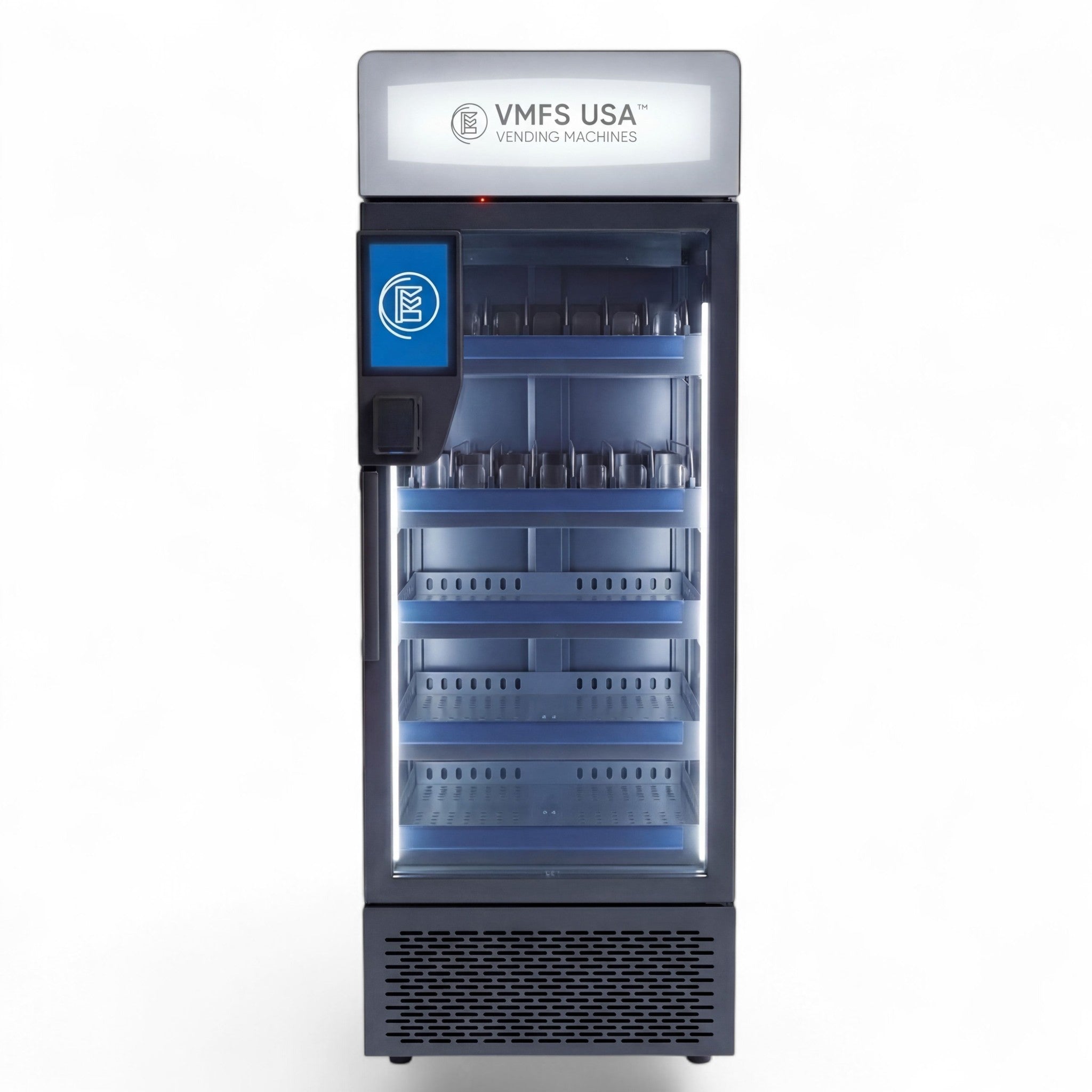
Con la ubicación y el presupuesto definidos, compare formatos de máquinas específicos con esas limitaciones en lugar de hacerlo contra afirmaciones de marketing genéricas. La colección de máquinas expendedoras AI Grab-and-Go, la máquina expendedora AI Smart Cooler, la máquina expendedora Smart Fridge y la máquina expendedora AI Smart Cooler Combo de VMFS USA representan la gama principal de formatos entre los que eligen la mayoría de los compradores, y una comparación completa especificación por especificación de cada opción está disponible en la Guía completa para compradores 2026. Entender cómo funciona realmente la tecnología de reconocimiento subyacente —visión artificial frente a sensores de peso— también ayuda en esta etapa, ya que el formato y el método de detección están estrechamente relacionados; consulte Cómo funcionan las máquinas expendedoras con IA y Qué es una máquina expendedora con IA.
Solicite un presupuesto por escrito que desglose por separado el costo de la máquina, cualquier tarifa de suscripción de software, la entrega y la instalación, ya que una cifra única agrupada dificulta comparar las ofertas entre fabricantes con precisión. Confirme las dimensiones exactas frente al espacio físico de la ubicación, los requisitos de energía frente a los enchufes disponibles y los requisitos de conectividad frente al acceso Wi-Fi o celular del sitio antes de finalizar un pedido; las discrepancias en cualquiera de estos tres detalles son la causa más común de retrasos en la instalación. Evaluar al fabricante en sí, no solo la máquina, también es importante en esta etapa, lo que se trata en Fabricantes de máquinas expendedoras con IA en los EE. UU.
Los compradores que pagan en su totalidad evitan los costos de intereses continuos pero inmovilizan más capital por adelantado, mientras que los planes de pago del fabricante, el arrendamiento de equipos y la financiación mediante reparto de ingresos reducen el requisito de efectivo inicial a cambio de costos de intereses o una parte de los ingresos futuros. Los plazos de recuperación difieren significativamente entre las estructuras de financiación y los tipos de máquinas, una comparación tratada directamente en Recuperación de la inversión de máquinas expendedoras con IA: prefabricadas frente a personalizadas. También se debe confirmar la configuración del procesamiento de tarjetas en esta etapa, ya que las transacciones de venta con IA a veces se clasifican de manera diferente al comercio minorista estándar por parte de los procesadores de pago; consulte Cómo funciona el procesamiento de tarjetas y por qué las máquinas con IA tienen tarifas diferentes.
La instalación suele tomar de dos a cuatro horas por máquina, incluyendo la calibración del sensor o la cámara, y debe programarse solo después de que la ubicación confirme que el acceso a la energía y la conectividad está realmente activo en el punto de colocación, no solo teóricamente disponible en el edificio. El abastecimiento de la primera semana debe incluir intencionalmente una gama de productos más amplia de lo que los datos a largo plazo justificarán, ya que el sistema de reconocimiento e inventario de la máquina necesita una línea base de ventas en todas las categorías antes de que quede clara una combinación de productos optimizada, un patrón explorado en Cómo las máquinas expendedoras impulsadas por IA optimizan las ventas.
Pagar en su totalidad
Sin costos de intereses continuos ni obligaciones de financiación en la máquina.
Contabilidad más sencilla con un único gasto inicial.
Inmoviliza más capital que podría financiar una segunda máquina antes.
Financiación o arrendamiento
Menor requisito de efectivo inicial para colocar una primera o una máquina adicional.
Puede permitir escalar varias máquinas en paralelo en lugar de secuencialmente.
Añade costos de intereses o reparto de ingresos sobre el precio base.
Antes de finalizar un pedido, confirme cada uno de los siguientes puntos directamente con el fabricante y la ubicación: dimensiones exactas de la máquina frente al espacio disponible, tipo de toma de corriente y amperaje, conectividad Wi-Fi o celular confirmada como accesible en el punto exacto de colocación, presupuesto detallado que cubra la máquina, el software, la entrega y la instalación por separado, términos de garantía y proceso de reclamaciones, y tiempo de entrega esperado desde el pedido hasta la entrega. Omitir cualquiera de estas comprobaciones es lo que suele causar un retraso en la instalación o una sorpresa de costos inesperados después de realizado el pedido.
Comprar primero un formato de máquina y luego buscar una ubicación que se adapte a ella invierte la secuencia correcta y frecuentemente produce una incompatibilidad: el tráfico, el espacio y la conectividad de la ubicación siempre deben dictar la elección de la máquina, no al revés.
Pedir una máquina antes de confirmar que el acceso Wi-Fi o celular está realmente disponible en el punto exacto de colocación, no solo en alguna parte del edificio, es una de las causas más comunes de que una máquina tenga un rendimiento inferior a su funcionalidad central de IA inmediatamente después de la instalación.
Un precio único agrupado hace imposible identificar qué partida —máquina, software, entrega o instalación— difiere entre las ofertas del fabricante, y los compradores que no solicitan el desglose a menudo pagan de más por un componente mientras prestan poca atención a otro que importa más, como la calidad del software tratado en Máquinas expendedoras tradicionales frente a las de IA y ¿Vale la pena la actualización?
Empiece a comparar máquinas ahora
Explore los formatos y precios de las máquinas expendedoras con IA para comenzar su proceso de compra.
Explore máquinas expendedoras con IA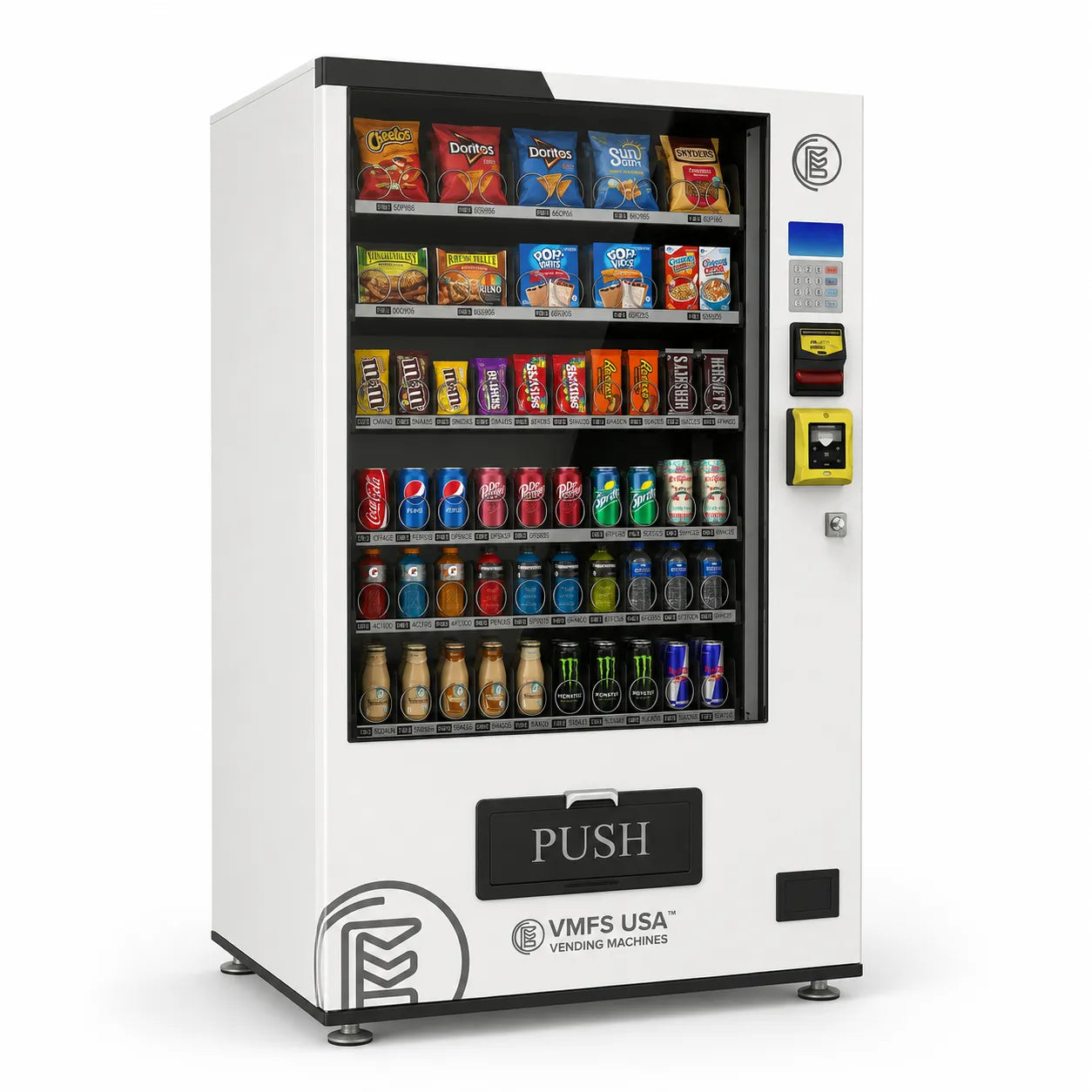
Compartir:
Fabricantes de máquinas expendedoras con IA en EE. UU.: Cómo evaluar a uno
El futuro de las máquinas expendedoras con IA: hacia dónde se dirige la categoría