




Diseñe la solución de vending perfecta para su ubicación y clientes.

Únete al boletín de VMFS y forma parte de una red próspera dedicada al éxito colectivo.
Un registro. Posibilidades infinitas.
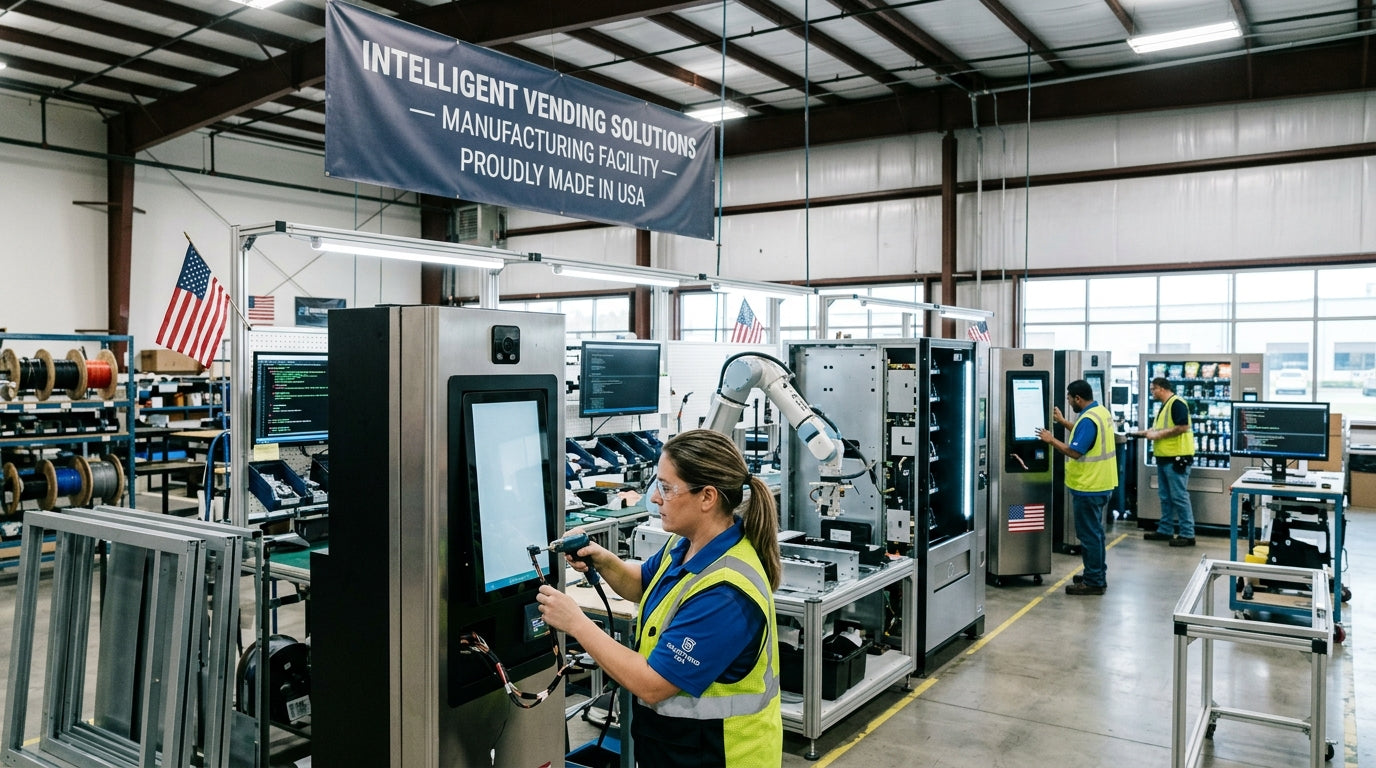
Los fabricantes de máquinas expendedoras con IA en EE. UU. abarcan desde empresas nacionales que diseñan, ensamblan y dan soporte a los equipos localmente, hasta importadores y revendedores de hardware construido en el extranjero que se vende bajo una marca orientada al mercado estadounidense; la diferencia entre ambos es mucho más importante de lo que la mayoría de los compradores primerizos creen. Un fabricante nacional suele ofrecer un reemplazo de piezas más rápido, soporte técnico en inglés en un huso horario compatible y un servicio de garantía que no requiere enviar un componente defectuoso al extranjero: ventajas que afectan directamente al tiempo de actividad de la máquina una vez que la unidad se despliega en el campo. Esta guía detalla qué es lo que realmente diferencia a los fabricantes en esta categoría, los criterios que vale la pena comprobar antes de comprar y las ventajas e inconvenientes entre el abastecimiento nacional y el extranjero.
En lugar de clasificar empresas específicas, lo cual cambia constantemente a medida que los fabricantes entran y salen de la categoría, esta guía se centra en el marco de evaluación que es válido independientemente de qué máquina específica esté comparando.
Tabla de contenidos
La mayoría del hardware de máquinas expendedoras con IA que se vende en el mercado estadounidense se fabrica localmente con ensamblaje y soporte en EE. UU., o se importa de fábricas en el extranjero y se vende a través de un distribuidor o revendedor con sede en EE. UU. La distinción aparece más claramente después de la venta, no antes; durante la compra inicial, ambas categorías pueden parecer similares en una hoja de especificaciones, pero la disponibilidad de piezas, el tiempo de respuesta del servicio y la aplicación de la garantía divergen drásticamente una vez que una máquina presenta un fallo en el campo. Un fabricante nacional suele poder enviar un compresor, una placa de sensor o un módulo de pago de repuesto en cuestión de días, mientras que una máquina de origen extranjero puede requerir semanas para que una pieza pase por la aduana y llegue, tiempo durante el cual la máquina permanece desconectada y no genera ingresos.
Cinco factores determinan si un fabricante será un socio fiable a largo plazo o simplemente un proveedor de equipos puntual: disponibilidad y plazos de entrega de piezas, términos y aplicación de la garantía, madurez de la plataforma de software, flexibilidad de personalización y el historial del propio fabricante sobre unidades realmente desplegadas y en funcionamiento. Un fabricante con especificaciones de hardware sólidas pero débil en cualquiera de estos cinco factores crea un riesgo operativo continuo que no aparece hasta meses después de la compra.
| Criterio | Qué verificar |
|---|---|
| Disponibilidad de piezas | Existencias nacionales vs. plazos de entrega de pedidos extranjeros |
| Términos de garantía | Duración de la cobertura, exclusiones, proceso de reclamación |
| Madurez del software | Funciones del panel, frecuencia de actualizaciones, historial de tiempo de actividad |
| Personalización | Flexibilidad de formato, marca y configuración |
| Historial en campo | Número de unidades realmente desplegadas y operativas |
La duración de la garantía es menos importante que su aplicación; un fabricante que ofrece una garantía de dos años difícil de reclamar ofrece menos protección real que uno que ofrece un año con un proceso de reclamación sencillo y documentado. Pregunte específicamente cómo se inicia una reclamación de garantía, qué tiempo de respuesta está garantizado y si el fabricante cubre los gastos de envío de las piezas defectuosas, ya que estos detalles operativos determinan cuánto tiempo de inactividad experimenta realmente una máquina cuando algo falla. El modelo de soporte de un fabricante también debería abordar el aspecto del software directamente, ya que una garantía de hardware por sí sola no cubre un fallo en el motor de reconocimiento o una caída del panel de control, factores cubiertos con más detalle en Software para máquinas expendedoras con IA.
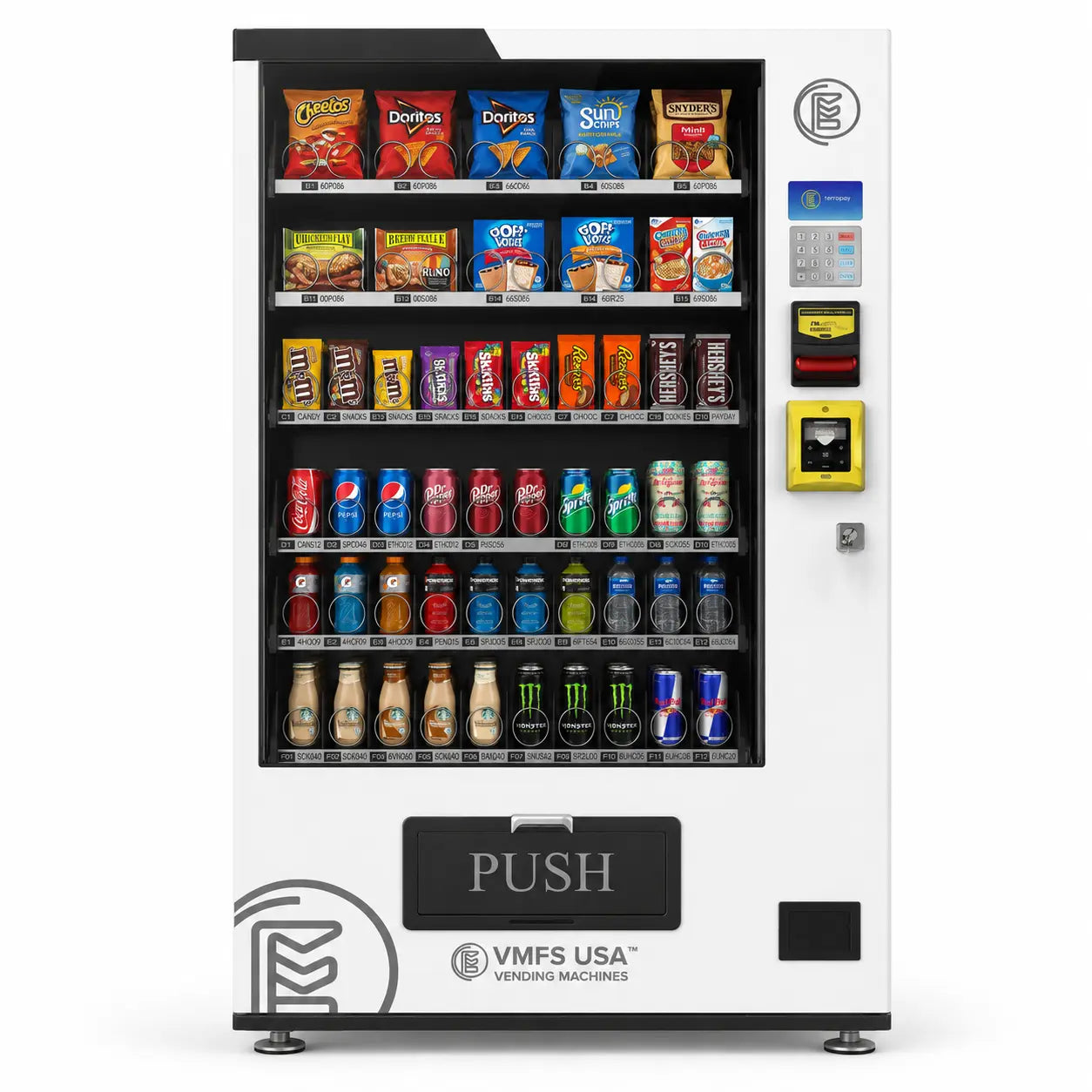
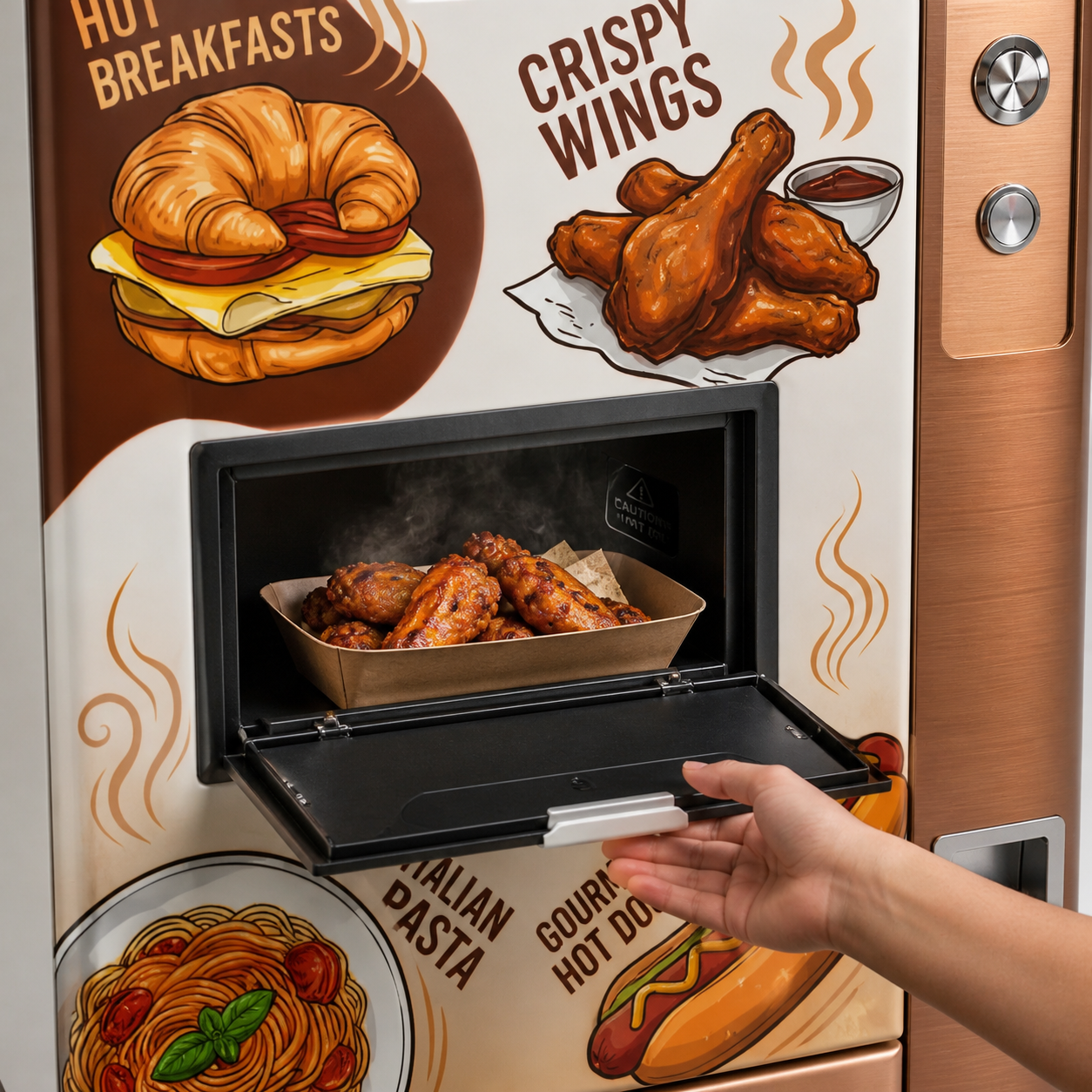
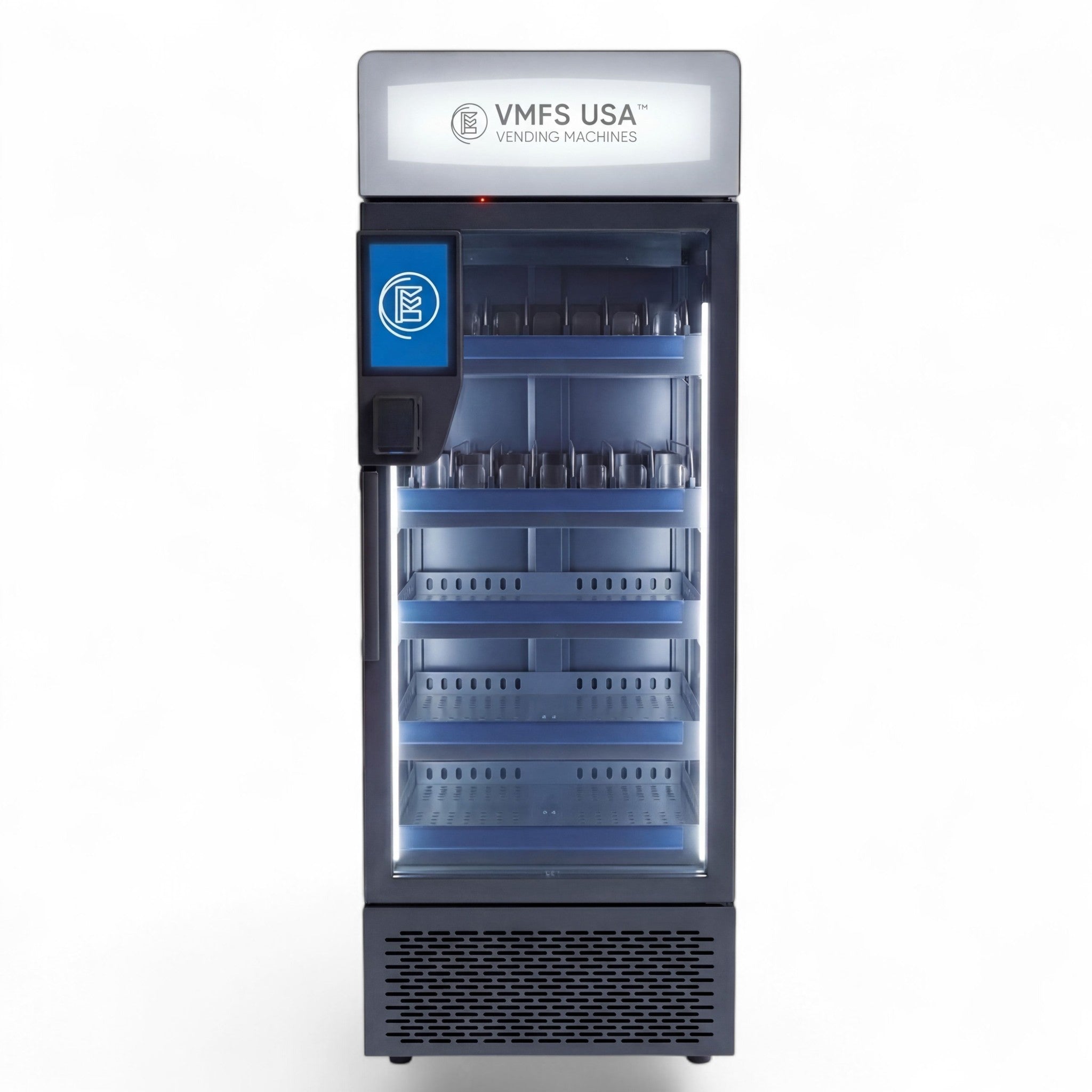
Un fabricante que ofrece múltiples formatos de máquina (para llevar, refrigeradores inteligentes, unidades combinadas) bajo una misma relación de soporte simplifica la gestión de flotas para un operador que planea combinar formatos en diferentes tipos de ubicaciones. La colección de máquinas expendedoras con IA para llevar, la máquina expendedora con refrigerador inteligente con IA, la máquina expendedora con refrigerador inteligente y la máquina expendedora combinada con refrigerador inteligente con IA de VMFS USA ilustran el tipo de variedad de formatos que vale la pena buscar en un solo fabricante. La personalización de la marca (forrar una máquina con la identidad visual propia de una ubicación) también debe confirmarse desde el principio si es relevante para un emplazamiento específico, ya que no todos los fabricantes lo admiten sin una cantidad mínima de pedido.
El hardware de un fabricante es tan útil como el software que lo ejecuta, ya que el motor de reconocimiento, el análisis de inventario y el sistema de alertas son los que realmente generan la ventaja operativa para la que se adquiere la venta con IA. Solicite una demostración del panel de control en vivo antes de comprar más de una máquina y confirme específicamente si el procesamiento del reconocimiento ocurre en el borde (edge) o en la nube, ya que esa elección arquitectónica afecta tanto a la velocidad de la transacción como al comportamiento durante una interrupción de la conectividad (detalles cubiertos en Software para máquinas expendedoras con IA y el hardware de sensor físico que interpreta en Desglose de piezas de máquinas expendedoras con IA).
La siguiente tabla aísla las diferencias prácticas que aparecen después de la compra, una vez que la máquina está desplegada y generando ingresos.
| Factor | Fabricante nacional | Origen extranjero |
|---|---|---|
| Tiempo de reemplazo de piezas | Días | Semanas, sujeto a aduanas |
| Huso horario de soporte | Alineado con horario comercial de EE. UU. | A menudo diferencia horaria significativa |
| Aplicación de garantía | Directa, recursos legales nacionales | Proceso transfronterizo más complejo |
| Costo inicial de hardware | A menudo más alto | A menudo más bajo |
| Flexibilidad de personalización | Normalmente mayor para pedidos pequeños | A menudo requiere cantidad mínima |
Ventajas
El reemplazo más rápido de piezas minimiza el tiempo de inactividad de la máquina y la pérdida de ingresos.
El soporte en un huso horario compatible acelera la resolución de problemas.
Las reclamaciones de garantía son más fáciles de aplicar a través de canales legales nacionales.
Desventajas
El costo inicial del hardware suele ser mayor que el de las alternativas extranjeras.
Menos opciones de costos ultrabajos en el rango de precios más básico.
El suministro nacional puede tener plazos de entrega más largos durante periodos de alta demanda.
Un fabricante que no puede proporcionar referencias o ejemplos de máquinas operando realmente en el campo, a diferencia de prototipos o unidades de ferias, es una señal de advertencia importante, ya que el hardware que funciona bien en una demostración controlada no siempre resiste los ciclos de reabastecimiento del mundo real y el funcionamiento continuo.
Los términos de garantía que mencionan la cobertura sin especificar plazos de reclamación, responsabilidad de envío o componentes excluidos deben suscitar preguntas directas de aclaración antes de la compra, ya que la ambigüedad en el lenguaje de la garantía tiende a resolverse a favor del fabricante una vez que se presenta una reclamación real.
Algunos fabricantes comercializan la telemetría conectada básica como "impulsada por IA" sin verdadera visión artificial o reconocimiento de productos basado en sensores, una distinción que vale la pena confirmar directamente en lugar de tomar el lenguaje de marketing al pie de la letra (cubierto en Máquina expendedora inteligente vs. Máquina expendedora con IA y ¿Qué es una máquina expendedora con IA?). Un marco completo de especificaciones para comparar fabricantes en formato de máquina y precio está disponible en la Guía completa del comprador 2026, y las comparaciones de costos totales entre opciones de abastecimiento se tratan en Máquinas expendedoras con IA: Costo.
Vea máquinas con soporte nacional
Explore formatos de máquinas expendedoras con IA respaldadas por piezas y soporte en EE. UU.
Explorar máquinas expendedoras con IA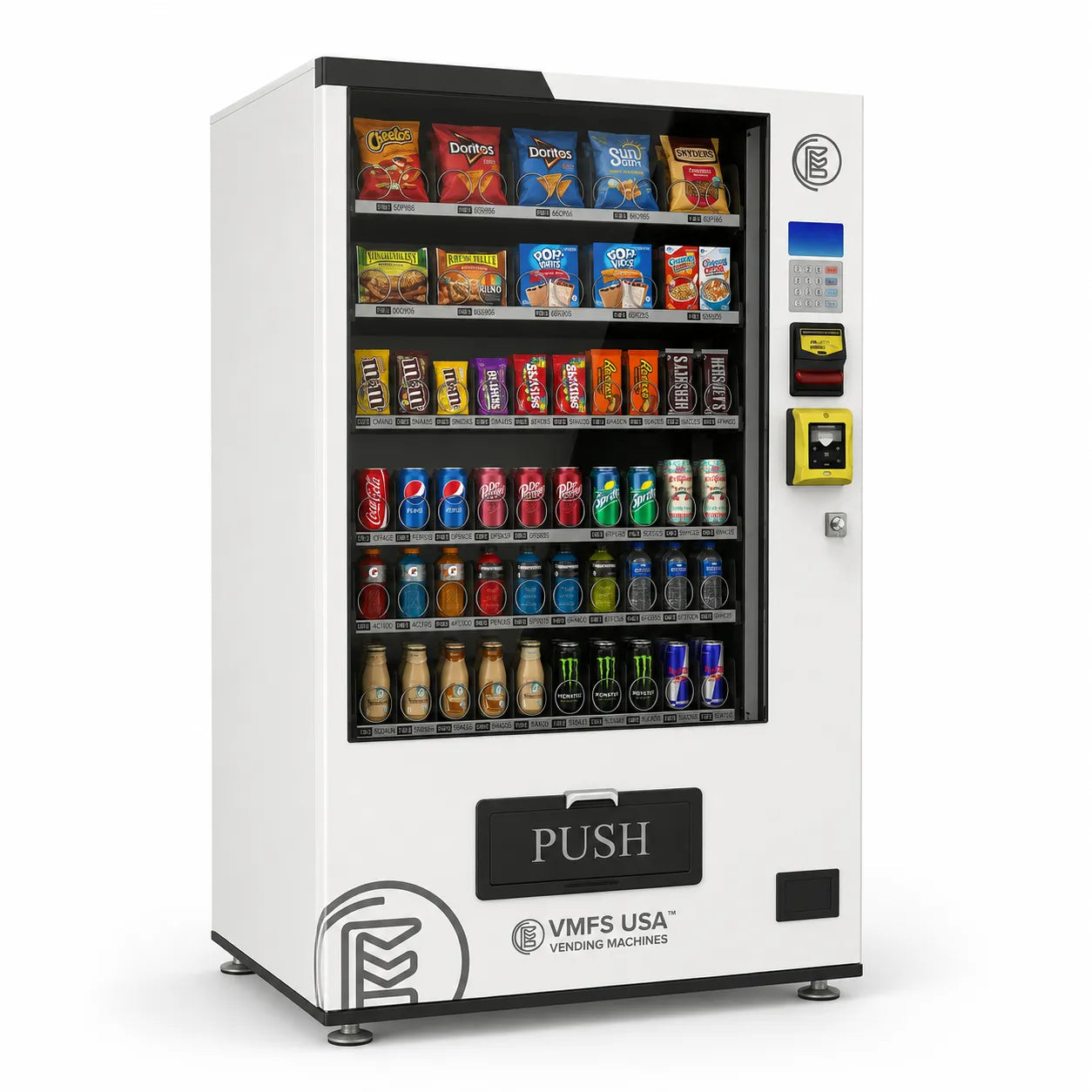
Compartir:
Estrategia de salida para máquinas expendedoras con IA: cómo vender una ruta de vending
Cómo comprar una máquina expendedora de IA: debe seguir estas pautas