


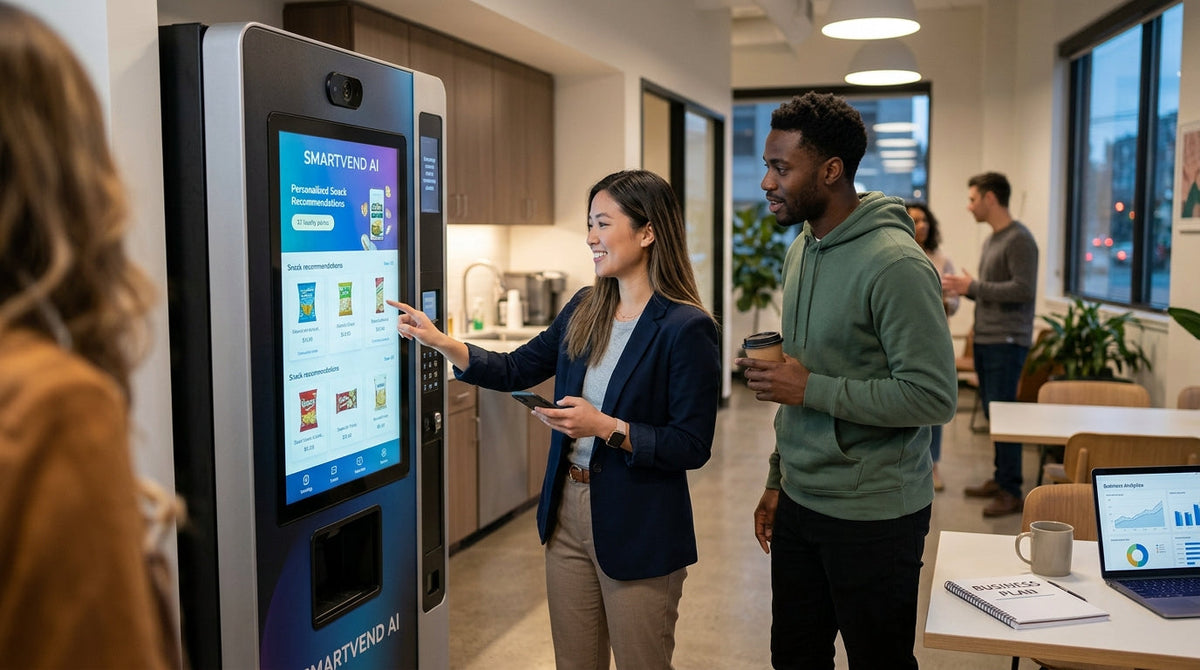


Diseñe la solución de vending perfecta para su ubicación y clientes.

Únete al boletín de VMFS y forma parte de una red próspera dedicada al éxito colectivo.
Un registro. Posibilidades infinitas.
Un plan de negocio de máquinas expendedoras con IA documenta la estrategia de adquisición de máquinas, las ubicaciones objetivo, las proyecciones financieras y el modelo operativo que un operador seguirá para alcanzar la rentabilidad, y sirve para dos propósitos distintos: obtener financiamiento y obligar al operador a validar sus supuestos antes de invertir capital. Los prestamistas y financieros de equipos evalúan este documento específicamente en busca de proyecciones de ingresos realistas, una estrategia de ubicación clara y evidencia de que el solicitante comprende la economía unitaria por máquina, y no solo entusiasmo por la categoría. Un plan basado en proyecciones vagas es rechazado por los socios financieros con la misma frecuencia con la que no logra guiar realmente el negocio una vez que las máquinas están instaladas.
Esta plantilla desglosa cada sección que debe tener un plan de negocio completo de máquinas expendedoras con IA, con los puntos de datos específicos que cada sección debe contener y cómo estructurar proyecciones financieras que resistan el escrutinio de los prestamistas.
Tabla de contenidos
Un plan de negocio completo de máquinas expendedoras con IA contiene siete secciones principales, cada una respondiendo a una pregunta específica que un prestamista, inversor o el propio operador necesita resolver antes de que se mueva el capital. La siguiente tabla asigna cada sección a su propósito y longitud típica en un documento terminado.
| Sección | Responde a | Longitud típica |
|---|---|---|
| Resumen ejecutivo | ¿Qué es este negocio, en resumen? | De media página a una página |
| Análisis de mercado | ¿Dónde y por qué funcionará esto? | 1–2 páginas |
| Estrategia de máquinas y productos | ¿Qué equipos e inventario? | 1 página |
| Plan de operaciones | ¿Quién realiza el trabajo diario? | 1 página |
| Proyecciones financieras | ¿Cuáles son las cifras? | 2–3 páginas con tablas |
| Solicitud de financiamiento | ¿Cuánto capital y en qué se gasta? | Media página |
| Evaluación de riesgos | ¿Qué podría salir mal y qué hacer entonces? | Media página |
El resumen ejecutivo expone el concepto de negocio, el número y tipo de máquinas previstas, las ubicaciones objetivo y el monto de financiamiento solicitado, todo dentro de una sola página escrita al final, aunque aparezca al principio, porque debe destilar las conclusiones a las que ya ha llegado el resto del plan en lugar de presentar nuevas afirmaciones. Un buen resumen menciona el formato de máquina específico (autoservicio "grab-and-go", nevera inteligente, unidad combinada), la categoría de ubicación objetivo y la proyección financiera principal, dando al lector una idea clara del negocio antes de llegar a una sola tabla de respaldo. Los antecedentes sobre lo que distingue a la categoría de máquina en sí deben ir aquí brevemente, dejando los detalles para Qué es una máquina expendedora con IA.
Esta sección debe citar la trayectoria más amplia del mercado de máquinas expendedoras inteligentes para demostrar que el operador comprende la demanda a nivel de categoría, no solo una oportunidad en una única ubicación; los datos y fuentes para esto se cubren en Tamaño del mercado de máquinas expendedoras con IA. Los prestamistas leen esta sección para confirmar que el operador no está entrando en una categoría en declive, por lo que citar la tasa de crecimiento anual compuesta (CAGR) y los motores de crecimiento fortalece directamente la credibilidad del plan.
Nombre las categorías de ubicación específicas que se están buscando (oficinas, gimnasios, edificios residenciales) junto con los umbrales de tráfico peatonal que califican un sitio como viable, ya que una declaración vaga como "áreas de alto tráfico" indica que el operador no ha realizado realmente el trabajo de puntuación de sitios. Un marco detallado para este análisis, incluidos los puntos de referencia de tráfico, está disponible en Datos de ubicación de máquinas expendedoras con IA y Estudio de caso: Encontrar el punto ideal para las máquinas expendedoras con IA.
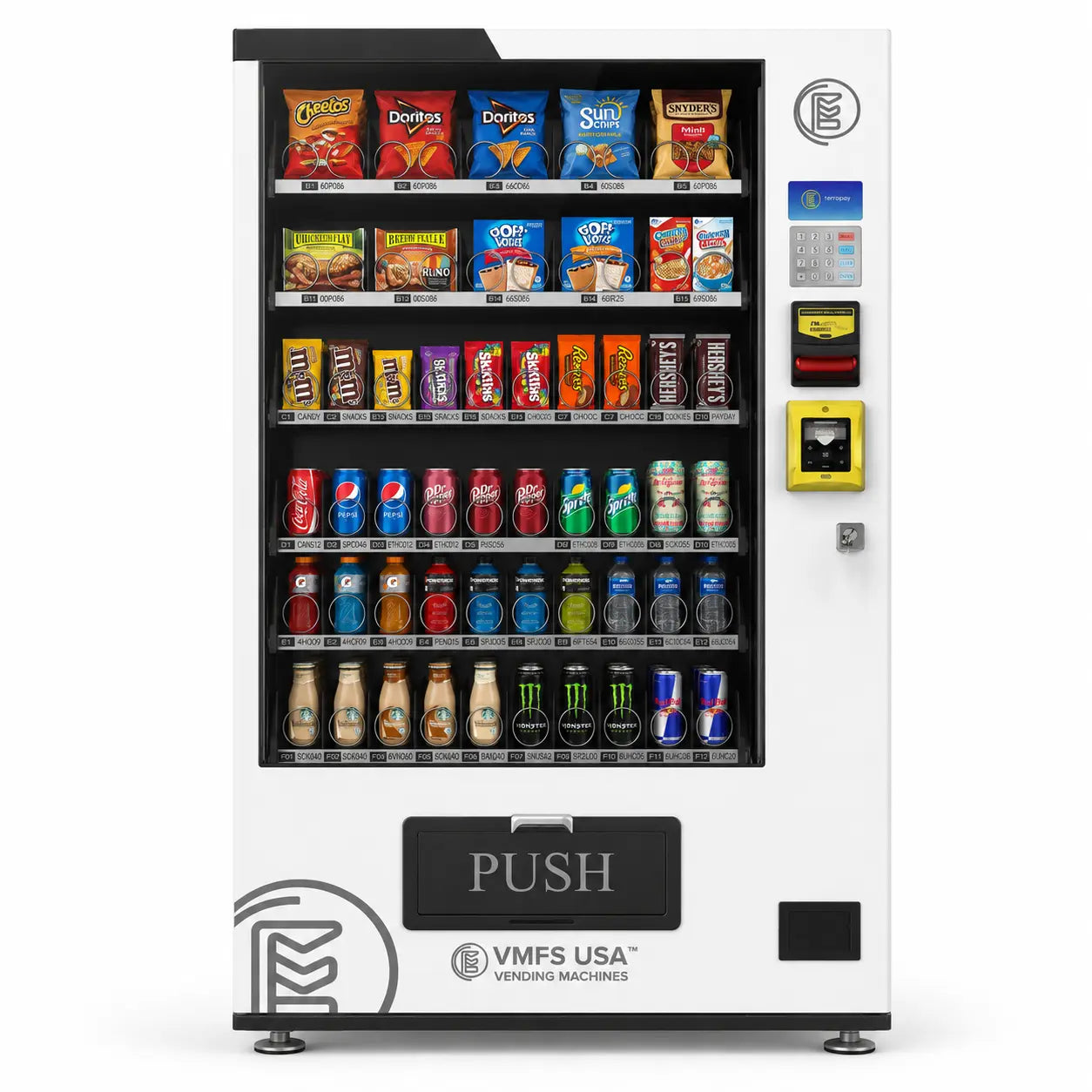
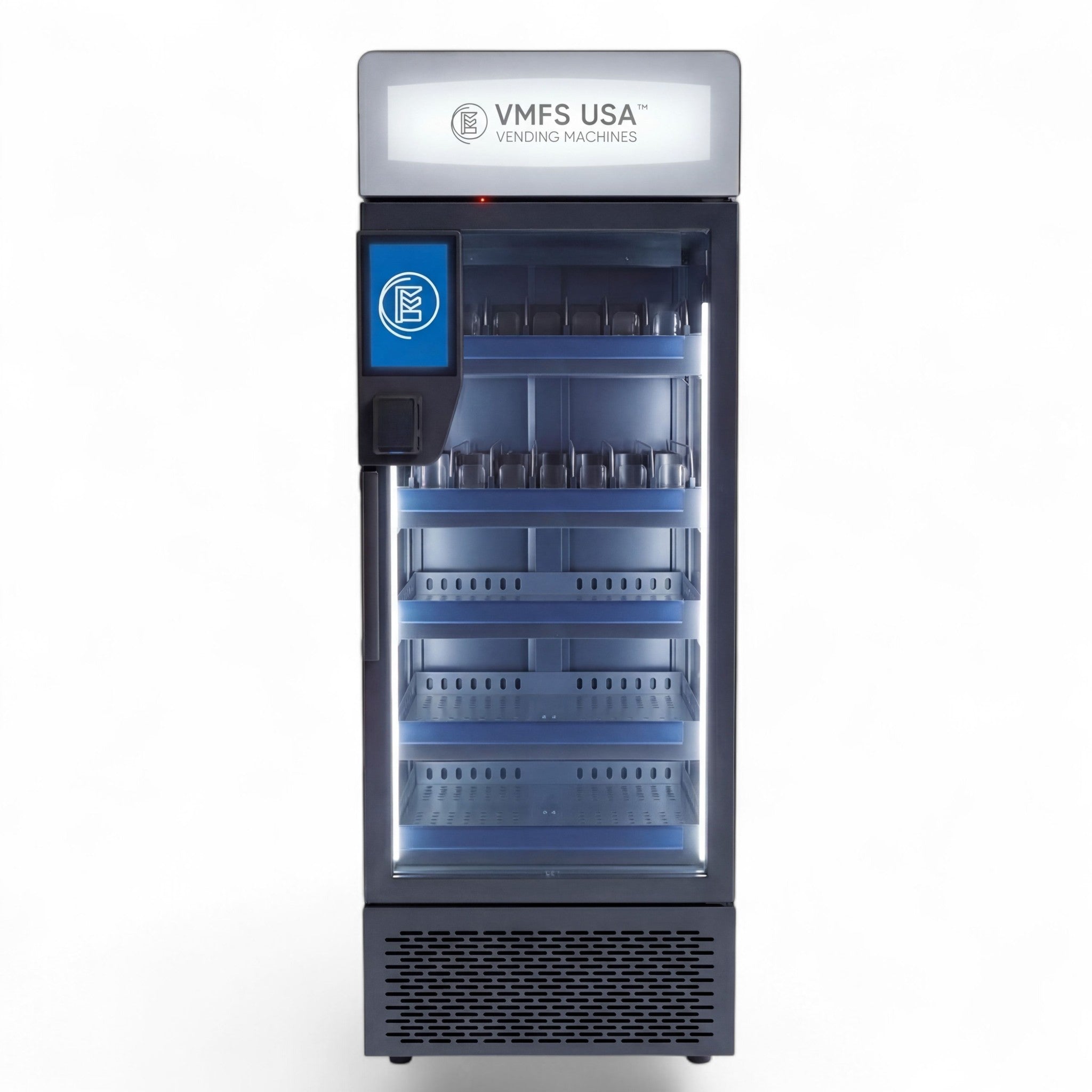
Esta sección especifica exactamente qué formatos de máquina se implementarán y por qué coinciden con las ubicaciones objetivo mencionadas en el análisis de mercado: una unidad combinada para entornos de oficina con demanda mixta, una nevera inteligente para ubicaciones residenciales con gran cantidad de productos perecederos, o una unidad abierta de autoservicio para entornos de gimnasios enfocados en la rapidez. La colección de máquinas expendedoras con IA de VMFS USA, la máquina expendedora de nevera inteligente con IA, la máquina expendedora de nevera inteligente y la máquina expendedora combinada de nevera inteligente con IA se corresponden directamente con estos casos de uso, y citar el modelo específico y la hoja de especificaciones en el plan muestra a un financiero que la decisión del equipo ya está tomada y no es teórica. Una comparativa completa entre formatos para redactar esta sección se encuentra en la Guía completa para compradores 2026.
La sección de operaciones describe quién repone las máquinas, con qué frecuencia y qué sistemas alertan cuando se necesita una visita; detalles que demuestran que el negocio realmente puede funcionar en el día a día en lugar de solo generar una hoja de cálculo favorable. Debido a que las máquinas expendedoras con IA dependen del monitoreo remoto en lugar de un cronograma de reabastecimiento fijo, esta sección debe explicar cómo las alertas del panel se traducen en acciones de reabastecimiento, haciendo referencia a la mecánica operativa cubierta en Cómo las máquinas expendedoras con IA optimizan las ventas y Cómo funcionan las máquinas expendedoras con IA. También debe indicar el punto en el que el plan prevé contratar ayuda para el reabastecimiento, lo cual la mayoría de los operadores vincula al número de máquinas y a la economía de la ruta detallada en Cuántas máquinas expendedoras con IA necesitas para administrar un negocio de tiempo completo.
Cada sección de proyección financiera debe comenzar con una tabla de costos iniciales específica que cubra la compra de la máquina, el inventario inicial, las licencias, el seguro y la instalación, no una estimación global, ya que la desglosación es lo primero que buscan los prestamistas. Un desglose completo para utilizar como referencia se encuentra en Máquinas expendedoras con IA: Costo.
| Partida | Año 1 | Notas para el plan |
|---|---|---|
| Adquisición de máquinas (3 unidades) | $18,000 – $30,000 | Citar precios específicos del modelo |
| Ingresos brutos (3 máquinas) | $36,000 – $50,000 | Basar en datos comparables de ubicación |
| Comisiones y tarifas de procesamiento | 10% – 20% de los ingresos brutos | Declarar explícitamente la tasa asumida |
| Beneficio neto (3 máquinas) | $7,200 – $14,400 | Mostrar vista mensual y anual |
Indique el mes específico en el que se proyecta que cada máquina alcance el punto de equilibrio, no solo una cifra agregada a nivel de negocio, ya que el recupero de la inversión por máquina es lo que un financiero utiliza para verificar la sensatez de los supuestos del plan. Las matemáticas subyacentes de la recuperación de la inversión, incluidos los cronogramas de equipos prefabricados frente a los de construcción personalizada, se detallan en Recuperación de la inversión en máquinas expendedoras con IA: prefabricadas frente a personalizadas y la mecánica del retorno de inversión (ROI) detrás de esto en ROI de las máquinas expendedoras con IA.
Declare el monto exacto de capital solicitado y divídalo en categorías específicas de uso de fondos (compra de máquinas, inventario, reserva de capital de trabajo) en lugar de una cifra única, ya que una solicitud desglosada indica que el operador ha planificado el gasto en lugar de solicitar un margen para la incertidumbre. Si el financiamiento cubre solo una parte del costo de la máquina, nombre la estructura financiera que se está buscando (arrendamiento, reparto de ingresos o préstamo) para que el lector comprenda la estructura de capital completa, no solo la porción de capital propio o efectivo.
Un plan de riesgos creíble nombra riesgos específicos y plausibles (una ubicación que rescinde el acuerdo de colocación, un período de inicio más lento de lo proyectado, un fallo del equipo que requiere reparación) y establece una mitigación directa para cada uno, en lugar de un párrafo de exención de responsabilidad genérico. Comparar el perfil de riesgo de la máquina con IA frente al de una máquina tradicional es un marco útil aquí, cubierto en Máquinas tradicionales frente a máquinas con IA y ¿Vale la pena la actualización?. También vale la pena mencionar directamente el riesgo de procesamiento de pagos específico de las máquinas con IA, detallado en Cómo funciona el procesamiento de tarjetas y por qué las máquinas con IA tienen tarifas diferentes.
Plan de negocio formal
Requerido para la mayoría de los préstamos bancarios y solicitudes de financiamiento de equipos.
Obliga a realizar modelos financieros detallados antes de comprometer el capital.
Lleva más tiempo producirlo y requiere más investigación de respaldo.
Plan ágil de una sola página
Más rápido de redactar y más fácil de revisar a medida que el negocio evoluciona.
Suficiente para lanzamientos autofinanciados de una sola máquina sin financiamiento externo.
Rara vez es aceptado solo por bancos o prestamistas de equipos para solicitudes más grandes.
Los planes que muestran solo proyecciones de ventas brutas, sin una deducción clara por comisiones, tarifas de procesamiento y costos de reabastecimiento, parecen ingenuos o evasivos para un prestamista experimentado, y son marcados para revisión antes de que continúe cualquier conversación de financiamiento.
Un plan basado enteramente en ubicaciones hipotéticas y sin nombre indica que el operador aún no ha iniciado el proceso real de negociación de colocación, lo cual debilita el documento completo, sin importar cuán sólidos parezcan los modelos financieros sobre el papel. Mencionar al menos una carta de intención o una ubicación confirmada, incluso si otras siguen en proceso, fortalece sustancialmente el plan.
Un plan que propone máquinas expendedoras de electrónica o artículos de alto valor sin abordar específicamente la prevención de pérdidas resulta incompleto para un prestamista familiarizado con la categoría, ya que el inventario de mayor valor conlleva un riesgo materialmente diferente al de los snacks o bebidas; una distinción cubierta en Cómo las máquinas expendedoras de electrónica impulsan la IA, las ciudades inteligentes y la sostenibilidad. La precisión terminológica también es importante: confundir el vending "inteligente" (smart) y el "de IA" en un plan puede mermar la credibilidad ante un lector técnicamente informado, una distinción aclarada en Máquina expendedora inteligente vs. Máquina expendedora con IA. El detalle a nivel de componentes del equipo a financiar, útil para la sección de estrategia de máquinas, está disponible en Desglose de piezas de máquinas expendedoras con IA.
Construya su sección de equipo con especificaciones reales
Compare los formatos de las máquinas expendedoras con IA para finalizar la sección de estrategia de máquinas de su plan.
Explorar máquinas expendedoras con IA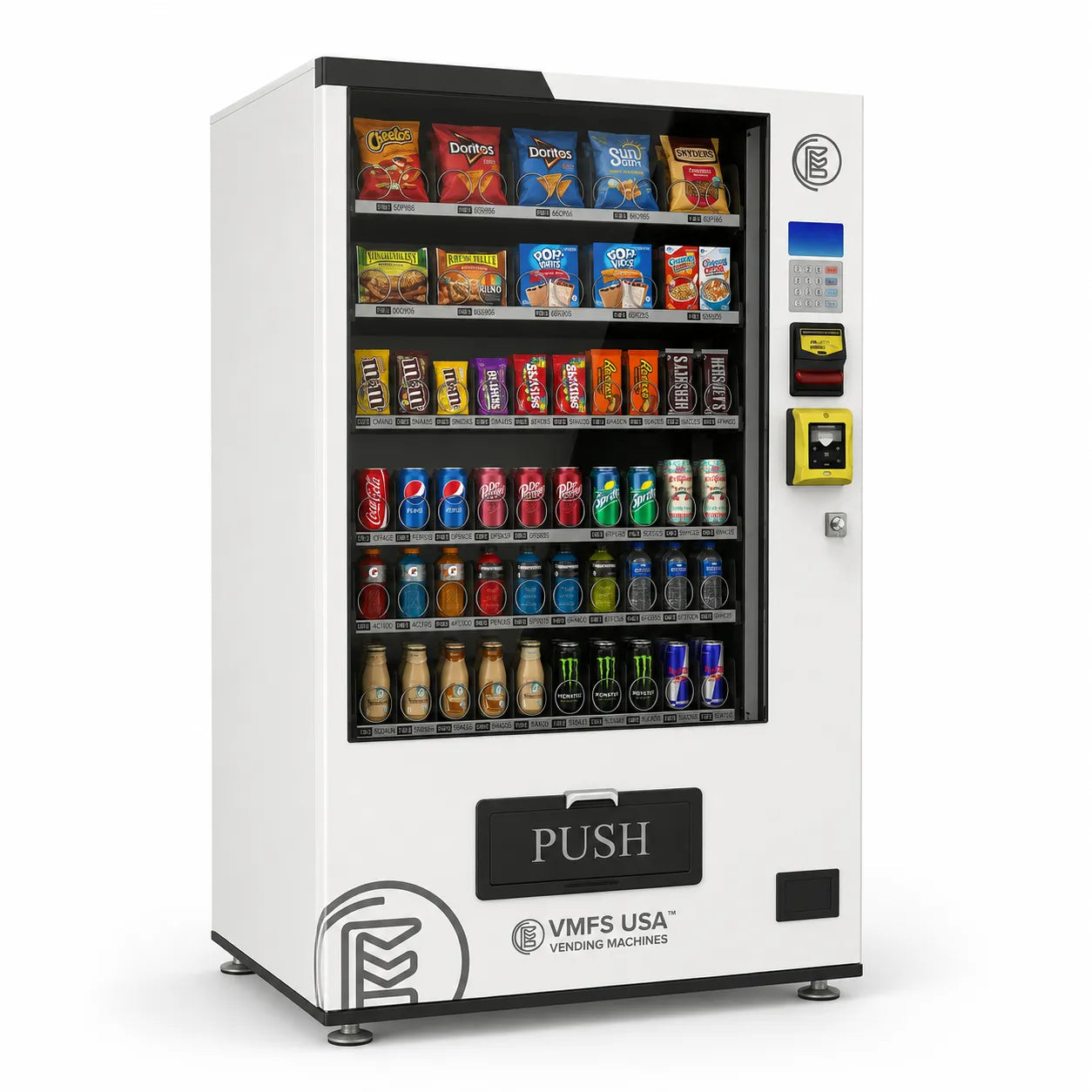
Compartir:
Software para máquinas expendedoras con IA: cómo funciona y qué buscar
Plantilla de contrato de colocación de máquinas expendedoras con IA para operadores