



Design the perfect vending solution for your location and customers.

Sales, inventory and alerts for your whole route, from one machine to a fleet.
Answer a few questions about your location, products and budget and get a shortlist.
Estimate revenue, payback period and margin before you buy.
Sales, setup help, warranty and parts from the VMFS USA team.
Join the VMFS newsletter and step into a thriving network dedicated to collective success.
One signup. Endless possibilities.
The first official Pokémon card vending machines came out in September 1996 in Japan, when Bandai released its "Carddass 20" and "Carddass 100" mechanical vending dispensers. These early coin-operated machines dispensed glossy collectible card cards before the physical Pokémon Trading Card Game (TCG) tabletop rules officially debuted. Modern touchscreen retail kiosks operated by The Pokémon Company International launched their first major trial in North America in late 2017, expanding into hundreds of grocery stores and shopping malls nationwide.

Understanding the origin of automated card retail helps collector enthusiasts and business operators track how card distribution shifted from traditional hobby shops to automated retail kiosks.
Automated retail for trading card games evolved across several decades, shifting from basic mechanical turn-crank dispensers to internet-connected touchscreen kiosks.
Bandai manufactured the first automated card dispensing hardware for the Pokémon franchise in September 1996. Dispensing cards for 20 yen or 100 yen, these mechanical units distributed Part 1 and Part 2 of the Pocket Monsters card series. These cards featured original Ken Sugimori illustrations and predated Media Factory's October 1996 release of the official Pokémon TCG Base Set.
According to The Pokémon Company Corporate History, early retail experimentation in Japan established that fans preferred direct, automated access to collectible merchandise in high-density transit stations and retail corridors.
The Pokémon Company International introduced automated kiosks to the United States market during the summer of 2010. Initial test locations operated in Washington State at Westfield Southcenter and Northgate Mall. These early interactive kiosks featured digital touchscreens and video displays, selling video games, plush toys, and card packs in shopping centers.
In late 2017, The Pokémon Company International began deploying modern, dedicated automated card kiosks inside Fred Meyer and Kroger grocery stores across the Pacific Northwest. Designed specifically for card collectors, these kiosks maintain real-time inventory systems for booster boxes, Elite Trainer Boxes (ETBs), and special blister packs. Collectors can utilize digital store locators to find an official kiosk nearby via find a Kroger pokemon vending machine.
Exploring pokemon vending machine locations demonstrates how automated card kiosks expanded from localized test markets into international retail infrastructure.
Card dispensing hardware transformed from basic spring-loaded mechanical levers into high-precision, elevator-driven automated retail systems.
Early mechanical card dispensers relied entirely on precise physical card thickness to eject single cards without jamming. In contrast, modern smart kiosks integrate high-definition touchscreens, cloud telemetry, and contactless payment processors.
| Hardware Feature | 1996 Bandai Carddass Unit | Modern Commercial TCG Kiosk |
| Dispensing Mechanism | Rubber roller / mechanical slot | Soft-drop elevator & conveyor belts |
| Payment Options | Physical coins (10/100 Yen) | Credit Card, Apple Pay, Bill Acceptor |
| Product Capability | Loose single cards | Sealed Booster Packs, ETBs, Slabs |
| Inventory Tracking | Manual visual inspection | Real-time IoT cellular telemetry |
| Screen Interface | None (Static printed poster) | 32" – 55" High-Definition Touchscreen |
Reviewing what are pokemon vending machines clarifies how engineering advancements eliminated card damage during dispensing.

Preventing product damage is critical when dispensing high-value trading cards. Modern commercial equipment utilizes XY-axis motorized elevator platforms that rise to meet the dispensing shelf, catching items gently before lowering them to the delivery bin.
Detailed technical teardowns in pokemon vending machine components highlight how optical drop sensors verify every successful transaction before charging the customer's payment card.
Private entrepreneurs cannot purchase official corporate-owned Pokémon Center kiosks, but anyone can buy commercial trading card vending hardware to launch an independent automated retail route.
Official green Pokémon Center kiosks are corporately owned assets managed directly by Nintendo and The Pokémon Company. Independent business owners who want to capitalize on card demand purchase commercial machines from a trusted Vending Machine Company in USA, apply custom business wraps, and stock them with authentic sealed products.
Questions surrounding equipment purchasing rights are fully explained in can anyone buy a pokemon vending machine.
Commercial trading card vending equipment varies by size, product capacity, and physical form factor:
┌──────────────────────────────────────────────────────────────────────────────────┐
|                         COMMERCIAL HARDWARE SPECTRUM                             |
├──────────────────────────────────────────────────────────────────────────────────┤
|  • Wall-Mounted Mini Units  : $1,400 – $1,800  (Capacity: 100–250 Items)        |
|  • Freestanding Slim System : $2,000 – $3,500  (Capacity: 300–600 Items)        |
|  • High-Capacity Elevator   : $4,000 – $8,000+ (Capacity: 800+ Mixed Items)      |
└──────────────────────────────────────────────────────────────────────────────────┘
Operators should analyze the full pokemon vending machine prices cost guide before purchasing hardware. To buy commercial equipment, operators can select a dedicated Pokemon Card Vending Machine, deploy a compact TCG Vending Machine, or invest in a Large Pokemon Vending Machine for maximum inventory storage.
Operating a card vending machine requires strict adherence to trademark laws, intellectual property guidelines, and local business registration rules.
Under the First Sale Doctrine, codified in U.S. Copyright Office First Sale Doctrine Section 109, individuals who lawfully purchase authentic, factory-sealed Pokémon products have the legal right to resell those items without corporate permission. Resellers must keep items in their original sealed packaging to avoid claims of product alteration. Legal protections for independent card sellers are detailed in can you legally sell pokemon in vending machine.
While reselling authentic products is legal, using registered Pokémon logos, Pikachu artwork, or trademarked characters on the exterior wrap of a vending machine without a corporate license is illegal.
┌──────────────────────────────────────────────────────────────────────────────────┐
|                         TRADEMARK COMPLIANCE CHECKLIST                           |
├──────────────────────────────────────────────────────────────────────────────────┤
| ALLOWED:                                                                         |
| • Wrapping machines with original custom patterns or personal company branding.  |
| • Displaying authentic sealed packs visibly behind clear glass shelves.           |
| • Stating plain text descriptions such as "Contains Authentic TCG Cards".         |
|                                                                                  |
| PROHIBITED:                                                                      |
| • Printing official Pokémon logos, character art, or trade dress on the cabinet. |
| • Describing the machine as an "Official Pokémon Center Kiosk".                 |
| • Selling loose, resealed, or counterfeit trading cards.                         |
└──────────────────────────────────────────────────────────────────────────────────┘
Review comprehensive legal guidelines in can you use the pokemon logo on a TCG vending machine prior to designing machine graphics.
Setting up an automated retail business requires registering a legal entity to protect personal assets and maintain tax compliance.
Operators must obtain state sales tax permits to collect sales tax at the point of purchase. Establishing a dedicated business structure isolates personal liability from equipment debts and location claims.
Maintaining route profitability requires systematic inventory tracking, routine mechanical maintenance, and secure location selection.
Operators must source authentic inventory from authorized distributors, wholesale card suppliers, or liquidations. Maintaining constant inventory levels prevents lost sales.
Operators can monitor real-time stock levels using a digital pokemon vending machine restock tracker to streamline route management. Further operational protocols are outlined in pokemon vending machines restock.
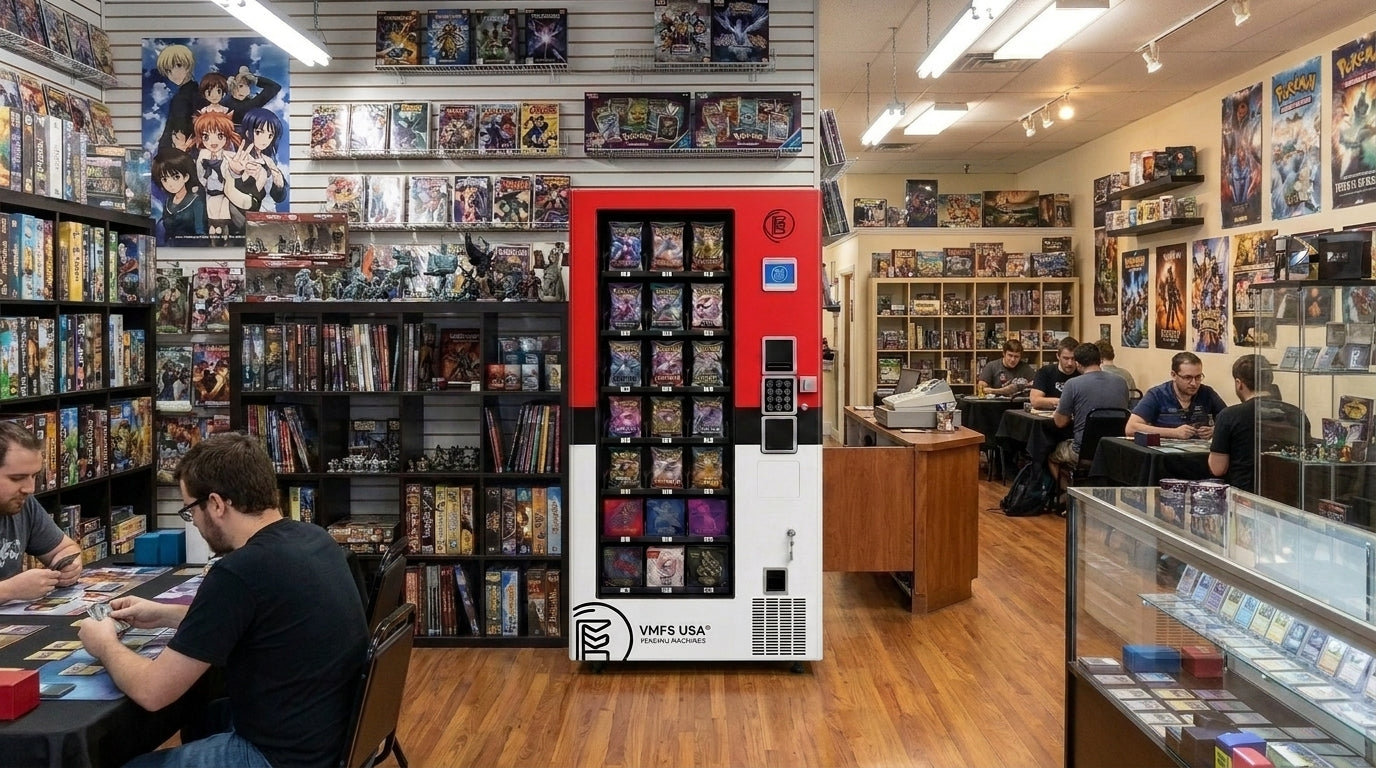
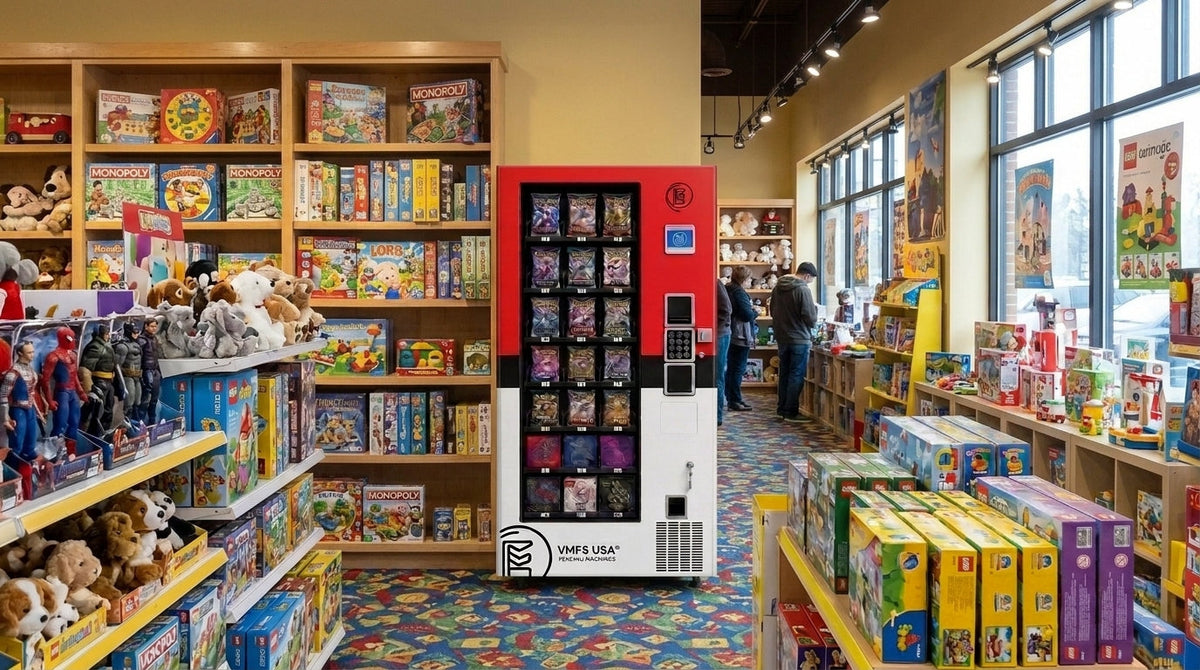
Machine placement directly dictates gross daily sales. Ideal placement locations include local card stores, video game arcades, shopping malls, bowling alleys, and family entertainment centers.
Site Selection Strategy: Evaluate foot traffic density using best places for pokemon vending machine placement.
Pre-Placement Verification: Execute an audit using the checklist before placing a pokemon vending machine.
Location Contracts: Secure host permissions using a legal pokemon vending machine placement agreement.
Operators searching for local host venues can utilize tools to find pokemon vending machines near you.
Preventative servicing ensures maximum machine uptime and protects sensitive internal electronics.
Scheduled Servicing: Follow a structured pokemon vending machine maintenance schedule to clean optical sensors and verify motor alignment.
General Repairs: Master basic maintenance procedures using how to do pokemon vending machine maintenance.
Card Reader Fixes: Resolve payment gateway dropouts by reviewing how to fix pokemon vending machine card reader.
Display Glitches: Fix unresponsive screens with pokemon vending machine black screen fix.
System Resets: Clear firmware errors using how to reset a pokemon vending machine.
Error Code Diagnostics: Resolve mechanical jams by addressing pokemon vending machine glitches and pokemon vending common issues and solutions.
Timing Adjustments: Optimize motor speeds by adjusting pokemon vending machine drop times.
Launching and scaling an automated retail operation requires solid corporate structuring and location matching networks.
Structuring your vending business correctly protects personal wealth and simplifies state sales tax filing. Operators can select from several corporate structures:
LLC Formation: Form an LLC to protect personal assets by choosing to form an LLC for a vending machine business.
Corporate Entities: Explore tax savings using an S-Corporation structure or a C-Corporation setup.
Partnerships & Sole Proprietorships: Evaluate a partnership for a vending machine business, an LLP formation, a limited partnership, or review basic sole proprietorship features. Non-profits can review nonprofit corporation.
Registered Agent Services: Maintain state regulatory compliance by securing registered agent services for vending.
Finding host locations is simplified through dedicated location placement networks. Property managers with unused floor space can list your location space details for vending placement on VPlaced to connect directly with qualified local operators.
To buy equipment, operators can explore where can I buy a pokemon vending machine and study how to buy a pokemon vending machine. Learn basic operation using how to use a pokemon vending machine or master equipment mechanics through how do pokemon vending machines work complete guide.
Trading card vending machines yield high profit margins due to strong consumer demand and minimal labor overhead.
Gross margins on sealed trading card merchandise average 30% to 50%. A machine dispensing 20 booster packs per day at $5.00 each generates $3,000 in monthly gross revenue.
After accounting for a 10% location commission ($300) and telemetry software fees ($15), the net monthly profit averages $885, yielding complete capital payback in 4 to 7 months. Read more on business performance in is the pokemon vending machine business profitable.
Operators should study how to start and operate a pokemon vending machine and review pokemon card vending machine the complete 2026 operator guide to scale their route. Implement targeted marketing using how to market a pokemon vending machine.
The first Pokémon card vending machines came out in September 1996 in Japan, produced by Bandai under the "Carddass" brand name.
The Pokémon Company International launched initial kiosk trials in Washington State in 2010, expanding into dedicated grocery store TCG kiosks in late 2017.
No, official Pokémon Center kiosks are corporately owned by The Pokémon Company International and are not available for private purchase or franchising.
Yes, reselling authentic, factory-sealed Pokémon cards in an independent vending machine is legal under the First Sale Doctrine.
No, placing trademarked Pokémon logos, character artwork, or official graphics on a custom machine wrap without a corporate license violates trademark laws.
Commercial TCG vending machines cost between $1,400 for wall-mounted models and $8,000+ for high-capacity elevator kiosks.
Modern machines utilize XY-axis elevator platforms and soft conveyor belts rather than steep gravity drops to protect card packaging.
High-performing host locations include local card stores, video game arcades, shopping malls, bowling alleys, and family entertainment centers.
Commercial machines utilize MDB cellular telemetry systems that sync live sales and stock counts directly to an operator's mobile dashboard.
Most operators achieve complete payback on equipment and initial inventory fill within 5 to 8 months in high-traffic locations.

Compartir:
Can Anyone Buy a Pokemon Vending Machine? Legal Rules and Operator Guide