


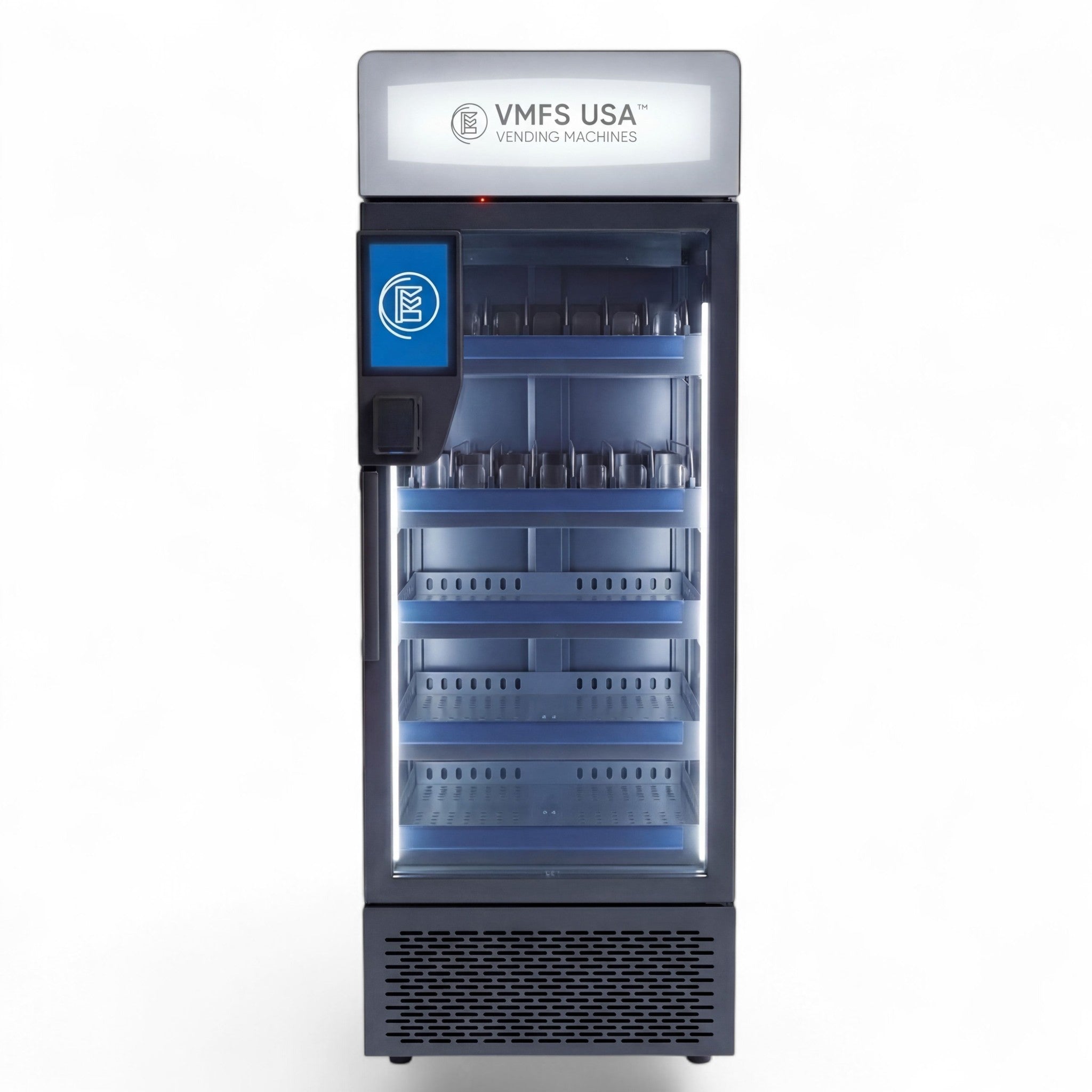
Starting a protein shake vending machine business combines the booming fitness industry with the hands-off profitability of automated retail. A specialized protein shake vending machine captures high-intent buyers immediately post-workout, maximizing revenue per square foot. Modern operators source reliable hardware from VMFS USA to leverage automated blending and precise inventory management. Entering this market requires rigorous planning, strategic placement, and adherence to legal compliance frameworks.

Understanding the Fitness Vending Market
The fitness vending market thrives because consumer demand for on-the-go sports nutrition outpaces traditional snack availability. Gym members and athletes seek immediate recovery options without waiting in juice bar lines. Automated shake dispensers bridge this gap by delivering fresh, customized nutritional blends on demand.
Understanding the core mechanics of automated retail is essential before deployment. New operators should review foundational concepts on buying a vending machine to understand equipment lifecycles. Success in this niche relies on offering the right consumables; studying insights on what to buy for a vending business prevents dead inventory.
Evaluating the broader landscape involves analyzing types of vending machines to determine whether standalone powder-dispensing units or liquid-ready fridge systems fit your model. Diversifying into wellness-focused equipment also opens doors to healthy vending machine strategies that appeal to health-conscious demographics.
Legal Formation and Business Registration
Structuring your enterprise correctly shields your personal assets from liability and establishes operational legitimacy. Forming a formal legal entity simplifies tax filing and vendor contract negotiations.
Business Formation and Corporate Structure
Choosing the correct corporate structure impacts tax liabilities and operational flexibility. Many operators choose to form an LLC for a vending machine business to secure limited liability protection. Alternatively, high-growth operators might evaluate a C-Corporation or an S-Corporation to optimize corporate tax brackets. Sole proprietorships and partnerships remain options, though they lack robust personal asset protection. For multi-owner models, a structured partnership for a vending machine business prevents internal disputes.
Compliance and Registered Agents
Every registered business must maintain compliance with state regulations and tax agencies. Appointing a reliable registered agent for a vending machine business ensures your enterprise receives legal notices promptly. You must also secure an Employer Identification Number (EIN), register for state sales tax permits, and establish a clear vending tax filing structure. Proper legal foundations prevent unexpected audits and ensure seamless expansion across state lines.
Securing High-Traffic Locations
Location quality dictates the ultimate profitability of any automated retail route. A protein shake machine placed in a stagnant office breakroom will fail, whereas the same unit placed in a 24-hour CrossFit box will thrive.

Identifying Optimal Placement Targets
High-value placements require heavy foot traffic composed of fitness enthusiasts and athletes. Premier locations include commercial gyms, crossfit boxes, martial arts academies, rock-climbing gyms, and large university athletic centers. Reviewing guidelines on how to choose a profitable vending location helps filter out low-yield opportunities. Smart operators also analyze smart places to put a vending machine to maximize daily transaction volumes.
Location Contracts and Matchmaking Services
Securing a premium space requires professional location agreements that outline revenue splits and maintenance responsibilities. Property owners often seek reliable operators without knowing where to find them. If you own commercial space or a gym, you can list your location (share space details and requirements). Platforms like VPlaced finds and matches qualified operators, allowing property owners to compare and connect with interested operators to choose the best fit and get vending setup hassle-free. For broader route expansion, study strategies on how to find vending machine location contracts.
Selecting Hardware and Inventory
Hardware reliability and high-grade ingredients determine customer retention in the automated nutrition sector. Protein shake dispensers require specialized sanitation cycles and robust mixing mechanisms to prevent clogging.
Equipment Sourcing and Setup
Investing in commercial-grade equipment minimizes mechanical breakdowns and service calls. Operators can explore the drinks vending machine collection for alternative beverage storage, or look into fridge vending machine options for pre-mixed bottled shakes. Proper vending machine initial setup ensures calibration of water temperatures and powder dispensing ratios. Furthermore, maintaining strict streamlined inventory control: the power of tracking vending machine stock prevents stockouts during peak gym rush hours.
Product Selection and Pricing
Stocking high-margin sports nutrition products directly correlates with revenue growth. Analyze insights on cracking the code: unveiling the most profitable vending machine products to curate popular whey isolates, plant-based proteins, and BCAAs. Operators must also understand the nuances of how to choose the right products for your vending machine. To protect profit margins, implement pricing formulas outlined in the operator pricing guide: how to set product prices.
Financials, Margins, and Pricing Strategies
A protein shake vending machine commands higher price points than a traditional snack unit, translating to superior profit margins. Understanding the underlying math ensures long-term business viability.

Profit Margins and Revenue Breakdown
While traditional snack machines yield gross margins of 40% to 50%, premium protein shake units often achieve gross margins exceeding 60% to 70%. Each shake can sell for $4.00 to $7.00 depending on the local market, while ingredient costs remain low. Review benchmark data on vending machine profit margin to model your expected return on investment. Operators must also account for location commission splits, as detailed in vending machine revenue split: operator vs location vs supplier.
Maintenance and Scaling Operations
Operational overhead includes restocking ingredients, routine cleaning, and preventive maintenance. Review guides on keeping the money flowing: essential vending machine maintenance tips to avoid costly downtime. As your route grows, utilize principles from how to use real numbers to scale smarter to optimize fleet management and logistics.
Frequently Asked Questions
What is the average startup cost for a protein shake vending machine?
Starting a protein shake vending machine business typically costs between $8,000 and $15,000 per machine, including equipment purchase, initial ingredient inventory, business formation, and working capital. Premium automated blending units command higher upfront capital than standard snack machines but deliver significantly higher per-transaction revenue.
How much profit can a single protein shake machine generate monthly?
A well-placed protein shake machine in a busy gym can generate between $2,000 and $5,000 in gross monthly revenue. Net profit generally ranges from 40% to 60% after accounting for ingredient costs, location commission splits, and electricity.
Do I need a special health department permit for a shake machine?
Yes, health departments often regulate food and beverage vending machines that mix open ingredients or dairy products. Operators must secure local health permits, pass routine sanitation inspections, and adhere to strict food safety guidelines.
What ingredients work best in a protein shake vending machine?
High-flow whey protein isolate, plant-based pea protein, instantized BCAAs, and micronized creatine perform best in automated dispensers. Ingredients must possess anti-caking properties to prevent clumping within the internal mixing canisters.
How often do protein shake vending machines require restocking and cleaning?
High-traffic gym locations require restocking and sanitation cycles every 2 to 4 days to ensure continuous operation. Automated cleaning cycles must be executed regularly to prevent bacterial growth in mixing chambers and fluid lines.
What is the best location for a protein shake vending machine?
Commercial 24-hour gyms, crossfit boxes, martial arts training centers, and university athletic complexes represent the highest-converting placements. Members in these environments actively seek post-workout nutrition immediately following strenuous exercise sessions.
How do I handle mechanical breakdowns or powder clogs?
Partnering with reliable equipment manufacturers like VMFS USA ensures access to technical support and replacement parts. Routine preventive maintenance and using high-grade, moisture-resistant powders significantly reduce the frequency of clogs.
Should I form an LLC for my vending machine business?
Forming an LLC protects your personal assets from potential liability claims arising from foodborne illness or equipment malfunction. It also provides pass-through taxation benefits that simplify annual business tax filings.
How do I determine the selling price for each protein shake?
Price your shakes by calculating total ingredient cost, cup and lid expenses, payment processor fees, and desired profit margins. Most profitable operators price premium shakes between $4.50 and $7.50 based on regional fitness demographics.
Can I manage my protein shake vending machine remotely?
Modern protein shake machines feature cloud-connected telemetry systems that allow remote monitoring of inventory levels, sales data, and machine errors. This technology enables operators to optimize restocking schedules and track real-time revenue performance.
Compartir:
Best Coffee Machine for a Small Office - The Ultimate 2026 Buying Guide
How Much Does a Protein Shake Vending Machine Cost? (2026 Price & ROI Guide)