The vending business is an easy way to earn steady income with little effort. Machines work all day, offering snacks, drinks, and other products without staff. Success depends on choosing the right product, the right location, and the right machine. When these match, sales stay strong and maintenance stays low. This guide explains the main types of vending machines and how to choose the one that fits your business best.
The Three Pillars of a Profitable Vending Strategy
The vending business works best when three things come together — the right product, the right location, and the right type of machine. These three pillars decide how much you sell, how much you spend, and how easy it is to manage your operation. When they match, your business runs smoothly and grows faster.
Right Product
The right product means selling what people in that place actually want to buy. A gym does well with water, energy drinks, and protein snacks, while an office needs coffee and light food options. Tracking which items sell most helps keep stock fresh and profits steady. Choose products that fit the people and the setting, not personal taste.
Right Location
The right location decides how well a vending machine performs. Even a high-end machine will earn less if it sits where few people pass by. Good spots include offices, schools, hospitals, and transport stations where traffic is steady all day. A visible and safe location also makes restocking and maintenance easier.
Right Type of Machine
The right machine connects your product and location. Small spaces may need compact or combo units, while high-traffic areas benefit from smart or refrigerated machines. Cashless payment options, remote tracking, and energy-efficient systems help cut costs and improve reliability. When you are ready to buy a vending machine, choose one that fits your setup and makes daily work simple.
Example in Practice
An
ice cream vending machine in a gym will not do well, but the same machine near a beach can make great sales. The product, the location, and the type of machine must always fit together. That match is what turns a basic vending setup into a strong, profitable business.
Types of Vending Machines
Vending machines come in many forms, each designed for a specific product, location, and customer need. Choosing the right type is important because it affects both sales and maintenance. The sections below explain the main types of vending machines and how they fit different business goals.
Beverage Vending Machines
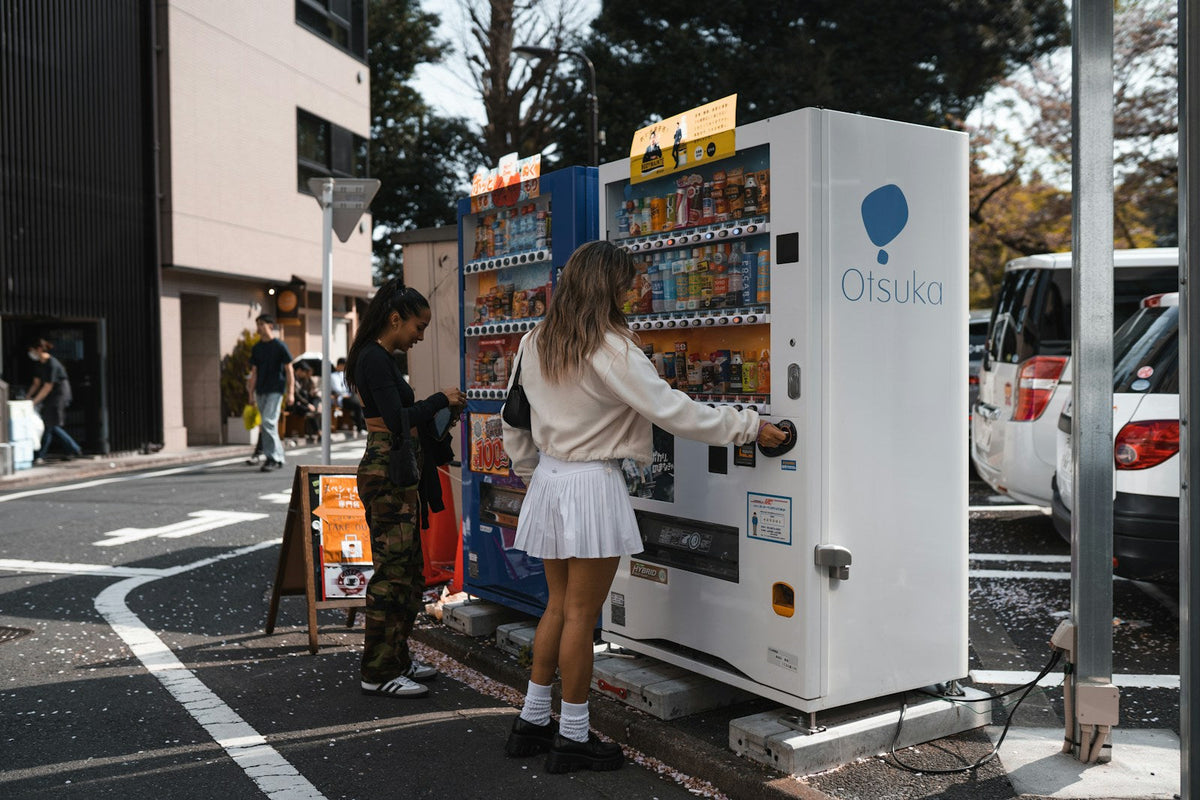
Beverage vending machines are among the most common units. They dispense water, soft drinks, coffee, and even energy or flavored beverages. These machines work well in offices, gyms, schools, and transport areas where people often need a quick drink. Many include cooling systems and cashless payment options for easier use.
Snack and Food Vending Machines
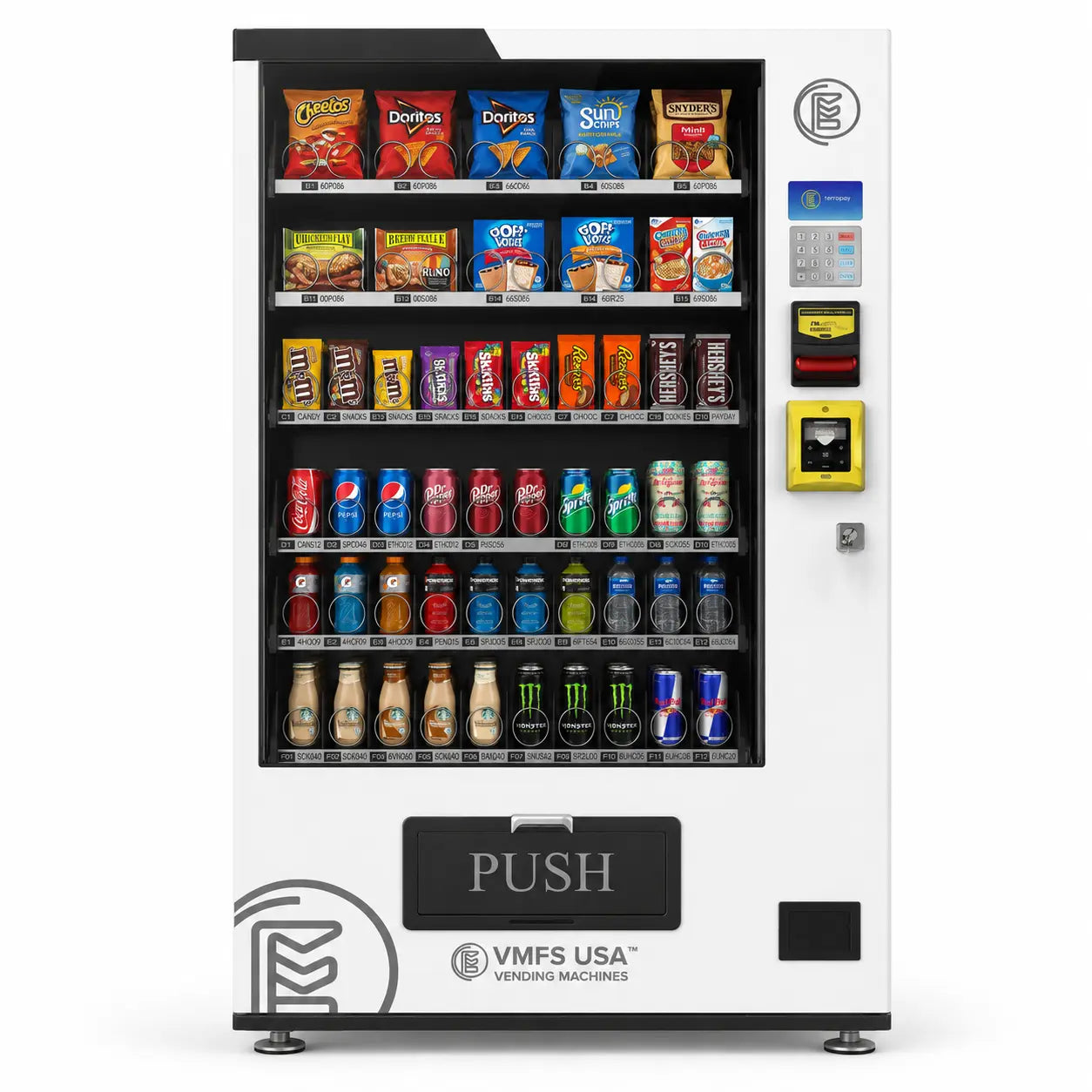
Snack and food vending machines sell chips, candy, cookies, and ready-to-eat snacks. They are suitable for schools, hospitals, malls, and workplaces with steady foot traffic. Some units come with optional refrigeration or LED lighting to keep food fresh and visible. Regular restocking keeps these machines profitable and attractive.
Combination (Combo) Vending Machines
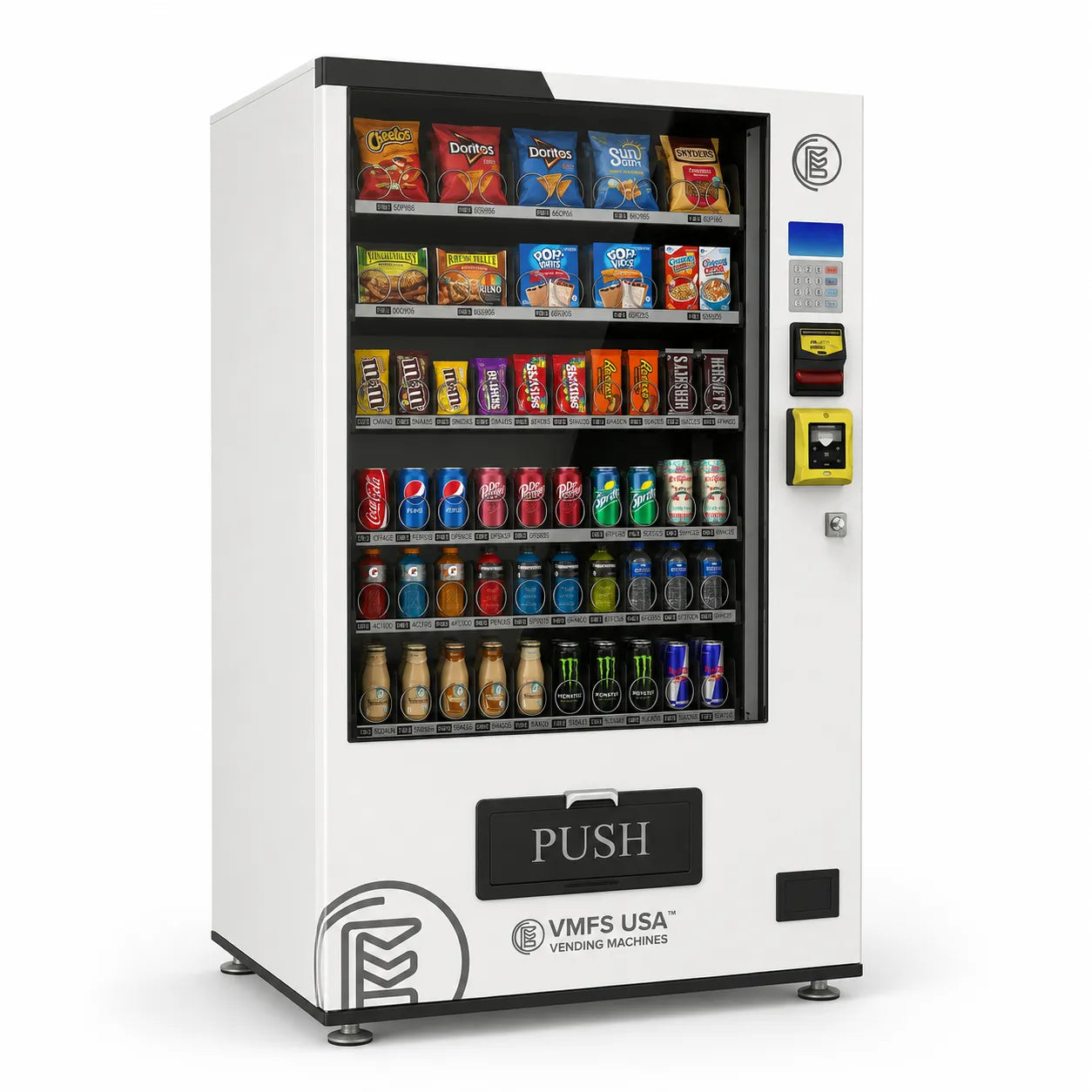
Combo vending machines offer both snacks and beverages in a single unit. They save space and are perfect for offices or medium-traffic areas where multiple machines would not fit. Most combo machines have separate cooling zones for drinks and snacks, making them efficient and easy to manage.
Fresh Food Vending Machines
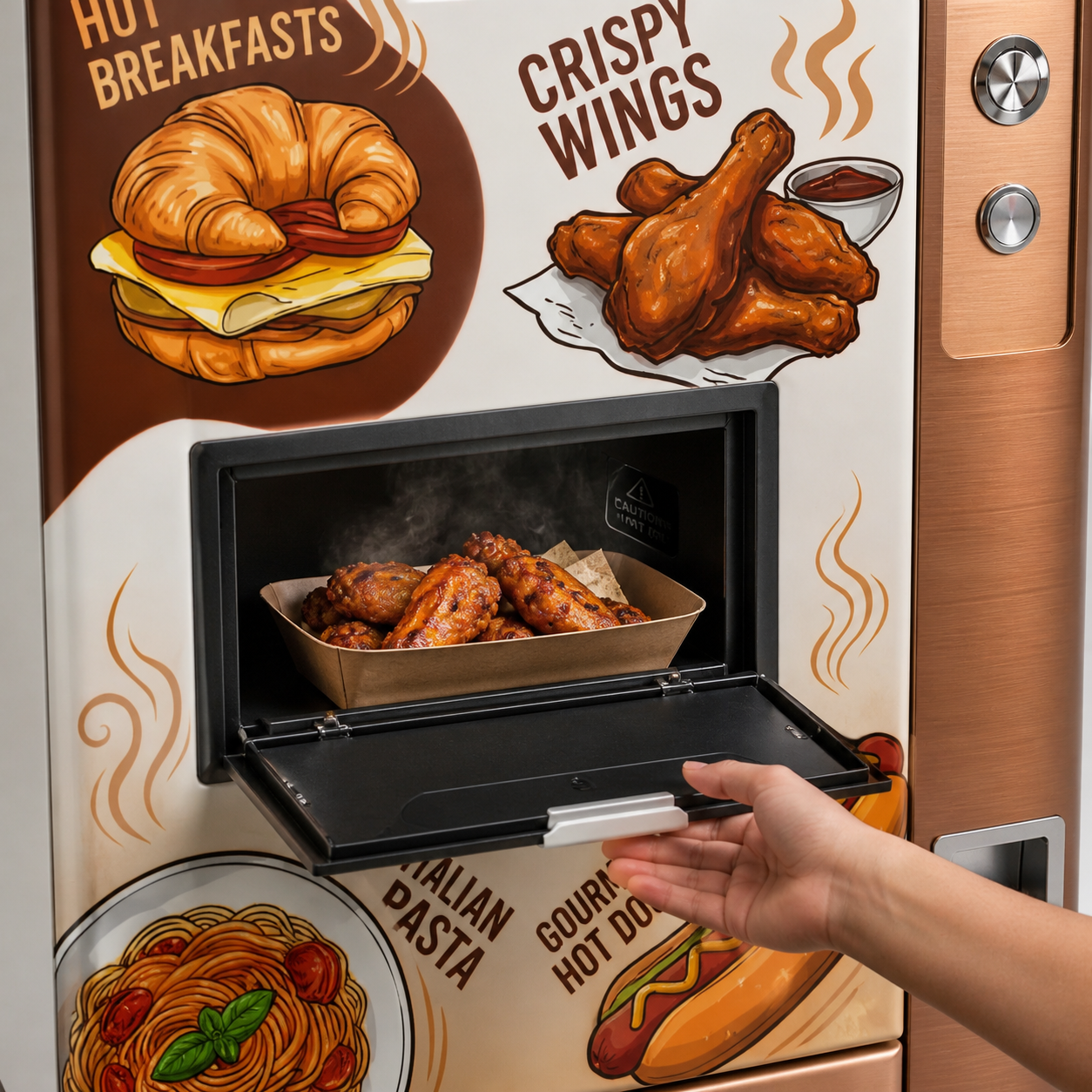
Fresh food vending machines provide salads, sandwiches, and light meals for people who want quick, healthy options. They are ideal for hospitals, universities, and business centers where visitors spend long hours. These machines usually include temperature control and sensors to monitor freshness and stock levels.
Elevator Vending Machines
Elevator vending machines use a lift system to deliver products gently to the customer. They are designed for items that can break or spill, such as glass bottles or fragile snacks. This type is often used in locations that sell premium or delicate products where quality presentation matters.
Ice Cream Vending Machines
Ice cream vending machines are built with strong cooling systems to keep products frozen. They fit well in beaches, amusement parks, and shopping centers where impulse buying is high. These machines can serve cups, cones, or bars and often attract families and tourists looking for a treat on the go.
Specialty Vending Machines
Specialty vending machines sell non-food products such as cosmetics, toys, or tech accessories. They are popular in airports, malls, and event spaces where travelers or shoppers look for quick purchases. Many of these machines can be customized with branding and shelf layouts for niche markets.
Smart Vending Machines
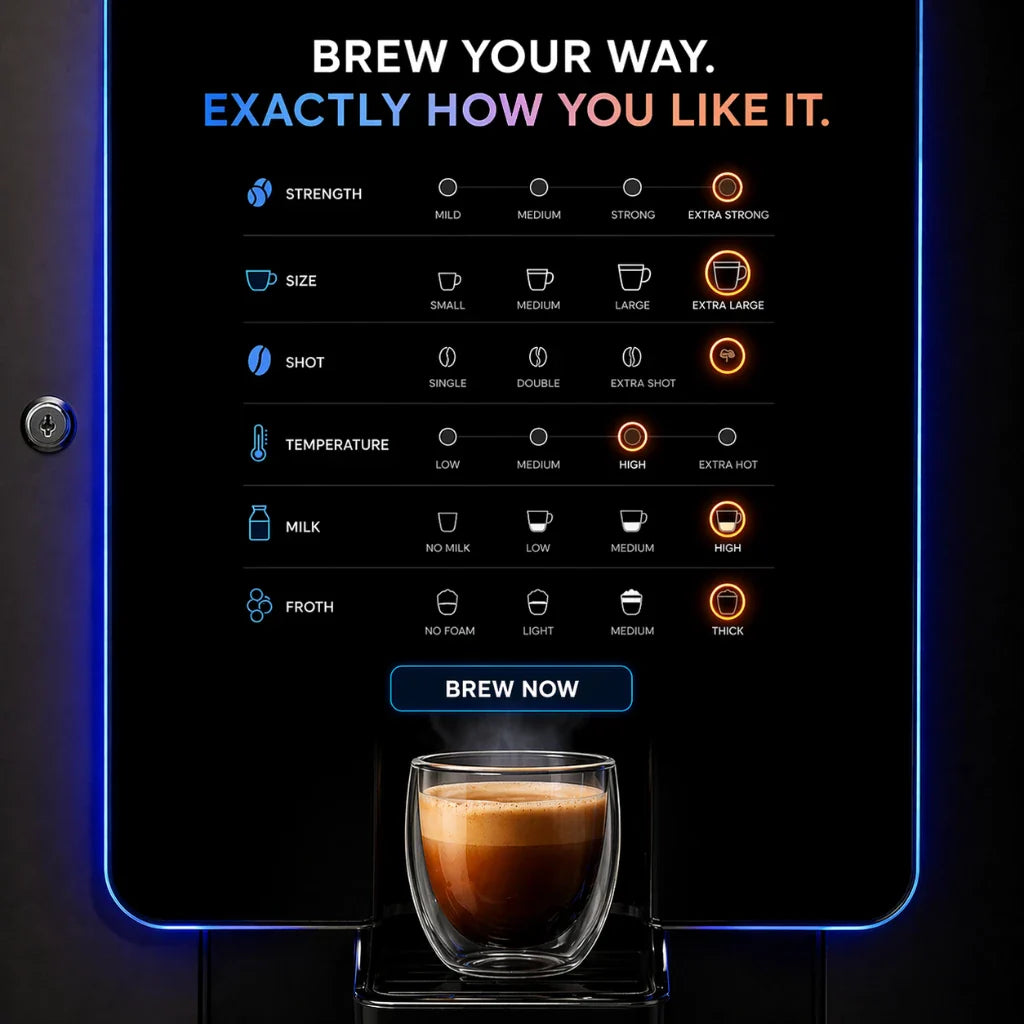
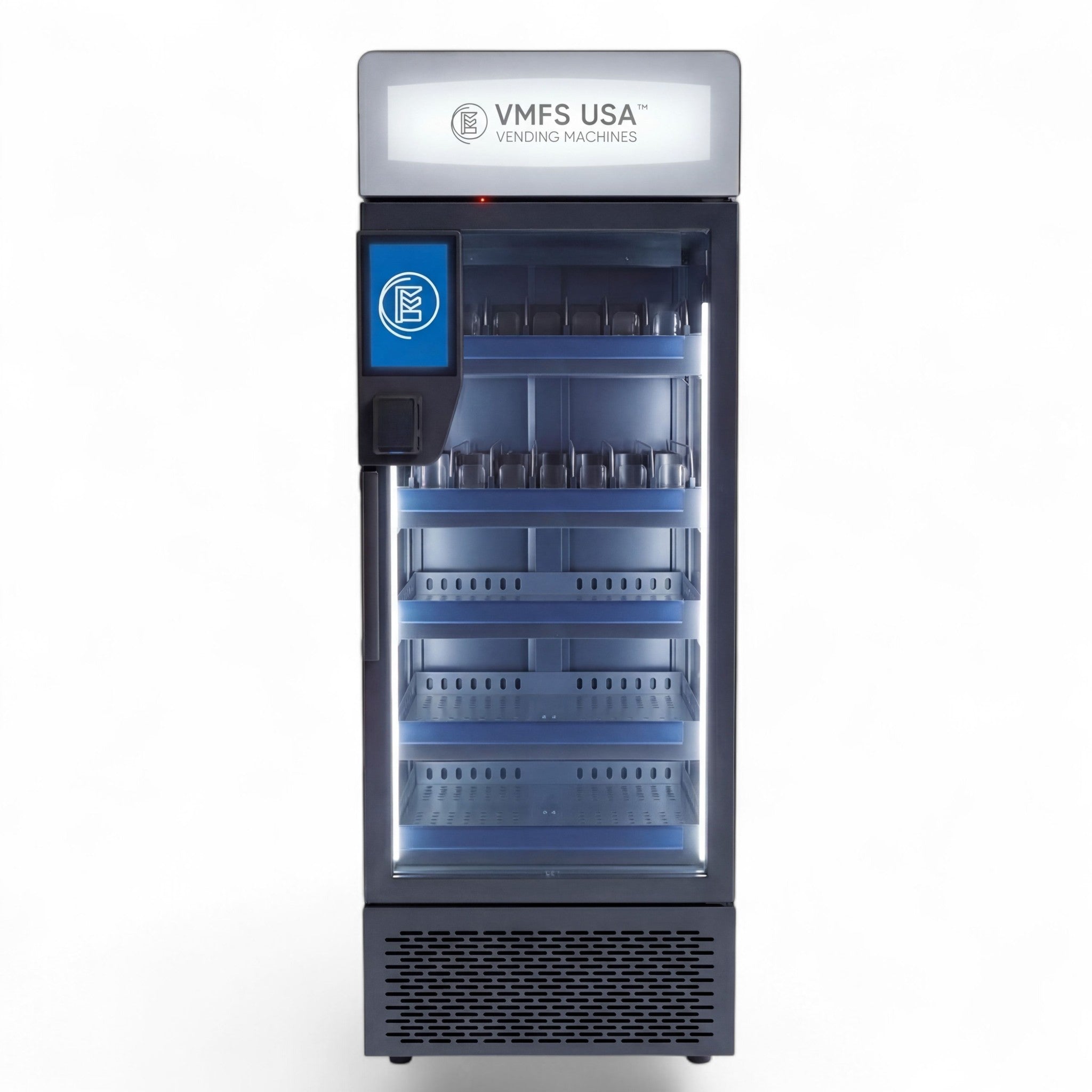
Smart vending machines use digital technology to track sales, inventory, and maintenance in real time. They connect to cloud software, allowing operators to manage several locations remotely. Touch screens, cashless payments, and data tracking make them efficient for modern vending routes.
AI Vending Machines
AI vending machines use cameras and sensors to detect what a customer picks up and charge automatically without pressing buttons. These advanced machines provide a fast, contactless shopping experience. They are best suited for airports, offices, and tech campuses where convenience and speed are priorities. Each vending machine type serves a different purpose. Matching the machine to the right product and location helps you build a business that runs smoothly and delivers consistent profit.
Matching Product to Location — Real-Life Scenarios
Every vending setup works best when the product matches the environment. Understanding who passes by and what they need helps you choose the right items and machine type. The examples below show how to apply this simple idea in real situations.
Gym or Fitness Center
People at gyms want quick and healthy energy. Water, protein bars, and energy drinks perform well here. A beverage or combo vending machine with chilled drinks and snacks is ideal for this type of location.
University Campus
Students need caffeine, energy, and convenience between classes. Coffee, energy drinks, and affordable snacks sell quickly in this setting. Combo or smart vending machines are a good fit, allowing fast service and easy restocking during long operating hours.
Tourist Area or Beach
Hot weather and foot traffic make this an excellent place for ice and ice cream vending machines. Cold beverages and frozen treats attract impulse buyers, especially families and tourists who want quick refreshment without waiting in line.
Office Space
Office workers prefer coffee, water, and light snacks during breaks. Smart vending machines with cashless payments and fresh product options work best here. They keep employees satisfied without needing constant attention from the operator.
Recommended Combinations
Matching your machine and product to the location improves sales and customer satisfaction. A small change in where you place a machine or what you stock can turn an average setup into a high-performing one.
Financial and Operational Considerations
Running a vending business means understanding both the costs and the daily work that keep it profitable. Knowing how much machines cost, how often they need restocking, and how fast they can pay for themselves helps you make smarter investments and manage operations effectively.
Machine Cost Ranges
Vending machine prices vary depending on size, features, and technology. A basic snack or drink machine costs less than a smart or AI-powered model. Smart machines with touch screens and cashless systems cost more upfront but save time in the long run through easier monitoring and fewer service visits.
Maintenance and Restocking
Maintenance is a key part of vending operations. Machines must be checked regularly to avoid breakdowns and empty shelves. Restocking schedules depend on the type of location and customer demand. High-traffic areas may need daily service, while smaller sites can be restocked once or twice a week. Clean machines and fresh stock improve both sales and reliability.
Profit Margins by Product Type
Profit margins differ based on what you sell. Drinks and snacks usually offer steady but moderate profits, while specialty or fresh food products bring higher margins but also higher risk if sales slow down. Monitoring product performance helps you find the right mix of high-turnover and premium items.
Power and Space Requirements
Each vending machine needs a proper power source and enough space for easy access. Check voltage, outlet type, and clearance for opening doors or panels before installation. A well-placed machine that is easy to service saves time and prevents damage or downtime.
Financing Options
Buying a vending machine outright gives full ownership, but many operators start with leasing or financing. Leasing allows you to begin with lower upfront costs while spreading payments over time. Some suppliers also offer financing services that include maintenance and software support. Choose an option that balances your cash flow and growth goals.
ROI and Payback Timeline
Most vending machines recover their cost within one to two years depending on sales volume and location. A good spot with consistent traffic shortens the payback period and boosts long-term return. Using tools like cloud software and automated tracking helps reduce expenses and improve route planning for faster ROI. Understanding the financial and operational side of vending ensures your business runs smoothly. With the right planning, you can scale from one machine to multiple locations without losing control of costs or quality.
Technology Trends in Modern Vending
Technology has changed how vending machines work and how operators manage them. Modern systems make machines smarter, faster, and easier to maintain. Understanding these trends helps you stay competitive and gives your customers a better experience.
AI and Cloud Integration
AI and cloud software let operators monitor machines in real time. You can check stock levels, sales, and performance from any device. Predictive restocking tools show what products need refilling before they run out. This reduces travel time and keeps machines earning without interruption.
Payment Systems Evolution
Customers now expect fast and secure payments. Modern vending machines accept cards, mobile wallets, and tap-to-pay options along with cash. These systems make purchases quicker and safer. They also help track transactions automatically, reducing accounting errors and handling time.
Sustainability Features
Energy-efficient vending machines help lower electricity costs and support environmental goals. LED lighting, improved cooling systems, and sleep modes cut energy use without affecting performance. Some operators also choose recyclable packaging or paperless receipts to reduce waste.
Customer Data and Analytics
Smart vending machines collect data that helps improve business decisions. Sales reports show which products perform best at each site. Seasonal trends and time-based patterns guide restocking and pricing. Using data analytics turns routine vending into a planned, results-driven business model. Modern vending is built on data and automation. By adopting new technology early, operators can run more machines, reduce costs, and deliver a better experience to every customer.
Vending Machine Purchasing Considerations
Before buying a vending machine, it is important to think about space, foot traffic, accessibility, and long-term support. A well-planned purchase saves money and prevents problems later. The following points help you choose the right machine for your business goals.
Available Space and Foot Traffic
Measure the area where you plan to install the machine. Check height, width, and power outlets before ordering. High-traffic areas like lobbies, hallways, and waiting zones bring more sales. Low-traffic spots might suit smaller combo units that take up less space.
Location Type
Indoor and outdoor locations need different setups. Outdoor machines should handle weather, dust, and temperature changes. Indoor machines can use lighter materials and simpler cooling. Security features like strong locks and bolted bases are important in public spaces.
Maintenance Access
Place the machine where it can be refilled and serviced without blocking walkways or customers. Easy access reduces time spent restocking and cleaning. This small detail saves hours over the life of the machine and keeps operations smooth.
User Experience
A good user experience increases repeat sales. Clear lighting, simple instructions, and visible product displays attract attention. Customers should be able to use the machine quickly without confusion. The goal is to make buying from your machine as easy as possible.
Warranty and Support
Always choose suppliers that offer warranty coverage and reliable service support. Machines sometimes need software updates or replacement parts. A supplier who provides on-site or remote help ensures you avoid long downtimes that affect revenue.
Financing Options
Many operators use financing or leasing to expand faster. Leasing reduces upfront costs and keeps funds available for stocking and route management. If you prefer ownership, some companies offer payment plans that include maintenance or software packages. Choose the plan that fits your cash flow and long-term goals.
Five Questions Before Buying a Machine
- Does the machine fit the available space and power source?
- Is the location secure and easy to access for refilling?
- Can it support cashless and mobile payments?
- Does the supplier provide warranty and service help?
- Is financing or leasing available if needed?
Answering these questions before you buy prevents costly mistakes and helps you choose the most practical option for your vending business.
Inside the Machine: Key Components Explained
Knowing how a vending machine works helps you operate it with confidence and fix small issues quickly. Each part plays an important role in keeping sales smooth and customers satisfied. Understanding these components also helps when comparing different models before purchase.
Bill Validator and Coin Mechanism
The bill validator and coin mechanism handle all cash payments. They detect and verify money before accepting it. Modern machines include sensors that check for counterfeit bills and reject invalid coins. Keeping these components clean and updated prevents payment errors and keeps customers happy.
Credit and Card Reader
The card reader allows cashless payments such as credit cards, debit cards, or mobile wallets. Most new vending machines support tap and app-based payments. Cashless systems make transactions faster and safer while reducing the need to handle coins and bills manually.
Dispensing Mechanism
The dispensing mechanism is what delivers the product after purchase. It may use spirals, trays, or elevators depending on the machine type. A well-designed system prevents jams and ensures that products drop gently. Regular cleaning and calibration help keep it reliable over time.
Refrigeration Unit
The refrigeration unit controls temperature for machines that sell cold food or beverages. Proper cooling keeps products fresh and safe. Efficient cooling systems save power while maintaining the right temperature. It is important to check vents and fans regularly for smooth performance.
Control Board and Cloud Connection
The control board acts as the brain of the vending machine. It manages communication between sensors, payment systems, and the display. Smart machines also connect to cloud software that tracks sales, sends alerts, and helps with restocking decisions. This data reduces downtime and improves daily operations.
Locks and Security Systems
Locks and security systems protect both cash and stock inside the machine. Heavy-duty locks, tamper sensors, and alarm alerts prevent theft and unauthorized access. Some models also allow remote lock control for added safety. A secure machine keeps your investment protected at all times. Understanding these main parts makes you a more confident operator. When you know what each system does, you can maintain machines better, solve minor issues quickly, and keep your vending business running without interruptions.
Common Mistakes to Avoid
Many new vending operators make simple mistakes that affect sales and efficiency. Avoiding these errors saves money, time, and effort. The points below cover the most common issues and how to prevent them.
Wrong Product and Location Match
Placing the wrong product in the wrong place leads to low sales. For example, a machine with candy and soda might not work well in a fitness center. Always research the customer base and pick items that suit their needs. Test product combinations before fully stocking a new location.
Ignoring Local Regulations
Some areas have strict rules about what can be sold through vending machines. Products like alcohol, CBD, or vape items may require special permits. Always check local regulations before installation. This helps avoid fines, license issues, and product removal.
Poor Payment Setup
Many customers prefer cashless transactions. A cash-only machine in a modern environment will lose sales. Equip every machine with card and mobile payment options. This makes buying easier for customers and keeps your machine competitive.
Skipping Maintenance
Machines that are not cleaned or serviced regularly lose trust and sales. Dirty displays, empty trays, or broken lights drive customers away. Set a schedule for cleaning, refilling, and checking key parts. Routine maintenance helps your machines stay reliable and attractive.
Overbuying Without Testing
Buying too many machines too soon can cause financial strain. Start small, learn what works, and expand gradually. Testing a few locations first helps you understand which products, spots, and machines perform best. Smart scaling reduces risk and improves long-term profit. Avoiding these mistakes helps build a vending business that runs smoothly and grows at a steady pace. Careful planning, regular checks, and smart decisions keep machines performing well and customers satisfied.
Conclusion: Building a Sustainable Vending Business
Success in vending comes from balance. The right product, the right location, and the right machine must work together to keep your business strong. When each part supports the other, your machines sell more, waste less, and require fewer repairs. Profitable vending is not about having the most machines but about placing the right ones in the best spots. Smart planning, good data, and careful product selection create steady income and long-term growth. Modern tools like cloud software, contactless payments, and financing options make it easier than ever to manage and expand your operation. As you plan your next move, look for opportunities to improve each part of your setup. Use location matching services to find high-traffic spots, explore financing services to grow faster, and use cloud software to track your performance. These small upgrades can make a big difference over time. In vending, success is not about the machine you own, but how well it matches the people who use it. Keep that focus, and every placement becomes a chance to build a stronger, more sustainable business.




Share:
Are There Zoning Or Location Restrictions In Alabama For Placing Alcohol Vending Machines
The Rise Of Trading Card & Asset Vending Machines In 2026