


Vending becomes powerful when decisions are based on data — not guesswork.
Modern vending systems provide access to:
- Product-level performance
- Daily revenue patterns
- Purchase behavior
- Inventory turnover
- Location comparisons
Operators who review data regularly scale faster and with less risk.
1. The 5 Core Metrics You Must Track
If you track nothing else, track these:
1️⃣ Monthly Gross Revenue
Know exactly how much each machine generates.
Compare machines side-by-side.
Look for:
- Stable growth
- Declining trends
- Seasonality patterns
2️⃣ Net Margin
Gross revenue is not profit.
Calculate:
Gross revenue
– Product cost
– Processing fees
– Location share (if applicable)
– Estimated spoilage
= True net profit
Scaling without knowing net margin is risky.
3️⃣ Product Velocity (Sell-Through Rate)
Which products sell fastest?
Your top 10 SKUs usually generate 60–70% of revenue.
High velocity = increase slots
Low velocity = reduce or remove
This improves revenue without adding machines.
4️⃣ Average Sale Amount
Track:
Total revenue ÷ Total transactions
Increasing average sale by even $0.25 can significantly increase monthly revenue.
Data shows you when pricing adjustments are working.
5️⃣ Stockout Frequency
If products regularly sell out before restocking:
You are losing revenue.
Cloud data helps identify:
- How quickly items deplete
- Which days spike
- Where to increase inventory
Empty slots equal missed income.
2. Location Comparison Strategy
Once you operate 2+ machines:
Compare them.
Example:
Machine A: $1,500/month
Machine B: $700/month
Ask:
- Is traffic different?
- Is pricing different?
- Is product mix different?
- Is visibility different?
- Is location type different?
Use high performers as benchmarks.
3. When to Add a Second Machine
Add another machine when:
- First machine consistently generates $1,200+ gross
- Product mix is stable
- Restocking routine is efficient
- Net margin is predictable
Scaling before stability creates chaos.
4. Route Efficiency Metrics (For 3+ Machines)
Once operating multiple machines, track:
- Revenue per trip
- Time per service visit
- Fuel cost per route
- Stocking efficiency
If a machine produces $400/month but requires weekly long trips, its margin may shrink significantly.
Efficiency matters as much as revenue.
5. Price Testing With Data
Data allows you to:
- Increase price $0.25 on a product
- Monitor volume impact
- Compare before vs after
If volume stays consistent:
Margin increases immediately.
Small price tests are safer than large changes.
6. Product Rotation Optimization
Every 60–90 days:
- Remove lowest 10–20% performers
- Expand top sellers
- Test 2–3 new products
Data reduces emotional stocking decisions.
7. Seasonal Analysis
Look for patterns:
- Summer beverage spikes
- Winter hot drink demand
- School calendar shifts
- Holiday traffic changes
Adjust product mix seasonally.
Seasonal awareness increases revenue stability.
8. When Data Signals Relocation
Sometimes data shows:
- 90 days under $600 gross
- No upward trend
- Low purchase rate
- Strong nearby competition
At that point, relocation may be smarter than constant adjustments.
Data removes emotion from tough decisions.
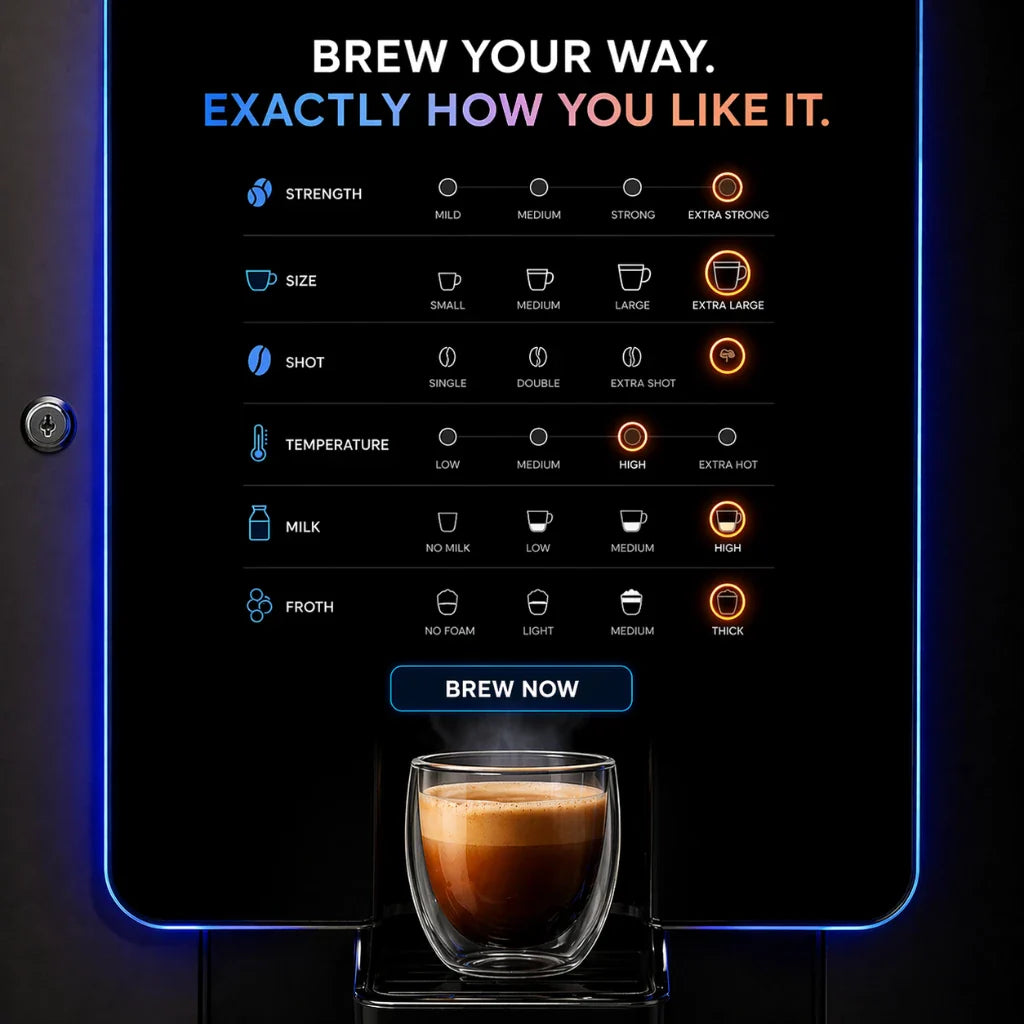
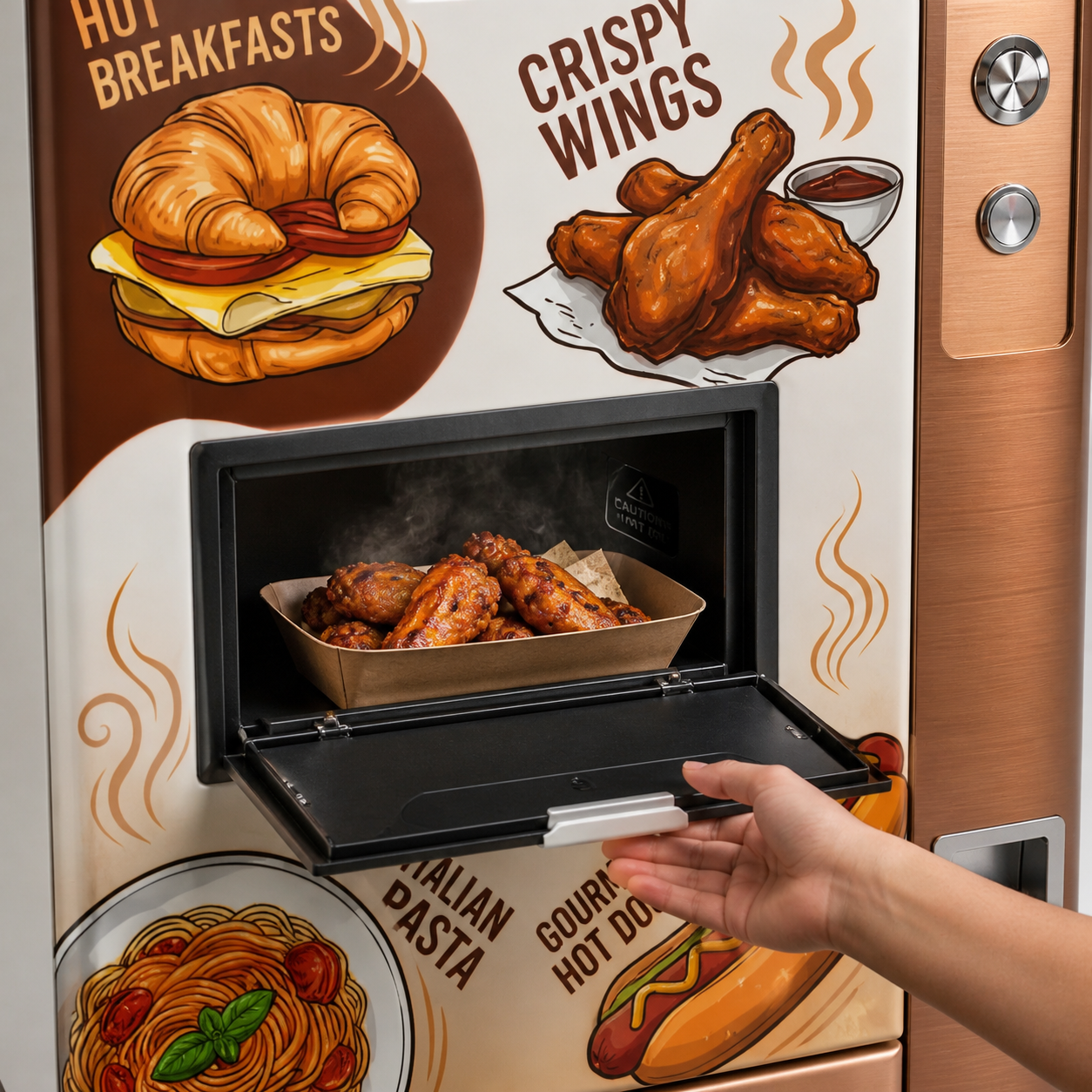
9. Data for Enterprise & Specialty Systems
For:
- Coffee machines
- Fresh food systems
- Pizza vending
- High-ticket retail
Track:
- Higher average ticket
- Lower transaction count
- Premium margin targets
- Maintenance frequency
These systems require deeper analysis.
10. Scaling Blueprint (Data First)
Successful scaling typically looks like:
Machine 1 → Stable
Machine 2 → Benchmark
Machine 3 → Route structured
Machine 5+ → Data-driven optimization
You scale systems — not chaos.
11. The Compound Effect of Optimization
Example:
Machine generating $1,200/month
Through optimization:
- +$0.25 pricing adjustment
- Better product rotation
- Fewer stockouts
New revenue: $1,350/month
That’s +$150/month
Without buying another machine.
Multiply across 5 machines:
+$750/month
Optimization compounds.
12. Final Thought
Vending is simple.
Data makes it intelligent.
Machines generate revenue.
Data multiplies it.
Operators who review numbers weekly outperform those who “check occasionally.”
Consistency builds scale.
Share:
How to Service Multiple Machines Efficiently