





Design the perfect vending solution for your location and customers.

Join the VMFS newsletter and step into a thriving network dedicated to collective success.
One signup. Endless possibilities.
The Geek Bar shortage has reshaped the disposable vape industry by exposing how fragile supply chains become when regulatory enforcement, import economics, and concentrated consumer demand collide. What began as inconsistent restocking quickly evolved into a wider market disruption, forcing retailers, distributors, and vending operators to rethink sourcing strategies, pricing models, and product diversification.
Rather than a single supply failure, the shortage reflects broader structural changes affecting disposable vapes across the United States. Enforcement pressure, trade policies, and evolving compliance expectations continue to influence how products move through wholesale channels and reach retail shelves.
Federal regulators intensified enforcement activity against unauthorized disposable vape products, issuing warning letters and conducting joint seizure operations at ports of entry. These actions removed significant inventory from distribution pipelines, creating sudden gaps between demand and available supply.
Because many popular disposable brands operate in evolving regulatory environments, enforcement cycles directly affect availability even when manufacturing output remains unchanged.
Trade pressures and tariff increases raised the landed cost of imported disposable vapes. Industry reports indicated tariff levels exceeding 100 percent at peak periods, dramatically changing wholesale pricing structures. Distributors responded by reducing inventory exposure and tightening allocation policies, which translated into inconsistent availability for retailers.
Flavor bans and local policy shifts further restricted legal sales channels. When certain regions limited flavored products, inventory often moved unpredictably across markets, amplifying localized shortages and making restocking timelines difficult to predict.
International regulatory developments also affected supply. Restrictions in major overseas markets reduced disposable output directed toward U.S. distribution channels, adding another layer of complexity to an already constrained supply chain.
The popularity of Geek Bar Pulse helped redefine consumer expectations within the disposable category. Instead of viewing disposables as short-term convenience products, many buyers began prioritizing extended puff counts, rechargeable functionality, and performance consistency.
High-capacity devices appeal to consumers seeking longer usage periods and better perceived value. Puff counts between 15,000 and 20,000 created a new benchmark, encouraging users to compare devices based on longevity rather than price alone.
When customers request a product by name rather than category, even minor supply disruptions become highly visible. Retailers frequently experience sudden sellouts because demand focuses on a single brand rather than spreading evenly across alternatives.
Retailers reported several consistent patterns during supply disruption cycles. Panic buying increased immediately after restocks, forcing many stores to implement per-customer limits. Industry observations suggested retail price increases ranging between 20 and 25 percent during peak shortage periods.
Wholesale allocation systems became more common, with distributors limiting quantities or requiring mixed-case purchases. These changes reshaped inventory planning and encouraged retailers to explore alternative devices capable of maintaining customer interest.
As Geek Bar availability became unpredictable, high-capacity alternatives gained traction. FEEN 50K emerged as a performance-focused disposable positioned around extended puff counts, dual mesh coil technology, and improved battery efficiency.
Retailers discovered that customers willing to switch brands often prioritized performance equivalence. Devices offering similar longevity or improved specifications were more likely to convert Geek Bar buyers compared to lower-capacity substitutes.
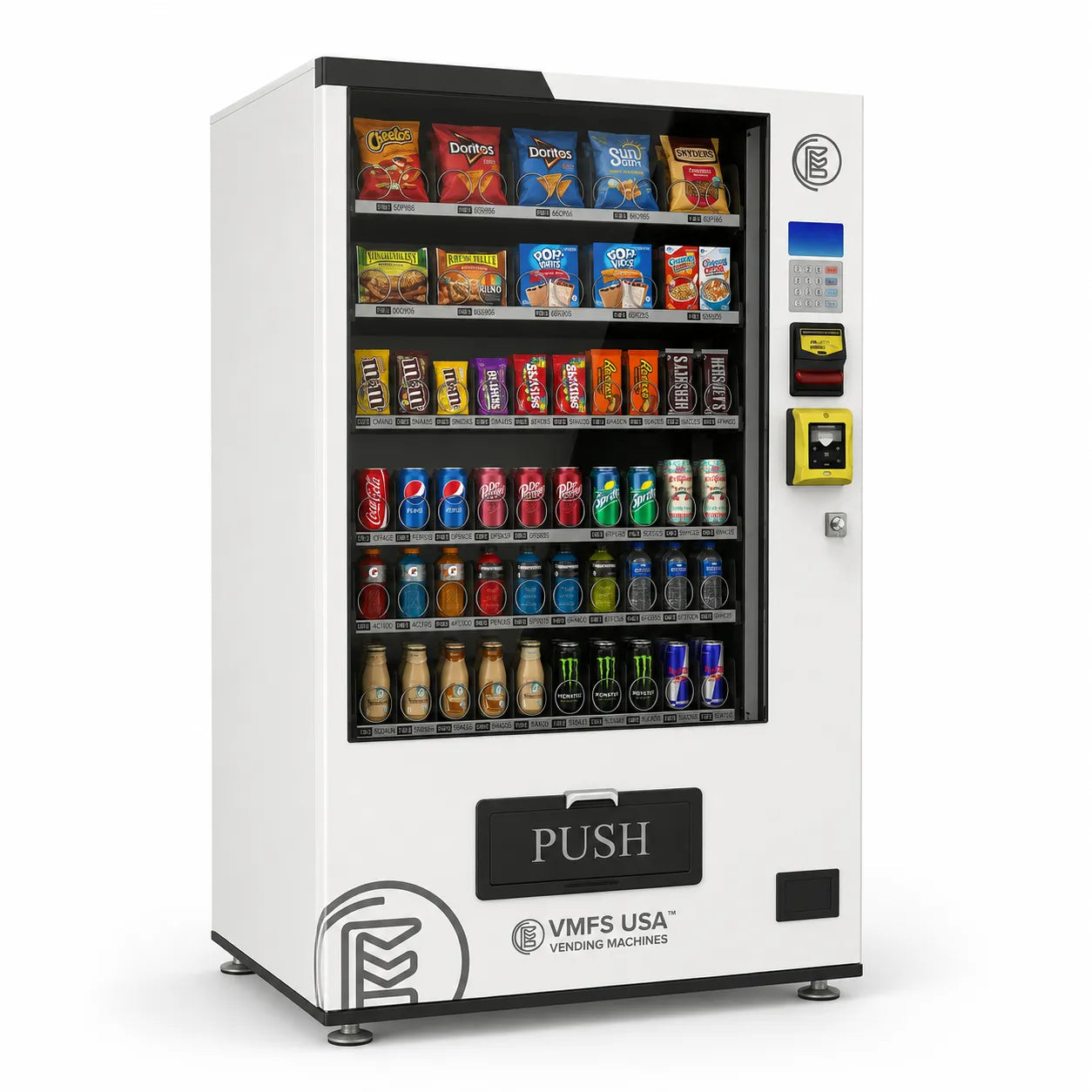
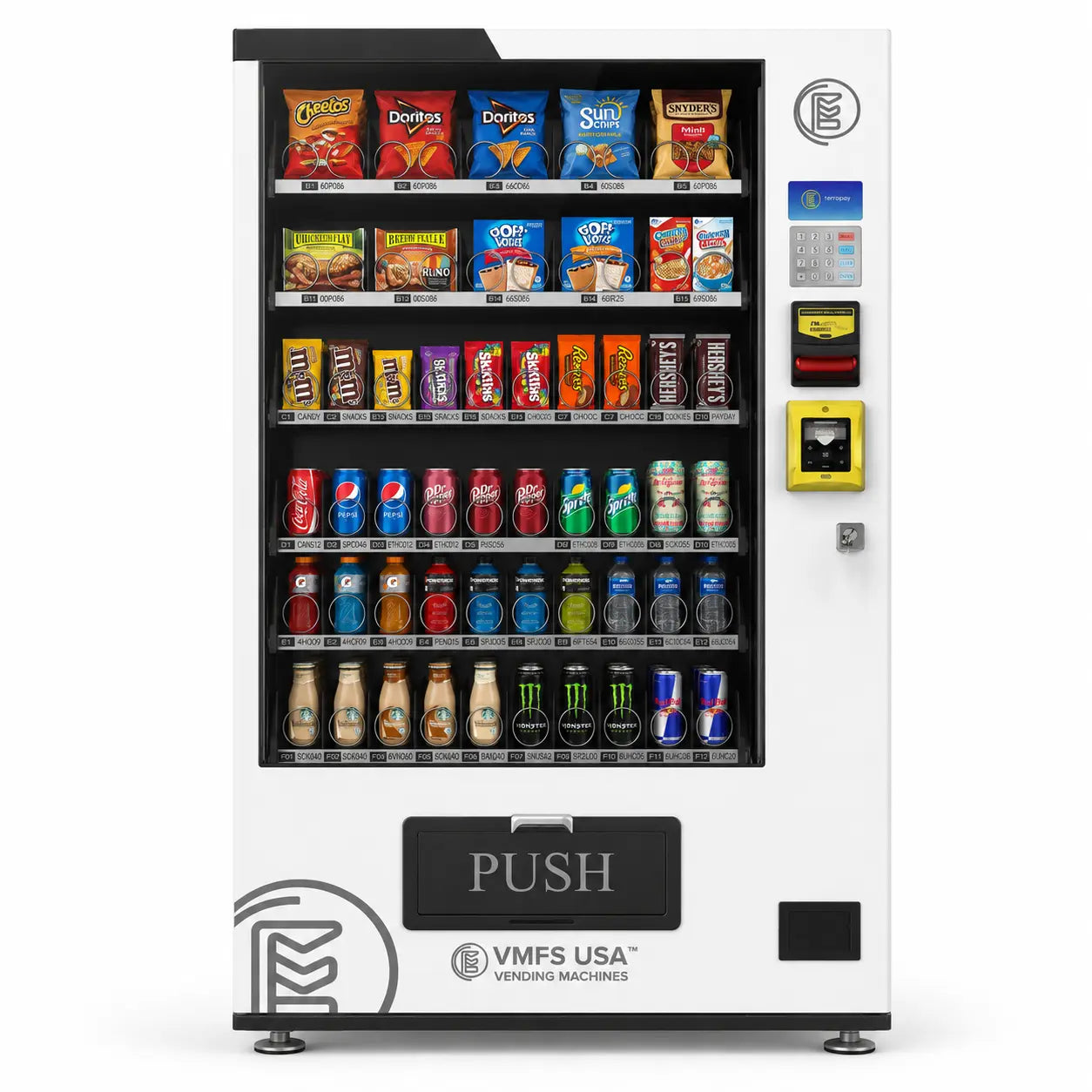
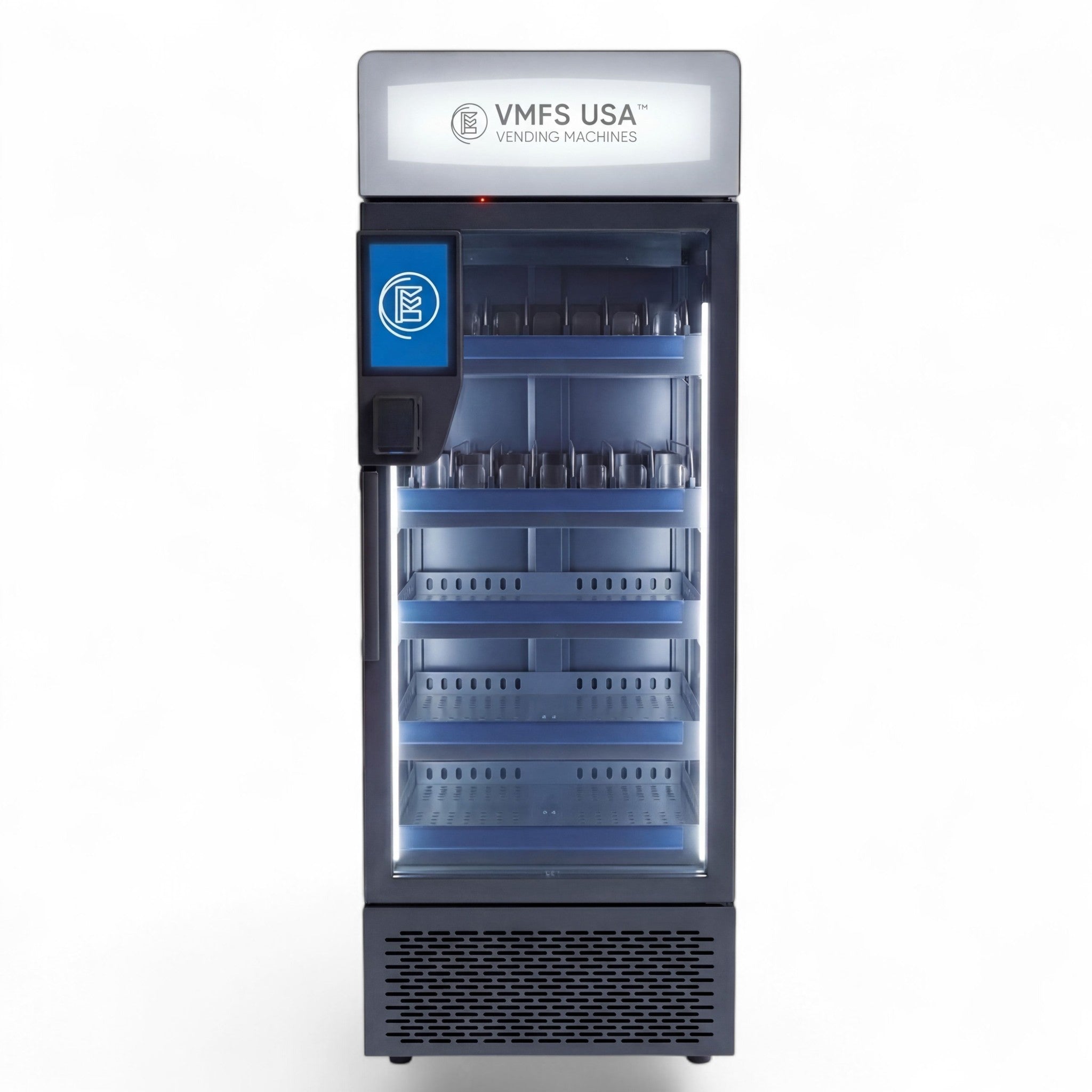
Traditional retail environments can adjust inventory dynamically throughout the day, but automated retail introduces additional planning challenges. Operators running vape vending machines must forecast refill cycles, maintain compliance controls, and ensure substitutes match customer expectations without staff explanation. When a primary brand becomes inconsistent, vending locations can experience faster revenue impact compared to staffed stores.
Unlike traditional shelves, vending planograms are fixed until the next restock cycle. If Geek Bar inventory disappears suddenly, operators must rely on predefined alternatives capable of maintaining conversion rates. Devices with extended lifespan, consistent form factors, and strong brand positioning tend to perform best as replacements.
Automated retail requires strict adherence to age access rules. Systems designed around age verification vending machines help ensure controlled purchasing environments aligned with regulatory expectations, especially in jurisdictions with strict enforcement.
The Geek Bar shortage highlighted a broader reality, vape businesses that depend on a single product or supplier are more vulnerable to disruption. Operators building long-term stability typically focus on compliance structure, diversified sourcing, and balanced inventory planning.
Opening or operating a vape business generally requires multiple licenses. Most locations require a general business license and a tobacco or nicotine retail license, since electronic cigarettes are often regulated similarly to tobacco products. Retailers must confirm requirements at the state and local level because regulations vary widely.
Federal regulations mandate a minimum purchasing age of 21 for e-cigarette products. Retailers must implement consistent age verification practices both in-store and online. Failure to comply may result in fines, license suspension, or forced closure depending on jurisdiction.
Selling disposable vapes online introduces additional compliance obligations. The PACT Act requires online sellers to register with authorities, verify customer age, use adult signature delivery, and follow strict reporting procedures. USPS shipping is prohibited for vape products, meaning retailers must rely on approved private carriers.
Some states impose flavor restrictions or special excise taxes on vaping products. Retailers must evaluate regional policy changes regularly to ensure inventory aligns with local laws.
Supply instability increases the importance of choosing reliable wholesale partners. The disposable vape market contains numerous suppliers, but quality and compliance standards vary widely.
High-demand products often attract counterfeit activity. Retailers should inspect packaging carefully, verify authenticity codes, and maintain detailed purchasing records. Signs of counterfeit products may include inconsistent branding, poor packaging quality, or unusual performance characteristics.
Key evaluation factors include product authenticity, consistent availability, transparent pricing, and responsive support. Establishing relationships with multiple suppliers reduces dependency on a single distribution channel during shortages.
U.S.-based distributors often require proof of licensing before allowing bulk purchases. International sourcing may offer competitive pricing but introduces additional compliance risk and longer shipping timelines. A balanced sourcing strategy helps maintain consistent inventory levels.
Retailers adapting successfully to supply disruption typically diversify inventory across multiple product categories.
Disposable devices continue to dominate short-term sales due to convenience and flavor variety. Pod systems encourage repeat purchases through refillable cartridges, while e-liquids create long-term customer relationships. Maintaining all three categories helps balance revenue during supply fluctuations.
Many operators begin with approximately 20 to 30 popular flavor profiles covering fruit, dessert, menthol, tobacco, and beverage categories. Rotating new flavors periodically maintains customer interest without overstocking slow-moving inventory.
Popular brands often include Elf Bar, Lost Mary, Hyde, ZOVOO, and Geek Bar, alongside emerging alternatives such as FEEN 50K that gain attention during shortage cycles.
Advertising rules limit direct promotion of vape products on major platforms, forcing retailers to rely on organic growth strategies.
Maintaining a professional website, optimizing for local search visibility, and encouraging customer reviews can drive sustainable growth. Educational content helps establish authority and attracts high-intent traffic.
Many platforms restrict paid advertising for vape products. Retailers often focus on informational posts, community engagement, and collaborations with adult audiences while avoiding youth-oriented messaging.
Google Business profiles, email newsletters, SMS promotions, and partnerships with nearby businesses remain effective methods for building customer loyalty.
The Geek Bar shortage illustrates how regulatory pressure and supply chain complexity continue shaping the disposable vape market. While availability may stabilize over time, the broader lesson is clear, retailers who diversify product lineups and maintain strong compliance practices adapt faster to change.
Share:
Can You Change Vending Machine Wraps Later? Yes, Branding Can Evolve Over Time
Custom Vending Machines Buyer's Guide: Custom vs Standard (2026)