


When you operate more than one machine, your business changes.
You are no longer just restocking.
You are managing:
- Travel time
- Fuel cost
- Labor cost
- Inventory loading
- Schedule coordination
- Downtime risk
Route optimization protects your margin as you grow.
1. Understand the True Cost of a Service Trip
Every visit costs:
- Fuel
- Time
- Vehicle wear
- Opportunity cost
- Inventory loading time
If a machine generates:
$600/month
But requires weekly 40-minute trips
The time cost may shrink your real profit significantly.
Revenue alone is not the metric.
Revenue per service hour is.
2. Group Machines by Geography
As soon as you operate 3+ machines:
Organize them into zones.
Example:
North Route → 3 machines
South Route → 2 machines
Schedule service by zone — not by machine.
Avoid single-machine trips whenever possible.
3. Service Frequency by Performance Tier
Tier 1: Under $700/month
Service every 2–3 weeks.
Tier 2: $800–$1,500/month
Service every 1–2 weeks.
Tier 3: $1,500+/month
Weekly or twice weekly.
Use cloud data to determine actual depletion speed.
4. Stock Vehicle Intentionally
Do not load your vehicle randomly.
Use bins or labeled containers:
- Beverages section
- Snacks section
- Fast movers section
- Backup parts kit
Organized loading reduces service time per stop.
Time saved per stop compounds across the route.
5. Minimize On-Site Decision Time
Before leaving for your route:
- Review cloud inventory data
- Identify products running low
- Pre-pack restock quantities
Do not decide at the machine.
Decide before you leave.
6. Track Revenue Per Visit
If a machine generates:
$1,200/month
Serviced weekly
That’s ~$300 per visit
If travel + restock time = 45 minutes
That’s strong efficiency.
If a machine generates:
$400/month
Serviced weekly
That’s ~$100 per visit
That may not justify weekly trips.
Match service frequency to performance.
7. Evaluate Underperforming Locations
If a machine:
- Requires frequent visits
- Generates low revenue
- Is geographically isolated
You may consider:
- Relocating
- Increasing pricing
- Adjusting product mix
- Consolidating route structure
Inefficient locations reduce overall scalability.
8. Route Planning Tools
You can use:
- Google Maps route planning
- Delivery route apps
- Spreadsheet scheduling
- Cloud sales forecasting
The goal:
Minimize drive time.
Maximize revenue per trip.
9. Hiring a Route Driver (5+ Machines)
Once servicing becomes time-heavy:
Consider:
- Hiring part-time route help
- Paying per visit or per route
- Training on basic maintenance
But only after:
- Machines are stable
- Routes are geographically clustered
- Revenue justifies labor cost
Premature hiring reduces margin.
10. Spare Parts on Route
Always carry:
- Spare motor
- Basic tools
- Spare fuse
- Cleaning supplies
- Payment device backup (if possible)
Fixing small issues during a visit prevents second trips.
Second trips kill efficiency.
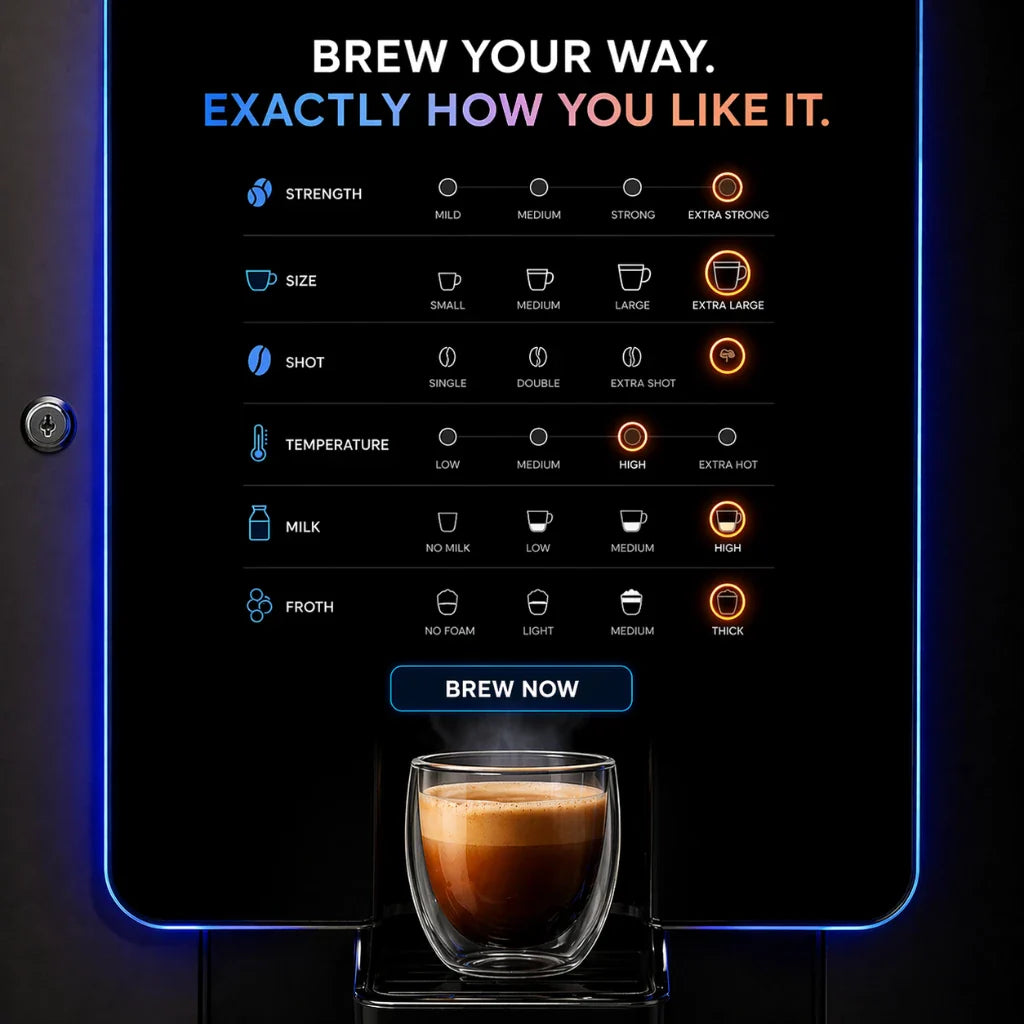
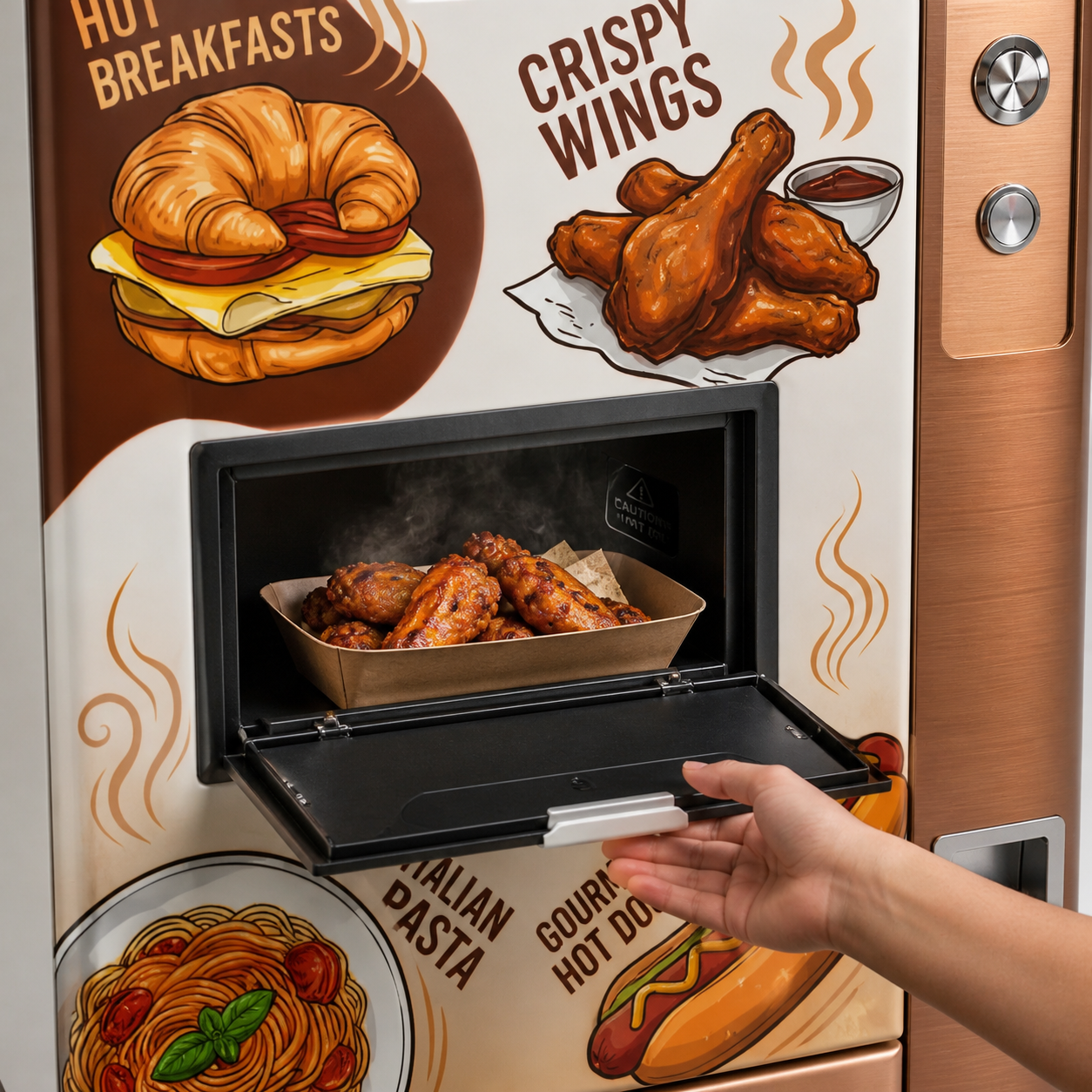
11. Fresh Food & Specialty Route Planning
If operating:
- Fresh food
- Coffee systems
- Pizza vending
- High-ticket machines
Service frequency increases.
These routes must be planned tighter and often require daily or near-daily checks.
Higher revenue justifies higher service frequency.
12. The Scaling Threshold
Most operators feel the shift at:
5 machines.
At this stage:
- Route planning becomes necessary
- Inventory management must tighten
- Data forecasting becomes valuable
- Time management becomes critical
Disorganization at 5 machines becomes chaos at 10.
13. Final Rule of Route Optimization
Scale machines only when:
Revenue per route
Justifies time per route
Efficient operators grow faster than busy operators.
Busy does not mean profitable.
Structured does.
Share:
How to Use Real Numbers to Scale Smarter
How to Grow Beyond One Machine Without Losing Control