


Vending machine routes for sale are operating vending businesses (machines already placed in host locations, the agreements that keep them there and the sales history they produce) that you buy as a package instead of building one machine and one location at a time. Most small routes sell for roughly two times the owner's annual earnings, so the price is only fair if those earnings are real and the locations will stay with you after closing.
This guide shows US buyers how to value a route, where to find one, how to verify the seller's numbers, which red flags kill a deal, how to finance and close it, and what changes when the route is in Florida.
What Is a Vending Machine Route?
A vending machine route is a group of machines placed at different host locations that one operator stocks, services and collects from on a regular schedule. The word "route" describes both the business and the physical loop a driver runs: warehouse, location one, location two and back. When a route is "for sale", the owner is selling that whole working system, not just the equipment.
Each stop on the route rests on an agreement with a property owner or manager, usually paying the location a commission on sales or a flat fee in exchange for floor space and power. The machines generate the revenue, but the agreements decide whether that revenue continues after a change of ownership. That is why experienced buyers value the locations first and the hardware second: a vending machine can be replaced in a week, while a busy hospital break room or a factory with three shifts can take months to win.
Routes range from a handful of countertop candy machines in local shops to fleets of snack, drink, coffee and fresh-food machines across office parks and campuses. The size changes the workload, too. A small route can be a side business serviced on weekends, while a larger one needs a vehicle, storage space and eventually a paid route driver.
What's Included When You Buy a Vending Route
A typical route sale includes the machines, the location agreements, the remaining inventory and the records that prove what the route earns; vehicles and storage are included only sometimes. The asset purchase agreement should list every item, because anything not written into the contract is not part of the deal. Ask for the machine list by serial number and the location list by address before you make an offer, even if the seller blanks out names until you sign a non-disclosure agreement.
| Asset | What to ask the seller for | Why it matters |
|---|---|---|
| Machines | Make, model, year, serial number and location of each unit; photos of the inside | Age and condition drive repair costs and decide whether card readers and telemetry can be added |
| Location agreements | Signed contracts, commission rates, term, renewal and assignment clauses | Without transferable agreements you may be buying machines that have to be moved |
| Sales history | 12 to 36 months of sales by machine, plus card processor and telemetry reports | The price is a multiple of earnings, so the earnings have to be proven |
| Service records | Repair logs, restock schedule, service calls and refund history | Shows how much labor the route really takes and which machines fail often |
| Supplier accounts | Wholesale sources, current product costs and planograms | Lets you keep margins steady from week one |
| Inventory | Count of product in machines and storage at closing | Usually valued separately at cost on the closing date |
| Vehicle and storage (sometimes) | Title, mileage, lease terms for any storage unit | Can be bought separately or left out to lower the price |
Pay attention to what is missing, too. If the seller cannot produce location agreements, the route may run on handshake deals that end the day the familiar operator stops showing up. If there are no machine-level sales reports, you are being asked to trust totals that you cannot test.
Buying a Route vs. Building One From Scratch
Buying a route gets you income from the first week, while building one from scratch costs less up front but takes months of location hunting before the machines pay. The trade-off is time against price. When you buy, you pay a premium (the earnings multiple) for placements and history someone else has already earned. When you build, you pay only for equipment, but every location has to be found, pitched and proven.
Building from scratch means choosing machines, then using a process like the one in our guide to scouting and pitching vending locations to place them. New machines cost more than used ones on a route, but they arrive with a warranty, cashless payments and telemetry already built in. If you are comparing the two paths, price a fresh start with our breakdown of what a new vending machine costs and set it beside the asking price of the route.
Buying an existing route
- Revenue and cash flow from the first service run
- Proven locations with measurable sales history
- Easier to finance because lenders can underwrite past earnings
- Supplier accounts and restock routines already in place
Trade-offs to weigh
- You pay a multiple of earnings for goodwill, not just hardware
- Older, cash-only machines may need replacing soon
- Location agreements may not transfer, or may be short term
- You inherit the seller's prices, product mix and reputation
Many buyers end up doing both: they buy a small route to learn the work with real cash flow, then grow it by adding new machines at new locations once they understand which placements perform.
How Much Does a Vending Route Cost?
A vending route usually costs about 1.8 to 2.6 times its annual seller's discretionary earnings (SDE), which put the median small vending business sale at about $83,500 in recent years. Those figures come from BizBuySell's vending business valuation benchmarks, which cover vending businesses sold on its marketplace between 2021 and 2025. Across that period the median sold business had $71,000 in revenue and $39,601 in SDE, sold for 2.15 times SDE, and half of all sales fell between 1.80 and 2.62 times.
SDE is the profit one full-time owner-operator takes home before paying themselves: sales minus product cost, location commissions, card processing, fuel, repairs, insurance and other operating costs, with the owner's own pay and one-time expenses added back. Because the multiple applies to SDE, every dollar the seller overstates in earnings adds roughly two dollars to the price. That is the whole reason due diligence exists.
Size and stability
BizBuySell notes that routes with more than $130,000 in sales may sell above 2.5 times earnings, while routes under $50,000 tend to sell nearer 1.8 times.
Location quality
Long-term, transferable agreements at high-traffic sites (hospitals, factories, schools, large offices) justify the top of the range.
Equipment age
Cash-only or worn machines lower the value because you will spend money replacing or upgrading them soon after closing.
Proof of earnings
Sales confirmed by card processor and telemetry reports support a higher multiple than cash totals in a spreadsheet.
Here is how the math works on a hypothetical route. Suppose the seller's records show $40,000 of SDE and you have verified it. At 1.8 times, the route is worth about $72,000; at 2.6 times, about $104,000. Where you land inside that range depends on the factors in the cards above. If you then find that three machines are cash-only and two location agreements expire in six months, you have concrete reasons to offer toward the bottom of the range or to ask for those items to be fixed before closing.
Price check: BizBuySell's data shows an average sale-to-asking ratio of 0.93, so sold vending businesses closed at an average of about 7% below the asking price. Treat the asking price as an opening position, not a valuation.
Remember that the purchase price is not the whole investment. Budget for card readers on any machine that lacks them, a few months of inventory, insurance, registration fees and a repair reserve. To see how route earnings compare across machine types and locations, read our guide on how profitable vending machines are.
Upgrading the machines on a route you just bought?
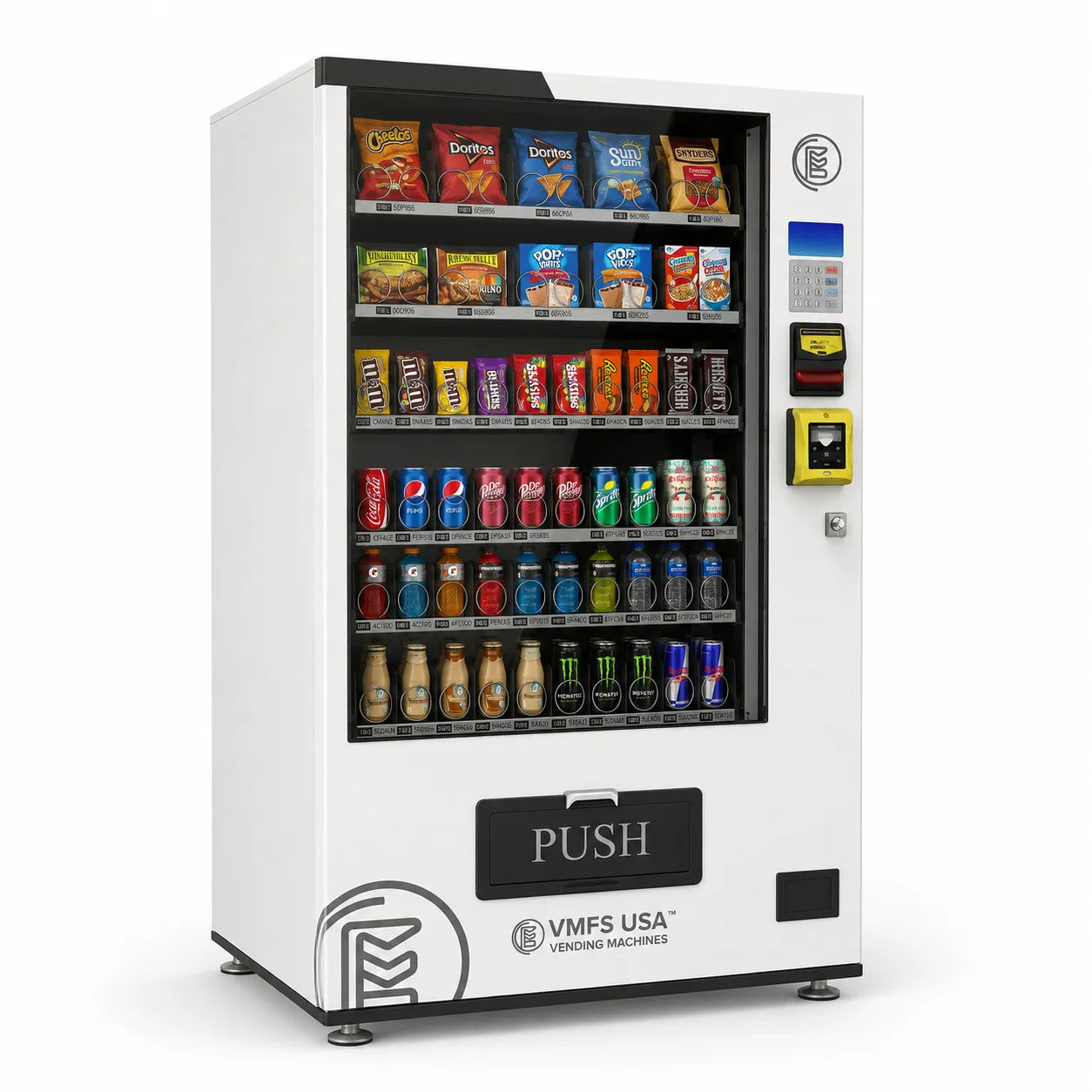
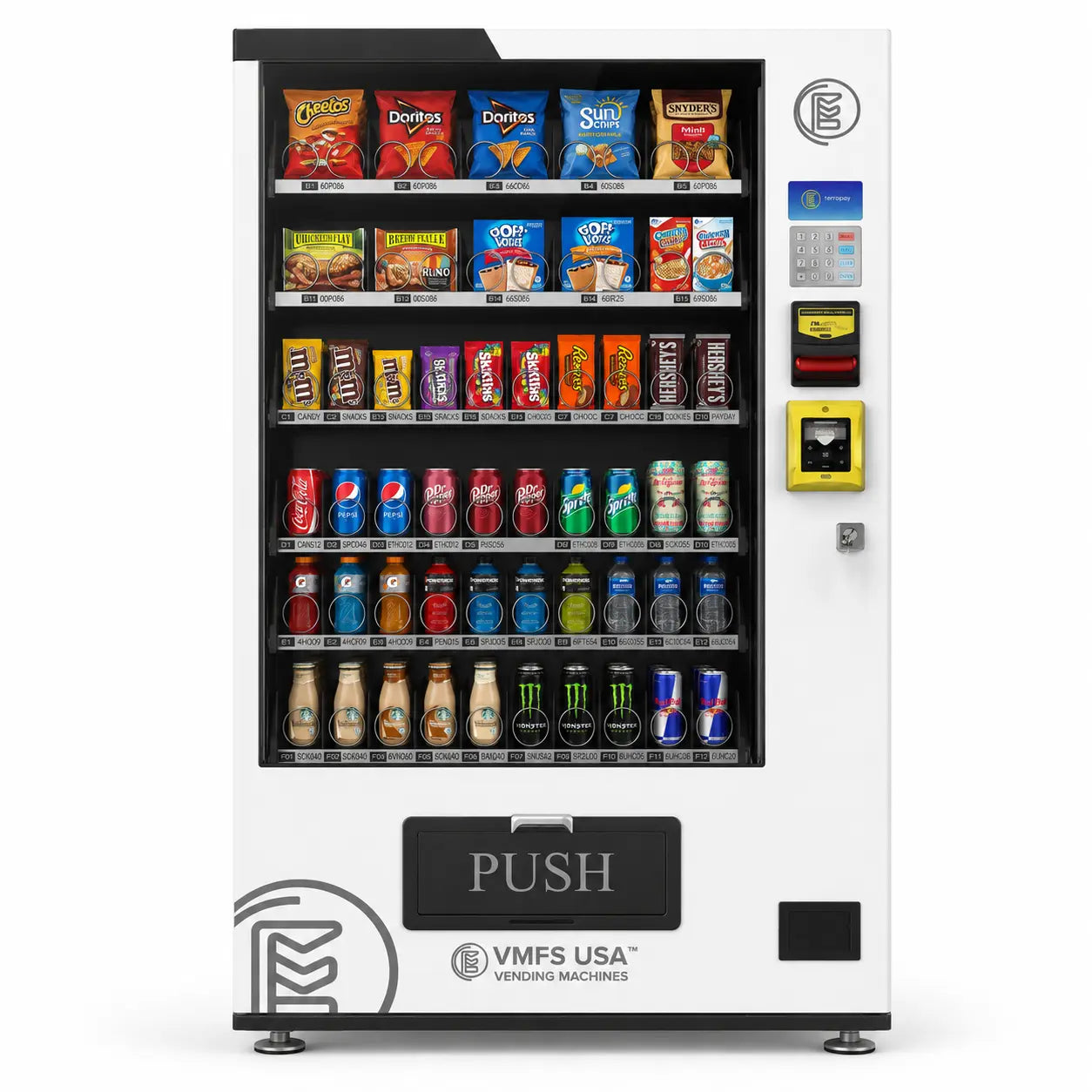
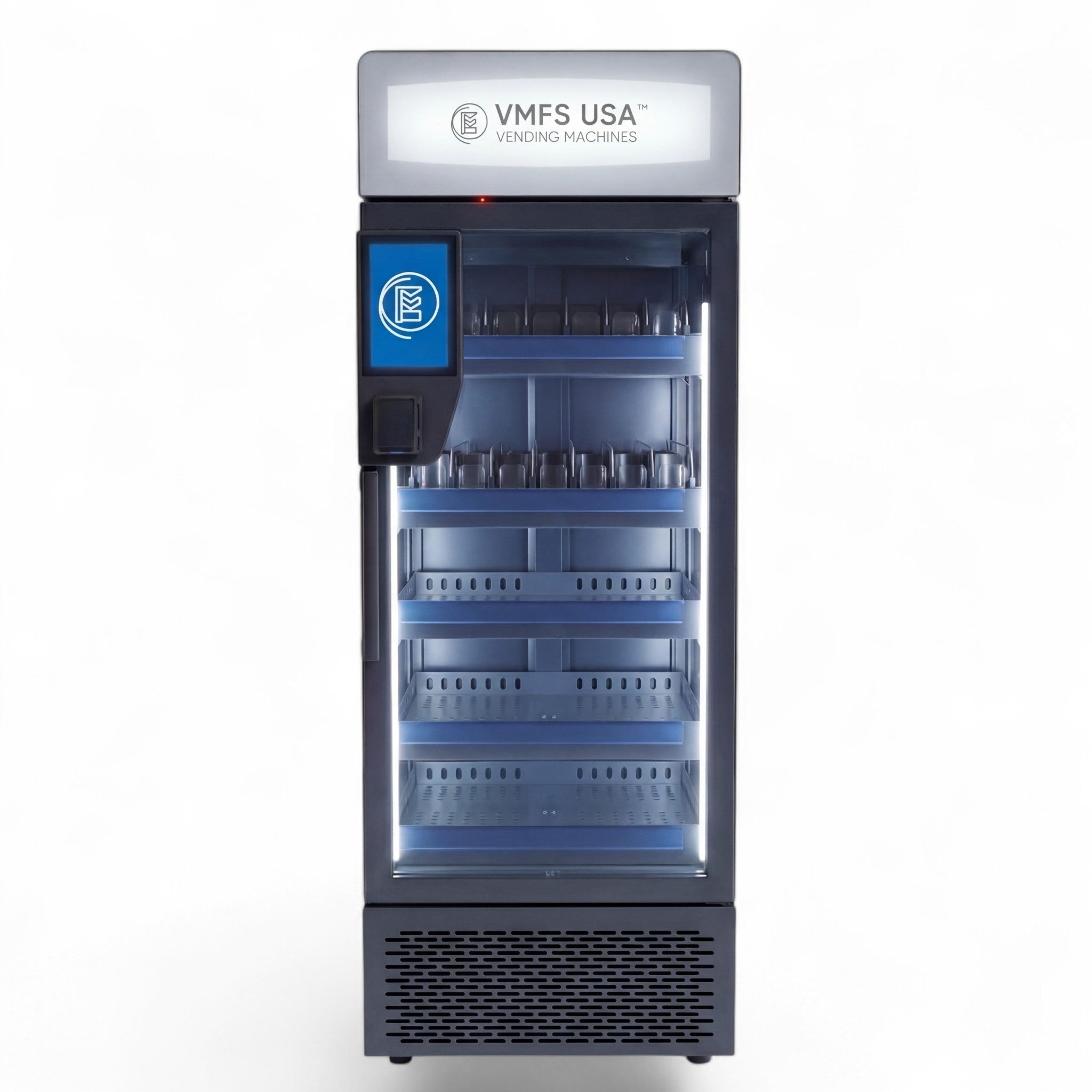
Every machine in this collection accepts cards, and VMFS Cloud works with every VMFS machine, so you can replace cash-only units without slowing down the route.
Shop machines with card readersWhere to Find Vending Machine Routes for Sale
Most vending routes for sale are listed on business-for-sale marketplaces, specialist route brokers and operator groups, and many more change hands privately between local operators. Each channel has a different mix of price, transparency and risk, so it pays to watch several at once.
General marketplaces such as BizBuySell, LoopNet and DealStream carry the widest selection and usually show asking price, gross sales and cash flow. Specialist route brokers and vending classifieds list smaller routes and often handle the non-disclosure agreement and the location introductions. Facebook groups and forums surface owner-sold routes, where prices can be lower but paperwork is usually thinner. The least visible channel is often the best: call local operators directly. Owners who are retiring or relocating may sell a cluster of locations without ever listing it, and you avoid a broker's fee on their side of the deal.
Be careful with offers that are not really routes. Some sellers advertise a "turnkey route" when they are actually selling new machines plus a promise to find locations for you. The FTC Business Opportunity Rule (16 CFR Part 437) covers sellers who say they will provide locations, outlets or accounts. They must give you a written disclosure document at least seven calendar days before you sign or pay, and any earnings claim must come with a separate written earnings claim statement. If a seller refuses to provide either, walk away.
Selling instead of buying? The other side of this transaction, including how to package locations, price a single machine versus a whole route and hand over contracts, is covered in our guide to selling a vending route.
How to Buy a Vending Machine Route: Due Diligence Step by Step
To buy a vending machine route safely, verify the sales independently, ride the route, confirm every location agreement will transfer, inspect each machine and check for liens before you sign a purchase agreement. A non-disclosure agreement and a letter of intent come first; the steps below happen during the due diligence window that the letter of intent gives you, typically a few weeks.

1. Verify sales with records the seller cannot edit
Ask for at least 12 months of sales by machine, then match them to sources the seller does not control: card processor statements, telemetry exports and bank deposits. This is easier than it used to be. According to Cantaloupe's 2026 Micropayment Trends Report, 78% of the vending sales it tracked were cashless in 2025, up from 73% the year before, so on a modern route most revenue leaves a payment record. If the route is largely cash, insist on watching collections yourself before you rely on the totals.
2. Ride the route and count the coins
Spend at least one full service cycle with the seller. Count what is collected, note how much product each machine needs, time the drive between stops and watch how the seller handles location contacts. A route that looks profitable on paper can collapse once you see that it takes three days a week of driving to service. The time you measure here feeds directly into your restock plan; our guide to restock scheduling and route planning shows how to turn those observations into a weekly schedule.
3. Confirm every location agreement transfers to you
Read each contract for an assignment clause, the remaining term, the commission rate and any exclusivity. Then ask the seller to introduce you to each location manager before closing and, ideally, to obtain a short written acknowledgment that the location will keep the machines with the new owner. Location commissions typically run 5% to 25% of sales according to NerdWallet, so check that each rate leaves room for profit. Our breakdown of location commission rates shows how the split affects margins, and our vending machine contract template shows which clauses a solid agreement should include.
4. Inspect each machine
Open every machine. Check the refrigeration temperature, the coin mechanism and bill validator, the spiral motors and the delivery sensor, and look for rust, water damage and broken lighting. Note which machines already have card readers and which need them. Older machines can still earn well, but price in the upgrades. Our used vending machine checklist covers what to test on each unit, and our vending machine maintenance guide explains what upkeep a fleet really needs.
5. Check liens, permits and insurance
Search the state's UCC filings in the seller's name to confirm no lender has a claim on the machines, and make sure any equipment loan is paid off at closing. Ask which permits, sales tax registrations and health licenses the route holds, because most are issued to the seller and you will have to apply in your own name. Our guide to vending machine permits in the US lists the usual requirements, and you will need your own coverage in place on day one, as explained in our vending machine insurance guide.
Red Flags When Buying a Vending Route
The biggest red flags are sales numbers you cannot verify, worn or cash-only machines, low-traffic locations and location agreements that are missing, expiring or non-transferable. Any one of them can turn a fair price into an overpayment, so treat each as a reason to renegotiate or walk away.

Inflated or unverifiable sales. Totals that do not match processor statements or bank deposits, or a seller who offers only a summary spreadsheet, are the most common problem. So is a seller who refuses a ride-along or rushes you to close. Ask for at least 12 months of machine-level reports so seasonal swings and one-off spikes show up.
Outdated or broken machines. Frequent out-of-service periods eat into profit, and cash-only machines miss the majority of buyers who now pay by card or phone. Count the cost of replacing or upgrading them before you agree to a price.
Poor or fragile locations. Low foot traffic, locations about to close or relocate, and sites with no exclusivity (where a competitor can place a machine next to yours) all lower the value. A route that depends on one or two big accounts is also riskier than one with sales spread across many stops.
Unclear contracts and hidden costs. Watch for agreements that cannot be assigned, commissions far above the typical range, side deals such as free product for the manager, and unpaid sales tax. If the seller owes the state, some states can pursue the buyer; Florida is one of them, as explained in the Florida section below.
How the Machine Mix Affects a Route's Profit
The machine mix shapes a route's profit because each category has different margins, service demands and legal rules. A route of snack and drink combos is simple to run but earns less per sale, while specialty machines can earn more per transaction but bring more maintenance, seasonality or regulation.

| Machine type | Strengths on a route | Watch-outs | Typical placements |
|---|---|---|---|
| Snack and drink combo | Steady demand, simple restocking | Lower margin per item than specialty vending | Offices, schools, hospitals, apartment buildings |
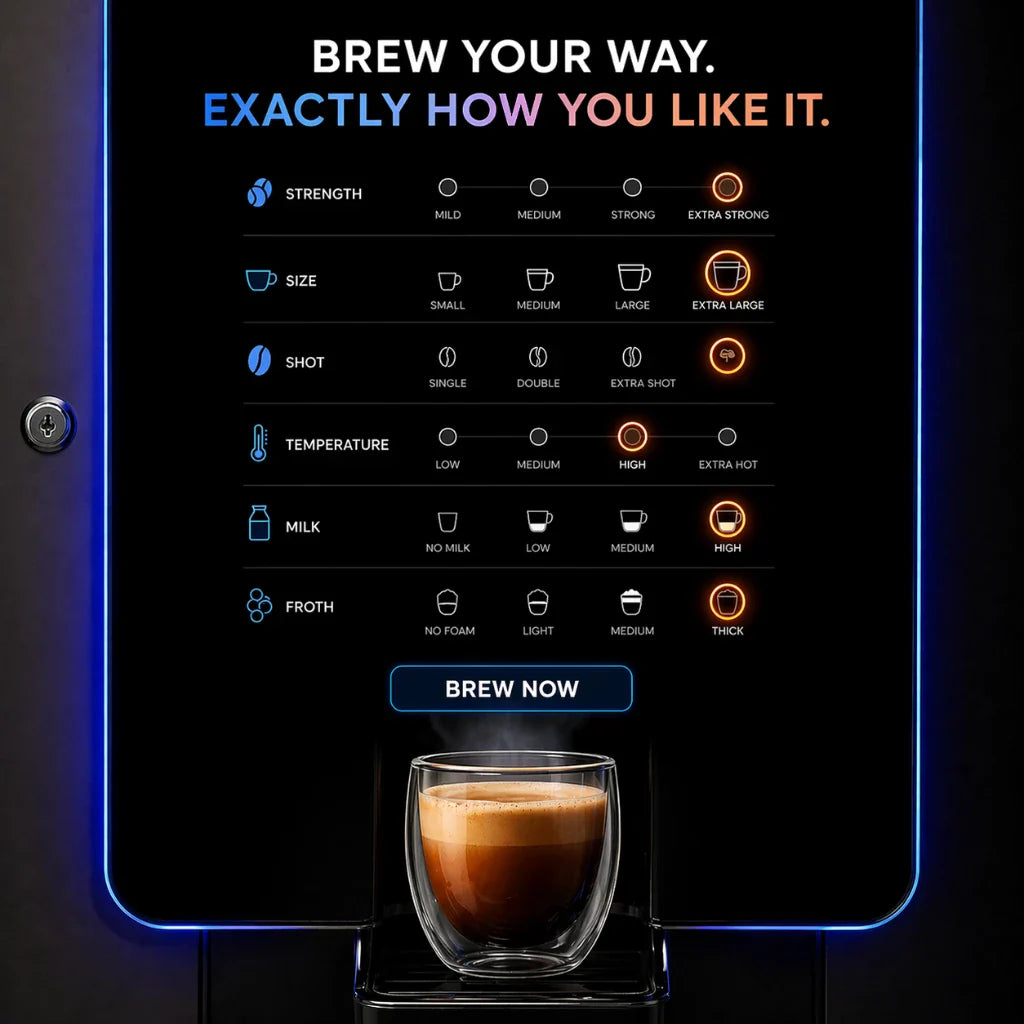
| Coffee | Year-round demand, high margin per cup | Daily cleaning and ingredient management | Offices, hotels, universities |
| Ice cream and frozen | Strong summer and tourist sales, novelty appeal | Freezer reliability, seasonal swings | Malls, parks, attractions |
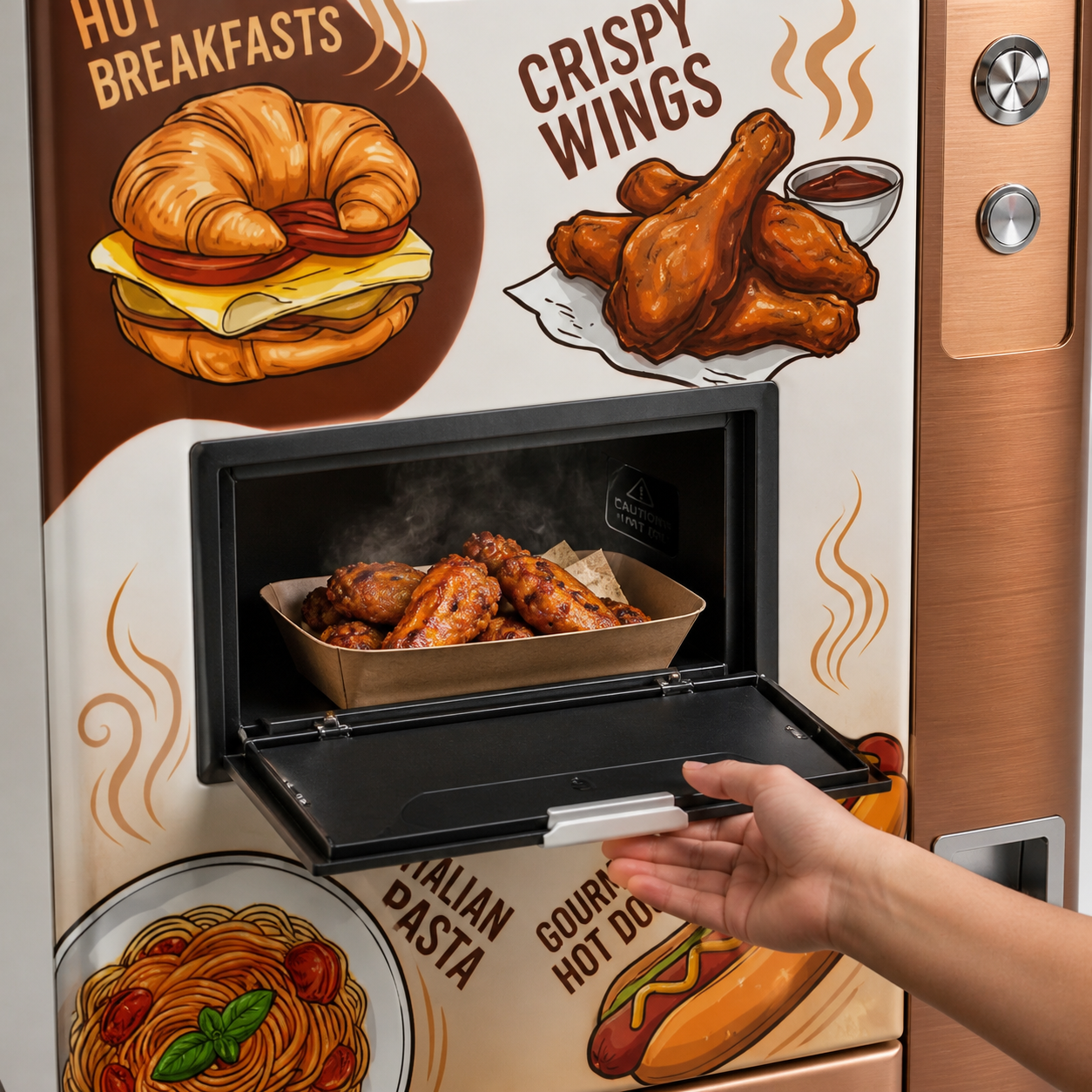
| Healthy and fresh food | Higher ticket, strong demand from employers | Expiry dates and spoilage need tight control | Gyms, hospitals, corporate campuses |
| Vape and beer | High price per sale | Age verification, state and local rules, some outright bans | Bars, venues, adult-only sites |
A mix of machine types spreads risk, because one weak category or season does not sink the whole route. Before you pay for an age-restricted portion of a route, confirm that it is legal where the machines sit and that the buyer, not just the seller, can get the required licenses. If you plan to change the mix after closing, our best-selling vending products guide helps you decide what to stock first.
Financing and Closing the Purchase
Most route buyers pay with a mix of cash, seller financing and a bank or SBA-backed loan, then close through an asset purchase agreement that lists every machine, location and allocation of the price. Lenders prefer routes with documented earnings, which is one more reason to collect clean records during due diligence.
The SBA 7(a) loan program lists changes of ownership among its approved uses, with a maximum loan of $5 million, which comfortably covers small routes. Seller financing, where you pay part of the price in installments to the seller, is also common and keeps the seller invested in a smooth handover. For machine purchases after the sale, see our guide on how to finance a vending machine.
The closing documents should include the asset list, the location list, a training and transition period (often a few weeks of joint route runs), a non-compete so the seller cannot re-approach your locations, and a holdback or adjustment if a key location leaves shortly after closing. How you split the price between machines, inventory, location agreements and goodwill matters for taxes. The IRS requires both buyer and seller to report that allocation on Form 8594 when a group of assets that make up a business changes hands, so agree on it in the contract and review it with a tax professional. Our vending business tax guide covers the ongoing obligations, and setting up a separate entity first is explained in our guide to whether you need an LLC.
Buying a Vending Route in Florida
Buying a vending route in Florida works like anywhere else, with three state-specific checks: sales tax registration in every county where a machine sits, a state food vending license for machines that sell food, and protection against inheriting the seller's unpaid taxes. Florida's large and constant visitor traffic is the opportunity; its paperwork and climate are the costs.
Why Florida routes attract buyers
Florida mixes year-round residents with heavy tourism, which supports placements in hotels, attractions, hospitals, airports, apartment complexes and offices. The Governor's office reported 143.3 million visitors to Florida in 2025, based on preliminary VISIT FLORIDA estimates. That traffic is uneven, though. Coastal and tourist routes rise and fall with the season, while inland routes built around offices, hospitals and factories tend to be steadier. Ask for monthly sales across a full year so you can see where the route sits on that spectrum, and expect distances between stops to matter more than in a dense metro, because fuel and drive time come out of your SDE.
Sales tax registration and remittance
Florida requires every vending machine operator to register as a sales and use tax dealer in each county where it operates a machine, according to the Florida Department of Revenue's vending guide (GT-800041). Tax is calculated by dividing gross receipts by a divisor set for each county's combined rate; at a 6% rate the divisor for food and beverages is 1.0645. Bottled water is exempt, and the certificate of registration must be displayed. The seller's registrations do not become yours, so register in your own name for every county on the route before you take over collections.
Food vending licenses
Machines that dispense food need a license from the Florida Department of Business and Professional Regulation. The DBPR vending machine licensing guide requires an online application, a passed opening sanitation and safety inspection, and the DBPR decal displayed on the machine. DBPR's food service fee schedule lists the vending machine license at $21 for a full year. Check the license status of each food machine during due diligence, and plan for the new licenses and inspections in your takeover timeline.
Successor liability for the seller's unpaid taxes
Under Florida Statutes section 213.758, a buyer who acquires more than 50% of a business or its assets can be held liable for the seller's unpaid state taxes from running that business. The protection is a receipt or certificate of compliance from the Department of Revenue showing the seller's returns are filed and paid, or a department audit finding nothing is owed. The seller must file a final return within 15 days of the transfer, and a buyer who withholds part of the price to cover the seller's tax must pay it to the state within 30 days. Make the certificate a condition of closing.
Reality-check Florida listings
Florida listings vary widely in value. In October 2026, for example, a soda and snack route in Port St. Lucie with 16 machines at 8 locations was listed on DealStream at $60,000 against an estimated $3,142 in annual net profit, roughly 19 times earnings and far above the benchmark range. That does not mean the seller is dishonest, since the price may reflect machine value, but it shows why you should calculate the multiple on every listing instead of trusting the headline. VMFS USA is based in Miami, and our guide to starting a vending business in Miami covers local placement opportunities if you want to grow a Florida route after you buy it.
What to Do in the First 90 Days After You Buy
In the first 90 days, keep service consistent, meet every location contact, then fix the weakest machines and stops using the data you now own. Locations judge you on reliability first; a missed restock in week two can undo a relationship the seller spent years building.
Start by running the route exactly as the seller did while you learn it, and introduce yourself in person at every location. Next, add card readers and telemetry to machines that lack them. Remote stock and sales data let you plan restocks around what has actually sold and spot failing machines before a location calls. VMFS Cloud works with every VMFS machine, with plans starting at $7.99 per machine per month, and our guide to cashless payment systems for vending machines compares reader options for older equipment.
By the end of the quarter, rank every stop by profit after commission and drive time. Replace worn machines at your best locations first; a new Smart Combo Vending Machine starts at $4,650 and a Slim Combo Vending Machine at $3,650, and every VMFS machine carries a 1-year parts warranty. Move or remove machines from stops that do not cover their costs, and use the freed equipment to open new placements. Our location matching service connects operators with businesses that want a machine, and our list of the best vending machine locations shows where to look next.
Need more locations for your route?
VMFS USA matches operators with businesses that want a vending machine, at no cost to the location.
Explore location matchingFrequently Asked Questions
Sources
- BizBuySell: Vending Machine Business Valuation Benchmarks (2021-2025 sold businesses)
- Cantaloupe: 2026 Micropayment Trends Report
- NerdWallet: How to Start a Vending Machine Business
- eCFR: 16 CFR Part 437, FTC Business Opportunity Rule
- U.S. Small Business Administration: 7(a) Loans
- IRS: About Form 8594, Asset Acquisition Statement Under Section 1060
- Executive Office of the Governor of Florida: 2025 Florida visitor estimates
- Florida Department of Revenue: Sales and Use Tax on Vending Machine Operators (GT-800041)
- Florida DBPR: Vending Machine Licensing Guide
- Florida DBPR: Food Service License Fees
- Florida Statutes section 213.758: Transfer of tax liabilities
- DealStream: Vending Routes for Sale (listings viewed October 2026)
Share:
Are Ice Cream Vending Machines Profitable? Margins, Costs & Payback
Best Snack Machines for Offices: Enhance Productivity and Employee Satisfaction