




Design the perfect vending solution for your location and customers.

Join the VMFS newsletter and step into a thriving network dedicated to collective success.
One signup. Endless possibilities.
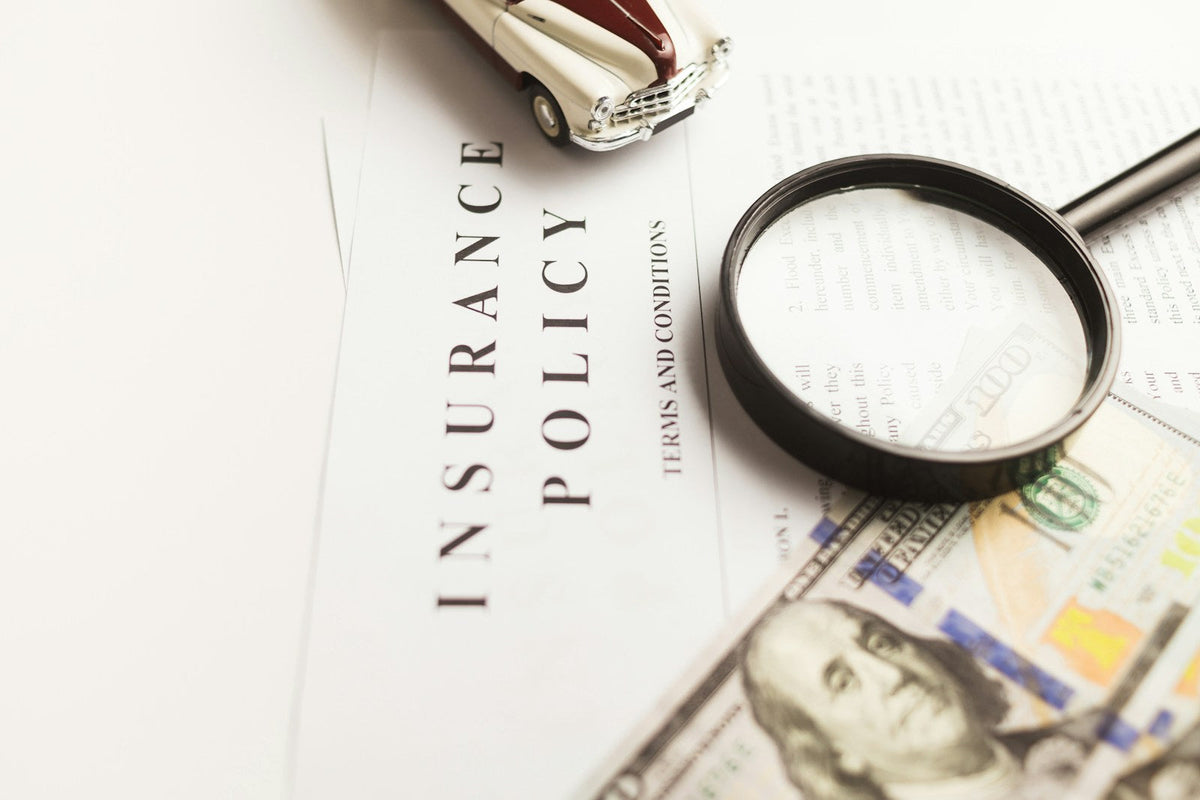
Vending machine insurance is specialized business insurance designed to protect vending operators from liability claims, equipment damage, theft, cyber fraud, vehicle accidents, and income loss. Coverage is typically built using a combination of general liability, property insurance, commercial auto, and optional add-ons such as cyber liability and equipment breakdown. Most operators bundle coverage into a Business Owner’s Policy (BOP) to reduce cost and simplify compliance. The right insurance protects revenue, satisfies location requirements, and reduces financial risk as vending operations scale.
Vending machine insurance is a group of business insurance policies designed to protect vending operators from financial losses tied to machine ownership, customer interaction, cash handling, transportation, and equipment failure. Unlike storefront businesses, vending machines operate unattended in public and private spaces, which creates a unique risk profile. A single vending machine can expose an operator to multiple types of risk at the same time. A customer can slip on a spilled drink, a machine can be vandalized overnight, inventory can spoil due to a cooling failure, or a card reader can be compromised during a cyber attack. Insurance exists to absorb these risks so one incident does not wipe out months or years of profit. Most operators do not buy one standalone policy. Instead, coverage is usually built by combining multiple policies into a bundled package, commonly called a Business Owner’s Policy (BOP). A BOP typically includes general liability and property coverage, with optional add-ons based on how the business operates. Vending machine insurance is not only about protection. It also plays a key operational role. Many property owners, employers, hospitals, and apartment managers require proof of insurance before approving machine placement. Without coverage, securing vending machine locations becomes difficult or impossible. Insurance needs scale with the business. A small operator running a few snack machines faces very different exposure than a route-based business operating drink, combo, or food vending machines across multiple sites. The goal of insurance is to match coverage to actual risk, not to overpay for protection you do not need.
In most states, vending machine insurance is not legally required by statute. However, in practice, insurance is effectively mandatory for operators who want access to quality locations and long-term contracts. The legal requirements for a vending business focus on your business entity, licenses, permits and sales tax, as VAdviced explains in its operator compliance guide. The real insurance requirement comes from property owners and location partners. Offices, hospitals, schools, warehouses, and commercial buildings almost always require a Certificate of Insurance (COI) before allowing vending machines on-site.
Most location agreements specify minimum liability limits. A common requirement is $1 million per occurrence in general liability coverage. Some locations also require that they be listed as an additional insured on the policy. Even when insurance is not explicitly required, operating without coverage is risky. A single injury claim or vandalism incident can cost more than years of insurance premiums. For this reason, experienced operators treat insurance as a core operating expense, not an optional add-on. Insurance also protects cash flow. Claims related to customer injuries, property damage, or stolen machines can stall operations if paid out-of-pocket. Proper coverage keeps the business running while issues are resolved.
Vending machine insurance is built by combining several core policies. Each policy addresses a different risk area. Together, they form a complete protection strategy.
General liability insurance is the foundation of vending machine coverage. It protects against claims involving bodily injury, property damage, and certain legal expenses related to business operations. This policy typically covers:
Why it matters: Most property owners require general liability coverage before approving vending placement. Without it, access to high-quality locations is limited.
Property insurance protects the physical assets of the vending business. This includes machines, spare parts, and stored inventory. Covered risks usually include:
Operators with multiple machines often use a blanket policy that covers all units under one limit. Property coverage is frequently bundled with liability insurance inside a BOP, which can reduce overall cost.
Any vehicle used to service vending machines requires commercial auto insurance. Personal auto policies almost never cover business use. This coverage typically includes:
Inventory carried in the vehicle is often excluded by default. Operators transporting high-value products should add cargo or inland marine coverage.
If a vending business employs drivers, technicians, or warehouse staff, workers’ compensation insurance is usually required by law. This policy covers medical expenses and lost wages for work-related injuries. Premiums are commonly calculated as a percentage of payroll and vary by job classification and claims history.
Because vending machines still handle cash in many locations, crime insurance plays an important role. It covers losses from internal theft, robbery, forgery, and cash-in-transit incidents that standard property policies exclude.
BOP insurance for a vending machine business bundles the coverages most operators need first into one package. A business owner's policy usually combines general liability, commercial property and business interruption. The U.S. Small Business Administration describes a BOP as a package that combines typical coverage options into one bundle, and it recommends one for most small business owners.
For an operator, those three parts match the most common daily risks. Liability covers a customer who slips near a machine. Property covers a door that is pried open or a cabinet damaged in a storm. Business interruption covers lost income during the weeks a host suspends service after a covered loss. VAdviced, our legal and compliance site, explains general liability, product liability and the other core coverages in its vending machine operator insurance guide.
3 in 1
Liability, property and business interruption in a typical BOP
$1M / $2M
Common BOP liability limits per occurrence and aggregate
$40 to $250
Typical monthly BOP cost range for small businesses
The U.S. Chamber of Commerce reports that small business BOPs commonly cost about $40 to $250 per month, and that many small businesses buy $1 million per occurrence and $2 million aggregate limits. Insurers set their own eligibility rules. Typical thresholds include annual revenue under $5 million and fewer than 100 employees, which fits most vending routes. When you set property limits, price your machines at current replacement cost, using today's prices for the same models among our vending machines for sale. That way, a total loss pays enough to replace the machine you actually run.
What a BOP usually leaves out. A BOP is a strong foundation, but it is not the whole program. The U.S. Chamber of Commerce lists these common gaps:
Vending machine business insurance requirements come from two places: the law and your location contracts. The law sets a short list. The SBA says the federal government requires every business with employees to carry workers' compensation, unemployment and disability insurance, and some states add more. Your state also sets minimum auto liability for any vehicle on the road. Location contracts set the longer list, and they decide whether you get the placement.
| Requirement | Where It Comes From | Does A BOP Meet It? |
|---|---|---|
| General liability, often $1M per occurrence and $2M aggregate | Location contracts | Yes, if the BOP limits match the contract |
| Certificate of insurance (COI) | Location contracts and property managers | Yes, your insurer issues it from the BOP |
| Host named as additional insured | Location contracts | Usually, through an endorsement |
| Waiver of subrogation | Larger property managers | Often, through an endorsement |
| Workers' compensation | State law once you have employees | No, buy it separately |
| Commercial auto liability | State law and some loading dock rules | No, buy it separately |
| Cyber liability | Some corporate and campus contracts | Only with a cyber endorsement or separate policy |
Placement services check operators against these standards before they match them with locations. VPlaced's vending operator verification checklist lists general liability at $1 million per occurrence and $2 million aggregate, a waiver of subrogation, workers' compensation if you have staff, and a COI that names the property management firm as an additional insured. Hosts often research an operator online before they sign. VMarketed builds websites for vending operators that explain your service to location managers. Keep your COI ready to send with each inquiry, so a host can see that you are insured from the first contact.
Before you request BOP quotes: Collect the insurance section from every location contract you hold or expect to sign. Give the strictest limits and endorsements to your agent first, so the policy you buy satisfies every host from the first day.
| Coverage | What It Protects | Why It Matters |
|---|---|---|
| Cyber liability | Data breaches, skimming, chargebacks | Essential for cashless payment systems |
| Equipment breakdown | Mechanical or electrical failure | Covers compressors, motors, and boards |
| Business interruption | Lost income after covered events | Protects cash flow during shutdowns |
Not every operator needs every policy. The right mix depends on machine type, payment methods, locations, and business size. Later sections break this down by vending machine category, then cover cyber insurance for smart vending operators.
The cost of vending machine insurance depends on business size, machine count, product type, payment methods, and operating risk. There is no flat rate. Instead, insurers price policies based on exposure. Small operators with packaged products and no employees usually pay far less than route-based businesses running food machines, vehicles, and cashless payments.
| Insurance Type | Estimated Annual Cost | Notes |
|---|---|---|
| General liability | $400 to $600 | Most locations require $1M limits |
| Property insurance | $0.25 to $0.40 per $100 value | Based on machine and inventory value |
| Commercial auto | $750 to $1,200 per vehicle | Required for vending routes |
| Workers’ compensation | 3 to 5% of payroll | Required when hiring employees |
| Cyber liability | $300 to $1,000 | Depends on transaction volume |
Many operators reduce costs by bundling coverage into a Business Owner’s Policy. Bundling property and liability often reduces premiums by 10 to 15 percent compared to buying separate policies. Insurance should scale with the business. Underinsuring machines or inventory may lower premiums short-term but creates exposure during claims. If the upfront cost of new machines is holding you back, look at vending machine financing and your insurance quotes together, so the loan payment and the premium both fit your monthly budget before you buy.
Not all vending machines carry the same risk. Vending machine business insurance should change based on what each machine sells, how payments are processed, and where the machine operates. Matching coverage to machine type avoids gaps and unnecessary cost. The subsections below cover the most common machine categories and the coverage each one calls for.
Snack vending machines have one of the lowest risk profiles in vending. They sell sealed, shelf-stable products and in most cases do not involve refrigeration, hot liquids, or plumbing. Typical coverage includes:
Product liability add-ons are rarely needed when every item is factory sealed. The main thing to watch is expiration dates, since selling expired product can still lead to a claim.
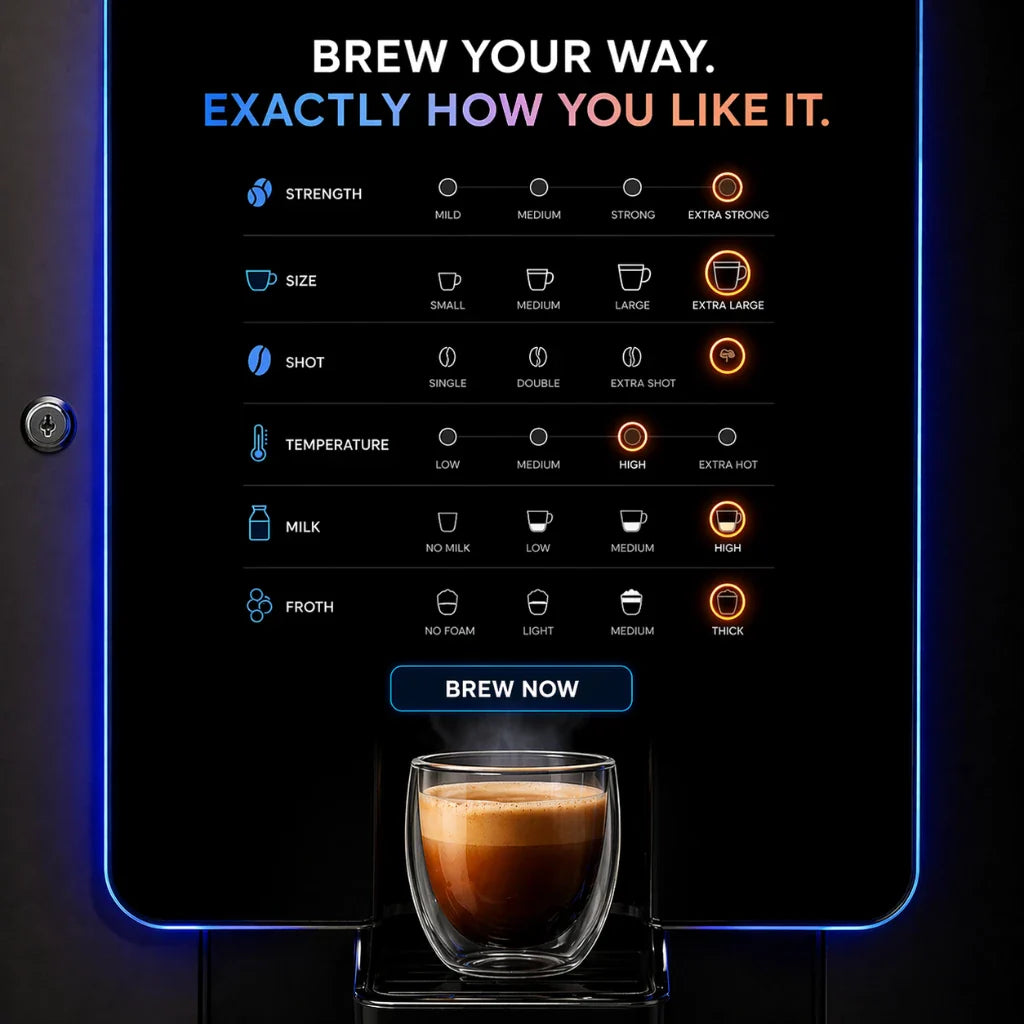
Coffee vending machines carry more risk than packaged-product machines because they brew and dispense hot drinks on site. Three exposures stand out:
Equipment breakdown coverage is worth adding because grinders, boilers, and brewing units are expensive to repair. Logging cleaning and descaling visits also helps if an insurer questions whether a failure came from neglect.
Combo vending machines sell snacks and cold drinks from one cabinet, so they combine the exposures of both. The refrigerated section adds a cooling system that can fail and spoil inventory, and spilled drinks near the machine raise slip-and-fall risk. Recommended coverage includes:
The claim scenario later in this guide shows how quickly a combo machine refrigeration failure can turn into a liability claim. Remote temperature monitoring is one of the easiest ways to reduce that risk.
Elevator vending machines use a lift system that lowers each item to the pickup area instead of dropping it. That makes them a good fit for glass bottles, meal boxes, electronics, and other fragile or high-value products, and it also changes the insurance picture:
Because these machines often go into professional locations, be ready for detailed insurance requirements in the location agreement, including requests to be listed as an additional insured.
AI vending machines, also called smart coolers or grab-and-go machines, let customers open the door, take what they want, and get charged automatically through real-time product tracking. They are almost always cashless and often stock fresh food, which shifts the risk profile:
Less cash handling reduces crime exposure, but higher equipment and inventory value usually means AI machines need broader vending machine business insurance than a standard snack machine.
Refrigerated machines that sell only beverages or sealed healthy items follow a similar profile to snack machines, with added refrigeration risk.
Confirm that property coverage includes spoiled inventory for any refrigerated machine. These machines usually do not require product liability add-ons when selling packaged, shelf-stable products.
Machines that accept cards and mobile wallets introduce cyber and fraud exposure. Operators who accept cashless payments, including vending machines with card readers that take Apple Pay and other mobile wallets, should strongly consider cyber liability coverage. Key risks include:
Cyber liability helps cover investigation costs, legal fees, notification requirements, and fines tied to payment data incidents.
Mini vending machines and other small machines usually carry lower insurance risk due to reduced product volume, lower cash exposure, and placement in controlled indoor environments. These machines are commonly placed in:
In many cases, general liability and basic property coverage are sufficient when these machines sell packaged products.
Cigarette vending machines involve higher liability exposure due to age-restricted products and regulatory oversight. Insurance considerations often include:
Operators should confirm that insurers do not exclude tobacco-related claims and that local compliance is documented. Choosing insurance based on machine type ensures coverage aligns with real-world risk instead of generic assumptions.
Cyber insurance for vending machine operators covers the costs and work that follow a data breach, a payment fraud incident or a hacked account. Every connected vending machine adds some digital exposure. A card reader talks to a payment processor. A telemetry module sends sales and stock data to the cloud. A dashboard login controls prices and alerts. Each of these connections has value, and each one needs protection.
Operators can map this risk clearly and plan for it. Cyber coverage is no longer only for large companies. Many small business insurers sell it as a stand alone policy or as an endorsement on a BOP, so even a small route can carry it.
Insurers price cyber risk on what data you hold and who holds it for you. On most routes, three different systems handle three different kinds of data. Knowing which system holds which data helps you answer the insurance application accurately and buy the right coverage.
| System | What It Handles | Main Cyber Exposure |
|---|---|---|
| Card reader and payment processor | Card and mobile wallet transactions. The processor handles the cardholder data. | Skimmers, tampered readers, fraud chargebacks and payment card compliance obligations. |
| VMFS Cloud (optional add-on) | Monitoring and reporting: sales records, stock levels, planograms and machine alerts. | A stolen login that changes prices, hides alerts or exposes your sales data. |
| Your office devices and email | Invoices, host contracts, bank logins, employee records and supplier accounts. | Phishing, ransomware and payment diversion scams that redirect money you owe or are owed. |
On the payment side, the PCI Security Standards Council says PCI DSS applies to all entities that store, process or transmit cardholder data. Your processor handles most of those obligations, but your agreement with it can still pass fraud losses, fees or assessments back to you after a breach. Read that section of your processor agreement and share it with your insurer.
On the monitoring side, the VMFS Cloud monitoring platform is a reporting tool. It shows live sales, stock levels and alerts such as jam, offline, door open and payment reader down. Card numbers are handled by your payment processor. That still makes your Cloud login worth protecting, because whoever holds it can see your sales and change how your machines run.
The Federal Trade Commission's small business guidance splits cyber insurance into two parts. First party coverage pays your own costs. Third party coverage pays when someone else makes a claim against you.
First Party Coverage
Third Party Coverage
| Scenario | Policy That Usually Responds | What To Confirm |
|---|---|---|
| A skimmer is found on a card reader | Cyber liability | Coverage for payment card fines and assessments passed through by your processor. |
| A phishing email leads to a stolen dashboard password | Cyber liability | Breach response costs and business interruption for lost sales. |
| A fake invoice tricks you into paying the wrong supplier | Cyber with a social engineering endorsement, or crime | Many base policies exclude this. Ask for funds transfer fraud coverage by name. |
| Ransomware locks the laptop with your route records | Cyber liability | Extortion, data recovery and a breach hotline that answers at any hour. |
| A thief pries open the cabinet and takes stock | Property or BOP, not cyber | Theft limits and the deductible per machine. |
Cyber Checklist That Can Also Lower Premiums
Reputation matters after any payment problem. If you list your machines on VendingFinder and get verified, you can respond publicly to reviews from verified buyers, which helps you explain a fix quickly if a reader issue reaches customers.
Cyber exposure grows with the number of connected devices on your route. Fully cashless smart vending machines run every sale through card or mobile payments, so operators who scale into them should review cyber limits at each renewal. On most VMFS machines, payment hardware is an add-on, and every machine also supports QR code payments, so you control how much payment technology each site carries.
See Every Alert Before It Becomes A Claim
VMFS Cloud is an optional add-on from $7.99 per machine per month, with live sales, stock levels and machine alerts.
Explore VMFS Cloud Vending Monitoring →How you purchase vending machine insurance affects pricing, flexibility, and long-term support. Operators usually work with either an insurance agent or an insurance broker, and the difference matters.
| Option | Who They Represent | Best For |
|---|---|---|
| Insurance Agent | One or a small group of insurers | Simple vending setups |
| Insurance Broker | The business owner | Route-based or growing operations |
An insurance agent typically works with a limited number of carriers. This can speed up onboarding for small vending businesses with basic coverage needs. By contrast, an insurance broker shops policies across multiple insurers. Brokers negotiate endorsements, tailor limits, and are better suited for operators with vehicles, employees, food machines, or cashless payments.
Vending machine insurance companies come in a few clear types, and the type of provider matters more than the brand name. Each one sells coverage in a different way, prices it differently and fits a different stage of a vending business. The comparison below is generic on purpose. Coverage, prices and service vary by state, by insurer and by your own risk, so use it to guide your search, not as a ranking.
| Provider Type | Coverage Fit | Pricing Model | Speed | Best For |
|---|---|---|---|---|
| National commercial carriers | Broad: liability, property, auto, workers' compensation, cyber and umbrella from one insurer | Underwritten premium, with multi policy discounts when you bundle | Days to a few weeks, depending on the risk | Established routes that want most policies under one roof |
| BOP package programs | Liability, property and business interruption bundled; auto and workers' compensation sold separately | One package premium, usually lower than buying each part alone | Fast for small, low risk businesses that meet eligibility rules | New operators with a handful of machines and no employees yet |
| Online small business insurers and marketplaces | Standard small business policies; less room for custom endorsements | Instant or quick quotes, often with monthly payment options | Often the same day for simple risks, including the COI | Operators who need a certificate quickly to close a placement |
| Independent agents and brokers | Widest: they shop several insurers and negotiate endorsements and limits | Insurer premium; the agent is usually paid a commission by the insurer | Days to weeks while they market your account | Growing routes with vehicles, staff, food or strict host contracts |
| Industry and association programs | Coverage written around a specific trade, which can include its typical risks | Group or program rates, sometimes tied to membership | Varies by program | Operators who already belong to a trade or business association |
Whichever type you choose, compare at least three quotes on the same limits, deductibles and endorsements. The SBA's advice is simple and useful here: assess your risks, find a reputable licensed agent, shop around and re-assess every year. A provider that issues certificates quickly and adds hosts as additional insureds without delay helps you close placements faster, which matters as much as the premium.
Working with a partner who understands vending operations reduces coverage gaps and claim delays.
Securing the right vending machine insurance is easier when approached methodically. This checklist keeps the process efficient and helps prevent underinsurance.
Most property owners require a COI before installation. Keep digital copies ready and update them when locations change.
Coverage should be reviewed at least once per year or whenever machines, routes, or payment systems change.
A combo vending machine is installed inside a college residence hall. During the night, the refrigeration unit fails without triggering an alert. By morning, milk-based beverages inside the machine have spoiled. A student purchases one of the drinks and later becomes ill. What follows escalates quickly. Campus administrators suspend vending service while reviewing the incident, and the student files a medical claim. Negative posts appear on social media, raising concerns among parents and housing staff. How insurance responds:
Without layered coverage, the operator would absorb medical costs, lose the location, and face reputational damage. Proper insurance allows the business to recover and continue operating.
Most insurance problems in vending do not come from lack of coverage, but from gaps created by oversight. The mistakes below are common and avoidable.
Rising equipment and wholesale costs mean yesterday’s limits may be too low today. Recalculate machine replacement value and average inventory quarterly.
Operators using card readers often skip cyber liability. One skimming incident or wave of chargebacks can exceed annual premiums. The cyber section above lists what a policy should cover.
Insurers may deny property claims if failures result from neglect. Log service visits and temperature checks in your vending management software. The optional VMFS Cloud remote monitoring plan records sales, stock levels and fault alerts for every connected machine, which gives you a dated history to show an adjuster if a claim is questioned.
Lease agreements frequently shift risk back to the operator. Confirm who insures the machine and inventory in writing.
Low premiums paired with high deductibles can cost more long-term. Match deductibles to what you can absorb without disrupting cash flow. Fixing these issues reduces claim friction and stabilizes premiums over time.
Well-documented claims move faster. Organized operators often receive partial advances for urgent repairs.
Insurance pricing rewards discipline. Operators who manage risk proactively pay less over time.
Vending machine insurance protects revenue, access to locations, and long-term growth. The right coverage matches real-world risk, scales with the business, and satisfies property owner requirements. Focus on core policies first, add specialized coverage where exposure exists, and review annually. With proper insurance in place, operators can expand confidently and handle unexpected events without stopping operations.
Related Reading
Share:
How To Start A Vending Machine Business In California
How To Start A Vending Machine Business In California