



Design the perfect vending solution for your location and customers.

Sales, inventory and alerts for your whole route, from one machine to a fleet.
Answer a few questions about your location, products and budget and get a shortlist.
Estimate revenue, payback period and margin before you buy.
Sales, setup help, warranty and parts from the VMFS USA team.
Join the VMFS newsletter and step into a thriving network dedicated to collective success.
One signup. Endless possibilities.
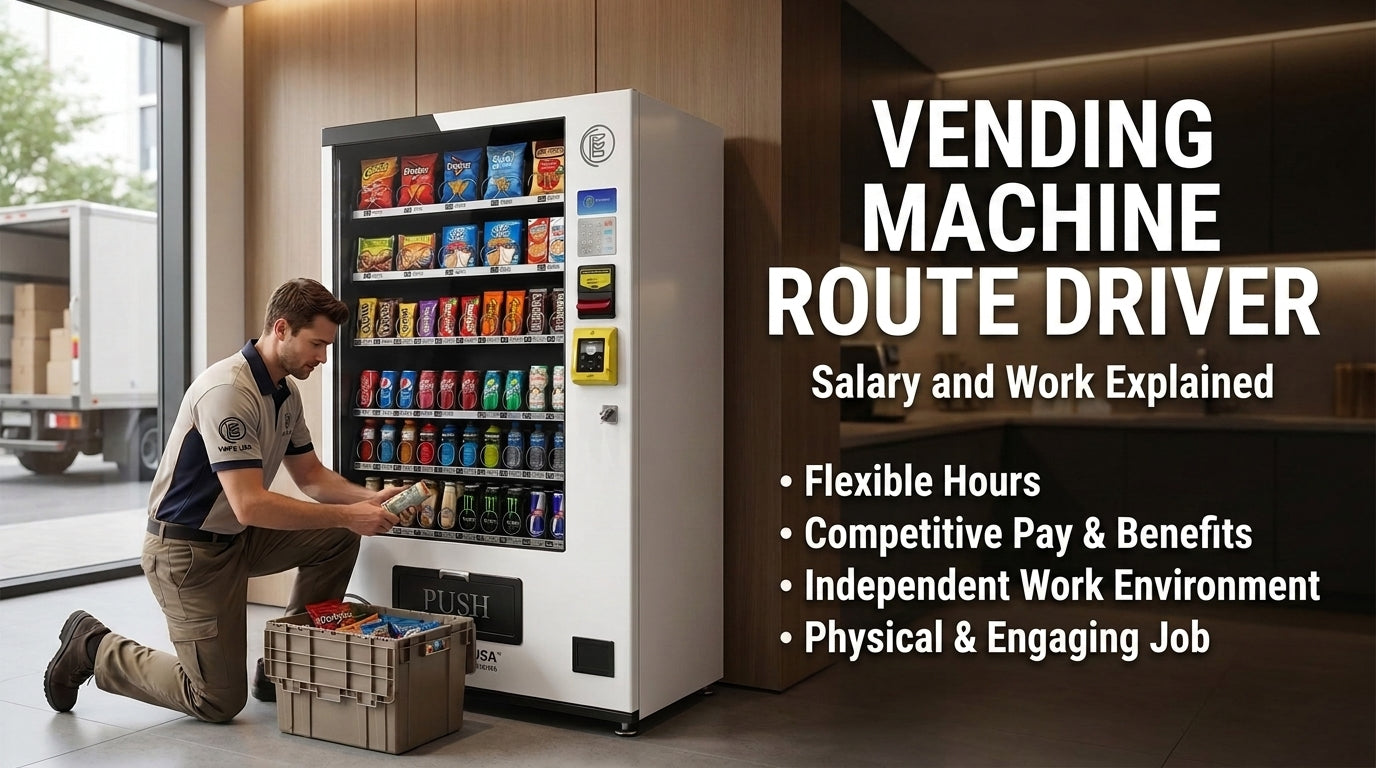
A vending machine route driver is a specialized logistics professional responsible for restocking, servicing, sanitizing, and collecting revenue from automated retail units across a designated geographical territory. Drivers operate delivery vehicles, manage local inventory, and ensure machine uptime for commercial, educational, and industrial accounts.
Route drivers serve as the primary operational link between automated retail operators and client locations. Drivers manage inventory depletion rates, resolve minor mechanical faults on-site, and maintain cash accountability across every machine on their daily schedule. Modern drivers also utilize telemetry handhelds to record sales data and track stock movements in real time.
Professional drivers work for national vending operators, local independent vending companies, or operate as self-employed routes. Industry hardware standards provided by VMFS USA require drivers to handle diverse machine platforms including cold beverage vendors, ambient snack displays, and micro-market kiosks. Job seekers looking for open positions can explore active listings on VPlaced Vending Machine Restock Jobs.
The average salary for a vending machine route driver in the United States ranges between $38,000 and $55,000 per year, which equates to an hourly wage of $18.00 to $26.50. Compensation varies based on geographical region, route density, driving experience, and performance commission structures.
Total compensation packages often combine a fixed hourly base pay with performance-based incentives. Drivers servicing high-volume accounts can earn commissions ranging from 1% to 3% of total gross route collection. Base salary increases with multi-year route experience and technical troubleshooting capabilities.

| Career Stage / Experience Level | Average Hourly Wage | Median Annual Base Salary | Top 90th Percentile Salary |
| Entry-Level (0-1 Years) | $18.00 – $20.00 | $38,000 – $41,000 | $44,000 |
| Mid-Level (2-4 Years) | $20.50 – $23.50 | $42,500 – $48,000 | $52,000 |
| Senior Route Specialist (5+ Years) | $24.00 – $28.00 | $49,000 – $58,000 | $64,000+ |
| Lead / Route Supervisor | $27.00 – $32.00 | $56,000 – $66,500 | $72,000+ |
Regional economic factors create significant pay variances across metropolitan areas. High-density urban centers in California, New York, and Washington report average route driver compensation exceeding $52,000 annually due to higher route volume and elevated living costs. Conversely, midwestern and rural routes average $38,000 to $44,000 per year.
A vending machine route driver begins work early in the morning by preparing delivery vehicles, reviewing pre-kitted product totes, and planning optimal transit routes. A typical shift covers 8 to 10 hours, servicing 15 to 30 machines per day depending on account distance and stop complexity.

Drivers report to the central warehouse to inspect their assigned delivery truck or van. Pre-kitting teams use automated picking software to load specific product quantities matched to scheduled machine refills. Drivers verify pick sheets, balance cold storage items, and secure cash collection bags prior to departure. Implementing modern inventory control and telemetry systems minimizes warehouse loading errors and prevents stock mismatches.
Drivers navigate assigned geographic stops following optimized route schedules. Upon arrival at a facility, the driver unloads inventory using hand trucks and heavy-duty carts. At each machine, the driver performs four core actions:
Cash Collection & Coin Management: Pulling bill validator boxes, emptying coin hoppers into tamper-evident bags, and refilling change tubes.
Restocking & Product Rotation: Replenishing empty shelves while applying First-In, First-Out (FIFO) methods to ensure freshness. Enforcing proper product rotation strategies eliminates product expiration losses.
Cleaning & Sanitation: Wiping glass windows, cleaning keypads, sanitizing payment terminals, and clearing internal spill tray debris.
DEX Data Auditing: Connecting handheld scanners to the machine’s Data Exchange (DEX) port to sync cash and sales totals with central management software.

Drivers act as first-line technicians when encountering operational faults. Common tasks include clearing bill stacker jams, resetting coin mechanism sensors, updating price labels, and testing credit card readers. For persistent electrical or mechanical failures, drivers document diagnostic errors and submit work tickets to lead technicians. Referencing guides on snack vending machine common issues and solutions equips drivers to resolve site delays quickly.
Returning to the warehouse, the driver deposits collected cash boxes into secure vaults or automated cash counting rooms. Unsold perishables, empty crates, and damaged goods are checked back into warehouse management systems. The driver completes daily mileage logs, reconciles DEX audit reports against physical inventory, and prepares vehicle maintenance checks for the next shift.
Vending route drivers operate across diverse hardware configurations, requiring familiarity with mechanical coils, refrigeration units, conveyer belts, and smart payment gateways. Equipment complexity dictates physical effort and servicing speed.
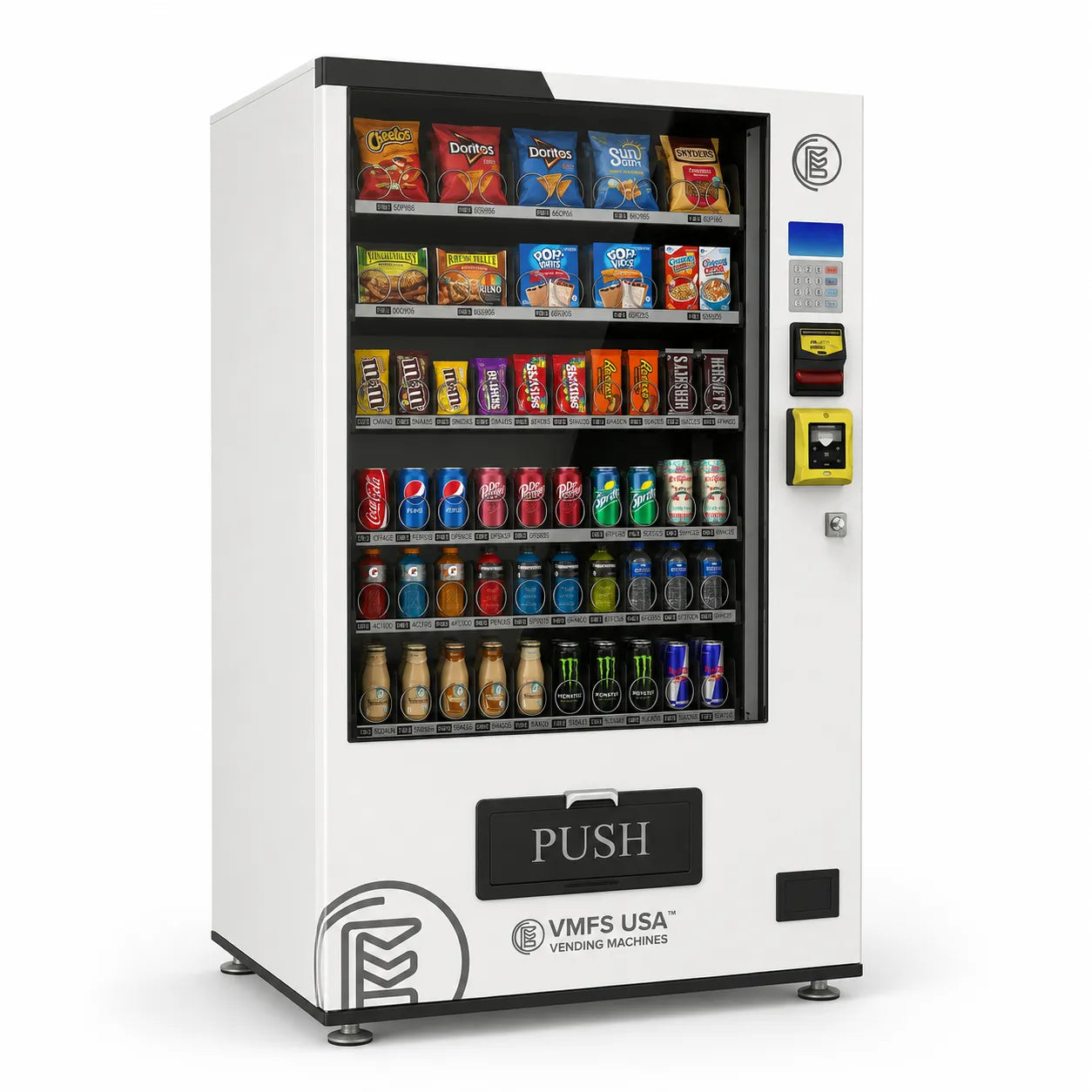
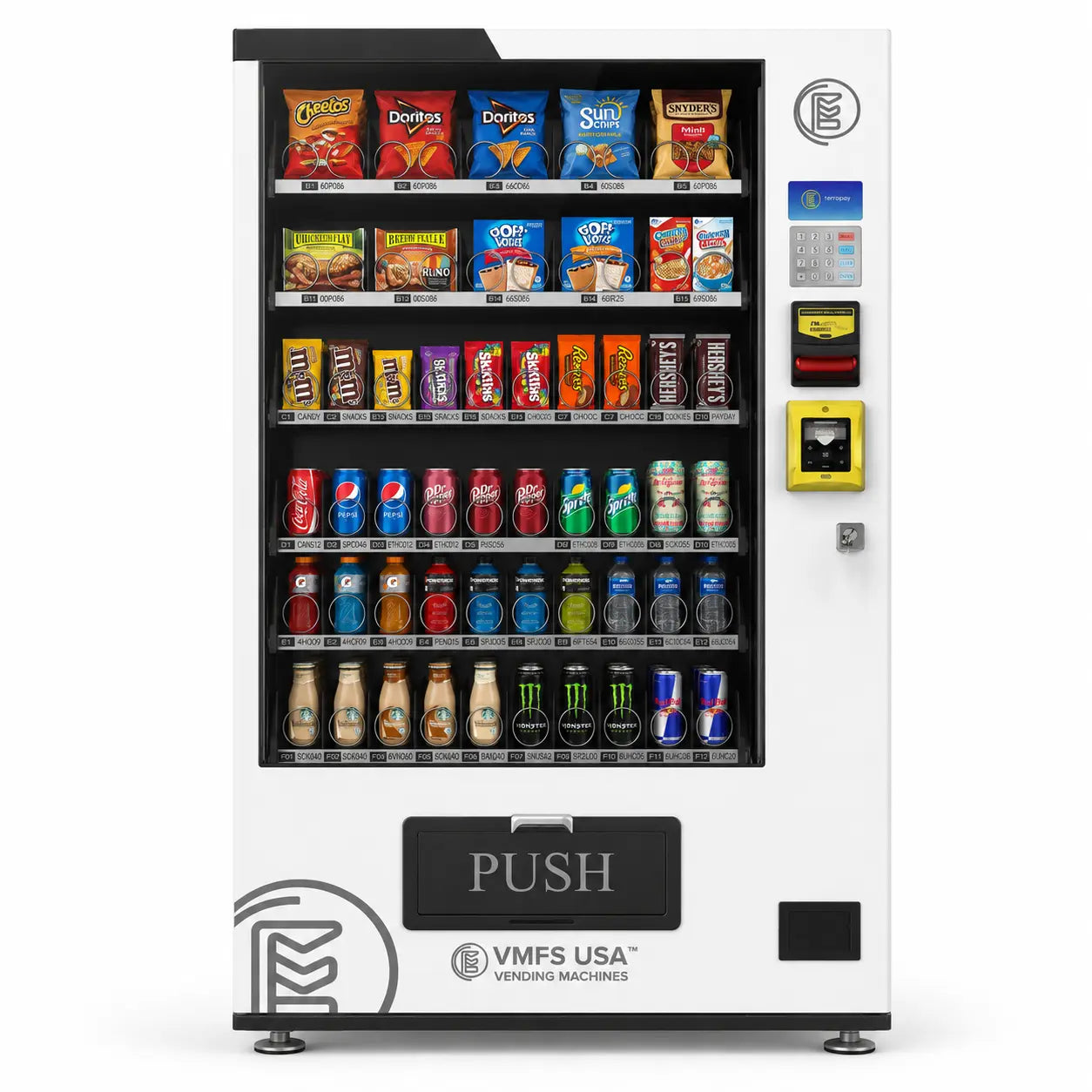
Ambient snack units house non-perishable items such as chips, candies, pastries, and healthy bars. Servicing involves adjusting spiral coil pitch, resetting motor drop sensors, and organizing planograms based on velocity sales. Drivers interact with snack vending machines daily, managing lightweight inventory totes that allow rapid machine refills.
Beverage machines require handling heavy cases of bottled sodas, energy drinks, juices, and canned beverages. Drivers load live-display drop stacks, slant-shelf gravity feeds, or robotic arm mechanisms. Servicing requires monitoring internal cabinet temperatures (maintained between 34°F and 38°F) and clearing condenser coils of dust. Route drivers frequently service heavy-duty combo vending machines that house both chilled beverages and ambient snacks.
Modern automated retail locations utilize artificial intelligence, vision systems, and weight-sensor shelves. Servicing smart units involves verifying camera alignment, calibrating weight sensors, and configuring RFID tags on high-value products. Refilling modern AI grab-and-go vending machines requires precision shelf placement to ensure sensor systems register inventory changes correctly.
Vending machine route driving requires physical endurance, clean driving records, disciplined time management, and basic electrical troubleshooting skills.
Most standard vending routes utilize non-commercial box trucks or cargo vans rated under 26,000 lbs Gross Vehicle Weight Rating (GVWR). These vehicles require a standard Class D driver's license with a clean Motor Vehicle Record (MVR). Heavy routes operating commercial trucks over 26,000 lbs require a Commercial Driver's License (CDL Class B) alongside valid Department of Transportation (DOT) medical cards.
The physical workload is rigorous. Drivers routinely lift, push, and pull product cases weighing between 30 and 50 pounds. Daily tasks involve navigating staircases with loaded hand trucks, bending down to access bottom machine trays, and standing for 6 to 8 hours per shift. Proper lifting technique and ergonomic cart selection reduce physical fatigue and injury risks.
Successful route drivers balance mechanical aptitude with customer service skills to maintain strong relationships with site managers.
| Skill Category | Operational Capability Required | Impact on Job Performance |
| Inventory Management | Accurate count auditing, FIFO rotation, stock reconciliation | Eliminates spoilage loss and inventory shortages. |
| Basic Maintenance | Multimeter testing, harness connections, mechanical clearing | Reduces downtime without waiting for field service tech. |
| Route Navigation | Efficient driving, traffic management, route adjustments | Saves fuel and ensures scheduled delivery windows are met. |
| Cash Handling | Bill validator clearing, coin tube balancing, audit tracking | Prevents route cash discrepancies and financial audit losses. |
| Customer Service | Communicating with site leads, recording item requests | Secures account retention and increases machine sales. |
Individuals in the vending industry work either as W-2 employees for corporate vendors or as independent operator-drivers managing self-owned machines. Employed drivers receive guaranteed hourly wages and benefits, while independent operators keep net machine profits.
Employed drivers focus strictly on route completion without financial liability for machine maintenance, inventory purchasing, or machine depreciation. Independent operator-drivers handle business structuring, product purchasing, location acquisition, and revenue sharing agreements.
Understanding vending machine revenue splits between operators and locations helps independent drivers evaluate contract profitability. Overall earnings for self-managed routes depend on maintaining strong vending machine profit margins.
Transitioning from an employee to an independent operator requires acquiring reliable hardware. Operators must evaluate options for buying a vending machine, select what to buy for a vending business, secure high-foot-traffic profitable vending locations, and maintain coverage via a dedicated vending machine insurance guide.
Property managers interested in hosting machines can list space details directly through VPlaced Location Services to connect with local route operators. Aspiring drivers forming an independent vending business should establish formal business structures like an LLC to secure liability protection; review steps for forming an LLC for a vending business through professional corporate formation services.
Vending route driving offers distinct workplace advantages alongside notable physical demands. Evaluating these factors helps individuals determine if route driving fits their career goals.
| Operational Advantage (Pros) | Job Challenge (Cons) |
| High Daily Independence: Drivers work autonomously throughout the day without direct micro-management. | Physical Strain: Regular lifting of 50 lb boxes and operating heavy hand trucks. |
| Early Work Schedules: Shifts start early (4:30–6:00 AM), leaving late afternoons free. | Early Morning Starts: Requires strict personal sleep hygiene and early morning availability. |
| Predictable Work Routines: Consistent daily schedules, established delivery locations, and fixed routes. | Weather Exposure: Loading trucks and moving inventory across outdoor lots in rain, heat, or snow. |
| Stable Compensation: Base hourly pay supplemented by performance bonuses and route commissions. | Inventory Accountability: Financial liability for unexplained cash shortages or missing stock. |
Modern telemetry devices automatically transmit real-time stock levels, cashless transactions, and error codes from vending machines to central cloud management servers. Route management platforms analyze sales velocity to generate dynamic schedules, ensuring drivers only visit machines requiring restocks.
Dynamic routing reduces daily driving distance, saves vehicle fuel, and optimizes restock speed. Pre-kitting technology allows warehouse staff to pack exact product totes overnight, eliminating the traditional practice of drivers sorting inventory out of the back of their trucks at each stop.
Optimizing restock schedules improves overall route profit margins. Drivers can accurately calculate the cost to stock a vending machine while implementing strategies on how to price products for profit to maximize sales per stop.
The national average hourly wage for a vending route driver ranges between $18.00 and $26.50 per hour. Compensation depends on geographic location, years of route experience, and performance incentives like cash collection bonuses.
Most vending route drivers operate non-commercial trucks under 26,000 lbs GVWR, which require only a standard Class D license and a clean driving record. Larger routes utilizing heavy commercial vehicles require a CDL Class B certification.
A route driver services between 15 and 30 machines per shift, depending on machine size, route travel distance, and restock volume. Micro-market accounts or multi-machine industrial sites require longer stop times.
Drivers must regularly lift and carry product cases weighing up to 50 pounds, maneuver heavy hand trucks, climb stairs, and bend frequently to stock lower shelves. Physical stamina and endurance are essential for daily 8-to-10-hour shifts.
Many operators pay drivers a base hourly rate combined with a 1% to 3% commission on total gross revenue collected from their route. This structure rewards efficient product rotation and proactive customer service.
Drivers use heavy-duty hand trucks, DEX data scanners, key rings, bill validator clearing tools, multimeters, cleaning supplies, and wireless handheld inventory devices.
Pre-kitting uses telemetry data to pre-pack exact inventory totes for specific machines before the shift starts. Traditional picking requires drivers to select products manually from bulk truck inventory at each stop.
Route drivers perform basic troubleshooting such as clearing coin jams, unblocking bill acceptors, and replacing price tags. Complex electrical or refrigeration repairs are escalated to certified field service technicians.
Drivers gain crucial experience in machine maintenance, product selection, and route management. Transitioning involves buying independent machines, securing location contracts, forming an LLC, and setting up inventory channels.
Shifts typically start early in the morning between 4:30 AM and 6:00 AM. Early start times allow drivers to complete refills at school or office locations before peak foot traffic hours begin.
Share:
Smoothie Vending Machines: How They Work, What They Earn, and Why We Are Piloting Them Across the US
VMFS Cloud - Modernizing Vending Operations Through End-to-End Automation