



Design the perfect vending solution for your location and customers.

Sales, inventory and alerts for your whole route, from one machine to a fleet.
Answer a few questions about your location, products and budget and get a shortlist.
Estimate revenue, payback period and margin before you buy.
Sales, setup help, warranty and parts from the VMFS USA team.
Join the VMFS newsletter and step into a thriving network dedicated to collective success.
One signup. Endless possibilities.
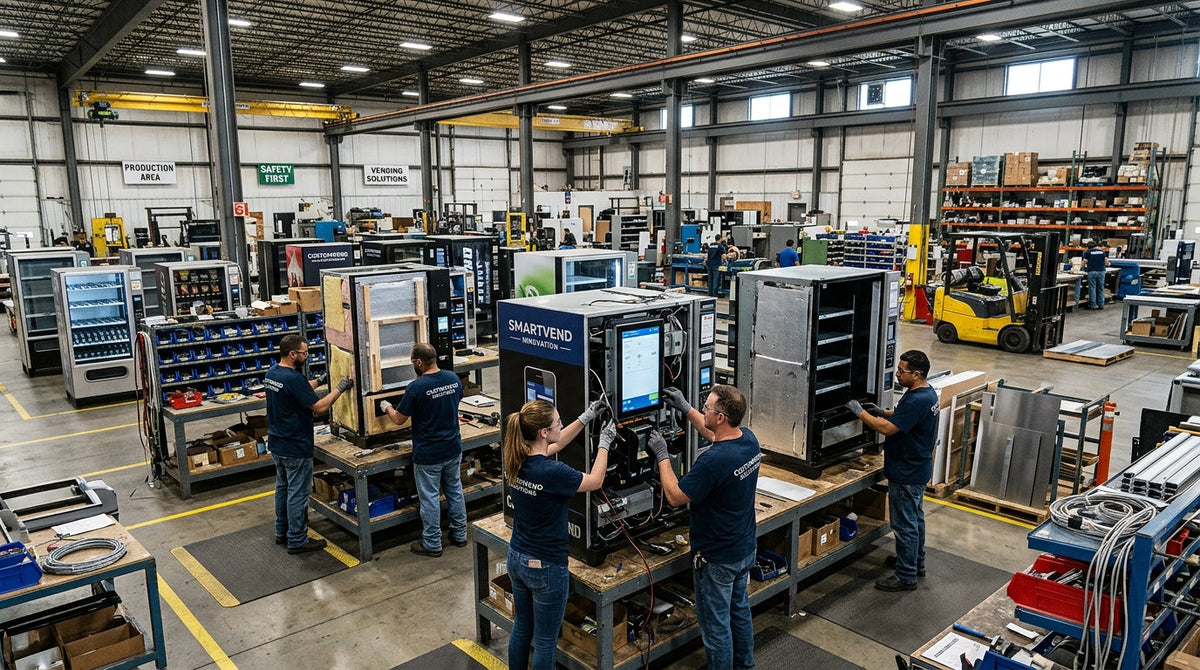
A custom vending machine manufacturer designs and builds vending equipment configured to a specific business's product line, branding, and technology requirements, rather than selling a fixed, one-size-fits-all unit off a shelf. This matters because a standard machine forces a business to adapt its product mix and branding to the equipment, while a manufacturer-built custom machine does the opposite: the equipment gets built around the business. VMFS USA operates as exactly this kind of manufacturer, engineering configurable vending systems rather than reselling generic imported units, which is the model this guide uses as the reference point throughout.
Table of Contents
A custom vending machine manufacturer is a company that engineers and builds vending equipment to order, configuring product slots, dispensing mechanisms, payment technology, and exterior branding around a specific buyer's requirements rather than shipping a fixed catalog unit. This differs fundamentally from buying a mass-produced machine designed for generic use, since a custom build starts from the buyer's product line and business model rather than asking the buyer to adapt to whatever configuration happens to be in stock. Businesses considering this route for the first time often start by upgrading to a custom vending machine after outgrowing what a standard unit can support.

A manufacturer designs and builds the machine itself, while a reseller purchases pre-built units from a third party and sells them onward, often with limited ability to modify configuration, branding, or technology beyond what the original manufacturer already built in. This distinction directly affects how much a buyer can actually customize, and how quickly support and replacement parts move when something needs attention.
| Factor | Manufacturer | Reseller/Distributor |
|---|---|---|
| Configuration flexibility | High, built to order | Limited to existing stock configurations |
| Branding and wrap integration | Designed in from the start | Added after the fact, if at all |
| Support and warranty path | Direct with the builder | Routed through a third-party layer |
| Lead time transparency | Clear, tied to build schedule | Dependent on manufacturer's own stock and shipping |
Buying direct removes a layer between the buyer and the people actually building the equipment, which shortens both the design conversation and the support path when something needs adjustment.
A manufacturer can configure product slots, screen displays, and dispensing mechanisms around the exact product line a business plans to sell, whether that's snacks, coffee, or specialty items like trading cards. Branding gets built into the design process from the start rather than retrofitted onto a generic shell, which produces a cleaner final result than a wrap applied after the fact to equipment never designed with that branding in mind.
Working directly with the builder means support requests, parts replacement, and warranty claims route to the same company that engineered the machine, rather than passing through a reseller layer that has to relay the issue back to the original manufacturer. This typically shortens resolution time meaningfully compared to a multi-party support chain.
Buying direct removes reseller markup from the pricing structure, since the buyer is paying the entity that actually designs and builds the equipment rather than an intermediary layer added on top. A detailed custom vending machine cost and pricing guide breaks down what actually drives price differences between configurations.
Manufacturing a custom machine moves through distinct stages, each shaping a different part of the final product's function and appearance.
The process starts with mapping product dimensions and dispensing requirements, since a machine built for trading card packs needs entirely different internal mechanics than one built for beverages or hot coffee. Engineering decisions at this stage determine slot count, refrigeration zones, and mechanical dispensing method before any exterior design work begins.

Exterior branding gets planned alongside the machine's structural design rather than added afterward, which is why manufacturer-built units tend to integrate screens, logo placement, and color schemes more cleanly than a wrap applied to off-the-shelf equipment. A full custom vending machine branding strategy guide covers how this integration works in practice, while broader context on custom wrap and branding on vending machines explains the material and design side independent of who manufactured the underlying unit.

Cashless payment terminals, remote inventory monitoring, and telemetry hardware get integrated during the build itself, which produces more reliable connectivity than technology added onto equipment not originally designed to house it. This is also where a manufacturer's engineering depth shows most clearly, since properly integrated smart technology depends on the machine's internal wiring and control board being designed for it from the start.
Custom machines typically cost more upfront than off-the-shelf units because engineering and configuration work happens before production rather than being spread across a mass-produced batch. That said, direct manufacturer pricing often narrows this gap by removing reseller markup, and the resulting machine avoids retrofit costs a generic unit would otherwise need to match the same product mix or branding. The full custom vending machine pricing guide breaks down cost by configuration type and feature set in more detail.
Return on investment for a custom machine depends on how closely its configuration matches actual product demand and location traffic, since a machine over-built for a location's volume ties up capital in unused capacity, while one under-built loses sales to stockouts. Custom configuration directly supports stronger ROI by eliminating the mismatch a generic machine often creates between what a location needs and what the equipment can actually deliver. A dedicated breakdown of custom vending machine ROI walks through the specific variables that drive payback timelines.
Machine selection should start from product category, since a coffee-focused business, a snack-and-beverage combo operation, and a trading card retailer each need fundamentally different internal mechanics, not just different exterior branding. A complete custom vending machines buyer's guide walks through this decision process step by step, covering how to match configuration to product line before committing to a build.
Buying the machine is only part of launching a vending operation; the business structure underneath it determines liability exposure, tax obligations, and how revenue gets reported. A practical starting point is this guide on how to launch a custom vending machine business, which covers the sequence most new operators follow from initial planning through first placement.
Most vending operators choose between a handful of business structures, each with different liability and tax implications. Forming an LLC for a vending machine business is the most common choice for operators wanting liability protection without full corporate complexity, while a sole proprietorship suits a single-operator business prioritizing simplicity over liability separation. Operators launching with a partner often review a partnership structure for a vending machine business before finalizing how ownership and revenue get split. Whichever structure is chosen, most states also require a registered agent for a vending machine business to receive legal correspondence on the company's behalf.
Vending businesses face specific tax registration and filing obligations separate from general business formation, including sales tax collection on vended goods and, in many states, a distinct vending-specific filing structure. A detailed look at custom vending machine tax requirements covers registration steps and how tax treatment can vary by state, while confirming proper licensing for a custom vending machine rounds out the compliance foundation before a machine goes live at any location.
Operators without an existing location don't need to cold-call venues one by one. Listing available space details and requirements lets a matching platform connect the right operators with the right sites, comparing interested parties before committing to a placement. This is the model behind VPlaced's location owner matching process, which pairs property owners with qualified operators and simplifies getting a machine placed without either side searching blind. Site quality still matters once a match happens; reviewing established criteria like the best locations for smart combo vending machines helps confirm a matched location is actually worth pursuing before finalizing a placement agreement.

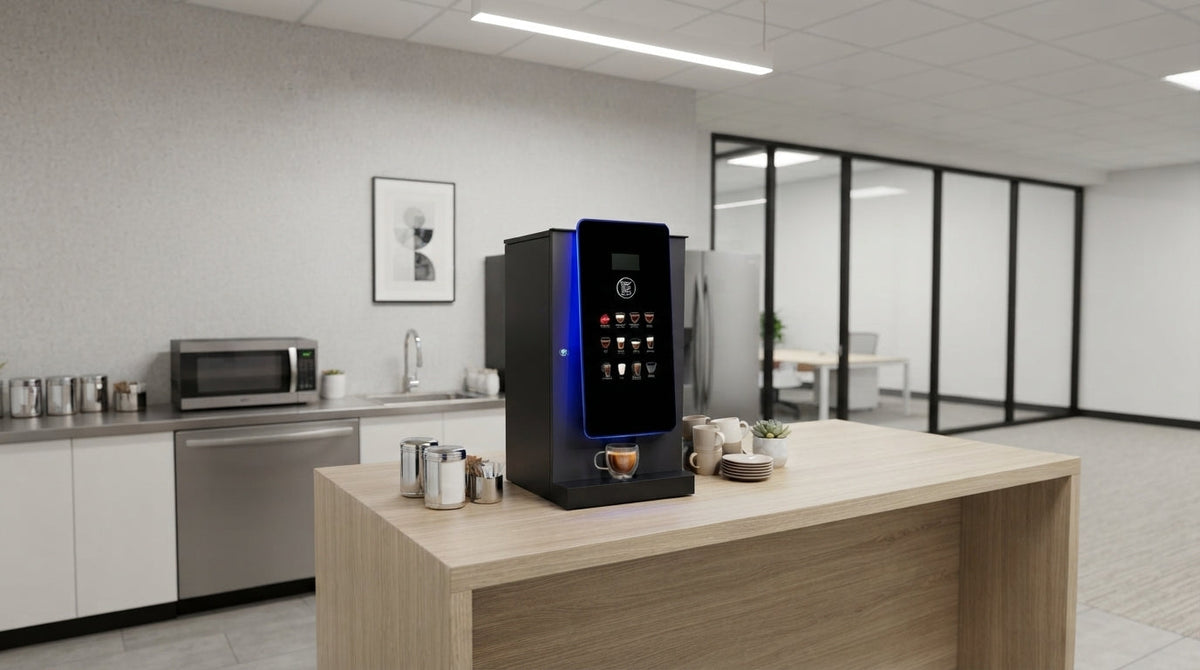
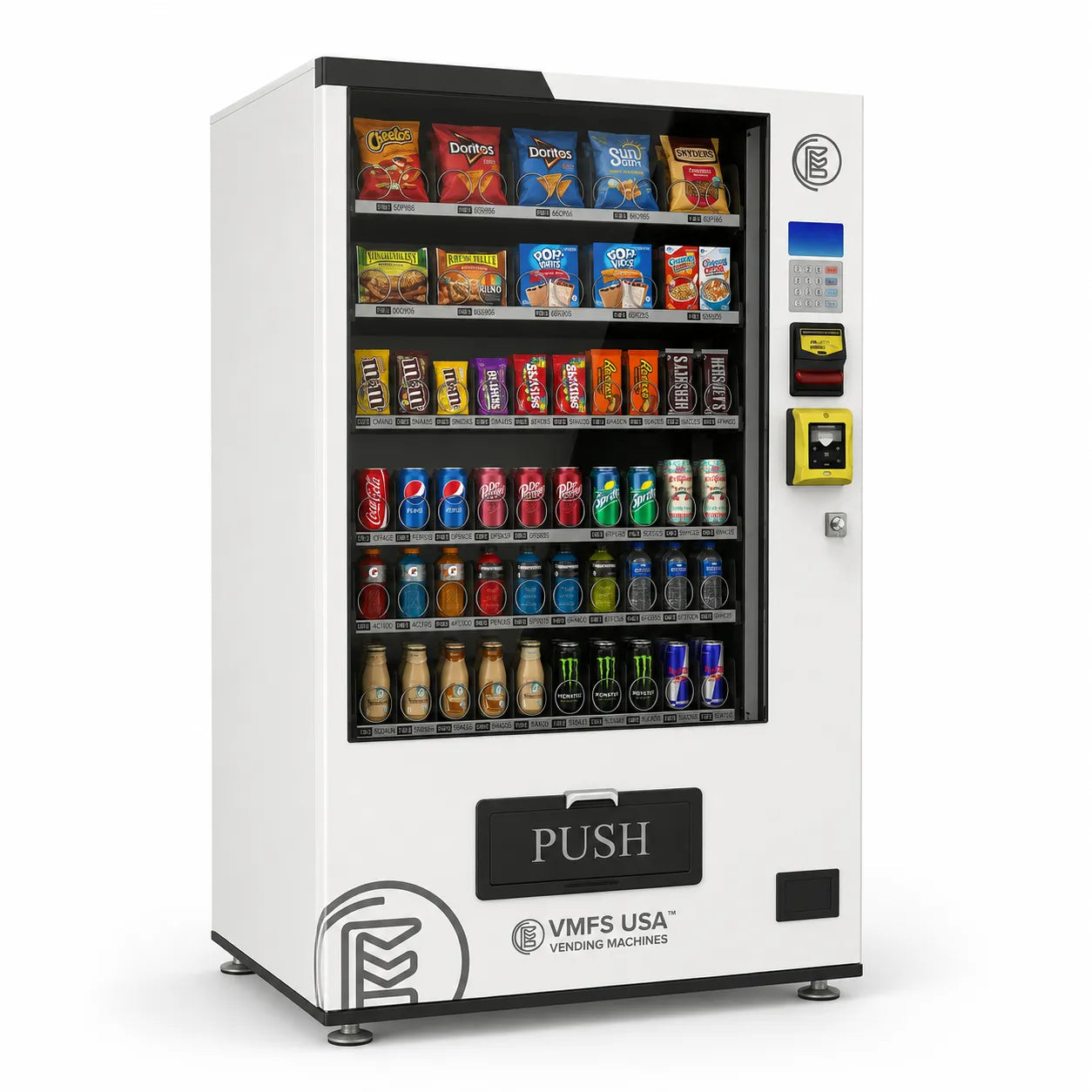
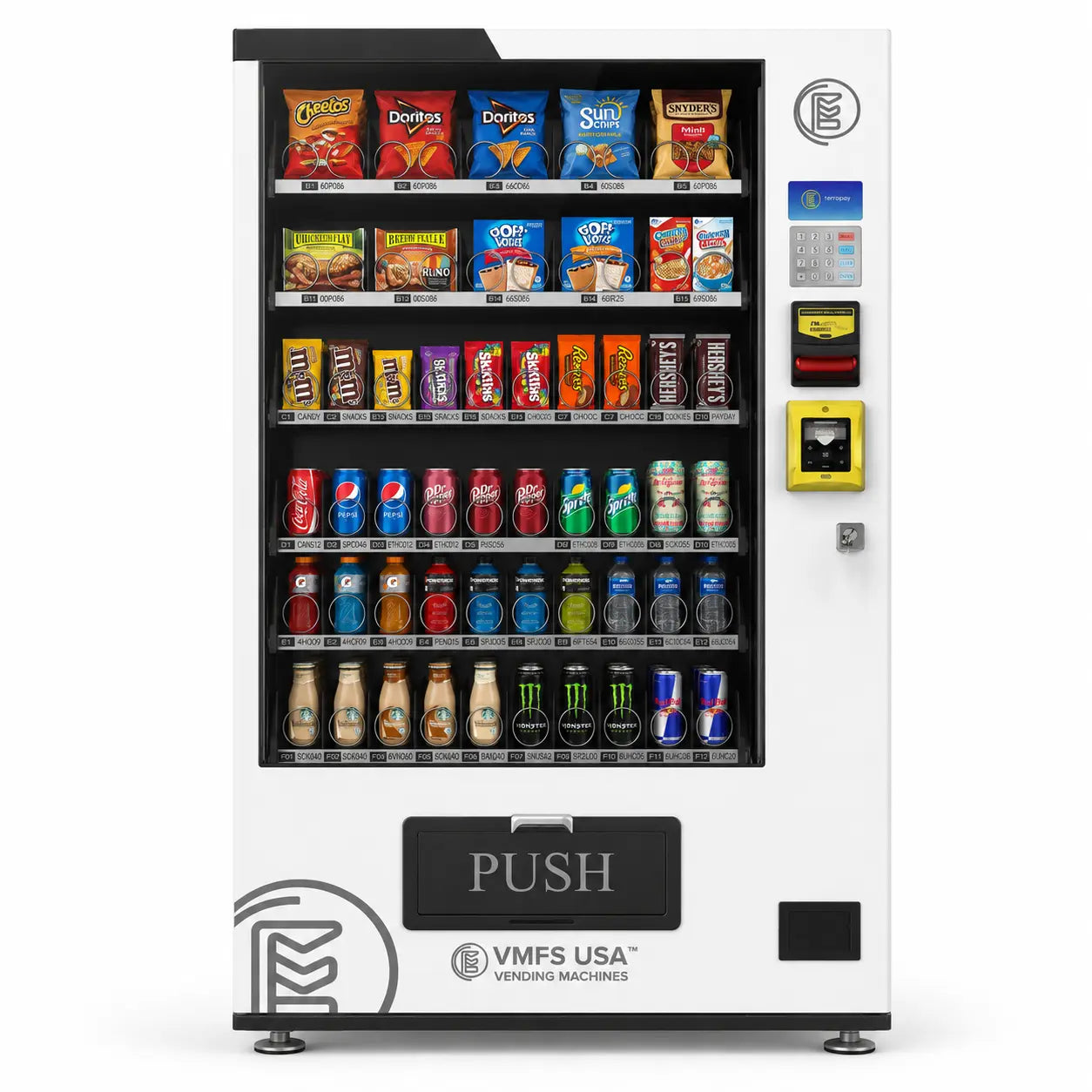
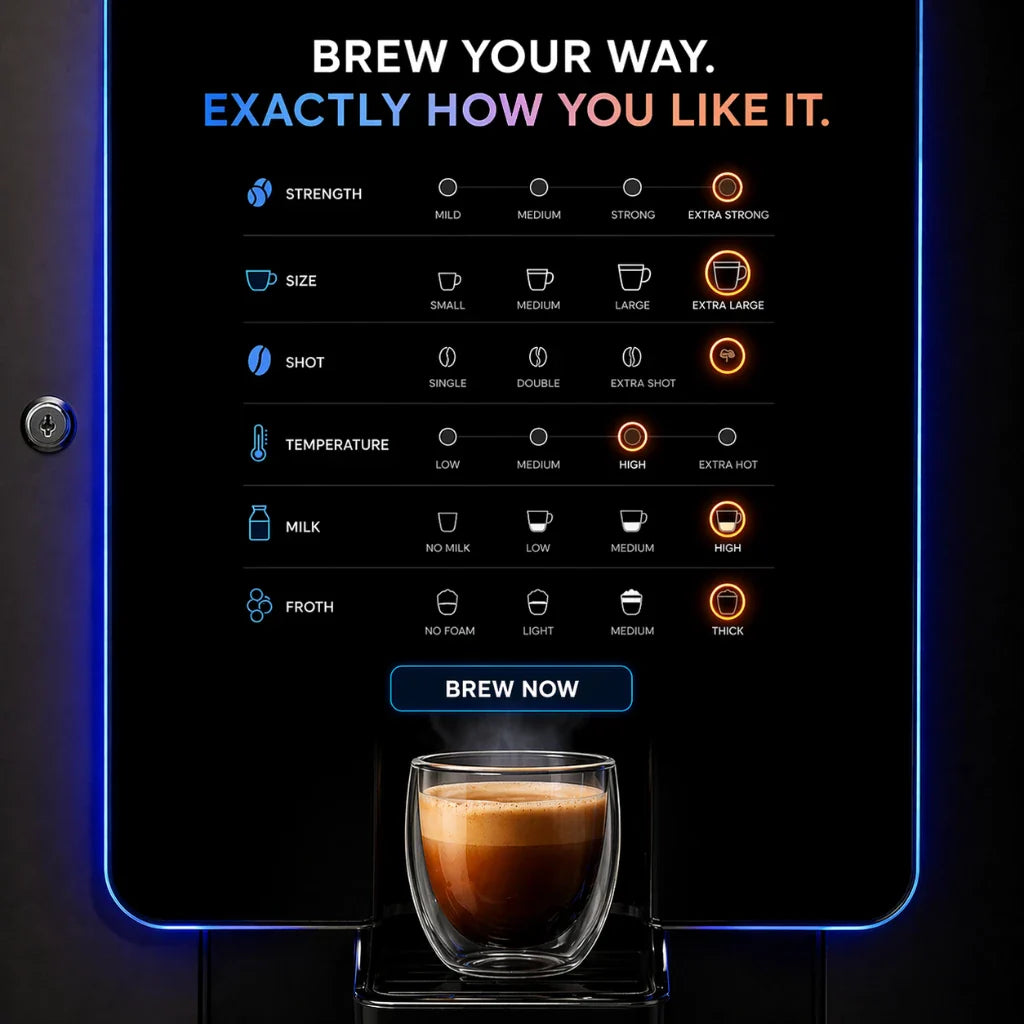
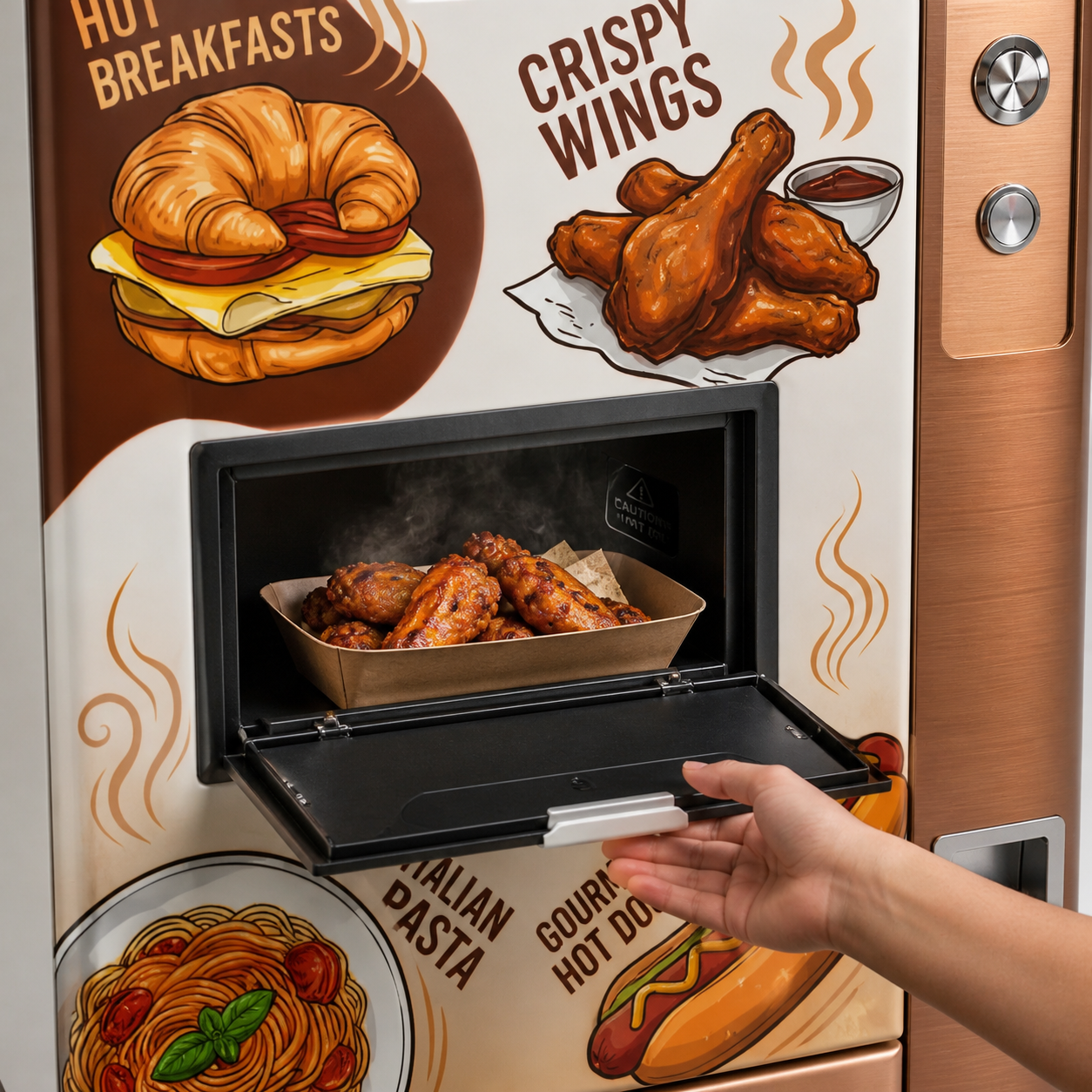
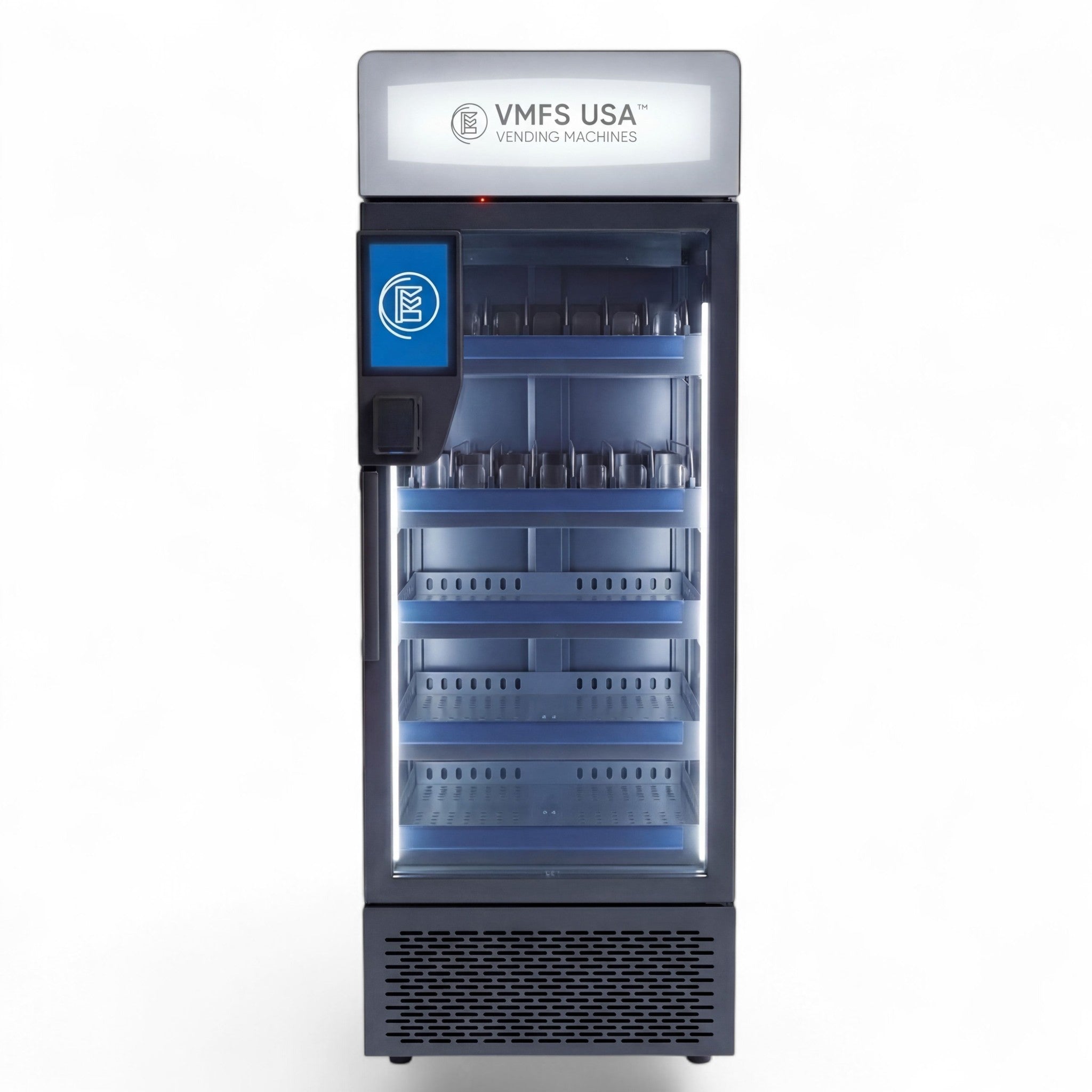
VMFS USA designs and builds custom vending systems across multiple product categories, including combo snack-and-beverage units, coffee vending systems, and specialty configurations like trading card machines, rather than offering a single fixed catalog model. Because machines are engineered rather than resold, buyers work directly with the team responsible for design, technology integration, and after-sale support, which shortens the distance between a configuration request and a finished, installed machine.
Configuration, branding, and technology planned together from the start of the build.
Support and warranty requests go straight to the team that built the machine.
Combo, coffee, and specialty configurations engineered under one manufacturer.
Configuration options matched to your specific product line. Branding and technology integrated during the build, not retrofitted. Direct support path with clear warranty terms. Transparent, itemized pricing.
Fixed, non-configurable catalog with no build-to-order option. Support routed through multiple third parties. Vague pricing with unclear line items. No clear answer on lead time or build schedule.
Configure product slots, branding, and smart technology around exactly what your business needs.
Build Your Own Custom Vending MachineSee what a manufacturer-built machine looks like for your specific product line.
A custom vending machine manufacturer designs and builds vending equipment configured to a specific business's product line, branding, and technology needs, rather than selling a fixed, generic unit off a shelf.
A manufacturer designs and builds the machine itself, while a reseller purchases pre-built units from a third party and sells them onward, typically with limited ability to customize configuration or branding.
Custom machines typically cost more upfront due to configuration and engineering work, though buying direct from a manufacturer often narrows that gap by removing reseller markup from the price.
Buying direct provides greater configuration flexibility, cleaner integrated branding, a shorter support and warranty path, and more transparent pricing compared to going through a reseller layer.
Yes, custom manufacturing starts from the product's dimensions and dispensing requirements, so a machine built for coffee, trading cards, or snacks and beverages each uses fundamentally different internal mechanics.
It's not legally required in most cases, but many operators choose an LLC structure for liability protection, while a sole proprietorship offers simplicity for single-operator businesses without that separation.
Build timelines depend on configuration complexity and current production schedule, which is why working directly with a manufacturer gives clearer lead-time visibility than going through a reseller.
Vending businesses typically need sales tax registration for vended goods, and many states apply a distinct vending-specific tax filing structure separate from standard retail tax treatment.
Location-matching platforms let operators connect with property owners who have listed available space, comparing interested operators before finalizing a placement rather than cold-calling venues individually.
Look for configuration options matched to your product line, branding integrated during the build rather than retrofitted, a direct support and warranty path, and transparent, itemized pricing.

Compartir:
When to Upgrade to a Custom Vending Machine: Signs Your Business Has Outgrown Standard Equipment
Burger Vending Machines: How Hot Food Vending Actually Works