




Diseñe la solución de vending perfecta para su ubicación y clientes.

Únete al boletín de VMFS y forma parte de una red próspera dedicada al éxito colectivo.
Un registro. Posibilidades infinitas.
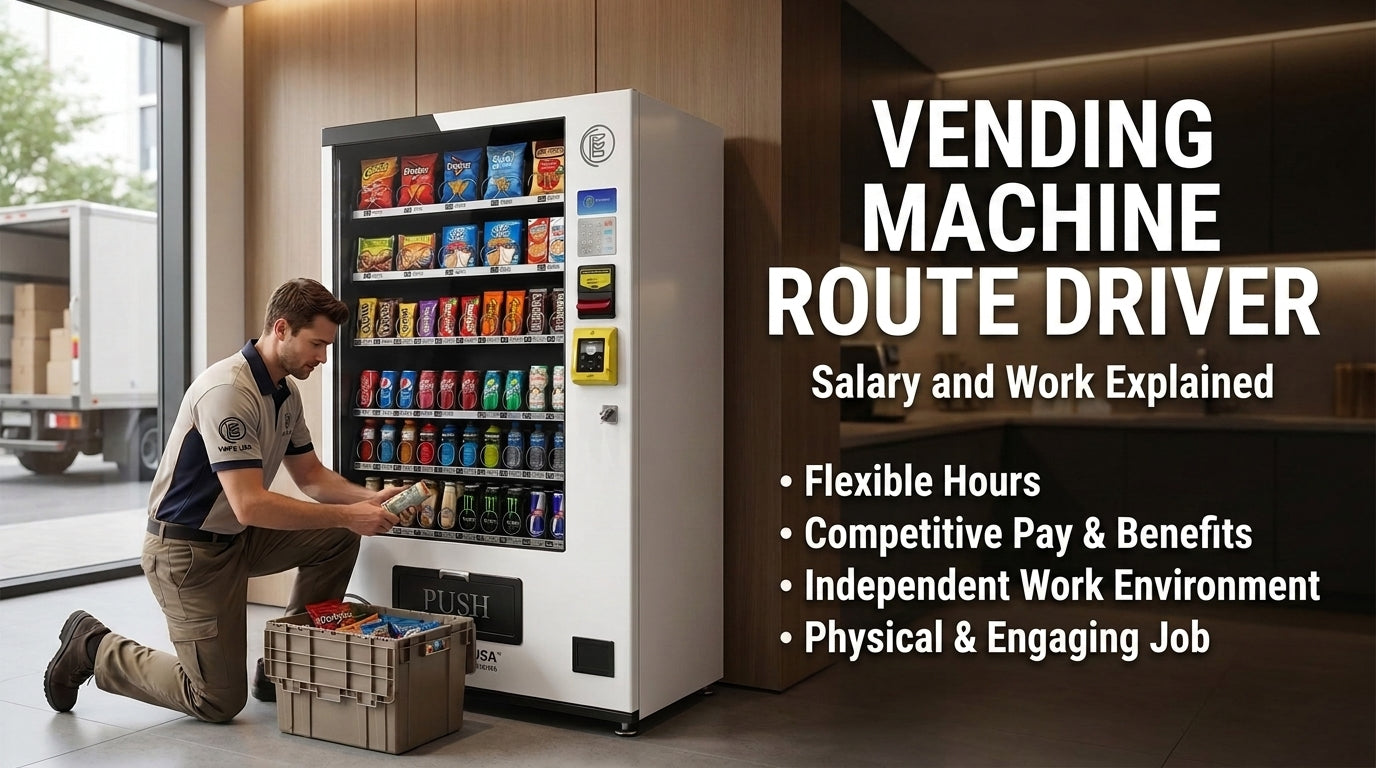
Un conductor de ruta de máquinas expendedoras es un profesional de logística especializado, responsable de reabastecer, realizar mantenimiento, higienizar y recolectar los ingresos de unidades de venta automática en un territorio geográfico designado. Los conductores operan vehículos de reparto, gestionan el inventario local y garantizan el tiempo de actividad de las máquinas para cuentas comerciales, educativas e industriales.
Los conductores de ruta actúan como el vínculo operativo principal entre los operadores de venta automática y las ubicaciones de los clientes. Los conductores gestionan las tasas de agotamiento del inventario, resuelven fallas mecánicas menores en el lugar y mantienen la rendición de cuentas del efectivo en cada máquina de su horario diario. Los conductores modernos también utilizan dispositivos portátiles de telemetría para registrar datos de ventas y realizar un seguimiento de los movimientos de existencias en tiempo real.
Los conductores profesionales trabajan para operadores nacionales de vending, empresas locales independientes de vending o gestionan sus propias rutas como autónomos. Los estándares de hardware de la industria proporcionados por VMFS USA requieren que los conductores manejen diversas plataformas de máquinas, incluyendo expendedoras de bebidas frías, exhibidores de snacks a temperatura ambiente y quioscos de micromercado. Aquellos que busquen puestos vacantes pueden explorar los listados activos en VPlaced Vending Machine Restock Jobs.
El salario promedio de un conductor de ruta de máquinas expendedoras en los Estados Unidos oscila entre $38,000 y $55,000 por año, lo que equivale a un salario por hora de $18.00 a $26.50. La compensación varía según la región geográfica, la densidad de la ruta, la experiencia de conducción y las estructuras de comisiones por desempeño.
Los paquetes de compensación total a menudo combinan un salario base fijo por hora con incentivos basados en el desempeño. Los conductores que atienden cuentas de alto volumen pueden ganar comisiones que oscilan entre el 1% y el 3% de la recaudación bruta total de la ruta. El salario base aumenta con años de experiencia en la ruta y capacidades de resolución de problemas técnicos.

| Etapa profesional / Nivel de experiencia | Salario promedio por hora | Salario base anual mediano | Salario del percentil 90 superior |
| Nivel de entrada (0-1 años) | $18.00 – $20.00 | $38,000 – $41,000 | $44,000 |
| Nivel intermedio (2-4 años) | $20.50 – $23.50 | $42,500 – $48,000 | $52,000 |
| Especialista senior de ruta (5+ años) | $24.00 – $28.00 | $49,000 – $58,000 | $64,000+ |
| Líder / Supervisor de ruta | $27.00 – $32.00 | $56,000 – $66,500 | $72,000+ |
Los factores económicos regionales crean variaciones salariales significativas en todas las áreas metropolitanas. Los centros urbanos de alta densidad en California, Nueva York y Washington reportan una compensación promedio para los conductores de ruta que supera los $52,000 anuales debido al mayor volumen de rutas y al elevado costo de vida. Por el contrario, las rutas del medio oeste y las zonas rurales promedian de $38,000 a $44,000 por año.
Un conductor de ruta de máquinas expendedoras comienza a trabajar temprano en la mañana preparando los vehículos de entrega, revisando los contenedores de productos preempaquetados y planificando las rutas de tránsito óptimas. Un turno típico cubre de 8 a 10 horas, atendiendo de 15 a 30 máquinas por día, dependiendo de la distancia de la cuenta y la complejidad de las paradas.

Los conductores se reportan al almacén central para inspeccionar su camión o camioneta de entrega asignada. Los equipos de preempaquetado utilizan software de recolección automatizado para cargar cantidades específicas de productos adaptadas a los reabastecimientos de máquinas programados. Los conductores verifican las hojas de recolección, equilibran los artículos de almacenamiento en frío y aseguran las bolsas de recolección de efectivo antes de partir. La implementación de modernos sistemas de control de inventario y telemetría minimiza los errores de carga en el almacén y evita desajustes en el stock.
Los conductores navegan por las paradas geográficas asignadas siguiendo los horarios de ruta optimizados. Al llegar a una instalación, el conductor descarga el inventario utilizando carretillas manuales y carros de carga pesada. En cada máquina, el conductor realiza cuatro acciones principales:
Recolección de efectivo y gestión de monedas: Extraer cajas de validadores de billetes, vaciar tolvas de monedas en bolsas a prueba de manipulaciones y rellenar tubos de cambio.
Reabastecimiento y rotación de productos: Reponer los estantes vacíos mientras se aplican métodos de Primero en entrar, primero en salir (FIFO) para garantizar la frescura. Hacer cumplir estrategias adecuadas de rotación de productos elimina las pérdidas por vencimiento de productos.
Limpieza e higienización: Limpiar ventanas de vidrio, limpiar teclados, desinfectar terminales de pago y limpiar escombros de la bandeja interna de derrames.
Auditoría de datos DEX: Conectar escáneres portátiles al puerto de Intercambio de Datos (DEX) de la máquina para sincronizar el efectivo y los totales de ventas con el software de gestión central.

Los conductores actúan como técnicos de primera línea cuando encuentran fallas operativas. Las tareas comunes incluyen eliminar atascos en el apilador de billetes, restablecer sensores de mecanismos de monedas, actualizar etiquetas de precios y probar lectores de tarjetas de crédito. Para fallas eléctricas o mecánicas persistentes, los conductores documentan los errores de diagnóstico y envían órdenes de trabajo a los técnicos principales. Consultar guías sobre problemas comunes y soluciones de máquinas expendedoras de snacks prepara a los conductores para resolver las demoras en el sitio rápidamente.
Al regresar al almacén, el conductor deposita las cajas de efectivo recolectadas en bóvedas seguras o salas de conteo de efectivo automatizadas. Los perecederos no vendidos, las cajas vacías y los productos dañados se verifican nuevamente en los sistemas de gestión del almacén. El conductor completa los registros diarios de kilometraje, concilia los informes de auditoría DEX con el inventario físico y prepara las comprobaciones de mantenimiento del vehículo para el próximo turno.
Los conductores de ruta de máquinas expendedoras operan a través de diversas configuraciones de hardware, lo que requiere familiaridad con espirales mecánicas, unidades de refrigeración, cintas transportadoras y pasarelas de pago inteligentes. La complejidad del equipo dicta el esfuerzo físico y la velocidad de servicio.
Las unidades de snacks a temperatura ambiente albergan artículos no perecederos como papas fritas, dulces, pasteles y barras saludables. El servicio implica ajustar el paso de la espiral, restablecer los sensores de caída del motor y organizar los planogramas según las ventas de velocidad. Los conductores interactúan con máquinas expendedoras de snacks diariamente, gestionando contenedores de inventario ligeros que permiten recargas rápidas de máquinas.
Las máquinas de bebidas requieren el manejo de cajas pesadas de refrescos embotellados, bebidas energéticas, jugos y bebidas en lata. Los conductores cargan apiladores de caída de visualización en vivo, alimentadores por gravedad de estantes inclinados o mecanismos de brazo robótico. El servicio requiere monitorear las temperaturas internas del gabinete (mantenidas entre 34°F y 38°F) y limpiar las bobinas del condensador de polvo. Los conductores de ruta frecuentemente atienden máquinas expendedoras combinadas de alta resistencia que albergan tanto bebidas frías como snacks a temperatura ambiente.
Las modernas ubicaciones de venta automática utilizan inteligencia artificial, sistemas de visión y estantes con sensores de peso. El servicio de unidades inteligentes implica verificar la alineación de la cámara, calibrar los sensores de peso y configurar etiquetas RFID en productos de alto valor. Rellenar las modernas máquinas expendedoras de IA de tipo "grab-and-go" requiere una colocación precisa en los estantes para garantizar que los sistemas de sensores registren los cambios de inventario correctamente.
La conducción de rutas de máquinas expendedoras requiere resistencia física, antecedentes de conducción limpios, gestión disciplinada del tiempo y habilidades básicas de resolución de problemas eléctricos.
La mayoría de las rutas de vending estándar utilizan camiones tipo caja no comerciales o camionetas de carga clasificadas por debajo de las 26,000 libras de Peso Bruto Vehicular (GVWR, por sus siglas en inglés). Estos vehículos requieren una licencia de conducir Clase D estándar con un Registro de Vehículos Motorizados (MVR) limpio. Las rutas pesadas que operan camiones comerciales de más de 26,000 libras requieren una Licencia de Conducir Comercial (CDL Clase B) junto con tarjetas médicas válidas del Departamento de Transporte (DOT).
La carga de trabajo física es rigurosa. Los conductores levantan, empujan y tiran rutinariamente cajas de productos que pesan entre 30 y 50 libras. Las tareas diarias implican subir escaleras con carretillas cargadas, agacharse para acceder a las bandejas inferiores de las máquinas y estar de pie de 6 a 8 horas por turno. La técnica de levantamiento adecuada y la selección ergonómica de carros reducen la fatiga física y los riesgos de lesiones.
Los conductores de ruta exitosos equilibran la aptitud mecánica con las habilidades de servicio al cliente para mantener relaciones sólidas con los gerentes del sitio.
| Categoría de habilidad | Capacidad operativa requerida | Impacto en el desempeño laboral |
| Gestión de inventario | Auditoría de conteo preciso, rotación FIFO, conciliación de stock | Elimina pérdidas por deterioro y escasez de inventario. |
| Mantenimiento básico | Pruebas con multímetro, conexiones de arnés, limpieza mecánica | Reduce el tiempo de inactividad sin esperar a un técnico de servicio de campo. |
| Navegación de ruta | Conducción eficiente, gestión del tráfico, ajustes de ruta | Ahorra combustible y garantiza el cumplimiento de las ventanas de entrega programadas. |
| Manejo de efectivo | Limpieza de validadores de billetes, equilibrio de tubos de monedas, seguimiento de auditoría | Evita discrepancias de efectivo en la ruta y pérdidas en auditorías financieras. |
| Atención al cliente | Comunicación con los encargados del sitio, registro de solicitudes de artículos | Garantiza la retención de clientes y aumenta la venta de máquinas. |
Las personas en la industria del vending trabajan como empleados (con formulario W-2) para proveedores corporativos o como conductores-operadores independientes que gestionan sus propias máquinas. Los conductores empleados reciben salarios por hora y beneficios garantizados, mientras que los operadores independientes se quedan con las ganancias netas de las máquinas.
Los conductores empleados se enfocan estrictamente en completar la ruta sin responsabilidad financiera por el mantenimiento de las máquinas, la compra de inventario o la depreciación de los equipos. Los conductores-operadores independientes se encargan de la estructuración del negocio, la compra de productos, la obtención de ubicaciones y los acuerdos de reparto de ingresos.
Comprender las divisiones de ingresos de las máquinas expendedoras entre operadores y ubicaciones ayuda a los conductores independientes a evaluar la rentabilidad del contrato. Las ganancias generales de las rutas autogestionadas dependen de mantener sólidos márgenes de beneficio de las máquinas expendedoras.
La transición de empleado a operador independiente requiere la adquisición de hardware confiable. Los operadores deben evaluar las opciones para comprar una máquina expendedora, seleccionar qué comprar para un negocio de vending, asegurar ubicaciones de vending rentables, y mantener la cobertura mediante una guía de seguros para máquinas expendedoras.
Los administradores de propiedades interesados en albergar máquinas pueden listar los detalles del espacio directamente a través de VPlaced Location Services para conectar con operadores de ruta locales. Los aspirantes a conductores que formen un negocio de vending independiente deben establecer estructuras comerciales formales como una LLC para asegurar la protección de responsabilidad; revisen los pasos para formar una LLC para un negocio de vending a través de servicios profesionales de formación corporativa.
La conducción de rutas de vending ofrece ventajas laborales distintivas junto con notables exigencias físicas. Evaluar estos factores ayuda a las personas a determinar si la conducción de rutas se ajusta a sus objetivos profesionales.
| Ventaja operativa (Pros) | Desafío laboral (Contras) |
| Alta independencia diaria: Los conductores trabajan de forma autónoma durante todo el día sin microgestión directa. | Esfuerzo físico: Levantamiento regular de cajas de 50 libras y operación de carretillas pesadas. |
| Horarios de trabajo tempranos: Los turnos comienzan temprano (4:30–6:00 AM), dejando las tardes libres. | Inicios de madrugada: Requiere una higiene del sueño estricta y disponibilidad a primera hora. |
| Rutinas de trabajo predecibles: Horarios diarios consistentes, lugares de entrega establecidos y rutas fijas. | Exposición a la intemperie: Carga de camiones y movimiento de inventario en lotes al aire libre bajo lluvia, calor o nieve. |
| Compensación estable: Salario base por hora complementado con bonos de rendimiento y comisiones de ruta. | Responsabilidad del inventario: Responsabilidad financiera por faltantes de efectivo inexplicables o pérdida de mercancía. |
Los dispositivos de telemetría modernos transmiten automáticamente niveles de existencias, transacciones sin efectivo y códigos de error en tiempo real desde las máquinas expendedoras a servidores de gestión en la nube. Las plataformas de gestión de rutas analizan la velocidad de ventas para generar horarios dinámicos, asegurando que los conductores solo visiten las máquinas que requieren reabastecimiento.
La ruta dinámica reduce la distancia diaria de conducción, ahorra combustible y optimiza la velocidad de reabastecimiento. La tecnología de "pre-kitting" permite al personal del almacén empacar cajas exactas de productos durante la noche, eliminando la práctica tradicional de que los conductores clasifiquen el inventario en la parte trasera de sus camiones en cada parada.
Optimizar los horarios de reabastecimiento mejora los márgenes de beneficio generales de la ruta. Los conductores pueden calcular con precisión el costo de abastecer una máquina expendedora mientras implementan estrategias sobre cómo fijar el precio de los productos para obtener ganancias para maximizar las ventas por parada.
El salario promedio nacional por hora para un conductor de ruta de vending oscila entre $18.00 y $26.50. La compensación depende de la ubicación geográfica, los años de experiencia en la ruta y los incentivos por desempeño, como bonos de recolección de efectivo.
La mayoría de los conductores de ruta de vending operan camiones no comerciales de menos de 26,000 libras (GVWR), que solo requieren una licencia estándar Clase D y un historial de conducción limpio. Las rutas más grandes que utilizan vehículos comerciales pesados requieren una certificación CDL Clase B.
Un conductor de ruta atiende entre 15 y 30 máquinas por turno, dependiendo del tamaño de la máquina, la distancia de viaje de la ruta y el volumen de reabastecimiento. Las cuentas de micromercados o los sitios industriales con múltiples máquinas requieren tiempos de parada más largos.
Los conductores deben levantar y transportar regularmente cajas de productos que pesan hasta 50 libras, maniobrar carretillas pesadas, subir escaleras y agacharse frecuentemente para abastecer los estantes inferiores. La resistencia física es esencial para turnos diarios de 8 a 10 horas.
Muchos operadores pagan a los conductores una tarifa base por hora combinada con una comisión del 1% al 3% sobre los ingresos brutos totales recaudados en su ruta. Esta estructura recompensa la rotación eficiente de productos y el servicio al cliente proactivo.
Los conductores usan carretillas de mano de alta resistencia, escáneres de datos DEX, llaveros, herramientas para limpiar validadores de billetes, multímetros, artículos de limpieza y dispositivos de inventario inalámbricos de mano.
El "pre-kitting" utiliza datos de telemetría para empacar cajas de inventario exactas para máquinas específicas antes de que comience el turno. La selección tradicional requiere que los conductores seleccionen los productos manualmente del inventario a granel del camión en cada parada.
Los conductores de ruta realizan la resolución de problemas básicos, como eliminar atascos de monedas, desbloquear aceptadores de billetes y reemplazar etiquetas de precios. Las reparaciones eléctricas o de refrigeración complejas se derivan a técnicos de servicio de campo certificados.
Los conductores adquieren una experiencia crucial en el mantenimiento de máquinas, selección de productos y gestión de rutas. La transición implica comprar máquinas independientes, asegurar contratos de ubicación, formar una LLC y establecer canales de inventario.
Los turnos suelen comenzar temprano en la mañana, entre las 4:30 AM y las 6:00 AM. Los horarios de inicio tempranos permiten a los conductores completar los reabastecimientos en escuelas u oficinas antes de que comiencen las horas pico de tráfico.
Compartir:
Máquinas expendedoras de batidos: cómo funcionan, qué ingresos generan y por qué estamos implementando pruebas piloto en todo Estados Unidos
VMFS USA Cloud: modernizando las operaciones de vending mediante automatización integral