


Rent or Lease Commercial Coffee Vending Machines
A coffee vending machine lease is a fixed-term financing agreement where a business pays a set monthly amount to use equipment it doesn't own, typically running 24 to 60 months with an end-of-term option to purchase, renew, or return the machine. This guide explains how commercial equipment leasing works specifically for coffee vending machines, compares it against renting and buying outright, and covers the contract terms that determine whether a lease is genuinely cost-effective for your business.
Table of Contents
- How Coffee Vending Machine Leasing Works
- Lease vs Rent vs Buy
- Typical Lease Terms and Structures
- Lease Cost Reference by Machine Type
- End-of-Term Options Explained
- Tax and Accounting Considerations
- What to Check Before Signing a Lease
- Who Should Lease Instead of Buy
- How Leasing Affects ROI Timelines
- Frequently Asked Questions
How Coffee Vending Machine Leasing Works
Coffee vending machine leasing works by having a leasing company purchase the equipment and grant the business use of it for a fixed term in exchange for regular monthly payments, similar in structure to a car lease. The leasing company retains ownership throughout the term, which is the key legal distinction from a straightforward equipment purchase.
This structure differs from the simpler monthly rental arrangements covered in the rental cost guide, since a lease is a formal financing instrument with defined term length, often involves a credit application, and typically includes structured end-of-term options that month-to-month rentals don't offer.
Fixed Monthly Payment
Predictable cash flow with a set amount due each month for the lease term.
Defined Term Length
Most equipment leases run 24 to 60 months, longer than typical month-to-month rentals.
End-of-Term Choice
Businesses can typically buy, renew, or return the machine when the lease ends.
Preserved Capital
No large upfront purchase cost, keeping working capital available for other business needs.
Lease vs Rent vs Buy
Lease, rent, and buy represent three distinct acquisition paths for a coffee vending machine, each suited to a different business situation. Understanding the structural differences between them prevents choosing based on price alone when contract terms matter just as much.
How a Lease Differs From Renting
A lease commits the business to a fixed term, usually with penalties for early termination, while a rental agreement often allows month-to-month flexibility with easier exit. Leases typically offer a lower effective monthly cost than rentals in exchange for that reduced flexibility.
How a Lease Differs From Buying
Buying transfers full ownership immediately in exchange for the complete purchase price upfront, detailed in the price guide, while leasing spreads a similar or slightly higher total cost across the term without requiring the full capital outlay at once.
| Factor | Lease | Rent | Buy |
|---|---|---|---|
| Term commitment | Fixed, typically 24–60 months | Often month-to-month | None, outright ownership |
| Upfront cost | Low to none | Low to none | Full equipment price |
| Ownership | Leasing company, until end-of-term purchase | Provider retains ownership | Business owns immediately |
| Total cost over time | Moderate, structured | Higher for long-term use | Lowest over multiple years |
| Flexibility to exit | Limited, often penalized | Generally higher | Full control, resale required to exit |
Typical Lease Terms and Structures
Typical coffee vending machine lease terms run 24, 36, 48, or 60 months, with longer terms generally securing a lower monthly payment in exchange for a longer commitment. Most commercial equipment leases also require either a personal or business credit application before approval, similar to other business financing.
- Fair market value (FMV) lease: Lower monthly payments with the option to buy the machine at its fair market value at term end.
- $1 buyout lease: Slightly higher monthly payments, but the machine transfers to the business for a nominal $1 fee at term end.
- Operating lease: Structured for off-balance-sheet accounting treatment, typically used by larger operators managing multiple machines.
Structure tip: A $1 buyout lease functions economically closer to a financed purchase than a true lease, while an FMV lease keeps monthly payments lower if the business isn't certain it wants to keep the specific machine long-term.
Lease Cost Reference by Machine Type
This reference summarizes typical monthly lease payments by machine category, reflecting a standard 36–48 month term.
| Machine Type | Typical Monthly Lease Payment | Best Suited For |
|---|---|---|
| Countertop touchscreen unit | $80–$160 | Small offices, low-volume sites |
| CorePro coffee vending machine | $150–$260 | Standard commercial placements |
| Coffee and hot beverage machine | $220–$320 | Multi-drink commercial locations |
| Pro coffee vending machine | $270–$420 | High-volume, full-service routes |
| Coffee vending machine system | $240–$380 | Multi-location standardized operators |
End-of-Term Options Explained
End-of-term options determine what happens when a lease reaches its final payment, and this decision should be understood before signing rather than left as a surprise later. Most leases offer three paths: purchase the equipment, renew for another term, or return the machine and end the agreement.
Choosing to buy at term end makes sense if the machine still performs well and the business plans to keep it in place, following the parts and durability considerations covered in the parts guide. Returning the machine suits businesses wanting to upgrade to newer equipment or exit the location entirely.
Tax and Accounting Considerations
Tax and accounting treatment differs meaningfully between leasing and buying, since lease payments are often fully deductible as a business operating expense, while a purchased machine is typically depreciated over its useful life instead. This distinction can affect near-term tax planning depending on a business's specific financial situation.
Businesses should consult their accountant on how a specific lease structure — operating lease versus capital/finance lease — affects their books, since the accounting treatment varies by lease type and can influence which structure makes more sense for a given business's reporting needs.
What to Check Before Signing a Lease
Checking key contract terms before signing prevents unexpected costs later, since lease agreements vary significantly in how they handle early termination, maintenance responsibility, and end-of-term valuation. A lower advertised monthly rate can hide less favorable terms elsewhere in the contract.
- Early termination fees: Confirm the penalty structure if the business needs to exit before the term ends.
- Maintenance responsibility: Determine whether the lessor or the business handles repairs, referencing the maintenance guide baseline for expected upkeep.
- End-of-term buyout price: For FMV leases, understand how fair market value gets determined at term end.
- Insurance requirements: Many commercial leases require the lessee to carry equipment insurance for the term.
Who Should Lease Instead of Buy
Leasing makes the most sense for businesses that want predictable monthly costs, prefer preserving capital for other investments, or expect to upgrade equipment within a few years rather than committing to long-term ownership. Businesses opening a new location as part of a franchise model often lease initial equipment to preserve launch capital for other startup costs.
Buying tends to make more sense for established locations with proven, stable demand, where the multi-year cost advantage of ownership outweighs the cash-flow benefits of leasing — a calculation worth running against the purchase price guide before finalizing either path.
How Leasing Affects ROI Timelines
Leasing affects ROI timelines because the fixed monthly payment is a recurring obligation regardless of transaction volume, meaning a location's break-even point depends on cup sales covering the lease payment before any profit accrues. Operators should model this against the profitability framework in are coffee vending machines profitable using conservative volume estimates rather than best-case projections.
Comparing Lease Options for a Coffee Vending Machine?
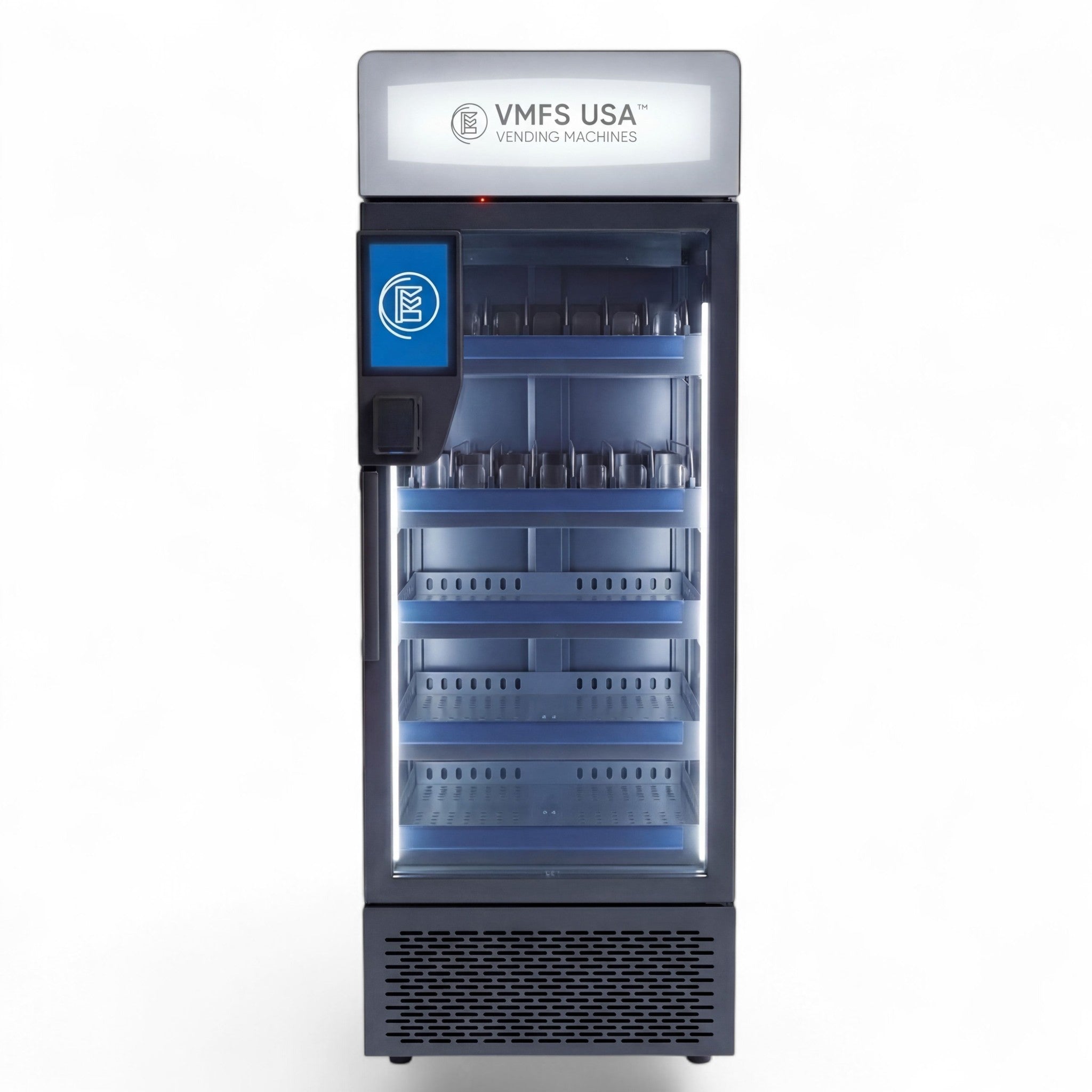
Browse VMFS USA's full commercial coffee vending machine lineup to compare purchase pricing against your leasing options.
Shop Coffee Vending Machines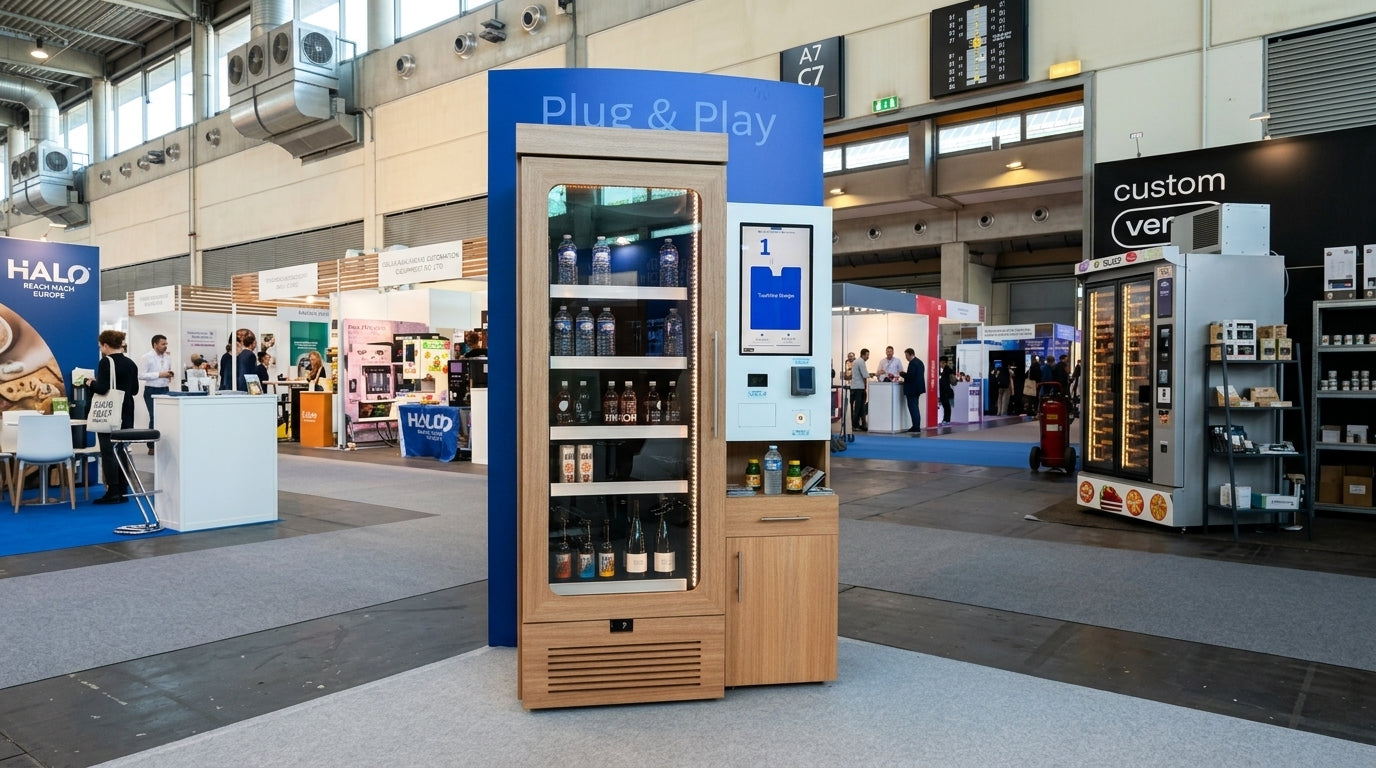


Compartir:
Espresso Coffee Vending Machine: Buyer's Guide to Fresh Bean-to-Cup Models
Coffee Vending Machine Electricity Consumption: A Data-Backed Guide