




Diseñe la solución de vending perfecta para su ubicación y clientes.

Únete al boletín de VMFS y forma parte de una red próspera dedicada al éxito colectivo.
Un registro. Posibilidades infinitas.
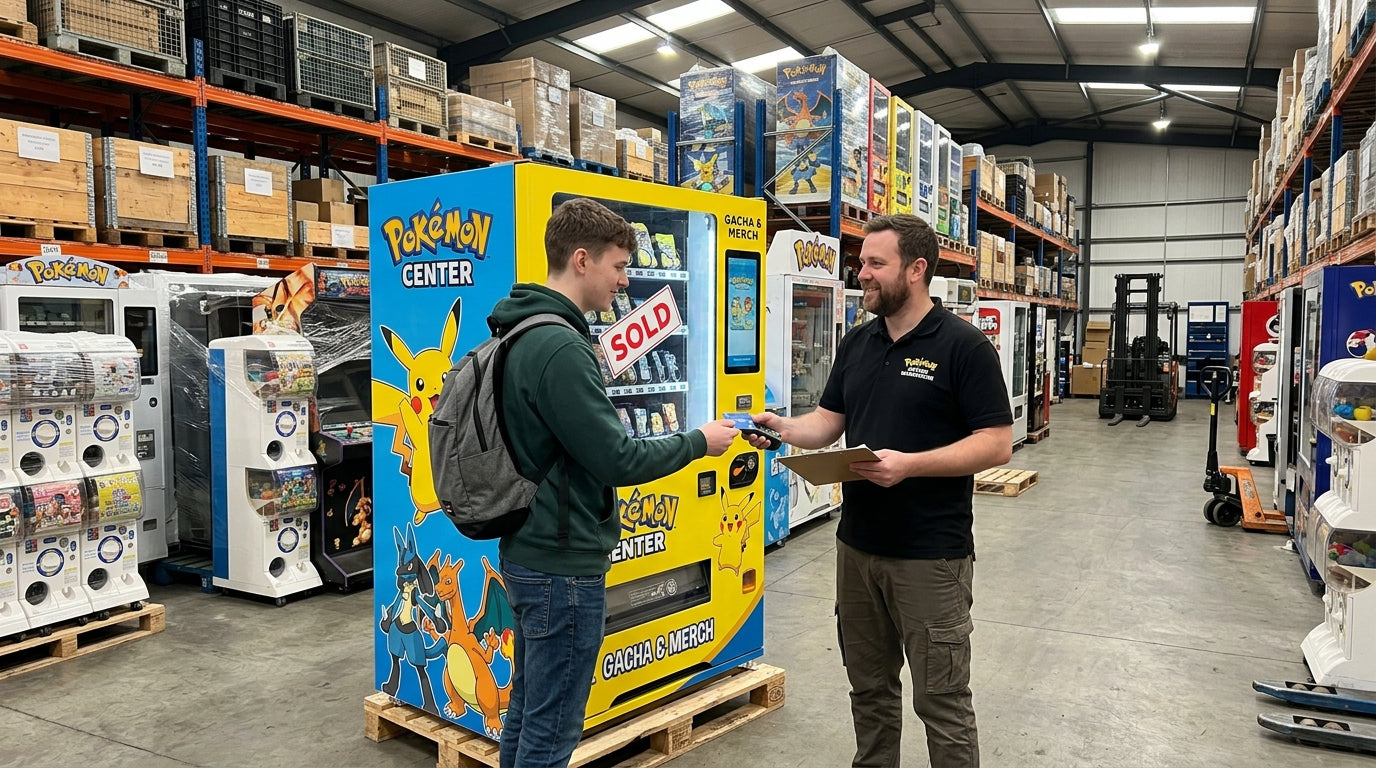
Puede comprar una máquina expendedora de Pokémon directamente a un fabricante comercial, a través de un mercado general de equipos de venta, o de segunda mano mediante listados de equipos usados; cada canal ofrece un equilibrio diferente de opciones de configuración, cobertura de garantía y precio. Comprar directamente a un fabricante que construye específicamente equipos de venta de tarjetas coleccionables, en lugar de a un revendedor general, suele brindar el mayor control sobre la configuración y la vía de soporte más clara si algo necesita ajustes tras la entrega. Esta guía cubre todos los canales de adquisición legítimos, qué buscar en un vendedor y las señales de alerta que indican que debe evitar un anuncio.
Tabla de contenidos
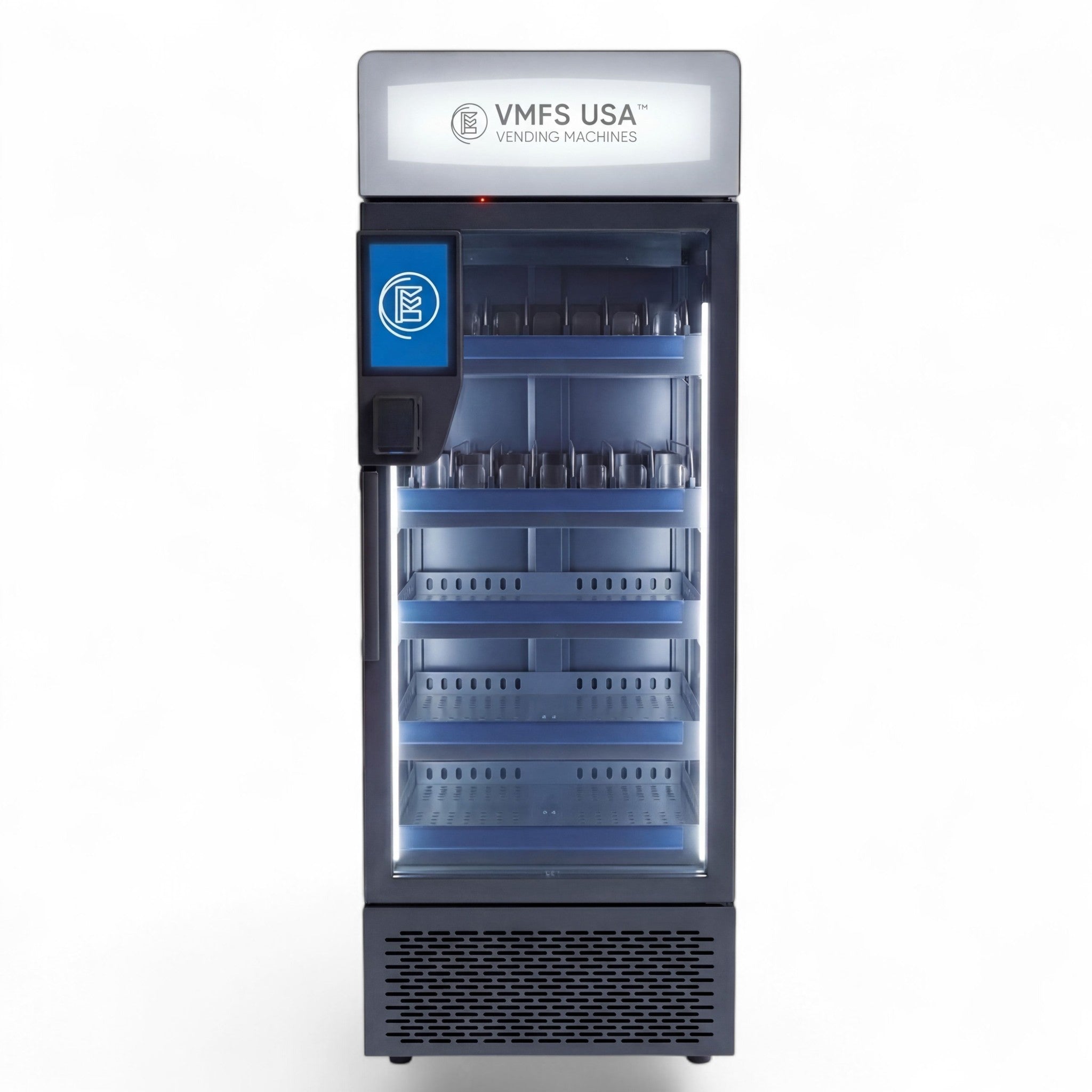
Comprar a la empresa que realmente diseña y construye la máquina elimina el margen de beneficio del revendedor y acorta el camino hacia el soporte técnico si algo necesita ajustes, ya que las solicitudes van directamente al equipo responsable del diseño y ensamblaje en lugar de pasar por un intermediario. VMFS USA opera exactamente como este tipo de empresa de máquinas expendedoras en EE. UU., construyendo equipos de venta de tarjetas coleccionables bajo pedido en lugar de revender un catálogo genérico fijo. Comprender qué son las máquinas expendedoras de Pokémon como categoría de producto aclara por qué comprar a un fabricante especializado es más importante aquí que en otros equipos de venta más genéricos.
Un vendedor de calidad ofrece opciones de configuración adaptadas a sus planes de producto específicos, ya sean paquetes de refuerzo (booster packs), paquetes sellados o tarjetas individuales, en lugar de un único diseño fijo. Comprender qué componentes conforman una máquina expendedora de Pokémon ayuda a los compradores a evaluar si la calidad de construcción de un anuncio específico realmente se ajusta a su precio.
Tener términos de garantía claros y un contacto de soporte directo es más importante de lo que la mayoría de los compradores espera al principio, ya que una máquina que presenta incluso problemas mecánicos menores, tratados con más detalle en un análisis de cómo funcionan las máquinas expendedoras de Pokémon, necesita una vía confiable de regreso al vendedor o fabricante en lugar de silencio después de cerrar la venta.
Una guía de precios de máquinas expendedoras de Pokémon detallada ofrece a los compradores un punto de referencia realista sobre lo que deberían costar las distintas configuraciones, lo que facilita detectar un anuncio con un precio sospechosamente inferior al valor de mercado para las características indicadas.
| Canal de adquisición | Flexibilidad de configuración | Garantía | Precio típico |
|---|---|---|---|
| Directo del fabricante | Alta, hecho bajo pedido | Garantía completa del fabricante | Estándar a premium |
| Mercado general de máquinas expendedoras | Limitada al inventario publicado | Varía según el vendedor | Estándar, a veces con recargo |
| Listados de equipos usados | Fija, tal cual | A menudo inexistente o muy limitada | Más bajo, pero con mayor riesgo |
Un precio significativamente inferior al rango cubierto en una guía de costos estándar, sin una explicación clara, es una de las señales de advertencia más claras de un anuncio de baja calidad o con información engañosa. Un vendedor que no esté dispuesto a proporcionar términos de garantía claros o un contacto de soporte directo antes de la compra es una segunda señal de alerta, ya que este patrón suele continuar después de la venta si surge un problema. La fotografía vaga o de archivo que no coincide con el modelo específico que se vende completa las señales de advertencia más comunes, lo que a menudo indica que un revendedor está listando equipos que ellos mismos no han inspeccionado.
Un precio significativamente inferior al mercado sin explicación justifica un escrutinio adicional.
Un vendedor que evita preguntas sobre la garantía a menudo también evita el soporte después de la venta.
Las imágenes de archivo que no coinciden con el modelo específico sugieren un anuncio sin inspección.
Una vez que haya identificado a un vendedor legítimo, el proceso de compra sigue un camino bastante consistente en la mayoría de los canales de adquisición. Una guía paso a paso detallada para comprar una máquina expendedora de Pokémon recorre todo el proceso, desde la conversación inicial de configuración hasta la entrega, cubriendo exactamente qué confirmar por escrito antes de finalizar el pago.
Tras la compra, la mayoría de los compradores pasan directamente a la planificación de la ubicación si esta aún no está confirmada; revisar los mejores lugares para colocar una máquina expendedora de Pokémon ayuda a encontrar un sitio con probabilidades de generar altos rendimientos. Una vez instalada, un programa de mantenimiento constante mantiene la máquina funcionando de forma confiable en lugar de esperar a reaccionar ante el primer problema mecánico.
Los compradores que planean operar la máquina como un negocio, en lugar de para fines de colección personal, deben confirmar los conceptos básicos de formación y cumplimiento empresarial antes de finalizar una compra. Revisar si es legal vender Pokémon en una máquina expendedora y las reglas de marca registrada sobre el uso del logo de Pokémon cubre las bases legales específicas del producto. La mayoría de los operadores también forman una LLC para su negocio de máquinas expendedoras antes de comprar, y confirmar que se cuenta con un agente registrado para un negocio de máquinas expendedoras completa la configuración legal básica. Los operadores sin una ubicación confirmada también pueden listar los requisitos de espacio a través del proceso de coincidencia de propietarios de ubicación de VPlaced antes o poco después de la propia compra del equipo.
Comprar la máquina es un paso dentro de un proceso de lanzamiento más amplio que también incluye la selección del sitio y la configuración legal, cada uno cubierto con mayor profundidad en la guía completa del operador para 2026 y los pasos prácticos en cómo iniciar y operar una máquina expendedora de Pokémon. Los compradores listos para comparar configuraciones actuales pueden explorar las opciones disponibles directamente en lugar de seguir investigando indefinidamente antes de tomar una decisión.
Compre directamente al fabricante: garantía completa, precios transparentes, soporte real.
Máquina expendedora de tarjetas PokémonCompare opciones adicionales para dispensar productos de tarjetas coleccionables.
Puede comprar directamente a un fabricante comercial de máquinas expendedoras, a través de un mercado general de equipos de venta o de segunda mano mediante listados de equipos usados, cada uno de los cuales ofrece un equilibrio diferente de opciones de configuración, garantía y precio.
Comprar directamente suele ofrecer mayor flexibilidad de configuración y una vía de soporte más clara, ya que las solicitudes van directamente al equipo que diseñó y construyó la máquina en lugar de pasar por la capa de un revendedor.
Busque opciones de configuración que se adapten a sus planes de producto, términos de garantía claros, un contacto de soporte directo y precios transparentes coherentes con las tarifas estándar del mercado.
Los equipos usados ofrecen un precio más bajo, pero generalmente vienen con una garantía limitada o nula y una configuración fija y "tal cual", por lo que conllevan más riesgo que comprar una nueva.
Los precios significativamente inferiores a la tarifa del mercado sin explicación, la falta de disposición para discutir los términos de la garantía y las fotos de productos genéricas o que no coinciden son señales de advertencia comunes.
Comparar un anuncio con una guía de precios publicada para configuraciones similares proporciona un punto de referencia realista para detectar precios que son sospechosamente inferiores o superiores a la tasa del mercado.
Confirme o finalice su ubicación si aún no ha asegurado una, y establezca una rutina de mantenimiento desde el principio en lugar de esperar a reaccionar ante el primer problema mecánico.
Si va a operar la máquina como un negocio y no para uso personal, la mayoría de los operadores forman una LLC o entidad similar antes de comprar para obtener protección contra responsabilidades.
Sí, muchos compradores compran el equipo primero y aseguran la ubicación después, aunque las plataformas de coincidencia de ubicaciones también pueden ayudar a encontrar un sitio antes o durante el proceso de compra.
Los compradores personales suelen omitir por completo los pasos de formación y cumplimiento empresarial, mientras que los operadores que planean ejecutar la máquina comercialmente necesitan las licencias adecuadas, registro fiscal y, a menudo, una entidad comercial formal.
Compartir:
Cómo la entrega por elevador y las estanterías modulares desbloquean el vending premium
¿Es rentable el negocio de máquinas expendedoras de Pokémon?