


¿Qué hace un operador de máquinas expendedoras?
Un operador de máquinas expendedoras gestiona la implementación, el abastecimiento, el mantenimiento, la conciliación financiera y la adquisición de ubicaciones para equipos de venta minorista automatizada en propiedades comerciales. Los operadores funcionan como minoristas descentralizados, convirtiendo espacios infrautilizados en puntos de venta que generan ingresos mediante snacks, bebidas frías, electrónica especializada o artículos de colección.
El mercado mundial de venta minorista automatizada alcanzó los 26.1 mil millones de dólares en 2026, impulsado por la adopción de pagos sin efectivo y la telemetría de máquinas en tiempo real. Operar una ruta requiere equilibrar la logística de la cadena de suministro con la demanda local de los consumidores para maximizar las ventas por máquina.
Principales tareas operativas de un operador de máquinas expendedoras
Comprender qué hace un operador de máquinas expendedoras requiere analizar su agenda diaria en términos de logística de cadena de suministro, mantenimiento preventivo y auditoría de efectivo. Los operadores eficientes minimizan el consumo de combustible de los vehículos y el tiempo de inactividad de las rutas mediante una planificación basada en datos.
Logística de inventario y optimización de existencias
La gestión de inventario requiere analizar los datos de velocidad para determinar las cantidades exactas de reabastecimiento para cada espiral de la máquina. Los operadores evalúan los niveles mínimos de stock para evitar faltantes, ya que los espacios vacíos reducen inmediatamente los ingresos brutos diarios. Los artículos perecederos requieren programas de rotación rápida para eliminar el desperdicio y cumplir con las normas de seguridad alimentaria.
Al gestionar equipos de venta minorista especializados, como una máquina expendedora de cartas Pokémon—los operadores manejan mercancías delicadas que requieren una carga anti-atasco y medidas de seguridad específicas. Comprender qué son las máquinas expendedoras de Pokémon y establecer un protocolo estructurado para el reabastecimiento de máquinas expendedoras de Pokémon garantiza que los artículos de colección de alto margen permanezcan disponibles continuamente sin sufrir robos operativos.
Seguimiento telemétrico y programación de rutas
El hardware de telemetría se conecta al panel de control de la máquina a través de protocolos DEX para transmitir datos de inventario y diagnóstico en tiempo real a la nube. Los operadores analizan las alertas de telemetría para crear rutas de conducción diarias dinámicas en lugar de seguir calendarios rígidos. La planificación estratégica de rutas reduce los costos operativos de los vehículos en un 25% porque los técnicos solo visitan las máquinas que requieren reabastecimiento o reparaciones inmediatas.
Mantenimiento de máquinas y reparaciones técnicas
El mantenimiento preventivo rutinario protege las inversiones en hardware de capital contra fallas prematuras causadas por atascos en los aceptadores de billetes o acumulación de polvo en la refrigeración. Los operadores inspeccionan los validadores de billetes, módems de lectores de tarjetas de crédito, mecanismos de monedas y serpentines de refrigeración internos durante cada visita de servicio. Las llamadas de mantenimiento de emergencia requieren el despacho inmediato de técnicos para eliminar atascos de productos y restaurar el tiempo de funcionamiento de la unidad.
Recolección de efectivo y conciliación financiera
La gestión de efectivo implica retirar las cajas de monedas y los apiladores de billetes mientras se cotejan los informes de auditoría generados por los procesadores de pagos sin efectivo. Los operadores auditan los totales de efectivo frente a los medidores de la máquina DEX para identificar instantáneamente errores de conteo en el lector de billetes o mermas internas. Los fondos se concilian semanalmente para generar estados financieros precisos y calcular los pagos de comisiones mensuales para los propietarios de las instalaciones.

Adquisición de ubicaciones y negociaciones de contratos
La calidad de la ubicación determina directamente los ingresos de la máquina expendedora. Los operadores exitosos dedican tiempo considerable a identificar lugares que necesitan máquinas expendedoras y a presentar propuestas a los administradores de propiedades.
Búsqueda de cuentas de alto tráfico
La selección de una ubicación de alto valor implica medir la densidad de tráfico peatonal, las estructuras de turnos de los empleados y los tiempos de permanencia de los consumidores. Los operadores apuntan a entornos comerciales específicos utilizando guías estratégicas optimizadas:
-
Apunte a edificios de oficinas corporativas utilizando una guía de juego de vending para oficinas corporativas.
-
Capture el tráfico peatonal de hostelería utilizando una guía de juego de vending para hoteles y hostelería.
-
Asegure centros de recreación o transporte especializados utilizando una guía de juego de vending para lugares especializados.
Los operadores también consultan guías de colocación de máquinas expendedoras inteligentes integrales para evaluar microdemografías antes de invertir capital en máquinas.
Negociación de contratos de colocación y tasas de comisión
Los contratos de colocación en propiedades establecen derechos operativos legales, términos de acceso a servicios públicos y porcentajes de reparto de ingresos. Los operadores aseguran ubicaciones aprendiendo cómo presentar propuestas a administradores de propiedades para colocar máquinas expendedoras y ejecutando alcances multicanal como el envío de correos electrónicos en frío para ganar cuentas de vending corporativo.
Los contratos suelen dictar una comisión mensual neta o bruta del 5% al 15% pagada a la ubicación anfitriona. Sin embargo, los operadores deben evaluar cuidadosamente las señales de alerta en contratos de colocación de máquinas expendedoras—tales como cláusulas de exclusividad o restricciones de horario de servicio— para proteger los márgenes de ruta a largo plazo.

Selección de equipos e integración de tecnología
Elegir el equipo adecuado influye en el tiempo de actividad de la máquina, la flexibilidad en la selección de productos y el ROI general. Los operadores modernos evalúan tanto el hardware tradicional reacondicionado como las máquinas inteligentes conectadas.
Comparativa entre máquinas de espirales tradicionales, micromercados y máquinas inteligentes
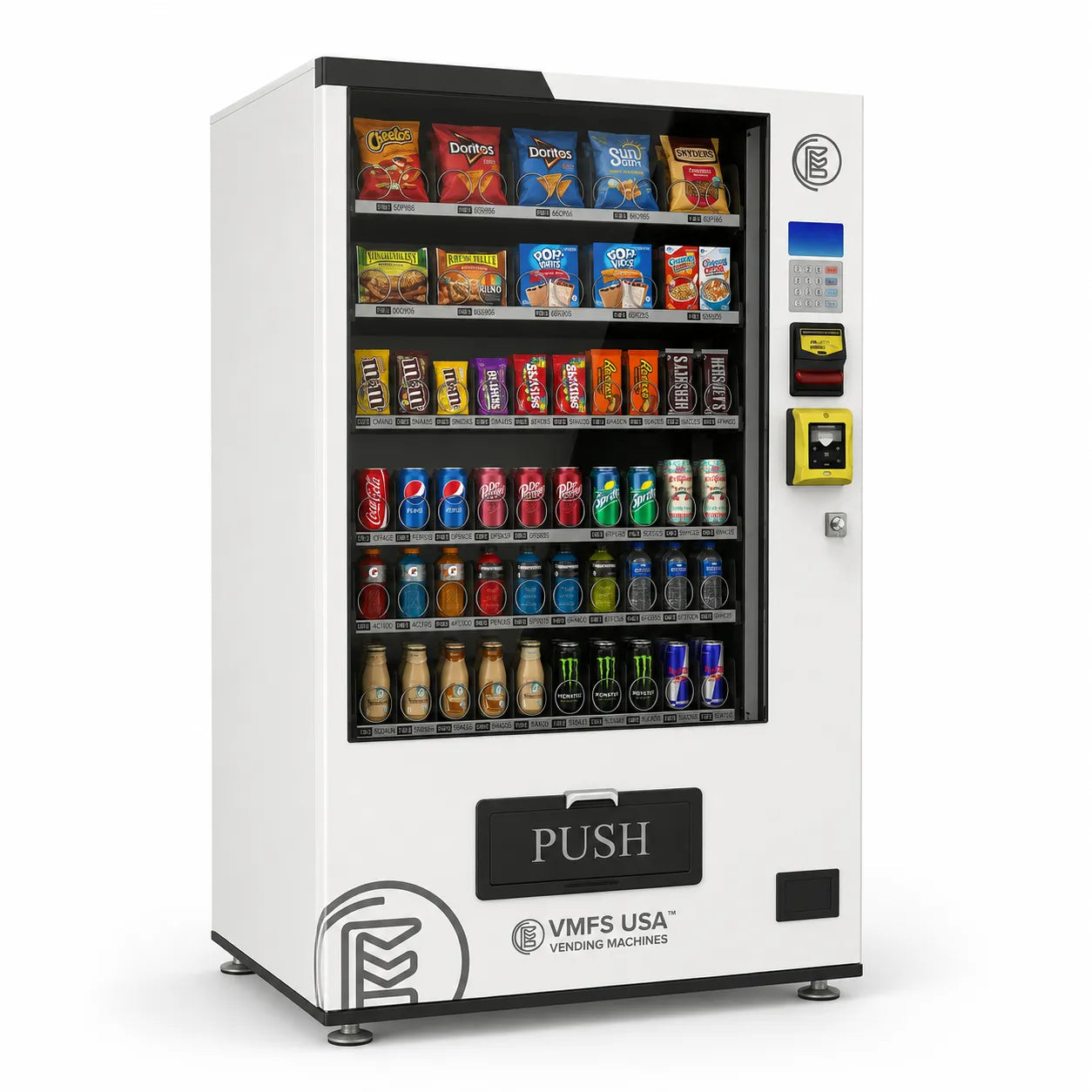
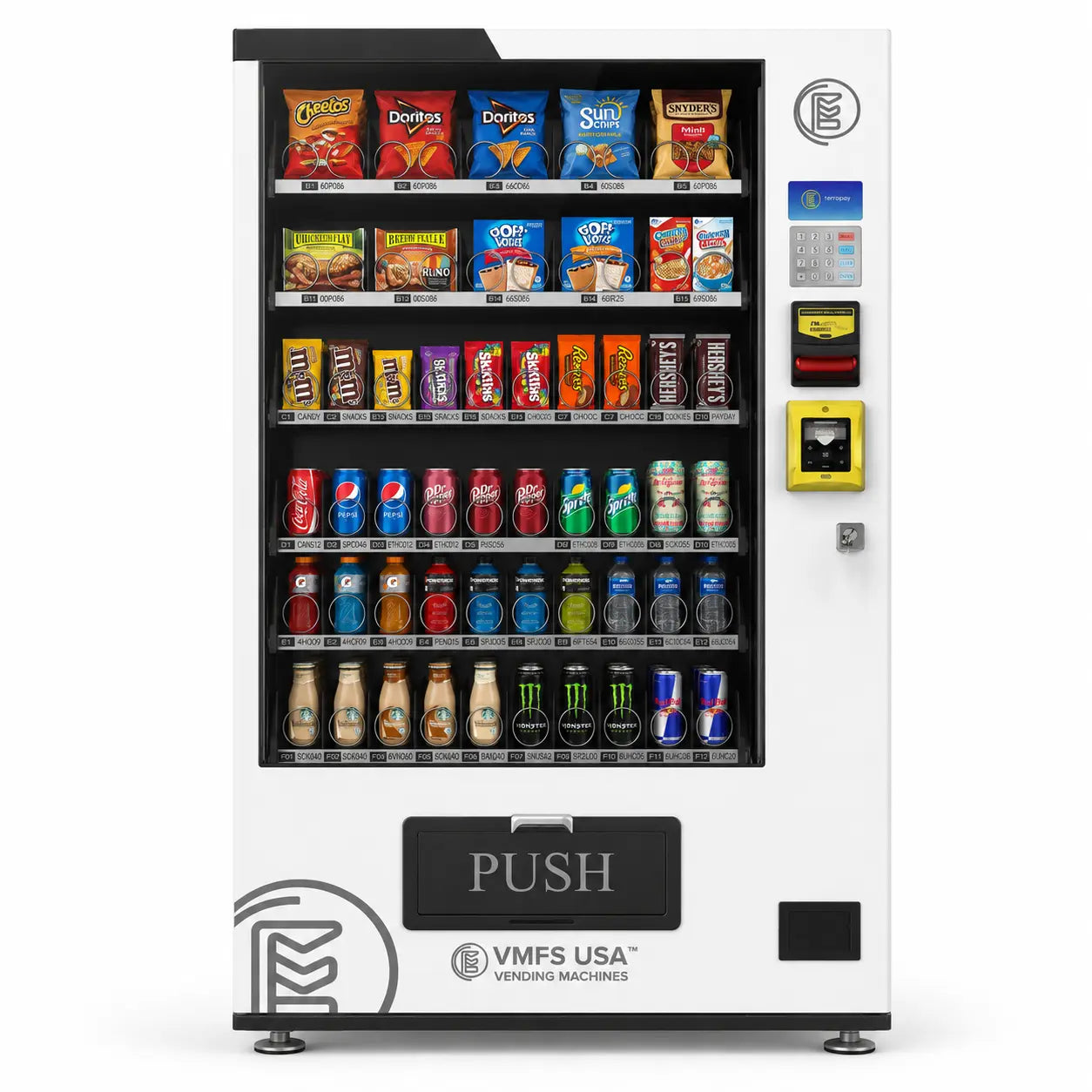
Las máquinas tradicionales de espiral con frente de cristal ofrecen un menor coste de capital inicial, pero carecen de verificación automática de productos. Los operadores avanzados adquieren cada vez más el hardware directamente a través de VMFS USA para desplegar unidades de venta minorista automatizada de próxima generación.
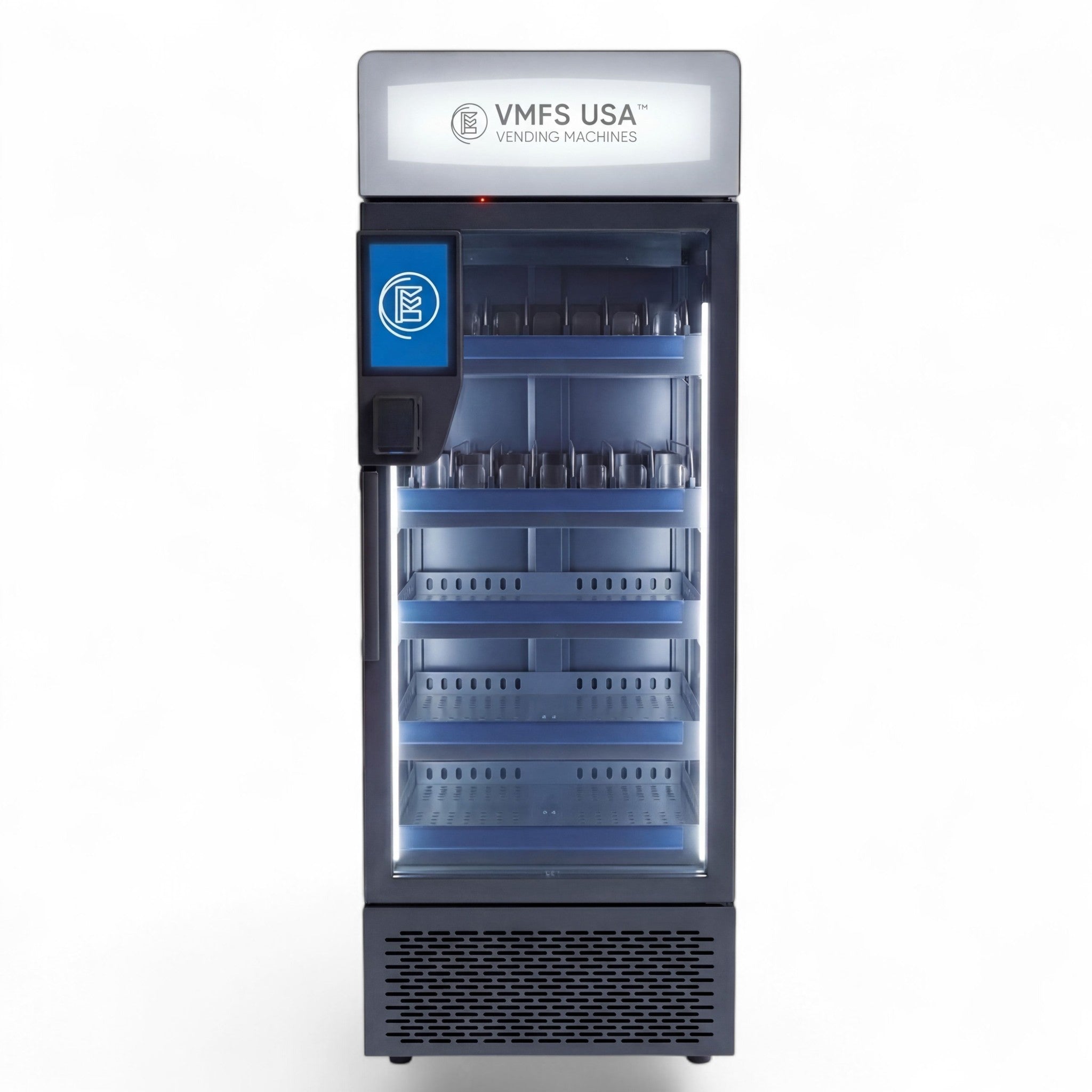
Entender qué es una máquina expendedora con IA permite a los operadores ofrecer microventa minorista "grab-and-go" con seguimiento mediante sensores ópticos. Revisar una guía de compra de máquinas expendedoras con IA ayuda a que las rutas hagan la transición hacia nichos de alto margen. Además, el despliegue de máquinas expendedoras de productos electrónicos que impulsan las ciudades inteligentes capta compras de alto valor en aeropuertos y centros de tránsito. Los operadores limitados por el capital a menudo siguen una detallada guía para comprar una máquina expendedora usada para adquirir unidades fiables de segunda mano.
| Categoría de equipo | Coste unitario promedio | Tipo de producto ideal | Integración telemétrica |
| Frente de cristal tradicional | 2.000 $ - 4.500 $ | Snacks y bebidas envasadas | Módem adicional opcional |
| Microarmario inteligente con IA | 5.000 $ - 9.500 $ | Comida fresca, bebidas premium | Conexión nativa a la nube |
| Minorista especializada de alta tecnología | 7.500 $ - 15.000 $+ | Electrónica, coleccionables | IoT e IA integrados |

Puntos de referencia financieros y márgenes de beneficio
Las operaciones de vending generan un flujo de caja fiable cuando las rutas alcanzan una alta densidad de ubicaciones. Los márgenes brutos promedian entre el 40% y el 60%, mientras que los márgenes de beneficio neto suelen situarse entre el 20% y el 35% después de inventario, comisiones de ubicación, tarifas de pago y gastos de combustible.
| Escala de ruta | Ingresos brutos mensuales | Margen de beneficio neto típico | Beneficio neto mensual |
| 5 máquinas | 750 $ - 2.000 $ | 25% - 35% | 250 $ - 500 $ |
| 10 máquinas | 1.500 $ - 4.000 $ | 25% - 35% | 500 $ - 1.200 $ |
| 25 máquinas | 3.750 $ - 10.000 $ | 25% - 30% | 1.200 $ - 3.000 $ |
| 50+ máquinas | 7.500 $ - 20.000 $+ | 20% - 30% | 3.000 $ - 6.000 $+ |
Ventajas y desventajas de operar una ruta de vending
Ventajas:
-
Flujo de caja recurrente generado las 24 horas del día, los 7 días de la semana, sin necesidad de mano de obra directa para ventas.
-
Alta escalabilidad del negocio al añadir máquinas individuales de forma incremental.
-
Menores gastos generales en comparación con los comercios físicos tradicionales.
Desventajas:
-
Inversiones iniciales intensivas en capital para hardware e inventario.
-
La eficiencia de la ruta depende de los precios del combustible del vehículo y la distancia de viaje.
-
Vulnerabilidad ante averías mecánicas de las máquinas y los horarios de cierre de las ubicaciones.
Estructuración de entidades legales y fundamentos de cumplimiento
Una infraestructura legal adecuada protege a los operadores de la responsabilidad personal y simplifica la expansión de rutas con múltiples máquinas. Establecer entidades comerciales formales garantiza un cumplimiento fiscal claro, el registro del impuesto sobre ventas y contratos estructurados de reparto de ingresos.
Los operadores que gestionan rutas en expansión suelen estructurar su negocio eligiendo formar una LLC para un negocio de máquinas expendedoras. Al escalar más allá de 10 unidades, evaluar una LLC para un negocio de vending de varias máquinas aísla los riesgos de los activos y agiliza las declaraciones de impuestos corporativos.
Lista de verificación legal y fiscal:
Completar el registro comercial estatal y obtener un EIN.
Registrarse para el impuesto sobre ventas estatal para operaciones de venta minorista automatizada.
Redactar contratos de colocación en ubicaciones que incluyan cláusulas claras de limitación de responsabilidad.
Cómo los propietarios de ubicaciones conectan con los operadores
Los propietarios de inmuebles que buscan comodidades automatizadas a menudo necesitan saber cómo encontrar operadores de máquinas expendedoras que brinden un servicio de reabastecimiento fiable. Conectar a los gerentes de ubicación con operadores de ruta examinados crea asociaciones de reparto de ingresos mutuamente beneficiosas.
¿Necesita una máquina expendedora para su propiedad?
Agilice la configuración de sus instalaciones sin comprar equipos ni gestionar el inventario:
Enumere los detalles de su ubicación y requisitos de espacio.
Conecte con operadores de vending locales y cualificados, adaptados al tipo de su propiedad.
Compare propuestas y seleccione el socio minorista automatizado ideal.
Conecte con operadores de vending cualificados en VPlaced
Preguntas frecuentes
¿Qué hace un operador de máquinas expendedoras a diario?
Un operador de máquinas expendedoras gestiona el reabastecimiento de la ruta, cobra los ingresos en efectivo y sin efectivo, realiza el mantenimiento preventivo de las máquinas y monitorea los datos de telemetría. También gestionan la compra de inventario de productos y buscan nuevas ubicaciones para la colocación.
¿Cuántas horas a la semana trabaja un operador de máquinas expendedoras?
Los operadores a tiempo parcial que gestionan de 1 a 5 máquinas dedican aproximadamente de 3 a 10 horas a la semana al mantenimiento de su ruta. Los operadores a tiempo completo que gestionan 25 máquinas o más trabajan de 40 a 50 horas semanales manejando logística, reabastecimientos, mantenimiento y tareas administrativas.
¿Cuánto dinero genera una sola máquina expendedora al mes?
Una sola máquina expendedora genera normalmente entre 150 $ y 400 $ en ingresos brutos mensuales, dependiendo del tráfico de la ubicación y la combinación de productos. Después de los costes de inventario, comisiones y tarifas, el beneficio neto promedio por máquina oscila entre 40 $ y 120 $ al mes.
¿Qué herramientas utilizan los operadores para gestionar la telemetría y el seguimiento de ventas?
Los operadores utilizan software de gestión inteligente (como VendSoft o Cantaloupe) conectado a través de unidades de telemetría DEX para rastrear la velocidad del inventario en tiempo real. Estos sistemas generan automáticamente listas de reabastecimiento optimizadas y alertan a los operadores sobre errores mecánicos de la máquina.
¿Cómo pagan los operadores de máquinas expendedoras a los propietarios de los locales?
Los operadores pagan a los propietarios mediante un acuerdo de participación en los ingresos negociado, que suele oscilar entre el 5% y el 15% de las ventas brutas o netas. Los pagos se distribuyen mensual o trimestralmente junto con informes detallados de auditoría de ventas.
¿Qué habilidades técnicas se requieren para realizar el mantenimiento de las máquinas expendedoras?
Los operadores necesitan habilidades básicas de resolución de problemas mecánicos y eléctricos para reparar aceptadores de monedas, validadores de billetes, motores de espiral y componentes de refrigeración. También deben comprender los protocolos de diagnóstico de software para módems DEX y lectores de tarjetas de crédito.
¿Cómo obtienen el inventario los operadores de máquinas expendedoras?
Los operadores compran existencias al por mayor en clubes mayoristas, distribuidores especializados de bebidas y proveedores directos de alimentos para maximizar los márgenes de beneficio bruto. La compra al por mayor mantiene los costos de los productos alrededor del 40% al 50% del precio minorista final.
¿Necesitan los operadores de vending una LLC?
Se recomienda encarecidamente a los operadores de máquinas expendedoras formar una LLC para proteger los activos personales de las responsabilidades comerciales, tales como daños al equipo o reclamaciones sobre la propiedad. Una estructura de LLC también simplifica las operaciones bancarias, las declaraciones de impuestos y la captación de ubicaciones corporativas.
¿Cuál es la diferencia entre un operador de vending tradicional y un operador de micro-market?
Los operadores tradicionales atienden máquinas cerradas que dispensan artículos mediante espirales, mientras que los operadores de micro-market gestionan expositores de estanterías abiertas y refrigeradores junto con quioscos de auto-pago. Los micro-markets ofrecen una selección de productos más amplia y valores de transacción más altos en entornos corporativos seguros.
¿Cómo consiguen los operadores ubicaciones de alto tráfico?
Los operadores consiguen ubicaciones de alto tráfico presentando propuestas directamente a los administradores de fincas, destacando los beneficios de contar con servicios sin costo adicional y ejecutando campañas de correo electrónico en frío dirigidas. También utilizan plataformas de emparejamiento para descubrir propietarios que buscan activamente instalaciones de vending.

Compartir:
La máquina expendedora que te permite comprar más de una cosa
Berlín descifró las máquinas expendedoras de batidos de proteínas en 2011. Estados Unidos sigue viendo a gente haciendo un desastre en un banco.