


La resolución de problemas en máquinas expendedoras de café comienza por relacionar un síntoma específico (un código de error, un vertido débil, un vaso atascado, un pago fallido) con su causa raíz, ya sea mecánica o eléctrica, puesto que intentar adivinar las soluciones desperdicia tiempo de servicio y arriesga dañar componentes bajo garantía. Esta guía recorre la secuencia de diagnóstico exacta que utilizan los técnicos para aislar fallos en los sistemas de preparación, pago y dispensación, e incluye una tabla de referencia completa de síntomas y causas para reparaciones rápidas in situ.
Tabla de contenidos
- Cómo diagnosticar un fallo en una máquina expendedora de café
- Problemas en los sistemas de preparación y agua
- Fallos en vasos, ingredientes y dispensación
- Fallos en los sistemas de pago y lectores de tarjetas
- Códigos de error comunes y su significado
- Tabla de referencia de síntomas y causas
- Resolución de problemas por cuenta propia vs. llamar a un técnico
- Mantenimiento preventivo para reducir fallos
- El coste de ignorar los fallos recurrentes
- Preguntas frecuentes
Cómo diagnosticar un fallo en una máquina expendedora de café
Diagnosticar un fallo en una máquina expendedora de café caliente requiere aislar qué subsistema ha fallado (alimentación, agua, preparación, dispensación o pago) antes de tocar cualquier componente interno, dado que la mayoría de los fallos presentan síntomas superpuestos que apuntan a causas distintas según el modelo de la máquina. Una máquina que no sirve ninguna bebida, por ejemplo, podría deberse a un sensor de vasos atascado, un interruptor automático disparado o una autorización de pago estancada, y cada caso requiere una solución diferente.
Los técnicos siguen una secuencia fija: primero comprueban la alimentación y la pantalla, luego el suministro de agua, después el ciclo de preparación, los mecanismos de dispensación y, finalmente, el hardware de pago. Este orden es importante porque los fallos iniciales, como la baja presión del agua, provocan síntomas secundarios, como un error de "preparación incompleta", que a primera vista parecen no estar relacionados. Entender cómo funcionan internamente las máquinas expendedoras de café hace que esta secuencia sea mucho más fácil de seguir, ya que cada fallo se asigna directamente a una etapa mecánica conocida.
Comprobación de alimentación
Confirme el enchufe, el interruptor y el fusible interno antes de asumir un fallo en la placa electrónica.
Comprobación del suministro de agua
Verifique el nivel de llenado del depósito y las conexiones de las mangueras, ya que la escasez de agua activa la mayoría de los errores en el ciclo de preparación.
Comprobación de sensores
Los sensores de vasos, monedas y puertas suelen fallar más por polvo o desalineación que por avería total.
Reinicio de software
Un ciclo completo de apagado y encendido resuelve una gran parte de los fallos electrónicos intermitentes antes de que sea necesario reemplazar piezas.
Problemas en los sistemas de preparación y agua
Los problemas en los sistemas de preparación y agua representan la mayoría de las llamadas de servicio técnico en máquinas expendedoras de café, debido a que la caldera, la bomba y los conductos de agua funcionan continuamente bajo estrés térmico y mineral. La mayoría de los fallos de preparación son evitables y están directamente relacionados con el calendario de limpieza y mantenimiento de la máquina; saltarse un ciclo de descalcificación es la causa raíz más común detrás de preparaciones débiles o fallidas.
Café débil o aguado
El café débil ocurre porque el sensor de dosificación subdosifica el café molido, o porque la acumulación de cal en la caldera reduce la temperatura del agua por debajo del umbral de extracción. El agua fría o poco caliente no logra extraer adecuadamente los aceites y sólidos del café, produciendo una taza rala y sin sabor, independientemente de la calidad del grano.
Sin flujo de agua o vertido lento
La ausencia de flujo de agua generalmente significa que la bomba tiene una bolsa de aire, la manguera de agua está doblada o la cal ha estrechado los tubos internos lo suficiente como para obstruir el flujo. Un vertido lento sin una detención total apunta a una obstrucción parcial por cal en lugar de un fallo de la bomba, ya que una bomba totalmente averiada produce silencio, no un goteo.
El ciclo de preparación se detiene a mitad del proceso
Un ciclo de preparación que se detiene a mitad es causado por el sensor interno de la máquina que detecta una condición de fallo (comúnmente falta de agua, sobrecalentamiento de la caldera o un grupo de preparación atascado) y activa una parada de seguridad en lugar de continuar con un ciclo potencialmente dañino.
Fallos en vasos, ingredientes y dispensación
Los fallos de dispensación involucran el sistema de entrega mecánica: caída de vasos, tolvas de ingredientes y cámaras de mezclado. Estos fallos son más mecánicos que eléctricos en la mayoría de los casos, lo que significa que responden a una inspección física y limpieza antes de que sea necesario reemplazar cualquier pieza.
- Atascos de vasos: Causados por pilas de vasos mal alineadas, vasos deformados o un solenoide de caída de vasos desgastado que ya no se libera con fuerza suficiente.
- Tolvas vacías o apelmazadas: Ingredientes en polvo como cacao o cremas se apelmazan en ambientes húmedos, bloqueando el sinfín y deteniendo por completo el flujo de ingredientes.
- Mezclado incompleto: Una paleta mezcladora desgastada o un motor de batido bloqueado dejan el polvo sin disolver, produciendo una bebida arenosa o inconsistente.
- No se dispensa el vaso: A menudo es una lectura errónea del sensor de vasos y no una falta de vasos; la máquina "piensa" que ya ha caído un vaso y omite el paso de dispensación.
Nota: La mayoría de los pasos serán iguales, pero algunos pasos de limpieza pueden ser diferentes para máquinas expendedoras de café frío.
Fallos en los sistemas de pago y lectores de tarjetas
Los fallos de pago detienen la recaudación incluso cuando la máquina es completamente funcional, lo que los convierte en una categoría de fallo de alta prioridad a pesar de no estar relacionados con el sistema de preparación. Los fallos del lector de tarjetas suelen ser problemas de conectividad más que fallos de hardware: un cable de red suelto o un certificado de firmware caducado causan muchas más transacciones fallidas que un lector de chips averiado.
| Síntoma de pago | Causa probable |
|---|---|
| La tarjeta rechaza cada transacción | Pérdida de red/conectividad entre el lector y el procesador de pagos |
| Pantalla del lector congelada o en blanco | Error de firmware: requiere una secuencia de reinicio específica del lector |
| El mecanismo de monedas se atasca | Escombros o moneda doblada bloqueando el canal validador |
| El aceptador de billetes rechaza billetes válidos | Lente del sensor sucia o validador de billetes descalibrado |
| Transacción aprobada pero no se dispensa la bebida | Fallo de comunicación entre la placa de pago y el controlador de venta |
Códigos de error comunes y su significado
Los códigos de error existen porque la placa de control de la máquina detecta una condición de fallo específica y la informa directamente, ahorrando tiempo de diagnóstico en comparación con adivinar solo a partir de los síntomas. Los códigos varían según el fabricante, pero la mayoría de las máquinas expendedoras comerciales de café agrupan los fallos en las mismas categorías principales.
| Categoría de error | Qué significa | Disparador típico |
|---|---|---|
| Fallo de nivel de agua | Depósito por debajo del umbral mínimo o línea desconectada | Relleno omitido, línea de suministro doblada |
| Fallo de temperatura | La caldera no alcanzó o no mantuvo la temperatura de preparación | Acumulación de cal o fallo en el elemento calefactor |
| Fallo de puerta/cerradura abierta | Puerta de servicio no cerrada correctamente, bloqueo de seguridad activado | Cierre incompleto de la puerta después del rellenado |
| Fallo de motor/sinfín | El motor de dispensación consumió exceso de corriente o se bloqueó | Ingrediente apelmazado o atasco mecánico |
| Fallo de comunicación | La placa de pago y el controlador de venta perdieron sincronización | Cableado interno suelto o incompatibilidad de firmware |
Tabla de referencia de síntomas y causas
Esta referencia consolidada mapea los síntomas reportados con mayor frecuencia directamente con su causa raíz y la primera acción recomendada, permitiendo que un operador clasifique un fallo antes de decidir si es necesaria la visita de un técnico.
| Síntoma | Causa raíz | Primera acción |
|---|---|---|
| La máquina no enciende | Interruptor disparado, fusible quemado o cable suelto | Comprobar enchufe y fusible interno antes de llamar al servicio |
| Sabor amargo o quemado | Residuos de aceite de café en el grupo de preparación | Ejecutar ciclo de limpieza del grupo de preparación |
| El vaso cae de lado o no cae | Pila de vasos desalineada o solenoide de caída desgastado | Realinear pila; inspeccionar solenoide |
| Pantalla no responde | Firmware congelado o fallo del sensor táctil | Reinicio completo mediante ciclo de alimentación |
| La máquina solo dispensa agua caliente | Tolva de café vacía o atascada | Rellenar y comprobar sinfín por si hay apelmazamiento |
| Mismo código de error tras el reinicio | Fallo de hardware subyacente, no un error de software | Escalar a un técnico |
Resolución de problemas por cuenta propia vs. llamar a un técnico
La mayoría de los fallos superficiales (atascos, tolvas vacías, pantallas congeladas, necesidades menores de descalcificación) pueden ser resueltos de forma segura por personal capacitado sin necesidad de llamar al servicio técnico. Los fallos que involucran el cableado interno, la placa de control o el elemento calefactor requieren un técnico, ya que un manejo incorrecto pone en riesgo tanto la seguridad como la cobertura de la garantía.
Resolución por cuenta propia — Ventajas
- Resuelve la mayoría de los atascos, tolvas y problemas de reinicio en minutos
- Sin tiempo de inactividad esperando una cita de servicio
- Costo cero para reparaciones rutinarias
Resolución por cuenta propia — Limitaciones
- No puede diagnosticar de forma segura fallos de placa electrónica o cableado
- Los reinicios repetidos sin solucionar la causa raíz ocultan problemas crecientes
- El manejo incorrecto de piezas puede anular la garantía del fabricante
Servicio técnico — Ventajas
- Diagnostica correctamente fallos de placa de control, cableado y elemento calefactor
- Reparaciones seguras bajo garantía con historial de servicio documentado
- Identifica desgaste prematuro antes de que ocurra una avería total
Servicio técnico — Limitaciones
- Costo más alto que las reparaciones internas para problemas menores
- Requiere programación y posible tiempo de inactividad de la máquina
Los operadores que gestionan varias unidades en una ruta de máquinas expendedoras de café generalmente capacitan al personal para manejar fallos de Nivel 1 (atascos, reinicios, rellenado de tolvas), mientras derivan cualquier cosa que involucre la caldera, la placa de control o el hardware de pago directamente a un técnico.
Mantenimiento preventivo para reducir fallos
El mantenimiento preventivo reduce la frecuencia de los fallos porque la mayoría de las averías en las máquinas expendedoras son causadas por el desgaste acumulado (acumulación de cal, acumulación de polvo, juntas desgastadas) en lugar de un fallo aleatorio repentino. Una máquina descalcificada y limpiada según el calendario activa drásticamente menos códigos de error de temperatura y flujo que una que funciona de forma reactiva, reparando solo cuando se rompe.
Los operadores deben combinar esta guía de solución de problemas con un calendario de limpieza y mantenimiento fijo que cubra limpiezas diarias, lavados semanales de las líneas de leche e intervalos de descalcificación basados en la dureza del agua. Hacer esto transforma la mayoría de las llamadas de servicio de reparaciones de emergencia a visitas de mantenimiento planificadas y de menor costo.
El coste de ignorar los fallos recurrentes
Ignorar un fallo recurrente aumenta el costo porque un síntoma oculto (por ejemplo, reiniciar repetidamente una máquina que sigue lanzando un error de temperatura) permite que el componente subyacente se degrade aún más hasta fallar por completo, convirtiendo un reemplazo de pieza de bajo costo en uno de toda la caldera o la placa de control. Las máquinas con fallos frecuentes sin resolver también pierden la confianza del lugar, y las quejas sobre vasos atascados o pagos fallidos reducen directamente el uso repetido.
Esto afecta directamente a los números que definen si las máquinas expendedoras de café siguen siendo rentables en una ubicación determinada: el tiempo de inactividad es pérdida de ingresos, y los fallos recurrentes sin resolver erosionan la confianza del cliente más rápido que casi cualquier otro fallo operativo.
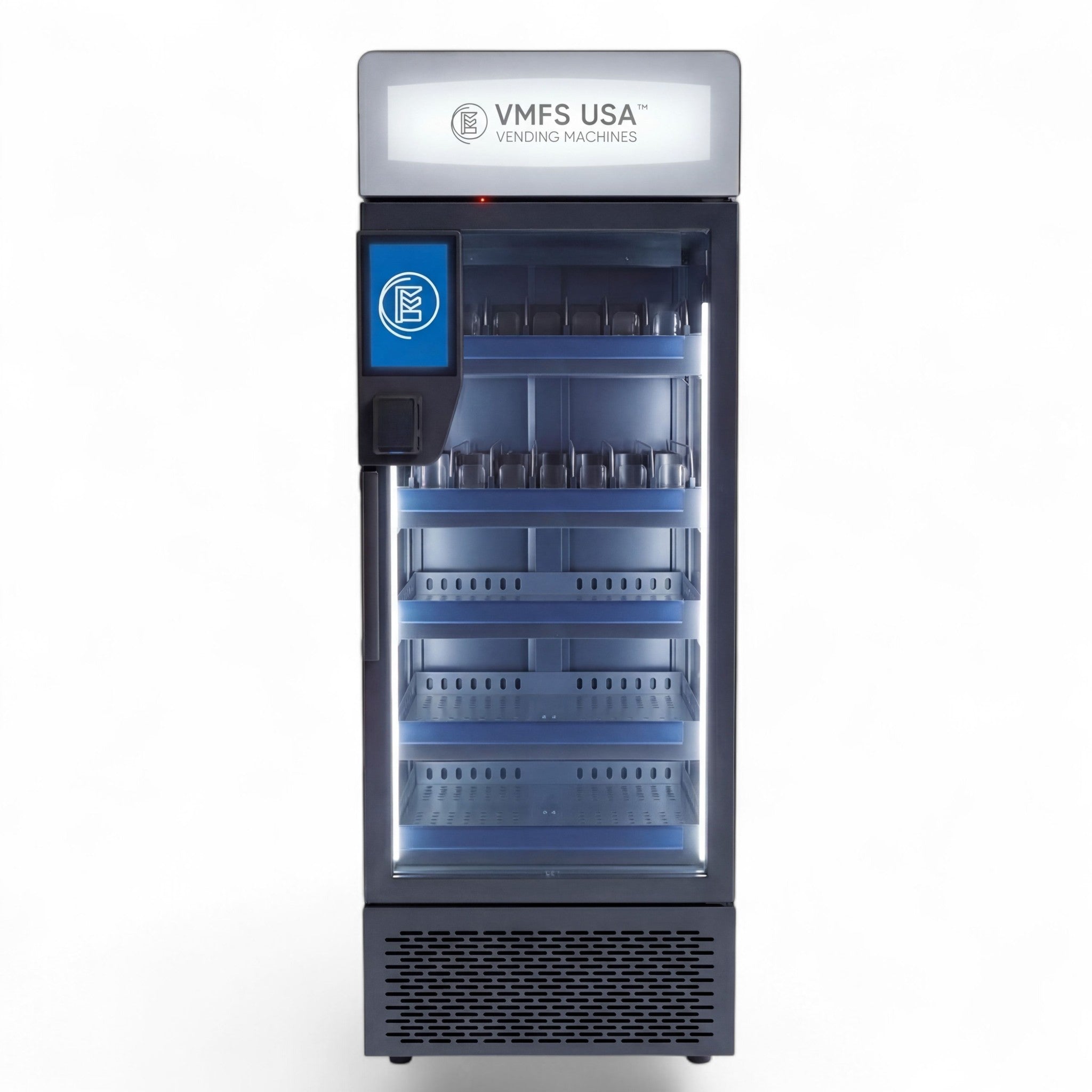
¿Necesita una máquina expendedora de café más fiable?
Explore la línea comercial de máquinas expendedoras de café de VMFS USA, diseñadas para menos fallos y un servicio de campo más sencillo.
Comprar máquinas expendedoras de café
Compartir:
Limpieza y mantenimiento de máquinas expendedoras de café: La guía completa
Repuestos para máquinas expendedoras de café: la guía completa