There is no published, universal schedule for pokemon vending machine drop times, because restocks are driven by distributor routes and real-time sell-through data rather than a fixed calendar. Pokemon Center support itself confirms no set restock schedule exists for its automated retail units, and independently operated machines follow the same demand-based logic. What collectors experience as a pattern is really a route cycle, and understanding that cycle is far more useful than chasing a rumored time slot.

Drop times behave the way any route-serviced retail equipment behaves: a distributor visits a location on a recurring but flexible schedule, restocks what sold, and moves to the next stop. High-traffic locations get serviced more often than slow ones, and a new set launch temporarily overrides the normal cadence for every machine in the network at once.

Why There Is No Fixed Drop Schedule

Pokemon vending machine drop times vary because restocking is triggered by inventory depletion and route timing, not a published calendar, and every operator in the category runs it this way for the same operational reasons.

How Route-Based Distribution Works

A distributor services a defined set of machines on a recurring route, refilling whatever has sold since the last visit and skipping locations that are still adequately stocked. This is standard practice across route-serviced vending broadly, and trading card units follow the same logic as snack and drink machines, just with a product category that sells through far faster. A machine at a high-traffic big box store gets visited more often on the route than one in a slower location, which is why two machines a few miles apart can show completely different restock rhythms.

Why Operators Avoid Publishing Times

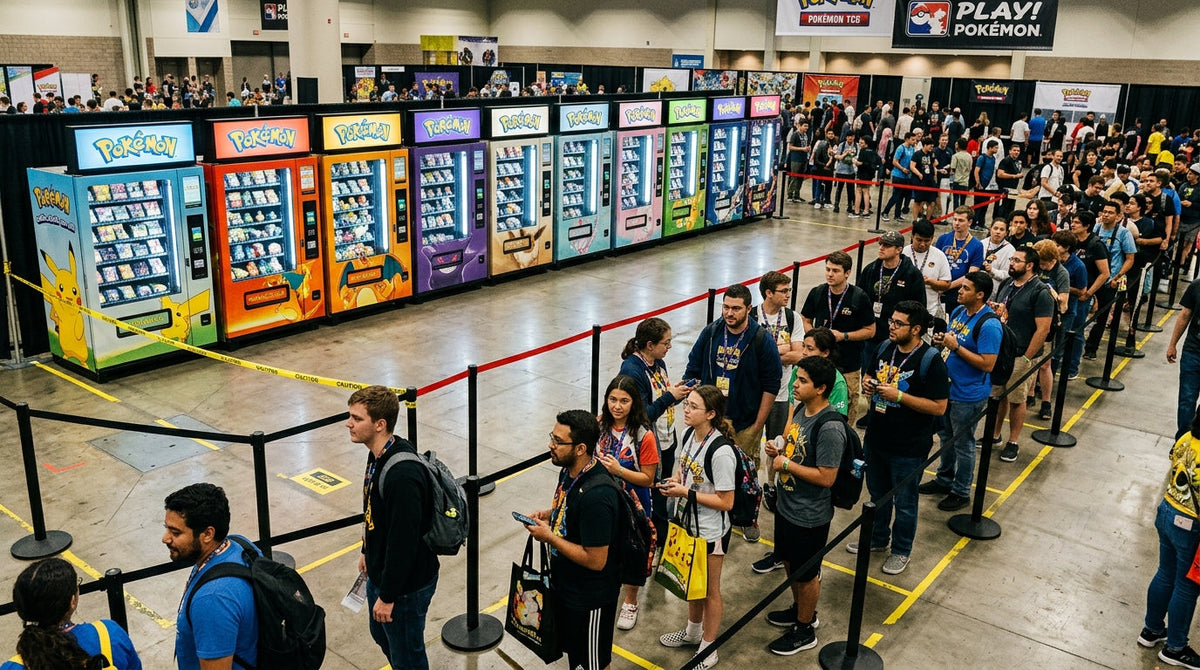
A public restock time turns a routine delivery into a scheduled crowd event, and crowds around a single kiosk create the exact problems operators try to avoid: bulk buying that strips inventory in minutes, tension between customers, and slower service for everyone else in the store. Keeping the exact timing loose lets inventory reach a broader set of customers instead of the small group that shows up at a leaked time.

Retail-Run vs Operator-Run Machines

Machines placed and serviced directly by a retailer follow that retailer's internal logistics network, while independently operated machines follow whatever cadence the operator sets based on their own route and supplier relationships. Neither model publishes a fixed public schedule, but independent operators generally have more flexibility to adjust restock frequency location by location based on what they see in the complete 2026 operator guide for running this category profitably.

Typical Restock Windows Collectors Report

While no schedule is official, collector-reported patterns cluster around a few recurring windows. Treat the table below as a starting point for observation, not a guarantee.

Pattern What Collectors Report Reliability
Weekday clustering Tuesday through Thursday most commonly reported for route visits Moderate, varies by region
Restock frequency Roughly every 2 to 7 days for actively serviced machines Low, depends heavily on location traffic
Time of day Both morning and early evening windows are reported; no single time wins Low, anecdotal only
New set launch Machines across a network are typically loaded together on release week Higher, tied to a known release date

How New Set Releases Change the Pattern

A new set launch is the one event that does create a predictable window, because distributors load new product across an entire route in the days surrounding the official release date rather than waiting for the normal sell-through cycle. Demand during this window is also highest, so freshly loaded stock at a busy location can clear within hours even though the restock itself happened on a known date.

Signals a Restock Is Close

Watching a single empty slot is a poor predictor. A cluster of missing best-sellers is a stronger signal that the machine as a whole is due for service, since operators tend to route a visit once overall sell-through crosses a threshold rather than reacting to one product running out.

Inventory Signals to Watch

Several high-demand products showing sold out at once, combined with lower-demand items still fully stocked, indicates the machine is late in its current cycle rather than freshly serviced. A machine that still shows a healthy spread across most slots is unlikely to be restocked again soon regardless of how long it has been since the last visit.

Physical Cues at the Machine

A restocked machine often has a visibly reorganized product layout compared to a machine that has been sitting untouched, and freshly loaded product tends to sit flush in its slot rather than shifted or partially dispensed from prior transactions. Screen responsiveness matters too, since a machine showing a black screen fault may simply be waiting on a service visit rather than being genuinely out of stock.

How to Track Drop Times

Community Trackers and Alert Bots

Community-run trackers and alert bots monitor retailer product pages and post near real-time updates when inventory changes, which is useful for online allocation but does not directly track in-store vending machine drops, since those depend on the physical route visit rather than a website update.

Manual Pattern Tracking

Logging visit dates and what you found at a specific machine over several weeks is the most reliable way to build a real pattern for that exact location, since regional and store-level variation makes generic online reports less accurate than your own observation history. If you are trying to locate machines in the first place, start with a resource built for that purpose, such as how to find Pokemon vending machines near you or the broader directory of Pokemon vending machine locations.

Store Visit Timing Strategy

Visiting a single location at varied times across a week, rather than the same time repeatedly, surfaces the actual pattern faster than relying on someone else's reported schedule for a different store. For a specific retailer with a known machine network, a targeted resource such as finding a Kroger Pokemon vending machine narrows the search considerably compared to a general web search.

Chasing Drops vs Relying on a Regular Cadence

Collectors generally fall into one of two approaches, and each comes with a real tradeoff.

Chasing Reported Drop Times

Pros: Highest chance of catching a fresh restock at peak inventory, useful during a new set launch window with a known release date.

Cons: Reported times are unreliable outside launch weeks, time-intensive, and risks repeated wasted trips if the pattern was store-specific rather than universal.

Regular Visit Cadence

Pros: Lower time investment, builds an accurate personal pattern over time, avoids the crowding that follows leaked drop times.

Cons: Slower to react to a sudden launch-week restock, may miss the narrow window when the highest-demand items are available.

How the Machines Behind the Drop Actually Work

Understanding how Pokemon vending machines work clarifies why restocks look the way they do: inventory sits in individually addressed slots tied to a payment and dispensing system, so a restock is a manual reload of physical slots rather than a software-triggered release like an online drop. The broader overview of what Pokemon vending machines are and a walkthrough of how to use a Pokemon vending machine are both useful background if this is your first time buying from one.

Building a Restock Schedule as an Operator

If you run machines rather than shop them, drop time unpredictability is a design choice, not a constraint you have to accept passively. A documented restock process paired with a maintenance schedule lets you set restock frequency by actual sell-through data at each location instead of guessing, which keeps high-traffic machines from sitting empty while low-traffic ones get serviced too often.

Operators evaluating whether to expand into this category should review whether the Pokemon vending machine business is profitable and the practical steps to start and operate a Pokemon vending machine before locking in a route, since restock cadence and location selection are decided together, not separately.

Protecting Your Investment

A machine that restocks reliably still needs to be legally cleared to operate. Before locking in a supplier route or expanding to new locations, confirm whether it is legal to sell Pokemon product through a vending machine in your state and review whether you can use the Pokemon logo on a TCG vending machine before finalizing cabinet branding.

Running multiple restock routes? Structure the business before a dispute forces the issue

Form an LLC for Your Vending Business

Placement Still Matters

Foot traffic at a location directly determines how often a machine needs restocking, and a high-traffic placement can justify a tighter route visit than a slower one ever would. Reviewing the best places for Pokemon vending machine placement before signing a location agreement sets realistic restock expectations from day one instead of discovering the traffic mismatch after the machine is installed.

Have retail space and want a vetted operator matched to your location?

List Your Location With VPlaced

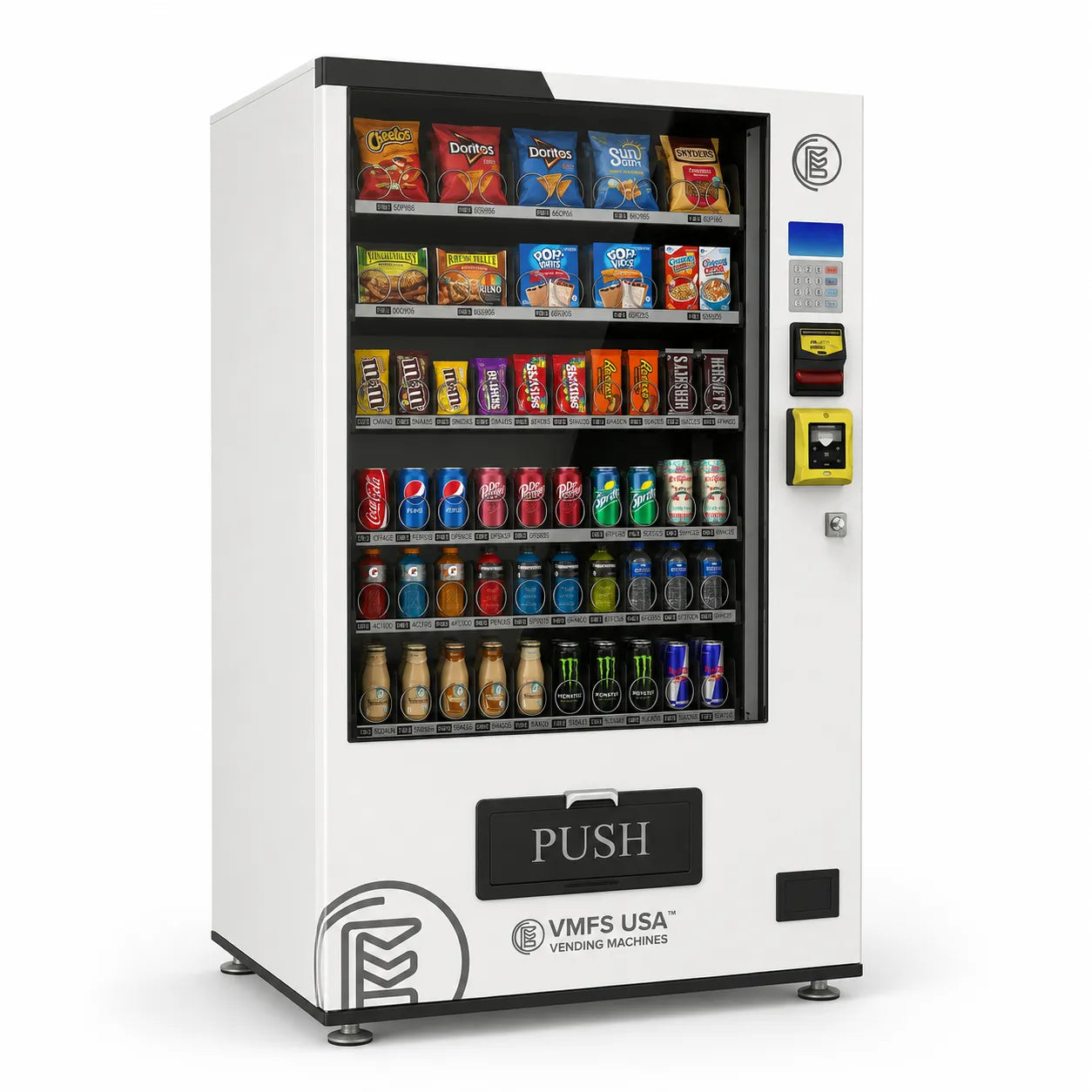
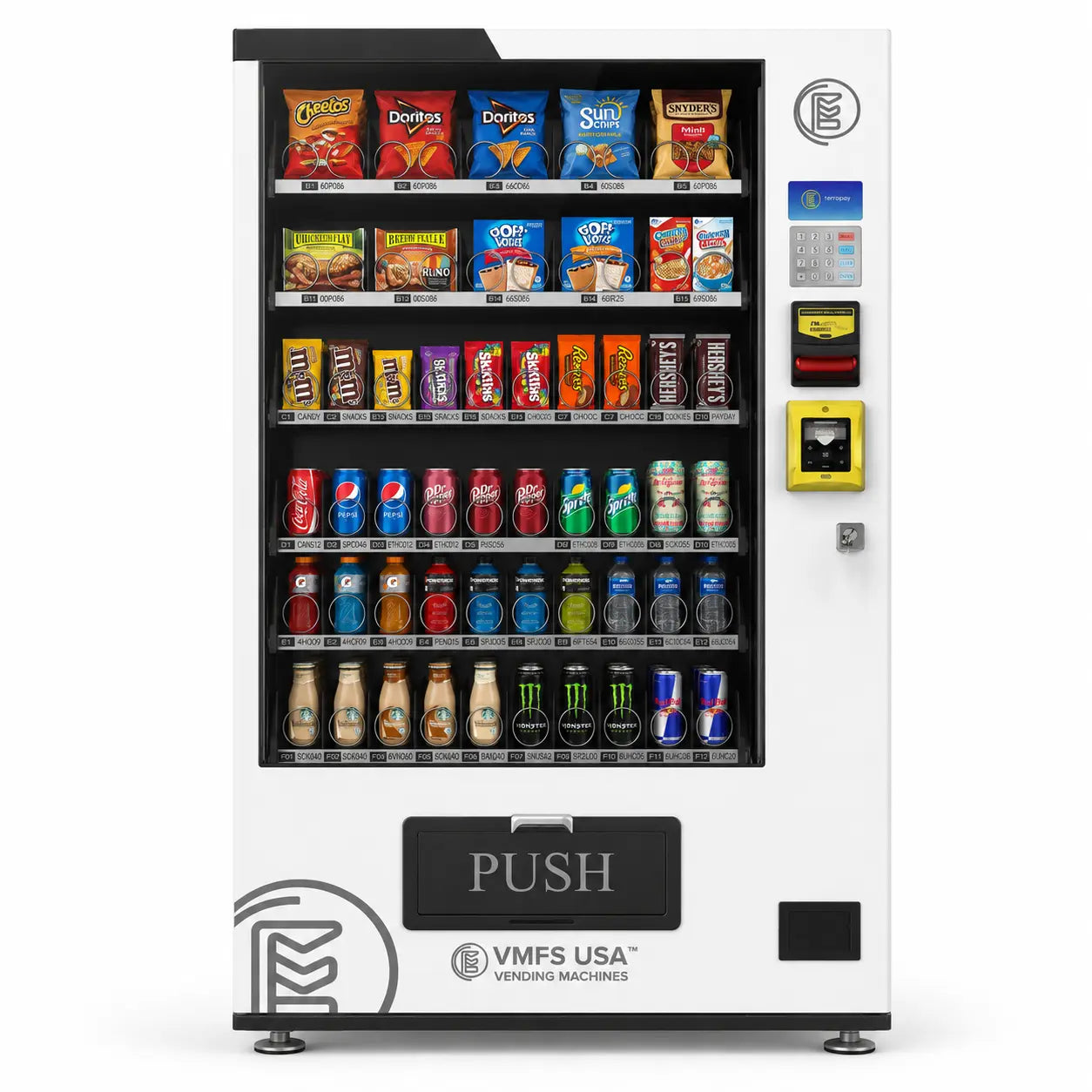
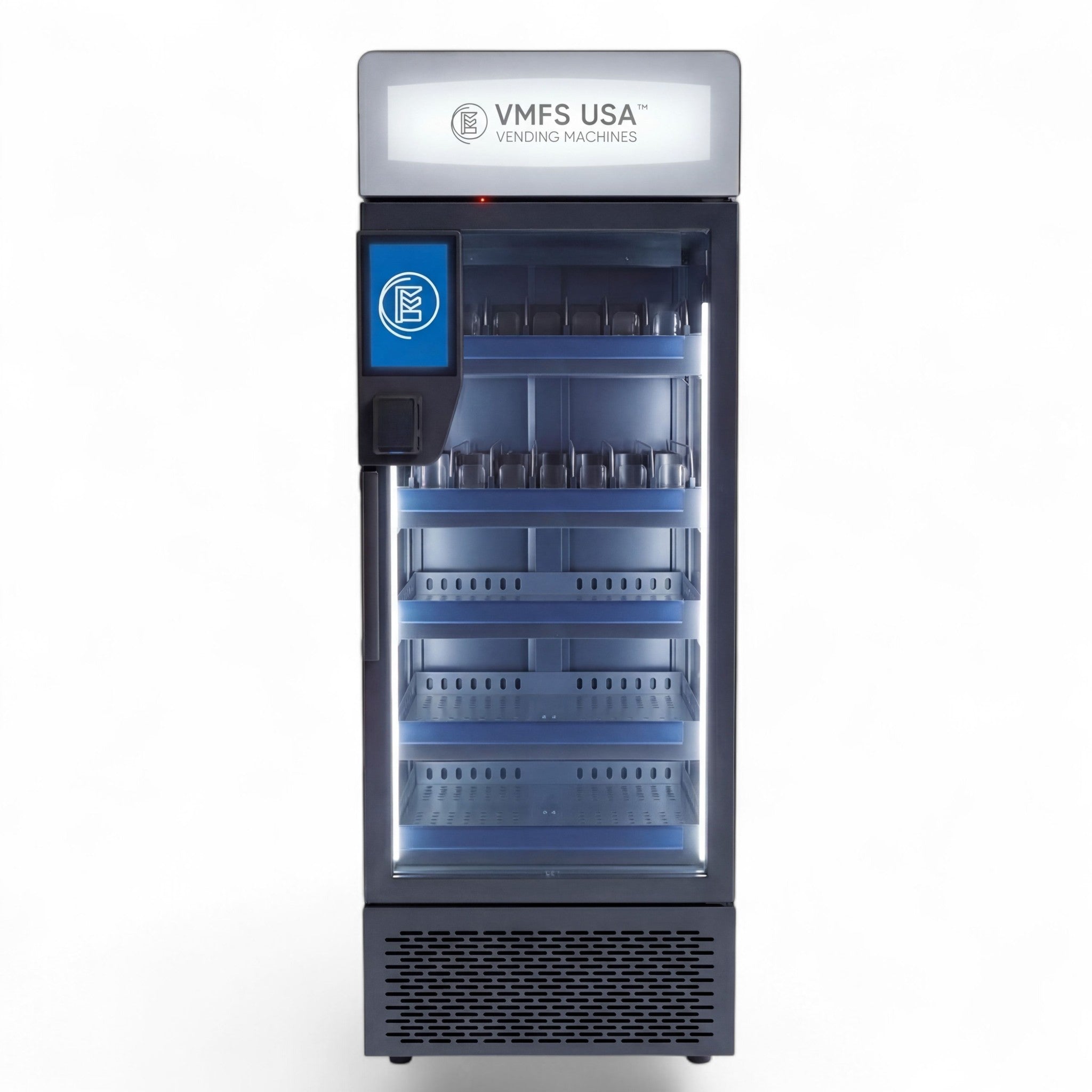
Drop times will always be a moving target because the model is built on route logistics and real demand, not a fixed clock. Operators buying machines through VMFS USA, a leading vending machine company in the USA, get remote inventory visibility built in, which turns guesswork on the collector side into an actual data-driven restock schedule on the operator side.

Stop Guessing Restock Timing. Run Your Own Machine.

Remote inventory visibility and route-ready hardware on every VMFS trading card unit.

Pokemon Card Vending Machine

Looking for a combo food and card unit?

TCG Food Vending Machine

Need higher capacity for a busy location?

Large Pokemon Vending Machine


Frequently Asked Questions

What time do Pokemon vending machines usually restock?

There is no official time. Collectors most commonly report weekday route visits, but the exact hour depends on the distributor's route for that specific store and varies by region.

Is there a published restock schedule for Pokemon vending machines?

No. Official support channels confirm no set restock schedule is published, and independent operators keep timing flexible on purpose so inventory reaches more customers instead of a crowd that shows up at a leaked time.

How often do Pokemon vending machines get restocked?

Reported ranges cluster around every 2 to 7 days for actively serviced machines, but high-traffic locations are visited far more often than slow ones, so this varies significantly by store.

Which days of the week are most common for restocks?

Tuesday through Thursday are the most commonly reported restock days by collectors, though this is anecdotal and varies by distributor route and region.

Do new Pokemon TCG set releases change restock timing?

Yes. Distributors typically load new product across an entire route in the days surrounding an official set release date, which creates the one genuinely predictable drop window in an otherwise variable schedule.

How can I tell if a machine is about to be restocked?

Several high-demand products showing sold out at once, while lower-demand items remain fully stocked, is a stronger signal than a single empty slot that the machine is due for a service visit.

Why don't operators publish exact restock times?

A published time turns a routine delivery into a scheduled crowd event, which causes bulk buying, tension between customers, and slower store service. Keeping timing loose spreads inventory across more customers.

Are all Pokemon vending machines restocked on the same schedule?

No. Machines at busy locations are typically restocked far more often than machines at slower locations, since route visits follow sell-through rather than a fixed calendar applied evenly across every machine.

Is a black screen on a vending machine a sign it is out of stock?

Not necessarily. A black screen is usually a power, cable, or firmware fault rather than an inventory issue, and the machine may still have product waiting once the display fault is resolved.

What is the best strategy for catching a fresh restock?

Logging your own visit dates and findings at one specific machine over several weeks builds a more accurate personal pattern than relying on generic reported times from other stores and regions.


Contáctenos

Este sitio está protegido por hCaptcha y se aplican la Política de privacidad de hCaptcha y los Términos del servicio.