





Diseñe la solución de vending perfecta para su ubicación y clientes.

Únete al boletín de VMFS y forma parte de una red próspera dedicada al éxito colectivo.
Un registro. Posibilidades infinitas.
Este es un contenido educativo que explica lo que suelen contener estos acuerdos, no un documento legal para rellenar — un abogado cualificado debe revisar cualquier contrato antes de firmarlo, especialmente en lo que respecta al lenguaje sobre responsabilidad y terminación, ya que los términos de colocación y su aplicabilidad varían según el estado.
Índice
Un contrato de colocación completo cubre siete áreas independientemente del tipo de ubicación: las partes y la descripción de la propiedad, la estructura de ingresos, la duración del plazo, los requisitos de espacio y servicios públicos, la responsabilidad y los seguros, los términos de exclusividad y las condiciones de terminación. Dejar cualquiera de estas cláusulas de forma vaga, en lugar de omitirla por completo, tiende a causar más disputas que no incluirla, ya que una cláusula vaga invita al desacuerdo sobre la interpretación una vez que surge un conflicto real.
| Cláusula | Lo que debe especificar |
|---|---|
| Partes y ubicación | Nombres legales, dirección exacta de colocación y punto dentro de la propiedad |
| Estructura de ingresos | Porcentaje de comisión o tarifa fija, frecuencia de pago, método de reporte |
| Duración del plazo | Fecha de inicio, duración, términos de renovación |
| Espacio y servicios públicos | Acceso a toma de corriente, permiso de Wi-Fi o red celular, dimensiones del espacio |
| Responsabilidad y seguros | Mínimos de cobertura, indemnización, quién es responsable de qué |
| Exclusividad | Si se restringen máquinas competidoras o categorías de productos |
| Terminación | Periodo de preaviso, terminación con causa vs. sin causa, responsabilidad de retirada |
Los acuerdos de comisión pagan al propietario del inmueble un porcentaje de las ventas brutas, habitualmente entre el 5% y el 15%, y se han convertido en la estructura predeterminada para las máquinas expendedoras con IA específicamente porque el panel de control en la nube de la máquina ofrece a ambas partes acceso transparente a los datos reales de ventas. Esta transparencia elimina la brecha de confianza que hacía que las tarifas fijas fueran más comunes en la venta tradicional, donde el propietario no tenía forma independiente de verificar el volumen de ventas; un cambio explicado más a fondo en Cómo las máquinas expendedoras con IA optimizan las ventas.
Los acuerdos de tarifa fija cobran una cantidad mensual fija independientemente del volumen de ventas, lo que brinda al operador un costo predecible y al propietario un ingreso garantizado incluso si la máquina tiene un rendimiento inferior. Esta estructura se adapta a ubicaciones de menor tráfico donde una comisión basada en porcentaje generaría ingresos demasiado bajos para que al propietario le mereciera la pena realizar un seguimiento, aunque transfiere todo el riesgo del volumen de ventas al operador.
La mayoría de los contratos de colocación duran de 12 a 36 meses con una cláusula de renovación automática, a menos que una de las partes presente un preaviso por escrito dentro de un plazo específico, habitualmente de 30 a 60 días antes de que finalice el término. La sección de terminación debe distinguir claramente entre la terminación con causa, como el impago o una violación de los términos de espacio, y la terminación sin causa, que suele requerir un periodo de preaviso más largo, ya que protege la inversión del operador en una ubicación donde puede haber pasado meses negociando e instalando equipos.
El contrato también debe especificar quién es responsable de la retirada de la máquina y cualquier restauración del espacio si el acuerdo finaliza, ya que las disputas por equipos abandonados o daños a la propiedad son comunes cuando este detalle se deja sin abordar.
Las máquinas expendedoras con IA requieren una toma de corriente dedicada y acceso a Wi-Fi del edificio o permiso sin restricciones para utilizar un módulo de datos celulares, y el contrato debe especificar qué proporciona la propiedad y qué suministra el operador de forma independiente. Un inmueble con políticas restrictivas de red para invitados puede socavar silenciosamente la propuesta de valor principal de una máquina con IA si el acceso Wi-Fi no se confirma y documenta antes de la instalación, por lo que vale la pena detallar esta cláusula explícitamente en lugar de asumirla como algo dado. También deben especificarse las dimensiones físicas y el punto de colocación exacto dentro de la propiedad para evitar disputas posteriores si el propietario desea reubicar la máquina.
El contrato debe establecer la cobertura mínima de seguro de responsabilidad civil general que el operador debe poseer, designar a la propiedad como parte asegurada adicional cuando sea necesario y definir la indemnización: quién es responsable financieramente si un cliente resulta herido al interactuar con la máquina, o si la máquina causa daños a la propiedad. Vale la pena abordar por separado los términos de responsabilidad relacionados con el procesamiento de tarjetas y pagos, ya que las máquinas expendedoras con IA a veces son clasificadas de manera diferente por los procesadores que las terminales minoristas estándar, una distinción cubierta en Cómo funciona el procesamiento de tarjetas y por qué las máquinas con IA tienen tasas diferentes.
Una cláusula de exclusividad impide que la propiedad coloque una máquina expendedora de la competencia en la misma categoría de productos durante el periodo del contrato, lo que protege la proyección de ingresos del operador de verse socavada a mitad del acuerdo. A veces, los propietarios se resisten a una exclusividad amplia, por lo que los operadores suelen reducir la cláusula a una categoría de producto específica (café, snacks, electrónica) en lugar de bloquear todos los formatos posibles de venta, lo que suele ser más fácil de negociar con éxito. La selección de la máquina y la categoría de producto en sí debe finalizarse antes de redactar esta cláusula, utilizando las comparaciones de formato en la Guía completa para el comprador 2026.
Basado en comisiones
Alinea los incentivos del operador y de la propiedad con el rendimiento real.
Menor costo fijo para el operador en ubicaciones de bajo rendimiento.
Los ingresos de la propiedad varían mes a mes sin un suelo garantizado.
Tarifa fija
Costo e ingresos predecibles para ambas partes independientemente de las ventas.
Más sencillo de administrar sin necesidad de reporte de ventas.
El operador asume todo el riesgo si la ubicación tiene un rendimiento inferior.
Algunos operadores negocian una estructura de comisiones escalonada donde el porcentaje disminuye a medida que aumenta el volumen de ventas mensuales, protegiendo el margen en niveles de ingresos más altos mientras se ofrece al propietario una tasa atractiva en el nivel base. Esta estructura funciona especialmente bien para ubicaciones en las que se espera un crecimiento del tráfico durante el periodo del contrato.
Un periodo de prueba de 60 a 90 días con un requisito de preaviso más corto permite a ambas partes evaluar el rendimiento real antes de comprometerse a un plazo plurianual, lo que reduce el riesgo para los operadores que no están seguros sobre el tráfico de una nueva ubicación. Los datos de calificación de ubicación que informan esta decisión se tratan en Datos de ubicación de máquinas expendedoras con IA y Estudio de caso: Encontrando el lugar ideal.
Asumir que el acceso Wi-Fi está disponible porque un administrador de la propiedad lo mencionó en una conversación, sin documentarlo en el contrato, es una de las causas más comunes de bajo rendimiento de una máquina con IA tras la instalación; la máquina pierde su principal ventaja de visibilidad del inventario en el momento en que la conectividad se vuelve poco fiable o restringida.
Una estructura de comisión sin una frecuencia de pago y formato de reporte especificados deja espacio para disputas sobre lo que realmente se debe al propietario, especialmente dado que las máquinas con IA generan datos granulares en tiempo real sobre los que ambas partes deben acordar cómo hacer referencia: resumen mensual, acceso al panel de control o un estado de cuenta formal.
Las categorías de mayor valor, como la venta de electrónica, conllevan consideraciones de responsabilidad y seguridad diferentes a las de las máquinas de snacks o bebidas, y un contrato de colocación que no aborde esta brecha puede dejar a ambas partes expuestas; consulte Máquinas expendedoras de electrónica impulsando ciudades inteligentes y sostenibilidad con IA para conocer los factores específicos de la categoría que vale la pena abordar directamente en el acuerdo.
Defina su máquina antes de redactar los términos
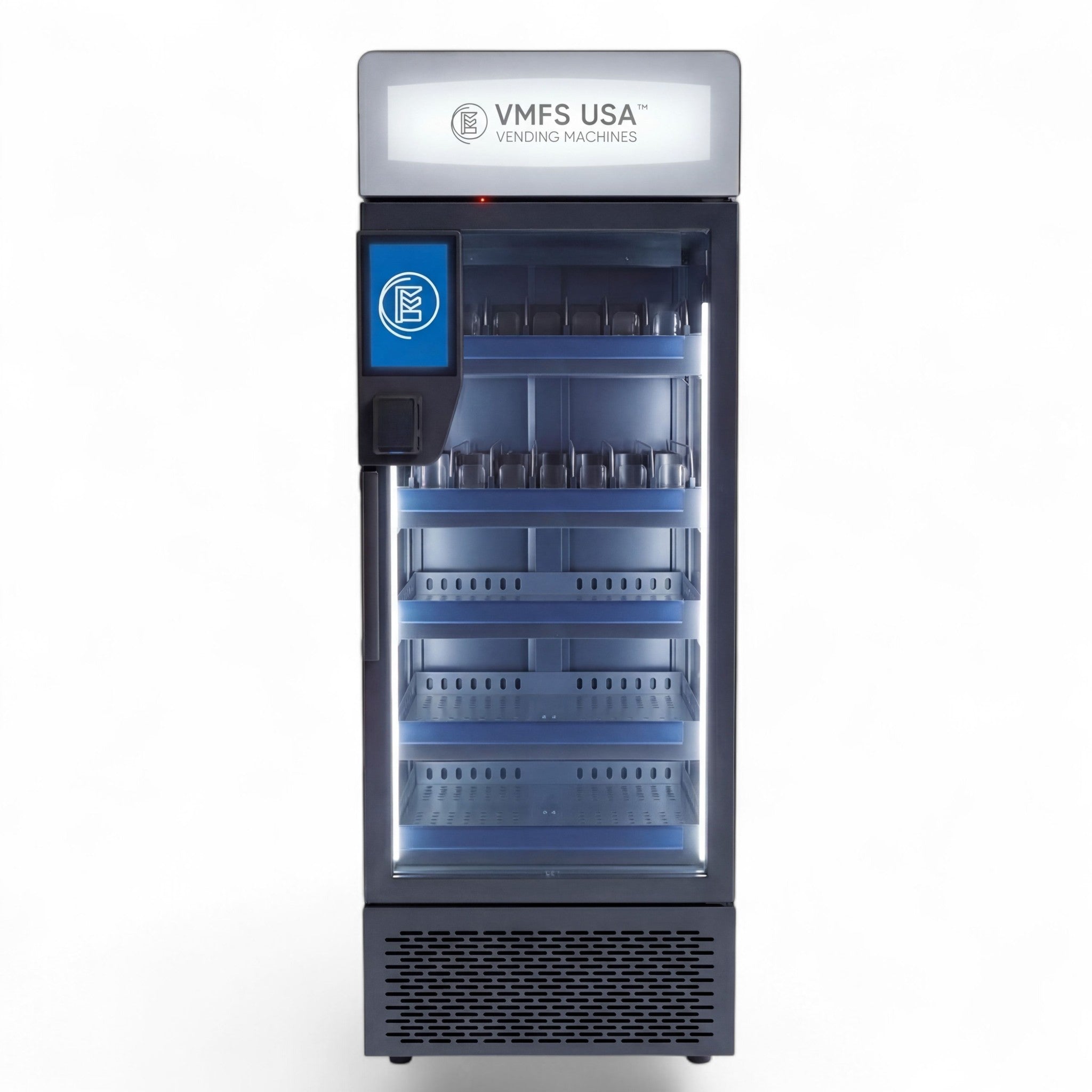
Explore las especificaciones de las máquinas expendedoras con IA para fundamentar las cláusulas de espacio y equipo de su contrato de colocación.
Explore las máquinas expendedoras con IA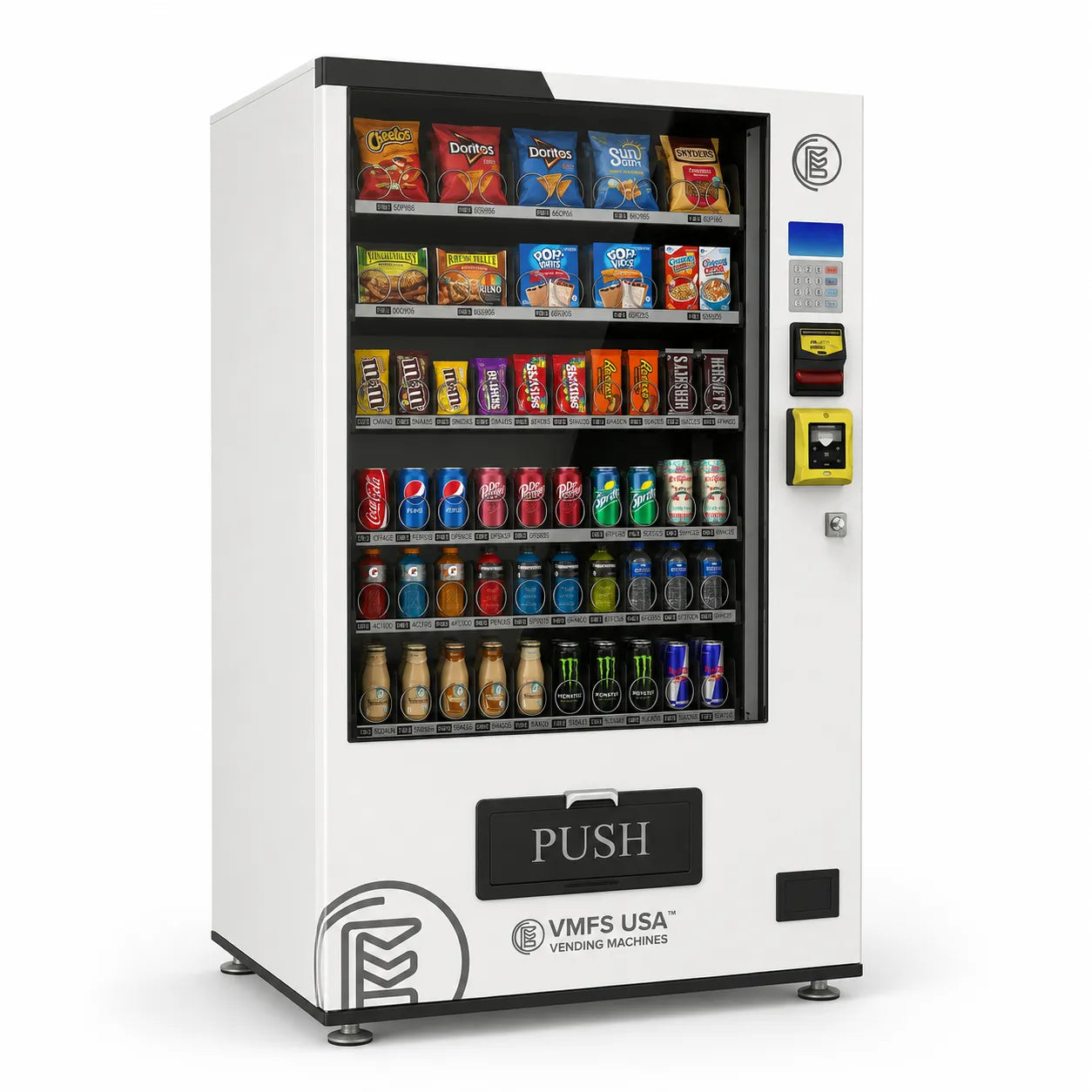
Compartir:
Plan de negocios de máquinas expendedoras con IA: una hoja de ruta completa para operadores
Oportunidades de franquicia de máquinas expendedoras con IA: qué saber antes de invertir