




Diseñe la solución de vending perfecta para su ubicación y clientes.

Únete al boletín de VMFS y forma parte de una red próspera dedicada al éxito colectivo.
Un registro. Posibilidades infinitas.
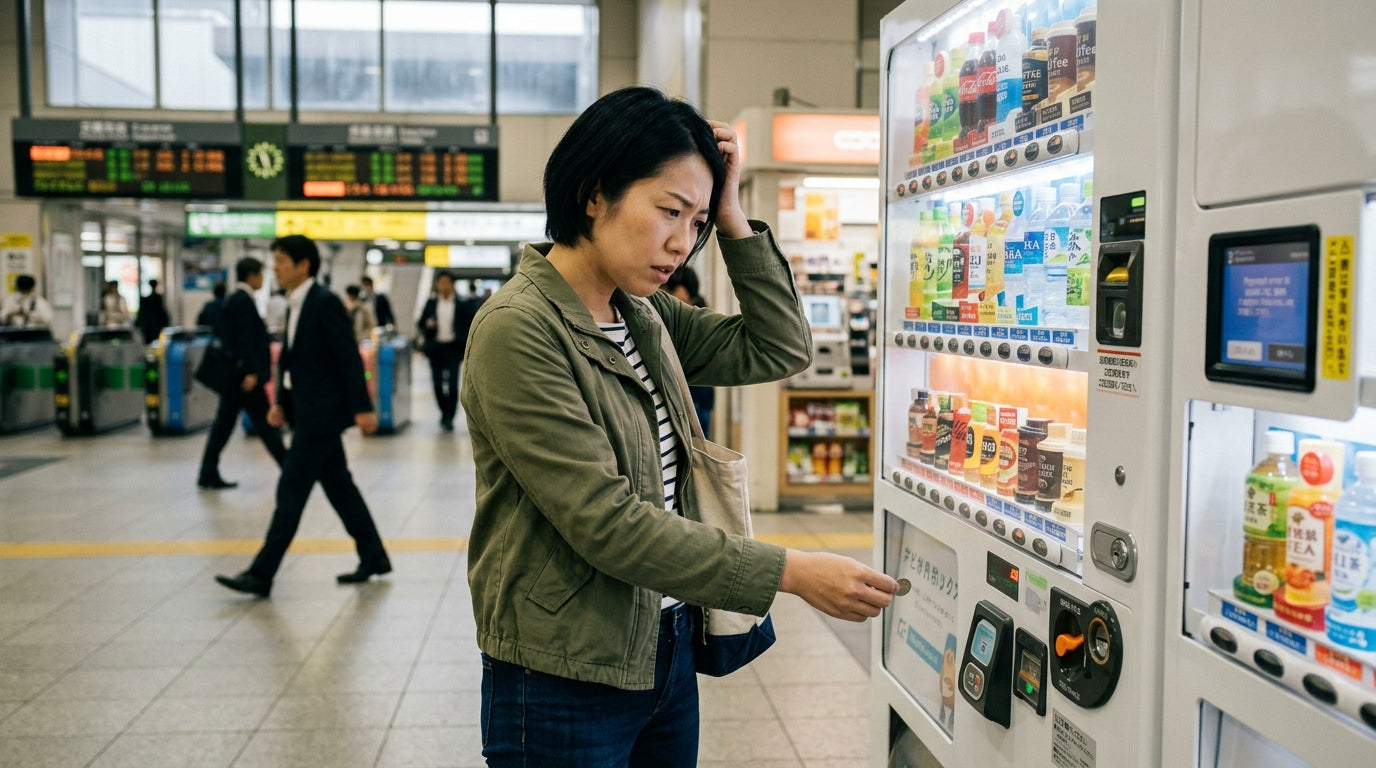
Usar una máquina expendedora de bebidas requiere cinco pasos: acercarse a la máquina y comprobar qué hay en existencia, elegir un método de pago, hacer su selección, esperar a que el ciclo de despacho se complete y recoger la bebida de la ranura de entrega. La transacción completa suele tomar menos de 30 segundos en una máquina moderna sin efectivo, aunque el proceso exacto cambia ligeramente dependiendo de si está usando una máquina de caída de latas y botellas, una unidad de vaso y dispensador, o una máquina combinada que también incluye bocadillos. Millones de estas transacciones ocurren cada día en oficinas, gimnasios, escuelas y espacios públicos; sin embargo, los mecanismos subyacentes rara vez se explican claramente, lo cual es precisamente la razón por la que los usuarios primerizos a veces dudan frente a una máquina que es, en realidad, más sencilla de operar de lo que parece. Esta guía recorre cada paso en detalle, cubre qué hacer cuando algo sale mal y explica las diferencias entre los tipos de máquinas que probablemente encontrará.
Tabla de contenido
Una máquina expendedora de bebidas funciona almacenando bebidas refrigeradas en columnas o ranuras individuales, y luego liberando un artículo específico una vez que la selección y el pago del cliente se registran como válidos a través del panel de control de la máquina. El sistema de refrigeración funciona continuamente para mantener las bebidas frías independientemente de cuántas veces se abra brevemente la puerta del compartimento durante el despacho, mientras que una terminal de pago y una interfaz de selección coordinan cada transacción antes de activar la liberación real del producto. Entender esta arquitectura básica facilita seguir el proceso paso a paso que se presenta a continuación, ya que cada paso se corresponde directamente con una pieza de hardware específica que realiza su trabajo entre bastidores.
Las primeras máquinas expendedoras dependían totalmente de aceptadores mecánicos de monedas y simples mecanismos de liberación accionados por resorte, sin componentes digitales involucrados en ninguna parte de la transacción. El cambio hacia paneles de control electrónicos en las décadas siguientes introdujo pantallas digitales de precios básicas y sensores de despacho más fiables, reduciendo la frecuencia de transacciones atascadas o perdidas que plagaban las unidades puramente mecánicas. El cambio más reciente hacia el pago sin efectivo y la conectividad de red representa el mayor cambio en cómo funcionan realmente estas máquinas, ya que una máquina conectada moderna reporta su propio inventario y estado de funcionamiento a un operador automáticamente, algo totalmente imposible en equipos fabricados incluso hace una década. Esta evolución es importante en la práctica para el usuario actual porque explica por qué dos máquinas colocadas una al lado de la otra, una antigua y una nueva, pueden comportarse de manera tan diferente aunque técnicamente ambas estén realizando el mismo trabajo básico de entregar una bebida fría a cambio de un pago.
La mecánica es sencilla por diseño, pero saber exactamente qué esperar en cada etapa evita la duda que ralentiza a un usuario primerizo en una máquina desconocida.
La tecnología de pago varía más entre las máquinas expendedoras que cualquier otro componente, por lo que confirmar los métodos aceptados antes de iniciar una transacción ahorra tiempo real.
Las máquinas más antiguas y algunas operadas de forma independiente todavía aceptan efectivo, generalmente billetes introducidos a través de una ranura con un sensor que lee la denominación, además de monedas introducidas en un aceptador de monedas. Estas máquinas calculan el cambio automáticamente y lo depositan en una bandeja de devolución, aunque los aceptadores de billetes desgastados en unidades antiguas a veces rechazan billetes ligeramente arrugados o dañados, requiriendo un segundo o tercer intento con otro billete o con una sección más lisa del mismo. Las máquinas que solo aceptan efectivo se han vuelto menos comunes en los últimos años a medida que ha crecido la adopción de pagos sin efectivo, y muchos operadores ahora tratan la aceptación de efectivo como una característica secundaria agregada a una máquina principalmente diseñada para transacciones sin efectivo.
La mayoría de las máquinas modernas incluyen un lector de tarjetas integrado que admite tanto la inserción de chip como el pago sin contacto, procesando la transacción a través de un flujo estándar compatible con EMV que suele completar la autorización en uno o dos segundos. Este es ahora el método de pago dominante en las máquinas recién fabricadas, ya que elimina por completo la fricción de llevar el cambio exacto, y también proporciona a los operadores un registro digital de transacciones que simplifica tanto la contabilidad como la resolución de disputas en comparación con las ventas en efectivo imposibles de rastrear.
Apple Pay, Google Pay y plataformas de monedero móvil similares funcionan a través del mismo lector sin contacto utilizado para las tarjetas de pago, sin requerir hardware separado por parte de la máquina. Algunas máquinas más nuevas también admiten compras mediante aplicaciones, donde el cliente selecciona y paga un artículo a través de una aplicación de teléfono inteligente antes de recibir un código de recogida para ingresar en la máquina, un modelo aún relativamente poco común pero que crece en contextos de implementación específicos como edificios de oficinas y campus corporativos, donde la misma aplicación a veces también gestiona recompensas de fidelidad o seguimiento de gastos vinculado al programa interno de la empresa.
No todas las máquinas de bebidas funcionan de forma idéntica, y reconocer el tipo que tiene delante ayuda a establecer las expectativas correctas antes de comenzar.
La configuración más común: estas máquinas almacenan latas y botellas en columnas verticales y liberan el artículo frontal de la columna seleccionada una vez que el pago se aprueba, dejándolo caer en un contenedor de recogida en la parte inferior de la unidad.
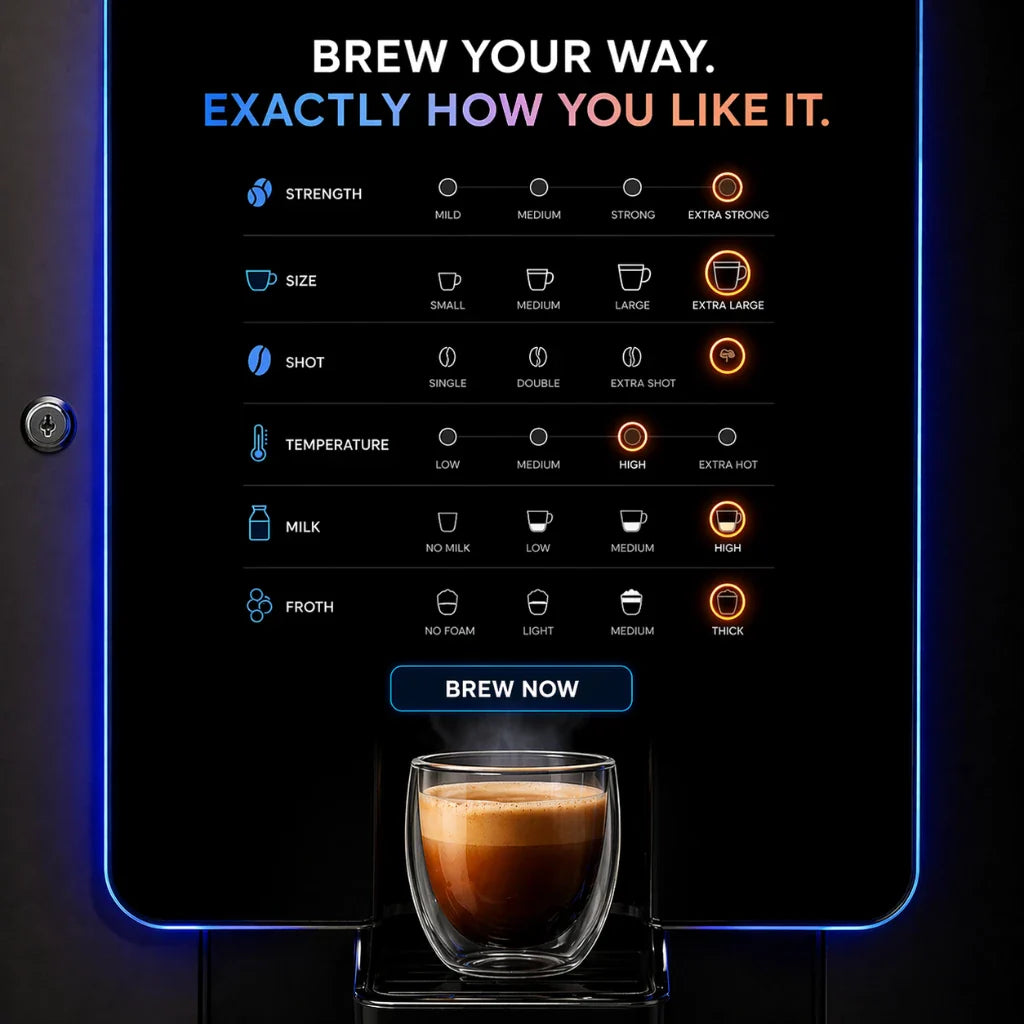
Menos comunes en el comercio minorista general pero estándar en algunas cafeterías y entornos de servicio de alimentos, estas máquinas dispensan una bebida directamente en un vaso, a veces requiriendo que el cliente seleccione tanto el sabor de la bebida como el tamaño del vaso antes de que comience el ciclo de llenado.
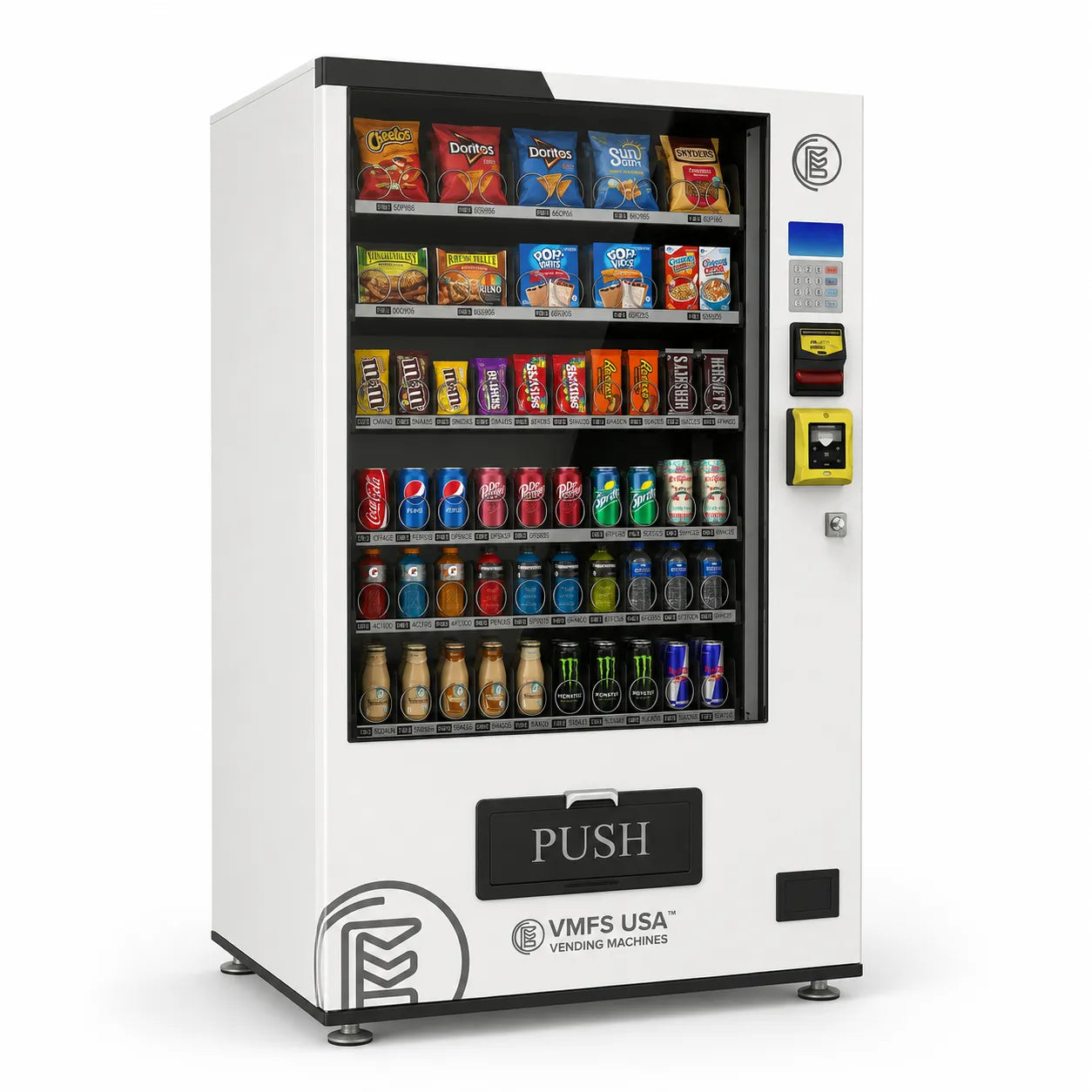
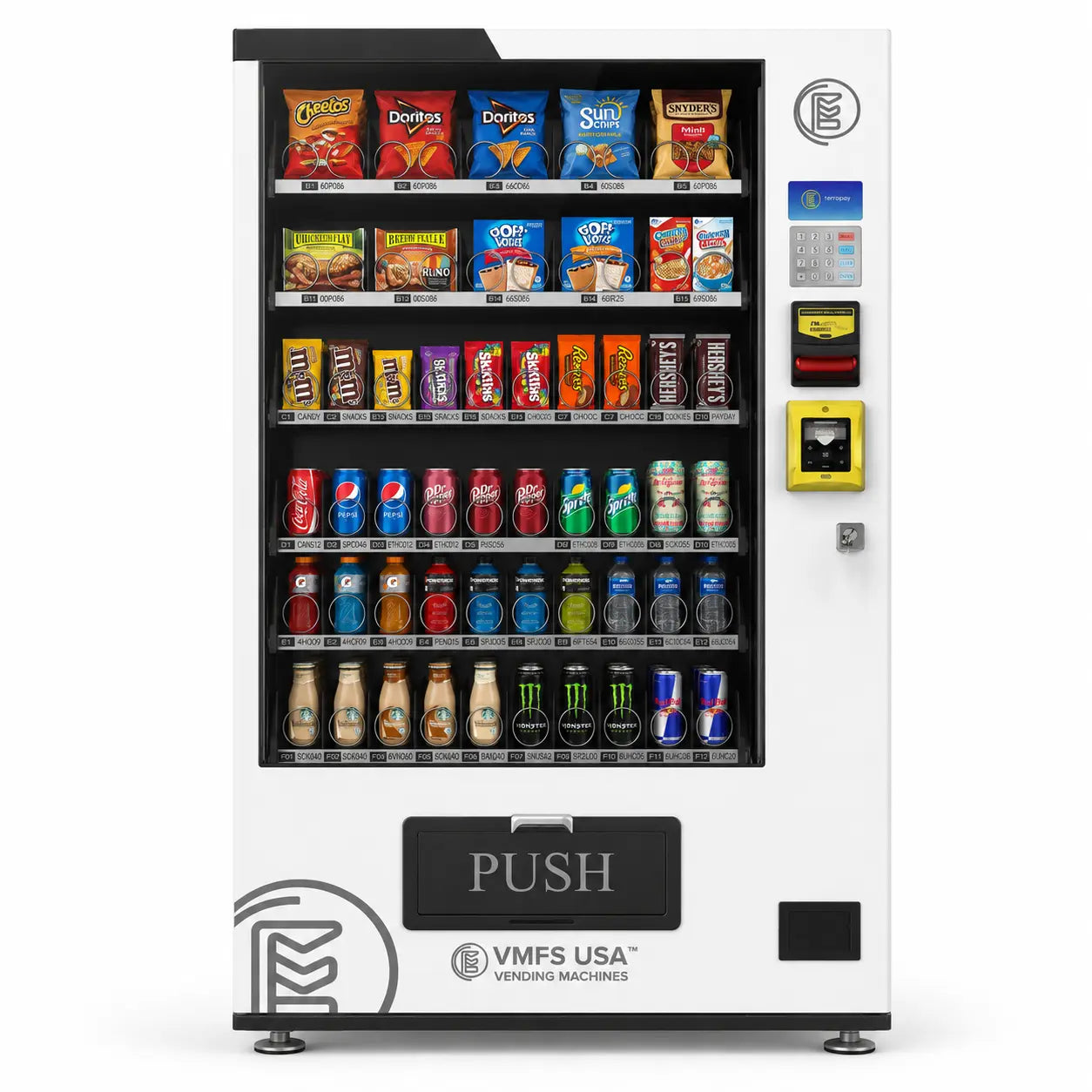
Las unidades combinadas albergan bebidas refrigeradas y bocadillos no perecederos en un gabinete conectado, utilizando zonas de temperatura controladas independientemente para que las dos categorías de productos puedan compartir espacio sin comprometer ninguna de las dos.
Las máquinas instaladas al aire libre o en áreas semicubiertas utilizan carcasas reforzadas y aisladas para mantener una temperatura interna constante a pesar de los cambios climáticos externos, funcionando de forma idéntica desde la perspectiva del usuario mientras dependen de una construcción significativamente diferente detrás del panel. Estas unidades son más comunes en parques, instalaciones recreativas al aire libre y paradas de transporte que las configuraciones estándar de interior que se encuentran en oficinas y espacios comerciales.
| Tipo de máquina | Método de despacho | Ubicaciones comunes |
|---|---|---|
| Caída de latas/botellas | Liberación de columna en contenedor de recogida | Oficinas, gimnasios, tiendas, espacios públicos |
| Vaso/dispensador | Llenado directo en vaso | Cafeterías, áreas de servicio de alimentos |
| Combinada bocadillos/bebidas | Liberación de columna o elevador, zonas duales | Oficinas, salas de descanso, fábricas |
| Exterior/resistente intemperie | Liberación de columna, carcasa aislada reforzada | Parques, paradas de transporte, áreas recreativas |
La mayoría de los problemas en una máquina expendedora se resuelven rápidamente una vez que se conoce la respuesta estándar para cada problema específico.
Si el pago se procesa pero no cae nada, primero revise minuciosamente el contenedor de recogida, ya que algunos artículos aterrizan hacia la parte trasera del compartimento y no son inmediatamente visibles, particularmente en máquinas con un diseño de contenedor más profundo. Si se confirma que la ranura está vacía, la mayoría de las máquinas muestran un número de atención al cliente o un código QR específicamente para esta situación, ya que el sensor de entrega suele registrar el fallo automáticamente en los registros del operador. En máquinas conectadas, este error a menudo activa una alerta automática al panel de control del operador antes incluso de que termine de reportarlo manualmente, lo cual es una ventaja de comprar en una máquina con hardware de telemetría visible.
La entrega de un artículo incorrecto suele indicar un error de reabastecimiento en el que una ranura se llenó con el producto equivocado, en lugar de una falla en el proceso de selección. Documentar la ubicación de la máquina y el número de ranura al reportar esto ayuda al operador a corregir tanto su transacción como el error de reabastecimiento subyacente antes de que afecte a otros clientes, ya que una sola ranura mal etiquetada suele causar el mismo problema para todos los que la seleccionan hasta la próxima visita del operador.
Las máquinas que aceptan efectivo y no devuelven el cambio esperado suelen indicar que el mecanismo de monedas se ha quedado sin denominaciones pequeñas, una limitación conocida de las máquinas basadas en monedas que los métodos sin efectivo evitan por completo. Reportar esto a través de la información de contacto publicada es la ruta de resolución estándar, ya que la máquina no tiene forma de corregir por sí misma una reserva de cambio agotada, y esta limitación exacta es una razón importante por la que los operadores han cambiado tanto hacia configuraciones sin efectivo en los últimos años.
Una tarjeta rechazada es casi siempre un problema de la tarjeta o de la red en lugar de un mal funcionamiento de la máquina, por lo que probar con otra tarjeta, un monedero móvil o efectivo, si la máquina lo acepta, suele resolver el problema sin necesidad de contactar a nadie. Si todos los métodos de pago fallan en la misma máquina, eso es una señal más fuerte de una falla real de la terminal que vale la pena reportar, en lugar de un problema específico de su tarjeta o cuenta.
Las políticas y procesos de reembolso varían según el operador, pero la ruta estándar implica contactar al número de teléfono, correo electrónico o código QR publicado en la propia máquina, proporcionando la ubicación de la máquina y la hora aproximada de la transacción fallida. Los fallos en pagos sin efectivo suelen ser más fáciles de resolver que las pérdidas de efectivo, ya que una transacción con tarjeta o monedero móvil deja un registro digital claro que un operador puede rastrear y revertir, mientras que el efectivo perdido en una máquina más antigua a veces depende totalmente de la discreción y el mantenimiento de registros del operador.
Las máquinas instaladas en espacios comerciales de acceso público en los Estados Unidos generalmente tienen en cuenta los requisitos de accesibilidad bajo la Ley de Estadounidenses con Discapacidades (ADA), lo que afecta la altura de los controles, el espacio libre de acceso y la distancia de alcance a la terminal de pago y los botones de selección, más que la mecánica interna de la máquina. Un usuario en silla de ruedas debería poder acercarse directamente a la máquina y alcanzar tanto la interfaz de selección como la terminal de pago sin obstrucciones, una consideración de diseño que determina tanto dónde colocan los operadores las máquinas dentro de un espacio como el diseño de la propia máquina. Algunas máquinas más nuevas también añaden retroalimentación de audio o modos de visualización de alto contraste para usuarios con discapacidades visuales, aunque este nivel de tecnología de accesibilidad sigue siendo más común en configuraciones premium que en unidades antiguas o de presupuesto aún en servicio en muchos lugares.
Comprobar que el envase parezca sellado de fábrica y sin daños antes de consumir una bebida es un hábito razonable independientemente de la antigüedad o ubicación de la máquina, ya que ocasionalmente algún envase dañado pasa por un control de reabastecimiento. Limpiar una interfaz de pantalla táctil compartida no es algo que un cliente individual deba gestionar, pero elegir una máquina con una terminal de pago y un área de selección bien mantenidas y visiblemente limpias es un buen indicador de qué tan bien mantenida está esa unidad en particular, ya que los operadores que descuidan la limpieza visible suelen descuidar también el mantenimiento menos visible.
Aproximadamente diez estados de EE. UU. operan leyes de depósito de envases, comúnmente llamadas "leyes de botellas", que agregan un pequeño depósito reembolsable a los envases de bebidas calificados y requieren infraestructura de redención para devolver los envases vacíos. Esto afecta el precio que paga en una máquina expendedora en esos estados, ya que el monto del depósito generalmente se integra en el precio de venta al público en lugar de agregarse por separado en el momento de la compra, y también significa que el envase vacío tiene un valor redimible si se encuentra en un estado con un sistema de depósito activo. Fuera del manejo específico de depósitos, los contenedores de reciclaje estándar en la acera o públicos siguen siendo la ruta de eliminación predeterminada para los envases de máquinas expendedoras en los aproximadamente cuarenta estados sin un programa de ley de botellas.
Disponible 24/7 sin importar el horario de la tienda. No requiere filas ni interacción con el personal. A menudo es el único punto de acceso a bebidas en lugares de trabajo e instalaciones sin una tienda minorista completa cerca.
Mayor selección disponible in situ. Personal disponible si algo sale mal inmediatamente. Opciones de compra a granel o multipack que una máquina expendedora individual no puede ofrecer.
La capacidad total de una máquina y el número de selecciones determinan directamente cuánta variedad está disponible en cualquier momento, ya que una unidad compacta con menos columnas simplemente no puede almacenar tantas opciones de bebidas distintas como una máquina de alta capacidad. Comprender la capacidad de las máquinas expendedoras de bebidas explica por qué algunas ubicaciones ofrecen una docena de opciones de bebidas mientras que otras ofrecen solo tres o cuatro, una diferencia impulsada enteramente por la configuración física de la máquina específica en lugar de solo por la preferencia del operador. Las dimensiones de la máquina también juegan un papel aquí; las dimensiones de las máquinas expendedoras de bebidas varían lo suficiente entre unidades compactas y de alta capacidad como para que el espacio físico frente al cual se encuentra sea un indicador aproximado de cuánta variedad de selección esperar. Una unidad alta y ancha con un gabinete profundo está diseñada para contener considerablemente más inventario que un modelo de encimera delgado, y esa diferencia estructural se traduce directamente en lo que realmente encontrará iluminado en la pantalla de selección.
Tener su método de pago listo antes de terminar de decidir su selección ahorra tiempo real en la transacción, particularmente con el pago sin contacto, donde todo el paso de pago toma apenas un segundo una vez que tiene su tarjeta o teléfono frente al lector. Verificar dos veces el número de ranura con la pantalla de precios antes de confirmar su selección evita la causa más común de una compra accidental incorrecta, especialmente en máquinas con una cuadrícula densa de botones etiquetados de forma similar.
Confirme que su artículo no esté marcado como agotado antes de comenzar el paso de pago.
El pago sin contacto es más rápido cuando tiene su tarjeta o teléfono en la mano.
Confirme que el artículo correcto se dispensó antes de abandonar la máquina.
Si el uso regular de estas máquinas le ha llevado a considerar instalar una usted mismo, el panorama operativo y financiero es de una escala completamente distinta. Una detallada guía de precios de máquinas expendedoras de bebidas desglosa el coste del equipo según su configuración, algo útil antes de presupuestar una compra. Los operadores que no cuenten con una ubicación confirmada pueden listar los requisitos de espacio a través del proceso de emparejamiento con propietarios de ubicaciones de VPlaced, que conecta a los operadores directamente con los dueños de las propiedades. En el aspecto legal, muchos operadores forman una LLC para su negocio de máquinas expendedoras antes de comprar el equipo, dada la protección de responsabilidad que ofrece, mientras que confirmar la existencia de un agente registrado para un negocio de máquinas expendedoras completa la configuración legal básica, independientemente del tipo de entidad elegida.
Usar una máquina expendedora de bebidas es sencillo una vez que se entiende el proceso subyacente, pero el equipo en sí abarca una amplia gama de configuraciones, desde unidades compactas de sobremesa hasta máquinas combinadas de alta capacidad que abastecen a plantas enteras de oficinas. Reconocer qué tipo de máquina tiene delante y qué métodos de pago admite elimina las conjeturas de lo que siempre debería ser una transacción rápida y sencilla. Ya sea usted un usuario diario que toma una bebida entre reuniones o alguien que está considerando instalar su propia máquina, los mecanismos tratados en esta guía se aplican de la misma manera en casi cualquier contexto de despliegue que encuentre.
Compare los precios actuales en todos los niveles de capacidad o configure una unidad personalizada.
Desde máquinas exclusivas de bebidas hasta unidades combinadas para una mayor variedad de productos.
Compruebe qué hay disponible, elija un método de pago, haga su selección, espere al ciclo de dispensación y recoja su bebida de la bandeja de salida; un proceso que normalmente toma menos de 30 segundos.
La mayoría de las máquinas modernas aceptan efectivo, tarjetas con chip y pago sin contacto, así como billeteras móviles como Apple Pay y Google Pay, aunque las unidades antiguas o de operación independiente a veces siguen siendo solo para efectivo.
Primero revise bien la bandeja de recogida, ya que a veces los productos caen hacia atrás. Si confirma que está vacío, utilice el número de atención al cliente o el código QR publicado para informar de la transacción fallida.
Sí, contacte al número de teléfono, correo electrónico o código QR publicado en la máquina indicando la ubicación y la hora aproximada de la transacción, aunque las políticas y procesos de reembolso varían según el operador.
Una máquina de latas/botellas deja caer un producto preenvasado en una bandeja, mientras que una de vasos/fuente sirve la bebida directamente en un vaso, lo que a veces requiere seleccionar el tamaño del vaso.
Esto suele indicar un error de reabastecimiento en el que una ranura se llenó con el producto incorrecto, no un fallo en el proceso de selección en sí.
Las máquinas en espacios comerciales de acceso público generalmente cumplen con los requisitos de la ADA respecto a la altura de los controles, el espacio de aproximación y la distancia de alcance a la terminal de pago y los botones de selección.
Cerca de diez estados de EE. UU. aplican leyes de depósito de envases que añaden un pequeño depósito reembolsable a los recipientes elegibles, que normalmente ya está incluido en el precio de la máquina en lugar de añadirse por separado.
La variedad de selección está determinada por la capacidad física y el número de columnas de la máquina, por lo que una unidad compacta simplemente no puede almacenar tantas bebidas distintas como una máquina de gran capacidad.
Confirme que el empaquetado parezca sellado de fábrica y sin daños; un hábito sencillo que vale la pena mantener, independientemente de la antigüedad o la ubicación de la máquina.
Compartir:
¿Es rentable el negocio de máquinas expendedoras de Pokémon?
Cómo programar una máquina expendedora de snacks: Guía completa