


Understanding how laundry vending machine work requires analyzing mechanical dispensing architectures, payment validation telemetry, and automated inventory management systems. Self-service laundry facilities and multi-family residential complexes generate significant ancillary cash flow through automated detergent and supply distribution. This technical guide outlines the engineering specifications, operational workflows, and financial metrics driving modern unattended laundry retail.
Mechanical Engineering and Product Dispensing Architecture
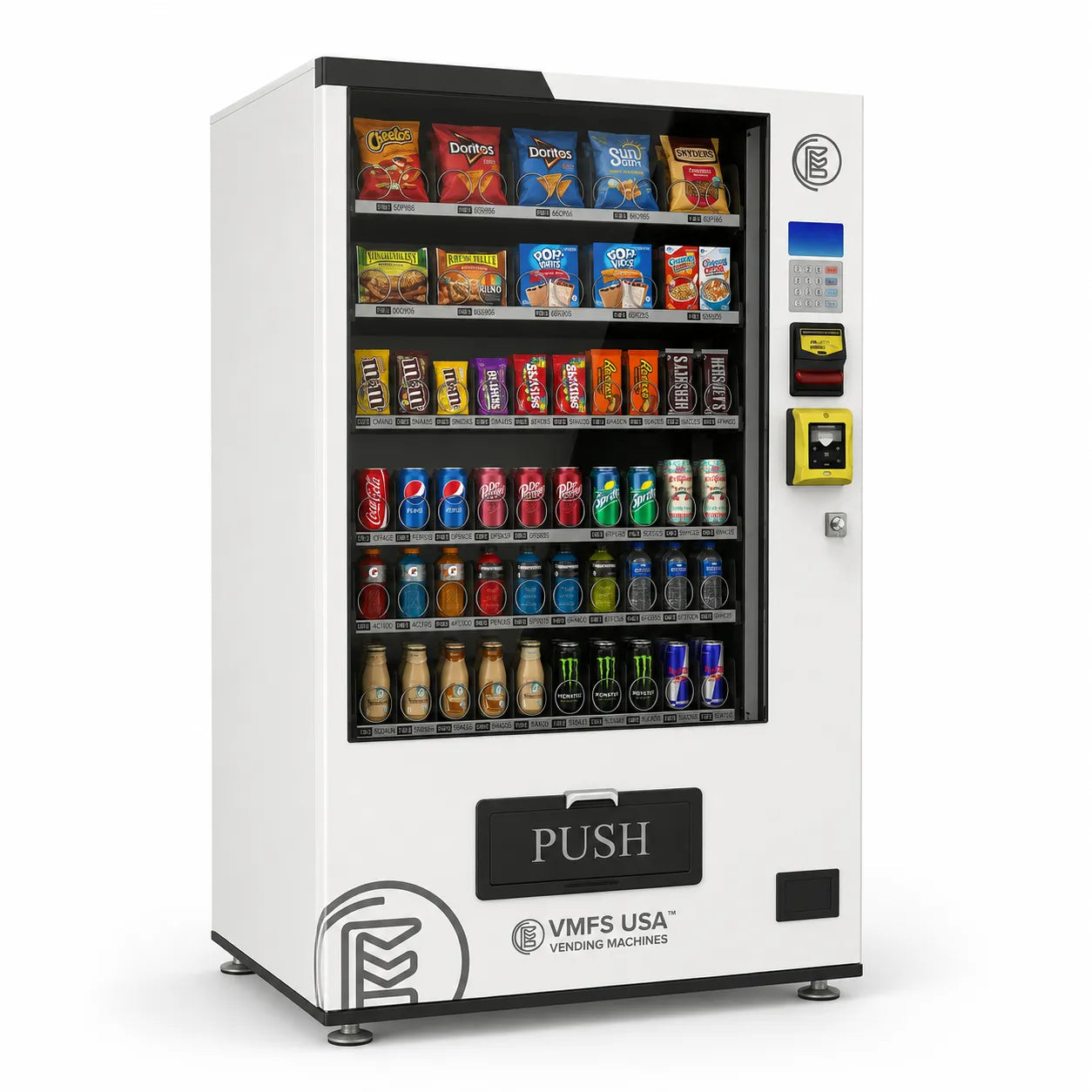
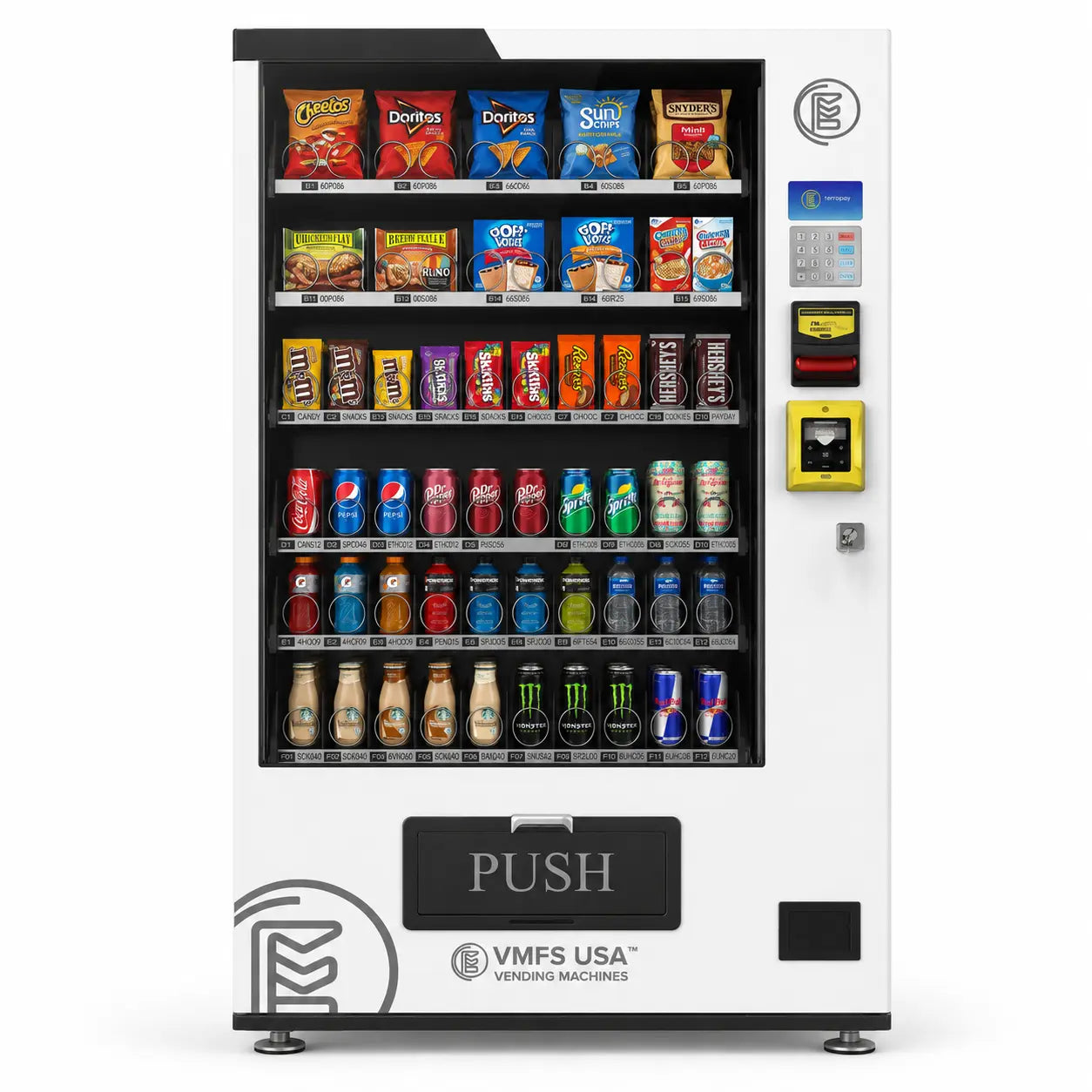
Laundry vending machines operate through motorized helix coils, gravity-drop chutes, or heavy-duty vertical carousels that release single-use products upon authorization. Heavy-gauge steel chassis construction protects internal components against vandalism and damp environments characteristic of commercial laundromats.

When a user completes a transaction, the internal control board signals a specific motor to rotate 360 degrees, pushing product forward until it drops into the retrieval bin. Specialized configurations handle rigid boxes of laundry detergent powder, flexible sachets of liquid fabric softener, and bleach pods. Proper product calibration prevents jams and ensures reliable product delivery for every verified cycle.
Operating an unattended equipment route requires formal business registration to shield personal assets from commercial liabilities. New entrepreneurs should form an LLC for a vending machine business to ensure proper legal separation. Establishing foundational legal frameworks protects corporate assets against unforeseen operational challenges.
Electronic Payment Processing and Telemetry Integration
Modern laundry dispensing systems rely on cashless card readers, contactless near-field communication (NFC), and traditional coin mechanisms to capture user transactions instantly. Telemetry hardware connects the machine to cloud-based monitoring software, transmitting real-time sales data and inventory counts directly to the operator's dashboard.
When a customer taps a credit card or mobile wallet, the card reader transmits an encrypted authorization request through cellular networks to a payment gateway. Once approved, the machine activates its internal relay switch, permitting product selection within seconds. Real-time transaction reporting eliminates cash collection discrepancies and simplifies tax reporting structures.

Operators scaling a multi-location route benefit from understanding fundamental vending machine business terminologies to optimize hardware communication protocols. Mastering machine telemetry metrics allows fleet managers to predict maintenance requirements and audit remote cash flows effortlessly.
Legal Structuring, Setup, and Corporate Compliance
Deploying commercial laundry dispensers requires adherence to state tax laws, retail licensing, and commercial lease agreements. Commercial property owners typically demand proof of general liability insurance before granting permission to install unattended machinery on-site.
Securing proper tax identification numbers and drafting formal operational contracts protects both the machine operator and the facility owner against disputes. Clear service level agreements define revenue-sharing percentages, maintenance responsibilities, and equipment removal procedures.
To streamline corporate formation, operators can utilize specialized legal resources like a registered agent for a vending machine business to maintain state compliance. Proper compliance documentation safeguards your enterprise from regulatory penalties as your route expands.
Strategic Location Placement and Property Partnerships
Selecting high-traffic commercial laundry facilities dictates the long-term profitability of your automated dispensing route. Ideal locations include high-density apartment complexes, university residence halls, and commercial coin laundromats featuring consistent daily foot traffic.
Property owners seeking to monetize empty facility floor space can easily [List your location (share space details and requirements). VPlaced finds and matches qualified operators. Compare and connect with interested operators to choose the best fit. Get vending setup hassle-free via VPlaced for location owners.] Facilitating seamless connections between facility managers and equipment providers accelerates the deployment of profitable hardware.
Understanding regional consumer traffic patterns helps operators identify optimal real estate opportunities across crowded urban markets. Utilizing digital asset maps like vendingfinder.com allows investors to scout nearby commercial hubs and evaluate existing unattended retail density.
Inventory Management, Restocking, and Profit Margins
Maintaining optimal stock levels prevents empty product spirals and maximizes revenue potential across every active machine on your route. High-margin laundry products include single-load detergents, oxygen bleach tablets, dryer sheets, and color catcher sheets purchased wholesale.
Operators must schedule consistent restocking visits based on telemetry data rather than guesswork to eliminate wasted travel time. Proper streamlined inventory control and tracking vending machine stock ensures high-demand items never run dry during peak weekend washing hours.

Maximizing profit margins requires balancing wholesale acquisition costs with strategic retail pricing models. Reviewing comprehensive guidance on how to price products for profit without losing sales helps operators adjust pricing structures in response to supplier inflation.
Scaling Your Route and Exploring Alternative Hardware
Once a laundry vending route achieves steady cash flow, operators frequently expand into adjacent unattended retail verticals to maximize revenue density. Diversifying hardware inventory across specialized niches protects your enterprise against seasonal fluctuations in specific markets.
Expanding beyond laundry rooms allows operators to deploy units from specialized collection pages such as ready to ship selections, combo vending machines, or drinks vending machine inventories. Sourcing reliable hardware through established manufacturers like VMFS USA guarantees access to modern, telemetry-ready equipment built for heavy commercial use.
Scaling a profitable vending enterprise also requires a firm grasp of capital allocation and risk management. Reviewing expert insights on how to start investing in vending machines costs risks roi and beginner steps provides actionable frameworks for long-term route expansion.
Frequently Asked Questions
How do laundry vending machines dispense products to customers?
Laundry vending machines utilize motorized helix coils or carousel drums that rotate upon payment verification to drop products into an accessible retrieval bin.
What payment methods do modern laundry dispensers support?
Modern units support cashless credit cards, mobile wallet NFC taps, and traditional coin mechanisms via integrated telemetry readers.
Are laundry vending machines profitable for small operators?
Yes, laundry vending machines yield high gross profit margins exceeding 75% due to low wholesale product costs and minimal ongoing labor requirements.
How do operators monitor inventory levels remotely?
Cellular telemetry hardware connects the machine to cloud software, transmitting real-time stock counts and sales analytics to the operator's smartphone.
What are the most profitable items to stock in a laundry vending machine?
Single-load liquid detergent pods, scented dryer sheets, and color catcher tablets generate the highest consistent sales volume.
Do laundry vending machines require a permanent water hookup?
No, laundry supply vendors operate entirely dry, dispensing pre-packaged consumer goods without requiring plumbing connections.
How often should a laundry vending machine be restocked?
Machines should be restocked bi-weekly or monthly based on telemetry alerts that track exact inventory depletion rates.
What legal protections do laundry vending operators need?
Operators require formal business formation, general liability insurance, and signed location agreements to protect their commercial equipment.
Where can property owners find verified laundry vending operators?
Property managers can connect with qualified professionals by utilizing matching platforms like VPlaced for location owners.
Can laundry vending machines operate outdoors?
Most standard indoor laundry units require weather-protected environments, though specialized outdoor cabinets exist for exterior placement.
Compartir:
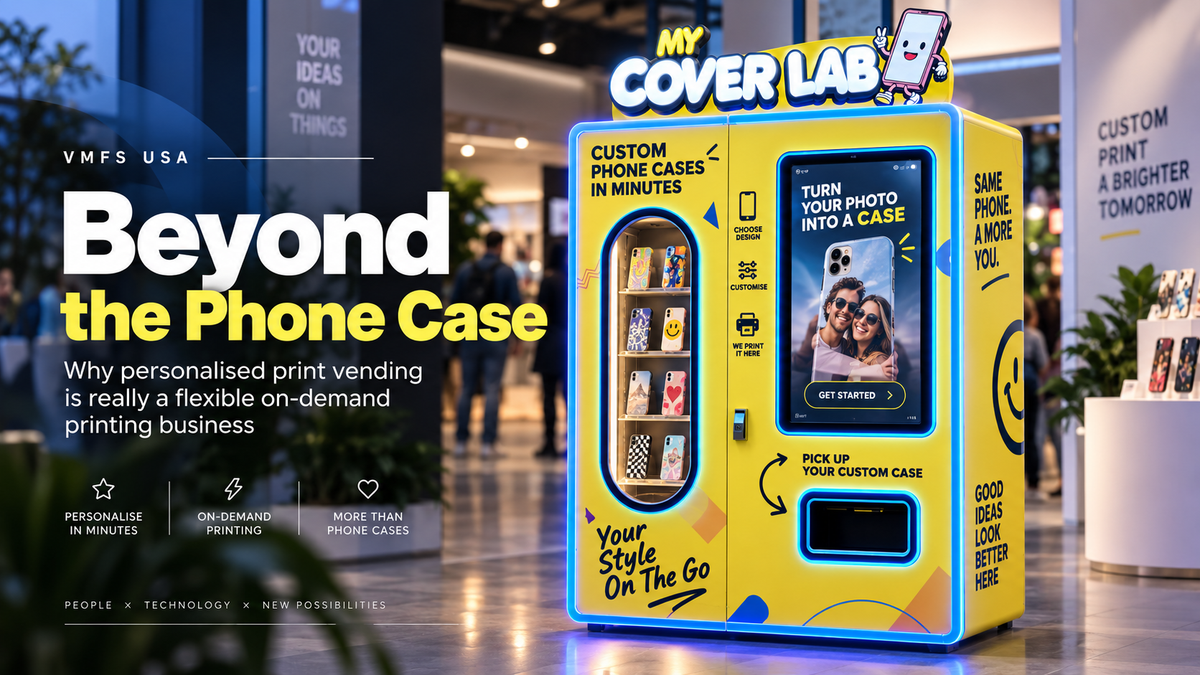
These Are Not Phone Case Machines. They Are Printers With a Payment Terminal.
Laundry Vending Machine Dimensions: Complete Sizing, ADA, and Placement Guide