




Design the perfect vending solution for your location and customers.

Join the VMFS newsletter and step into a thriving network dedicated to collective success.
One signup. Endless possibilities.
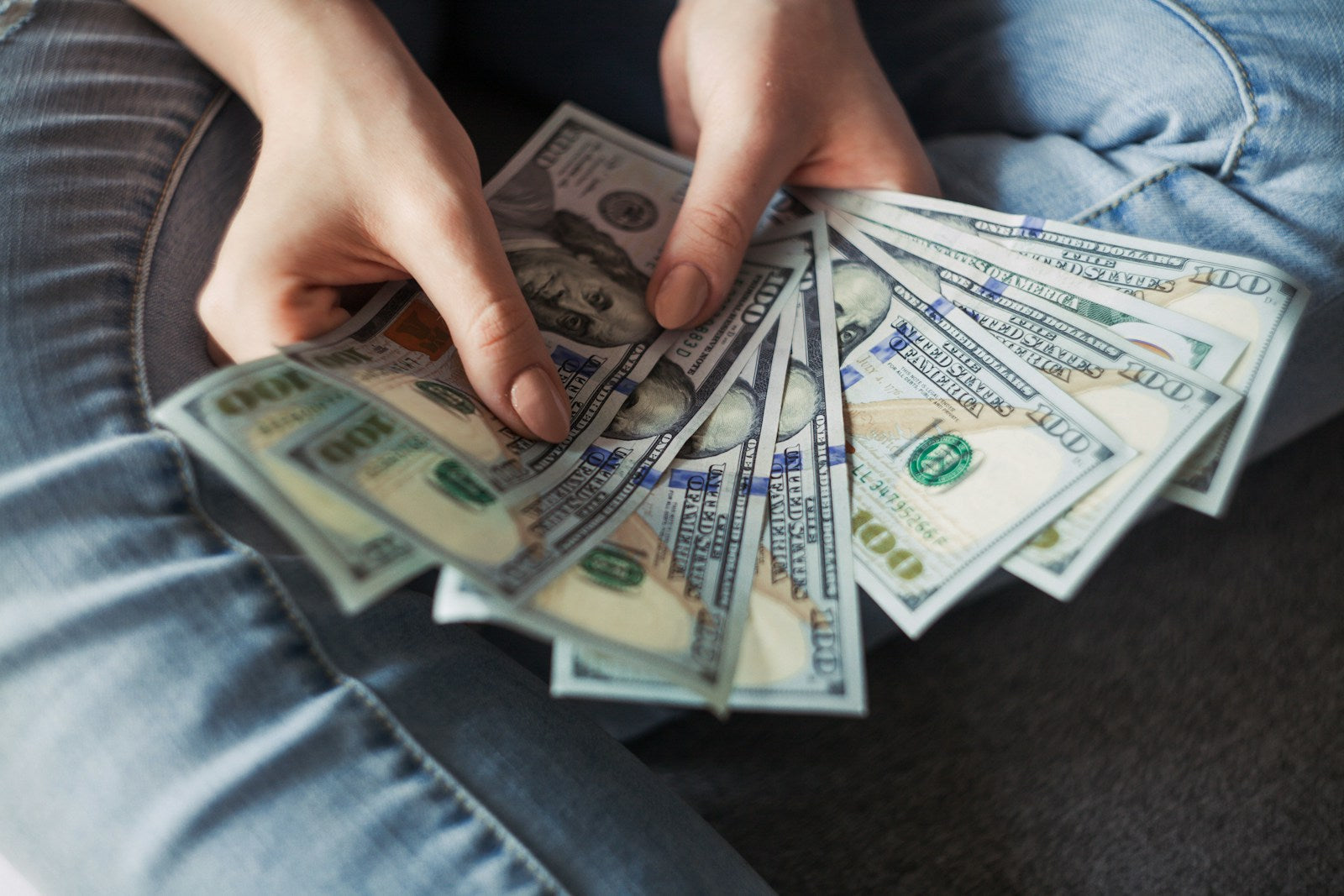
Investing in vending machines is a simple way to build steady, repeatable income with low day to day work. Instead of trading hours for wages, you invest in equipment, place it in front of hungry and thirsty people, then let each sale repay your initial cost. With the right planning, this model can work as a side project or grow into a full route business over time.
This guide explains what investing in vending machines really means, how much it costs, what returns to expect, and how to avoid common mistakes. It is written for investors, side hustlers, and business owners who want clear, practical steps instead of hype.
When people talk about investing in vending machines, they often mean one of three things. You can buy and operate your own machines. You can partner with an operator and share profit. Or you can finance machines for other owners and earn a return on that capital. Most new investors start with the first option, because owning and operating a small group of machines gives you control over locations, product mix, and pricing.
A single machine is a small business in a box. It holds inventory, accepts payment, and delivers products without staff. Your role as the investor is to fund the machine, place it in a strong location, stock it with items that match the audience, and keep it working and clean. Each sale helps recover your upfront costs and later becomes net profit.
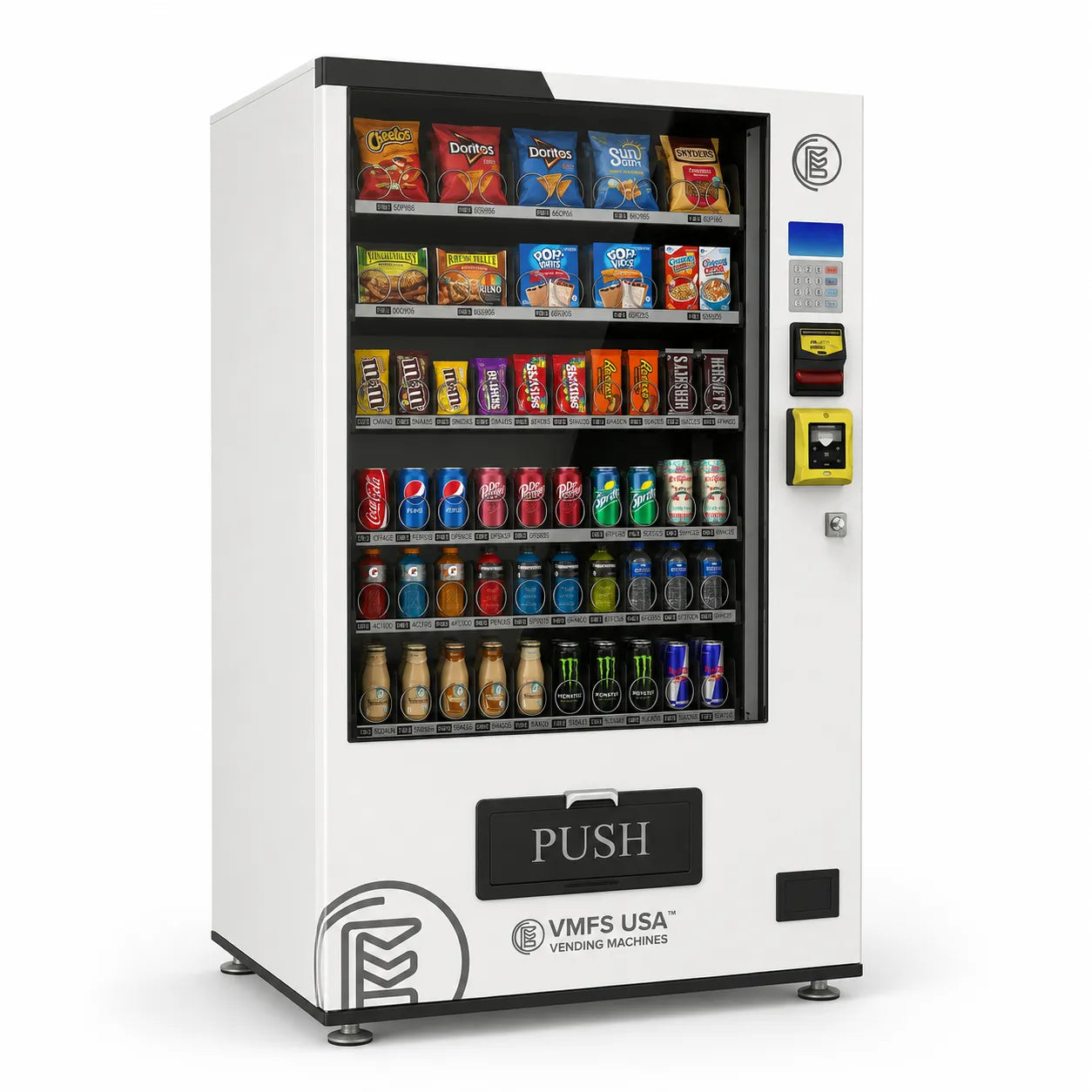
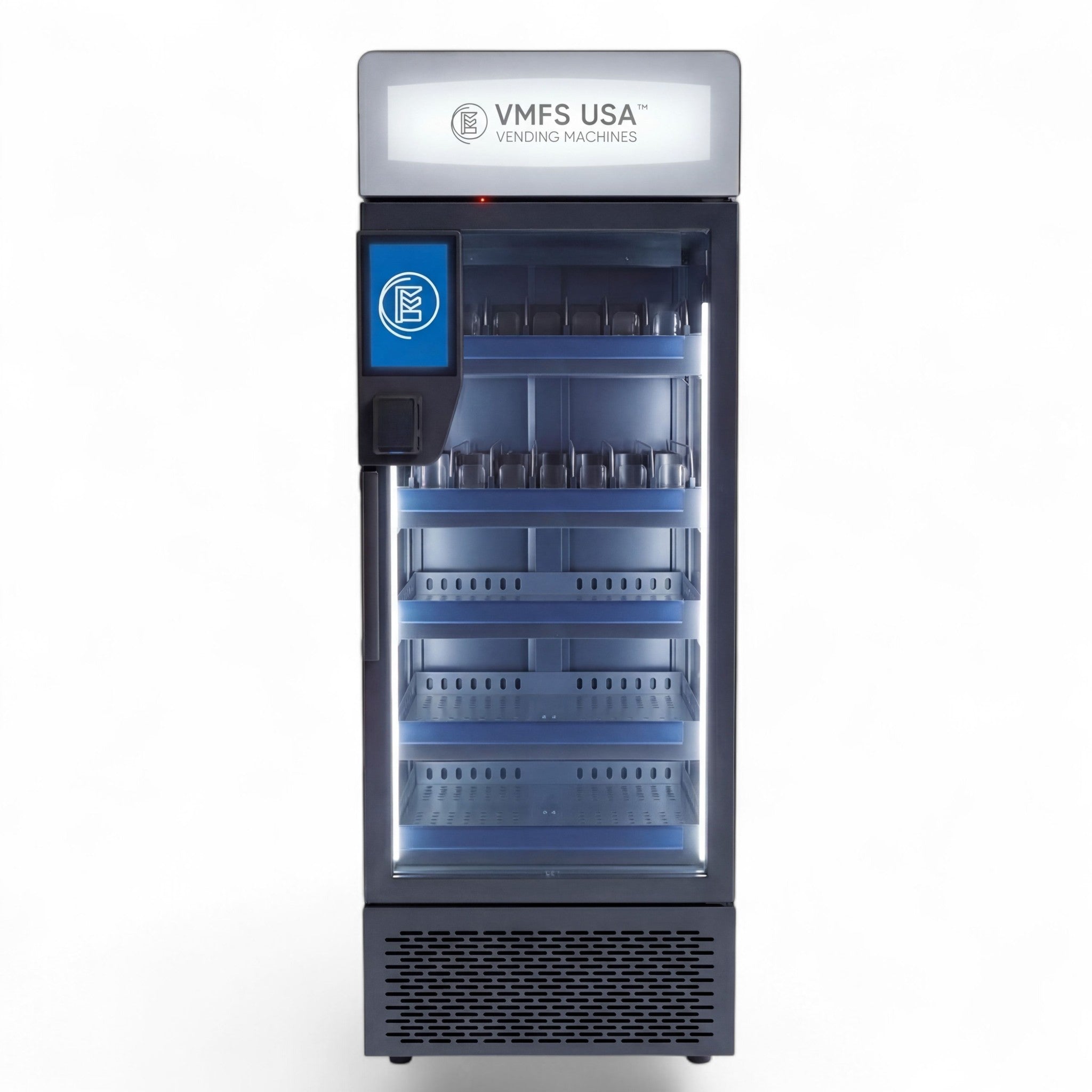
You can use classic snack units, cold drink machines, or flexible combination vending machines that offer both. Some investors also add coffee or specialty units once they understand demand in a building. Reliable brands such as seaga vending machines or other modern models give you a solid base to build on.
The honest answer is that investing in vending machines can be a good idea if you choose the right locations, manage costs, and treat it like a real business. It is not a magic money machine, but it can create steady cash flow with fewer hours than many other small business models.
| Advantage | Why It Matters |
|---|---|
| Low time requirement | You stock and service on a schedule instead of working set shifts. |
| Simple products | Snacks and drinks are easy to source, price, and replace. |
| Scalable | Once one machine works, you can repeat the model in more locations. |
| Predictable demand | People need food and drinks every day in offices, gyms, and apartments. |
There are also limits. Vending is location dependent. A poor site with light foot traffic will struggle, even with a great machine. Machines can break if they are not serviced. Wrong product choices lead to slow sales and expired stock. You reduce these risks through research, good locations, and modern tools such as smart vending machines and strong payment systems.
If you like simple numbers, clear routines, and steady improvement, investing in vending machines can be a very good fit.
Startup cost is one of the first questions investors ask. The total depends on machine type, payment hardware, and how far the machine must ship. The table below gives common ranges for a first placement.
| Item | Typical Cost Range | Notes |
|---|---|---|
| Vending machine | $2,500 to $8,000 | New, used, or refurbished. Smart and combo units sit at the higher end. |
| Initial inventory | $300 to $800 | Snacks, drinks, and a small reserve of extra stock. |
| Card or mobile reader | $250 to $400 | For cashless payments and contactless taps. |
| Shipping and placement | $150 to $400 | Freight, moving equipment, and basic setup. |
| Permits and fees | $0 to $150 | Varies by city and building rules. |
Many investors choose refurbished or gently used modern vending machines from reputable sellers to balance cost and reliability. Quality brands hold value, run longer between repairs, and accept modern payment hardware without costly upgrades.
After launch, your main costs are inventory, transaction fees, and transport. These are easy to track and plan.
| Cost Type | Typical Range Per Machine | What It Covers |
|---|---|---|
| Inventory restock | $150 to $600 | Replenishing items based on sales volume. |
| Card processing fees | 5 to 8 percent of card sales | Payment gateway and platform charges. |
| Maintenance and parts | $10 to $40 | Cleaning supplies, simple repairs, spare coils. |
| Fuel and travel | $20 to $80 | Driving to locations on your route. |
Using cloud software with remote monitoring limits wasted trips by showing real time stock levels and alerts for basic errors. This keeps costs stable and protects your time.
Choosing the right machine is a major part of investing in vending machines. The machine must fit both the site and the products people expect to see there.
Snack machines hold chips, candy, pastries, and bars. They work well in offices, schools, and waiting areas. Snacks are light, easy to stock, and offer good margins. These machines are a simple entry point for first time investors.
Drink machines focus on cans and bottles. They perform well in gyms, warehouses, hotels, and large offices. Many investors place drink machines near entrances or high traffic halls to capture impulse purchases.
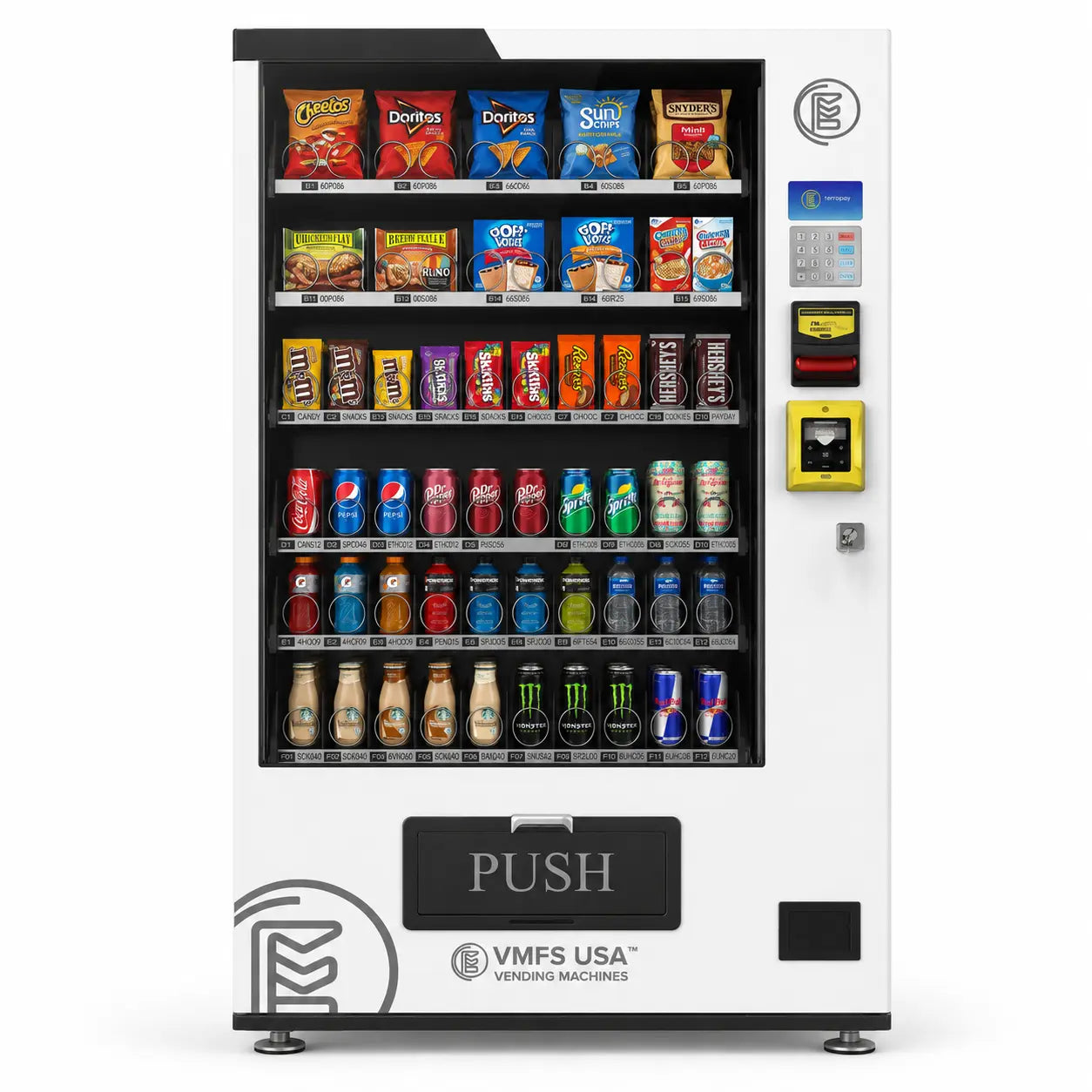
Combo units offer both snacks and drinks in one cabinet. They are ideal in locations with limited floor space, such as smaller offices or apartment buildings. A strong combo vending machines lineup lets you serve different tastes while paying only one commission per spot.
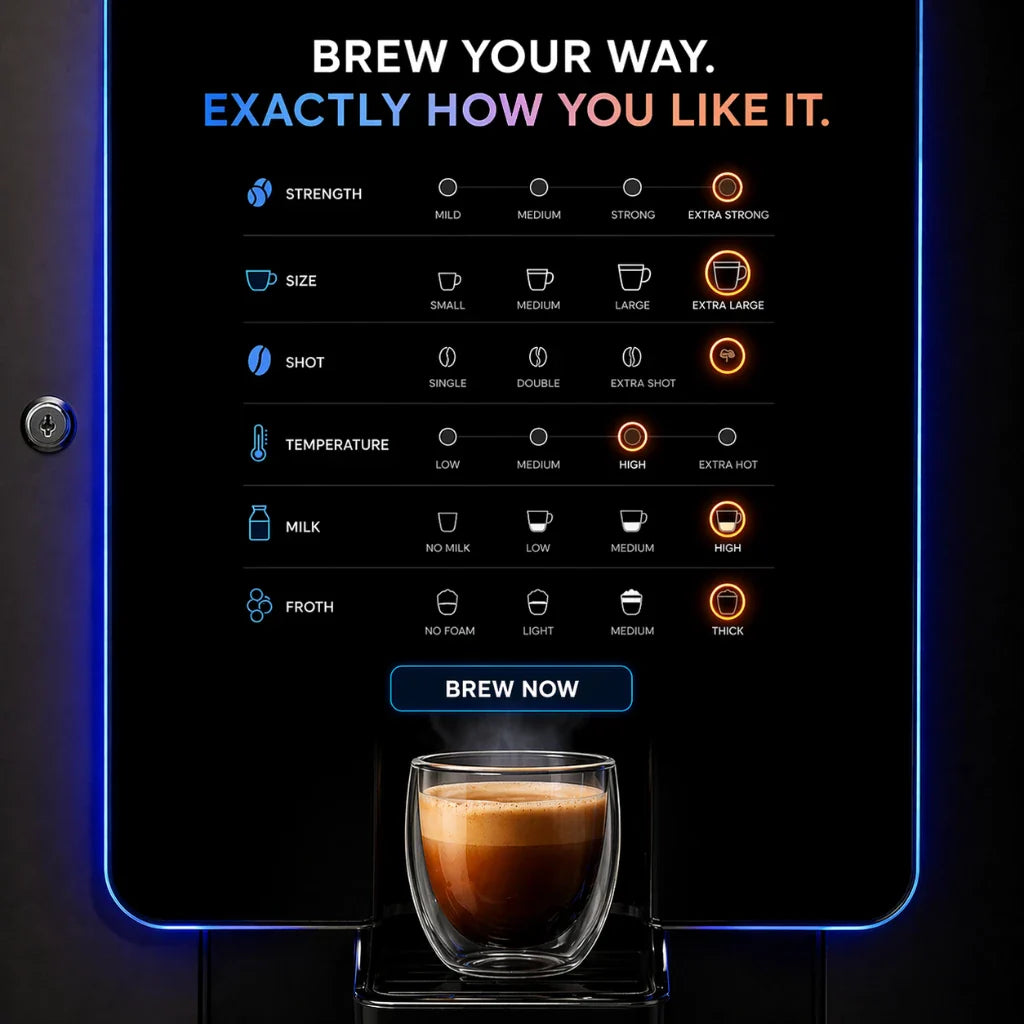
Once you understand your market, you can expand into coffee units or specialty machines that offer higher priced items. These carry more risk, but they can produce strong revenue in the right setting, such as large offices, hotels, or airports. It is wise to start with simple snack or drink machines and add specialty units later, after your first placements prove themselves.
A clear roadmap removes guesswork. The steps below assume you want to buy and operate your own machines as an active investor.
This simple field work tells you where investing in vending machines is most likely to pay off.
Select snack, drink, or combo units based on what each location needs. For your first investment, simple combo units are often best because they serve a wide range of tastes. Pick sturdy brands that accept modern cashless hardware and have good parts support, such as seaga vending machines or other trusted lines.
Most buyers prefer cards or mobile wallets, so strong payment systems are vital. Many operators report a clear sales lift after adding card readers. If possible, use machines that support remote telemetry or pair them with smart vending machines style monitoring to track sales and errors in real time.
You can also use a location matching service that introduces you to businesses already seeking vending providers. This saves time and increases your odds of a good start.
When the machine arrives, stock it with a mix of proven staples and a few test products. Place top sellers at eye level. Set prices that reflect both your costs and the local market. During the first month, visit more often to watch sales patterns and fine tune your mix. Use cloud software if available to see which items sell fastest.
Once your first machine is stable and profitable, use part of the cash flow to fund the next unit. This is the key to scaling when you are investing in vending machines. Instead of pulling out all earnings as personal income, roll some of them into new placements. Over time, your route grows from one machine to five, then to ten or more.
Returns vary by location and management, but simple models help you set goals. The table below uses common ranges for snack or combo machines in typical locations.
| Performance Level | Monthly Gross Sales | Estimated Net Profit | Payback Time On A $4,000 Setup |
|---|---|---|---|
| Low traffic | $400 | $120 to $180 | 22 to 33 months |
| Average location | $800 | $280 to $360 | 11 to 15 months |
| High performing site | $1,200+ | $450 to $650+ | 6 to 10 months |
Net profit in these examples includes inventory cost, card fees, commissions, and basic expenses, but not your time. Your results may sit above or below these ranges, which is why location and product selection matter so much when you are investing in vending machines.
Over several years, a single well placed machine can repay its cost many times. For example, a machine that nets $350 per month earns $4,200 per year. After a one year payback, the following years are mainly profit, apart from normal operating costs and light repairs.
Every investment carries risk. The goal is not to avoid all risk, but to understand and manage it. In vending, most problems fall into a few clear groups.
The biggest risk when investing in vending machines is a poor site. A machine in a quiet hallway can underperform even if the building itself is busy. To reduce this risk, insist on visible spots near break rooms, lobbies, or main walkways. If a machine stays slow over several months in spite of product changes, consider moving it.
If you guess at products instead of reading sales data, you may end up with expired stock and low revenue. Solve this by watching sales reports and making small changes each restock. Keep top sellers in place and rotate out only one or two slow items at a time. Match pricing to local alternatives, such as nearby stores or cafes, while still protecting your margin.
Most machines operate without serious trouble, but some areas carry more risk. Place machines in well lit, camera monitored spaces whenever possible. Work with the property to secure doors after hours. Choose sturdy units with solid locks and steel cabinets. Some investors also use models with internal elevator style product delivery, which reduce impact on fragile items and discourage shaking.
Any device with moving parts can fail. Simple maintenance habits prevent most outages. Clean bill validators and coin mechs. Check card readers. Test a sample vend after restocking. Keep coils aligned. If you use modern vending machines with clear diagnostics, you can often fix issues quickly with basic tools and a short guide from the manufacturer.
Many people buy their first machine, place it in the closest spot they can find, then give up when sales are low. Successful investors follow a different playbook.
Some investors start with only one or two machines but grow into large routes by repeating this simple process. They treat each placement as a small asset that must meet clear performance goals. If it fails, they adjust the product mix, renegotiate placement, or relocate the unit.
A few also diversify within the vending world. For example, they may own their own machines in one region, then finance machines for other operators elsewhere. This spreads risk while keeping their knowledge focused on one industry.
Yes, it can be a good idea when placed in locations with steady traffic. Strong product choices, modern payment systems, and consistent restocking help machines generate stable monthly cash flow.
Most beginners spend between $3,000 and $8,000 for a machine, inventory, delivery, and a cashless reader. Refurbished modern machines can lower the initial cost.
Most investors recover their initial cost within 6 to 18 months depending on traffic, commission rates, and product mix. High performing locations pay back faster.
Combo vending machines work well for most beginners because they offer both snacks and drinks in one unit. This allows you to serve a wider range of buyers in a single location.
Most cities do not require complex permits, but some charge small fees for food or beverage vending. Property managers may also require simple placement agreements.
Vending is semi passive because machines operate on their own, but you must restock, clean, and handle simple repairs. With cloud software, many investors manage routes in a few hours per week.
Investing in vending machines is a practical way to turn modest capital into steady monthly income. The model is simple. You fund reliable machines, place them in front of people who want quick snacks and drinks, and keep them stocked and working. Success does not depend on secret tricks. It comes from careful location selection, smart product choices, clean equipment, and the willingness to refine your approach over time.
If you enjoy clear numbers, direct feedback, and building assets that pay you while you focus on other work, then investing in vending machines may be a strong fit for you. Start with one well planned placement, watch the data, and let each success fund the next step in your vending investment journey.
Share:
How to Start a Profitable Vending Machine Side Hustle in 2026
How to Start a Profitable Vending Machine Side Hustle in 2026