


Comprar una máquina expendedora usada puede reducir considerablemente el costo del equipo, pero el precio de etiqueta más bajo rara vez es la mejor oferta. Una compra inteligente depende de la condición de la máquina, la tecnología de pago, la refrigeración, la disponibilidad de piezas, la cobertura de garantía, el costo de entrega y la ubicación donde operará la máquina.
En el mercado estadounidense, las máquinas expendedoras usadas suelen oscilar entre $1,000 y $5,000, mientras que las máquinas reacondicionadas generalmente tienen un precio más alto porque han sido limpiadas, probadas, reparadas o actualizadas. Las guías de mercado actuales para 2026 sitúan muchas máquinas usadas y reacondicionadas de snacks, bebidas y combinadas entre aproximadamente $1,200 y $4,500, aunque los equipos especializados o muy mejorados pueden costar considerablemente más.
La máquina usada adecuada no es simplemente la más barata disponible. Es la máquina que puede dispensar de manera confiable los productos que demanda su ubicación, aceptar los métodos de pago que utilizan los clientes y generar suficientes ventas para justificar sus costos de adquisición y operación.
Antes de comprar una máquina expendedora usada, inspeccione el gabinete, el sistema de refrigeración, los motores, las espirales, el mecanismo de entrega, el validador de billetes, el mecanismo de monedas, la compatibilidad con lectores de tarjetas, el tablero de control, las cerraduras, la iluminación, los componentes eléctricos y el historial de servicio. Luego, compare el costo total puesto en destino (no solo el precio solicitado por el vendedor) con una máquina reacondicionada o nueva comparable.
Guía de precios de máquinas expendedoras usadas
¿Cuánto cuesta una máquina expendedora usada?
Una máquina expendedora usada puede costar aproximadamente entre $500 y $5,000, y muchas máquinas de nivel operador oscilan entre $1,200 y $3,000 dependiendo del tipo, la antigüedad, la condición, las características y la tecnología de pago. Las máquinas reacondicionadas generalmente cuestan más porque el vendedor ha invertido en inspección, limpieza, reparaciones, pruebas o mejoras de componentes.
| Tipo de máquina | Rango típico usado/reacondicionado | Principales factores de precio |
|---|---|---|
| Máquina de snacks | $1,200–$3,000 | Capacidad, condición, sistema de pago |
| Máquina de bebidas | $1,000–$3,500+ | Compresor, refrigeración, capacidad |
| Máquina combinada | $2,000–$4,500+ | Doble funcionalidad, electrónica |
| Máquina de café | $800–$4,500 | Caldera, molinillo, sellos, electrónica |
| Máquina especializada | Varía ampliamente | Tecnología, categoría de producto, personalización |
| Máquina inteligente/IA | Generalmente más alta | Cámaras, pantalla táctil, sensores, software |
Estos son rangos de planificación más que precios de venta garantizados. Las máquinas de subasta pueden ser más baratas, mientras que los equipos reacondicionados por distribuidores con garantía pueden costar significativamente más. Las referencias de mercado actuales para 2026 muestran máquinas de snacks reacondicionadas entre $1,200 y $2,500 y máquinas combinadas reacondicionadas comúnmente entre $2,000 y $4,500.
¿Qué determina los precios de las máquinas expendedoras usadas?
La antigüedad importa, pero no es el indicador de valor más fuerte. Una máquina de 10 años bien mantenida con compatibilidad moderna para pagos sin efectivo puede ser comercialmente más útil que una máquina más nueva con electrónica obsoleta.
Los principales factores de valoración son:
-
Condición mecánica general
-
Rendimiento de la refrigeración
-
Compatibilidad del sistema de pago
-
Capacidad de la máquina y número de selecciones
-
Marca y modelo
-
Disponibilidad de piezas
-
Mantenimiento previo
-
Condición estética
-
Construcción para interiores o exteriores
-
Garantía o política de devolución
-
Requisitos de entrega e instalación.
Regla del comprador: Nunca compare dos máquinas expendedoras usadas solo por su antigüedad. Compare su vida útil restante y su capacidad para producir ingresos.
Usada vs. Reacondicionada vs. Nueva
¿Qué condición debería comprar?
Una máquina usada se vende en su condición actual, mientras que una máquina reacondicionada normalmente ha pasado por algún nivel de inspección, limpieza, reparación, prueba o reemplazo de componentes. Una máquina nueva ofrece la menor incertidumbre, pero normalmente requiere la mayor inversión inicial.
| Factor | Usada | Reacondicionada | Nueva |
|---|---|---|---|
| Precio inicial | El más bajo | Medio | El más alto |
| Riesgo de reparación | Más alto | Más bajo | El más bajo inicialmente |
| Garantía | A menudo ninguna | A menudo limitada | Generalmente la más sólida |
| Tecnología de pago | Puede estar obsoleta | Puede actualizarse | Moderna |
| Condición estética | Variable | Generalmente mejorada | Nueva |
| Disponibilidad de piezas | Depende del modelo | Depende del modelo | Generalmente la más sólida |
| Ideal para | Compradores experimentados/con presupuesto limitado | La mayoría de los operadores | Despliegue a largo plazo |
Las referencias de precios actuales para 2026 sitúan muchas máquinas usadas/reacondicionadas entre $1,200 y $3,000, mientras que las máquinas comerciales nuevas comunes a menudo comienzan alrededor de $3,000 y aumentan con la refrigeración, la capacidad y la tecnología.
¿Cuándo tiene sentido comprar usado?
Comprar usado tiene más sentido cuando la máquina está en buen estado mecánico, las piezas están fácilmente disponibles y los ahorros son lo suficientemente grandes como para justificar el riesgo adicional.
Por ejemplo, una máquina de snacks usada de $1,800 que necesita $1,000 en reparaciones no es necesariamente más barata que una máquina reacondicionada de $2,500 con componentes probados y cobertura de garantía limitada.
Si la máquina servirá en una ubicación de alto volumen, la confiabilidad debe tener más peso que el precio de compra inicial.
Tipos de máquinas expendedoras usadas
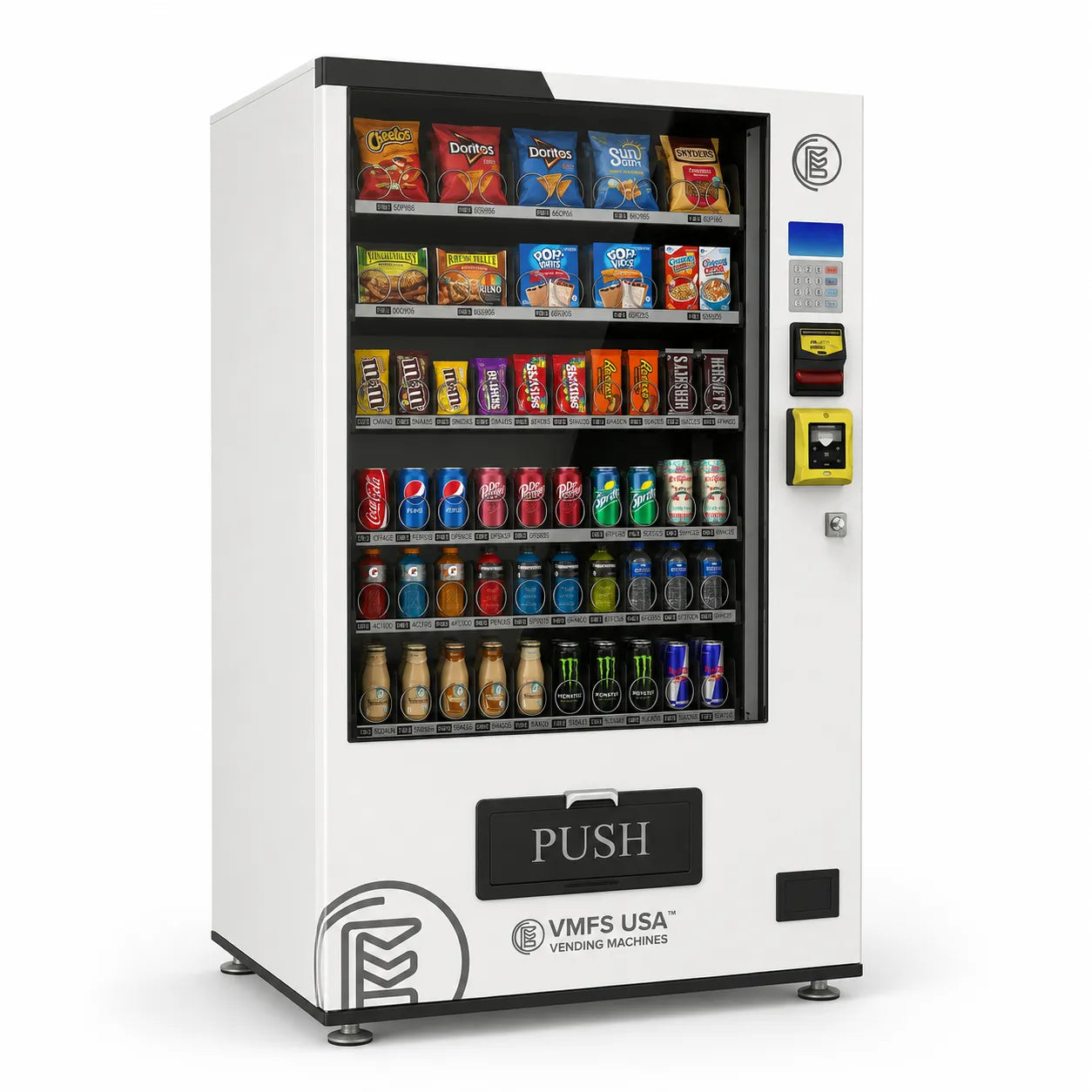
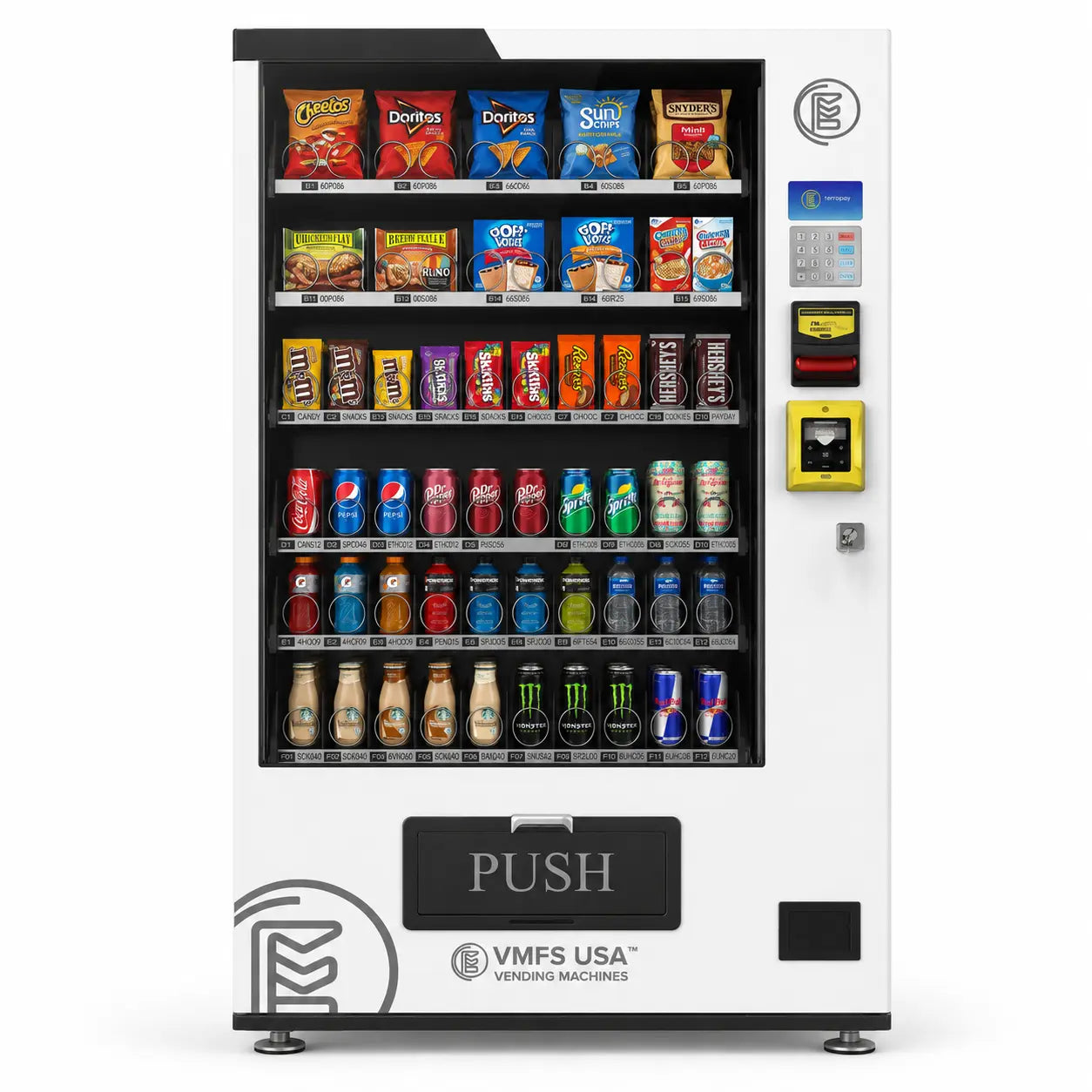
Máquinas expendedoras de snacks usadas
Las máquinas de snacks usadas están diseñadas principalmente para productos estables en estantería, como papas fritas, dulces, galletas, crackers y snacks envasados.
Su simplicidad mecánica puede hacerlas atractivas para nuevos operadores. Sin embargo, inspeccione cada selección antes de comprar, ya que motores débiles, espirales dañadas, espaciado incorrecto y mecanismos de entrega desgastados pueden crear atascos de productos repetidos.
Máquinas expendedoras de bebidas usadas
Las máquinas de bebidas usadas requieren una inspección adicional porque dependen de un sistema de refrigeración.
El compresor, el condensador, el evaporador, los ventiladores, los controles de temperatura, los sellos y el sistema de drenaje afectan el rendimiento. Una máquina de bebidas que parece excelente externamente aún puede convertirse en una compra costosa si su sistema de enfriamiento está cerca de fallar.
Máquinas expendedoras combinadas usadas
Las máquinas combinadas reúnen snacks y bebidas en un solo gabinete. Pueden reducir el espacio requerido en una ubicación, pero también contienen más componentes y pueden tener requisitos de servicio más complicados.
Las máquinas combinadas tienen especial sentido donde el espacio en el piso es limitado pero los clientes necesitan más de una categoría de producto.
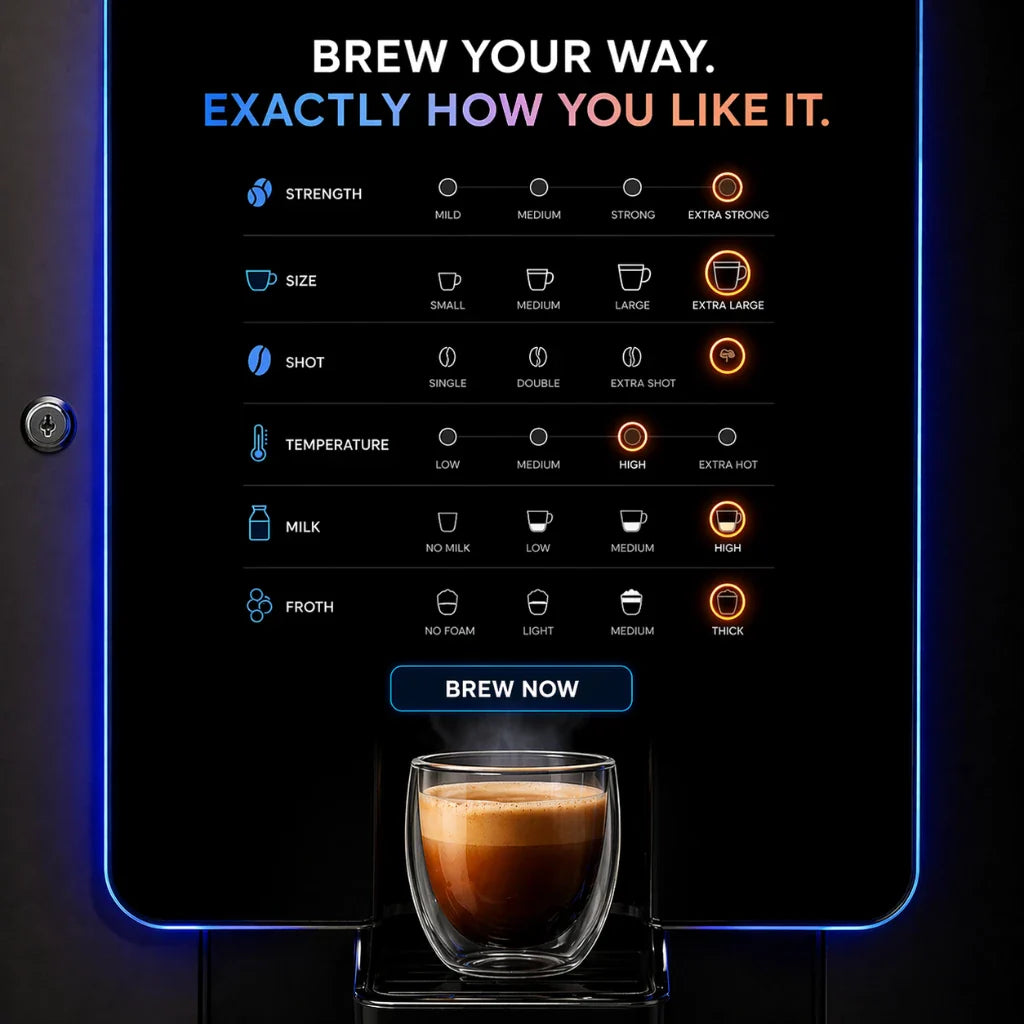
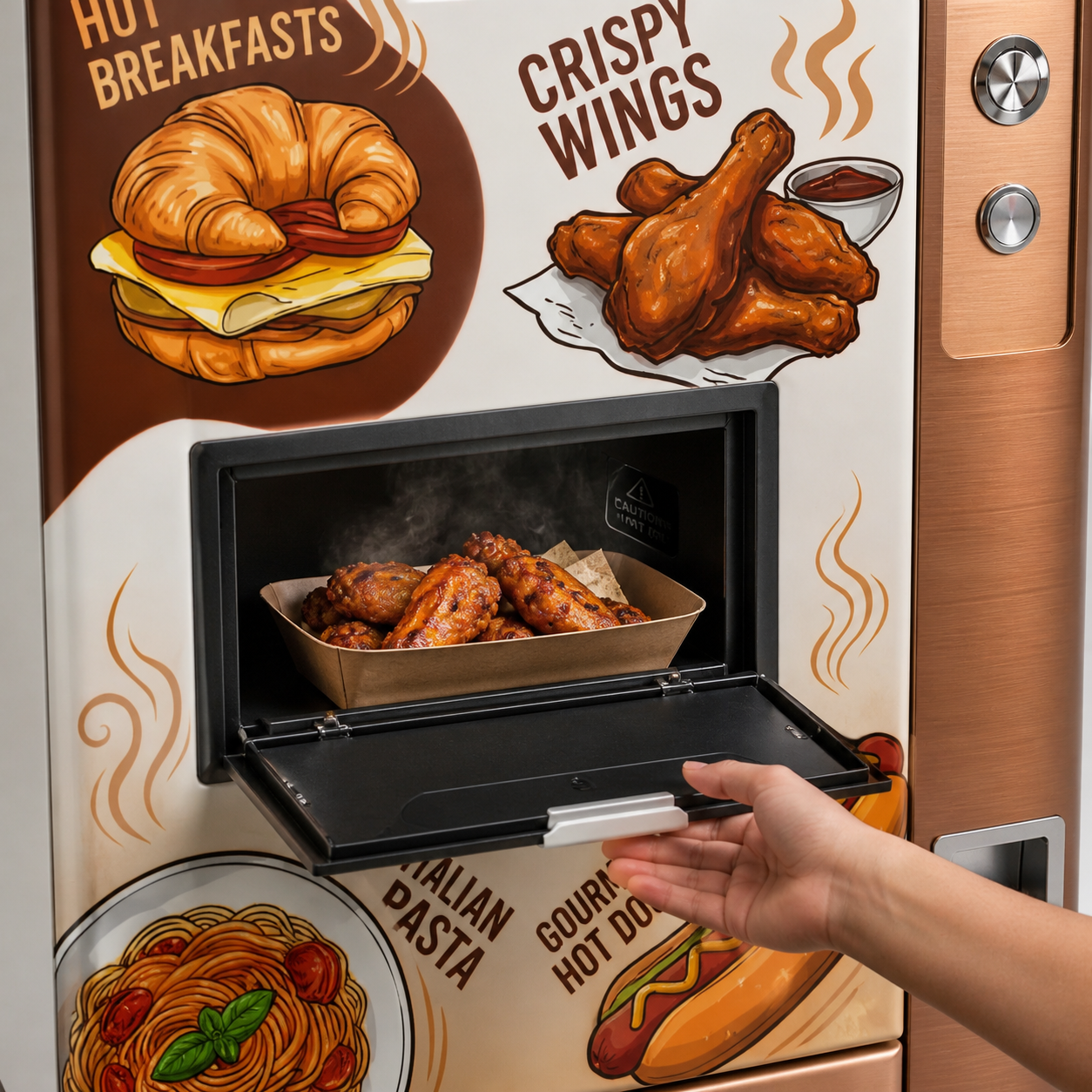
Máquinas expendedoras de café y especializadas usadas
Las máquinas de café, las de alimentos frescos, las de productos congelados y otros equipos especializados requieren una inspección específica por categoría.
Por ejemplo, el equipo de café puede contener bombas, calderas, molinillos, válvulas, sellos y componentes de manejo de agua que requieren una prueba más cuidadosa que una máquina de snacks básica. Las máquinas de café usadas pueden ser sustancialmente más baratas que los equipos nuevos, pero el historial de mantenimiento se vuelve particularmente importante.
Máquinas expendedoras inteligentes y de IA usadas
Las máquinas expendedoras inteligentes añaden otra capa de evaluación porque el hardware es solo una parte del sistema.
Las cámaras, los sensores, las pantallas táctiles, la conectividad, la telemetría, las suscripciones de software, el monitoreo remoto y el procesamiento de pagos pueden afectar los costos operativos. Antes de comprar una máquina inteligente usada, confirme que la tecnología aún pueda conectarse al ecosistema actual del fabricante o proveedor.
Para una visión más amplia de esta categoría, consulte la guía completa del comprador de máquinas expendedoras con IA.
Lista de verificación de inspección de máquinas expendedoras usadas
Inspeccione primero el gabinete y la estructura
Comience con la máquina física antes de probar su electrónica.
Busque óxido, daños por agua, paneles doblados, bisagras dañadas, vidrio roto, molduras faltantes, cerraduras dañadas y evidencia de entrada forzada. Los rasguños superficiales suelen ser estéticos; la corrosión alrededor de áreas estructurales, componentes de refrigeración o compartimentos eléctricos es una preocupación mucho mayor.
Verifique que la máquina esté nivelada y que las puertas abran, cierren y sellen correctamente.
Pruebe cada selección
No pruebe solo una columna de producto.
Ejecute un ciclo de venta en cada selección. Observe si el motor gira correctamente, si el producto cae de manera consistente y si la máquina registra la transacción con precisión.
Preste especial atención a:
-
Motores débiles o ruidosos
-
Atascos de productos
-
Espirales desalineadas
-
Estantes dañados
-
Sensores de producto rotos
-
Precios incorrectos
-
Botones de selección que fallan
-
Entrega inconsistente
Una máquina que no puede completar cada venta de manera confiable no debe valorarse como una máquina completamente operativa.
Pruebe el sistema de refrigeración
Para una máquina refrigerada, el sistema de enfriamiento merece su propia inspección.
La máquina debe alcanzar y mantener una temperatura de producto adecuada en condiciones normales de funcionamiento. Escuche si hay ruido anormal en el compresor e inspeccione el condensador en busca de suciedad excesiva o signos de mantenimiento deficiente.
Un compresor que falla puede convertir una máquina de bebidas aparentemente barata en un proyecto de reparación mayor.
Señal de alerta: Si un vendedor se niega a demostrar que una máquina refrigerada enfría correctamente, trate la máquina como equipo no verificado, no como una máquina expendedora completamente operativa.
Inspeccione el sistema de pago
La tecnología de pago puede afectar materialmente las ventas.
Pruebe el validador de billetes, el mecanismo de monedas, el dispensador de cambio, el lector de tarjetas, el teclado, la pantalla y la interfaz de pago sin efectivo. No asuma que una máquina antigua puede aceptar automáticamente un lector de tarjetas moderno.
NAMA mantiene estándares de tecnología de vending que cubren áreas que incluyen MDB, vending sin efectivo y sistemas técnicos relacionados. Por lo tanto, la compatibilidad con MDB es una consideración técnica útil al evaluar equipos antiguos.
Verifique las cerraduras y la seguridad
Pruebe cada cerradura y obtenga las llaves correctas.
Reemplazar una cerradura es generalmente manejable. Las llaves faltantes, los marcos de puerta dañados, las bisagras rotas o la evidencia de intentos repetidos de entrada forzada merecen una evaluación más cercana.
Para máquinas destinadas a entornos expuestos o semi-exteriores, inspeccione las características de seguridad con más cuidado que para una máquina de oficina en interiores.
Revise el tablero de control y la electrónica
Los componentes electrónicos pueden volverse difíciles o costosos de reemplazar cuando un modelo se descataloga.
Pregunte al vendedor:
¿Cuál es el número de modelo exacto?
Luego verifique si los tableros de control de reemplazo, motores, pantallas, componentes de pago y otras piezas críticas siguen estando disponibles.
La disponibilidad de piezas puede determinar si una máquina antigua es un activo económico o un futuro problema de mantenimiento.
Tecnología de pago y compatibilidad sin efectivo
¿Debería una máquina expendedora usada tener un lector de tarjetas?
Para la mayoría de las operaciones modernas de vending, la capacidad de pago sin efectivo es una consideración importante de compra, ya que los clientes esperan cada vez más tarjetas y pagos sin contacto.
Una máquina usada no necesita incluir necesariamente un lector de tarjetas en funcionamiento al momento de la compra, pero debe admitir un sistema de pago compatible si planea actualizarlo.
Antes de comprar, identifique lo siguiente en la máquina:
-
Compatibilidad con MDB
-
Hardware de lector de tarjetas existente
-
Proveedor de pago
-
Requisitos de conectividad celular
-
Requisitos de instalación del lector
-
Requisitos de software o telemetría
-
Costos de transacción y procesamiento
Una máquina barata que solo acepta monedas puede volverse costosa si actualizarla requiere una modificación eléctrica o mecánica significativa.
Lista para pago sin efectivo vs. equipada para pago sin efectivo
Estos términos no deben tratarse como idénticos.
Lista para pago sin efectivo generalmente significa que la máquina tiene la interfaz o arquitectura necesaria para un dispositivo de pago compatible. Equipada para pago sin efectivo significa que el hardware de pago real está instalado y operativo.
Pida al vendedor que demuestre el sistema en lugar de confiar en la descripción del anuncio.
Cómo evaluar al vendedor
Distribuidor vs. vendedor particular
Un vendedor particular puede ofrecer el precio de compra más bajo, pero un distribuidor de equipos de vending de buena reputación puede proporcionar ventajas valiosas como inspección, reacondicionamiento, soporte técnico, conocimiento de piezas y cobertura de garantía limitada.
| Tipo de vendedor | Ventaja típica | Riesgo principal |
|---|---|---|
| Vendedor particular | Precio solicitado más bajo | Soporte limitado |
| Subasta | Precio potencialmente muy bajo | Condición desconocida |
| Liquidación | Buenos descuentos en equipos | La inspección puede ser limitada |
| Reacondicionador | Equipo probado | Precio más alto |
| Distribuidor de vending establecido | Soporte y experiencia | Precio de compra más alto en algunos casos |
El canal de adquisición más barato no es automáticamente la opción de propiedad más barata.
Preguntas para hacer antes de comprar
Solicite el número de modelo exacto, antigüedad aproximada, historial de servicio, motivo de la venta, condición actual, configuración de pago, fallas conocidas y disponibilidad de piezas.
Si es posible, solicite un video que muestre:
-
La máquina encendiéndose.
-
El funcionamiento de la pantalla y el teclado.
-
Varias selecciones dispensándose con éxito.
-
El validador de billetes aceptando efectivo.
-
El mecanismo de monedas devolviendo el cambio.
-
El lector de tarjetas completando una transacción.
-
La refrigeración operando, si corresponde.
Un vendedor que no pueda demostrar el funcionamiento básico debería tasar la máquina como equipo no probado.
Costo total de comprar una máquina usada
El precio de compra es solo un costo
El verdadero costo de adquisición incluye todo lo necesario para que la máquina opere en su ubicación.
| Costo | Qué considerar |
|---|---|
| Máquina | Precio de compra |
| Entrega | Distancia, flete, requisitos de plataforma elevadora |
| Instalación | Movimiento, nivelación, configuración eléctrica |
| Sistema de pago | Lector de tarjetas e instalación |
| Inventario inicial | Productos necesarios para llenar la máquina |
| Reparaciones | Piezas o mano de obra inmediata |
| Permisos | Requisitos estatales/locales |
| Seguro | Responsabilidad civil general y otras coberturas |
| Costos de ubicación | Alquiler, comisión o participación en ingresos |
| Mantenimiento | Servicio preventivo y correctivo |
Un análisis de costos de vending de 2026 estima que la entrega y la instalación pueden sumar cientos de dólares dependiendo de la máquina y el sitio, mientras que los gastos operativos continuos incluyen el reabastecimiento, la electricidad, el mantenimiento y el procesamiento de pagos.
Calcule el costo puesto en destino
Una mejor comparación es:
Precio de la máquina + reparaciones + actualización de pago + entrega + instalación = costo real del equipo
Por ejemplo:
| Escenario | Máquina | Reparaciones | Actualización de pago | Entrega | Costo efectivo |
|---|---|---|---|---|---|
| Usada barata | $1,200 | $700 | $500 | $300 | $2,700 |
| Usada en buen estado | $1,900 | $250 | $400 | $300 | $2,850 |
| Reacondicionada | $2,500 | $0 | Incluido | $300 | $2,800 |
La máquina de $1,200 parece la más económica hasta que se incluyen los costos adicionales.
Principio de mejor valor: Compare las máquinas por su costo total hasta la puesta en marcha operativa, no por el precio de compra anunciado.
Pros y contras de comprar equipos usados
Ventajas
Las máquinas expendedoras usadas pueden ofrecer un punto de entrada más bajo para los operadores que desean probar una ubicación o crear una ruta sin comprometer el capital requerido para equipos nuevos.
Principales ventajas:
-
Menor inversión inicial
-
Acceso más rápido a la propiedad del equipo
-
Acceso a modelos descontinuados pero probados
-
Valor de reventa potencialmente fuerte
-
Menor depreciación que al comprar una nueva
-
Útiles para probar nuevas ubicaciones
Desventajas
La contrapartida es una mayor incertidumbre.
Principales desventajas:
-
Mayor riesgo de reparación
-
Garantía limitada o nula
-
Tecnología de pago obsoleta
-
Posible escasez de repuestos
-
Menor eficiencia energética en algunos modelos
-
Desgaste cosmético
-
Historial de mantenimiento desconocido
-
Posibles problemas ocultos de refrigeración o eléctricos
La mejor compra equilibra estos riesgos frente al descuento recibido.
Cómo negociar el precio
Utilice los defectos como argumentos de negociación
No negocie al azar. Elabore una lista documentada de reparaciones necesarias.
Si el lector de tarjetas es obsoleto, el compresor hace ruido, varios motores fallan o la cerradura necesita reemplazo, obtenga costos de reposición realistas y utilícelos para justificar su oferta.
Es más probable que un vendedor acepte un precio menor cuando usted puede explicar exactamente por qué la máquina requiere una inversión adicional.
¿Cuándo debería retirarse de la negociación?
Retírese cuando la máquina presente daños estructurales importantes, corrosión severa, piezas críticas indisponibles, refrigeración poco fiable, componentes electrónicos dañados o un vendedor que no esté dispuesto a demostrar el funcionamiento básico.
Una ganga se vuelve costosa cuando la máquina falla repetidamente después de la instalación.
Dónde colocar una máquina expendedora usada
La calidad de la ubicación es más importante que la antigüedad de la máquina
Una máquina mecánicamente excelente puede tener un mal rendimiento en una ubicación débil. Una máquina básica en una ubicación fuerte puede superar a una sofisticada por donde rara vez pasan los clientes.
Evalúe:
-
Tráfico diario de personas
-
Número de empleados o visitantes
-
Horario de atención
-
Competencia de máquinas expendedoras existente
-
Demanda de productos
-
Perfil demográfico de los clientes
-
Visibilidad de la máquina
-
Seguridad
-
Acceso a electricidad
-
Facilidad para reabastecimiento
Para investigar la ubicación, explore los lugares que necesitan máquinas expendedoras para identificar categorías de locales donde el vending puede cubrir una necesidad genuina de conveniencia.
Adapte la máquina a la ubicación
| Ubicación | Máquina usada adecuada |
|---|---|
| Oficina | Snacks, bebidas o combinada |
| Fábrica | Snacks/bebidas de alta capacidad |
| Edificio de apartamentos | Bebidas o combinada |
| Hotel | Snacks, bebidas o especialidades |
| Gimnasio | Bebidas y snacks saludables |
| Escuela/universidad | Snacks/bebidas específicos |
| Centro de salud | Combinada u opciones especializadas |
| Lugar de entretenimiento | Especialidad o máquina de alta capacidad |
Para despliegues centrados en tecnología, revise esta guía de ubicación de máquinas expendedoras inteligentes. Los lugares especializados también pueden requerir mezclas de productos y configuraciones de equipo diferentes, lo cual se trata en este manual de vending para lugares especializados.
Consiga la ubicación antes de comprar la máquina
Uno de los errores más comunes es comprar una máquina primero y buscar la ubicación después.
La secuencia correcta es:
Ubicación → demanda del cliente → mezcla de productos → tipo de máquina → compra de la máquina
Ese enfoque reduce el riesgo de poseer equipos que no encajan en el espacio físico o con la demanda de los clientes.
Si usted es propietario de un inmueble o gestiona un local comercial y desea poner su espacio a disposición de operadores de vending, puede registrar su ubicación en VPlaced y compartir los requisitos del sitio con operadores calificados.
Estructura legal y empresarial
¿Necesita una entidad comercial para una máquina expendedora?
La formación de la empresa, el registro fiscal, los contratos y los requisitos locales de vending deben evaluarse antes de colocar equipos comercialmente. Los requisitos exactos varían según el estado, la ciudad, el condado, el tipo de máquina y los productos vendidos.
Dependiendo de su estructura y circunstancias, la configuración puede involucrar una LLC u otra entidad comercial, EIN, registro estatal, registro de impuestos sobre ventas, permisos de vending, seguros y contratos de ubicación.
Si decide que una LLC se ajusta a su operación de vending, revise el recurso dedicado a cómo formar una LLC para un negocio de máquinas expendedoras.
Los acuerdos de ubicación son importantes
Un acuerdo de ubicación por escrito debe definir claramente las responsabilidades respecto a la máquina, electricidad, acceso, mantenimiento, comisiones o alquiler, restricciones de productos, rescisión, daños y reportes de ingresos.
Esto es importante porque la máquina en sí es solo una parte de la relación comercial. El operador, el propietario del inmueble, el equipo, los productos y el sistema de pago requieren responsabilidades claramente definidas.
Decisión de compra de una máquina expendedora usada
Un marco de puntuación simple
Antes de pagar, califique la máquina del 1 al 5 en cada categoría.
| Categoría | Puntuación 1–5 |
|---|---|
| Estado mecánico | /5 |
| Refrigeración, si aplica | /5 |
| Compatibilidad de pago | /5 |
| Disponibilidad de repuestos | /5 |
| Estado físico | /5 |
| Historial de servicio | /5 |
| Garantía/soporte | /5 |
| Precio vs. alternativas | /5 |
| Idoneidad de la ubicación | /5 |
| Costo total de operación | /5 |
Un precio de compra bajo no debe compensar fallos graves en la refrigeración, la electrónica, la disponibilidad de piezas o la idoneidad del lugar.
Lista de verificación final para el comprador de máquinas usadas
Antes de que el dinero cambie de manos, confirme:
-
Fabricante y modelo exactos
-
Dimensiones y peso de la máquina
-
Requisitos eléctricos
-
Que cada selección funcione
-
Que la refrigeración funcione, si aplica
-
Que el validador de billetes funcione
-
Que el mecanismo de monedas funcione
-
Que el lector de tarjetas funcione o pueda actualizarse
-
Que las llaves y cerraduras sean funcionales
-
Que la placa de control funcione correctamente
-
Ausencia de óxido importante o daños por agua
-
Disponibilidad de piezas de repuesto
-
Método de entrega confirmado
-
Términos de garantía documentados
-
Costos de reparación incluidos en su presupuesto
-
Compatibilidad con los requisitos de la ubicación
-
Verificación de permisos locales y requisitos fiscales
Si la máquina pasa esta evaluación y el costo total sigue siendo atractivo en comparación con una unidad reacondicionada, comprar usado puede ser una forma financieramente sensata de entrar o expandir una ruta de vending.
Nueva, usada o reacondicionada: La comparación final
| Elija... | Cuando tiene más sentido |
|---|---|
| Usada | Tiene confianza técnica y busca el costo de adquisición más bajo |
| Reacondicionada | Busca un equilibrio entre precio y fiabilidad |
| Nueva | La fiabilidad, garantía, tecnología y larga vida útil justifican el precio extra |
| Inteligente/IA | La ubicación se beneficia de pago avanzado, monitoreo o funciones de retail automatizado |
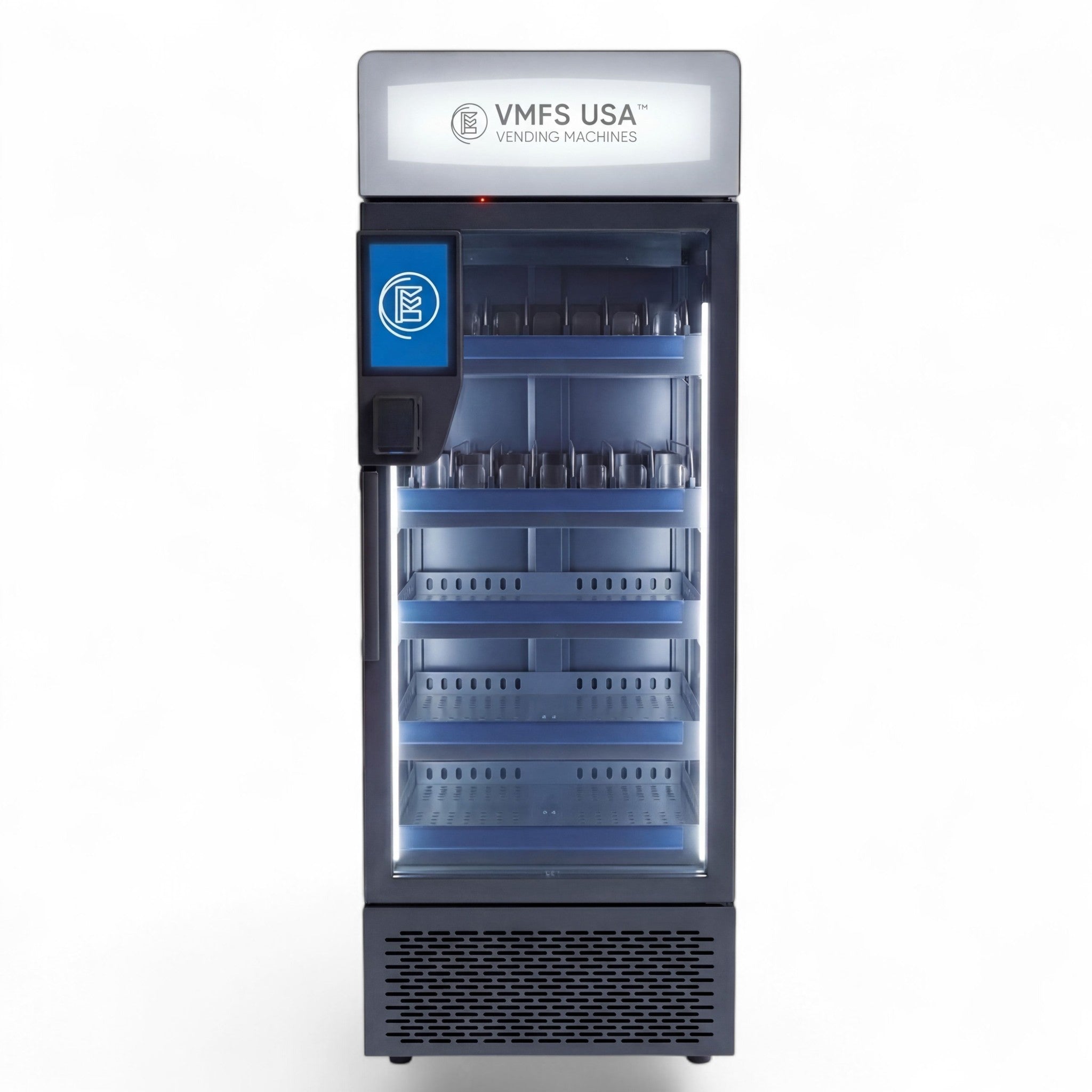
Para la compra real de la máquina, especificaciones de producto y opciones actuales de equipo, visite VMFS USA.
Preguntas frecuentes
¿Cuánto cuesta una máquina expendedora usada?
Una máquina expendedora usada suele costar entre $500 y $5,000, aunque muchas máquinas de nivel profesional se sitúan cerca de los $1,200–$3,000. El precio depende mucho del tipo, estado, tecnología de pago y refrigeración.
¿Vale la pena comprar una máquina expendedora usada?
Sí, si la máquina está en buen estado mecánico y el ahorro es lo suficientemente grande como para compensar los costos de reparación y actualización. Una máquina reacondicionada profesionalmente puede ser una mejor opción cuando la fiabilidad y el soporte de garantía son importantes.
¿Qué debo revisar antes de comprar una máquina expendedora usada?
Revise el gabinete, motores, bobinas, mecanismos de entrega, placa de control, cerraduras, sistema de pago, componentes eléctricos y sistema de refrigeración. Verifique también la disponibilidad de piezas y el historial de servicio de la máquina.
¿Cuál es la diferencia entre una máquina expendedora usada y una reacondicionada?
Una máquina usada generalmente se vende en su estado actual, mientras que una reacondicionada ha sido inspeccionada, limpiada, reparada, probada o actualizada. El equipo reacondicionado cuesta más, pero puede reducir el riesgo de fallas tempranas.
¿Puedo añadir un lector de tarjetas a una máquina expendedora antigua?
A menudo sí, pero primero debe verificarse la compatibilidad. El controlador de la máquina, la interfaz MDB, la configuración eléctrica y los requisitos del proveedor de pagos determinan si se puede instalar un lector moderno sin efectivo.
¿Qué es la compatibilidad MDB en una máquina expendedora?
MDB, o Multi-Drop Bus, es un protocolo de comunicación industrial utilizado entre los controladores de las máquinas expendedoras y los dispositivos periféricos, como los sistemas de pago. Verificar la compatibilidad MDB ayuda a determinar si una máquina usada puede soportar hardware de pago moderno compatible.
¿Son fiables las máquinas expendedoras antiguas?
Una máquina expendedora antigua puede ser fiable si ha recibido el mantenimiento adecuado y todavía existen piezas de repuesto. La antigüedad por sí sola no debería determinar la decisión de compra; el estado mecánico, el historial de servicio y el soporte de piezas son más importantes.
¿Debería comprar una máquina expendedora de snacks, bebidas o combinada?
Elija según la demanda de los clientes y el espacio disponible. Las máquinas de snacks se adaptan a productos no perecederos, las de bebidas requieren refrigeración fiable y las combinadas ofrecen dos categorías de productos en un mismo espacio.
¿Dónde debería colocar una máquina expendedora usada?
Las ubicaciones fuertes suelen tener un tráfico constante, clientes recurrentes, pocas alternativas cercanas, horarios de funcionamiento adecuados y una ubicación segura para la máquina. Oficinas, fábricas, hoteles, apartamentos, centros de salud, gimnasios y lugares especializados pueden ser viables según la demanda.
¿Debería comprar una máquina expendedora usada antes de encontrar una ubicación?
Por lo general, no. Encontrar la ubicación primero le permite seleccionar la máquina según el espacio disponible, la demanda del cliente, la mezcla de productos, los requisitos eléctricos y las ventas esperadas, en lugar de forzar una máquina inadecuada en el lugar.
Compartir:
Problemas y fallos comunes de las máquinas expendedoras con IA: Guía completa de solución de problemas
Dentro de una máquina expendedora de cartas coleccionables: cómo funciona realmente el hardware