



Design the perfect vending solution for your location and customers.

Sales, inventory and alerts for your whole route, from one machine to a fleet.
Answer a few questions about your location, products and budget and get a shortlist.
Estimate revenue, payback period and margin before you buy.
Sales, setup help, warranty and parts from the VMFS USA team.
Join the VMFS newsletter and step into a thriving network dedicated to collective success.
One signup. Endless possibilities.
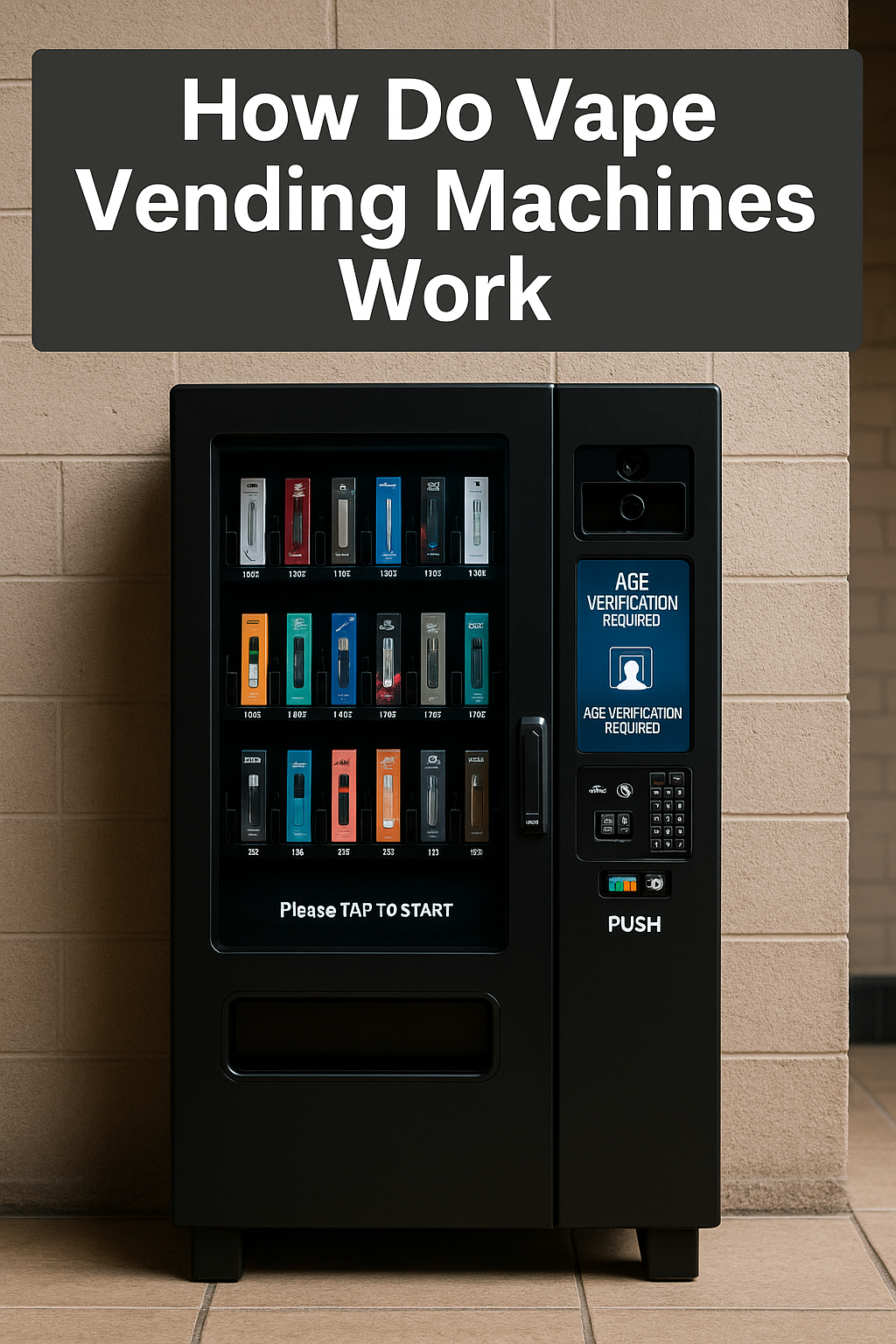
Vape vending machines make it possible to buy vape products safely and conveniently without the need for store staff. These smart systems combine automated dispensing, digital payments, and built-in age verification to ensure compliance with U.S. laws. In recent years, they have become increasingly popular in gas stations, hotels, and retail spaces looking to modernize how vape products are sold.
In this guide, we explain exactly how a vape vending machine works, from product selection to age verification and real-time monitoring. You will also learn about the different types of vending machines available, how legal compliance is maintained, and what features to look for when choosing a reliable, automated solution. Whether you are a business owner or simply curious about how new vending machines manage vape sales, this guide covers everything you need to know.

Vape vending machines automate the entire sales process for vape products using digital screens, sensors, and secure systems. They make it possible to sell nicotine and vape devices 24 hours a day while meeting all state and federal regulations. These systems work through five main stages, browsing, age verification, payment, dispensing, and remote management.
The process begins with an interactive touchscreen that displays all available vape items. Customers can browse through options such as disposable vapes, pods, or e-liquids. Each product listing includes an image, flavor description, nicotine level, and price. This setup gives users a quick shopping experience similar to an online store.
Machines like the ScreenMount Vending Machine and MaxScreen Vending Machine feature high-definition displays that remain bright and visible in any environment. Their responsive touch design allows for easy navigation, while the organized menu structure keeps browsing simple and intuitive.
After choosing a product, the system requests age verification. The buyer scans a government-issued ID such as a driver’s license or passport. The machine reads the data instantly, checks the date of birth, and confirms the buyer is 21 or older.
Some advanced machines also use facial recognition to ensure the person matches the ID presented. This layered verification process helps reduce underage access and keeps retailers compliant with the Tobacco 21 law and FDA guidelines.
By automating verification, age verification vending machines remove the need for manual ID checks and protect store owners from legal risks. This makes them ideal for semi-supervised areas such as gas stations, hotels, and lounges.
Once verification is complete, the buyer selects a payment method. Modern new vending machines support credit cards, debit cards, contactless mobile payments, and QR systems. All transactions are encrypted for full security.
The system processes payments within seconds, providing instant authorization. This quick process helps keep the line moving smoothly in high-traffic locations while maintaining security and accuracy.
Once payment is approved, the selected vape product is dispensed automatically. Precision motors and sensors ensure the correct item is released. If a product slot is empty or a malfunction occurs, the system immediately cancels the transaction and notifies the operator.
Machines such as the MaxScreen Vending Machine use reinforced trays and controlled dispensing to prevent jams and protect delicate vape cartridges or pods from damage during release.
Every modern vape vending machine comes with a cloud dashboard for operators. From there, owners can view sales data, track stock levels, adjust pricing, and receive real-time alerts for refills or technical issues.
Remote management saves time and ensures consistent uptime. Operators can restock based on data instead of manual checks, improving efficiency and reducing downtime in busy retail spaces.
All stored data, including transaction records and ID verification logs, remains encrypted. Access is limited to authorized administrators, keeping all customer information private. This transparency also makes audits or compliance checks simple and traceable.
Together, these steps create a complete, self-sufficient retail system. Vape vending machines combine technology, safety, and automation to provide a convenient way to sell regulated products while maintaining legal and operational standards.
Not all vape vending machines are the same. The right model depends on where it will be used, how much traffic the location gets, and what level of automation the operator wants. Some machines handle a few dozen items, while others can manage hundreds with full digital controls. Below are the main types of vape vending systems available today.
Standard models use a simple design similar to snack or beverage vending systems. They require manual ID checks or staff supervision before each transaction. These machines can hold a moderate inventory and are often placed in age-restricted areas such as smoke shops or private clubs.
Standard systems are cost-effective but limited in compliance control. They work best in small retail settings where employees are always present to verify the customer’s age and monitor sales.
Smart vending machines use software and sensors to manage every sale automatically. They include touchscreens, digital menus, and electronic locks that keep products secure. These systems handle ID verification on their own, removing the need for a cashier.
Many new vending machines include cloud monitoring, letting operators track stock, sales, and performance from a computer or mobile device. Smart systems are ideal for gas stations, hotels, or shared retail spaces where staff are not available all the time.
AI-powered models represent the newest category of vending systems. They use facial recognition, advanced ID scanning, and pattern-based fraud detection to improve security and accuracy. Artificial intelligence also helps optimize stock levels by learning which products sell fastest and when restocks are needed.
These machines often feature full touchscreen interfaces with 3D product displays and multilingual support. Some systems even include camera-based interaction that greets users or provides real-time product suggestions based on browsing behavior.
Modular vape vending machines allow full customization. Operators can adjust capacity, screen size, and software to fit specific business needs. This flexibility makes them useful for businesses that sell different types of vape products or want custom branding.
Custom builds are often used in branded retail locations, where the goal is to match the machine’s design with the overall store layout. Options like temperature control, adjustable shelving, and advertising displays can all be added depending on the model.
The best option depends on the environment and compliance needs. A small indoor shop may only need a standard machine, while a large gas station or mall can benefit from a smart or AI-driven unit. The key is finding a balance between automation, inventory capacity, and customer convenience.
Modern vape vending machines now combine these features into hybrid models that can be adapted for nearly any retail setting. With secure verification, digital payment support, and remote operation, they provide a safer and more efficient way to sell vape products.
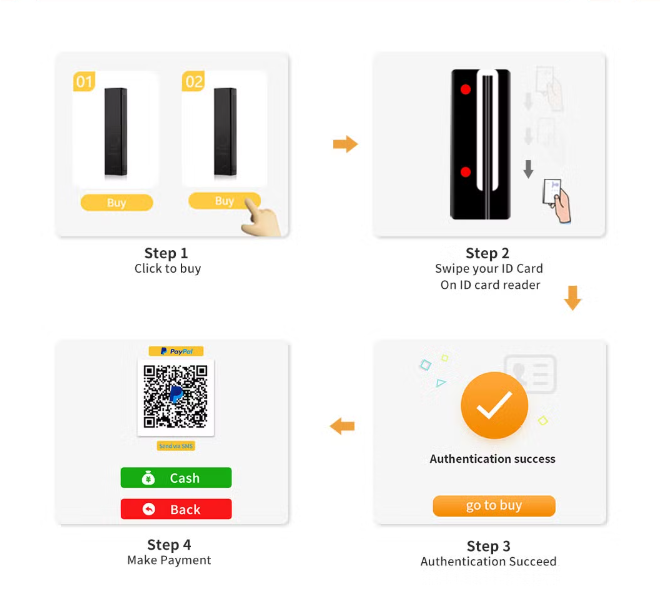
The core of every vape vending machine is its age verification and safety system. These machines are designed to sell only to adults who are 21 or older. Advanced verification tools make this process both secure and simple, allowing sales without direct staff involvement while ensuring full compliance with U.S. laws.
When a customer selects a product, the system asks for a government-issued ID such as a driver’s license, state ID, or passport. The scanner reads the barcode or chip and checks the date of birth immediately. The machine’s software confirms that the buyer meets the legal age requirement before continuing.
This automated check removes the chance of human error. It also gives operators a reliable digital record that proves every sale followed age restrictions. For small stores, hotels, and gas stations, this step provides a layer of security that protects both the business and the buyer.
Many modern machines include a second layer of verification through facial recognition. Once the ID is scanned, the camera compares the buyer’s face to the photo on the ID. The transaction only continues if both match.
This prevents underage buyers from using borrowed or fake IDs. It is one of the most effective tools for maintaining compliance without staff supervision. These systems are especially useful in unattended or high-traffic locations where quick verification is essential.
All personal data, including ID details and facial scans, are processed securely within the system. Information is encrypted and never shared with third parties. Only authorized administrators can access transaction records or verification logs.
This approach protects user privacy while providing operators with full transparency and proof of compliance. It also allows machines to meet both national and state-level data protection standards.
Vape vending machines must follow the Tobacco 21 law, which prohibits selling nicotine or vaping products to anyone under 21. The Food and Drug Administration (FDA) also requires health warnings, accurate labeling, and proof of age control for every sale.
By using age verification vending machines, retailers can maintain full compliance automatically. These machines record verified sales, prevent restricted access, and create a clear digital trail for audits or inspections.
The physical safety of the machine is just as important as digital security. Reinforced doors, steel frames, and internal sensors protect stored products from tampering or theft. If the system detects forced entry or power interference, it locks itself and notifies the operator immediately.
This makes vape vending machines reliable for public areas. With ID verification, encryption, and tamper-resistant design, they deliver a safe, automated retail process that meets both security and compliance expectations.
Before installing or operating vape vending machines, it is important to understand both federal and state regulations. Compliance ensures safety, builds trust with regulators, and protects your business from costly penalties. Vape vending is tightly regulated in the United States, with strict focus on age verification, labeling, and machine placement.
The U.S. Food and Drug Administration (FDA) regulates all nicotine and vape product sales. Under the Tobacco 21 law, customers must be at least 21 years old to buy any vape item. Each vending machine must include an age verification system and display required health warnings.
Retailers must also confirm that all products come from approved manufacturers. This prevents the sale of unregistered or unsafe vape products. Machines that meet these conditions help operators stay in line with national health and safety rules.
Vape vending laws vary by state. Some states allow machines only in adult-only locations such as lounges, bars, or dispensaries. Others restrict them unless they use certified age verification technology. States like California, Texas, and New York have additional licensing steps for automated vape retail.
Local governments may also require special permits or zoning approval. For example, a city might limit where new vending machines can be placed or require inspection before operation. Signage and visibility rules may also apply, especially in public spaces.
Gas stations are common locations for vape vending systems because of their constant traffic and visibility. However, each unit must follow tobacco retail licensing laws. Every transaction must include age verification, either through staff supervision or built-in verification systems.
Many operators choose age verification vending machines to meet these rules. These machines verify ID automatically and keep transaction records. This allows gas stations to operate around the clock safely and legally.
All vape products sold through vending systems must show the FDA warning, “This product contains nicotine. Nicotine is an addictive chemical.” Packaging must list ingredients, brand, and flavor. Misleading or unverified claims are prohibited.
Operators can display information cards or posters near machines to remind users about age restrictions and health risks. These small steps improve compliance visibility and strengthen brand reputation.
Every vape vending machine should keep a digital record of each verified sale. Logs include date, time, and age confirmation details. These records help during audits or inspections and prove legal operation.
Many systems use cloud-based dashboards to review performance data and identify unusual activity. This remote tracking ensures every sale is traceable and transparent.
Legal compliance is a long-term safeguard for your vending business. Machines that follow FDA and state standards operate with less risk and gain better placement opportunities. Non-compliant machines, however, can lead to fines, license suspension, or criminal penalties.
By choosing compliant vape vending machines with reliable ID verification systems, operators create a business that runs safely and efficiently. Compliance builds a foundation for growth, trust, and consistent performance across every location.
Operating vape vending machines in gas stations, hotels, or convenience stores offers a unique mix of steady sales, low overhead, and minimal labor costs. With proper age verification systems and a strong compliance setup, these machines provide a safe and efficient way to meet growing consumer demand for vape products across the United States.
Unlike staffed counters, a vending system works continuously. Customers can make purchases at any time of the day, including after normal business hours. This constant availability increases sales potential and creates a predictable revenue flow even when the store is closed.
Once installed, these machines need minimal human interaction. Staff do not have to handle inventory or supervise transactions directly. Cloud-based dashboards let owners track inventory and sales from anywhere. This automation reduces payroll expenses and eliminates human error.
Vape vending machines take up far less space than a traditional retail counter. They fit easily inside gas station lobbies, rest stops, or small retail stores. This compact footprint allows operators to install several machines in different locations and scale their business without extra real estate costs.
Each unit tracks product levels and sales performance in real time. When stock runs low, the system sends automatic alerts. Operators can plan restocking schedules efficiently, reducing downtime and keeping every product available for customers.
Many modern units, such as the MaxScreen Vending Machine and ScreenMount Vending Machine, include integrated cloud management features. These tools allow full visibility of daily operations and ensure 99 percent uptime, even in busy gas station environments.
Customers prefer quick and private purchases, especially when buying regulated products like vape items. Self-service vending provides that privacy and efficiency while maintaining legal compliance. The touchscreen interface and fast checkout process improve the customer experience and build repeat business.
These vending systems support cashless transactions through mobile wallets, cards, or contactless payments. They can also be configured for loyalty programs or bundled promotions. In some cases, gas station owners use the payment integration to sync sales data directly with their point-of-sale systems.
All new vending machines by VMFS USA are engineered for high durability. Steel construction, smart sensors, and tamper-resistant locks ensure the machine performs consistently in any location. Automatic error alerts notify operators immediately, minimizing downtime and lost sales.
With a relatively low startup cost and limited labor expenses, vape vending delivers attractive profit margins. Operators report quick return on investment when placed in high-traffic locations like gas stations and convenience stores. The reduced need for staff and extended operating hours further increase profit per unit.
Combined with age verification vending machines, operators gain access to a sustainable, compliant business model that meets both customer needs and legal requirements. Each sale is tracked, verified, and recorded, ensuring smooth growth without compliance risks.
In summary, vape vending systems combine automation, safety, and scalability to deliver long-term value for business owners. Their consistent uptime, compact footprint, and proven profitability make them one of the most reliable automated retail options available today.

Share:
Vape Vending Machine For Gas Station, A Complete Guide For Operators
Vape Vending Machine For Gas Station, A Complete Guide For Operators