


The most common gym amenities are locker rooms and showers, towels, water stations, Wi-Fi and a member app, group classes, 24/7 access, saunas and recovery areas, massage chairs, tanning, childcare, pools, and food and drink. Some of these are basics members expect and won't pay extra for. Some keep members around longer. And some earn money on their own, through a premium membership tier, a per-use fee or product sales. This guide lists 20 gym amenities, what each one costs to run, how it pays, and the rules that apply, so you can decide which ones belong in your club.
Gym amenities in three groups
- Basics members expect: locker rooms and showers, lockers, water stations, Wi-Fi, a member app. They rarely earn money directly, but missing them costs you members.
- Amenities that keep members: group classes, saunas and steam rooms, recovery areas, 24/7 access, childcare. They justify a higher price and give members a reason to stay.
- Amenities that pay for themselves: personal training, tanning, massage chairs, protein shakes and healthy vending, retail, towel service and day passes. Each has its own revenue line.
20 gym amenities compared
Costs depend heavily on your building, so the table uses relative ranges rather than prices. The last two columns are where most owners go wrong: how the amenity actually earns, and the rules that come with it.
| Amenity | Group | Upfront cost | Space | Ongoing work | How it pays | Rules to check |
|---|---|---|---|---|---|---|
| Locker rooms and showers | Basic | High | Large | Daily cleaning | Included | ADA, plumbing, health code |
| Lockers | Basic | Low–medium | Wall space | Low | Included, or monthly locker rental | ADA (5% accessible) |
| Water bottle filling stations | Basic | Low | Wall space | Filter changes | Included | Plumbing code |
| Wi-Fi and member app | Basic | Low | None | Low | Included; app can sell add-ons | Privacy policy |
| Towel service | Basic at premium clubs | Low–medium | Laundry storage | High (laundry) | Premium tier or per-use fee | None specific |
| Group fitness classes | Keeps members | Medium | Studio room | Instructor pay | Included, premium tier or class packs | Music licensing |
| 24/7 access | Keeps members | Medium (access control, cameras) | None | Monitoring | Supports a higher membership price | Unstaffed-hours safety policy, insurance |
| Sauna and steam room | Keeps members | Medium–high | Small room | Cleaning, power | Premium tier | Local health code, posted guidelines |
| Recovery area (compression, percussion, stretching) | Keeps members | Medium | Small–medium | Sanitizing | Premium tier or recovery add-on | Manufacturer guidance |
| Cold plunge | Keeps members | Medium | Small | Water treatment | Recovery add-on | Local health code |
| Childcare | Keeps members | Medium–high (staff) | Room | Staff every open hour | Per-visit fee or add-on | State child care licensing |
| Pool and hot tub | Keeps members | Very high | Large | Chemicals, testing, staff | Supports top-tier pricing | Federal drain-cover law, CDC guidance, health code |
| Massage chairs and hydromassage beds | Pays for itself | Medium | Small | Low | Premium tier or per-use | Manufacturer guidance |
| Tanning | Pays for itself | Medium | Small room | Cleaning between users | Premium tier or per-session | FDA warning label, state age laws |
| Personal training | Pays for itself | Low | Gym floor | Trainers | Session fees or trainer rent | Trainer certification, insurance |
| Protein shake vending machine | Pays for itself | Medium | Under 6 sq ft | About 10 min every 2–3 days | Shake sales or operator commission | Local permit, backflow if plumbed |
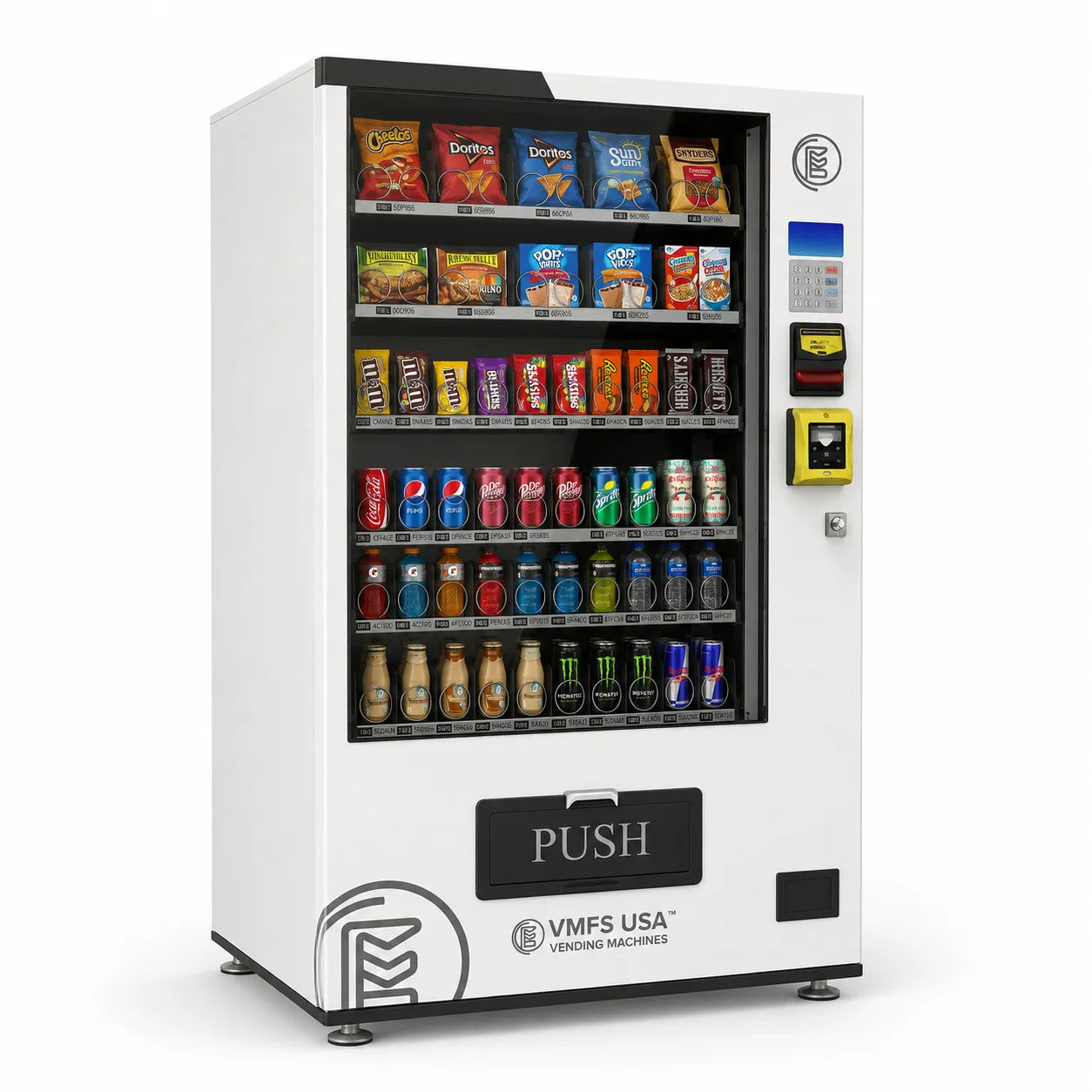
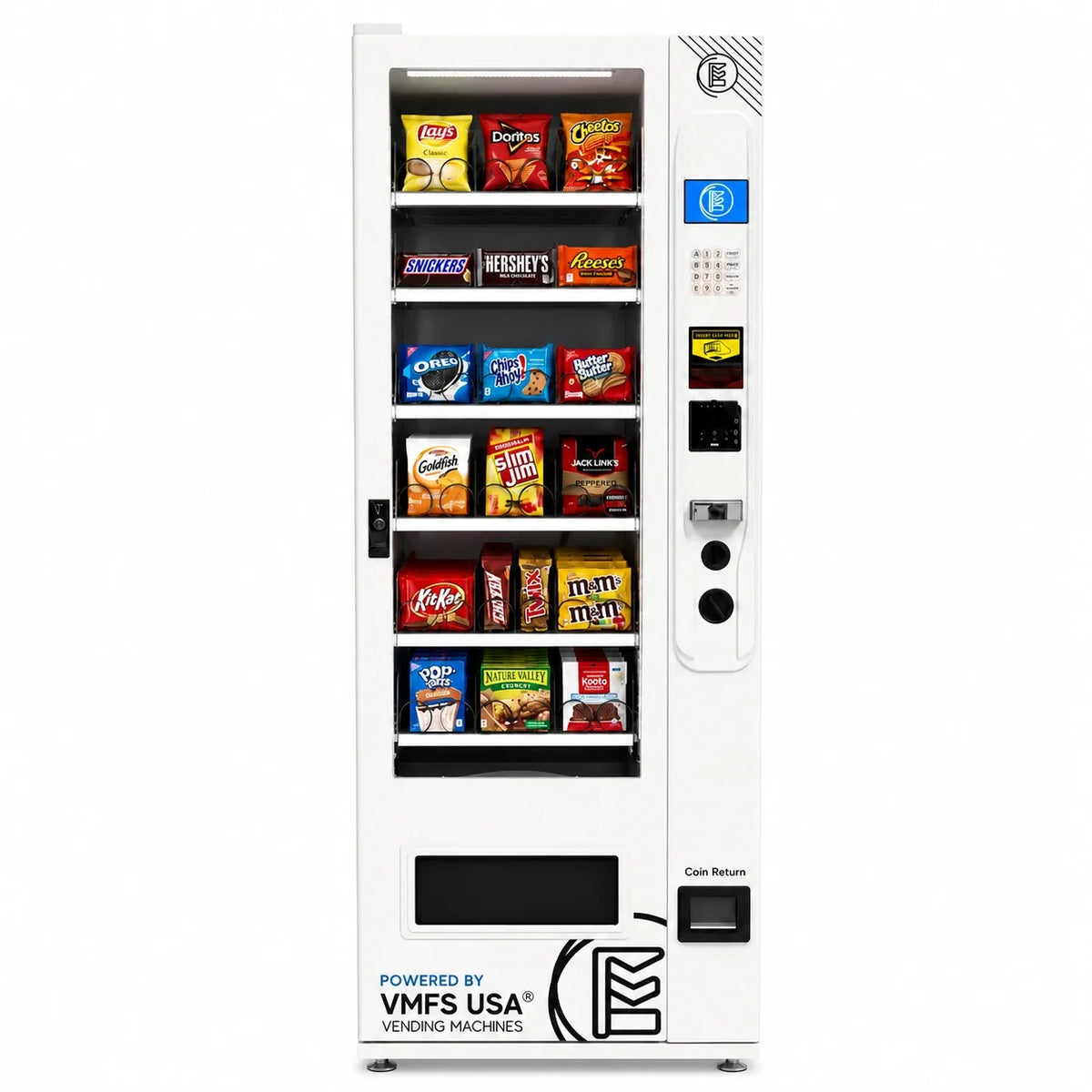
| Grab-and-go cooler or healthy vending | Pays for itself | Low–medium | Small | Restocking | Product sales or commission | Food Code cold-holding for perishables |
| Smoothie or juice bar | Pays for itself | High | Counter and prep area | Staff every open hour | Product sales | Food establishment permit |
| Pro shop and retail | Pays for itself | Low–medium | Shelving | Inventory | Product sales | Supplement age rules in some states |
| Day passes and guest passes | Pays for itself | None | None | Front desk or app | Per-visit fee; doubles as lead generation | Liability waiver |
Relative costs only. Get quotes for your own space before committing, and check every rule with your local authority and insurer.
The basics members expect
Clean locker rooms, working showers, secure lockers, cold water and decent Wi-Fi don't win members on their own, but they lose them fast when they're missing or dirty. Treat them as the cost of being in business and keep them spotless. Two details owners often miss:
- Accessibility. Under the 2010 ADA Standards, at least 5% of each type of locker room and each type of locker (and never fewer than one) must be accessible.
- Bottle fillers beat fountains. Members train with their own bottles. A filling station with a counter shows the gym cares, and it's cheap to add during any plumbing work.
Amenities that keep members
These amenities rarely have their own price tag, but they give members a reason to pay more and a reason not to leave.
- Group fitness classes build routine and community. Check that your music service covers public performance in classes.
- 24/7 access is a positioning decision as much as an amenity. It needs access control, cameras, an emergency plan for unstaffed hours, and an insurer who knows about it.
- Saunas and steam rooms are a popular recovery amenity and a common premium-tier draw. Post usage guidelines and check your local health code, which may cover temperature, signage and cleaning.
- Recovery areas with compression boots, percussion devices and stretching space need little room and work well as a paid add-on.
- Childcare keeps parents training, but it's staff-heavy. Some states license drop-in child care and others exempt it, so check your state's rules before you open a kids' room.
- Pools and hot tubs are the most expensive amenity to run. Public pools and spas must have anti-entrapment drain covers under the federal Virginia Graeme Baker Pool and Spa Safety Act, and the CDC recommends that public hot tub operators run a Legionella water management program.
Gym amenities that pay for themselves
These amenities have their own revenue line, either by selling something or by justifying a higher membership tier.
Premium tiers: bundle amenities into a higher price
The most common way gyms monetize amenities is a premium membership that unlocks them. Planet Fitness's Black Card, for example, includes perks like massage chairs, tanning and discounted drinks. A premium tier turns low-cost amenities into a monthly price difference across every member who upgrades.
Personal training
Trainers earn per session, and the gym takes a share or charges trainers rent for floor access. It needs almost no equipment beyond what the gym already has.
Massage chairs, hydromassage and tanning
These sit in a small room and run with little staff time, which is why they're common in premium tiers. Tanning carries extra responsibility: the FDA requires sunlamp products to carry a warning that they shouldn't be used by anyone under 18, and many states restrict tanning for minors outright.
Protein shakes and healthy vending
Food and drink are amenities members can use on every visit, which makes them one of the easiest places for a gym to add revenue. There are three ways to offer them:
- A protein shake vending machine mixes shakes fresh from powder, 24/7, with no staff. Ours takes under 6 sq ft, runs on a standard plug and needs about 10 minutes of service every 2–3 days.
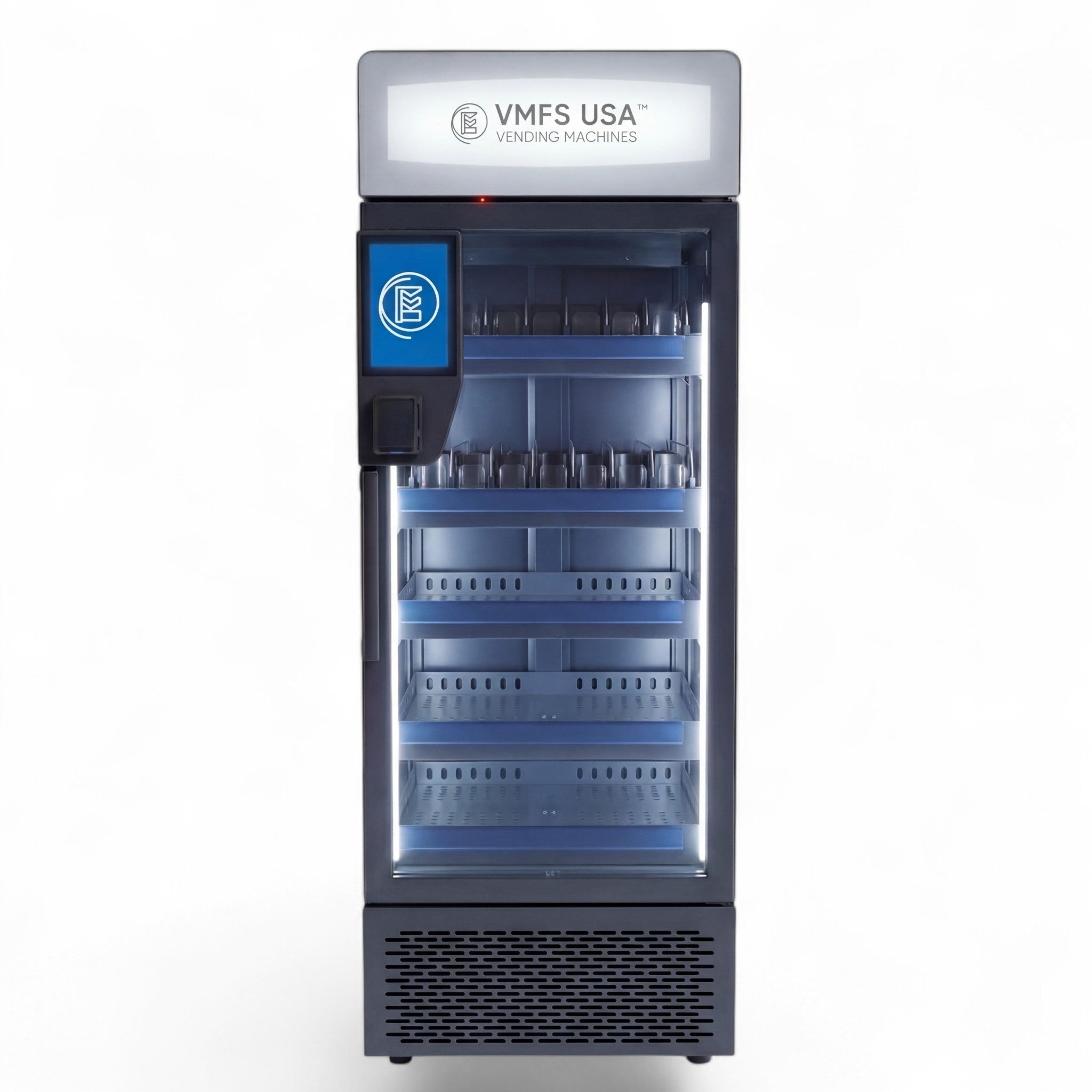
- A grab-and-go cooler or healthy vending machine sells water, ready-to-drink protein, bars and gear. AI coolers like the NEO GO let members open the door, take what they want and pay automatically.
- A smoothie or juice bar has the widest menu, but it needs staff, a food permit and a counter.
Our guide to protein shake vending machines in gyms compares these options in detail, and what to stock in a gym vending machine covers the product mix and the rules for supplements.
Retail, forgotten items and personal care
Members forget things: earbuds, padlocks, hair ties, socks, deodorant. A small pro shop or a vending machine for gear and toiletries turns those moments into sales without a cashier. Vending machines for towels, shoe drying and personal care products follow the same logic. A personal care vending machine fits easily in a locker room entrance.
Towel service, locker rentals and day passes
Three small fees that add up. Towel service can sit in a premium tier or carry a per-use charge. Lockers can be free for the day and rented by the month. Day and guest passes bring in revenue and double as a trial for future members.
How to decide which amenities to add
- Ask your members. A two-question poll in your app or at the front desk tells you more than any trend report.
- Price the space. Every square foot an amenity takes is a square foot not used for training. Compare what the amenity earns per square foot with what that floor space earns now.
- Count the staff hours. Unattended amenities (vending, massage chairs, lockers) scale well. Staffed ones (childcare, a smoothie bar) need steady demand to cover wages.
- Check the rules and your insurance. Pools, hot tubs, tanning, childcare and food each come with their own regulations and coverage needs.
- Decide how it pays. Included, premium tier, per-use fee or product sales. If it doesn't fit one of these, it's a cost, and that's fine for the basics.
- Start small and measure. Test with a vending machine or a single recovery station before you build a full recovery room or café.
Add an amenity that earns while you sleep. Fresh protein shakes 24/7, no staff, under 6 sq ft of floor space.
See the protein shake vending machine →Frequently asked questions
What amenities should a gym have?
Every gym needs clean locker rooms and showers, lockers, water stations and reliable Wi-Fi. Beyond that, most members value group classes, recovery options like a sauna, and convenient food and drink. Which extras make sense depends on your members, space and budget.
What are the most popular gym amenities?
Locker rooms, showers and towels are the basics members expect. Popular extras include group classes, saunas and steam rooms, recovery areas, massage chairs, 24/7 access, and food and drink such as protein shakes and healthy vending.
Which gym amenities make money?
Personal training, tanning, massage chairs and hydromassage, protein shake and healthy vending machines, retail, towel service, locker rentals and day passes can all earn directly. Premium membership tiers that bundle several amenities are the most common way to monetize them.
Is a sauna worth it for a gym?
For many clubs, yes, as a premium-tier amenity that keeps members. It needs a dedicated room, power and regular cleaning, and your local health code may set rules on signage and maintenance. Get quotes and check the code before you build.
How much does it cost to add protein shakes to a gym?
A ready-to-drink cooler costs least to start; AI coolers start from a few thousand dollars. A fresh-mix protein shake vending machine costs more, around $14,000 for ours, but lowers the cost per shake. Some operators will place a machine at no upfront cost in exchange for a commission.
Do gyms need ADA-accessible lockers?
Yes. Under the 2010 ADA Standards, at least 5% of each type of locker, and at least one, must be accessible. The same 5% rule applies to each type of locker room.
Can a gym offer tanning to teenagers?
The FDA requires tanning equipment to carry a warning that it shouldn't be used by anyone under 18, and many states restrict or ban tanning for minors. Check your state's law before offering tanning to any member under 18.
Share:
Best Protein Shake Vending Machines Compared (2026): Shaker, One Touch, PowerPod, Protein Point & VMFS