




Design the perfect vending solution for your location and customers.

Join the VMFS newsletter and step into a thriving network dedicated to collective success.
One signup. Endless possibilities.
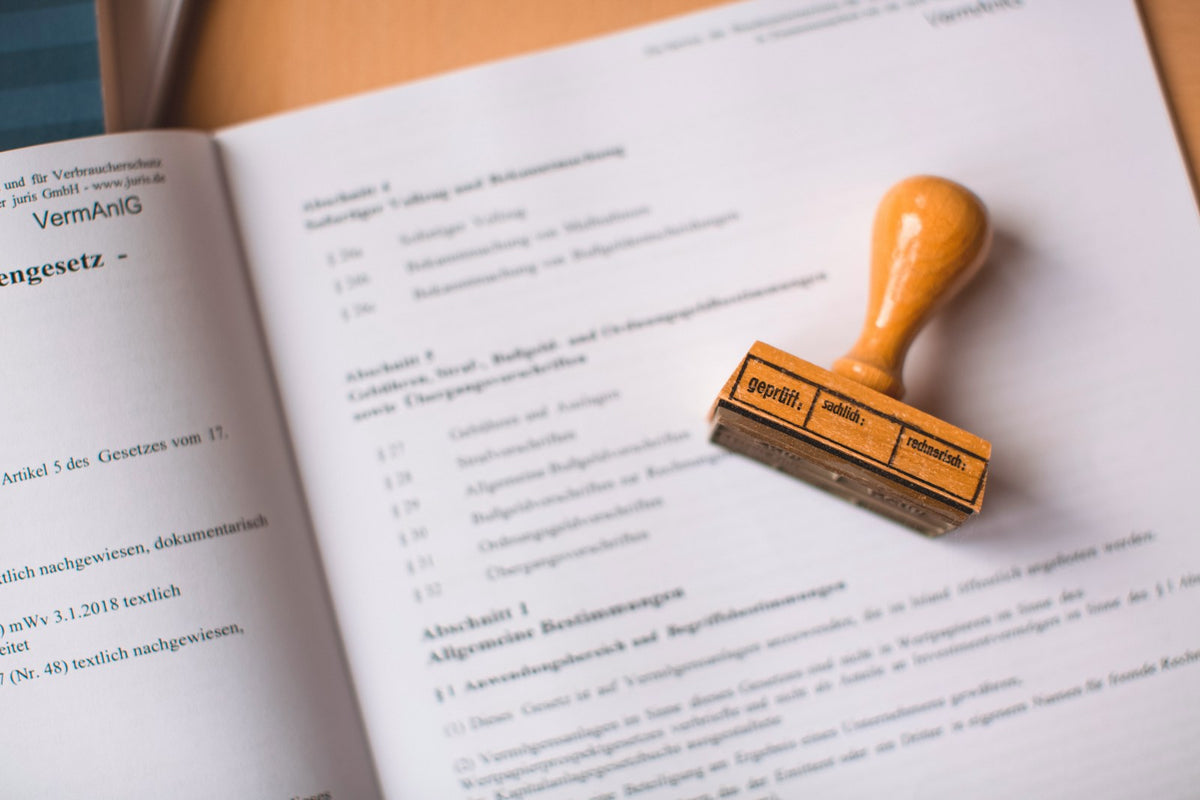
No. Since Alabama Act 2025-403 took effect on June 1, 2025, state law bans selling vapes, e-liquids, Zyn and other nicotine pouches, and tobacco through any vending machine, and no person may maintain one, even inside a 21+ bar or vape shop.
This guide explains the Alabama vape ban for vending operators: the statute text, the ABC Board permits that do exist ($150 tobacco permit, $1,000 specialty retailer license), Zyn rules, penalties, placement and zoning, and the machine businesses you can still run legally in Alabama.
Not legal advice: This page summarizes the Code of Alabama, Alabama ABC Board rules and federal FDA rules as published in October 2026. Laws, rules and court rulings change, so confirm your plans with the Alabama ABC Board or a licensed Alabama attorney before you buy equipment or sign a placement agreement.
No. Alabama now prohibits distributing any tobacco, tobacco product, alternative nicotine product, e-liquid or electronic nicotine delivery system (ENDS) by vending machine, with no age-restricted-venue exception. Section 28-11-6.1 of the Code of Alabama, as rewritten by Act 2025-403, reads in full that none of those products "shall be distributed by use of a vending machine" (Code of Alabama § 28-11-6.1). The companion section, 28-11-7(b), goes further and says no person may maintain a tobacco, ENDS, e-liquid or alternative nicotine product vending machine at all (Act 2025-403, enrolled HB8).
That second sentence matters for owners, not just sellers. The Code does not define "maintain," so treat any nicotine machine kept at an Alabama location as a legal risk, and a machine stocked with disposable vapes or nicotine pouches and open to customers is exactly what the statute targets. Because "distribution" in Chapter 11 means to sell, barter, exchange or give, free-vend promotions and token-operated machines are covered too.
Many guides still say Alabama allows nicotine vending in places where people under 21 are not permitted, or when an employee controls the machine. That was true before June 1, 2025. The enrolled bill shows both exceptions, along with the old rule that a tobacco machine could not mix in non-tobacco products, struck from the law. The previous per-machine permit that had to be posted on each unit was also deleted. If you are reading older advice, including earlier versions of VMFS USA posts, the table below shows what changed.
| Rule | Before June 1, 2025 | Since June 1, 2025 (Act 2025-403) |
|---|---|---|
| Vending in a 21+ area | Allowed if under-21s were not permitted access | Prohibited |
| Employee-controlled vending device | Allowed if the permit holder or an employee controlled each sale | Prohibited |
| Products covered | Tobacco, alternative nicotine products, ENDS | Tobacco, alternative nicotine products, ENDS and e-liquids |
| Per-machine permit | One ABC permit per machine, posted on the machine | Deleted; no person may maintain such a machine |
| Mixing nicotine and snacks in one machine | Prohibited (matches excepted) | Moot, because all nicotine vending is prohibited |
| Tobacco permit fee | No fee | $50 one-time filing fee plus $150 a year per location |
The short version for anyone shopping for vape vending machines: you can buy one in Alabama and operate it in a state that allows age-restricted vending, but you cannot place it in an Alabama location to sell nicotine. The rest of this guide covers what Alabama does allow, how the permits work and which vending categories remain open to you.
Act 2025-403, which began as House Bill 8 sponsored by Rep. Barbara Drummond, rewrote Alabama's tobacco and nicotine chapter and took effect on June 1, 2025. Its title lists the vending prohibition first among its purposes, followed by a new retail license and fees, restrictions on how ENDS and e-liquids are sold, higher penalties, a dedicated enforcement fund, warning-sign rules and a requirement that vaping products be made in the United States or federally authorized (Act 2025-403).
For vending operators, six changes do most of the work:
Vending ban
Sections 28-11-6.1 and 28-11-7(b) remove every vending exception for tobacco, ENDS, e-liquids and alternative nicotine products.
Two retail permit types
A tobacco permit for tobacco, non-vapor nicotine and FDA-authorized vapes, and a new specialty retailer of ENDS license for everything else that is legal to sell.
21+ specialty stores
Specialty vape retailers must keep anyone under 21 out of the store and scan each patron's ID at the door with board-approved software.
Product directory
From October 1, 2025, products join the state ENDS directory only if they are U.S.-made or have FDA marketing authorization.
Higher fines
Administrative fines climb to as much as $5,000 for a third violation at one location within two years, with mandatory permit revocation.
Seizure
Fixtures and equipment used in substantial connection with an illegal sale can be seized and forfeited, which puts the machine itself at risk.
The law also changed the definition of "minor" in Chapter 11 to anyone under 21, aligned the age language across the chapter, and widened the existing under-21 purchase and possession ban to cover e-liquids and tobacco substitutes. Retailers must post a state warning sign about nicotine, and sellers of vapes and pouches must add a heavy-metals warning. Money from permit fees and fines flows to a new Vaping Licensing and Enforcement Fund, with 40 percent going to the ABC Board's Licensing and Compliance Division and 20 percent each to state law enforcement, the State Board of Education and the court system.
The ABC Board then adopted rules to carry out the act. Chapter 20-X-27 of the Alabama Administrative Code, effective October 13, 2025, requires that e-liquids, ENDS and alternative nicotine products be listed in the Department of Revenue's directory before they can be sold, sets the entry-sign and ID-scanning standard for specialty retailers, and lets an alcohol licensee add a specialty ENDS permit only if the entire premises is restricted to patrons 21 and older (Ala. Admin. Code 20-X-27). None of those rules reopens vending.
Federal law sets the floor, and Alabama builds a stricter rule on top of it. Under the federal Tobacco 21 law, it is illegal for a retailer to sell any tobacco product, including cigarettes, cigars and e-cigarettes, to anyone under 21 anywhere in the United States (FDA, Tobacco 21).
On vending, the FDA's own rule is narrower than Alabama's. Federal regulation 21 CFR 1140.16 allows cigarette and smokeless tobacco vending machines only in facilities where the retailer ensures that no person under 21 is present or permitted to enter at any time (21 CFR 1140.16). The FDA's retailer guidance applies the same idea to covered products such as e-cigarettes, telling retailers not to sell them through vending machines except in facilities that never admit anyone under 21, and to check photo ID for anyone under 30 (FDA retail guidance).
In most states, that federal standard is what makes adult-only placements possible, which is why VMFS USA's national guide to whether vape vending machines are legal focuses on 21+ venues and ID scanning. Federal law does not override a stricter state law, though. Alabama has chosen to go beyond the FDA floor and ban the channel entirely, so meeting the federal 21+ facility test does nothing for a machine located in Alabama. The same applies to cigarette vending machines: the federal rule would allow one in an adult-only facility, but Alabama's statute covers tobacco as well as vapes.
Technology does not change the analysis either. Modern age verification vending machines scan IDs, match faces or require a staff unlock, and the methods are compared in VMFS USA's guide on how age verification vending machines work. Those tools help an operator prove compliance where vending is lawful. In Alabama, the law prohibits the sales channel itself, so even a flawless ID check does not make a nicotine vending sale legal.
Alabama issues two state permits for nicotine retail, and neither one authorizes a vending machine. The ABC Board's fee schedule lists license type 990, the Tobacco Permit, at $150, and type 991, the Specialty Retailer of ENDS, at $1,000 (ABC Board license types and fees). The statute adds application fees and explains what each permit covers.
| Permit or fee | Who needs it | Cost | Covers vending? |
|---|---|---|---|
| Tobacco permit (ABC type 990), Code § 28-11-7 | Each location selling tobacco, non-vapor alternative nicotine products such as pouches, and FDA-authorized vapes | $50 one-time filing fee for new applicants plus $150 per year | No |
| Specialty retailer of ENDS license (ABC type 991), Code § 28-11-7.1 | 21+ vape stores that sell e-liquids, ENDS and vapor-based nicotine products | $50 application fee plus $1,000 per year | No |
| Permit transfer, Code § 28-11-7(d) | New owner of a permitted location, or a business moving within the same jurisdiction | $50 transfer fee | No |
| Manufacturer directory certification, Code § 28-11-17.1 | Manufacturers of e-liquids and alternative nicotine products sold in Alabama | $2,000 initial, $500 annual renewal | No |
The tobacco permit is the one most convenience stores, gas stations and grocers hold. According to the ABC Board, it authorizes the sale of tobacco, tobacco products and non-vapor alternative nicotine products, plus e-liquids, ENDS and vapor-based alternative nicotine products that have an FDA marketing order, a pending timely premarket application or a court-stayed denial, as long as the product also appears on the Department of Revenue's ENDS directory (ABC Board tobacco permit). Each permit is valid only for the location named on the application and is renewed every year.
The specialty retailer license is for stores built around vaping. A business falls into this category if its trade name includes words like "vape" or "vapor," if 50 percent or more of its inventory is vapes or nicotine products, if 20 percent or more of its floor or shelf space is given to vapes, if it has a self-service vape display, offers samples or mixes its own e-liquids (Act 2025-403). The license is location-specific, and the store must restrict entry to adults 21 and older (ABC Board specialty ENDS permit). Applicants must get the board's approval for their third-party ID-scanning software before the license is issued.
Nicotine permits sit on top of the ordinary business paperwork every Alabama vending operator needs: entity registration, a state sales tax account and local business licenses. Those steps are covered in VMFS USA's guide to the vending machine permit in Alabama, and the national picture is in the guide to vending machine permits in the United States.
Common mistake: holding a tobacco permit for a store does not let the store, or a vending company, add a nicotine vending machine on that premises. Section 28-11-6.1 applies regardless of what permits the location holds.
No Alabama location qualifies for a nicotine vending machine, so placement planning for vapes and pouches starts and ends with staffed retail. Bars, lounges, private clubs, casinos, liquor stores and vape shops are not exceptions. Earlier guidance pointed operators to exactly those venues, and that advice no longer reflects the statute.
Where nicotine products can be sold, the law controls how they are displayed. Section 28-11-6.2 bars self-service displays of tobacco and nicotine products unless the display is in a tobacco specialty store, meaning a business that earns at least 75 percent of its revenue from tobacco, or in a specialty ENDS retailer, and is located in an area people under 21 cannot enter. Everywhere else, products must be handed over by an employee. A display case that holds products behind locked doors is not a self-service display under the definitions in Section 28-11-2, so a locked case opened by a clerk is the compliant format for an all-ages store (Act 2025-403).
Operators sometimes ask whether a clerk-activated dispenser behind the counter gets around the ban. The pre-2025 law expressly allowed a machine that required the permit holder or an employee to control each sale. Act 2025-403 struck that exception, so a device that functions as a vending machine is still a vending machine even if a clerk presses the button. Ask the ABC Board in writing before installing any automated dispensing hardware for nicotine.
Alabama used to stop counties from licensing a specialty vape retailer within 1,000 feet of a K-12 school, child-care facility, church, public library, playground, park or youth center. Act 2025-403 repealed that section, 28-11-19, effective June 1, 2025. The 1,000-foot figure survives in a different place: vape advertising may not appear on an outdoor billboard within 1,000 feet of a public or private K-12 school or public playground, and billboards may only promote tobacco, mint or menthol flavors. Some state agency pages still describe the old siting rule, so rely on the current Code.
Cities and counties in Alabama still control land use and business licensing, so a vape shop or tobacco retailer may need zoning approval for the retail use, a local business license and compliance with sign ordinances. Contact the city planning or zoning office and the county license office for the exact address before signing a lease. For general vending placements that are legal, such as snacks and drinks in offices or apartment buildings, the steps to start a vending machine business in Alabama cover local licensing in more detail.
One more placement change arrived in 2026. Senate Bill 9 amends the Alabama Clean Indoor Air Act so that "smoking" includes using an electronic nicotine delivery system, effective October 1, 2026 (SB9, 2026 Regular Session). Vaping is now treated like smoking in enclosed public places, a list that includes retail stores, restaurants, shopping malls and places of employment. That rule governs use, not sales, but hosts that sell or allow vaping should review their indoor policies.
Zyn and other nicotine pouches are "alternative nicotine products" under Alabama law, so the vending ban applies to them exactly as it does to vapes. Section 28-11-2 defines the category as any product that contains nicotine and can be taken into the body by chewing, absorbing, dissolving, inhaling or any other means, excluding tobacco products, ENDS and FDA-approved cessation products. Pouches fit that description, and Section 28-11-6.1 names alternative nicotine products in its prohibition.
Pouches can still be sold over the counter in Alabama. Non-vapor alternative nicotine products fall under the standard $150 tobacco permit, and the ABC rules require alternative nicotine products to be listed in the Department of Revenue's ENDS directory before they are sold (Alabama Department of Revenue). The directory is searchable through the My Alabama Taxes portal and is updated monthly, so retailers should check a product's listing before ordering it.
Federal authorization does not change the vending answer. On January 16, 2025, the FDA authorized the marketing of 20 ZYN nicotine pouch products in 10 flavors, each in 3 mg and 6 mg strengths, to adults 21 and older. The FDA stressed that the order does not mean the products are safe or "FDA approved" (FDA ZYN authorization). That authorization helps a ZYN product qualify for the Alabama directory, but it says nothing about sales channels, and Alabama's statute is the one that bans vending.
Outside Alabama the picture is different. Nicotine pouches are a growing category for operators in states that permit adult-only vending, and VMFS USA's guide to starting a ZYN vending machine business covers product mix and placement where the channel is legal. Anyone running a multi-state route needs a state-by-state map, because Alabama is now among the strictest states for nicotine vending.
Breaking Alabama's nicotine laws can cost a permit holder up to $5,000 per violation, the permit itself and the equipment used. The ABC Board, or a hearing commission it appoints, can levy administrative fines against permit holders and suspend or revoke permits under Section 28-11-9 (Act 2025-403).
| Violation at the same location within two years | Maximum administrative fine | Permit consequence |
|---|---|---|
| First violation | Up to $1,000 | Suspension possible, up to one year |
| Second violation | Up to $2,500 (fine is mandatory) | Suspension possible, up to one year |
| Third or later violation | Up to $5,000 (fine is mandatory) | Permit must be revoked; no permit at that location during the revocation period, even after a sale of the business |
| Advertising violations, Code § 28-11-16 | $300 first, $750 each later occurrence; each day counts separately | Applies to retailers and manufacturers |
Fines must be paid within seven calendar days, and an unpaid fine automatically suspends the permit until it is paid. Revocation makes the permit holder ineligible for a permit at that location for one year. For vending, the practical risk falls on two parties at once: the host store whose tobacco permit is exposed, and the machine owner whose inventory and hardware can be taken.
Equipment risk is the part most machine buyers overlook. Section 28-11-14 declares prohibited tobacco and nicotine products contraband subject to seizure, and it extends the same seizure and forfeiture procedures to all fixtures, equipment, materials and personal property used in substantial connection with an illegal sale. A vape vending machine business is built around hardware that can cost several thousand dollars per unit, so a forfeiture can erase more value than any fine. Seized ENDS, e-liquids and pouches are destroyed, and the person they were taken from can be charged a disposal fee.
Alabama operators can still build a profitable machine business; it just cannot include nicotine. The legal paths fall into three groups: non-nicotine vending in Alabama, staffed nicotine retail with the right permit, and age-restricted vending in states that allow it.
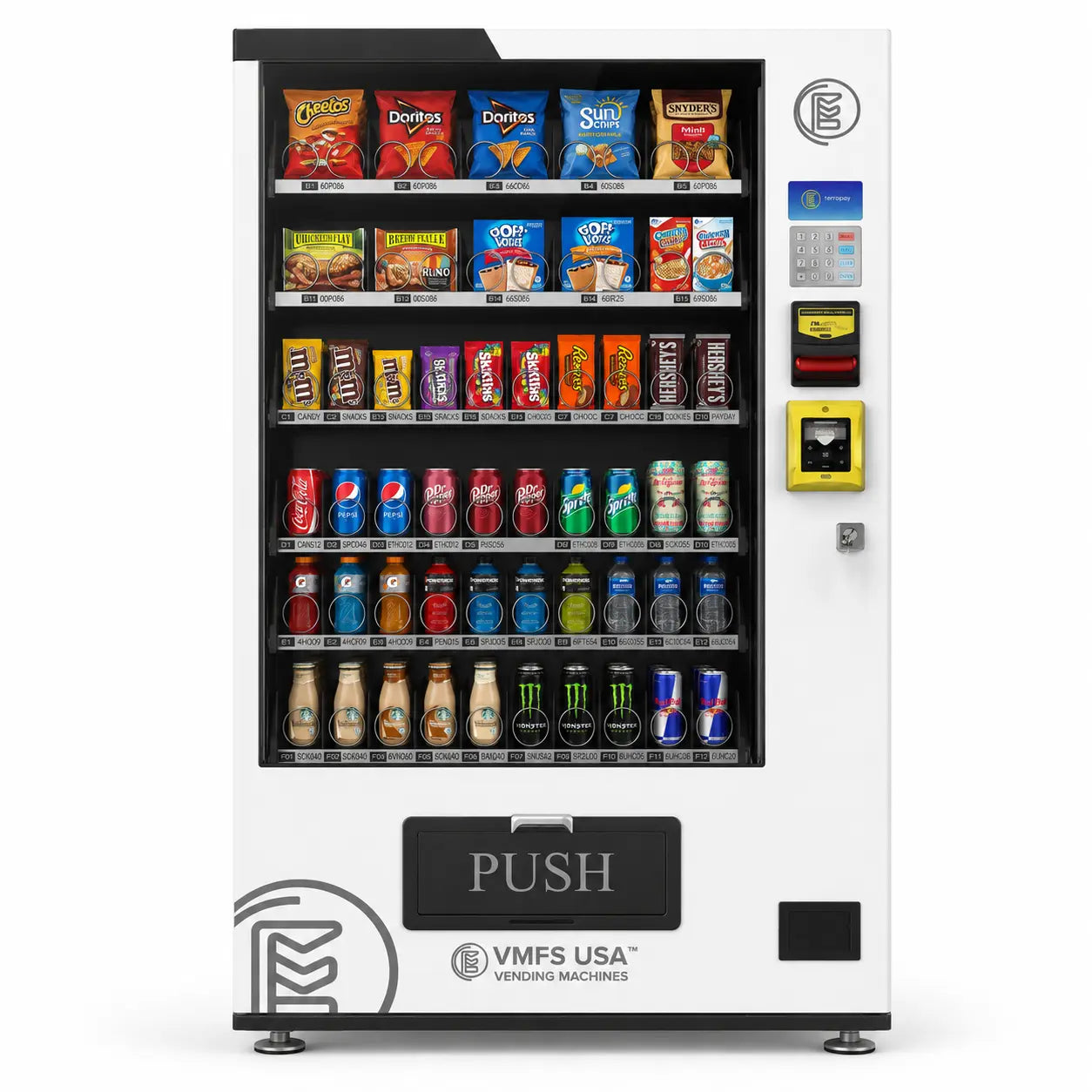
Non-nicotine vending is the obvious one. Snack vending machines and combo vending machines carry none of the nicotine rules, only the normal business, tax and local licensing steps. Smart touchscreen machines with cashless payment and remote monitoring through VMFS Cloud work for the same office, apartment, gym and hotel locations that nicotine operators were targeting. If the attraction of vape vending was an adult audience, compare other regulated categories carefully: Alabama has separate rules for alcohol, covered in the guide on alcohol vending machines in Alabama.
Staffed retail is the second path. A convenience store or tobacco shop with a $150 tobacco permit can sell pouches, tobacco and FDA-authorized vapes from behind the counter or from a locked case, and a dedicated 21+ vape store can operate under the $1,000 specialty license with ID scanning at the door. That is a retail business, not a vending route, and it carries staffing, inventory and compliance costs that vending normally avoids.
Out-of-state placement is the third. Operators based in Alabama can buy age-verification machines and place them where state law permits adult-only vending. Neighboring and nearby markets differ, so read the state guides before you commit: VMFS USA covers vape vending in Arkansas and vape and Zyn vending in Arizona, and explains whether you can put a vape vending machine in a bar in states that allow it. For help finding qualified hosts, VMFS USA's location matching service works with operators on placements.
Non-nicotine vending in Alabama
Nicotine vending outside Alabama
Build an Alabama route that is legal today
Combo, snack and smart machines carry none of Alabama's nicotine restrictions and fit the same 21+ and workplace locations.
Browse combo vending machinesAct 2025-403 is in force, and the main court challenge to it has not stopped it. The Vapor Technology Association and an Alabama vape retailer sued the state and the ABC Board in 2025, arguing that federal law preempts the act and that its directory rules discriminate against foreign products. A Montgomery County circuit judge temporarily blocked enforcement in 2025 while the case moved forward (1819 News). On July 2, 2026, the Alabama Supreme Court affirmed the denial of a preliminary injunction, finding the challengers had not shown a reasonable likelihood of success on their claims (1819 News).
According to a summary of the decision in Spencer v. Vapor Technology Association, the claims centered on the provisions that keep foreign-made products off the state directory unless they hold FDA authorization, and the court held that federal law does not preempt the act (Maynard Nexsen appellate alert). The vending prohibition was not the focus of the case, and the ruling left the act in place. Further proceedings are possible, so check the ABC Board for updates rather than relying on a news headline.
Two other developments are worth tracking. First, the indoor vaping rule in SB9 took effect on October 1, 2026, which changes how hosts manage vaping on their premises. Second, the ABC Board can amend Chapter 20-X-27 by rule, and the Department of Revenue updates the ENDS directory monthly, so the list of legal products can change between orders. Set a calendar reminder to review the ABC Board's tobacco and nicotine pages and the Code of Alabama Title 28, Chapter 11 at least every quarter and after each legislative session.
If a future amendment ever restores an adult-venue exception, expect conditions similar to the pre-2025 law and the federal standard: a facility that never admits anyone under 21, an ABC permit and strict ID checks. Until the Legislature changes Section 28-11-6.1, though, plan on zero nicotine vending in Alabama. The age verification methods VMFS USA supports are useful for other states and other regulated products, not as an Alabama workaround.
Use this checklist before you buy equipment or sign a location agreement involving nicotine in Alabama. Each step reflects the current Code of Alabama and ABC Board rules described above.
If your plan involves vending machines for other products in Alabama, the nicotine checklist does not apply, and the normal registration, sales tax and local license steps are enough to get started.
Placing vape machines in a state that allows them?
Compare wall-mount, countertop and full-size vape machines with ID-scan options for 21+ locations outside Alabama.
View vape vending machines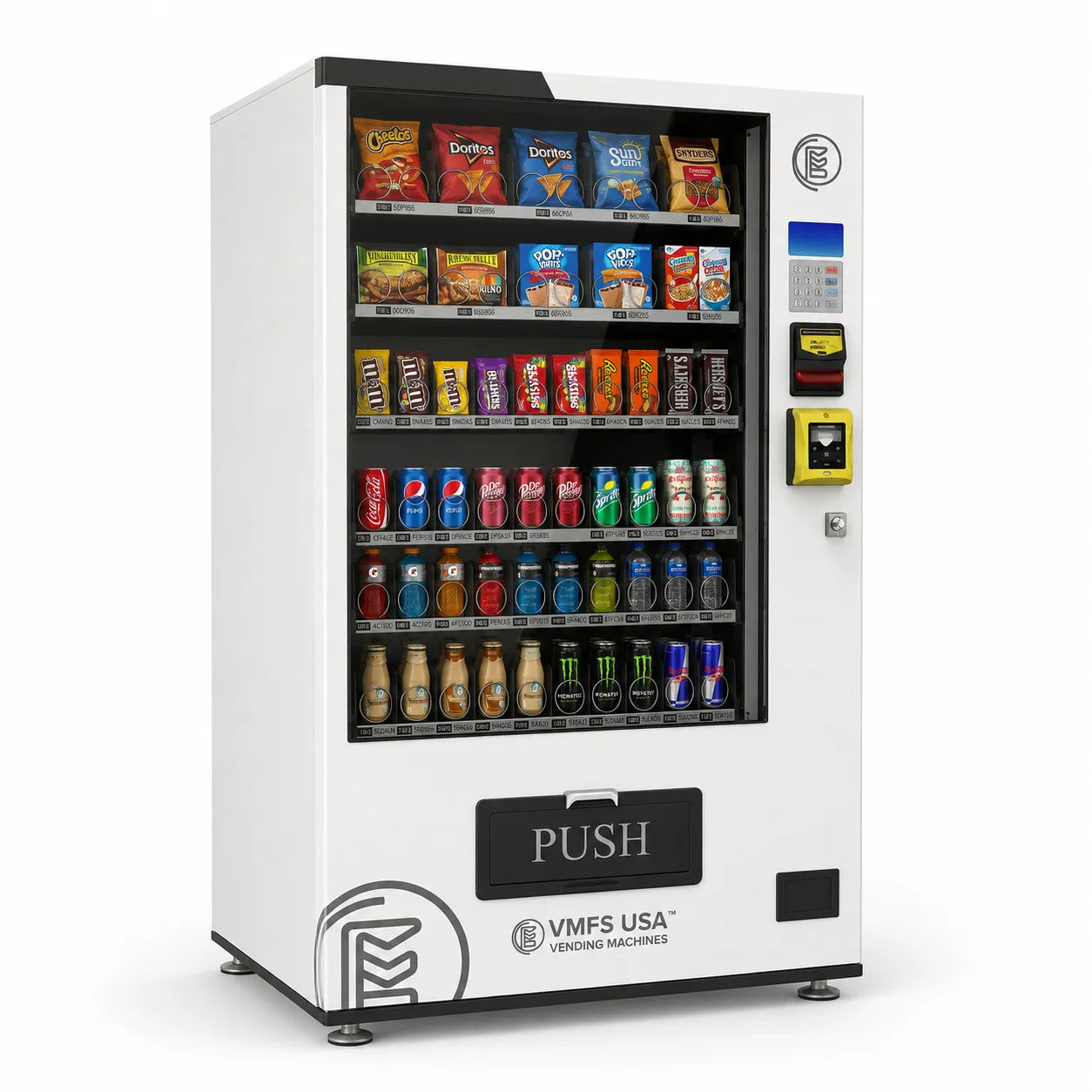
Share:
Do I Need A License To Sell Boba? Here’s What Every Vendor Should Know
Do I Need A License To Sell Boba? Here’s What Every Vendor Should Know