


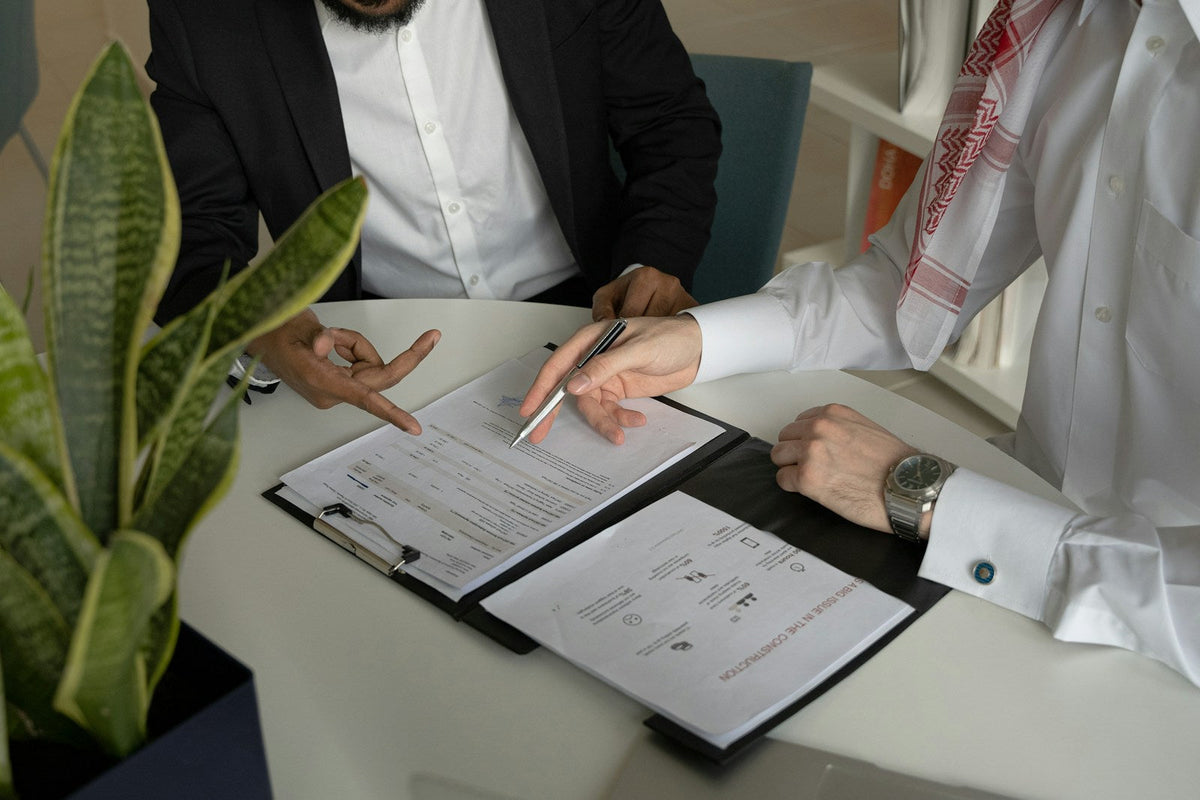


Design the perfect vending solution for your location and customers.

Join the VMFS newsletter and step into a thriving network dedicated to collective success.
One signup. Endless possibilities.
Vending machine permit in Alabama describes the approvals required to operate vending machines legally. Alabama does not issue one single permit for vending businesses. Operators must meet several licensing and tax requirements instead. Most vending businesses need a county-issued Alabama Business Privilege License, a sales tax registration with the Alabama Department of Revenue, and a federal Employer Identification Number. Extra permits apply only in limited cases. Local rules play a major role in compliance. Counties and cities set their own business requirements. Product type also affects permitting. Machines that sell regulated food or drinks face stricter rules. Machines with packaged products usually do not. This guide explains when permits apply and when they do not. It also shows how to obtain each required license. The goal is simple. Help operators stay compliant without delays, fines, or unnecessary permits.
Alabama does not issue a single vending permit that applies to every business. Most people use the term permit to describe all legal requirements together. In practice, Alabama regulates vending through licenses, tax registration, and conditional permits. Whether you need permits depends on two factors. Product type matters most. Location rules come next.
Machines that sell sealed, shelf-stable items usually do not require a health permit. Chips, candy, bottled drinks, and similar products fall into this category. In these cases, business licensing and sales tax registration cover compliance. Machines that sell food requiring temperature control face stricter rules. Hot food, refrigerated meals, and frozen items often trigger health department oversight. County health officials review these machines to ensure food safety. Location can also create extra requirements. Some cities require a local business license for vending machines. Others do not. Rules vary by municipality, even within the same county. The key takeaway is simple. Every vending business needs licenses and tax registration. Only certain machines need additional permits. Checking requirements before installation prevents fines and forced removal.
To legally operate a vending machine business in Alabama, operators must secure three primary state and local credentials instead of a single statewide permit:
Alabama Business Privilege License: Issued annually through the county Probate Judge or License Commissioner. The base fee starts at $10 for annual gross sales of $12,000 or less and scales upward based on previous year gross revenue.
Alabama Sales Tax Registration: Issued by the Alabama Department of Revenue via My Alabama Taxes. Vending sales for food and beverages are taxed at a state rate of 3%, while non-food items are taxed at 4%, plus applicable city and county taxes.
Mandatory On-Machine Display: Operators are legally required to prominently display their business name, contact address, and telephone number on each individual machine.
County Health Department Permits: Only required if dispensing temperature-controlled, perishable, or freshly prepared food/beverages (shelf-stable packaged snacks and canned drinks are exempt).
Understanding costs alone is not enough. Vending operators must also know exactly where to apply for each license or permit. Alabama splits vending compliance across state, county, and local offices. Applying through the correct authority prevents delays and rejected applications.
Every vending business must obtain a federal Employer Identification Number before applying for licenses. The Internal Revenue Service issues EINs at no cost.
Alabama counties and the Department of Revenue require an EIN for business licensing and tax registration.
All vending businesses must obtain an Alabama Business Privilege License. Counties issue this license locally, even though it authorizes statewide operation.
Each county sets its own fee schedule and application process. Some counties accept online applications, while others require in-person or mailed submissions. Contact the county licensing office directly before applying.
Most vending machine sales are taxable. Vending operators must register for sales tax with the Alabama Department of Revenue before collecting tax.
Sales tax registration is separate from county licensing. Operators must complete both steps.
Some Alabama cities require a local business license for vending machines placed within city limits. This requirement depends on the exact machine location.
Not every city requires this license. Always confirm requirements before installing a machine.
Health department permits apply only when vending machines sell regulated food, such as hot, refrigerated, frozen, or prepared items.
Operators should contact the county health department where the machine operates before purchasing specialty food vending equipment.
When people ask about the cost of a vending machine permit in Alabama, they want practical numbers. Alabama does not publish one fixed statewide fee. However, operators can plan using realistic cost ranges based on county schedules, city ordinances, and inspection fees. For a broader comparison of permit and licensing costs across different states, operators can reference our detailed guide on how much vending machine permits cost in the United States. This helps place Alabama’s fees in a national context.
| Requirement | Issued By | Estimated Cost Range | Renewal |
|---|---|---|---|
| Business Privilege License | County | $50 – $300 | Annual |
| City Business License (If Required) | City | $25 – $150 or $10 – $25 per machine | Annual |
| Sales Tax Registration | State | $0 – $25 | Ongoing filing |
| Health Department Permit | County Health Dept. | $75 – $300+ | Annual or periodic |
Small vending operations selling packaged products usually face modest compliance costs. Costs increase when machines operate in cities with extra licensing rules or sell regulated food. Knowing where to apply and what to budget prevents delays and enforcement issues.
After securing licenses and permits, the next decision involves equipment selection. The type of vending machine you place affects compliance, servicing effort, and approval speed. In Alabama, machines that sell packaged products usually face fewer regulatory hurdles. Machines that prepare, heat, or cool food often require additional review.
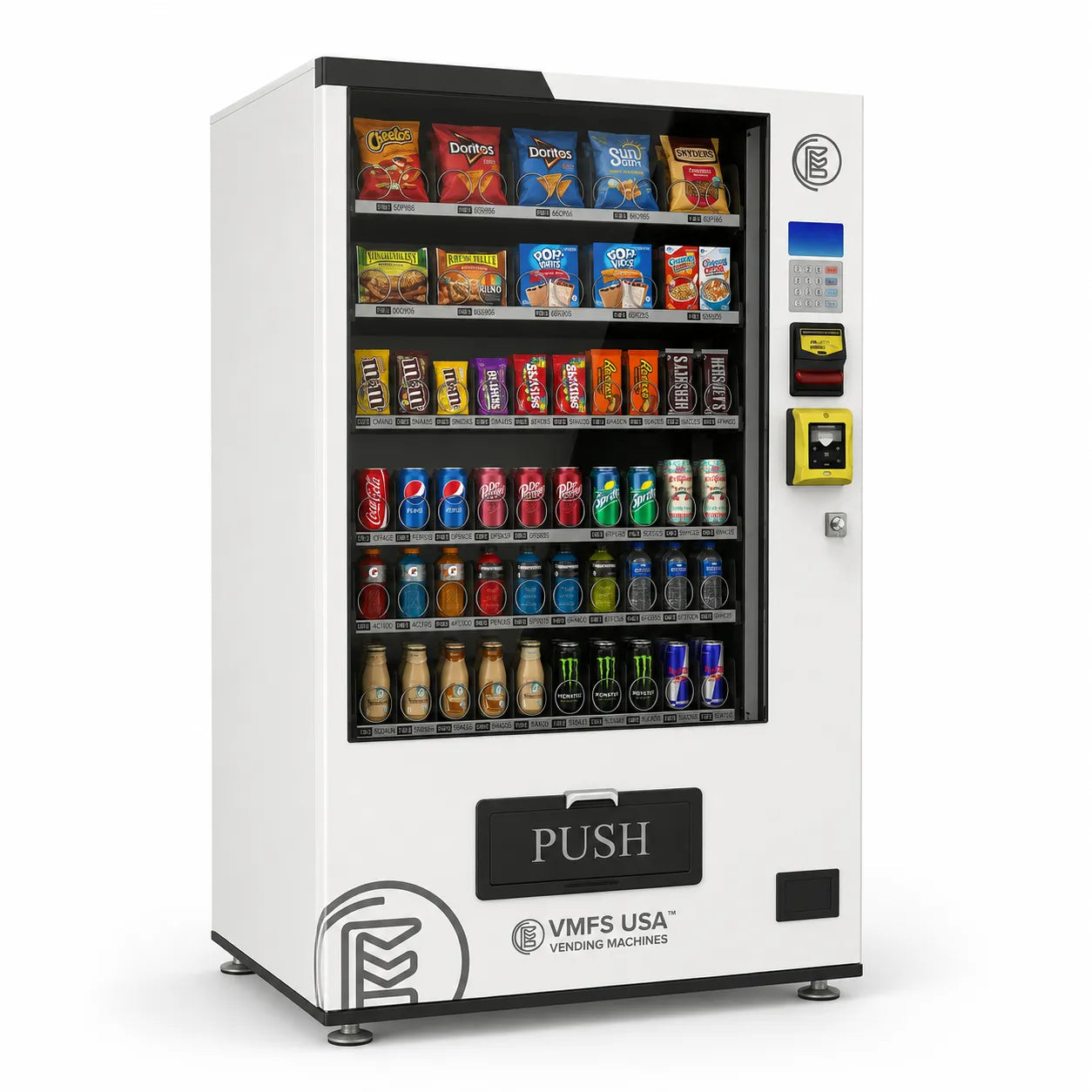
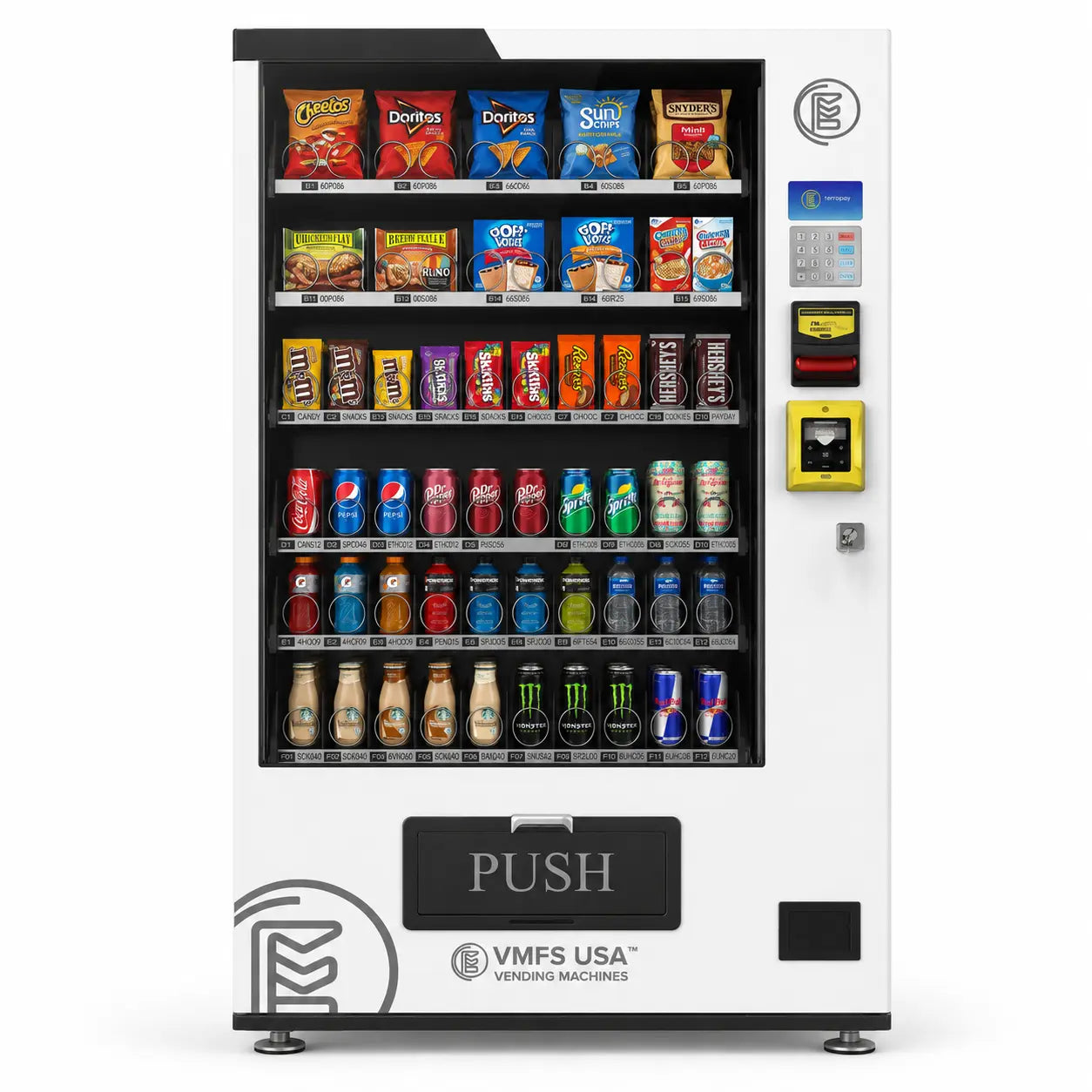
Machines that sell sealed, shelf-stable products typically operate under basic licensing and sales tax rules. These options work well in offices, warehouses, apartments, and healthcare settings.
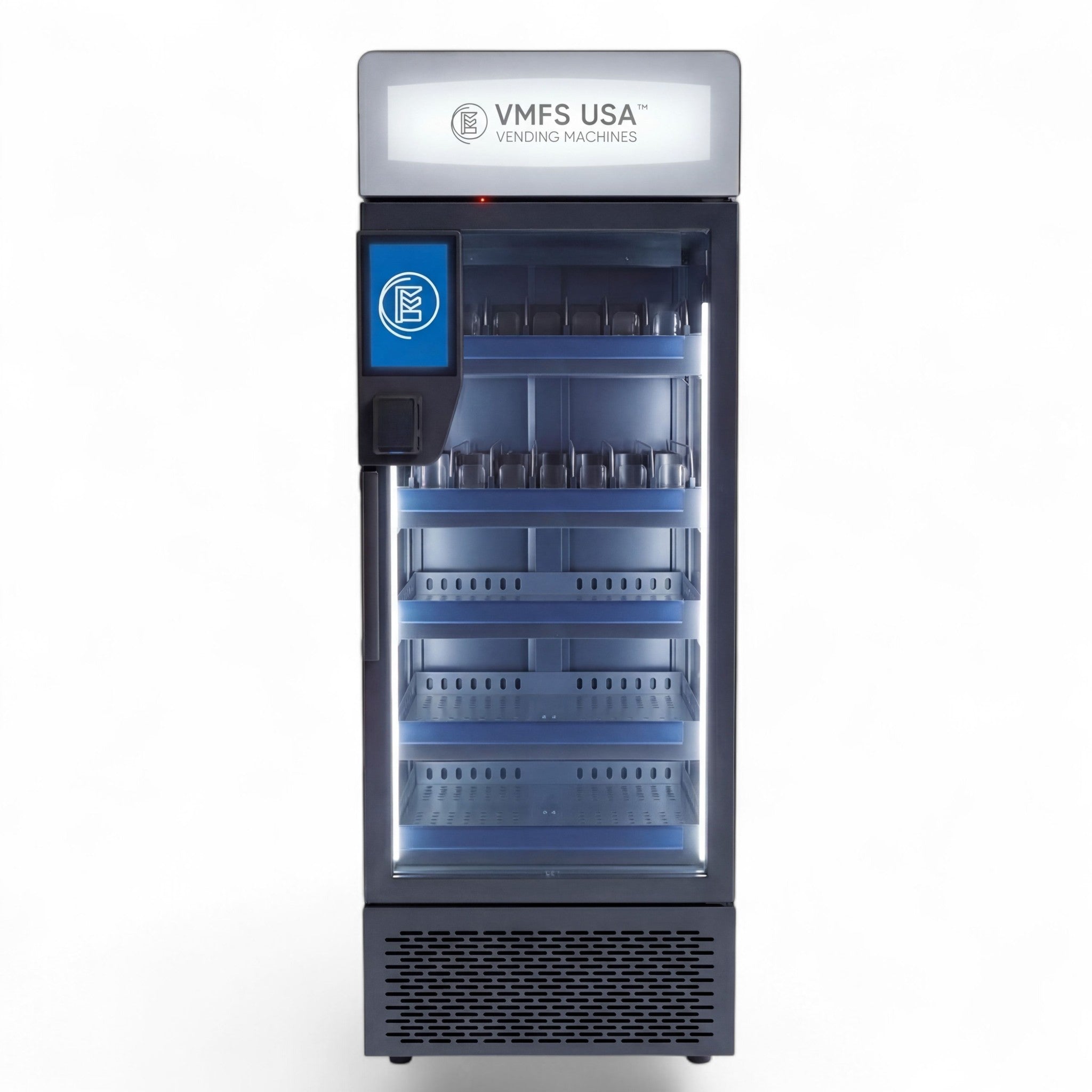
Building layout also affects machine choice. In multi-floor properties, Vending machines with elevator access simplify servicing and reduce downtime. Equipment reliability matters as well. Many operators choose Seaga vending machines to minimize maintenance issues. Modern features can improve customer experience without changing permit requirements. In premium locations, operators often use:
Food and specialty vending machines often generate higher revenue, but they also trigger additional oversight. Operators should confirm permit requirements before purchasing this equipment.
These machines usually require county health department approval because they store or dispense regulated food. Inspections focus on temperature control, sanitation, and food safety procedures.
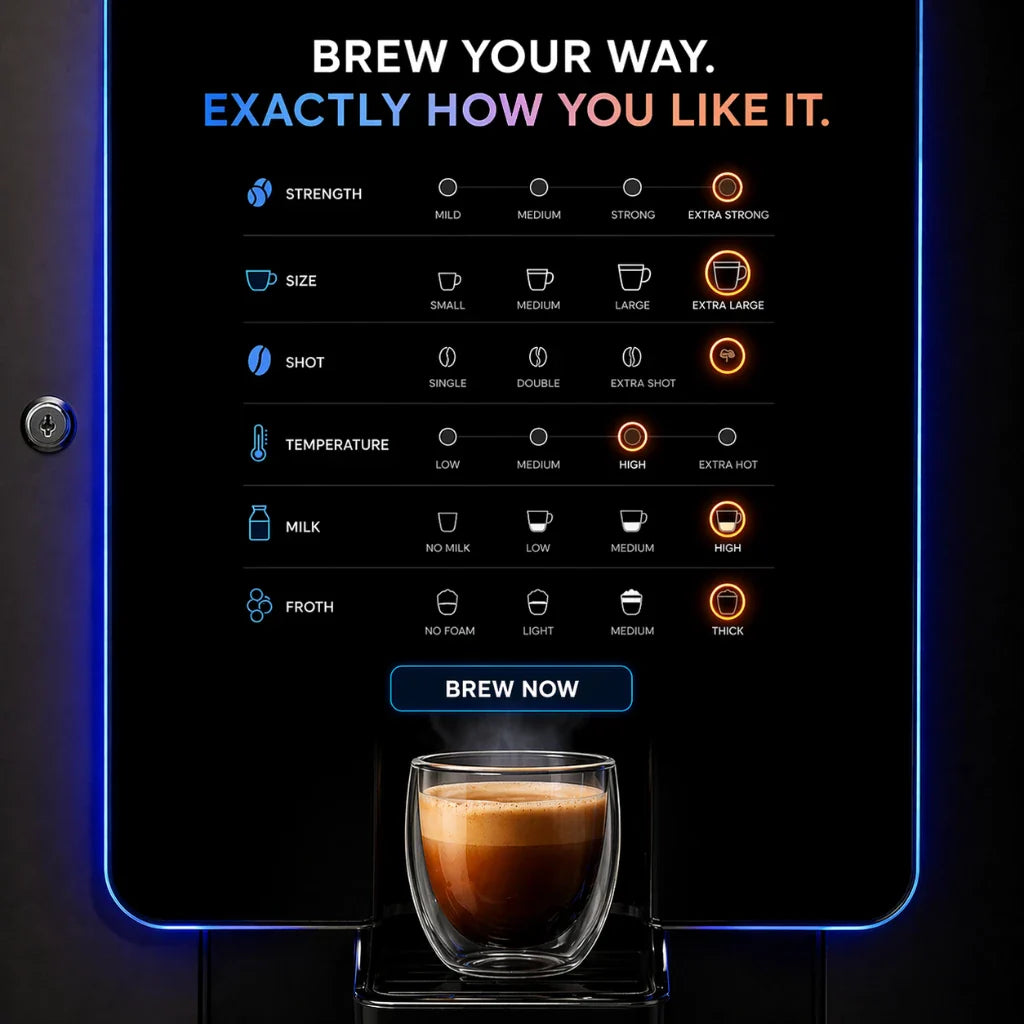
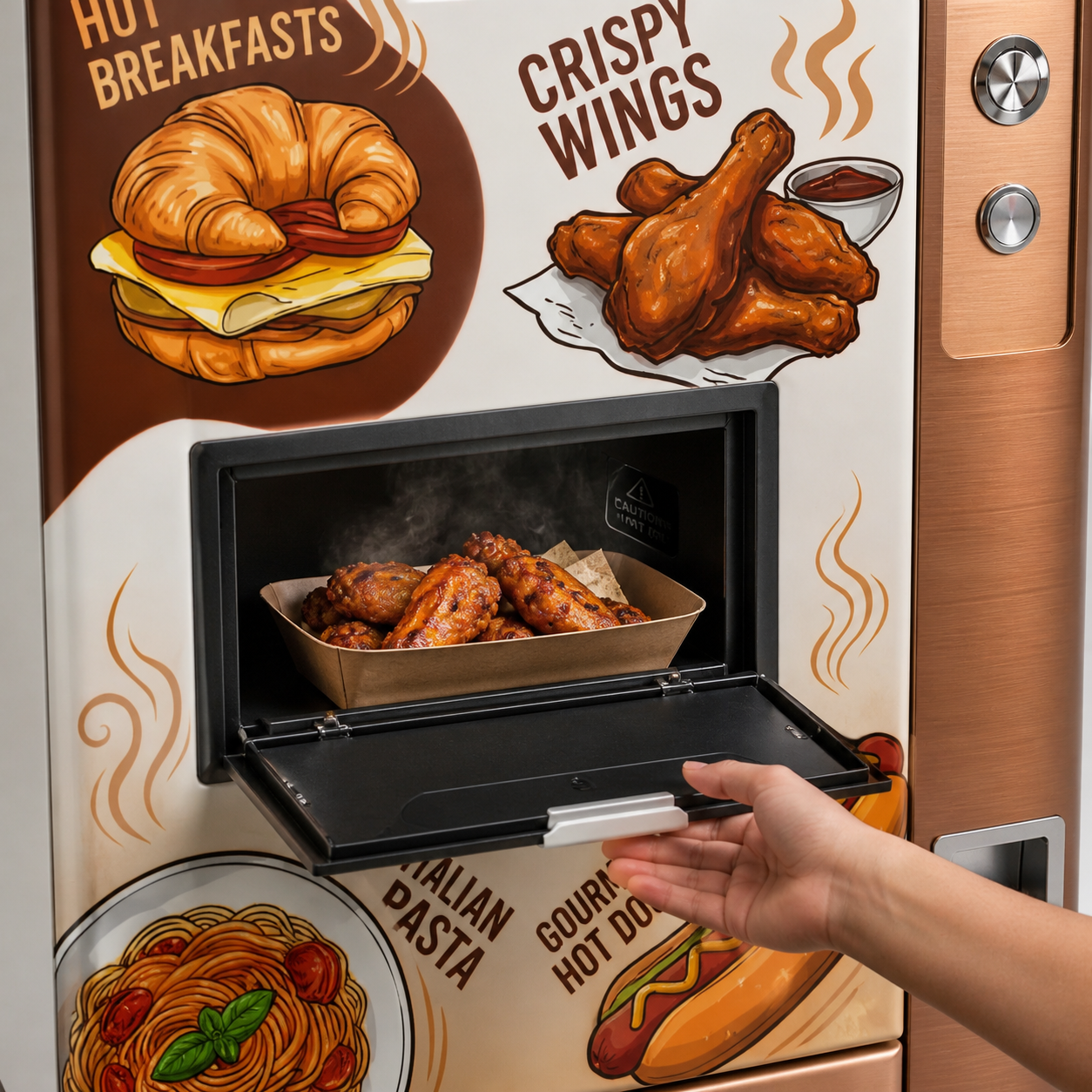
These machines involve heating, brewing, or preparing food. As a result, permit costs and approval timelines are higher. Operators should contact the county health department before ordering or installing this equipment.
Location selection affects both revenue and compliance. Some locations approve machines quickly, while others require documentation before placement. Evaluating each site in advance prevents delays.
These locations often prefer machines that sell packaged products because approval is faster. Property managers may request proof of licensing, sales tax registration, and insurance before installation. Choosing the right machine for the right location reduces permit risk, lowers operating costs, and improves long-term performance.
Before placing or expanding vending machines, operators should confirm that all required licenses and permits are active. This checklist summarizes the approvals most vending businesses need in Alabama.
Completing this checklist before installation reduces the risk of fines, forced machine removal, or lost location agreements. It also builds trust with property owners and managers.
Many vending businesses run into problems not because the rules are complex, but because steps are skipped or misunderstood. Avoiding these common mistakes helps protect revenue and keeps operations running smoothly.
Most of these issues are easy to avoid by confirming requirements in advance and keeping renewal dates organized. A compliance-first approach saves time and money over the long term.
A vending machine business in Alabama can be profitable when operators manage compliance, location selection, and product mix carefully. Startup costs are relatively low compared to many businesses, and ongoing expenses remain predictable when selling packaged products. This business works best for operators who prefer steady, incremental growth and are comfortable managing routes, restocking schedules, and basic recordkeeping. It may not suit those looking for fast returns without hands-on involvement. Operators who sell regulated food or place machines in multiple cities should expect higher compliance costs and longer approval timelines. However, these businesses can also generate higher revenue when managed correctly. Ultimately, vending works well in Alabama for operators who understand local rules, choose the right locations, and treat licensing as an ongoing responsibility rather than a one-time task.
If you plan to start or expand a vending business in Alabama, begin by confirming your licensing requirements at the county and city level. Secure required approvals before purchasing equipment or signing placement agreements. Once compliance is in place, focus on location performance, product selection, and service consistency. These factors, combined with proper licensing, form the foundation of a sustainable vending operation in Alabama.
Share:
How To Get A Vending Machine Permit In Alaska (License, Costs, And Requirements)
How To Get A Vending Machine Permit In Alaska (License, Costs, And Requirements)