





Design the perfect vending solution for your location and customers.

Join the VMFS newsletter and step into a thriving network dedicated to collective success.
One signup. Endless possibilities.
Ask any seasoned operator what separates a route that pays every month from one that eats up weekends, and the answer always comes back to location. The best vending locations share three qualities: consistent foot traffic, long dwell times, and people who want something right now, right where they are. After reviewing performance across many different properties, three location types keep rising above every other category in 2026. They deliver predictable revenue month after month, they rarely demand a large commission, and they build real resale value when the day comes to sell your route.
This guide breaks down why each of these locations works so well, what people buy there, which machines earn the most, and how to win the placement. It is written for any vending machine entrepreneur who wants proven results instead of guesswork. If you are still learning how to start a vending machine business, begin with our Vending Machine Business 101 guide, then use our Location Matching Service when you are ready to place your first vending machine.
Medical Outpatient
$1,200 to $1,800
Typical monthly revenue per machine reported by operators
Residential
$2,500+
Average monthly revenue per machine in large properties
Multi-Shift Warehouses
$5,000+
Monthly revenue per machine at high-volume industrial sites
Before you look at any single property, it helps to know what a winning site has in common. Every location in this guide scores well on the five traits below. Use this table as a quick test when a property manager calls you with an open spot.
| Trait | What a strong site looks like | Red flag |
|---|---|---|
| Foot traffic | The same people pass the machine every day, at many hours of the day | Busy for one event, empty the rest of the week |
| Dwell time | People wait, rest, or work nearby for 15 minutes or more | A hallway people only walk through |
| Captive audience | Leaving the building is hard, slow, or not allowed | A store or cafe is a short walk away |
| Hours | Open early, late, overnight, or on weekends | Weekday business hours only, closed in summer |
| Host motivation | The manager wants an amenity, not a revenue deal | The first question is about commission percentage |
Medical outpatient facilities, residential properties, and multi-shift warehouses score high on all five. That is why they keep outperforming year after year.
Urgent cares and pet hospitals rank among the best vending locations because they produce constant foot traffic. People rarely arrive alone. Parents bring children, family members come with the patient, and pet owners often arrive as a group. Every visit puts more buyers in the lobby, at every hour the doors are open.
Wait times are long. Patients fill out forms, wait for test results, or sit through evaluations. Pet hospitals often run even longer because emergencies move to the front of the line. During these waits, visitors stay inside with little else to do, and the machine in the corner becomes the most interesting thing in the room.
Emotion plays a big role too. Visitors feel anxious about a diagnosis or worried about a pet, and people buy more when they are stressed. They reach for comfort snacks, a cold drink, or something to keep restless kids busy. That emotional buying is what keeps revenue steady in these lobbies.
Operators report strong numbers at these facilities. Average revenue usually lands between $1,200 and $1,800 per machine each month, and many sites pass $1,500 per month consistently. The strongest performers are urgent cares and pet hospitals that stay open into the evening or run 24 hours.
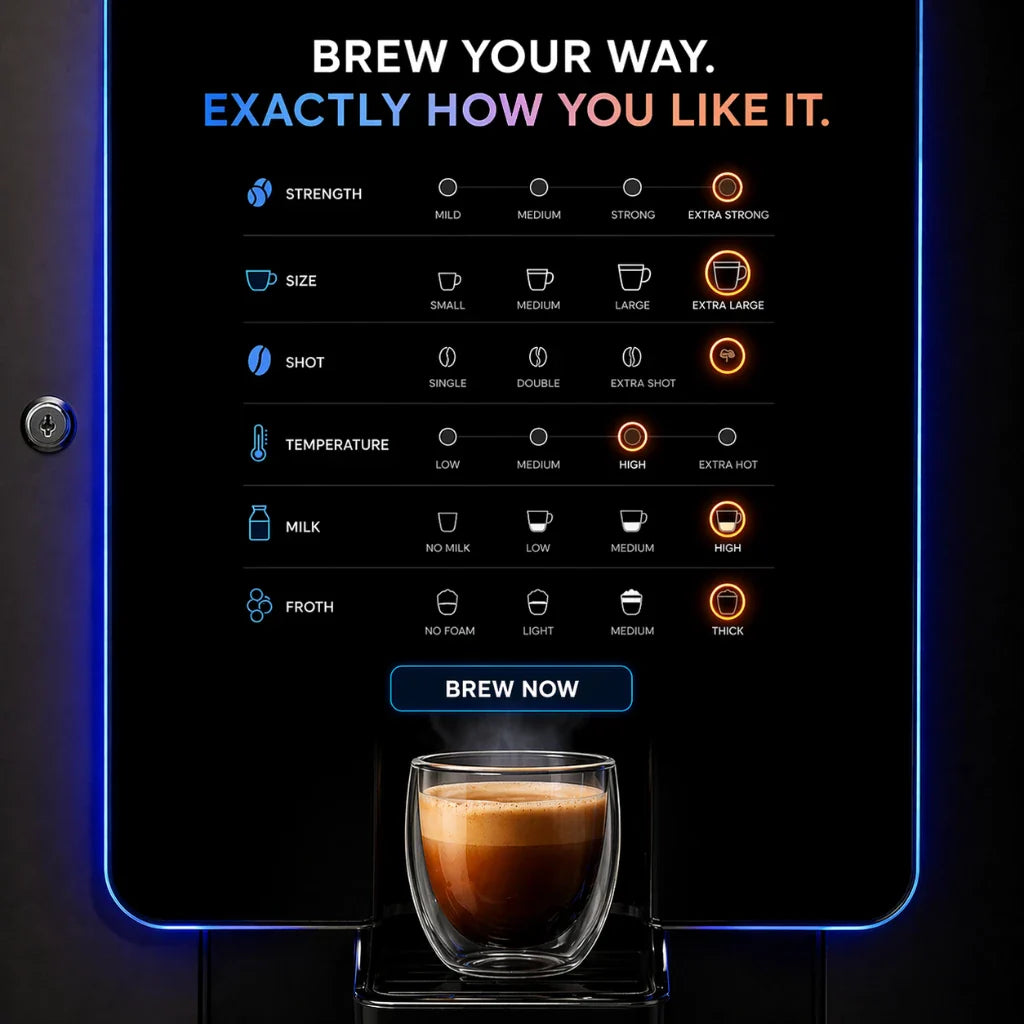
Staff purchases push income even higher. Nurses and overnight vet techs rely on energy drinks and quick snacks to get through long shifts. They buy Monster, Gatorade, pastries, and bottled drinks through the day and night, a second revenue stream many operators overlook. Larger clinics with a staff break room are also a strong fit for coffee vending machines, because a fresh cup at 3 AM matters more to a night nurse than almost anything else in the building.
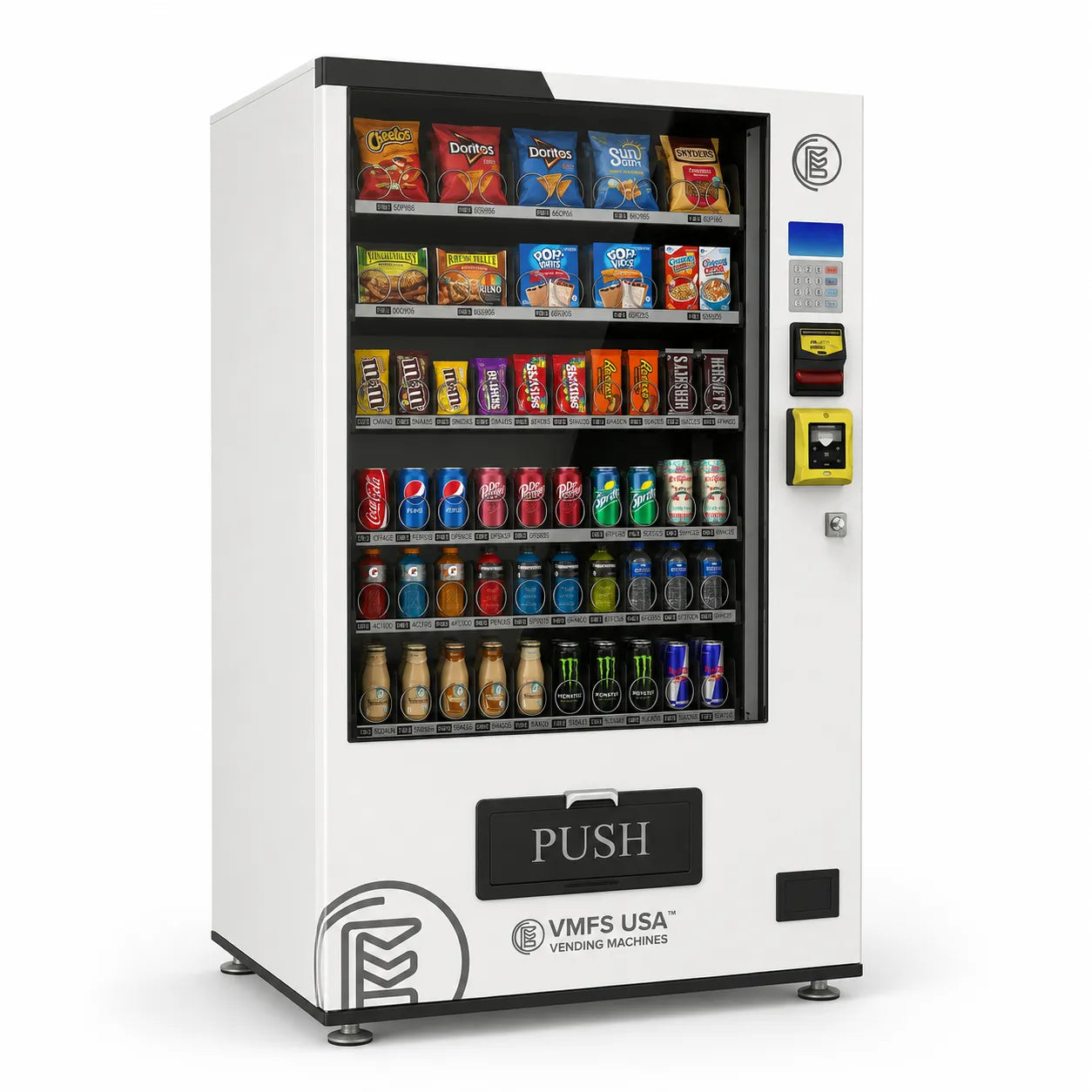
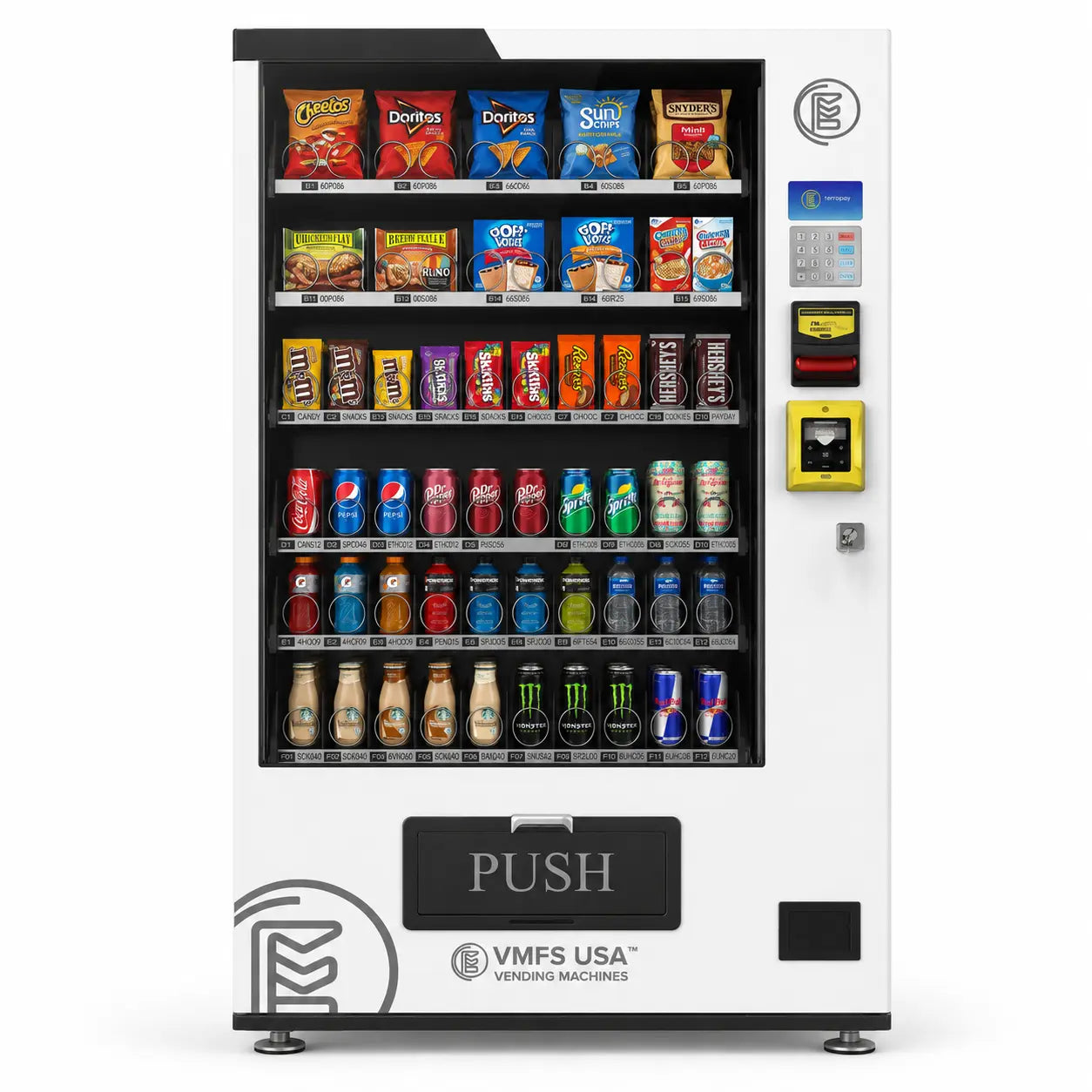
Most operators start with combo vending machines because they hold snacks and drinks in one footprint, which matters in a waiting room. When the lobby allows more space, add dedicated drink vending machines or snack vending machines for more capacity and fewer restock trips.
At high-performing sites, a refrigerated pharmacy vending machine can lift profit further. It dispenses pain relievers, allergy medicine, wipes, masks, and small first aid items through an elevator delivery system, and these products sell out fast in clinics because they solve an immediate problem. Before you stock medicine, check your state rules for selling over-the-counter products from a machine. Our sister brand VAdviced helps operators work through permits, licensing, and product compliance so you can launch with confidence.
Managers respond best when you present the machine as an amenity, not a revenue deal. Most urgent cares and pet hospitals are short-staffed, and they do not want another task on their list. When you explain that you handle stocking, cleaning, and service, they see the machine as a benefit for patients and staff.
Because these locations value convenience over commission, many operators secure them with a small revenue share or none at all.
Medical outpatient facilities have no seasonal slowdown. They operate seven days a week and serve steady traffic all year, which is why many operators treat them as anchor locations that hold the route steady when other properties dip.
They also build long-term value. Operators report that a medical site earning around $1,500 per month can sell for roughly a 1x annual revenue multiple or higher, which turns a location producing $18,000 per year into a real asset in a route sale. Small routes with a few strong medical locations have sold for $90,000 or more.
Residential properties rank among the most profitable vending spots because residents live on site around the clock. Apartments, student housing, and senior centers deliver foot traffic at every hour. Nobody needs to drive to a store, find parking, or wait for a delivery. A machine a few steps from the elevator turns that convenience into steady, repeat sales.
Price works in your favor too. Even with a markup, a snack or drink from the lobby machine costs less than the same item ordered through a delivery app once fees and tips are added. That simple math drives frequent late-night and weekend purchases, especially in buildings with younger residents or busy families.
These locations can produce impressive numbers. Many operators report average revenue of $2,500 or more per machine each month in large residential properties. In one example, a high-volume apartment complex generates about $600 per day and is on track for $20,000 in monthly revenue from a single micro market setup.
Student operators have seen strong results as well. One case involved four student apartment complexes averaging $5,000 per machine, a small route earning over $20,000 per month before expenses. Senior centers perform well for a different reason. Many residents have limited mobility, and some need a shuttle to reach a store, so they rely on on-site amenities for snacks, drinks, hygiene items, and frozen meals throughout the day.
Residential buildings support a wide range of machines, which lets you match the setup to the size of the property:
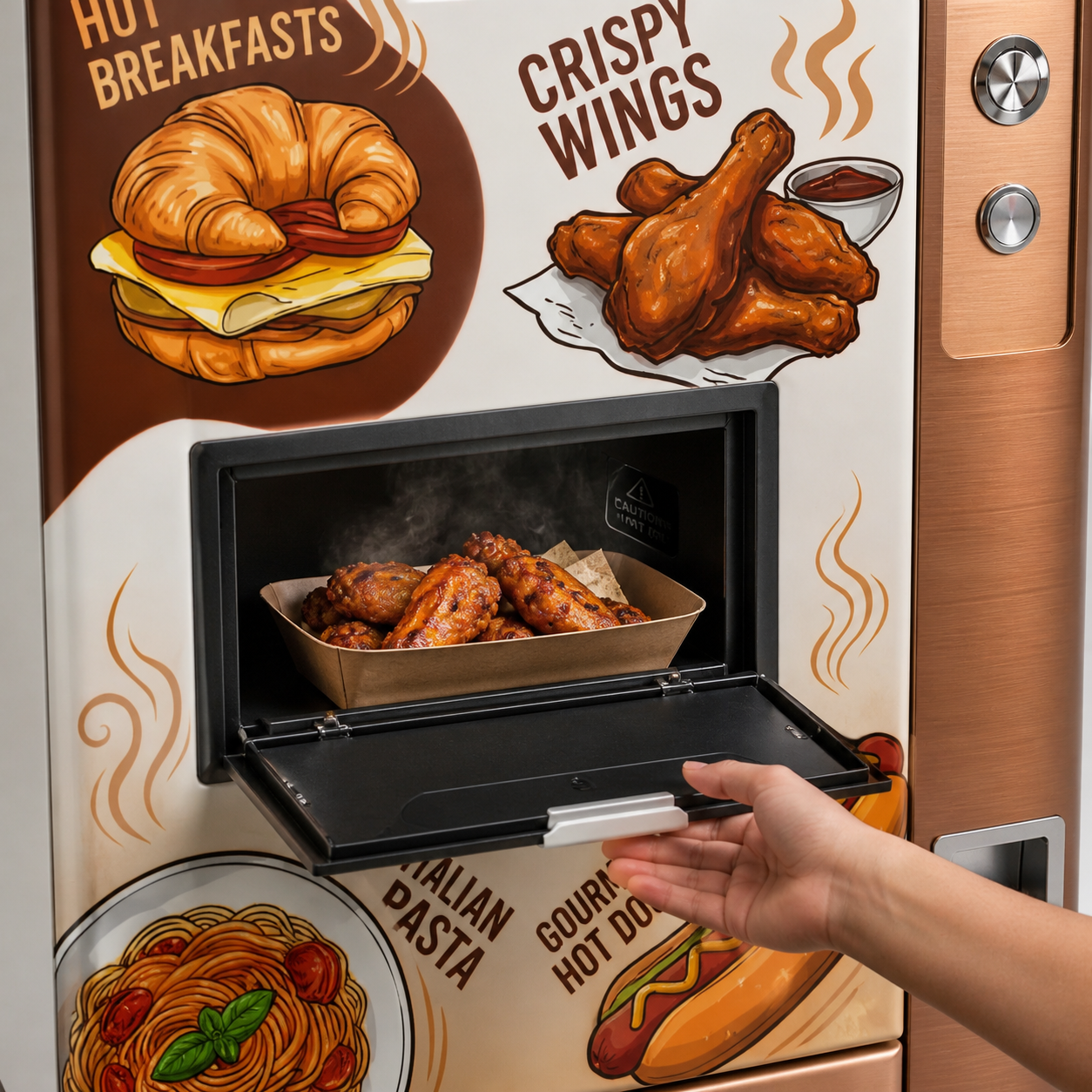
In large apartment buildings, frozen vending machines often outperform every other machine type. Frozen items carry strong margins and a long shelf life, which reduces product loss and lifts profit.
Property managers care about amenities that improve the resident experience without adding work for their team. When a resident needs toothpaste or laundry pods at 10 PM, the manager does not want staff selling those items from behind the front desk. A well-stocked machine or micro market solves that problem for them.
Many residential properties ask for little or no commission because the machine reduces staff workload and raises resident satisfaction. Property managers are also increasingly vetting operators before they sign. On VendingFinder, locations can post an open space and compare operators by public score and verified reviews, so a strong service record now helps you win the building before you ever pitch.
Residential buildings do not slow down on weekends or holidays. Residents stay home, relax, and buy at all hours, and many operators see higher sales on weekends when people spend more time in common areas and gyms. Senior centers show even steadier demand because residents keep consistent daily routines inside the building.
Operators report that high-performing residential setups can sell for 24x to 36x monthly profit. One operator sold a small route of four student apartment complexes for $96,000, with the buyer paying for built-in foot traffic and predictable revenue.
Multi-shift warehouses run on constant foot traffic. Rotating schedules cover early morning, midday, evening, and overnight, and each shift brings a new wave of employees who need fast food and drinks to get through long physical workdays.
Workers here burn serious energy. They walk, lift, move product, and stay on their feet most of the day, which creates steady demand for snacks, drinks, frozen meals, and caffeine. Most cannot leave the building during short breaks, so the machine in the break room becomes the only convenient option on site.
Warehouses support several buying cycles every day. The morning shift buys breakfast items at clock-in. The midday shift buys lunch, snacks, and hydration. The night shift leans on energy drinks, pastries, and comfort items to stay alert. By the time one shift leaves, the next one has arrived, and sales spike again at every shift change and every break.
That rhythm is exactly where remote monitoring pays off. With a VMFS Cloud subscription, you see sales by slot and get low stock alerts, so you can restock the energy drinks before the night shift runs the machine dry.
Large warehouses can produce exceptional numbers. Many operators report $5,000 or more per machine each month at well-trafficked industrial sites, which often beats traditional office buildings because the traffic never stops. Top sellers are consistent across sites: energy drinks, large bottled drinks, orange juice, pastries, and frozen meals. Workers want something fast and filling before they head back to their station.
The broad product mix in a warehouse rewards a multi-machine setup. Drink machines handle hydration and energy drinks with high turnover. A combo machine covers quick snacks. Frozen machines serve breakfast bowls, pizza, and microwave meals. For larger break rooms with a secure space, a micro market lets workers grab fresh items and checkout in seconds.
Warehouse managers want workers to stay on site during breaks so shifts run on time. When you show that your machines reduce off-site trips and keep employees energized, the conversation gets much easier.
A clean, professional pitch sheet makes a real difference with industrial managers who field calls from many vendors. Our sister brand VMarketed builds marketing and outreach materials for vending operators, so your first impression looks as reliable as your service.
Operators report that a strong warehouse location can sell for 24x to 30x monthly profit because demand holds steady across every shift. Buyers also look at the wider market. If you run two warehouses, there are often five to ten more in the same city that a buyer can expand into, and that growth potential raises the value of your route.
| Factor | Medical Outpatient | Residential | Multi-Shift Warehouse |
|---|---|---|---|
| Revenue per machine | $1,200 to $1,800 per month | $2,500+ per month in large properties | $5,000+ per month at high-volume sites |
| Peak buying | During long waits and overnight staff shifts | Evenings, late nights, and weekends | Shift changes and break times |
| Top sellers | OTC products, comfort snacks, energy drinks | Drinks, frozen foods, late-night snacks | Energy drinks, hydration, frozen meals |
| Best machine fit | Combo, plus pharmacy machine at busy sites | Combo, frozen, AI, or mini for small buildings | Drink, combo, frozen, or micro market |
| Typical commission | Low or none | Low or none | Low or none |
| Reported resale value | About 1x annual revenue | 24x to 36x monthly profit | 24x to 30x monthly profit |
The three categories above are the anchors, but they are not the only sites that fit the pattern. These locations share the same traits on a smaller scale and work well as the second or third stop on a growing route.
| Location | Why it works | Machine to start with |
|---|---|---|
| Gyms and fitness studios | Members want protein and hydration right after training, early and late | Refrigerated combo or slim unit |
| Laundromats | Customers wait 30 to 60 minutes per cycle with nothing to do | Snack and drink combo |
| Car dealership service lounges | Customers wait two hours or more and spend more per visit | Coffee machine plus a combo |
| Hotels | Guests are captive at night when the restaurant is closed | Wall mount unit on guest floors |
| Small offices and salons | A fixed group buys daily, but traffic is too low for a full size unit | Countertop or slim mini machine |
Knowing where not to place a machine protects your capital as much as finding a great site. Watch for these traps:
A strong-sounding location still needs proof. Run through this checklist on your site visit, before you sign an agreement or place an order.
Site Visit Checklist
✓ Count foot traffic at three different times: morning, midday, and evening.
✓ Ask for the real operating hours, including weekends, holidays, and night shifts.
✓ Walk the area and note every competing snack or drink option within a few minutes on foot.
✓ Confirm a dedicated outlet near the exact spot, and check WiFi or plan for a 4G module.
✓ Measure the space, including door widths, so the machine can actually reach its final position.
✓ Ask the manager what residents, patients, or workers request most often.
✓ Get the agreement terms in writing: commission, term length, and how either side can end it.
✓ Run the numbers in our ROI calculator with conservative traffic before you commit.
Operators who build a public track record also win more of these conversations. On VendingFinder for operators, your machines carry a public score built from uptime, stock accuracy, and verified reviews, so property managers can see your service quality before the first meeting.
Medical outpatient facilities, residential properties, and multi-shift warehouses stand out as the three best vending locations in 2026. Each one offers strong foot traffic, long dwell times, and steady buying behavior throughout the day, and each supports a wide range of machines, from drink, snack, and combo units to frozen machines and micro markets. People rely on convenience when they are stressed, tired, busy, or deep into a long shift, and those patterns give operators dependable income and real resale value.
For new and experienced operators alike, targeting proven, high-performing sites is the fastest way to build a profitable route. When you are ready to buy a vending machine, match the format to the location first, then the product mix to the people. If you want help finding the location itself, VPlaced connects operators with properties looking for a vending partner. Focus on quality properties, reliable vending machines, and consistent service, and you will build a route that produces both steady cash flow and long-term asset value.
Found Your Location? Match The Machine To It.
Compare combo, drink, snack, frozen, AI, and mini formats with pricing and specs side by side.
Shop Vending Machines For SaleVending machines make the most money where people stay a long time and cannot easily leave. Multi-shift warehouses, large apartment buildings, student housing, urgent cares, and pet hospitals lead the list. Operators report $5,000 or more per machine each month at busy warehouses, $2,500 or more in large residential properties, and $1,200 to $1,800 at medical outpatient sites.
An urgent care or a mid-size apartment building is a strong first location. Both have steady traffic, simple product mixes, and managers who value an amenity over a commission. Start with one combo machine, learn your restock rhythm, then add a second machine or a second site once you know what sells.
Not always. Medical facilities, residential properties, and warehouses often accept a small revenue share or none at all, because the machine is an amenity that saves their staff time. Busier sites with competing operators may ask for more, so put any commission and the term length in writing before you place the machine.
Match the machine to the space and the people. A combo machine covers most waiting rooms and lobbies. Busy warehouses and large apartment buildings support drink and frozen machines, while small offices, salons, and laundry rooms fit mini formats. You can compare every format with pricing in our full range of vending machines for sale.
Share:
Trading Card Vending: Trends, Demographics, and Market Growth
Trading Card Vending: Trends, Demographics, and Market Growth