Vending machine permit in Alaska requires a State of Alaska Business License issued by the
Department of Commerce, Community, and Economic Development. Most vending operators must also comply with local city or borough licensing rules, which vary by location. If vending machines sell food or drinks beyond sealed, shelf-stable items, permits from the
Alaska Department of Environmental Conservation (DEC) may be required. Because Alaska allows strong local control, vending license and permit requirements depend on both product type and the city or borough where machines operate.
Do You Need A Vending Machine Permit In Alaska?
Alaska does not issue one single vending machine permit that applies to every business. Instead, vending operations are regulated through a layered system that includes a mandatory state business license, optional food permits, and location-based local approvals. Many operators use the word “permit” to describe all of these requirements together.
Whether you need permits beyond the state license depends on two main factors. First, the type of products sold through the vending machine matters. Second, the city or borough where the machine operates determines local rules.
- The products sold through the vending machine
- The city or borough where the machine is placed
Vending machines that sell sealed, shelf-stable products such as chips, candy, or bottled drinks usually do not require food permits. In these cases, the State of Alaska Business License and any required local business license are often sufficient.
Machines that sell food requiring temperature control face additional oversight. Hot food, refrigerated meals, frozen items, or prepared drinks often trigger review by the Alaska Department of Environmental Conservation. The DEC regulates food safety and determines when inspections or permits apply.
Local governments also play a major role. Cities and boroughs have the authority to require local business licenses, vending permits, or zoning approval. Requirements can differ between places such as Anchorage, Fairbanks, Juneau, or smaller boroughs. Because of this, operators must check local rules before installing machines.
The key point is simple. Every vending business in Alaska needs a state business license. Some businesses also need local licenses. Only certain machines require DEC food permits. Confirming requirements early helps operators avoid fines, delays, or forced machine removal.
State-Level Requirements For Vending Machines In Alaska
Every vending machine business operating in Alaska must obtain a State of Alaska Business License. This requirement applies regardless of how many machines you operate or where they are located. Alaska uses this license to track business activity and ensure compliance with state law.
The Alaska Business License is issued by the Department of Commerce, Community, and Economic Development (DCCED). You must secure this license before applying for local permits, food approvals, or placing machines.
Alaska Business License Explained
The Alaska Business License authorizes your company to conduct business statewide. However, it does not replace city or borough licensing. Local governments can still impose their own rules on vending machines within their boundaries.
-
Issued by: Alaska Department of Commerce, Community, and Economic Development
-
Who needs it: All vending machine operators
-
Applies to: The business, not individual machines
-
Validity: Statewide, subject to local rules
This license forms the foundation of vending compliance in Alaska. Without it, cities and boroughs will not process local applications.
Where And How To Apply
Operators apply for the Alaska Business License online through the state licensing system. The application requires basic business information, including your legal business name, physical or mailing address, and ownership details.
Most applicants receive confirmation quickly after submission. Once issued, the license number should be kept on file and available for inspection when requested by local authorities.
License Cost And Renewal
The State of Alaska charges a flat fee for the business license. As of current state guidance, the cost is:
-
Business License fee: $50 per year, or $100 for a two-year license
The license must be renewed before expiration to remain valid. Operating with an expired license can result in penalties or delays when applying for local permits.
What The State License Does Not Cover
Although the Alaska Business License allows statewide operation, it does not eliminate local requirements. Cities and boroughs may still require:
- Local business or vending permits
- Zoning approval for machine placement
- Health department permits for food vending
Because of Alaska’s strong local control, operators should treat the state license as the first step, not the final approval.
Local City And Borough Licensing Rules In Alaska
After obtaining a State of Alaska Business License, vending operators must review local city or borough requirements. Alaska allows strong local control over business activity. Because of this, vending rules can vary widely depending on where a machine operates.
Some locations require only the state license. Others enforce additional business licenses, vending permits, or zoning approval. Therefore, operators should confirm local rules before installing machines.
Why Local Rules Matter In Alaska
Cities and boroughs in Alaska have the authority to regulate businesses operating within their boundaries. This authority includes vending machines placed inside buildings, on private property, or in public spaces.
Local requirements may apply even when the state license is active. As a result, compliance depends on both state approval and local authorization.
- Local business licenses issued by the city or borough
- Vending or mobile vendor permits in some areas
- Zoning approval for specific locations
Examples Of Local Vending Rules
Anchorage, Alaska’s largest city, requires businesses operating within city limits to comply with municipal licensing rules. In some cases, vending companies must register locally in addition to holding a state license. Property owners may also request proof of local compliance before approving machine placement.
Juneau enforces local permits for certain types of vending, especially in public spaces, parks, or sidewalks. While indoor vending machines often face fewer restrictions, operators should still confirm city licensing requirements.
Other boroughs and smaller cities may require a general business license rather than a vending-specific permit. Fees, renewal schedules, and enforcement vary by jurisdiction.
Typical Local License Costs And Timing
Local license fees are set by each city or borough. There is no statewide local vending fee. However, common patterns include:
- Flat annual business license fees
- Per-location or per-machine fees in some areas
- Higher fees for vending in public spaces
As a planning reference, many local licenses fall within a modest annual range. Processing time often ranges from a few days to several weeks, depending on the municipality.
How To Check Local Requirements Before Placement
Operators should contact the city clerk, business licensing office, or borough administration where the machine will operate. Most local offices publish business license information online.
Before placing a machine, confirm:
- Whether a local business license is required
- If vending machines need special approval
- Whether zoning restrictions apply
Confirming local rules early prevents enforcement issues and helps maintain good relationships with property owners.
Food And Beverage Vending In Alaska: When DEC Permits Apply
Food and beverage vending in Alaska follows a different approval path than standard packaged vending. When vending machines sell food or drinks that require temperature control or preparation, operators must comply with rules enforced by the Alaska Department of Environmental Conservation (DEC).
The DEC regulates food safety across the state. Its role is to ensure that vending machines selling regulated food meet sanitation, storage, and temperature standards. Because of this, DEC permits apply only in specific situations.
When A DEC Food Permit Is NOT Required
Most vending machines selling sealed, shelf-stable products do not require DEC approval. These products do not involve food preparation or temperature control.
- Packaged snacks
- Sealed candy and chips
- Bottled drinks that do not require refrigeration
In these cases, the State of Alaska Business License and any required local license are usually sufficient.
When A DEC Food Permit IS Required
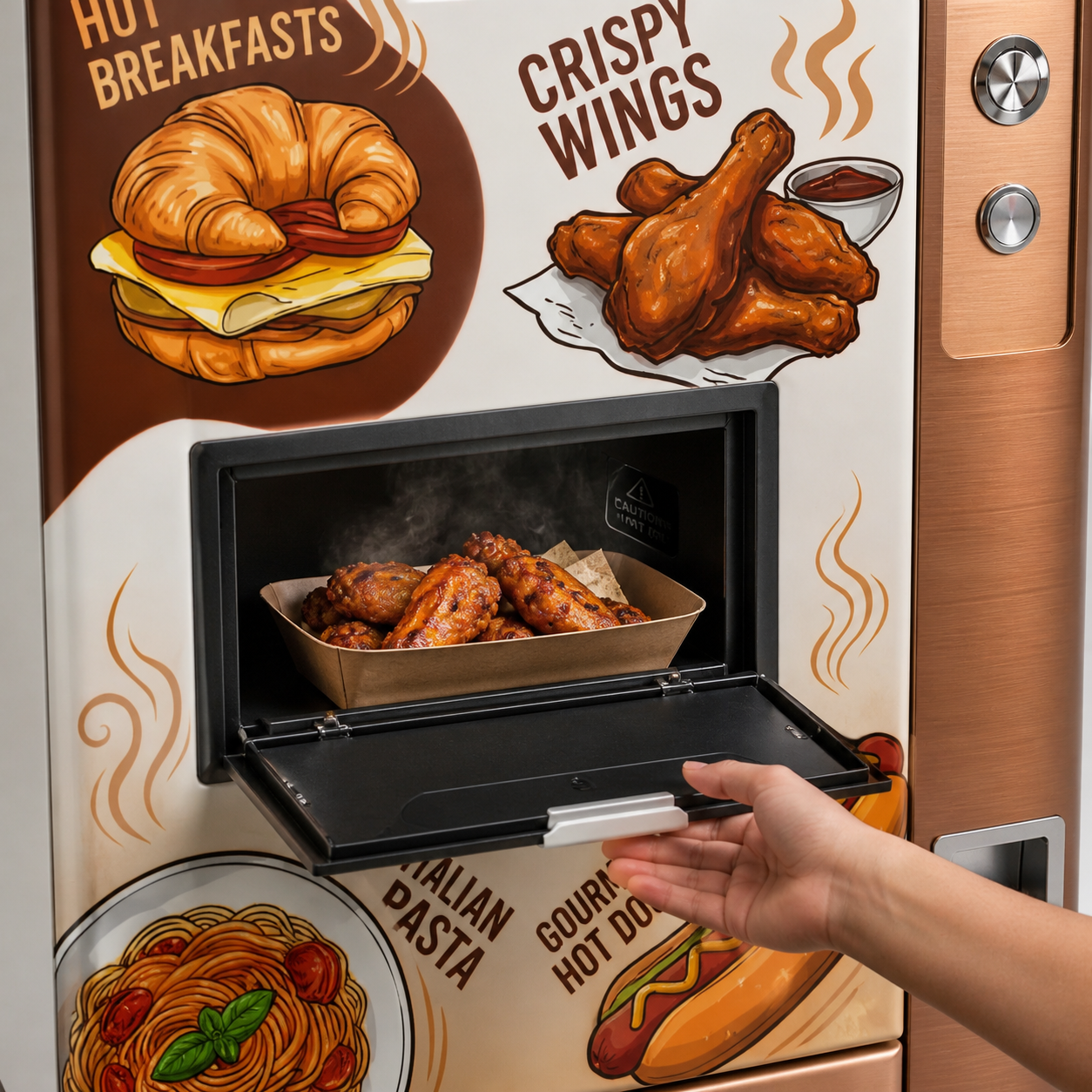
DEC permits apply when vending machines sell food that must be kept hot, cold, frozen, or prepared inside the machine. These machines fall under food establishment regulations.
-
Food vending machines dispensing meals or perishable items
-
Cold and hot food vending machines holding food at regulated temperatures
-
Frozen vending machines storing frozen products
- A dedicated Frozen food vending machine used for meals or desserts
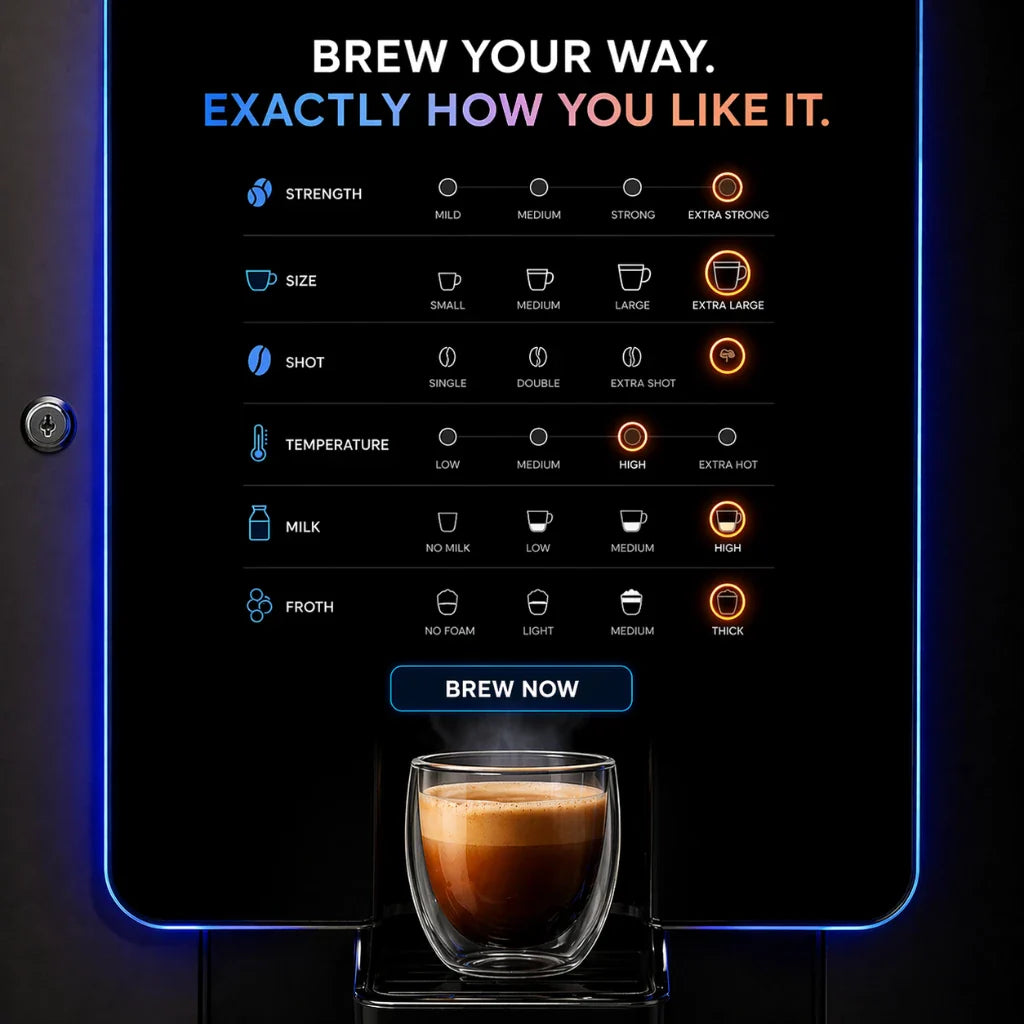
Machines that prepare or dispense beverages may also trigger DEC oversight. For example,
Coffee vending machines that brew drinks often require approval because water supply, sanitation, and temperature control come into play.
How DEC Approval Works
DEC food permits involve an application and, in many cases, an inspection. Operators must submit details about the vending machine, the food being sold, and how products are stored or prepared.
The DEC reviews:
- Food source and handling procedures
- Temperature control methods
- Cleaning and sanitation plans
Inspections may occur before approval or after installation, depending on the setup. Approval timelines vary based on location and machine type.
DEC Permit Costs And Renewal
DEC food permit costs vary based on inspection scope and food type. While Alaska does not publish one flat statewide fee, operators can expect permit and inspection costs to fall within a moderate range for most food vending setups.
Permits usually require renewal and may involve periodic inspections. Selling more complex or prepared food often increases both cost and approval time.
Before purchasing food or specialty vending equipment, operators should contact the DEC office responsible for the machine’s location. Confirming requirements early prevents costly delays or rejected installations.
Step-By-Step: How To Get A Vending Machine License In Alaska
Obtaining the correct licenses and permits for a vending machine business in Alaska works best when completed in a specific order. Because state, local, and food approvals depend on one another, following these steps helps avoid delays and rejected applications.
Step 1: Register Your Business
Before applying for any license, you must establish your business legally. This step creates the foundation for every approval that follows.
- Choose a legal structure, commonly an LLC
- Register your business name if required
- Obtain a federal Employer Identification Number (EIN)
The EIN is required for state licensing, tax registration, and most local applications. The IRS issues it at no cost.
Step 2: Obtain The Alaska Business License
Next, apply for the State of Alaska Business License through the Department of Commerce, Community, and Economic Development. This license is mandatory for all vending operators.
You must secure this license before applying for local permits or food approvals. Cities and boroughs will not process applications without it.
Step 3: Review City Or Borough Licensing Rules
After receiving the state license, check the requirements for each city or borough where you plan to place machines. Some locations require only the state license. Others enforce local business or vending permits.
- Contact the city clerk or borough office
- Confirm if a local business license is required
- Check for zoning or placement restrictions
This step is location-specific. Requirements can differ even between nearby cities.
Step 4: Apply For DEC Food Permits (If Required)
If vending machines sell food or drinks that require temperature control or preparation, apply for the appropriate permits from the Alaska Department of Environmental Conservation.
Submit machine details, food information, and sanitation plans as part of the application. DEC may schedule an inspection before or after installation.
Step 5: Prepare For Installation And Operation
Once approvals are in place, prepare machines for placement. Keep copies of licenses and permits available for inspection. Some property owners will request proof of compliance before allowing installation.
Track renewal dates carefully. Most licenses and permits require periodic renewal to remain valid.
Typical Timeline Overview
| Step |
Typical Timeframe |
| Federal EIN |
Same day |
| Alaska Business License |
1–3 business days |
| Local City/Borough License |
Several days to a few weeks |
| DEC Food Permit (If Required) |
1–4 weeks |
Following this order helps vending operators move from registration to installation with fewer setbacks. Skipping steps or applying out of sequence often leads to delays.
Cost Of Vending Machine Licenses And Permits In Alaska
The cost of a
vending machine permit in Alaska depends on the type of products sold and the locations where machines operate. Alaska does not charge one single statewide vending permit fee. Instead, operators pay a combination of state licensing fees, optional food permit fees, and local city or borough charges.
Understanding these costs upfront helps vending operators budget accurately and avoid unexpected expenses during expansion. For a broader breakdown of licensing and compliance expenses, operators can reference a detailed
vending machine permit cost guide that outlines common permit requirements across the United States.
State Of Alaska Business License Cost
Every vending business must obtain a State of Alaska Business License through the . This license is mandatory regardless of machine type or location.
-
One-year license: $50
-
Two-year license: $100
-
Renewal: Required before expiration
This fee applies to the business as a whole, not per machine. It is one of the lowest fixed costs for operating a vending business in Alaska.
Local City Or Borough License Costs
Cities and boroughs in Alaska set their own licensing fees. Not every location charges a local fee, but many do. Costs depend on municipal rules and where machines are placed.
-
Flat annual business license: $25 to $150
-
Vending or vendor permits in some areas: $50 to $200+
-
Public-space vending permits: Often higher than indoor placements
For example, smaller cities may charge a modest annual business license fee, while larger municipalities may require additional vending or vendor permits. Always confirm costs with the local licensing office.
DEC Food Permit And Inspection Costs (When Required)
Food and beverage vending that involves temperature control or preparation falls under the oversight of the. DEC permit costs vary based on inspection scope and food risk level.
-
Food establishment permit: $75 to $300+
-
Inspection or re-inspection: $50 to $200+
-
Higher costs apply: For hot or prepared food vending
Machines selling only sealed, shelf-stable products usually do not require DEC permits and avoid these costs entirely.
Estimated Annual Compliance Cost Summary
| Requirement |
Issued By |
Estimated Cost Range |
Renewal |
| Alaska Business License |
State of Alaska |
$50 (1 year) / $100 (2 years) |
Annual or biennial |
| City or Borough License |
Local government |
$25 – $200+ |
Annual |
| DEC Food Permit (If Required) |
DEC |
$75 – $300+ |
Annual or periodic |
Most small vending operations selling packaged products face relatively low annual compliance costs. Expenses increase when machines operate in regulated food categories or in cities with additional licensing rules. Planning for these ranges helps operators expand without surprises.
Choosing Vending Machines That Fit Alaska Permit Rules
After securing licenses and understanding permit requirements, vending operators must choose equipment that aligns with Alaska regulations. Machine selection affects approval speed, servicing effort, and long-term compliance. In Alaska, machines that sell packaged products usually face fewer regulatory hurdles than machines that prepare or temperature-control food.
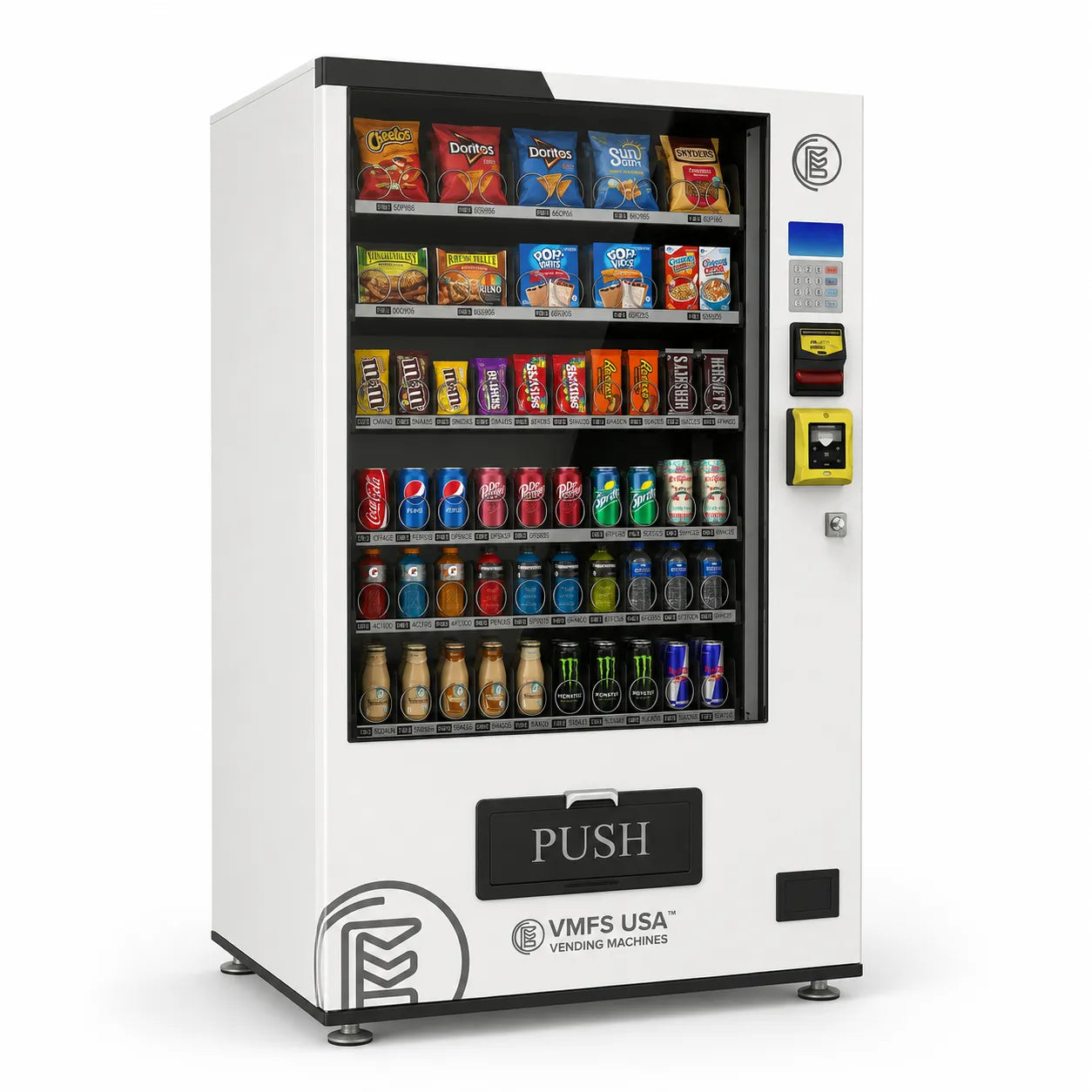
Standard Vending Machines With Fewer Permit Requirements
Machines that sell sealed, shelf-stable items generally operate under the State of Alaska Business License and any required local business license. These machines work well in offices, warehouses, hospitals, and apartment buildings.
These machines rarely trigger DEC food permits because they do not involve food preparation or temperature-sensitive handling beyond sealed packaging.
Machine Design And Building Access Considerations
Alaska’s climate and building layouts also influence equipment choice. In multi-floor properties, machines with reliable access reduce service disruptions during winter months.
Selecting durable equipment helps minimize downtime and protects relationships with property owners.
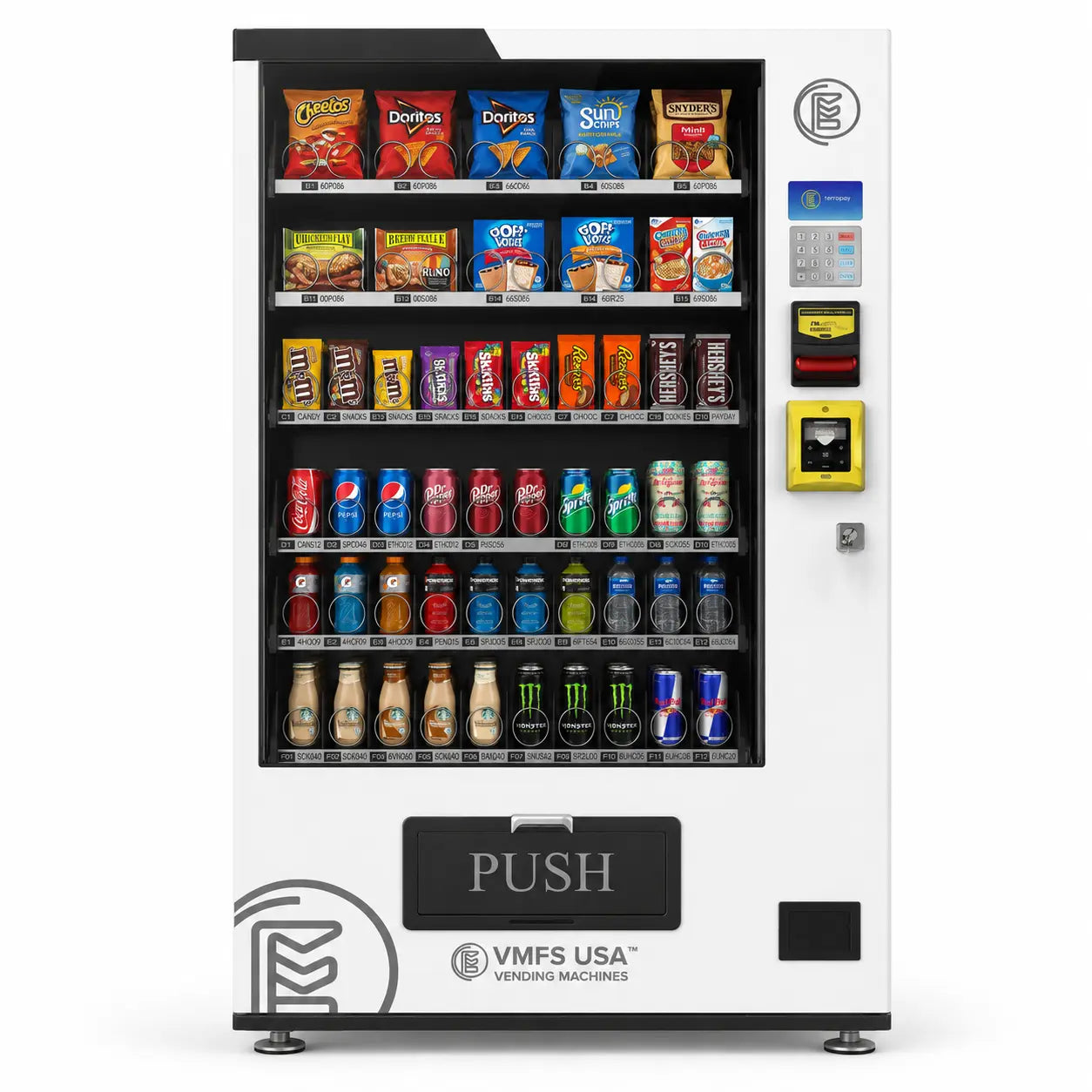
Modern Vending Machines And Payment Expectations
Many Alaska locations now expect cashless payment options. Modern machines improve user experience without changing permit requirements when product categories remain the same.
These machines enhance product visibility and support remote monitoring, which helps operators manage routes efficiently across wide geographic areas.
Food And Specialty Vending Machines In Alaska
Food and
specialty vending machines face higher regulatory oversight in Alaska. When machines store, heat, freeze, or prepare food, operators must comply with Alaska Department of Environmental Conservation rules. These machines often require permits, inspections, and ongoing compliance checks.
Food Vending Machines That Commonly Require DEC Approval
Machines that dispense meals or temperature-controlled food usually fall under food establishment regulations. Operators should confirm requirements before purchasing or installing these machines.
These machines require review because they must maintain safe food temperatures and sanitation standards. DEC inspections often focus on storage conditions, cleaning procedures, and food sourcing.
Specialty And Prepared-Food Vending Machines
Specialty vending machines involve active food preparation, which increases compliance requirements. These machines usually require more detailed DEC review and longer approval timelines.
Because these machines brew, heat, or assemble food, DEC may require additional documentation, inspections, and periodic reapproval. Permit costs and processing time are typically higher than for packaged vending.
Compliance Tips For Food Vending In Alaska
- Confirm DEC requirements before buying food vending equipment
- Prepare sanitation and temperature control plans
- Allow extra time for inspections and approvals
- Track permit renewals carefully
Food vending can generate higher revenue, but only when operators plan for compliance upfront. Early coordination with DEC helps prevent delays and rejected installations.
Best Locations For Vending Machines In Alaska
Location choice plays a major role in vending performance and compliance in Alaska. Operators should focus on indoor, high-traffic environments where approval is simpler and demand is consistent.
- Office buildings and corporate facilities
- Hospitals and healthcare centers
- Manufacturing plants and warehouses
- Apartment buildings and residential complexes
- Schools and universities (subject to local rules)
Most of these locations prefer machines that sell packaged products because approval is faster. Property owners may request proof of licensing, insurance, and compliance before allowing installation.
Public spaces and outdoor locations often involve additional permits and higher scrutiny. Indoor placements usually provide the best balance of revenue and compliance simplicity.
Final Compliance Checklist For Alaska Vending Operators
Before installing or expanding vending machines in Alaska, confirm that all required approvals are in place. This checklist helps ensure full compliance.
- State of Alaska Business License obtained and active
- Local city or borough business license secured, if required
- DEC food permit approved for regulated food vending
- Federal EIN obtained and on file
- Licenses and permits renewed on time
- Copies of approvals available for inspection
Completing these steps before placement reduces the risk of fines, delays, or forced machine removal.
Conclusion
Starting a vending machine business in Alaska requires careful attention to licensing, permits, and local rules. Every operator needs a state business license. Some also need local approvals or DEC food permits, depending on product type and location.
Operators who focus on packaged products, indoor locations, and proper compliance often face lower costs and fewer delays. Planning ahead and confirming requirements before installation helps build a stable and profitable vending operation in Alaska.


Share:
Vending Machine Permit In Alabama: License, Costs, And Requirements
Vending Machine Permit In Alabama: License, Costs, And Requirements