




Design the perfect vending solution for your location and customers.

Join the VMFS newsletter and step into a thriving network dedicated to collective success.
One signup. Endless possibilities.
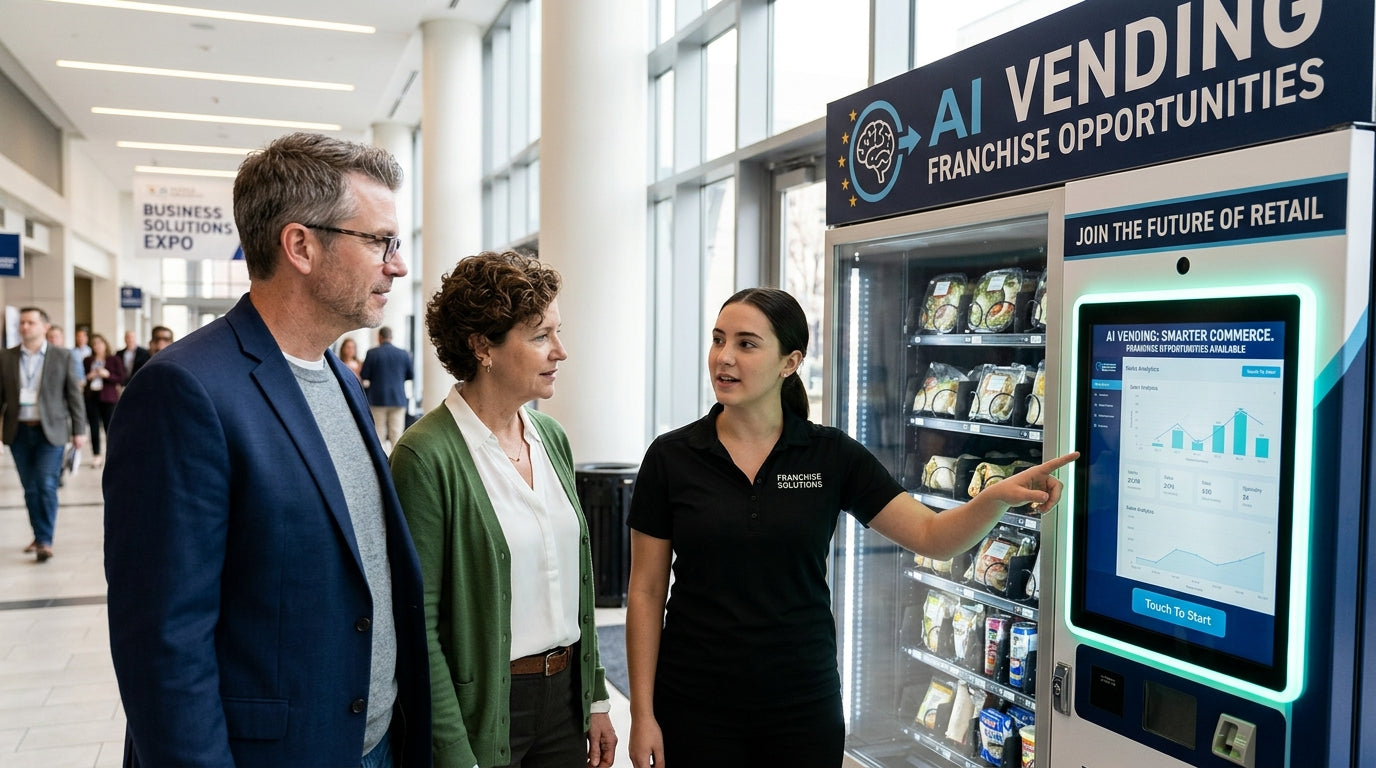
AI vending machine franchise opportunities let an entrepreneur enter the automated retail category under an established brand, typically in exchange for a franchise fee, ongoing royalties, and adherence to the franchisor's equipment and location standards. The category has expanded beyond snack and beverage franchises into healthy-snack specialists, AI-driven smart vending brands, each with different investment minimums and support structures. Franchising isn't the only path into AI vending, though — a growing share of operators buy machines directly from an equipment manufacturer, avoiding franchise fees and royalties entirely while keeping full control over branding, product mix, and location strategy.
This guide covers how AI vending franchise opportunities are typically structured, what a franchise disclosure document reveals, the direct-purchase alternative, and the questions worth asking before committing capital to either path.
Table of Contents
A typical AI vending franchise charges an upfront franchise fee, an ongoing royalty — often a percentage of revenue or a flat monthly software and support fee — and requires the franchisee to purchase machines and inventory that meet the franchisor's specifications. In return, the franchisee receives brand recognition, training, standardized software, and in some cases help with location procurement, which can shorten the learning curve for someone with no prior vending or retail experience. The trade-off is reduced flexibility: franchise agreements typically restrict which machines, suppliers, and sometimes which locations a franchisee can use, unlike an independent operator building a business under a self-directed equipment and location strategy.
A segment of vending franchises specializes in low-sugar, organic, and protein-rich product lines, positioning against traditional candy-and-soda machines to capture health-conscious buyers in gyms, schools, and corporate wellness programs. This niche has grown alongside broader consumer demand for better-for-you snacking, and franchisors in this space typically emphasize curated supplier relationships and nutrition-focused branding as their core differentiator.
Another category centers specifically on AI-managed micro stores and smart vending technology, offering franchisees computer-vision-based checkout, remote inventory monitoring, and cloud dashboards as the core product rather than a specific food category. Some of these franchisors have moved toward a direct-sale or reduced-fee model — charging for equipment and software access rather than a traditional franchise and royalty structure — which blurs the line between franchising and independent equipment purchase covered later in this guide.
In the United States, franchisors are legally required to provide a Franchise Disclosure Document, commonly called an FDD, at least 14 days before any agreement is signed or payment is made, and this document is the single most important resource for evaluating an opportunity honestly. The FDD discloses the franchisor's litigation history, the total initial investment range, ongoing fee structure, and — in Item 19, when included — historical financial performance data from existing franchisees, though not every franchisor chooses to disclose Item 19 figures at all. Reading the FDD in full, and ideally with an attorney or franchise consultant, matters more than any marketing material the franchisor provides directly, since the FDD carries legal disclosure obligations that promotional content doesn't.
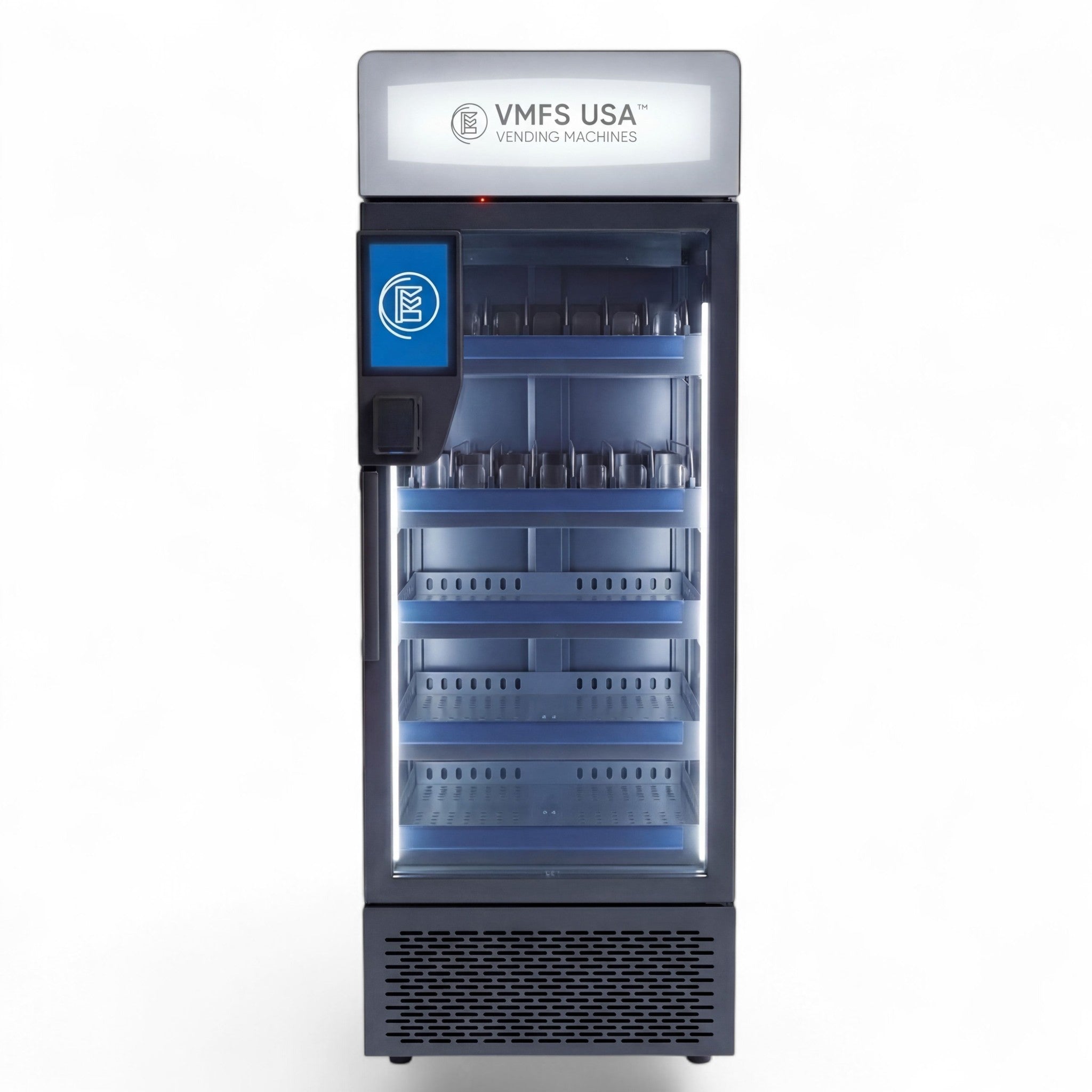
Buying AI vending machines directly from an equipment manufacturer, rather than through a franchise agreement, means paying for hardware and software access without an ongoing royalty or brand-licensing fee, which shifts more of the long-term revenue back to the operator once the machine is purchased outright. This path requires the operator to handle location sourcing, product selection, and route management independently rather than through a franchisor's support system, but it also removes territory restrictions and franchise-mandated equipment choices, giving the operator full control over which machine format matches each specific location — a decision framework covered in the Complete Buyer's Guide 2026. Machine and cost specifics for this path are detailed in AI Vending Machines: Cost and How AI Vending Machines Work.
The table below isolates the structural differences that matter most when comparing the two paths into AI vending.
| Factor | Franchise | Direct Equipment Purchase |
|---|---|---|
| Upfront fee | Franchise fee plus equipment cost | Equipment cost only |
| Ongoing royalties | Typically yes, revenue-based or flat fee | None beyond any software subscription |
| Location support | Often included | Operator-driven |
| Machine and brand flexibility | Restricted to franchisor's approved equipment | Full control over format and branding |
| Legal disclosure | FDD required | Standard equipment purchase agreement |
Pros
Established brand and training reduce the first-year learning curve.
Location procurement support can shorten time to first placement.
Standardized systems simplify onboarding for someone new to retail.
Cons
Franchise fees and ongoing royalties reduce long-term net profit.
Machine and territory restrictions limit operator flexibility.
Franchise performance varies widely by franchisor and support quality.
Calculate the full franchise investment — fee, equipment, and projected multi-year royalties — against the cost of purchasing equivalent machines directly and building the same route independently, since the franchise fee only makes sense if the support and brand value genuinely exceed what an operator could build alone. A detailed independent cost baseline for this comparison is in AI Vending Machines: Cost and AI Vending Machine ROI.
Contacting current and former franchisees listed in the FDD's disclosure section provides a more candid picture of actual support quality and earnings than marketing materials, and a franchisor reluctant to share this contact information is itself worth noting as a caution signal.
Some franchise marketing uses "AI" and "smart vending" loosely, so confirming whether the machines actually use computer vision or sensor-based product recognition — versus basic connected telemetry — matters before paying a premium for AI-branded positioning. The technical distinction is covered in Smart Vending Machine vs. AI Vending Machine and What Is an AI Vending Machine.
A franchisor unwilling to provide the legally required FDD before requesting payment, or pressuring a fast decision before due diligence is complete, is a serious warning sign regardless of how compelling the pitch sounds. Vague or absent Item 19 earnings data, an unusually high franchisee turnover rate visible in the FDD's litigation and departure disclosures, and marketing that emphasizes passive income without describing actual restocking and maintenance responsibilities are each worth treating as reasons to slow down and investigate further before committing capital. Machine-count and income-target math should also be checked independently against the franchisor's claims, using the underlying unit economics covered in How Many AI Vending Machines You Need to Run a Full-Time Business.
Compare the Direct-Purchase Path
See AI vending machine equipment and pricing before comparing it against any franchise offer.
Explore AI Vending Machines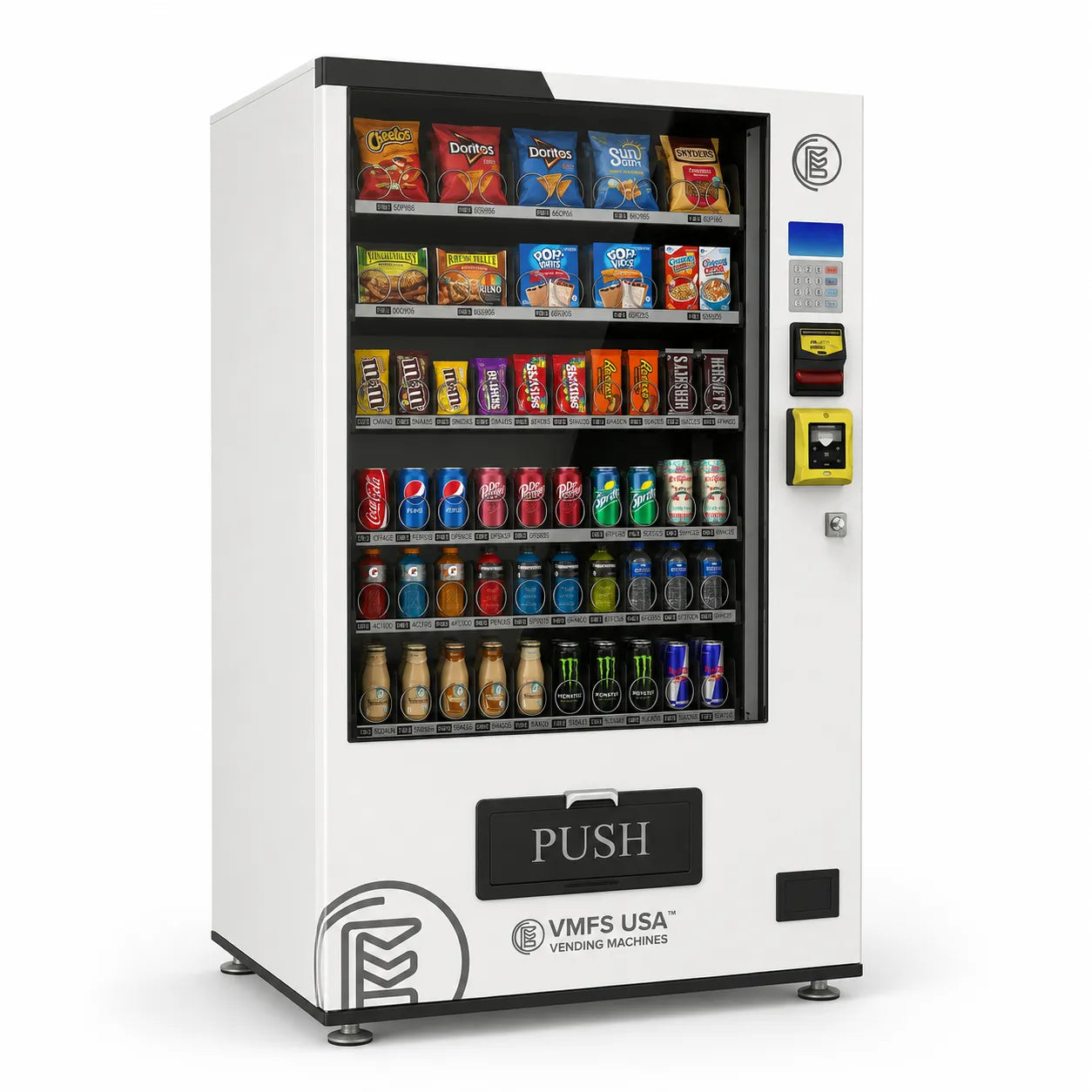
Share:
AI Vending Machine Placement Contract Template For Operators
AI Vending Machine Exit Strategy - How to Sell a Vending Route