


Un operador de máquinas expendedoras es una persona o empresa que posee, alquila, gestiona o da mantenimiento a máquinas expendedoras y obtiene ingresos mediante la venta de productos a través de puntos de venta desatendidos. El operador es responsable de mucho más que solo colocar una máquina: consigue ubicaciones rentables, selecciona productos, gestiona el inventario, mantiene el equipo, procesa pagos, realiza un seguimiento de las ventas y establece relaciones con los propietarios de las ubicaciones.
El operador de máquinas expendedoras moderno gestiona un pequeño negocio minorista desatendido. Las máquinas tradicionales de aperitivos y bebidas siguen siendo comunes, pero los operadores también pueden administrar máquinas expendedoras inteligentes, máquinas de café, máquinas expendedoras de electrónica, máquinas expendedoras especializadas y máquinas expendedoras de artículos de colección.
La National Automatic Merchandising Association (NAMA) describe a los operadores como empresas que proporcionan servicios de venta automática y servicios de conveniencia relacionados a empresas, instituciones educativas, centros de salud y lugares públicos.
El operador de máquinas expendedoras de un vistazo
¿Qué hace un operador de máquinas expendedoras?
Un operador de máquinas expendedoras gestiona el ciclo operativo completo de una máquina, desde la búsqueda de una ubicación y la instalación del equipo hasta el reabastecimiento de productos y la recaudación o supervisión de los ingresos.
La máquina maneja la transacción, pero el operador maneja el negocio detrás de ella.
Una operación típica de venta automática implica la adquisición de ubicaciones, compra de máquinas, búsqueda de proveedores, instalación de máquinas, gestión de inventario, procesamiento de pagos, gestión de rutas, mantenimiento, contabilidad y atención al cliente.
| Responsabilidad del operador | Lo que implica | Por qué es importante |
|---|---|---|
| Adquisición de ubicaciones | Encontrar empresas e instalaciones que necesiten máquinas | Determina el flujo de clientes y el potencial de ventas |
| Selección de máquinas | Elegir equipos para aperitivos, bebidas, combinados, inteligentes o especializados | Adapta el equipo a la ubicación |
| Búsqueda de proveedores | Comprar productos a mayoristas o distribuidores | Controla el costo y la selección del producto |
| Gestión de inventario | Seguimiento de existencias, fechas de caducidad y velocidad de ventas | Reduce el desperdicio y la falta de stock |
| Reabastecimiento | Visitar las máquinas según la demanda | Mantiene los productos disponibles |
| Mantenimiento | Reparar problemas mecánicos, de refrigeración, de pago o de software | Evita tiempos de inactividad |
| Procesamiento de pagos | Gestionar efectivo, tarjetas, billeteras móviles y telemetría | Facilita la compra |
| Gestión de rutas | Planificar visitas de servicio en varias ubicaciones | Controla los costos de mano de obra y transporte |
| Relaciones con la ubicación | Gestionar acuerdos con los propietarios de los inmuebles | Protege la ubicación a largo plazo |
| Gestión financiera | Seguimiento de ingresos, gastos, impuestos y rentabilidad | Indica si vale la pena mantener cada ubicación |
¿Qué es un operador de máquinas expendedoras?
Definición de un operador de máquinas expendedoras
Un operador de máquinas expendedoras es un propietario de negocio o una empresa que gestiona equipos de venta automática y vende productos a los consumidores a través de puntos de venta desatendidos.
El operador puede poseer una sola máquina o gestionar una gran ruta de venta que contenga cientos o miles de máquinas. El modelo de negocio sigue siendo fundamentalmente el mismo: colocar el equipo adecuado donde los clientes necesiten productos prácticos, mantenerlo operativo y generar ventas con cada transacción.
La NAMA sitúa la venta automática dentro de la industria más amplia de servicios de conveniencia, junto con los micromercados, el servicio de café, el servicio de despensa y otros modelos minoristas desatendidos o gestionados.
¿Qué es una ruta de venta?
Una ruta de venta es un grupo de máquinas expendedoras gestionadas por un operador dentro de un área geográfica definida.
Por ejemplo, un operador podría tener 20 máquinas ubicadas en oficinas, edificios de apartamentos, gimnasios, hoteles, hospitales e instalaciones de fabricación. En lugar de tratar cada máquina como un negocio separado, el operador las organiza en una ruta de servicio.
Una buena ruta reduce los desplazamientos innecesarios y permite al operador reabastecer las máquinas, recaudar ingresos, inspeccionar los equipos y resolver problemas de servicio de manera eficiente.
¿Es un operador de máquinas expendedoras un dueño de negocio?
Por lo general, sí. Un operador independiente de máquinas expendedoras suele ser el propietario de una pequeña empresa responsable del equipo, el inventario, los gastos operativos, las relaciones con las ubicaciones y los ingresos generados por las máquinas.
Sin embargo, los operadores también pueden trabajar para empresas de venta automática más grandes. En esa situación, la persona puede gestionar una ruta sin ser personalmente dueña de las máquinas o gestionar todo el negocio.
¿Cómo gana dinero un operador de máquinas expendedoras?
El modelo básico de ingresos por venta automática
Un operador de máquinas expendedoras gana dinero comprando productos a precios de mayorista o distribuidor y vendiéndolos a través de máquinas a precios minoristas.
La diferencia entre los ingresos por ventas y el costo combinado de productos, comisiones por ubicación, procesamiento de pagos, combustible, reparaciones, seguros, impuestos y otros gastos operativos determina la ganancia real del operador.
Una máquina que genera $1,000 en ventas mensuales no produce automáticamente $1,000 en ganancias. Los costos de los productos y los gastos de ruta deben deducirse antes de evaluar la ubicación.
Los ingresos dependen de algo más que la máquina
Las variables más importantes suelen ser el tráfico de la ubicación, la demografía de los clientes, la adecuación del producto al mercado, los precios, el tiempo de actividad de la máquina, la facilidad de pago y la frecuencia del servicio.
Una máquina de alta calidad en una ubicación débil puede tener un rendimiento bajo. Por el contrario, una máquina estándar en una ubicación de alta demanda puede generar ventas sólidas.
Es por esto que los operadores experimentados evalúan la economía de la combinación ubicación-máquina-producto, en lugar de juzgar una máquina expendedora de forma aislada.
¿Qué determina las ventas de una máquina expendedora?
| Factor | Impacto en las ventas |
|---|---|
| Flujo de personas | Más clientes potenciales pueden aumentar las transacciones |
| Tiempo de permanencia | Los clientes que pasan más tiempo en el lugar tienen más oportunidades de compra |
| Audiencia | Las preferencias de producto varían según la demografía y el lugar |
| Competencia | Las tiendas cercanas o máquinas competidoras pueden reducir la demanda |
| Selección de productos | Los productos relevantes aumentan la probabilidad de compra |
| Precios | Precios excesivos pueden suprimir la demanda |
| Visibilidad de la máquina | Una mala ubicación reduce el descubrimiento |
| Opciones de pago | El pago sin efectivo puede facilitar la compra |
| Tiempo de actividad | Una máquina que no está disponible no puede generar ventas |
| Reabastecimiento | Las selecciones vacías generan pérdida de ingresos |
¿Qué hace un operador de máquinas expendedoras todos los días?
Adquisición de ubicaciones y ventas
Los operadores buscan continuamente ubicaciones donde la venta automática pueda resolver un problema real de conveniencia.
Las ubicaciones potenciales incluyen oficinas, almacenes, fábricas, comunidades de apartamentos, hoteles, hospitales, escuelas, universidades, gimnasios, instalaciones de transporte, lugares recreativos y negocios especializados.
Para los operadores que buscan oportunidades, la guía de VPlaced sobre lugares que necesitan máquinas expendedoras proporciona un punto de partida útil para evaluar posibles entornos de colocación.
Instalación de la máquina
Después de asegurar una ubicación, el operador determina dónde debe posicionarse la máquina. La visibilidad, el acceso eléctrico, el flujo de clientes, la seguridad, la accesibilidad, el espacio en el suelo y la proximidad al público objetivo influyen en la decisión de instalación.
La máquina debe ser fácil de ver y usar sin interferir con las operaciones normales de la ubicación anfitriona.
Inventario y reabastecimiento
El reabastecimiento es una de las responsabilidades recurrentes más importantes del operador. Los operadores monitorean qué productos se venden rápidamente, cuáles permanecen intactos y cuáles caducan antes de poder venderse. Los datos de inventario deben guiar la selección de productos en lugar de las preferencias personales.
Una máquina ubicada en un gimnasio puede requerir una mezcla de productos muy diferente a la de una instalación de fabricación o un hotel.
Mantenimiento de la máquina
Los operadores inspeccionan las máquinas para detectar fallas en los pagos, problemas de refrigeración, problemas de dispensación, componentes dañados, errores de software, vandalismo y desgaste general.
El mantenimiento es importante financieramente porque el tiempo de inactividad genera pérdidas de ventas y daña la experiencia del cliente.
Atención al cliente y al propietario de la ubicación
El operador también gestiona dos relaciones distintas: el consumidor que usa la máquina y el propietario de la propiedad que la alberga.
A los propietarios de las ubicaciones puede preocuparles la limpieza, la confiabilidad, la apariencia, las quejas, el reparto de ingresos, el consumo eléctrico y la experiencia general que la máquina proporciona a sus clientes o empleados.
Tipos de operadores de máquinas expendedoras
Operadores tradicionales de snacks y bebidas
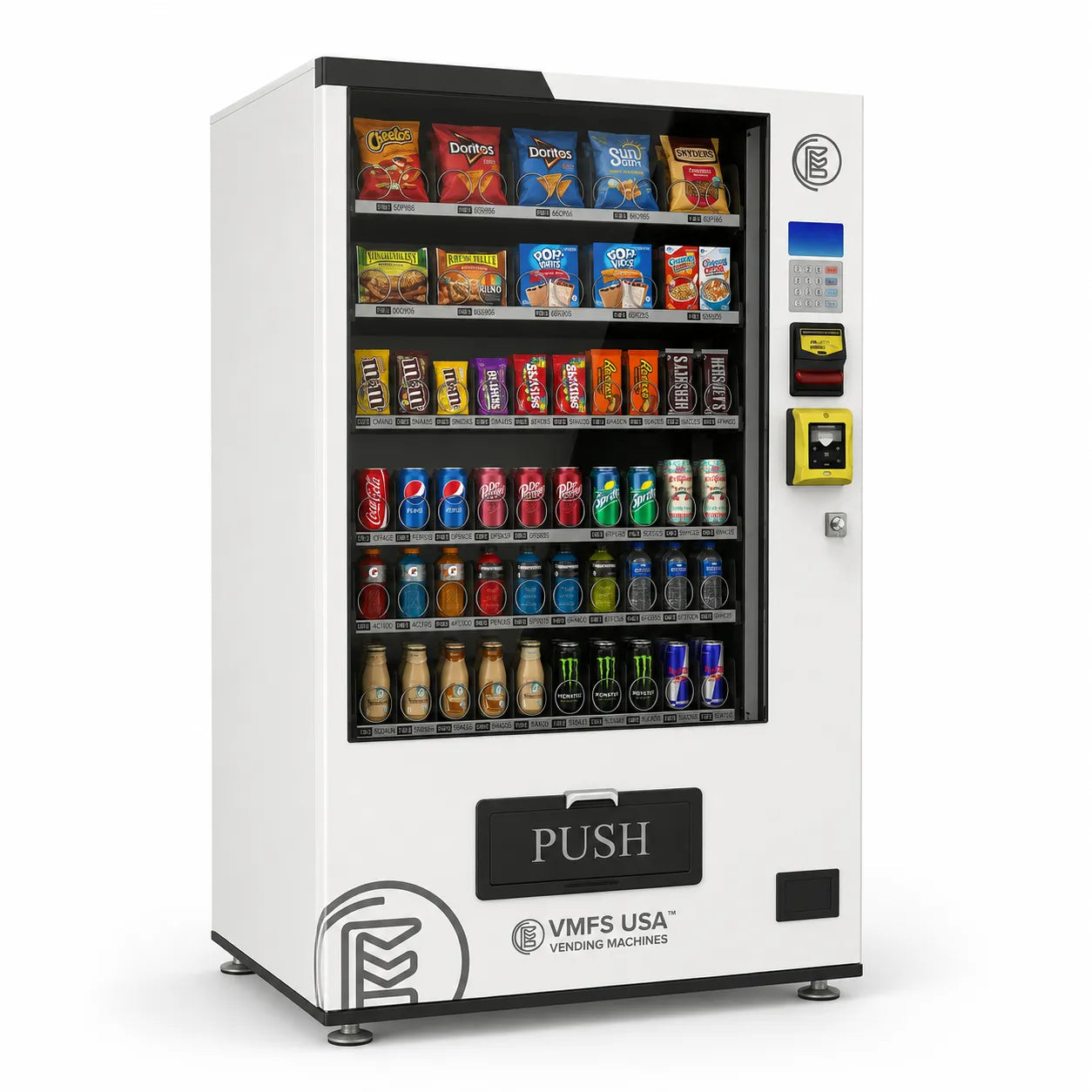
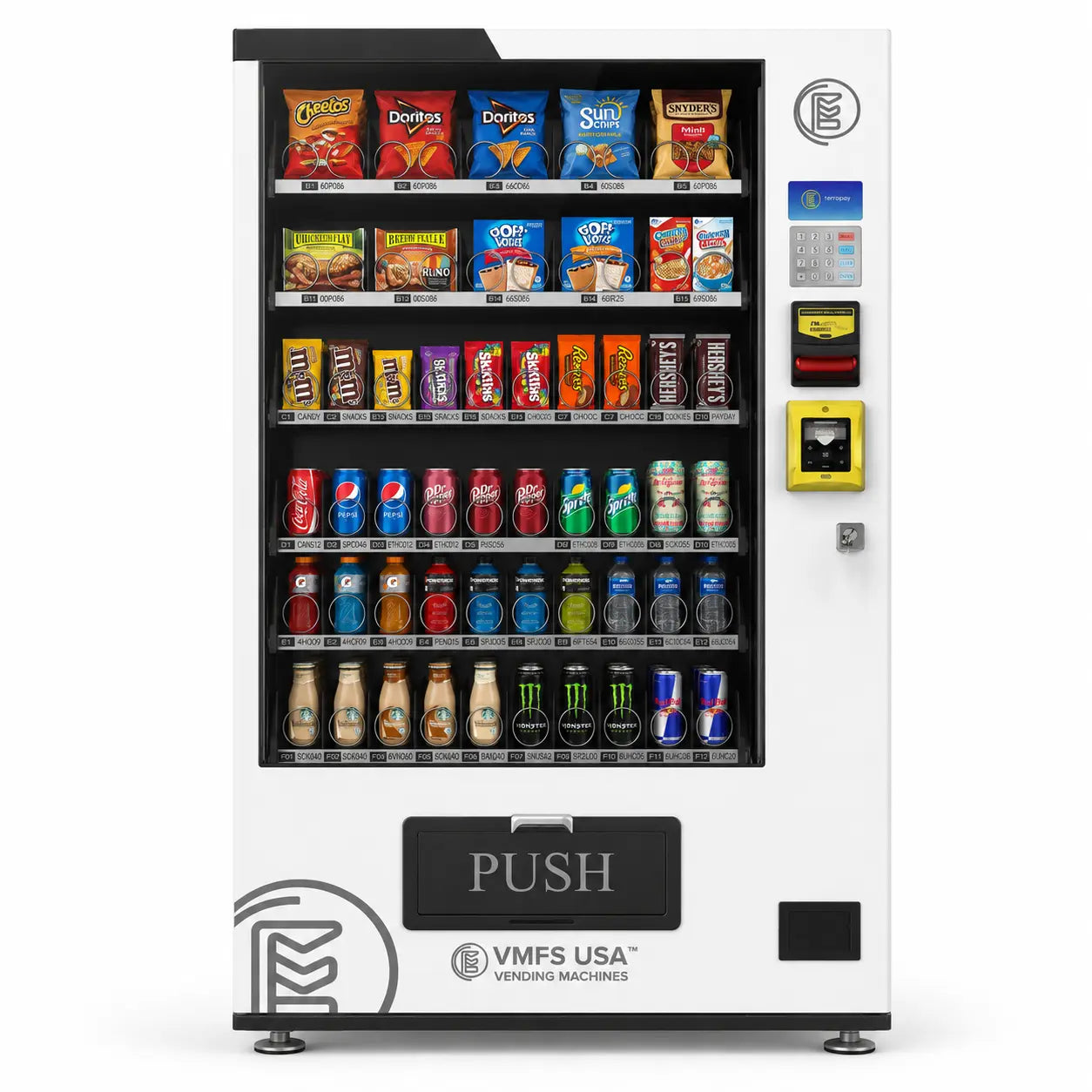
Los operadores tradicionales venden snacks empaquetados, bebidas embotelladas, bebidas en lata, dulces y productos de conveniencia similares.
Estas máquinas siguen siendo adecuadas para lugares de trabajo, escuelas, instalaciones de fabricación, edificios de apartamentos, centros recreativos y otras ubicaciones con un flujo de personas predecible.
Operadores de máquinas inteligentes
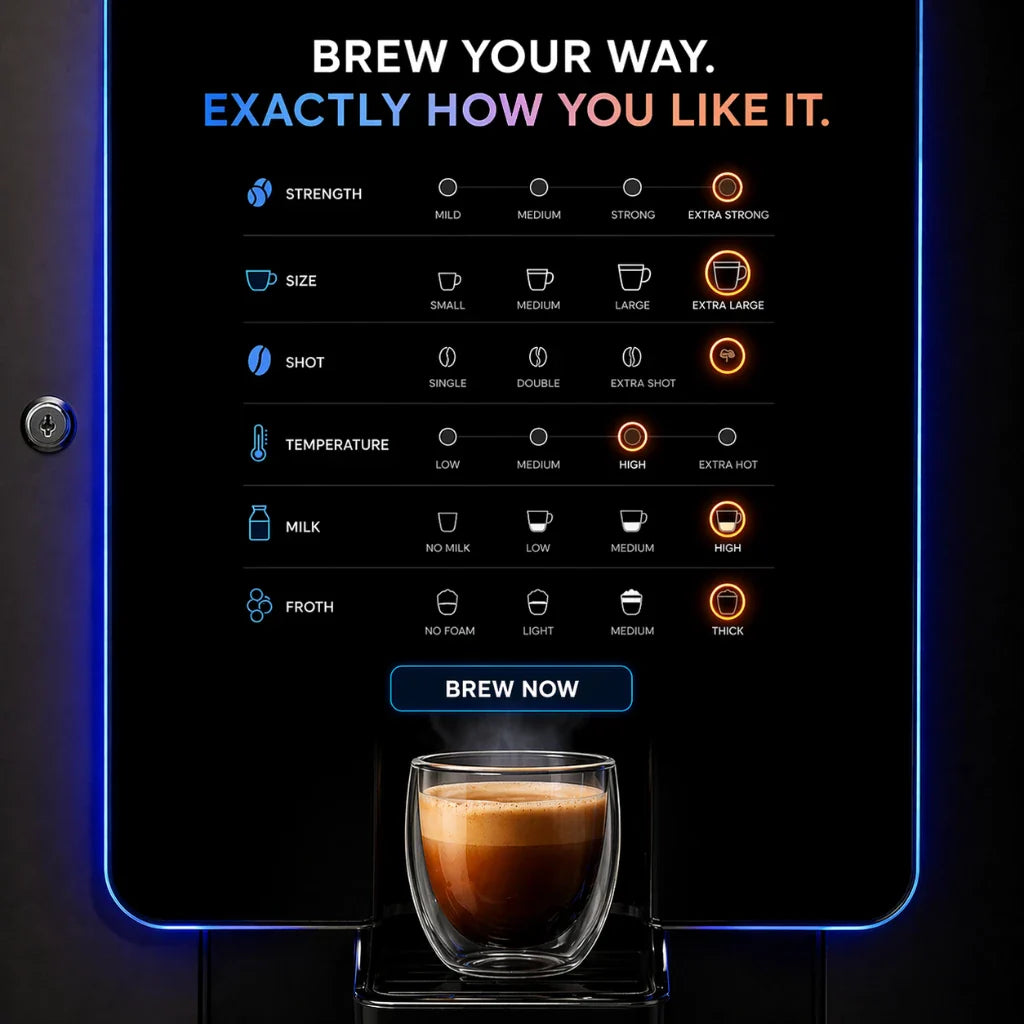
Los operadores de máquinas inteligentes utilizan tecnología como pantallas táctiles, telemetría, monitoreo remoto, pagos sin efectivo, sistemas de inventario digital y gestión basada en datos.
Los equipos habilitados con IA y visión por computadora pueden ir más allá al identificar productos, monitorear el inventario o automatizar partes de la experiencia de compra. Consulte la guía detallada sobre qué es una máquina expendedora con IA para obtener una visión más profunda de esta categoría.
Operadores de máquinas especializadas
Los operadores especializados se centran en una categoría de producto específica en lugar de snacks y bebidas generales. Ejemplos incluyen:
-
Electrónica y accesorios
-
Productos de cuidado personal
-
Productos de belleza
-
EPP y suministros de trabajo
-
Artículos de colección
-
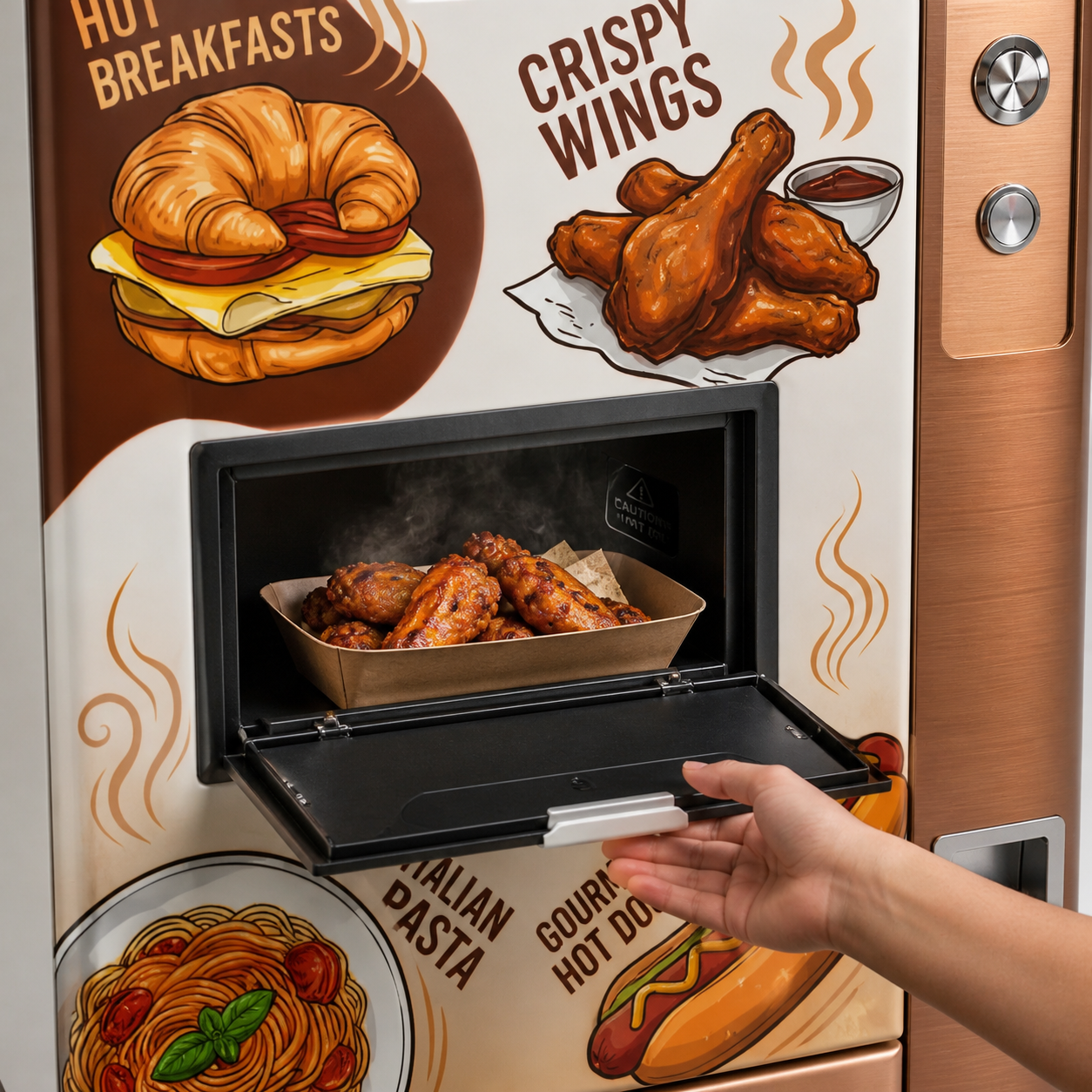
Comida fresca
-
Café
-
Productos para mascotas
-
Mercancía especializada
El modelo especializado funciona mejor cuando la ubicación tiene una necesidad clara del producto.
Operadores de máquinas de Pokémon y coleccionables
La venta automática de coleccionables se ha convertido en un modelo especializado en el que las máquinas dispensan tarjetas coleccionables y otra mercancía.
Los operadores en este nicho deben prestar especial atención a la autenticidad del producto, seguridad del inventario, precios, frecuencia de reabastecimiento, demanda del cliente y adecuación de la ubicación. La guía completa para operadores de máquinas de tarjetas Pokémon de VMFS USA cubre las consideraciones operativas con mayor profundidad.
Operador de máquinas expendedoras frente al propietario de la máquina
¿El propietario y el operador de una máquina expendedora son lo mismo?
El propietario de una máquina expendedora posee el equipo físico, mientras que un operador gestiona la actividad comercial asociada a la venta. En una pequeña empresa, la misma persona suele desempeñar ambos roles.
| Propietario de la máquina expendedora | Operador de la máquina expendedora |
|---|---|
| Posee el equipo | Gestiona el negocio de venta automática |
| Puede alquilar el equipo a terceros | Encuentra y gestiona ubicaciones |
| Puede recibir ingresos por alquiler | Gestiona inventario y precios |
| Responsable de la propiedad del activo | Responsable de las operaciones diarias |
| Puede no manejar a los clientes | Maneja las relaciones con clientes y ubicaciones |
Por lo tanto, una persona puede poseer una máquina expendedora sin operar activamente una ruta de venta.
Cómo convertirse en operador de máquinas expendedoras
Paso 1: Elija un modelo de negocio de venta automática
Comience definiendo qué venderá y dónde pretende venderlo.
Un operador primerizo puede elegir máquinas de snacks y bebidas convencionales porque los productos son familiares y la demanda es relativamente fácil de entender. Otro operador puede dirigirse deliberadamente a un nicho como la electrónica, snacks saludables, café o coleccionables.
Paso 2: Investigue el mercado objetivo
Estudie las empresas e instalaciones locales antes de comprar el equipo.
Busque ubicaciones con tráfico constante, opciones de conveniencia cercanas limitadas, demografía de clientes adecuada, tiempo de permanencia suficiente y una razón clara para la venta automática.
El objetivo no es simplemente encontrar un espacio vacío. Es identificar una ubicación donde la máquina pueda volverse lo suficientemente útil como para que los clientes la usen repetidamente.
Paso 3: Encuentre una ubicación rentable
La adquisición de ubicaciones es a menudo el mayor diferenciador entre los negocios de venta automática débiles y fuertes.
Los operadores deben evaluar:
-
Número y tipo de clientes potenciales
-
Horario de atención
-
Competencia de venta automática existente
-
Opciones de comida y venta minorista cercanas
-
Seguridad
-
Visibilidad de la máquina
-
Disponibilidad eléctrica
-
Requisitos de espacio
-
Frecuencia de servicio esperada
-
Expectativas del propietario de la ubicación
Para los operadores enfocados en ubicaciones habilitadas por tecnología, la guía de ubicaciones para máquinas expendedoras inteligentes 2026 de VPlaced proporciona consideraciones adicionales sobre la selección de ubicaciones.
Paso 4: Seleccione la máquina
La máquina debe adaptarse a la ubicación y no al revés.
Una máquina de bebidas refrigeradas puede ser adecuada para una fábrica o gimnasio, mientras que una máquina especializada compacta puede funcionar mejor en el vestíbulo de un hotel o un lugar de entretenimiento.
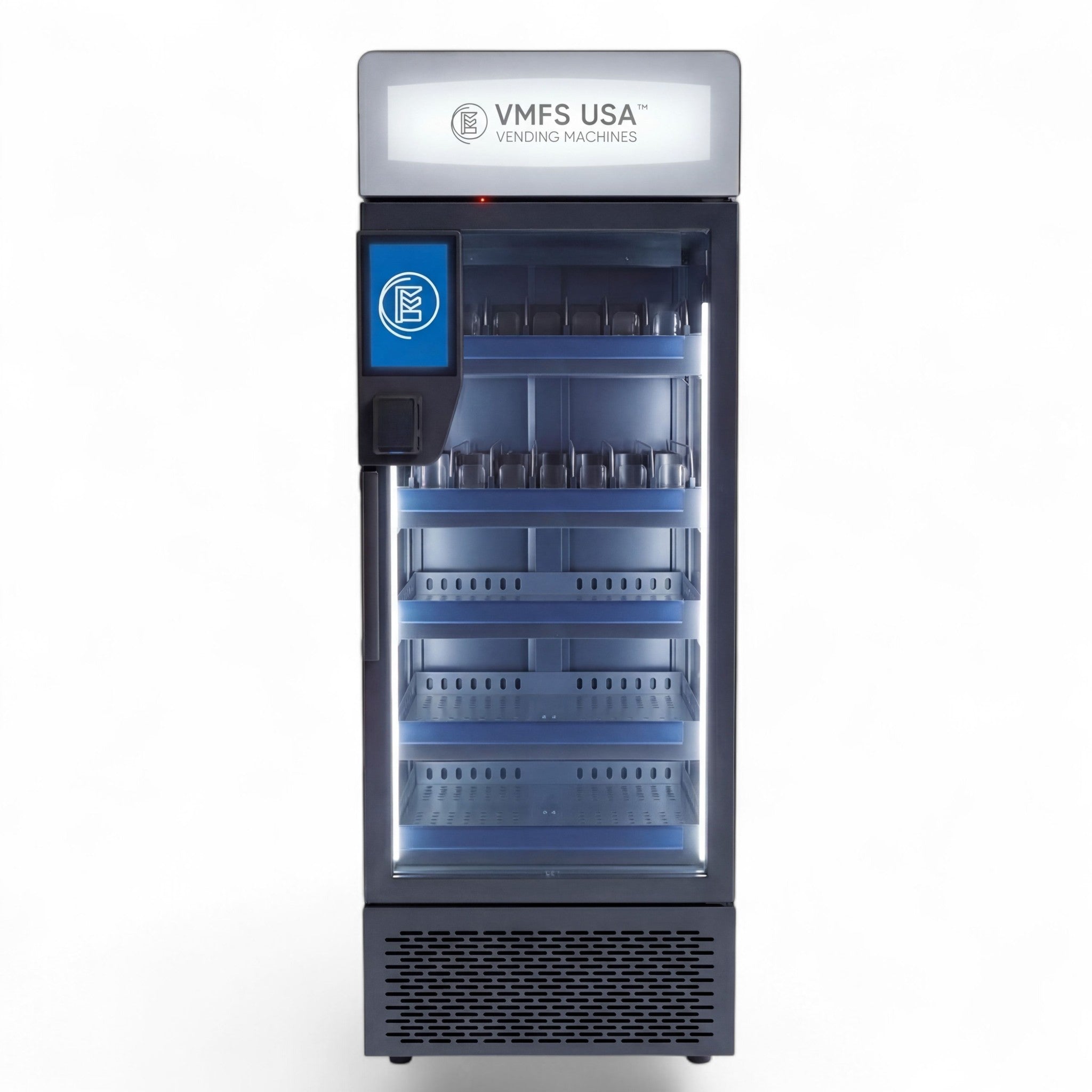
Los operadores pueden investigar equipos y soluciones de venta automática a través de VMFS USA.
Paso 5: Establezca el negocio
Una operación de venta automática necesita una estructura comercial adecuada, configuración fiscal, licencias o permisos donde sea necesario, banca, seguros, relaciones con proveedores y los acuerdos de ubicación apropiados.
La Administración de Pequeñas Empresas de EE. UU. señala que los requisitos de licencias y permisos varían según la actividad comercial y la ubicación, e identifica específicamente a las máquinas expendedoras entre las actividades que pueden estar reguladas a nivel estatal o local.
Paso 6: Instale y lance
Una vez firmado el acuerdo, instale la máquina, configure los sistemas de pago, cargue el inventario, verifique los precios, pruebe cada selección y confirme que la máquina sea accesible.
Las primeras semanas deben tratarse como un período de prueba. Los datos de ventas mostrarán si la mezcla de productos original, los precios y el cronograma de servicio necesitan ajustes.
Cómo los operadores eligen productos e inventario
La selección de productos debe seguir la demanda
Los operadores exitosos de máquinas expendedoras almacenan productos basados en el comportamiento del cliente, la demografía de la ubicación, el historial de ventas, la estacionalidad y los márgenes de beneficio.
Una máquina no debe convertirse en un gabinete de almacenamiento para productos que le gusten personalmente al operador.
Los productos de alta rotación merecen más espacio. Los productos de baja rotación deben reemplazarse a menos que sirvan a un segmento importante de clientes.
Mezcla de productos por ubicación
| Ubicación | Productos que pueden encajar |
|---|---|
| Oficina | Café, agua, refrescos, snacks |
| Gimnasio | Agua, bebidas deportivas, snacks orientados a proteínas |
| Fábrica | Bebidas energéticas, snacks saciantes, bebidas |
| Hotel | Snacks, bebidas, artículos esenciales de cuidado personal |
| Universidad | Snacks, bebidas, artículos de conveniencia |
| Atención médica | Agua, snacks más saludables, productos de cuidado personal |
| Lugar especializado | Productos conectados a la audiencia del lugar |
La gestión de inventario importa
La gestión de inventario se vuelve cada vez más importante a medida que un operador añade más máquinas.
Una hoja de cálculo básica puede funcionar para una ruta pequeña, mientras que los operadores más grandes pueden utilizar software de gestión de máquinas expendedoras, telemetría, alertas automáticas y herramientas de optimización de rutas.
El objetivo es sencillo: saber qué se vendió, qué necesita ser reabastecido y cuándo debe realizarse el mantenimiento de la máquina antes de hacer el viaje.
Pros y contras de convertirse en operador de máquinas expendedoras
Ventajas
| Pros | Por qué es importante |
|---|---|
| Ventas sin supervisión | Las máquinas pueden vender fuera del horario de atención normal |
| Modelo escalable | Máquinas adicionales pueden expandir la ruta |
| Múltiples nichos | Los operadores pueden dirigirse a diferentes categorías de productos |
| Transacciones recurrentes | Las ubicaciones sólidas pueden generar compras repetidas |
| Gestión habilitada por tecnología | La telemetría y los sistemas sin efectivo reducen el trabajo manual |
| Diseño de ruta flexible | Los operadores pueden construir rutas alrededor de su área geográfica |
Desafíos
| Contras | Por qué es importante |
|---|---|
| Adquisición de ubicaciones | Una máquina necesita un lugar adecuado para rendir |
| Mantenimiento | Los problemas mecánicos y de pago requieren atención |
| Gestión de inventario | Los productos pueden caducar u volverse obsoletos |
| Transporte | El servicio de ruta genera costos recurrentes de vehículo |
| Competencia | Otros operadores de vending pueden buscar las mismas ubicaciones |
| Cumplimiento | Los requisitos de licencias e impuestos varían según la jurisdicción |
| Requisitos de capital | El equipo y el inventario requieren inversión inicial |
El negocio puede ser relativamente sencillo de entender, pero operativamente exigente de escalar.
Un modelo de negocio práctico para el operador de máquinas expendedoras
Una sola máquina
Una operación de una sola máquina es útil para probar una ubicación y aprender los fundamentos.
El operador puede aprender sobre selección de productos, fijación de precios, procesamiento de pagos, reabastecimiento, servicio al cliente y mantenimiento de máquinas sin gestionar una ruta compleja.
Ruta pequeña
Una vez que varias ubicaciones tienen un rendimiento constante, el operador puede organizar las máquinas en una ruta geográfica.
En esta etapa, el seguimiento del inventario y la programación del servicio se vuelven cada vez más importantes.
Ruta establecida
Una operación más grande puede utilizar telemetría, software de gestión de vending, sistemas de inventario de almacén, vehículos dedicados, empleados, conductores de ruta, personal de ventas y acuerdos de ubicación estandarizados.
En esta etapa, el operador está gestionando efectivamente una red minorista distribuida.
¿Qué hace exitoso a un operador de máquinas expendedoras?
Disciplina de ubicación
Los operadores exitosos no aceptan todas las ubicaciones disponibles.
Evalúan la economía antes de instalar el equipo y están dispuestos a reubicar las máquinas que tienen un rendimiento constantemente bajo.
Consistencia operativa
Las máquinas deben estar limpias, funcionales, abastecidas, seguras y ser fáciles de usar.
Los consumidores juzgan el negocio de vending a través de la máquina misma. Un lector de tarjetas roto o una selección de bebidas vacía pueden dañar la confianza incluso cuando el operador subyacente es competente en otros aspectos.
Decisiones basadas en datos
Los mejores operadores reemplazan las suposiciones con un rendimiento medible.
Los datos de ventas pueden revelar qué productos se mueven, cuándo alcanza su punto máximo la demanda, qué ubicaciones necesitan servicio adicional y qué máquinas deben reubicarse.
Relaciones sólidas con las ubicaciones
El dueño de una ubicación puede convertirse en un socio comercial a largo plazo.
La comunicación confiable, el equipo limpio, los acuerdos de ingresos transparentes, el servicio rápido y los acuerdos profesionales hacen que sea más fácil retener ubicaciones sólidas.
Compartir:
La máquina expendedora de pan que Estados Unidos aún no ha descubierto
La máquina expendedora que te permite comprar más de una cosa