Modernizing automated beverage distribution requires shifting from cash acceptance to digital transaction processing. Integrating
cashless payment systems for coffee vending machines boosts overall sales volume by 25% to 45% by capturing non-cash buyers, decreasing mechanical coin-jam downtime, and enabling real-time inventory telemetry.
Architecture of Modern Cashless Vending Systems
Understanding Telemetry and Processing Layers
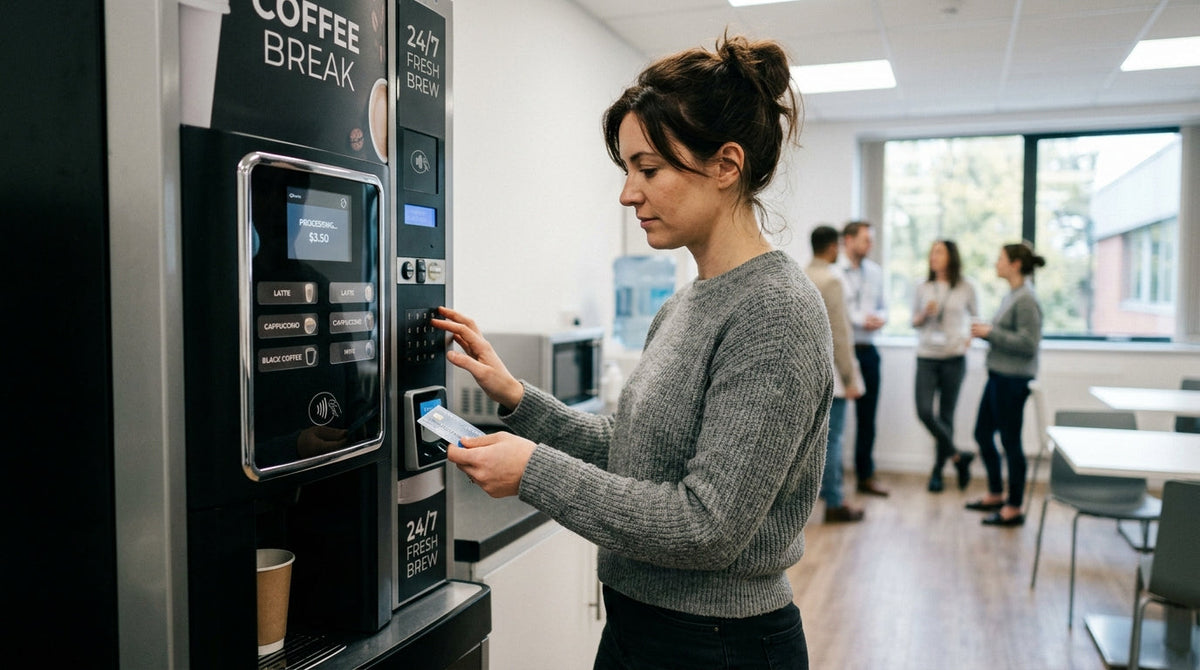
A cashless payment system operates as a bridge between the physical vending apparatus and the financial processing network. The card reader terminal mounts to the machine exterior, directly interfacing with the vending machine’s internal controller via standard protocol cables.
When a user taps or swipes a payment method, the cashless reader encrypts transaction data at the point of interaction using PCI-DSS compliant protocols. The embedded cellular modem transmits this encrypted payload via LTE or 5G networks to payment gateways such as Nayax, USA Technologies (Cantaloupe), or Parlevel. Once approved by the acquiring bank, the gateway signals the machine to dispense the beverage.
The Role of MDB (Multi-Drop Bus) Architecture
The Multi-Drop Bus (MDB) internal protocol allows peripheral devices—including card readers, bill acceptors, and coin mechanisms—to communicate directly with the main Vending Machine Controller (VMC). Understanding
how coffee vending machines work requires recognizing MDB as the universal language governing beverage dispenses, pricing logic, and transaction clearance.
Supported Payment Methods and Processing Protocols
Contact, Contactless, and Mobile Wallet Systems
Modern vending readers handle multiple transaction formats to capture all consumer preferences.
| Payment Category |
Technical Specification / Standard |
Average Processing Speed |
| NFC Mobile Payments |
Apple Pay, Google Wallet, Samsung Pay |
< 1.5 Seconds |
| Contactless EMV Cards |
Tap-to-Pay (Visa PayWave, Mastercard Contactless) |
< 2.0 Seconds |
| Contact EMV Chip Cards |
ISO/IEC 7816 Compliance |
3.0 - 5.0 Seconds |
| Magnetic Stripe Cards |
Track 1 & 2 Data Capture |
2.0 - 4.0 Seconds |
| Closed-Loop Campus Cards |
RFID, Mifare, HID Prox |
< 1.0 Second |
Closed-Loop vs. Open-Loop Networks
Open-loop systems accept mainstream financial instruments issued by banks. Closed-loop systems process proprietary credentials within controlled environments, such as corporate offices or hospital complexes. Installing an
iced coffee vending machine or a
coffee and hot beverage vending machine in corporate breakrooms often leverages closed-loop balances tied directly to employee badges.
Hardware Requirements and MDB Protocol Integration
Essential Hardware Components
Retrofitting or equipping equipment with cashless functionality requires four essential components:
-
Card Reader Terminal: High-visibility bezel containing NFC antennas, chip slots, and magnetic readers.
-
Telemetry Controller (Telemeter): Processor box housing the cellular SIM card, microcontroller, and memory logs.
-
MDB Harness Cable: Y-cable connecting the telemeter directly between the VMC and existing bill/coin peripherals.
-
DEX Cable (Data Exchange): Serial link capturing audit metrics (EVA-DTS standard) to report exact ingredient consumption.

Machine Compatibility Criteria
Most modern
commercial coffee vending machines manufactured after 2005 come standard with MDB version 2.0 or higher. If operating older units, operators must install an MDB conversion board to translate legacy pulse signals into digital card-processing commands. Ensure replacement
coffee vending machine parts include modern VMC logic boards if retrofitting legacy units.
Comparative Analysis: Cashless Card Readers vs. Traditional Coin Acceptors
Cashless Terminals vs. Legacy Cash Acceptors
| Feature / Metric |
Cashless Payment Readers |
Legacy Coin/Bill Acceptors |
| Primary Failure Rate |
Low (Network drops < 1%) |
High (Mechanical coin/bill jams) |
| Transaction Processing Fee |
2.5% – 5.9% per swipe |
0% Direct Transaction Fee |
| Labor Overhead Costs |
Zero physical collection required |
High (Manual cash drops, counting, banking) |
| Average Transaction Value |
$3.50 – $5.50 (Higher impulse buys) |
$1.25 – $2.50 (Constrained by cash on hand) |
| Vandalism / Theft Risk |
Zero cash target |
High physical break-in vulnerability |
Operational Benefits and Revenue Impact
Revenue Acceleration and Larger Ticket Sizes
Telemetry-Driven Inventory Management
Cashless systems double as cellular telemetry units. Telemetry continuously reports live machine status, sales rates, and exact bean or milk powder levels to back-end management software. Optimizing
coffee vending routes operations depends on this data to eliminate redundant service trips and streamline restocking schedules.
Theft Elimination and Cash Handling Efficiency
Processing physical bills and coins incurs hidden labor expenses: route driver theft, counting errors, and bank deposit charges. Transitioning an entire route to cashless hardware reduces manual handling overhead, directly improving overall
coffee vending machine profitability.
Key Technical Steps to Upgrade Your Beverage Vending Setup
Step-by-Step Installation Protocol
-
Power Down System: Disconnect main AC power from the machine before altering internal wiring harness configurations.
-
Mount the Reader Bezel: Drill mounting studs using the standardized knockout template, securing the card reader flush to the exterior panel.
-
Connect MDB Harness: Connect the reader's telemeter in-line with the existing VMC MDB bus line, forming a daisy-chain connection with coin acceptors or bill validators.
-
Attach DEX Line: Secure the DEX data connector to the machine audit port to unlock real-time inventory tracking.
-
Initialize and Test: Reapply system power, wait for cellular registration signal, and execute a $0.05 live authorization test.
Explore High-Performance Vending Hardware
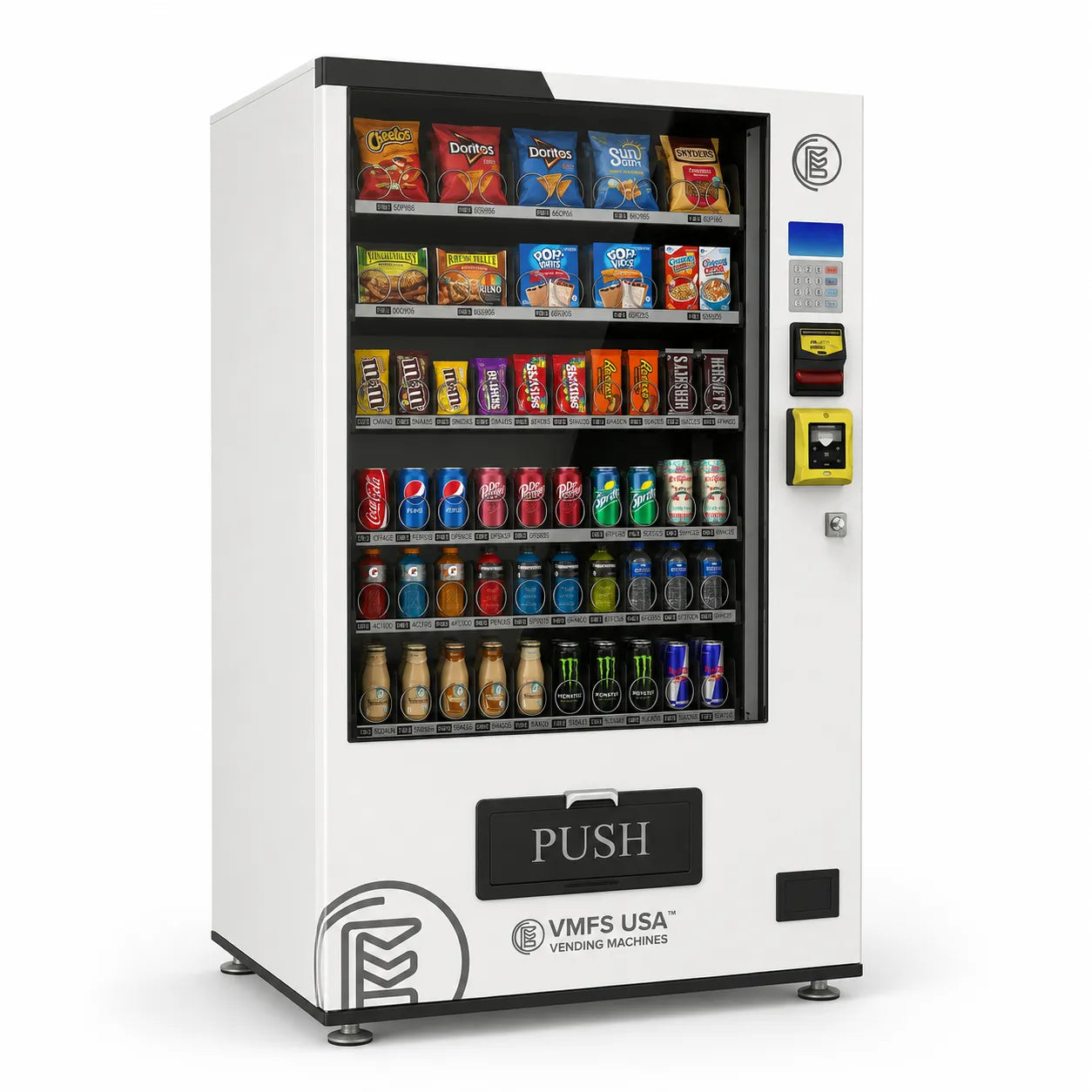
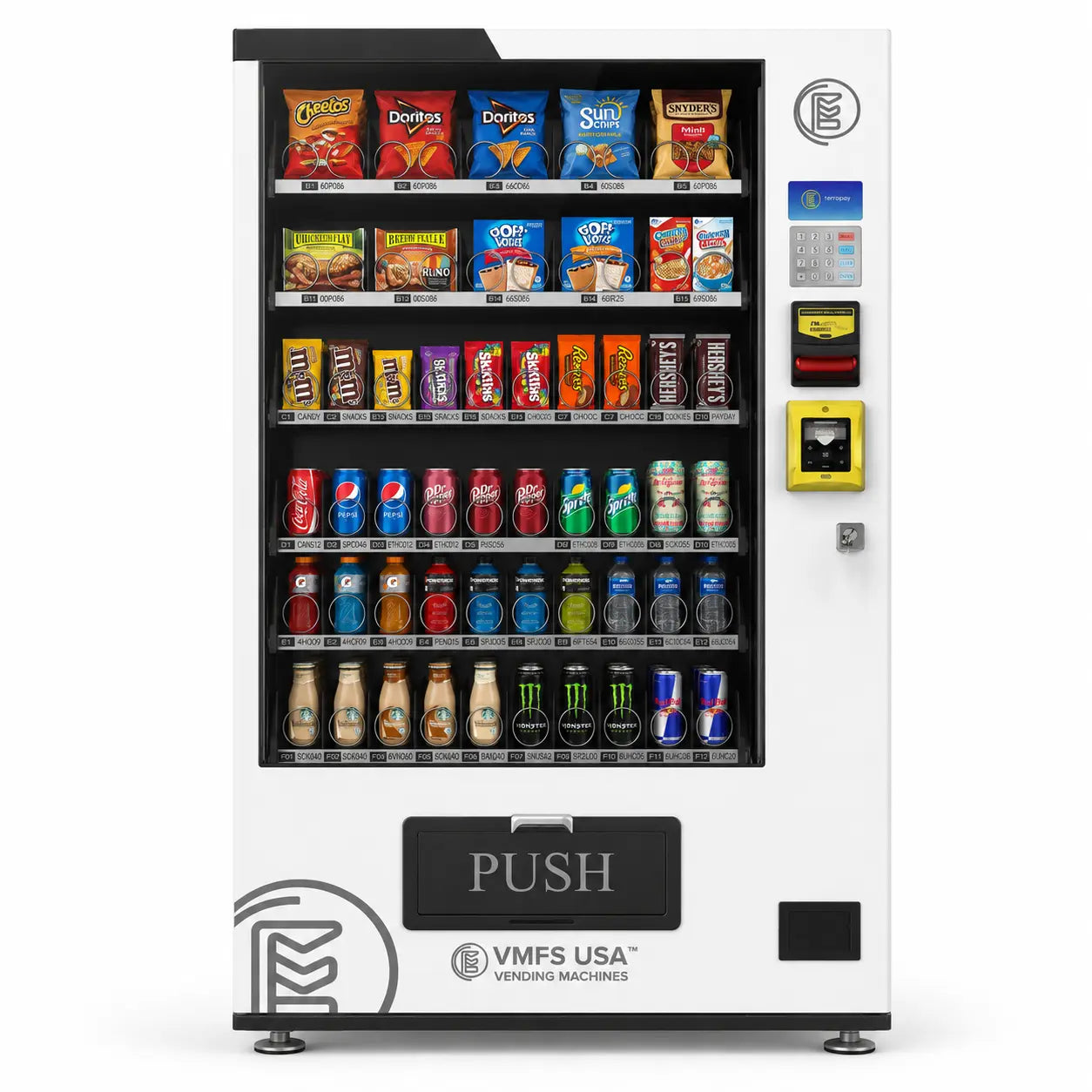
Upgrade your venue's beverage service with industry-grade, cashless-ready vending machines. Explore our full lineup of commercial units built for high transaction volume, seamless card reader integration, and telemetry support.
Trade-Offs and Technical Challenges of Cashless Systems
Monthly Hardware and Gateway Fees
While cashless acceptance drives higher gross revenue, operators must budget for ongoing SaaS fees. Card hardware providers charge monthly connectivity fees ($8 to $13 per machine) alongside credit card transaction processing rates (typically 2.5% to 5.9%).
Cellular Connectivity Dependencies
Cashless readers rely entirely on active wireless connections. If installed in underground basements, industrial facilities with heavy shielding, or remote dead zones, transaction speeds stall or drop completely. Installing external antenna extenders resolves signal attenuation issues in tricky environments like
industrial coffee vending machines.
Technical Downtime and Maintenance
While card readers eliminate coin jams, they present distinct troubleshooting needs, such as firmware corruption, payment gateway timeouts, or signal loss. Consult our guide on how to
troubleshoot coffee vending machine issues to isolate VMC error codes from telemetry faults.

Frequently Asked Questions
Can I add a cashless reader to an older coffee vending machine?
Yes, as long as the vending machine controller (VMC) supports the Multi-Drop Bus (MDB) protocol. Older non-MDB machines require an aftermarket MDB conversion controller board to translate pulse signals into digital card reader commands.
How much does it cost to install a card reader on a coffee vending machine?
Hardware costs range from $250 to $450 per card reader terminal. Operational costs include a monthly cellular telemetry fee ($8 to $13 per machine) and processing transaction fees ranging from 2.5% to 5.9% per swipe.
What happens if the cellular signal drops during a transaction?
If offline processing is enabled, the system approves the purchase up to a pre-configured cap and batches the processing authorization once network connection resumes. If offline processing is disabled, the reader displays a communication error and declines the sale.
Are cashless transactions secure on coffee vending machines?
Yes, modern vending payment hardware uses PCI-DSS Level 1 compliant hardware encryption and point-to-point tokenization (P2PE). Sensitive credit card data is encrypted directly at the terminal tap and never stored locally on the vending machine logic board.
How does cashless telemetry help with restocking inventory?
Telemetry units read data directly from the machine controller via DEX cables, logging every cup dispensed in real time. Operators track exact consumption levels for coffee beans, cups, and mix powders remotely, optimizing route schedules based on actual demand.
Which cashless payment methods are most popular for office coffee machines?
Contactless mobile wallets (Apple Pay, Google Pay) and contactless EMV credit cards dominate public settings. Closed-loop employer RFID cards or employee badge accounts are preferred inside corporate breakrooms, integrated directly into a
coffee vending machine for office deployment.
Do card readers require a separate Wi-Fi connection?
No, commercial vending card readers feature built-in 4G LTE or 5G cellular SIM cards. They operate independently of local building Wi-Fi networks, ensuring dedicated payment connectivity.
How does a cashless payment system increase overall sales?
Cashless payment options remove cash-on-hand friction, capturing impulse buyers without physical currency. They also allow consumers to purchase higher-priced premium beverages without worrying about bill validator limits.
How do I maintain and clean the card reader terminal?
Clean the reader housing and touchscreens using non-abrasive isopropyl alcohol wipes. Avoid spraying liquid cleaners directly onto the screen bezel or chip reader slots to prevent electrical shorts. Review our full
coffee vending machine cleaning and maintenance guide for comprehensive sanitation protocols.
What is the ROI timeframe after upgrading a machine to cashless payment?
Most vending operations recover the hardware investment within 3 to 6 months. Increased sales volume, larger transaction sizes, and reduced manual cash collection labor offset the upfront hardware and ongoing processing fees.




Share:
Pokemon Vending Machine Maintenance Guide: How Long Does It Actually Take
The Economics of a Perfume Vending Machine, and How to Run One