




Diseñe la solución de vending perfecta para su ubicación y clientes.

Únete al boletín de VMFS y forma parte de una red próspera dedicada al éxito colectivo.
Un registro. Posibilidades infinitas.

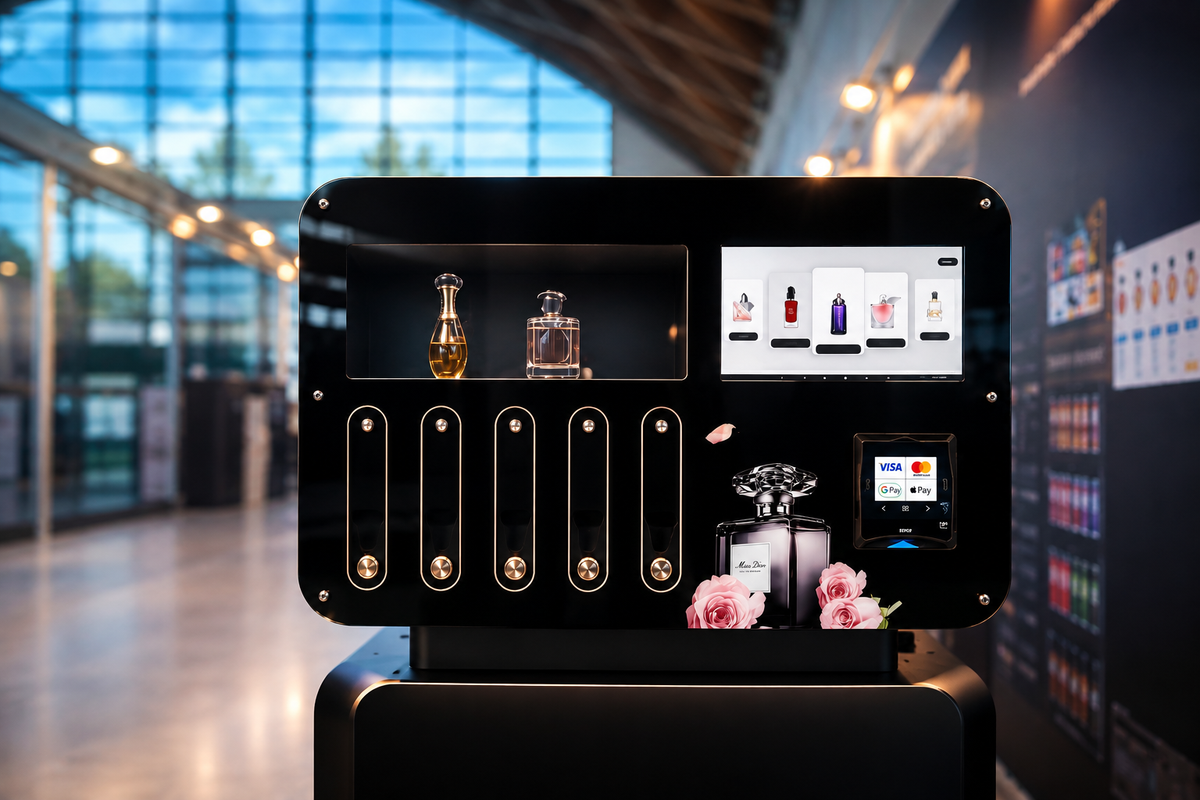
La mayoría de los productos que pones en una máquina expendedora son baratos, de rotación rápida y bajo margen. El perfume es todo lo contrario, y eso es exactamente lo que lo hace interesante. Un solo frasco puede venderse al por menor desde veinte dólares hasta bien superados los cien, por lo que una máquina que contiene unas pocas docenas de unidades alberga un valor de inventario real y se vende a un precio con el que una máquina de snacks solo puede soñar.
También resuelve los problemas que hacen que la venta de alimentos sea difícil. El perfume no se echa a perder. No necesita refrigeración. No es frágil como un pastelito y tiene una larga vida útil, por lo que una semana lenta no te cuesta nada en existencias desperdiciadas. Reabasteces con menos frecuencia, prácticamente no tiras nada y el producto dentro de la máquina mantiene su valor durante meses. Para un operador, esa combinación es casi ideal; sinceramente, es difícil pensar en muchos productos que se vendan de forma tan limpia.
Y luego está el factor impulso. La fragancia es una compra emocional, de momento, el tipo de cosas que la gente compra porque pasó por allí, percibió un aroma o vio un frasco que le gustó. Ese es precisamente el comportamiento que una máquina expendedora bien ubicada está diseñada para captar.
Aquí es donde se pone divertido. Digamos que surtes una máquina con fragancias que te cuestan entre quince y treinta dólares por unidad al por mayor y las vendes por cuarenta a ochenta. Ese es un margen bruto al que la mayoría de las categorías de vending nunca se acercan. Incluso después de contabilizar la máquina, la tarifa de ubicación, el procesamiento de tarjetas y el tiempo de reabastecimiento, la ganancia por unidad en perfume empequeñece lo que ganarías con un refresco o una bolsa de papas fritas.

La otra mitad de la historia es el espacio. Una máquina de perfumes ocupa una pequeña parte del suelo, lo que importa por partida doble. Primero, los propietarios de los locales están mucho más dispuestos a darte unos pocos metros cuadrados que una pared completa, por lo que tu alquiler o participación en los ingresos tiende a ser menor. En segundo lugar, debido a que la unidad es compacta, puedes colocarla en los puntos exactos de alto tráfico donde se venden las fragancias: junto a una entrada, cerca de una caja, en el pasillo de un centro comercial, en el vestíbulo de un hotel. Los ingresos por pie cuadrado es la métrica que realmente importa en el comercio minorista, y en ese número, el vending de perfumes es verdaderamente difícil de superar.
Haz la versión simple. Una máquina que venda aunque sea diez frascos al día a un promedio de cincuenta dólares, con un margen de treinta dólares por frasco, genera trescientos dólares al día en beneficio bruto desde una superficie más pequeña que una cabina telefónica. No todas las ubicaciones alcanzarán eso, algunas lo superarán y otras se quedarán atrás, pero el techo es alto y el riesgo limitado porque no estás consumiendo existencias perecederas mientras esperas encontrar el lugar correcto.
La versión corta: precio alto, margen alto, espacio diminuto, sin mermas. Esa mezcla es la razón por la que el perfume es uno de los productos más amigables para el operador que puedes poner en una máquina ahora mismo.
Para las marcas de fragancias, una máquina es un canal de distribución que no necesita tienda, personal ni un mostrador en grandes almacenes. Pone el producto directamente frente a las personas en lugares donde una presencia minorista tradicional nunca podría justificarse. Una marca puede probar un nuevo aroma en una ubicación concurrida, observar cómo se vende en tiempo real y retirar o añadir inventario basándose en números reales en lugar de suposiciones. Esa es una forma rápida y económica de llegar a los clientes y aprender de ellos al mismo tiempo.
También es un motor de muestreo. Los frascos de tamaño de viaje más pequeños y las muestras permiten que una marca haga que alguien pruebe un aroma a bajo precio, que es como realmente se forma la lealtad a una fragancia. Una máquina que facilita el descubrimiento convierte a un transeúnte en un comprador por primera vez y, si el aroma tiene éxito, en uno recurrente.
Esta es la parte que mucha gente pasa por alto. Muchas máquinas modernas llevan una pantalla grande, y esa pantalla es un medio. Cuando no está en medio de una transacción, puede ejecutar campañas de marca, promociones o anuncios de terceros, lo que convierte a la máquina en una pequeña valla publicitaria digital que, además, vende productos. En un lugar de mucho tráfico, esas impresiones tienen un valor real, y ese espacio publicitario puede convertirse en una segunda fuente de ingresos que se suma a las ventas.

Si la publicidad es el ángulo que te interesa, vale la pena mirar máquinas diseñadas para ello. Nuestras máquinas expendedoras publicitarias están construidas con la pantalla y la colocación de medios como prioridad, por lo que la pantalla es una característica principal y no una idea de último momento.
Para el comprador, una máquina de perfumes es conveniencia y descubrimiento en uno. Sin presión de ventas, sin esperar a que un mostrador quede libre, sin horarios de tienda. Ves algo que te gusta, tocas, compras y te vas. Coloca las fragancias en lugares donde la gente ya está: aeropuertos, centros comerciales, hoteles, centros de transporte, y les permite comprar un regalo o un capricho a su propio ritmo. Para muchos clientes, esa experiencia de autoservicio y baja presión es realmente más cómoda que un mostrador de fragancias concurrido, y hace que el producto premium se sienta accesible en lugar de intimidante.

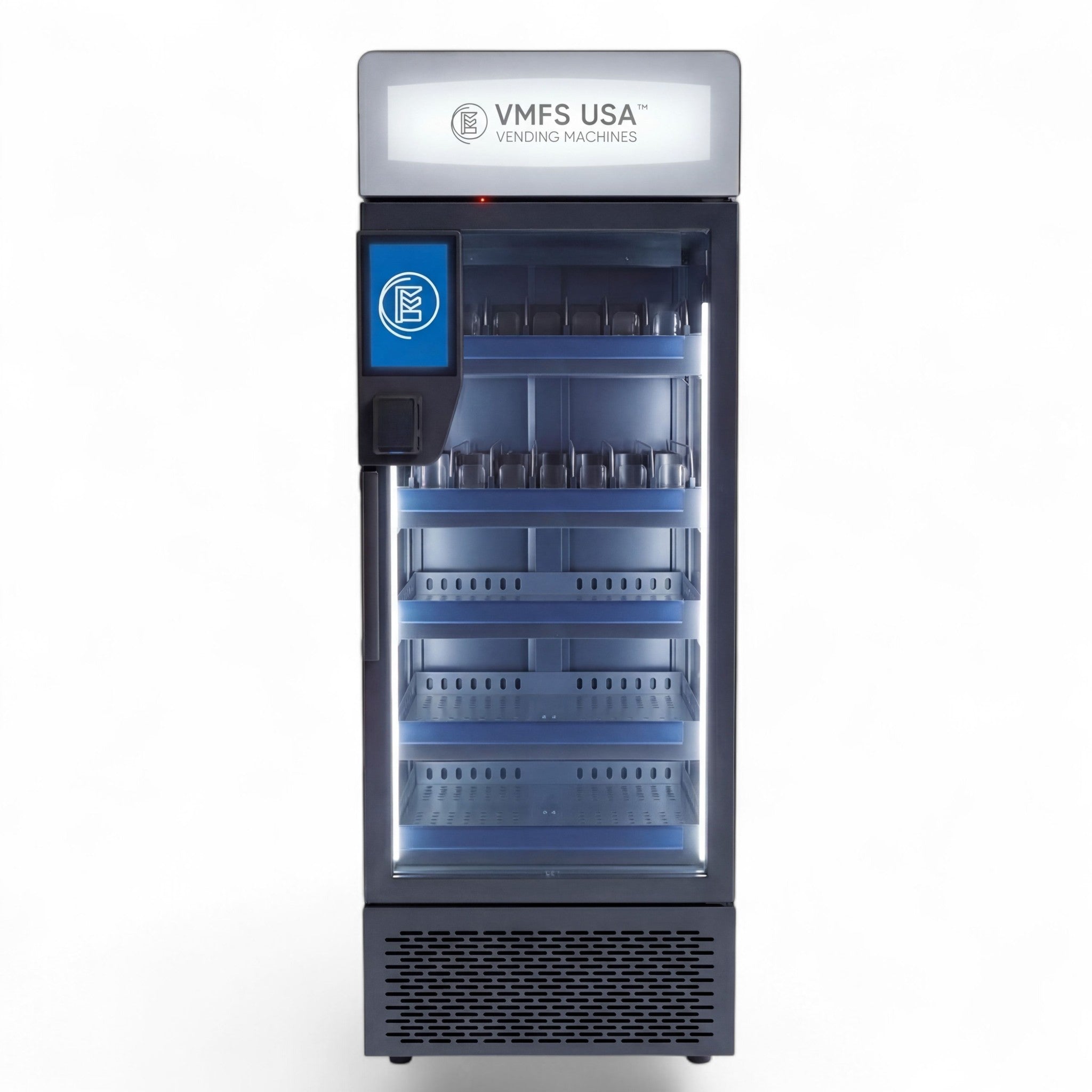
Digamos que los números te convencieron. Aquí tienes el camino práctico. Comienza con la máquina. Quieres una unidad que exhiba bien el producto, proteja los frascos y gestione la selección y el pago de forma impecable. Una máquina expendedora de perfumes con pantalla táctil inteligente te da la pantalla para navegar y hacer publicidad, mientras que una máquina expendedora de perfumes más directa mantiene las cosas simples si no necesitas el lado multimedia. Ambas se encuentran en nuestra gama más amplia de máquinas expendedoras de cosméticos, y si tienes poco espacio, vale la pena echar un vistazo a las máquinas expendedoras mini.
Luego está el producto. Decide si venderás una marca, una mezcla curada o tu propia marca blanca, y obtén un costo al por mayor que te deje espacio para fijar precios entre cuarenta y ochenta dólares y aun así mantener un margen saludable. Piensa también en los tamaños de los frascos; una combinación de tamaño completo y tamaño de viaje les da a los compradores un punto de entrada fácil y aumenta tus ventas totales.
Luego el pago y los precios. El pago sin efectivo es innegociable para un producto a este precio, así que asegúrate de que la máquina acepte tarjeta, pago por contacto y pago móvil. Establece tus precios con un margen claro en mente y pruébalos; un pequeño cambio en el precio de una fragancia puede mover el volumen más de lo que esperarías. Cuando estés listo para comparar unidades y comenzar, puedes comprar directamente desde nuestra gama completa y ajustar la máquina a tu plan.
La máquina y el producto son solo una parte. Tres cosas deciden si los números anteriores aparecen realmente en tu cuenta bancaria, y cada una es una disciplina en sí misma.
La ubicación es lo primero, porque una máquina de perfumes vive o muere por el tráfico peatonal y el público adecuado. Centros comerciales, aeropuertos, hoteles y comercios enfocados en la belleza suelen funcionar bien, pero los detalles importan mucho. Nuestros socios en VPlaced se enfocan en encontrar las mejores ubicaciones para este tipo de productos de impulso premium. En el lado legal, vender fragancias desde una máquina conlleva sus propias reglas sobre el producto, el etiquetado y los permisos locales, sobre lo cual el equipo de VAdviced puede orientarte. Y cuando se trata de lograr esas colocaciones, negociar con los lugares y conseguir que tu máquina entre por la puerta, eso es lo que maneja VMarketed. Máquina, ubicación, cumplimiento, colocación; ese es el conjunto completo.
Pueden ser muy rentables. El perfume tiene un precio alto y un margen sólido, no se echa a perder y ocupa poco espacio, por lo que los ingresos por pie cuadrado tienden a ser excelentes en comparación con las máquinas de snacks o bebidas. La rentabilidad sigue dependiendo de la ubicación, el abastecimiento de productos y los precios, pero los fundamentos son inusualmente amigables para el operador.
Depende del tamaño y las características, especialmente si incluye una gran pantalla táctil y capacidad publicitaria. Las unidades compactas y pequeñas cuestan menos, mientras que los modelos con pantalla inteligente cuestan más pero añaden una segunda fuente de ingresos a través de anuncios. La mejor forma de calcular el precio es comparar unidades según cómo planeas usar la máquina.
Ubicaciones de alto tráfico y gasto discrecional. Centros comerciales, aeropuertos, hoteles y comercios minoristas adyacentes a la belleza son fuertes porque la gente allí está relajada, navegando y abierta a una compra impulsiva. La calidad del tráfico peatonal importa más que el volumen bruto, por lo que vale la pena hacer bien la estrategia de colocación.
No. El perfume es estable a temperatura ambiente y no requiere refrigeración ni control de temperatura, lo cual es una de las razones por las que es mucho más sencillo de operar que la venta de alimentos. Una unidad estándar en un entorno interior normal está bien.
¿Listo para operar una máquina de perfumes?
VMFS USA suministra máquinas expendedoras de perfumes y cosméticos construidas para productos premium y ubicaciones de alto tráfico. Compara unidades, elige la configuración correcta y te ayudaremos a comenzar.
Comprar una máquina expendedora
Compartir:
Sistemas de pago sin efectivo para máquinas expendedoras de café: la guía técnica y operativa completa
Problemas comunes y soluciones de las máquinas expendedoras de snacks