


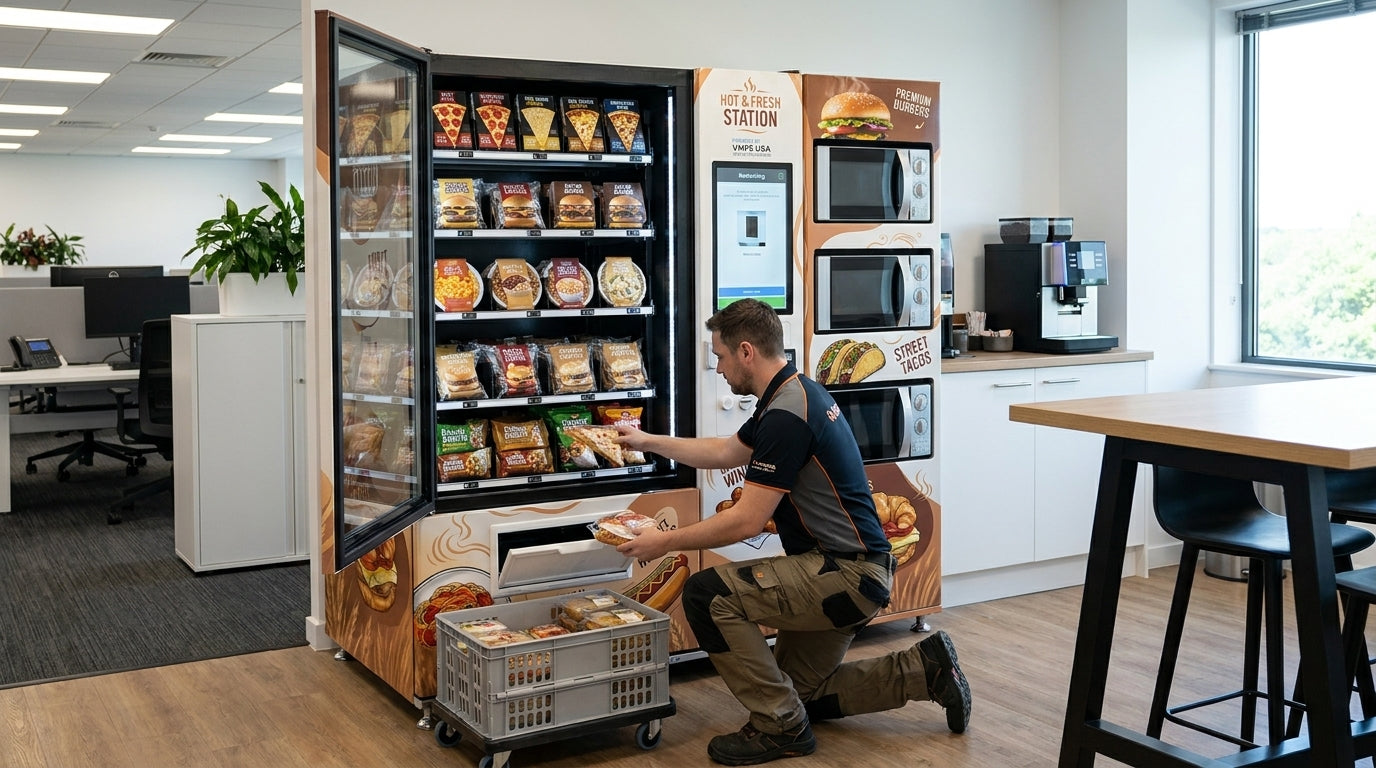


Design the perfect vending solution for your location and customers.

Join the VMFS newsletter and step into a thriving network dedicated to collective success.
One signup. Endless possibilities.
Vending machine operators source inventory through wholesale convenience distributors, cash-and-carry warehouse clubs, commercial commissaries, and Direct-Store-Delivery (DSD) manufacturers. Sourcing strategy depends on operator scale, product shelf-life, and required holding temperature. The convenience services industry relies on an integrated supply network to support automated retail installations across office buildings, healthcare facilities, and transit hubs.

Specialized broadline distributors like Vistar (a subsidiary of Performance Food Group) and McLane Company supply over 60% of national vending operations with packaged snacks, candy, beverages, and cold food. Operators purchase inventory at wholesale volume pricing with scheduled route deliveries directly to central warehouses. Specialized distributors provide automated restocking integrations that sync with route management software.
Independent and small-scale vending operators source product inventory from regional cash-and-carry warehouse clubs such as Costco Wholesale, Sam's Club, and BJ's Wholesale Club. Warehouse clubs allow small route owners to bypass minimum order quantities (MOQs) imposed by broadline distributors. Purchasing pre-packaged, multi-pack snacks from warehouse clubs yields gross profit margins between 40% and 60% per unit.
Vending operators source fresh sandwiches, salads, wraps, and heat-and-eat meals from licensed commercial commissaries or local catering suppliers. State health laws strictly prohibit home preparation of Time/Temperature Control for Safety (TCS) foods. Commercial commissaries provide inspected kitchen space, flash freezing equipment, and sanitary packaging tools required to comply with food safety standards.
Major beverage brands like Coca-Cola Consolidated and PepsiCo Bottling Group distribute directly to high-volume vending routes via Direct-Store-Delivery (DSD) networks. DSD vendors stock and service machines directly or deliver palletized inventory to an operator's warehouse facility. Beverage vending machines account for a major share of total industry revenue, making direct beverage supply contracts essential for route profitability.
Vending inventory moves from primary food processing facilities through temperature-controlled logistics networks before route drivers replenish individual machines. Maintaining the cold chain prevents bacterial proliferation and ensures compliance with municipal food safety mandates.
Manufacturer / Processor ──> Central Wholesale Depot ──> Refrigerated Delivery Van ──> Vending Hardware
Perishable cold food items require continuous refrigeration between 33°F and 41°F from processing to final customer delivery. Operators utilize refrigerated delivery vans equipped with digital temperature monitoring systems to prevent thermal abuse during transit. Once stocked, advanced refrigeration modules inside automated machines maintain continuous cold holding standards. Understanding the cold food vending machine work process helps operators evaluate airflow, compressor duty cycles, and internal storage zones.

Modern vending hardware relies on Internet of Things (IoT) telemetry devices to communicate real-time inventory counts and internal temperature data to route management software. Telemetry eliminates manual machine audits by generating dynamic pre-kitting lists for route drivers before they leave the warehouse. Telemetry adoption reduces operational fuel costs by 20% to 30% and minimizes product stockouts. Consumers checking how to get food from a vending machine benefit from consistent stock availability driven by real-time inventory tracking.
Sourcing food for automated retail involves strict compliance with regional health departments, federal food codes, and legal business formation requirements.
REGULATORY & ENTITY SETUP CHECKLISTBusiness Structure: Form an LLC, S-Corp, C-Corp, or PartnershipTax Registration: Obtain Federal EIN and State Sales Tax PermitFood Safety Manager: ANSI/ServSafe Food Protection Manager Certification
Health Department: Local Food Service Establishment Permit & Machine Decals
Commissary Contract: Signed Lease Agreement with an Approved Commercial Kitchen
All commercial food vending hardware must comply with Section 3-501.16 of the model FDA Food Code, which mandates automatic health locks on machines dispensing perishable items. If internal cabinet temperatures exceed 41°F for cold food or drop below 135°F for hot food for longer than 30 minutes, an automatic health switch locks the dispensing door. Operators must obtain an annual food vending permit and complete routine health inspections before stocking food items. Reviewing the complete legal requirements in how to get a food vending license ensures complete municipal compliance before launching route operations.
Establishing a formal business entity isolates personal assets from commercial liabilities associated with food safety claims, location contracts, or equipment financing. Operators can evaluate an LLC for a vending machine business to protect personal assets, form an S-corporation or C-corporation for tax advantages, or choose a sole proprietorship or partnership for a vending machine business for simpler setups.
Every structured entity requires a designated registered agent for a vending machine business to receive official state correspondence. Alternative structures include a limited liability partnership (LLP), a limited partnership, or a nonprofit corporation for vending.
Different food categories require specialized sourcing channels, packaging standards, and hardware technology.
Operators source fresh sandwiches, fruit cups, and yogurt parfaits from certified regional commissaries, while sourcing shelf-stable items like healthy food for vending machines and pre-packaged vending machine and healthy snacks from broadline wholesale distributors. Fresh meals carry a 3- to 7-day shelf life, requiring frequent route replenishment and precise inventory forecasting.
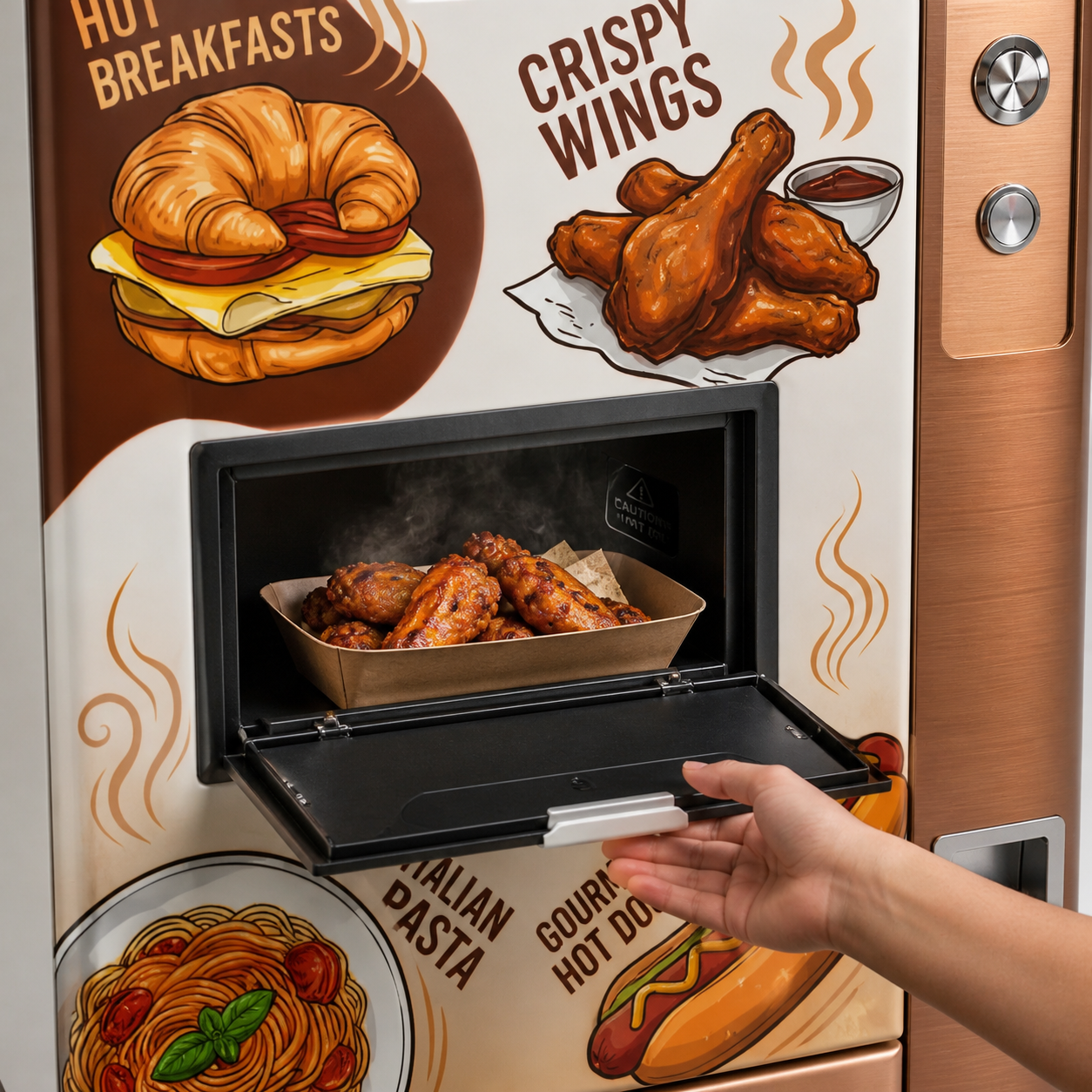
Hot food vending machines dispense cooked meals, burgers, and bento boxes maintained at 135°F or heated on demand via integrated high-speed microwave modules. Operators source frozen or chilled entrees from specialized food processors that package items in dual-ovenable, food-grade trays. Following a guide on how to start a hot food vending machine business in 2026 helps operators establish supply agreements with frozen food distributors. Reviewing a detailed burger vending machine guide clarifies packaging requirements for high-temperature dispensing.
Pizza vending machines store pre-assembled, flash-frozen, or chilled 9-to-12-inch pizzas inside an internal refrigerated compartment held at 38°F. When a customer orders, an internal mechanical arm transfers the pizza to an integrated high-temperature induction oven that bakes the crust in under three minutes.
Operators source raw dough discs, pre-baked crusts, and specialized packaging from commercial frozen pizza distributors or dedicated franchise suppliers. Studying where to buy pizza for vending machines helps route owners secure wholesale frozen crust contracts.

Understanding how pizza vending machine works and evaluating pizza vending machine cost enables accurate financial planning. Operators assessing overall margins through how profitable is a pizza vending machine can leverage the strategic benefits of pizza vending.
Investing in a dedicated Pizza Vending Machine allows operators to capture late-night retail demand. Industry trends show that the slice of the future pizza vending machines are here as automated pizza outlets deliver returns rivaling traditional retail pizza operations.
Ramen vending machines dispense packaged instant noodle cups alongside automated hot water delivery systems. Operators source cup noodles from commercial wholesale distributors in bulk cases of 12 to 24 units.
The machine heats internal water tanks to 190°F–200°F and dispenses calibrated water volumes into the cup upon purchase. Insights from we visited venditalia 2026 and saw a cup noodles vending machine that dispenses hot water into the cup automatically highlight advances in automated hot water sanitation.
Noodle Cup Inventory ──> Internal Storage Column ──> Dispense Cup ──> ASSE 1022 Hot Water Injection (195°F)
Learning how ramen vending machines work fast hot and hassle free and reviewing are ramen vending machines profitable assists operators in building profitable high-margin routes. Deploying an automated Ramen Noodle Vending Machine provides a low-maintenance food option for college dorms and 24/7 industrial facilities.
Successful vending route deployment requires matching equipment to location demographics while securing location placement agreements.
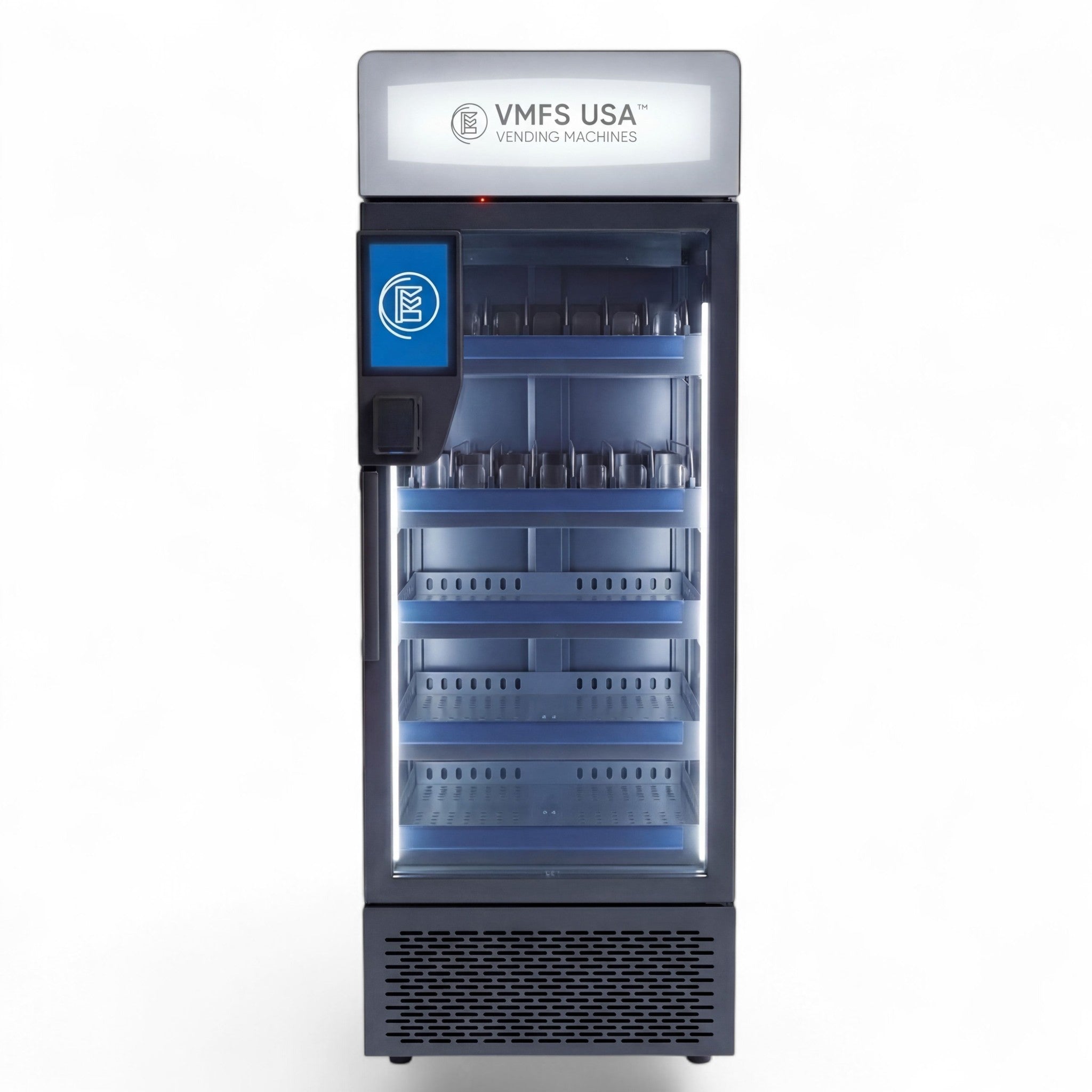
Property owners seeking automated food amenities can list location details to connect with vending operators to match their space with qualified route operators. Selecting commercial-grade hardware from a leading Vending Machine Company in USA, such as VMFS USA, ensures compliance with internal dispensing mechanisms and NSF sanitation guidelines. Operators must verify how should food in vending machines be dispensed to prevent product damage during drop delivery.
Evaluating primary sourcing channels helps operators optimize gross margins, inventory turnover, and route efficiency.
| Sourcing Channel | Primary Product Types | Minimum Order Quantity (MOQ) | Average Gross Margin | Best Suited Operator Scale |
| Wholesale Distributors | Packaged Snacks, Candy, Beverages | High ($1,000+ per order) | 50% – 65% | Mid-to-Large Route Operators (10+ Machines) |
| Warehouse Clubs | Bulk Snacks, Drinks, Candy Multi-packs | None (Buy per case) | 40% – 55% | Independent & Startup Operators (1–9 Machines) |
| Commercial Commissaries | Sandwiches, Wraps, Salads, Entrees | Medium (Daily/Weekly batches) | 55% – 70% | Fresh & Cold Food Vending Operators |
| Direct-Store-Delivery (DSD) | Brand-Name Bottled Beverages & Chips | Manufacturer Specific | 45% – 60% | High-Volume Commercial & Industrial Routes |
| Frozen Food Processors | Frozen Pizzas, Microwave Meals, Dough | Pallet / Case Minimums | 60% – 75% | Specialized Hot Food & Pizza Vending Routes |
Small vending operators buy inventory from cash-and-carry warehouse clubs like Costco, Sam's Club, and BJ's Wholesale. These stores allow operators to buy bulk cases of snacks and drinks without high wholesale minimum order commitments.
Yes, operators preparing fresh sandwiches, wraps, or hot meals must use a licensed commercial kitchen or commissary. Health department regulations prohibit storing or preparing perishable food intended for resale in residential kitchens.
Vistar and McLane Company are the primary national wholesale distributors serving the convenience and automated retail industry. They offer case-pack inventory on national brand snacks, candy, cold beverages, and fresh food items.
Pre-packaged shelf-stable snacks last several months, while fresh commissary meals have a shelf life of 3 to 7 days. Cold vending machines feature automatic health locks that disable dispensing if internal cabinet temperatures exceed 41°F.
Yes, large route operators purchase beverage inventory directly from bottlers like Coca-Cola or PepsiCo through Direct-Store-Delivery (DSD) contracts. DSD arrangements require high purchasing volumes to qualify for direct factory pricing.
An automatic health lock is a safety switch required by the FDA Food Code that monitors internal cabinet temperatures. If temperatures enter the danger zone (above 41°F for cold food) for over 30 minutes, the lock prevents product sales.
Operators use climate-controlled refrigerated vans equipped with digital temperature monitoring tools to transport perishable inventory. Maintaining an unbroken cold chain from the warehouse to the machine prevents spoilage and keeps food safe.
Yes, most regional health departments require vending route drivers who handle or restock perishable food items to hold a valid Food Handler Certificate. Operators must also maintain an ANSI-accredited Food Protection Manager certification.
Gross profit margins on vending snacks and beverages range between 40% and 60%, while hot meals and fresh foods yield 50% to 70%. Net profitability depends on route density, location commission fees, and spoilage management.
Smart vending machines utilize IoT telemetry hardware that sends real-time sales and inventory data to cloud management software. This allows operators to track stock levels remotely and generate pre-kitting lists for restocking trips.
Share:
How to Get a Food Vending License: Complete Regulatory and Permit Guide
What is the Most Efficient Way to Brew Coffee in the Office? Complete Guide