


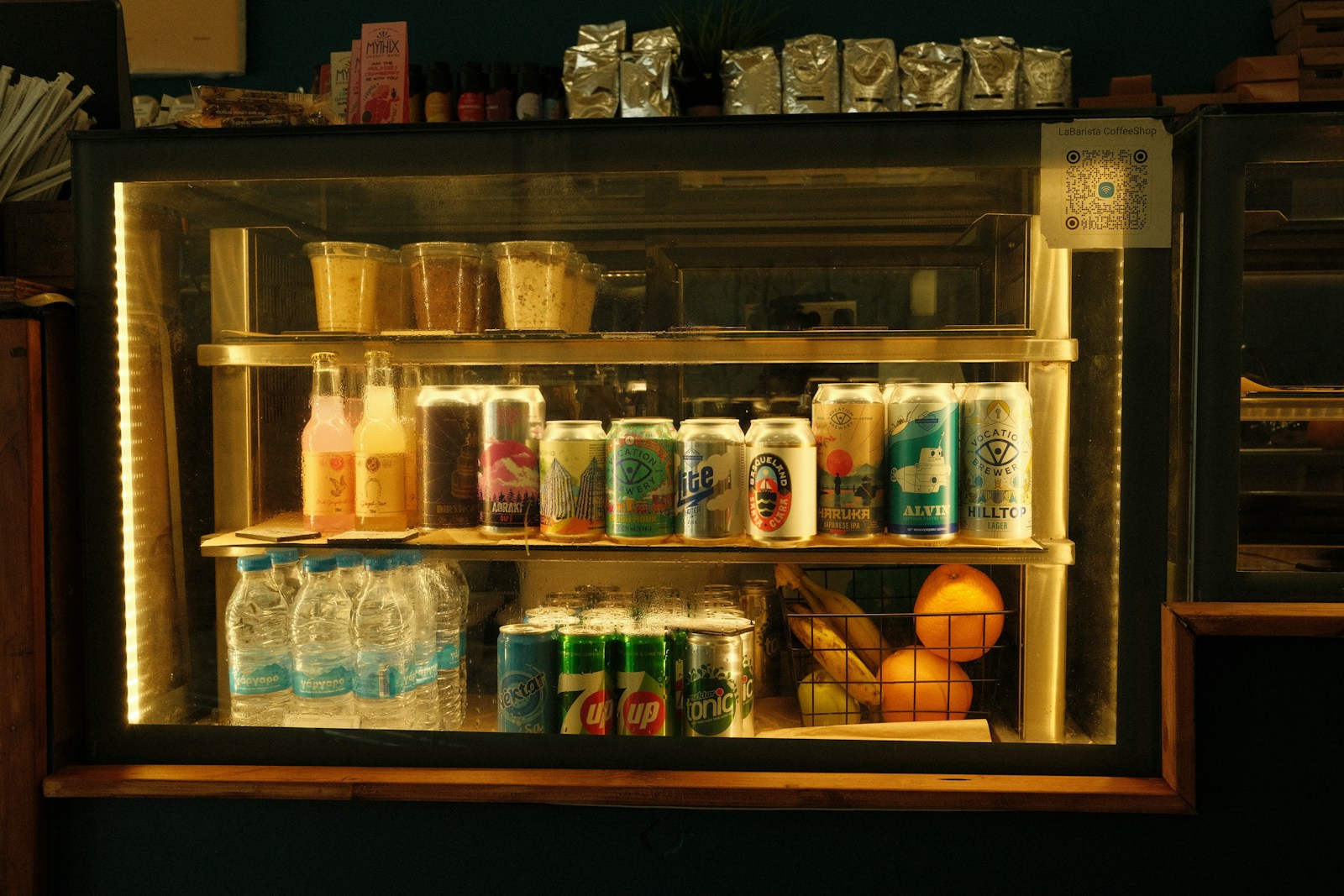


Design the perfect vending solution for your location and customers.

Join the VMFS newsletter and step into a thriving network dedicated to collective success.
One signup. Endless possibilities.
The best healthy vending machine snacks are protein bars, nuts and trail mix, baked or air-popped chips, jerky, fruit-based snacks and whole-grain crackers, paired with low-sugar drinks and, where you have refrigeration, yogurt, fruit cups and salads.
This guide shows US operators what counts as healthy under the standards buyers actually use, what to stock at each type of location, which machines fit each menu, and how to price and merchandise a healthier mix without giving up revenue.
A healthy vending snack is one that meets a published nutrition standard, and the benchmark most US buyers recognize is USDA Smart Snacks in School: 200 calories or less, 200 mg of sodium or less, under 35% of calories from fat, under 10% from saturated fat, zero trans fat and total sugars at or below 35% of the product's weight. The item must also be whole-grain rich, list a fruit, vegetable, dairy or protein food as its first ingredient, or contain at least a quarter cup of fruit or vegetables. These numbers matter outside schools too, because they give a wellness committee, a hospital buyer or a facility manager an objective test instead of a vague promise.
The vending industry's own label is FitPick. The National Automatic Merchandising Association (NAMA) launched FitPick in 2005 to show nutrition information at the point of purchase, then relaunched it in 2015 as FitPick Select with criteria aligned to Smart Snacks. State health departments that promote the program describe its core “35-10-35” rule: no more than 35% of calories from fat, no more than 10% from saturated fat and no more than 35% of weight from sugar. FitPick is a labeling and marketing tool, with stickers and machine clings, rather than a quota for how many healthy items you must carry.
| Standard | Where it applies | Key snack limits | Beverage rule |
|---|---|---|---|
| USDA Smart Snacks in School | All food sold to K-12 students on campus during the school day, including vending | ≤200 calories, ≤200 mg sodium, <35% calories from fat, <10% from saturated fat, 0 g trans fat, ≤35% sugar by weight | Water, milk and 100% juice for all grades (juice and milk capped at 8 oz in elementary, 12 oz in middle and high school); high schools may add calorie-free drinks up to 20 oz and lower-calorie drinks up to 12 oz |
| Food Service Guidelines for Federal Facilities | Federal buildings and agencies | <200 calories, <200 mg sodium, <10% calories from saturated fat, ≤35% sugar by weight, 0 g trans fat | At least half of beverage options at 40 calories or less per 8 oz |
| NAMA FitPick | Voluntary label any operator can use | 35-10-35: fat, saturated fat and sugar limits | Labels qualifying items; no availability quota |
| FDA vending calorie labeling | Operators who own or operate 20 or more machines | Calories disclosed for each food item | Disclosure rule only, not a nutrition standard |
Calorie labeling is the rule many operators overlook. FDA's vending rule covers anyone “engaged in the business of owning or operating 20 or more vending machines.” Covered operators must post a clear calorie statement near each food item or its selection button, in type no smaller than the smallest of the food's name, selection number or price as shown on the machine, unless the package's Nutrition Facts panel is visible to the buyer before purchase. Smaller operators can register with FDA voluntarily, which some do because institutional buyers ask for it.
Not every health-conscious buyer reads a nutrient table. Organic, all-natural, non-GMO, gluten-free, vegan and low-calorie vending products appeal to people who care about clean ingredients, and they deserve shelf space even when they sit slightly outside Smart Snacks limits. Label them honestly with what they are, such as “organic” or “gluten-free,” and reserve the word “healthy” for items that meet the standard your location uses.
Operator shortcut: build your core planogram to Smart Snacks limits. A menu that passes the strictest common test can be sold to a school, a hospital and a corporate wellness program without rework, and you only add premium or indulgent items where the contract allows them.
The healthy snacks that sell most consistently in vending are protein and energy bars, nuts and trail mix, baked or air-popped salty snacks, jerky and fruit-based snacks, because they are shelf-stable, recognizable and priced high enough to protect your margin. Think high protein, low sugar, simple ingredients and portion control: nutritious vending snacks that still taste like a treat. Familiar brands matter more in a machine than on a grocery shelf, since the buyer cannot pick up the package and read it.
Protein and energy bars
KIND, RXBAR, Clif Builder's, Quest, Nature Valley Protein and Pure Protein. Look for whole grains, fiber and minimal added sugar. Long shelf life makes them the backbone of most healthy menus.
Nuts and trail mix
Sahale Snacks, Blue Diamond almonds, Emerald and Planters. Protein, fiber and healthy fats keep energy steady. Choose low-salt, no-added-sugar packs and peanut-free mixes for schools.
Baked and popped snacks
SkinnyPop, Popchips, Baked Lay's, Hippeas and Harvest Snaps pea crisps. Lower in fat than fried chips while still delivering the salty crunch buyers expect.
Jerky and meat sticks
Krave and other beef, turkey or plant-based jerky. High protein and low carb, a strong seller in gyms and with shift workers. Pick brands with natural ingredients and moderate sodium.
Fruit-based snacks
That's It fruit bars, Nature's Bakery fig bars, unsweetened dried mango, apple chips, banana chips, fruit leathers and applesauce pouches. They satisfy a sweet tooth without candy.
Crackers, spreads and oats
Whole-grain crackers, nut butter packs and oatmeal cups pair well as a filling afternoon snack and travel well in ambient machines.
Gluten-free and vegan
Larabar, MadeGood granola minis and GoMacro bars. A few allergen-friendly and plant-based items in every machine widen your audience.
Light and trending
Seaweed snacks, veggie chips, plant-based energy bites, dark chocolate at 85% cacao or higher, and items made with quinoa, chia or acai for the superfood crowd.
Split the menu into staples and rotators. Staples are the items that sell every week, such as KIND bars, RXBARs, SkinnyPop, Sahale trail mix, Nature's Bakery fig bars and Harvest Snaps; they stay in fixed slots so regular customers always find them. Rotators keep the machine interesting: dried tropical fruit, coconut snacks and light crackers in spring and summer, then cinnamon-spiced granola, nut mixes and dark chocolate almonds in fall and winter.
Check the label before you assume an item qualifies. Full-size protein bars and large trail-mix bags often run past the 200-calorie line, so school and hospital accounts may need snack-size versions of the same brand. If you are still building supplier relationships, our guide to sourcing vending snacks covers warehouse clubs, distributors and direct brand programs. Health-focused brands sometimes offer better pricing or marketing support to operators who give them dedicated slots, which helps offset their higher wholesale cost.
Water, unsweetened sparkling and flavored water, zero-sugar electrolyte drinks and ready-to-drink protein shakes are the healthy beverages that move fastest, and swapping part of the soda lineup for them changes how people see the whole machine. Drinks are one of the most frequently purchased vending categories, so the beverage mix is the quickest way to make a machine read as “healthy.”
Hint, Spindrift, LaCroix, bubly and Bai give flavor with little or no sugar, and plain or mineral water remains the safest seller everywhere. These are the drinks that satisfy the federal guideline of 40 calories or less per 8 ounces, which makes them easy to justify to a wellness committee.
Gatorade Zero, BodyArmor Lyte and Vitamin Water Zero deliver electrolytes without added sugar, and Celsius covers buyers who want caffeine without a full-sugar energy drink. Keep caffeinated drinks out of elementary and middle school machines, where Smart Snacks does not allow them.
Kombucha, coconut water, cold brew coffee, herbal teas and high-protein shakes such as Premier Protein and Muscle Milk Light bring in gym members and professionals who want recovery or quick nourishment. Dairy-based shakes and fresh juices need reliable refrigeration, so plan them for drink vending machines or refrigerated units with good temperature control. If shakes are your main product, read how protein shake vending differs from selling bottled drinks.
Yes, a refrigerated machine can sell salads, grain bowls, yogurt parfaits, fruit cups, wraps, sandwiches and snack boxes, and these items command higher prices than packaged snacks while adding spoilage risk you have to manage. Fresh food is where healthy vending stops being a snack shelf and becomes a meal option for people who cannot leave the building.
The strongest fresh sellers are Caesar, kale or quinoa salads; Greek yogurt and parfaits with granola or seasonal fruit; fruit cups; wraps and sandwiches built on lean protein, vegetables and whole grains; and snack boxes with hummus, vegetables or cheese. Cheese snacks and hard-boiled-egg packs add protein without much prep. Local caterers, commissaries and farms can supply short-shelf-life items that national distributors do not carry.
Equipment decides whether fresh food works. Fridge vending machines hold consistent cooling for perishables. Elevator vending machines lower each item to the delivery port instead of dropping it, which keeps parfaits upright and salads intact. AI grab-and-go coolers such as the AI Smart Fridge Vending Machine let the buyer open the door, take an item and walk away while visual recognition and weight sensing complete the charge, which suits wider or irregular packages like bowls.
Fresh vending works best in hospitals, corporate offices, university campuses and busy gyms, where people expect a quick, wholesome meal and accept a premium price. It is a poor fit for low-traffic sites where items would expire before they sell. Date-code every item, rotate first in, first out, and restock on a shorter cycle than your packaged routes.
Match the menu to the person standing in front of the machine: gym members want protein and hydration, office workers want steady energy, schools need Smart Snacks-compliant items, and hospitals need light meals at every hour. The same brand list will not perform equally across sites, so set each planogram by location type and adjust it with sales data.
| Location | What buyers want | Top healthy sellers | Machine fit | Best spot on site |
|---|---|---|---|---|
| Gyms and fitness studios | Post-workout protein and hydration | Protein bars and shakes, zero-sugar electrolyte drinks, jerky, Greek yogurt, plant-based energy bites | Combo or refrigerated elevator | Near locker rooms, entrances and the check-in desk |
| Offices and corporate campuses | Steady energy between meetings | Almonds and mixed nuts, low-sugar granola bars, kombucha, infused water, dark chocolate, hummus and veggie packs | Combo; AI cooler for fresh lunches | Break rooms and high-traffic hallways |
| K-12 schools | Smart Snacks compliance | Baked chips, granola bars, fruit leathers, whole-grain crackers, applesauce pouches, peanut-free trail mix | Snack plus drink machine, or combo | Cafeteria entrances and student lounges |
| Colleges and universities | Late-night study fuel and athlete nutrition | Oatmeal cups, trail mix without added sugar, protein smoothies, low-sodium popcorn, organic protein cookies | Combo or fridge | Libraries, dormitories and student unions |
| Hospitals and clinics | Light meals for staff on long shifts and for visitors | Salads, yogurt, cheese snacks, fruit cups, energy bars, nutrient-focused drinks | Fridge, elevator or AI fridge | Staff break areas, emergency department waiting rooms, lobbies |
| Co-working, transit and recreation centers | Quick grab-and-go | Fruit packs, yogurt, trail mix, baked crisps, electrolyte drinks | Countertop or compact combo | Entrances, lounges and waiting areas |
Gyms should have healthy vending machines because members want protein and hydration in the minutes after a workout, and an on-site machine captures that purchase instead of sending it to a store down the road. For the gym owner it is an amenity that needs no staff and a revenue line, whether the gym owns the machine or takes a commission from an operator. Chilled shakes and electrolyte drinks lead sales, so prioritize refrigeration. Our gym vending guide goes deeper on placement and commission terms.
In workplaces, healthy vending is usually part of a wellness program, and the decision-maker is an HR lead or a wellness committee rather than a facilities manager. Sugar-heavy snacks contribute to the familiar post-lunch slump, while protein, fiber and steady-energy options support focus through the afternoon, and offering them signals that the company takes staff well-being seriously. Survey employees before you launch and every few months after, because preferences and dietary restrictions vary by workforce. Keep a few popular classics alongside the healthy rows so the change feels like added choice, not a takeaway. The benefits of office vending make a useful pitch outline for these accounts.
K-12 accounts are rule-driven: everything sold to students during the school day must meet Smart Snacks, so build a compliant, peanut-free, low-sodium menu and keep proof of each item's nutrition facts on file. Universities are not bound by Smart Snacks, which gives you room for premium items, late-night protein options for athletes and a wider beverage list. Either way, clear labels and calorie counts help students make faster choices. See the benefits of vending machines in schools for the administrator's side of the conversation.
Hospitals run around the clock, and night-shift staff often have no cafeteria access, which makes them one of the best fits for refrigerated, meal-style vending. Hospital wellness and procurement teams may ask for nutrition standards in the contract, and a Smart Snacks-aligned menu answers that question before it is asked. Our hospital vending guide covers the layout and staffing considerations, and VMFS location matching can help you find healthcare, fitness and corporate sites looking for a healthier vending partner.
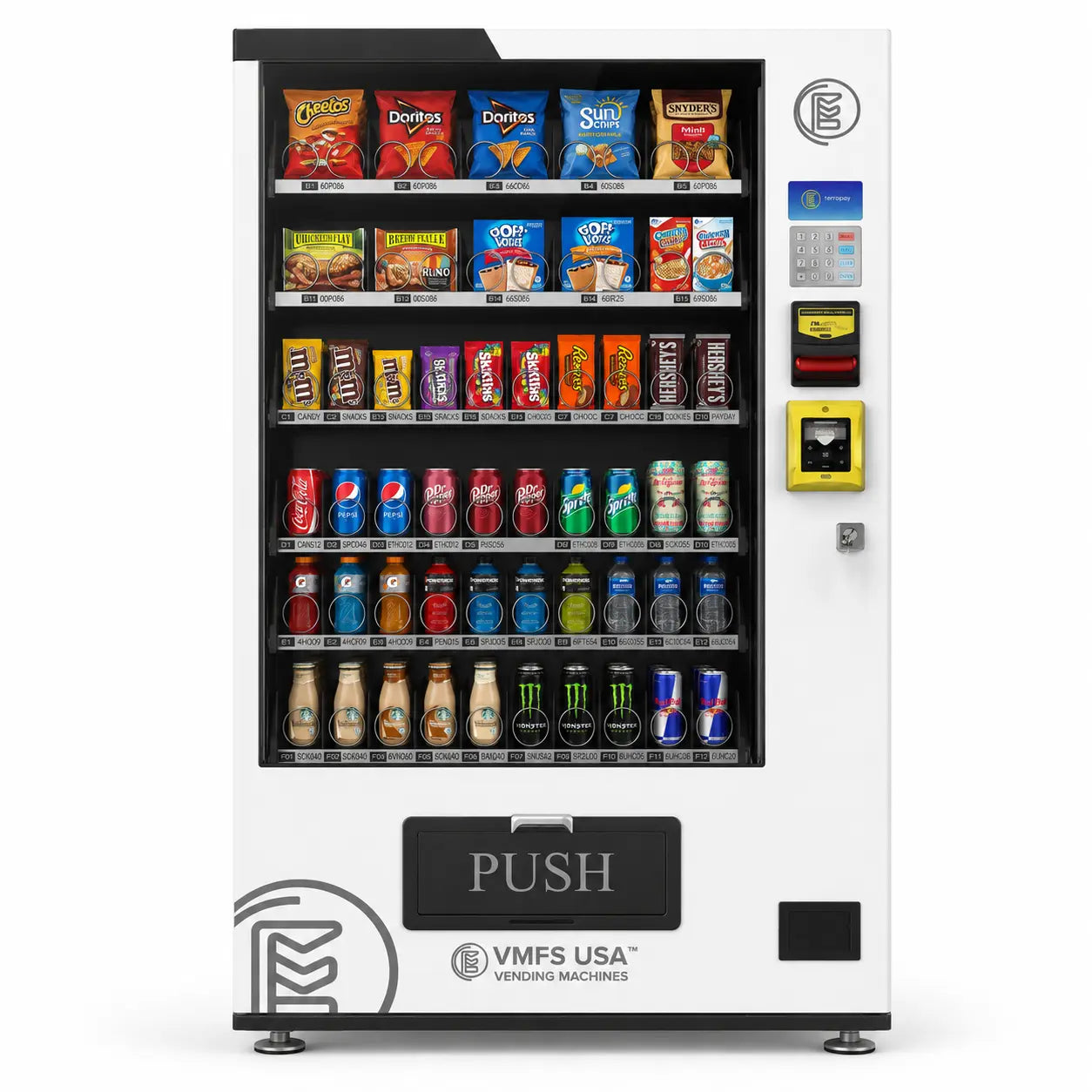
Choose the machine by what the menu needs: shelf-stable snacks run in any snack or combo machine, chilled drinks and dairy need refrigeration, and fresh or fragile items need refrigeration plus elevator delivery or an AI grab-and-go door. Our range of healthy vending machines covers all three cases. Buying more machine than the menu requires adds cost, while buying less forces you to drop the premium items that earn the best margin.
| VMFS model | Price | Key capability | Best healthy use |
|---|---|---|---|
| Countertop Snack Vending Machine | $1,900 | Compact ambient unit with touch interaction and cloud connectivity | Front desks, boutique gyms and small break rooms selling bars, nuts and baked chips |
| Seaga QuickBreak QB4000 | $4,450 | Compact combo, up to 424 items, ADA-compliant | Offices and break rooms that need snacks and cold drinks in one footprint |
| Smart Combo Vending Machine | $4,650 to $4,950 | Up to 60 adjustable slots, modern payments, cloud management | Gyms and campuses that want variety in one connected unit |
| Seaga ENV5C Combo Merchandiser | $6,495 | Full-size, American-built combo, up to 371 items | High-traffic sites that want a proven full-size snack and cold-drink machine |
| Smart Elevator Vending Machine | $8,650 to $8,950 | Refrigerated, elevator delivery, 21.5-inch HD touchscreen | Yogurt, parfaits, shakes and premium chilled items |
| Pro Combo Elevator Vending Machine | $8,650 to $11,950 | Up to 800 items on 8 adjustable trays, elevator delivery | Hospitals and large workplaces running a mixed snack, drink and fresh menu |
| AI Smart Fridge Vending Machine | $9,950 to $12,650 | Open-door grab-and-go with visual recognition and weight sensing | Salads, bowls, wraps and fruit cups |
Prices are from vmfsusa.com at the time of writing; check each product page for current pricing and configuration options. For buyers who want the most flexibility in a small space, combo vending machines hold snacks and drinks in one cabinet, and many sites that start with a combo later add a refrigerated unit once fresh items prove demand. Operators who prefer heavy-duty steel cabinets and U.S.-based parts support often start with American-built Seaga machines.
Two features earn their cost on a healthy menu. A touchscreen lets the machine display ingredients, calorie counts and allergen notes for each item, which is exactly what health-conscious buyers look for; browse touchscreen smart vending machines if that matters at your site. Cashless payment is the other: buyers spend more freely on premium items when they can tap a card or phone, so make sure every machine has a vending machine card reader.
Build a Machine Around Your Healthy Menu
Compare snack, combo, refrigerated and elevator models configured for protein bars, chilled drinks and fresh food.
Shop Healthy Vending MachinesFor most locations outside K-12 schools, a mixed machine earns more than an all-healthy one: start with a dedicated healthy section of one to three rows, expand it as sales data justifies, and price the healthy items for margin rather than as loss leaders. Unless the contract requires a full conversion, a gradual shift lets you learn what your buyers actually choose.
The research supports that approach. In 2013, UCLA stocked one or two rows of healthier snacks in 35 of its roughly 100 campus snack machines, marked them with a Healthy Campus Initiative sticker, and raised some less-healthy snacks from $1 to $1.25. Revenue across the 100 machines was unchanged from the same two-month period a year earlier. A 2020 study published in PLoS ONE went further, swapping two hospital machines in Wales between an all-healthy and a regular range every two weeks for 24 weeks at a flat price. Profit during the all-healthy periods was about 30% lower (£2,657.70 versus £3,773.86), although the drop was not statistically significant in the researchers' primary model, and calories sold fell 61%.
Advantages of a healthy-forward mix
Trade-offs to plan for
Use tiered pricing so the menu reads as fair. Everyday healthy items like baked chips and standard granola bars sit at your normal price points; premium items such as protein shakes, yogurt and fruit cups are priced higher because buyers understand their cost. A small premium on less-healthy items, as UCLA used, nudges choice without removing anything. Bundles also work: a “protein bar plus water” or “trail mix plus sparkling water” deal raises the average ticket without making either item look expensive.
Review pricing with real data rather than guesses. Our operator pricing guide walks through cost-plus and market-based pricing. If the numbers point to a refrigerated or elevator upgrade, vending machine financing spreads the cost so the healthier menu can start paying for the equipment.
Healthy items sell when customers can spot them in a couple of seconds, so put them at eye level, group them together and give them a clear label. Vending buyers decide fast; anything that slows the decision, such as cluttered rows, hidden prices or unfamiliar packaging, costs you the sale.
Start inside the machine. Put top sellers and the healthiest picks at eye level, keep every healthy item in one block of rows, and use shelf tags such as “high protein,” “low sugar,” “gluten-free” or “organic.” FitPick stickers do the same job with a recognized logo. Bright LED lighting, clean packaging facing forward and a simple price display all help. On a touchscreen machine, use the screen to show nutrition facts, suggest a snack-and-drink pairing or promote the season's new items.
Then work outside the machine. A custom vending machine wrap with a wellness theme tells passers-by what is inside before they walk up. Post photos of new products on social media, offer a first-use discount through your payment app, and share short content on the benefits of eating well. In workplaces and schools, partner with the wellness committee: health fairs, wellness workshops, step challenges with vending rewards and tips from a dietitian give the machine a role in the program instead of sitting in the corner.
Ask, then stock: a short survey or a QR code on the machine asking “what healthy snack should we add?” gives you a product test list and makes regular buyers feel heard. Add the most requested items to your rotator slots and keep the ones that sell.
Healthy inventory has a shorter shelf life and a higher cost per item, so the operators who profit are the ones who track expiry dates and sales by slot and restock to data instead of habit. A protein bar that expires in the coil is a bigger loss than a candy bar that sells a week late.
Remote monitoring is what makes that practical. VMFS Cloud shows sales, stock levels and alerts for each connected machine, so you can see which slots sell out, which items sit, and which machine needs a visit before you load the van. Temperature alerts protect fresh food, and sales history tells you when to swap a slow mover. Rotate slow sellers out about once a month, pre-kit each machine's restock from its data, and follow first in, first out on every perishable. Our guide to restocking efficiently shows how to plan those visits around your route.
A simple launch sequence for a new or converted healthy machine:
Demand for healthier on-the-go food is still growing: the Global Wellness Institute valued the global wellness economy at a record $6.3 trillion at the end of 2023 and forecasts nearly $9 trillion by 2028, with healthy eating, nutrition and weight loss among the segments expected to pass $1 trillion. For operators, that points to steady demand for better-for-you products in every channel, including unattended retail.
Technology is the second driver. AI grab-and-go vending machines make fresh meals practical where a spiral machine could not, and connected touchscreens already display calorie counts and ingredient details. Personalized recommendations based on purchase history or dietary preferences, app-based ordering and links to fitness wearables are emerging features to watch rather than must-haves today.
Sustainability is the third. Buyers increasingly notice locally sourced products and recyclable or compostable packaging, and a shelf tag saying “local” or “eco-friendly” gives those items a reason to be chosen. Combined with refrigerated sections in modern vending machines, local fresh items let a healthy route stand apart from a standard snack route.
Find Locations That Want Healthy Vending
Gyms, hospitals, offices and campuses are asking for better options. Get matched with placements that fit a healthy menu.
Get Location Matching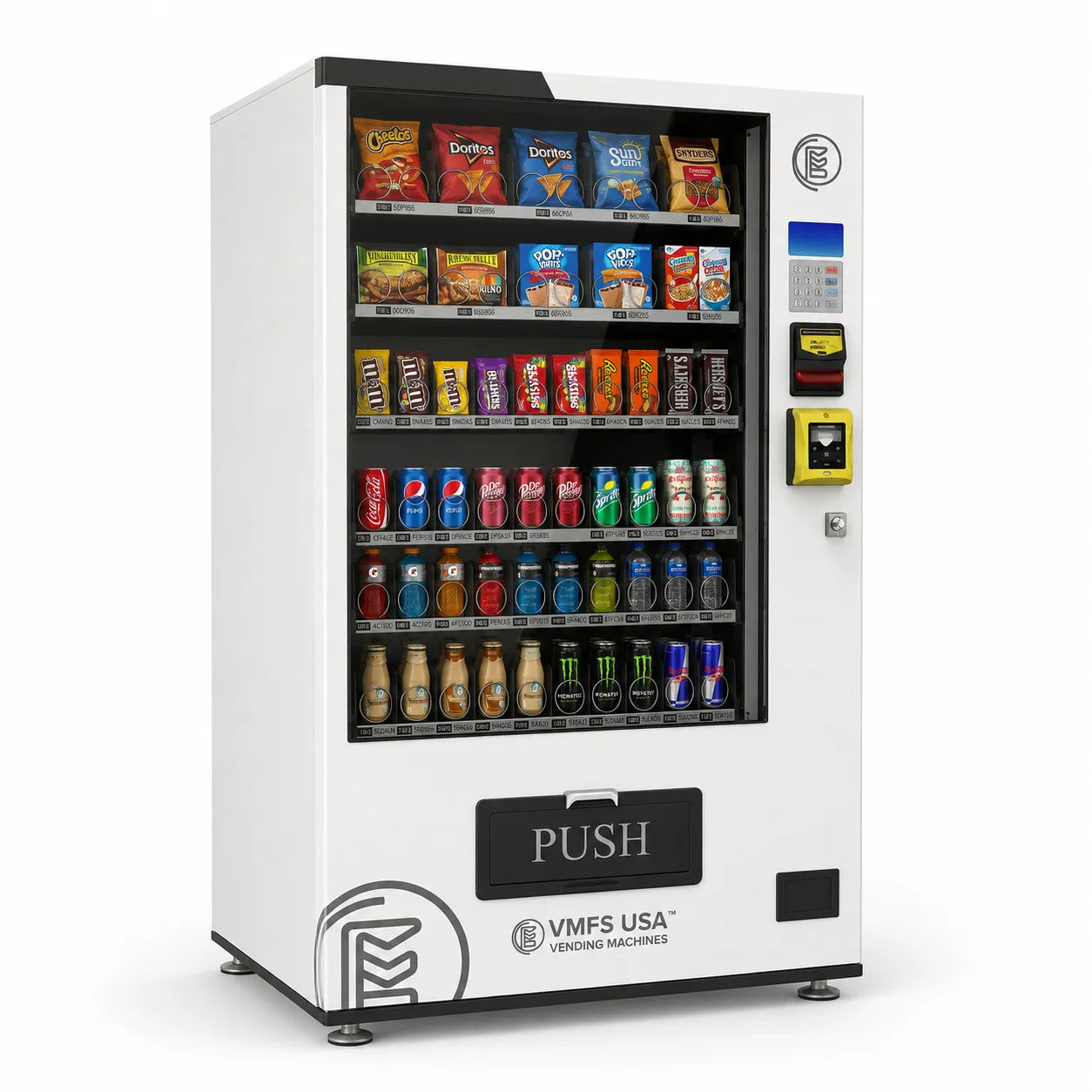
Share:
Electronic Vending Machines: Driving AI, Smart Cities & Sustainability
Las Mejores Máquinas Expendedoras Combo en Puerto Rico: Donde Conveniencia se Encuentra con Rentabilidad