


A vending machine that is half-empty is not a passive business.
It is a leaking business.
Stocking strategy determines:
- Revenue consistency
- Product freshness
- Time efficiency
- Profit margin
- Customer satisfaction
This guide explains how to stock correctly — especially in your first year.
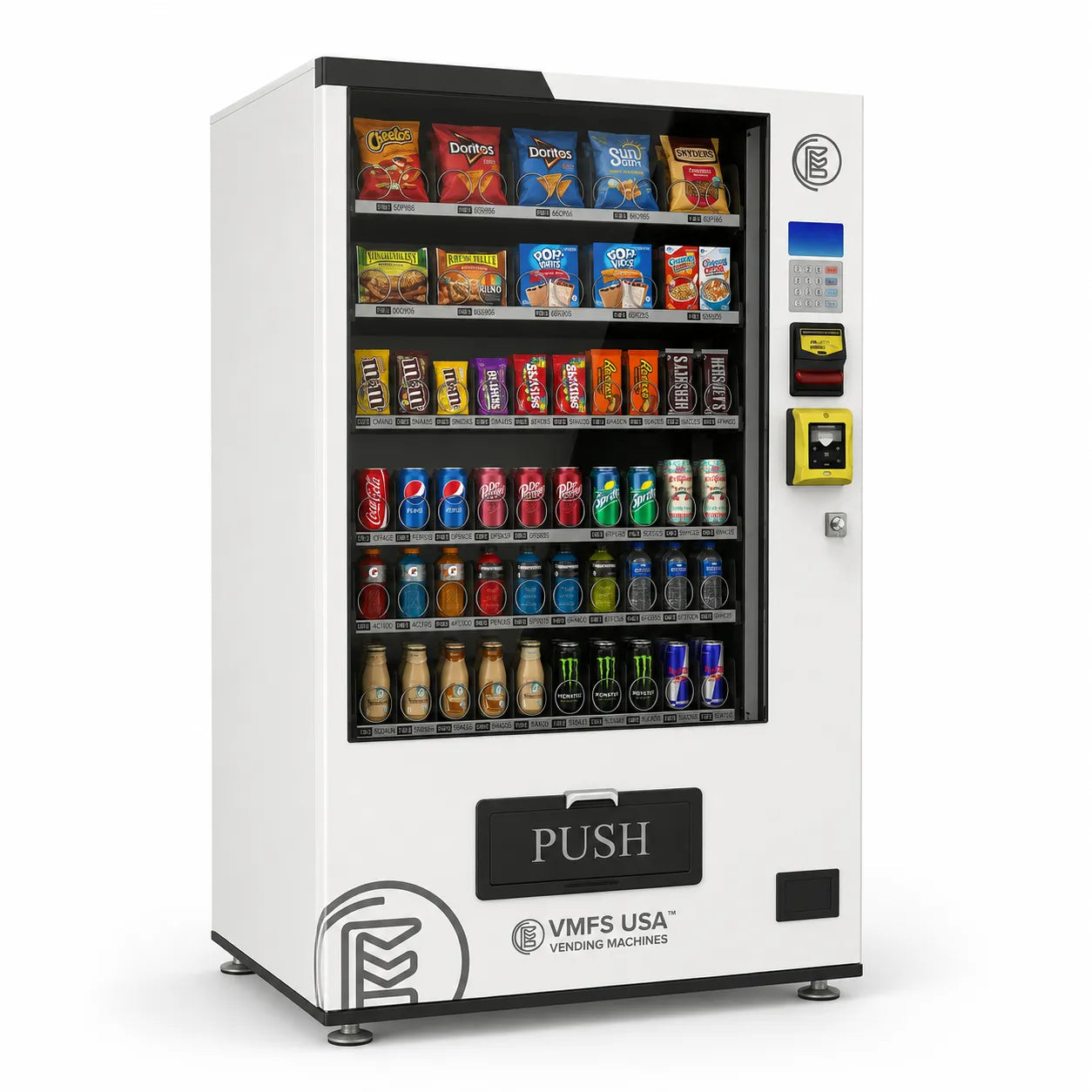
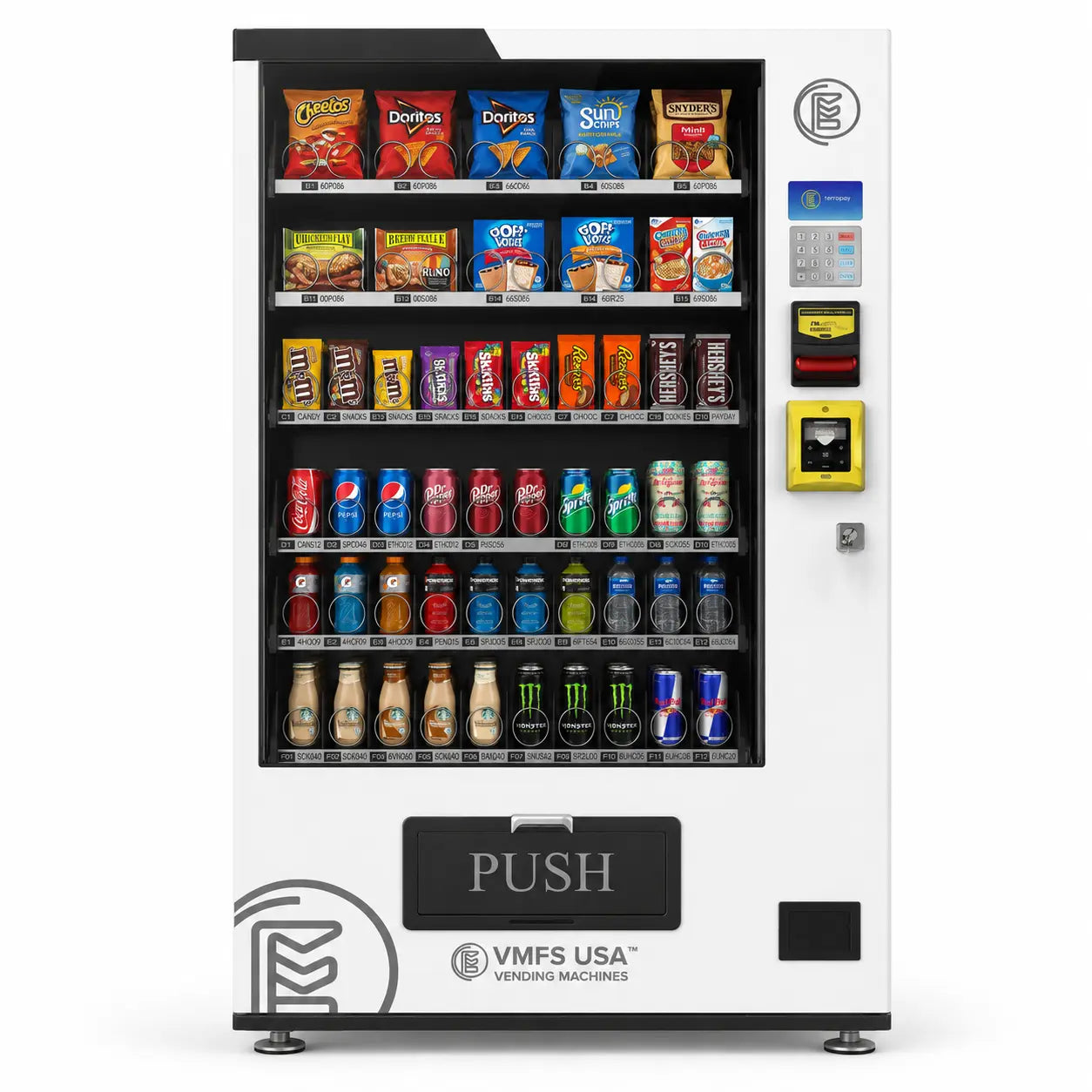
1. Understand Your Machine Capacity
Before restocking, know:
- Total product slots
- Maximum capacity per slot
- Beverage vs snack ratio
- High-volume item placement
Typical combo machine:
- 60–70% beverages
- 30–40% snacks
Beverages usually generate higher revenue per machine.
2. The 3 Product Groups You Must Monitor
A. Fast Movers
These sell out quickly.
Examples:
- Energy drinks
- Popular sodas
- Water
- Top candy items
Action:
- Increase slot capacity
- Double-load if possible
- Restock aggressively
Empty slots = lost revenue.
B. Moderate Movers
These sell steadily but not aggressively.
Action:
- Keep standard capacity
- Monitor monthly performance
- Adjust slowly
C. Slow Movers
Products that sit 30+ days.
Action:
- Reduce quantity
- Replace after 60 days
- Test alternatives
Slow inventory freezes capital.
3. How Often Should You Restock?
Restocking frequency depends on revenue tier.
Low-Traffic Machine ($300–$700/month)
Restock every 2–3 weeks
Moderate Machine ($800–$1,500/month)
Restock every 1–2 weeks
High-Traffic Machine ($1,500+)
Restock weekly or more
Do not restock blindly.
Use data to guide frequency.
4. The 70/20/10 Rule
A simple stocking balance rule:
- 70% proven sellers
- 20% strong performers
- 10% experimental items
This maintains stability while allowing growth.
5. Avoid Overbuying Inventory
Common beginner mistake:
Buying 3–4 months of product upfront.
Better strategy:
- Buy 2–4 weeks of inventory
- Adjust after real sales data
- Scale purchasing as performance stabilizes
Inventory sitting in storage is idle money.
6. FIFO Method (First In, First Out)
Always:
- Place older products in front
- Place newer stock in back
- Check expiration dates every visit
Spoiled products damage trust and profit.
7. Optimal Slot Allocation Strategy
Not all slots are equal.
Best practice:
- Eye-level = highest sellers
- Lower trays = heavier beverages
- Top trays = lighter snacks
- Larger slots = high-volume products
Strategic placement improves sales velocity.
8. Managing Expiration Risk
Typical shelf life:
Snacks:
2–4 months
Beverages:
3–6 months
Fresh food:
Days to weeks (requires strict monitoring)
If you are new:
Start with long shelf-life products.
Do not begin with fresh food until comfortable with operations.
9. Restock Checklist (Every Visit)
During each visit:
- Count inventory remaining
- Check expiration dates
- Clean exterior glass
- Check pricing display
- Test 1–2 random vends
- Confirm payment device active
- Review cloud sales data
Restocking is also inspection time.
10. Stocking Efficiency Tips (Scaling Operators)
When operating multiple machines:
- Group machines by route
- Stock vehicle in organized bins
- Track restock quantities
- Log product adjustments
- Compare location performance
Time efficiency becomes profit.
11. Fresh Food & Specialty Products
If stocking:
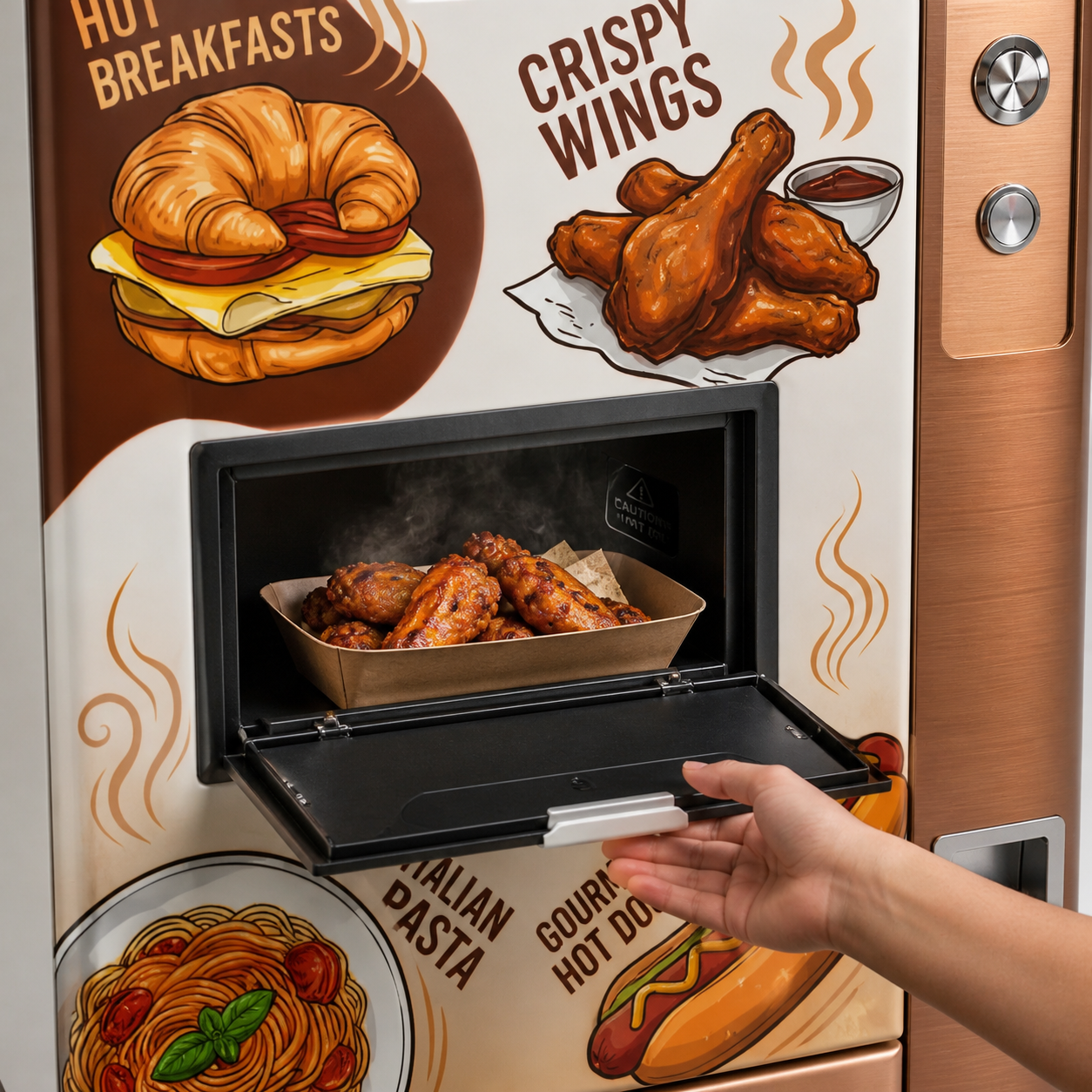
- Fresh meals
- Refrigerated items
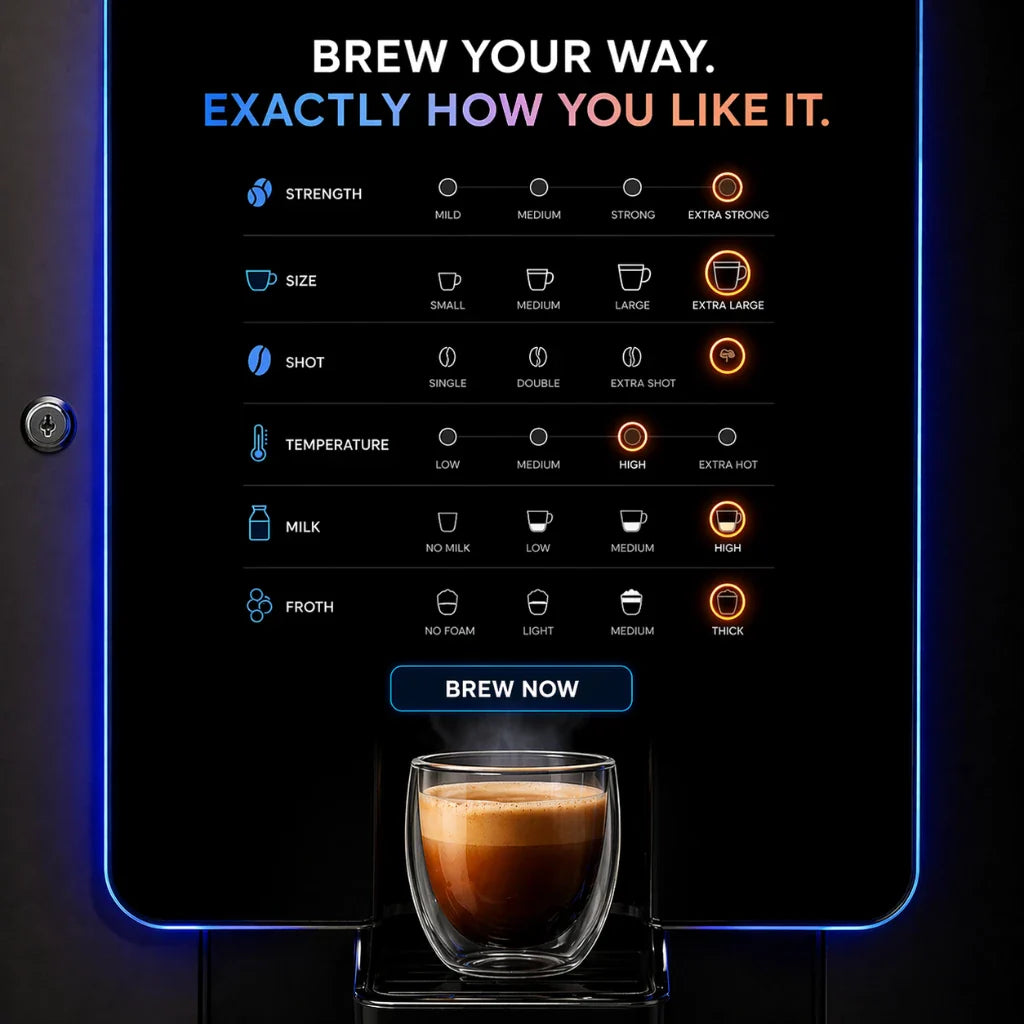
- Coffee modules
- High-ticket retail
You must:
- Restock more frequently
- Monitor temperature logs
- Track spoilage closely
- Maintain strict hygiene standards
Fresh systems require operational maturity.
12. Warning Signs of Poor Stocking Strategy
- Empty top-selling slots
- Expired items found
- Random assortment of products
- Overstocked slow sellers
- Inconsistent pricing
Stocking must be intentional.
13. Final Rule of Stocking
Your vending machine is:
A small retail shelf
With limited space
And fixed overhead
Every slot must generate turnover.
Stock for performance, not preference.
Share:
Step-by-Step: From Delivery to First Sale
How to Keep Your Vending Machine Profitable Long-Term