


Running a vending machine is more than just plugging it in and waiting for sales — your product selection can make or break your profits. Stocking the right vending machine snacks, vending machine drinks, and vending machine cans isn’t just about variety, it’s about understanding what sells, where to buy it, and how to price it so your business remains competitive.
In this guide, we’ll explore the most popular products for vending machines, where you can source them affordably, and how to match your stock to your machine’s capabilities for maximum sales.
Popular Vending Machine Snacks That Sell Fast
No matter where you place your vending machine, snacks are often the backbone of sales. They’re inexpensive to source, easy to store, and appeal to customers looking for a quick energy boost or treat.

Why Snacks Are Profitable
- Low wholesale cost: Many high-demand snacks cost under $0.50–$0.75 per unit in bulk.
- Impulse-driven: People don’t need to be hungry to buy a snack.
- Long shelf life: Most snack products can sit in your machine for weeks without expiring.
Top-Performing Snack Categories
-
Chips & Savory Snacks
- Doritos® Nacho Cheese
- Lay’s® Classic and Sour Cream & Onion
- Takis® Fuego and Blue Heat
- Cheetos® Crunchy and Puffs
-
Cookies & Biscuits
- Oreo® Original
- Chips Ahoy® Chocolate Chip
- Biscoff® Cookies
- Mini Famous Amos®
-
Candy Bars & Chocolate
- Snickers®
- Kit Kat®
- Twix®
- M&M’s® Peanut and Plain
-
Healthy Options
- Nature Valley® Granola Bars
- Quaker® Chewy Bars
- Trail mix packs (Planters®, Nutty®)
- Baked chips and veggie crisps
Average Wholesale Prices for Snacks
| Snack Type | Average Wholesale Cost (per unit) | Suggested Vend Price | Avg. Profit Margin |
|---|---|---|---|
| Chips (1–2 oz bag) | $0.45–$0.70 | $1.25–$1.50 | 60–70% |
| Candy bars | $0.55–$0.80 | $1.50–$1.75 | 60–65% |
| Cookies | $0.50–$0.75 | $1.25–$1.50 | 55–65% |
| Granola bars | $0.35–$0.55 | $1.00–$1.25 | 60–65% |
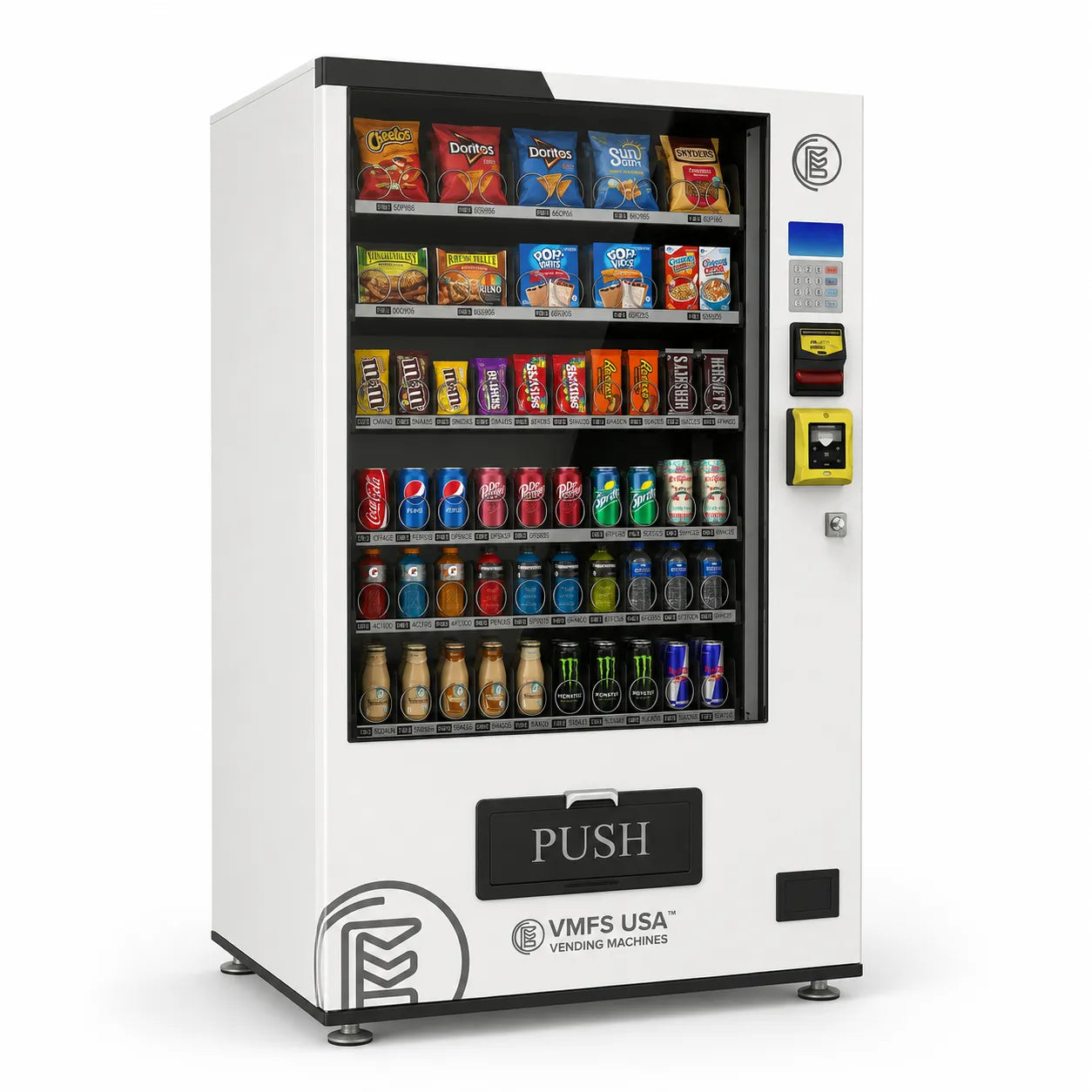
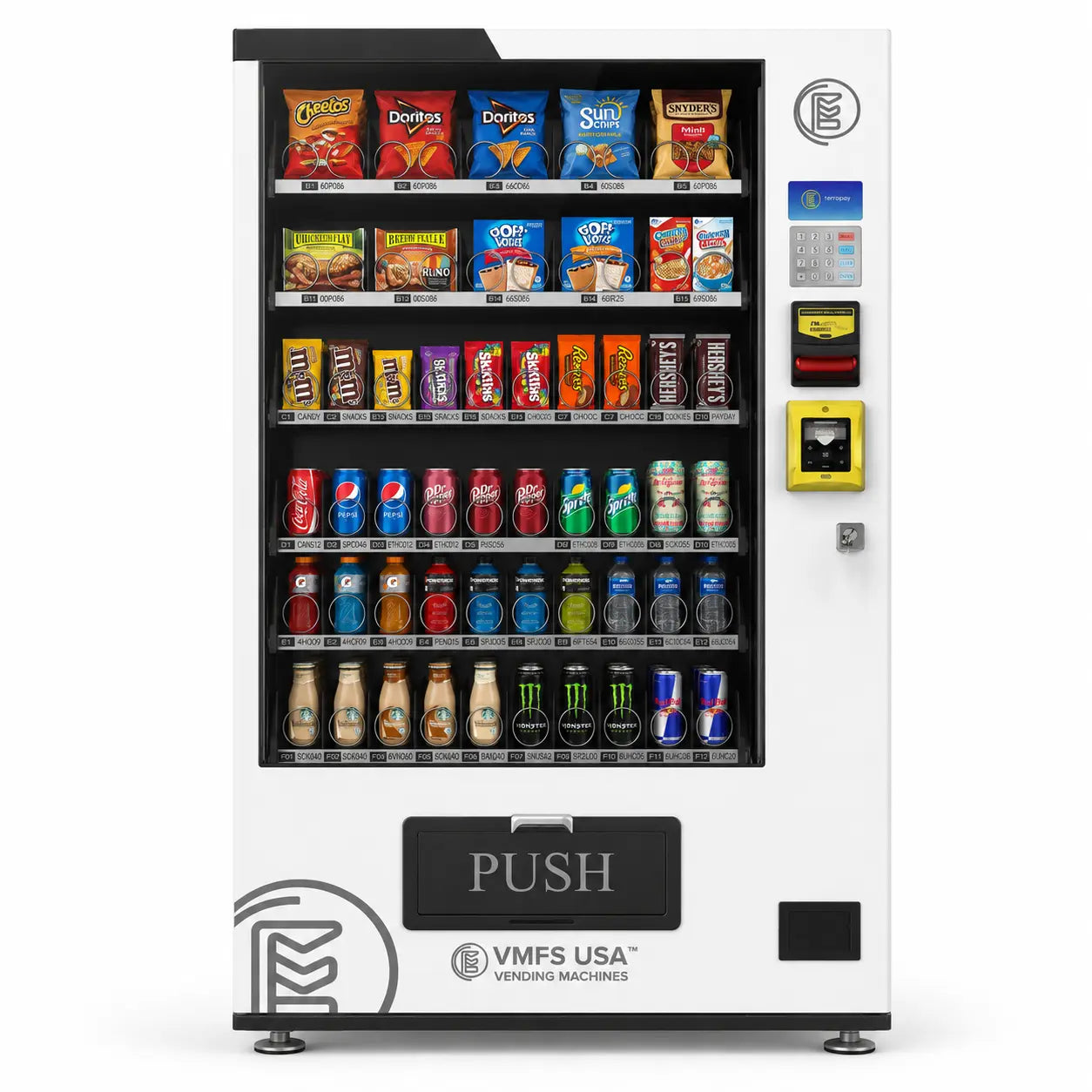
Pro Tip: If you want to offer a wide mix of snacks and drinks in one machine, a Combo Elevator Vending Machine allows you to adjust trays quickly, so you can rotate seasonal products without reconfiguring the whole setup.
How to Choose the Right Product Mix for Your Location
Choosing the right product for vending machine plays an important role because the best vending machine products are not necessarily the products with the highest profit margin. They are the products that people at that specific location actually want to buy.
Before stocking a machine, consider who uses the location, when they are there, how long they stay, and what products they are likely to need. A good product mix can increase sales, reduce slow-moving inventory, and make restocking more efficient.
Matching Products to Demographics (Office, Gym, School, Hospital, etc.)
Different locations attract different customers, so the same product mix will not work everywhere.
| Location | Products that may work well |
|---|---|
| Office | Coffee, bottled water, soft drinks, energy drinks, chips, granola bars, sandwiches |
| Gym | Water, electrolyte drinks, protein snacks, low-sugar beverages, protein bars |
| School | Water, juice, snacks, granola bars, healthier options where required |
| Hospital | Water, coffee, snacks, quick meals, personal care and convenience items |
| Hotel | Beverages, snacks, travel-size personal care products, quick breakfast items |
| Apartment building | Drinks, snacks, basic household and convenience products |
The goal is to create a mix rather than filling the entire machine with similar products. For example, an office machine might need a balance of beverages, salty snacks, sweet snacks, and quick breakfast options.
Start with a reasonable selection and track what sells. After a few weeks, replace products that consistently sit in the machine with items customers buy more often.

How Foot Traffic Affects Product Selection
Foot traffic directly affects vending sales that's why choosing best location for vending machine is crucial, but the number of people passing a machine is only part of the picture. You also need to consider how long people stay in the location and whether they have easy access to other food and drinks.
A busy office with hundreds of employees may be more valuable than a location with heavy passing traffic if people spend several hours there and have limited alternatives nearby.
Consider these factors when evaluating a location:
-
Number of potential customers: More people generally means more potential purchases.
-
Time spent at the location: Longer stays can create more opportunities for food and beverage purchases.
-
Peak hours: Morning, lunch, afternoon, and evening traffic can influence which products sell.
-
Nearby competition: A cafeteria, convenience store, or restaurant may reduce vending demand.
-
Customer needs: Workers may want coffee and quick snacks, while gym users may prefer water and sports drinks.
The best approach is to use sales data to refine the product mix over time. A vending machine should evolve with its customers rather than relying on a fixed product list.
Best-Selling Vending Machine Drinks
Drinks are another staple for vending machine operators, especially in high-traffic and warm-weather locations. They offer consistent demand and strong profit potential — especially when you include a mix of sodas, sports drinks, and healthier alternatives.
Why Drinks Are Profitable
- Year-round demand: People always need beverages, regardless of the season.
- Premium pricing: Customers expect to pay more for drinks from vending machines than from stores.
- Volume sales: Drinks often outsell snacks in busy locations.
Top-Performing Drink Categories
-
Soft Drinks (Cans & Bottles)
- Coca-Cola® Classic (can & bottle)
- Pepsi®
- Sprite®
- Fanta® Orange
-
Sports Drinks
- Gatorade® Cool Blue, Lemon-Lime
- Powerade® Mountain Berry Blast
-
Energy Drinks
- Red Bull® Regular & Sugar-Free
- Monster Energy® Original
-
Health-Conscious Beverages
- Bottled water (Dasani®, Aquafina®)
- Flavored water (Vitaminwater®, Propel®)
- Iced tea (Lipton®, Arizona®)
If you’re planning to focus your machine on cold beverages, our full range of drinks vending machines is designed to handle bottles, cans, and specialty beverages with reliable refrigeration.
Average Wholesale Prices for Drinks
| Drink Type | Average Wholesale Cost | Suggested Vend Price | Avg. Profit Margin |
|---|---|---|---|
| Soda cans (12 oz) | $0.30–$0.45 | $1.00–$1.25 | 60–70% |
| Soda bottles (16–20 oz) | $0.75–$1.00 | $1.75–$2.25 | 60–65% |
| Sports drinks | $0.75–$1.00 | $2.00–$2.50 | 60–65% |
| Energy drinks | $1.50–$2.00 | $3.00–$3.50 | 50–60% |
Pro Tip: For high-volume locations, the XL Combo Elevator Vending Machine can store large quantities of bottles and cans, while its elevator system ensures safe delivery without damaging packaging.
Managing Expiration Dates & Reducing Waste
Managing expiration dates is a basic but important part of running a vending machine business. Expired products can lead to wasted inventory, unhappy customers, and unnecessary costs. A simple tracking system can help you keep products fresh and reduce losses.

How to Track Shelf Life Across Products
Different products have different shelf lives, so avoid treating all inventory the same way. Keep a record of when products were purchased, their expiration or best-by dates, and how quickly they normally sell. Read our guide on how to track your vending machine stock.
For each machine, track:
| Information | Why it matters |
|---|---|
| Product name | Makes inventory easier to manage |
| Quantity | Shows how much stock is available |
| Expiration date | Helps identify products that need attention |
| Purchase date | Shows how long inventory has been stored |
| Sales rate | Helps predict future stock requirements |
For busy machines, a simple spreadsheet or vending management system can make this much easier. Check products during every restocking visit instead of waiting until they are close to expiry.
FIFO (First In, First Out) Stocking Method
FIFO means First In, First Out. The products that entered your inventory first should be sold before newer stock.
When restocking, place older products toward the front of the machine and newer products behind them. This gives older inventory a better chance of selling before its best-by date.
For example, if you have two batches of the same snack, place the older batch in the front and the newer batch behind it. The same principle can be used in your storage area.
FIFO is simple, but it can significantly reduce unnecessary product waste when used consistently.
What to Do With Near-Expiry Inventory
When products are approaching their expiration or best-by dates, act early rather than waiting until they become unsellable.
Depending on the product, location, and applicable food-safety rules, you may be able to:
-
Move the products to a higher-volume machine where they are more likely to sell quickly.
-
Adjust inventory levels so fewer units are ordered in the next restocking cycle.
-
Offer permitted discounts or promotions.
-
Return eligible products to the supplier if the supplier's policy allows it.
-
Remove and properly dispose of products that are no longer safe or legally suitable for sale.
Do not sell products simply because you want to avoid waste. Food safety should always come before recovering the cost of inventory. Tracking sales speed and ordering based on actual demand is the best long-term way to reduce expiration-related losses. While selling food products via vending machine it is important to maintain safety and hygiene.
Food Safety & Compliance for Vending Products
If you are buying snacks and drinks for a vending machine, food safety should be part of your product selection process. Packaged products are generally easier to manage because they already come with manufacturer labeling and handling instructions. However, vending operators still need to follow applicable federal, state, and local rules.
Nutrition Labelling Requirements
Most packaged foods sold through vending machines should have the required Nutrition Facts label and other food labeling information when applicable. When buying products, check that the packaging is intact and the label is clear and readable.
Pay attention to:
-
Nutrition Facts information
-
Ingredient list
-
Net quantity
-
Manufacturer or distributor information
-
Allergen information
-
Best-by or expiration information where applicable
Avoid selling products with damaged, missing, or unreadable labels. Requirements can vary depending on the type of product and applicable exemptions, so check current FDA and local requirements before stocking unusual or unpackaged items.
Allergen Considerations
Food allergies can make ingredient and allergen information especially important. Common major allergens in the U.S. include milk, eggs, fish, shellfish, tree nuts, peanuts, wheat, soy, and sesame.
When purchasing snacks, check the ingredient and allergen statements on every product. Do not rely only on the product name or packaging design, as formulas and ingredients can change.
If you stock products with common allergens, keeping their original packaging intact helps customers review the information before purchasing. For products prepared or repackaged by the operator, additional labelling and food-safety requirements may apply.
State/Local Health Regulations for Vending
Federal food rules are only part of the picture. State and local health departments may have additional requirements for vending operators, particularly when machines sell refrigerated, perishable, fresh, or prepared foods. Make sure to read guide on Vending Machine regulations and permits.
Depending on your location and products, requirements may cover:
-
Vending permits or licenses
-
Machine sanitation
-
Food storage temperatures
-
Refrigeration and temperature monitoring
-
Product handling and transportation
-
Inspection requirements
-
Approved food sources
Before buying inventory, check with the relevant state and local health authority to confirm what applies to your vending operation. Packaged shelf-stable snacks and drinks are usually simpler to manage than fresh or temperature-controlled foods, making them a practical starting point for new operators.
Vending Machine Cans: Compact & Profitable
Cans are a smart stocking option for vending machines because they’re compact, easy to store, and less likely to spill or break. They also tend to cost less per ounce than bottled drinks, making them attractive for both operators and customers.
Best-Selling Cans for Vending Machines
- Coca-Cola® Classic
- Sprite®
- Pepsi®
- Dr Pepper®
- Energy drink cans (Red Bull®, Monster®)
- Iced coffee cans (Starbucks Doubleshot®, Monster Java®)
Advantages of Cans
- Efficient space usage: You can fit more cans per tray than bottles.
- Lower wholesale cost: Often cheaper to source than bottled drinks.
- Faster restocking: Stackable and easy to handle.
Average Wholesale Prices for Cans
| Can Type | Average Wholesale Cost | Suggested Vend Price | Avg. Profit Margin |
|---|---|---|---|
| Standard soda cans | $0.30–$0.45 | $1.00–$1.25 | 60–70% |
| Energy drink cans | $1.50–$2.00 | $3.00–$3.50 | 50–60% |
| Iced coffee cans | $1.50–$2.25 | $3.00–$3.75 | 50–55% |
Specialty Products: Ice Cream and More
If you want to stand out in the vending market, adding specialty items like ice cream can set you apart from competitors. Frozen treats attract a different audience and can justify premium pricing.
Popular Ice Cream Vending Machine Products
- Magnum® Ice Cream Bars
- Snickers® Ice Cream Bars
- Häagen-Dazs® Cups
- Drumstick® Cones
- Nestlé® Ice Cream Sandwiches
Why Ice Cream Works in Vending
- Impulse purchases: Customers often buy simply because it’s available.
- High perceived value: People expect to pay more for premium frozen treats.
- All-ages appeal: From kids to adults, ice cream attracts everyone.
Pro Tip: If you want to add frozen treats to your vending lineup, our ice cream vending machines keep products perfectly frozen and use delivery systems that prevent melting or damage.
Where to Buy Snacks for Vending Machines
Knowing which products sell is only half the equation — you also need to know where to buy snacks for vending machines so you can keep your costs low and margins high.
The best sources depend on your location, the volume you need, and the types of products you’re offering.
Top Places to Buy Snacks, Drinks, and Cans for Your Vending Machine
-
Wholesale Clubs & Membership Warehouses
- Costco and Sam’s Club are top choices for bulk snack and drink purchases.
- Advantages: Competitive per-unit pricing, variety, and no minimum order requirement.
- Disadvantage: Requires membership and self-pickup.
-
Beverage Distributors
- Coca-Cola® and PepsiCo® distributors sell cases of cans and bottles at wholesale prices.
- Best for operators who need consistent supply of branded sodas, sports drinks, and water.
-
Snack Distributors & Food Service Suppliers
- Companies like Vistar® specialize in vending supply, offering pre-packaged snacks in vending-friendly formats.
- Benefit: You get consistent sizing to fit standard vending trays.
-
Online Wholesalers
- Amazon Business, WebstaurantStore, and other e-commerce wholesalers offer bulk snack and drink sales.
- Ideal for operators who can plan ahead for shipping times.
-
Local Snack Brands
- Partnering with regional snack makers gives your machine unique products competitors may not have.
- Bonus: Can appeal to local pride and repeat customers.
Average Wholesale Price Comparison by Source
| Source Type | Pros | Cons | Typical Price Range (per unit) |
|---|---|---|---|
| Wholesale Clubs | Low per-unit cost, wide variety | Membership fee, manual pickup | $0.35–$0.70 |
| Beverage Distributors | Consistent stock, branded products | Large minimum orders | $0.30–$0.55 |
| Food Service Suppliers | Pre-sized for vending machines | May require business account | $0.35–$0.75 |
| Online Wholesalers | Convenient ordering | Shipping time & cost | $0.40–$0.85 |
| Local Brands | Unique appeal, supports local economy | Variable supply & pricing | $0.50–$1.00+ |
Pro Tip: Your machine type matters when sourcing. A Combo Elevator Vending Machine can handle fragile items like glass bottles and premium snacks without damage. If you’re serving a high-traffic location, the XL Combo Elevator Vending Machine lets you buy in bulk and restock less often, which can save you money on deliveries.
Matching Products to Your Vending Machine Type
Not every machine is built for the same products, and mismatching can lead to wasted stock, damaged items, and lost sales.
Common Machine Types and Their Ideal Products
| Machine Type | Best Products | Notes |
|---|---|---|
| Standard Snack Machines | Chips, candy bars, cookies, granola bars | Easy to stock, high rotation. |
| Refrigerated Drink Machines | Bottled sodas, sports drinks, energy drinks, water | Ideal for hot climates. |
| Combo Elevator Machine | Mix of snacks, bottles, and fragile items | Safe delivery for premium items. |
| XL Combo Elevator Machine | High-volume snacks, drinks, large bottles/cans | Great for stadiums, offices, schools. |
| Ice Cream Vending Machines | Ice cream bars, frozen treats, popsicles | Requires temperature monitoring. |
Negotiating With Suppliers & Distributors
The cost of inventory directly affects your vending machine profit, so finding reliable suppliers at competitive prices is important. You do not always need the cheapest supplier. Consistent product quality, reliable delivery, reasonable minimum orders, and good payment terms can be just as valuable.
How to Get Better Wholesale Pricing
Start by comparing prices from several wholesalers, distributors, cash-and-carry suppliers, and local vendors. Once you know the normal market price, you have a stronger position when negotiating.
You may be able to get better pricing by:
-
Ordering larger quantities of fast-selling products
-
Buying multiple product categories from the same supplier
-
Asking about volume discounts
-
Negotiating delivery charges
-
Committing to regular orders
-
Comparing competing supplier quotes
Ask for the price per unit or case, not just the total order price. A small difference in the cost of each item can add up when you are stocking multiple machines every week.
Buying in Bulk vs. Smaller Recurring Orders
Buying in bulk can reduce the unit cost, but it is not automatically the better option. If products sell slowly, a large order can tie up cash and increase the risk of expired or damaged inventory.
| Bulk buying | Smaller recurring orders |
|---|---|
| Lower unit prices may be available | Usually requires less upfront cash |
| Fewer orders to manage | Inventory stays fresher |
| Useful for fast-moving products | Better for testing new products |
| Requires more storage space | May have higher unit costs |
A good approach is to buy proven best-sellers in larger quantities while ordering slower-moving or new products in smaller quantities. Base your ordering decisions on actual sales data rather than simply chasing the lowest wholesale price.
Setting Up Credit Terms With Distributors
Some distributors offer credit terms, allowing established businesses to receive inventory and pay later. Common arrangements may give the buyer a set number of days to pay an invoice.
New vending businesses may need to start with prepaid or cash-on-delivery orders before a supplier is willing to offer credit. Building a consistent payment history can help when requesting better terms later.
Before accepting credit, understand the full agreement, including the payment deadline, late fees, minimum order requirements, and any discounts for early payment.
Credit can improve cash flow, but it should not be used to buy more inventory than your machines can realistically sell. Good supplier terms should support your cash flow, not create unnecessary debt.
Stocking Strategies for Maximum Profit
Even with the right products and sources, you need a plan to keep sales and profits high.
Tips for Better Stocking
-
Balance Your Mix
- 60% traditional favorites
- 30% healthier options
- 10% premium or specialty products
-
Track Sales Data
- Use machine reports to identify your top sellers and underperformers.
- Replace slow movers quickly to avoid wasted space.
-
Adjust for Seasonality
- Summer: more cold drinks, light snacks, and ice cream.
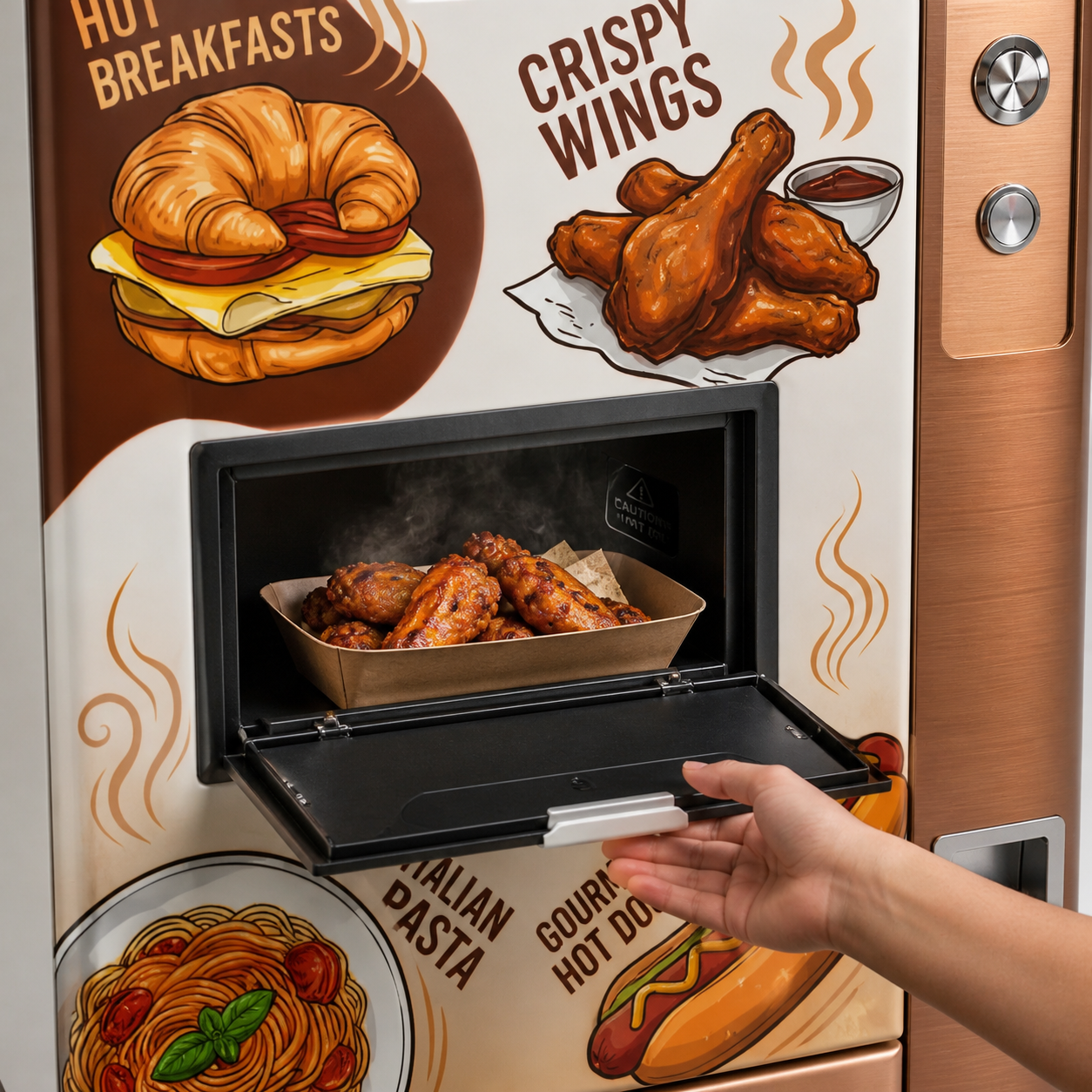
- Winter: more chocolate bars, energy drinks, and hot snacks if your machine supports them.
-
Price for Profit
- Keep prices competitive with nearby stores but maintain at least a 50% margin.
-
Restock on Schedule
- Prevent sell-outs of bestsellers — customers who find empty slots are less likely to return.
Conclusion — Stock Smart, Sell More
The most successful vending operators know that stocking the right snacks, drinks, and cans — and knowing where to buy snacks for vending machines at the best prices — is the foundation of profitability.
By sourcing strategically, matching products to your machine type, and keeping a balanced inventory, you’ll maximize sales, reduce waste, and keep customers coming back.
Whether you operate one machine or an entire fleet, thoughtful stocking is the key to turning your vending business into a reliable source of income.
FAQ
What are the best snacks to put in a vending machine?
The best vending machine snacks are fast-selling products such as chips, cookies, candy bars, granola bars, and other familiar convenience snacks. Popular branded options can generate strong impulse purchases when matched to the location.
What drinks sell best in vending machines?
Popular vending machine drinks include Coca-Cola, Pepsi, Sprite, bottled water, sports drinks, energy drinks, and iced tea. The best mix depends on customer preferences, location type, climate, and purchasing patterns.
Are vending machine cans profitable?
Yes, soda and other beverage cans can be profitable because they are compact, easy to store, and generally have relatively low wholesale costs. Standard soda cans, energy drinks, and iced coffee cans can all work well when priced appropriately.
Where can I buy snacks for my vending machine?
You can buy vending machine snacks from Costco, Sam’s Club, beverage distributors, snack distributors, food-service suppliers, online wholesalers, and local snack brands. Compare the delivered per-unit cost rather than looking only at the advertised wholesale price.
How much should I charge for vending machine snacks?
Vending prices should account for your product cost, location, payment-processing fees, operating expenses, and local competition. The source content recommends maintaining at least a 50% margin while keeping prices competitive with nearby stores.
What is the best vending machine for snacks and drinks?
A combination vending machine is a practical choice when you want to sell both snacks and beverages from one unit. For fragile products or locations requiring safer product delivery, an elevator-style combination machine can be useful.
What should I stock in a vending machine?
Start with familiar, high-demand products such as chips, candy bars, cookies, granola bars, bottled water, soda, sports drinks, and energy drinks. Then use sales data to replace slow-moving products with items customers actually buy.
How do I choose products for my vending machine?
Choose products based on machine compatibility, customer preferences, location, price, shelf life, and sales data. A gym may favor water and sports drinks, while an office may have stronger demand for snacks, coffee, and healthier options.
How often should I restock a vending machine?
Restocking frequency depends on sales volume and inventory capacity. Check sales data and prioritize preventing stockouts of best-selling products while replacing slow-moving products before they occupy valuable machine space.
What is the most profitable vending machine product?
There is no single product that is guaranteed to be the most profitable in every location. High-demand snacks, soft drinks, energy drinks, and specialty products can generate strong margins, but location-specific demand and wholesale cost ultimately determine profitability.
Share:
Where Can I Put a Vending Machine for Free
Where Can I Put a Vending Machine for Free