



Design the perfect vending solution for your location and customers.

Join the VMFS newsletter and step into a thriving network dedicated to collective success.
One signup. Endless possibilities.
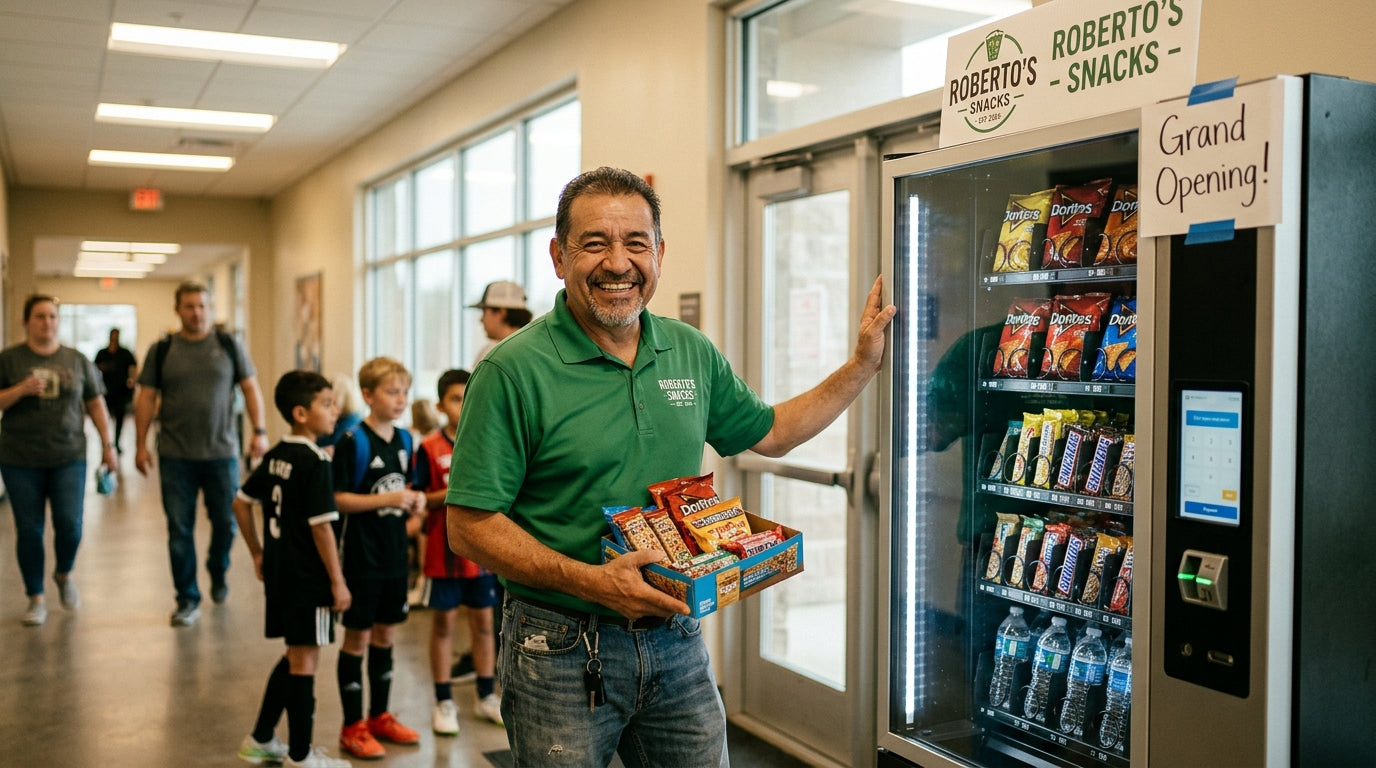
Starting a snack vending machine business involves eight sequential steps: researching your market, choosing a business structure, registering and licensing the business, budgeting startup capital, selecting equipment and product mix, securing a first location, purchasing equipment and inventory, and finally installing and launching with a servicing routine in place. Skipping or reordering these steps causes most of the friction new operators run into, since equipment purchased before a location is confirmed often ends up mismatched to actual demand. This guide walks through the full sequence in the order that actually works.
Table of Contents
Before spending any capital, research which venue types in your area lack vending coverage and what product categories, standard snacks, healthier options, or a specialty mix, would actually convert in those specific locations. This research phase determines nearly every downstream decision, since equipment, licensing, and location strategy all follow from a clear picture of what you're actually trying to sell and to whom.
Business structure determines liability exposure, tax treatment, and how revenue gets reported, which is why this decision comes early, before any equipment purchase.
| Entity Type | Best For | Liability Protection |
|---|---|---|
| Sole Proprietorship | Single-operator, simplest setup | None, owner personally liable |
| Partnership | Two or more co-owners | Limited, varies by partner role |
| LLC | Most vending operators | Strong, separates personal assets |
| LLP | Multi-partner operations wanting liability separation | Strong for each partner individually |
| Limited Partnership | Operations with active and passive investors | Varies by partner type |
| C-Corporation | Operations planning significant outside investment | Strong, full separation |
| S-Corporation | Established operators optimizing self-employment tax | Strong, full separation |
| Nonprofit Corporation | Community or fundraising-focused vending programs | Strong, full separation |
Most new operators default to an LLC for its balance of liability protection and manageable setup complexity. Whichever structure is chosen, most states also require a registered agent for a vending machine business to receive legal correspondence on the company's behalf.
Once a structure is chosen, register the business with the state and obtain a general business license along with a vending machine permit for each unit planned for deployment. Sales tax registration should happen at this stage too, since vended goods are taxable retail sales in most states and require a permit before the first sale legally occurs.
Total startup cost includes the machine itself, initial inventory, licensing fees, and any revenue share required by a host location, all of which should be totaled before committing to a specific equipment purchase. A detailed snack vending machine cost guide breaks down pricing by machine type, useful for building an accurate budget before shopping for equipment.
Machine capacity should match the traffic level of your intended location rather than defaulting to the largest available unit, since oversized capacity in a lower-traffic site ties up capital in unused product slots without a corresponding revenue benefit.
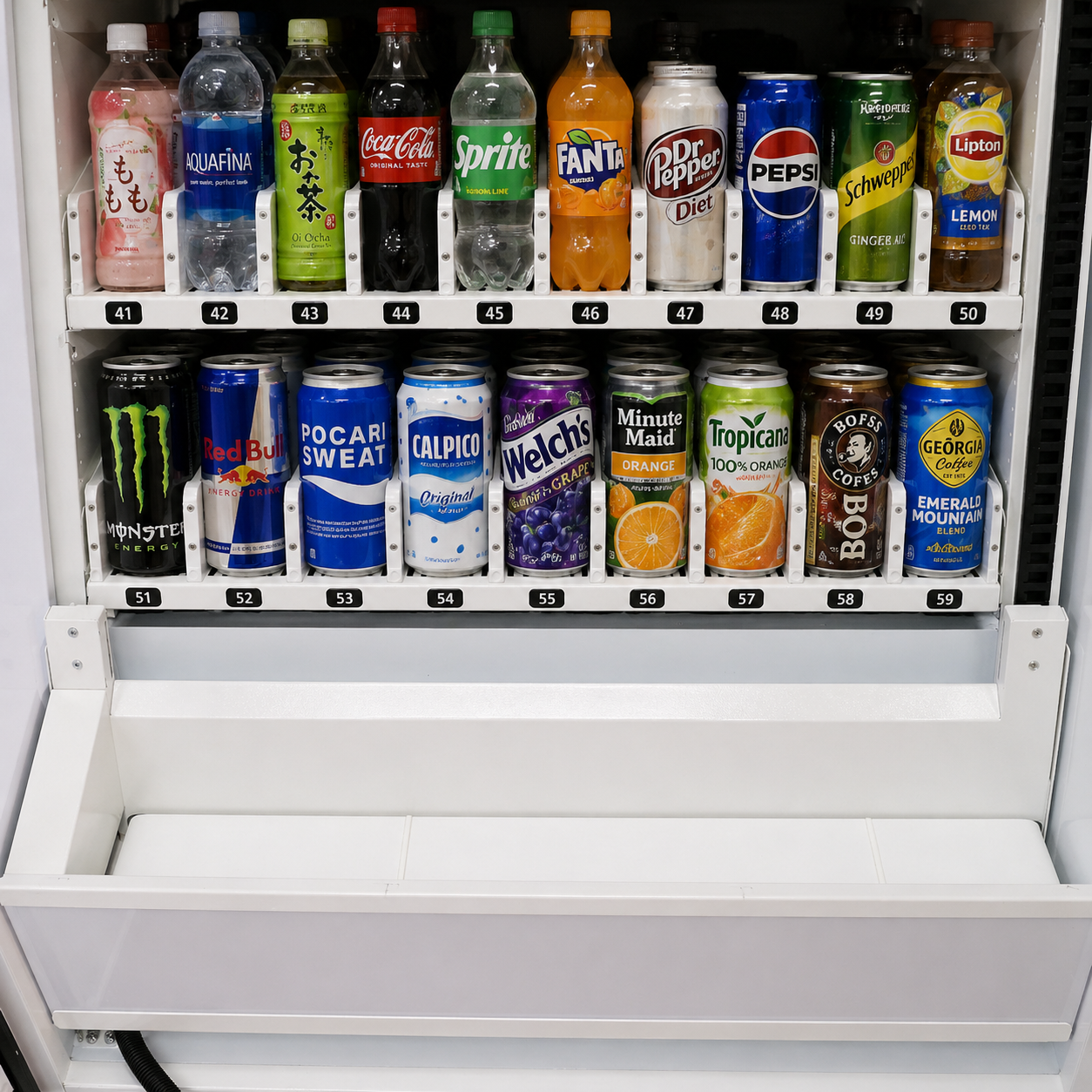
Product selection should reflect the specific audience at your intended location rather than a generic assortment. A detailed look at healthy food options for vending machines covers how to build a product mix that appeals to health-conscious buyers, an increasingly important consideration in office and gym locations specifically.
Location and product category need to align, since a machine's configuration only performs well where site demand actually matches what it's stocked to sell. Operators without a confirmed site can list space requirements through VPlaced's location owner matching process, which connects operators with property owners directly rather than requiring venue-by-venue outreach.
With a location secured and product mix defined, finalize equipment purchase and order enough initial inventory to fully stock the machine's capacity for launch day, rather than under-stocking and needing an immediate follow-up restock within the first week.
Installation involves confirming site power access, positioning the machine for visibility and traffic flow, and establishing a restocking schedule from day one rather than waiting to react to the first stockout. A consistent servicing routine established at launch prevents the early-stage revenue loss that comes from irregular restocking during the critical first weeks of operation.
Ordering equipment before finalizing a location is the most common sequencing error, since capacity decisions made without confirmed site traffic often need costly revision later. Skipping proper business formation in favor of operating informally is a close second, exposing the operator to personal liability that a simple LLC filing would have prevented. Underestimating total launch cost by focusing only on the machine price, without accounting for licensing, initial inventory, and placement terms, rounds out the most frequent first-time mistakes.
| Cost Category | Typical Range |
|---|---|
| Machine purchase | $2,000–$9,000 depending on type and capacity |
| Initial inventory | $200–$600 depending on machine size |
| Business licensing and registration | $100–$500 depending on jurisdiction |
| Delivery and installation | Varies by distance and site accessibility |
Relatively low barrier to entry compared to many small businesses. Passive-leaning revenue once a servicing routine is established. Scalable by adding machines once the first location proves demand.
Revenue depends heavily on location quality, which isn't always predictable in advance. Requires consistent restocking and servicing to maintain sales. Upfront capital tied up in equipment before any revenue arrives.
Choose and register a business entity before ordering any equipment.
Confirm demand and traffic before finalizing machine capacity.
Equipment, inventory, and licensing costs all belong in one total figure.
Launching a snack vending machine business successfully depends on treating equipment, location, and compliance as connected decisions rather than separate purchases made in isolation. Reviewing detailed pricing and product mix guidance before committing capital remains the most reliable way to enter this business with realistic expectations rather than costly surprises.
Compare every machine type covered in this launch guide.
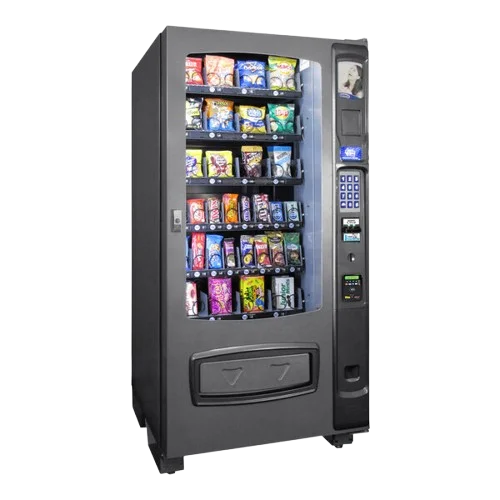
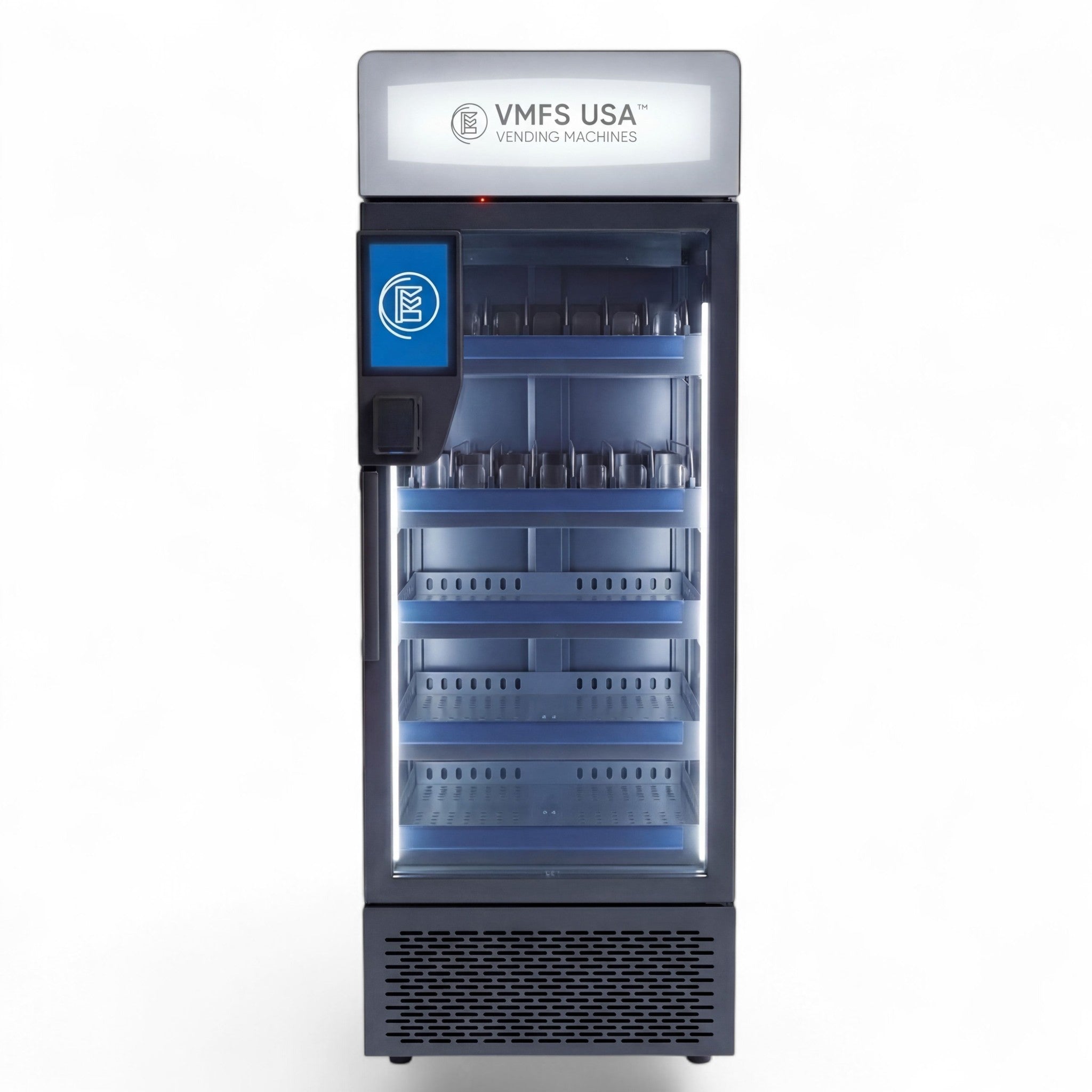
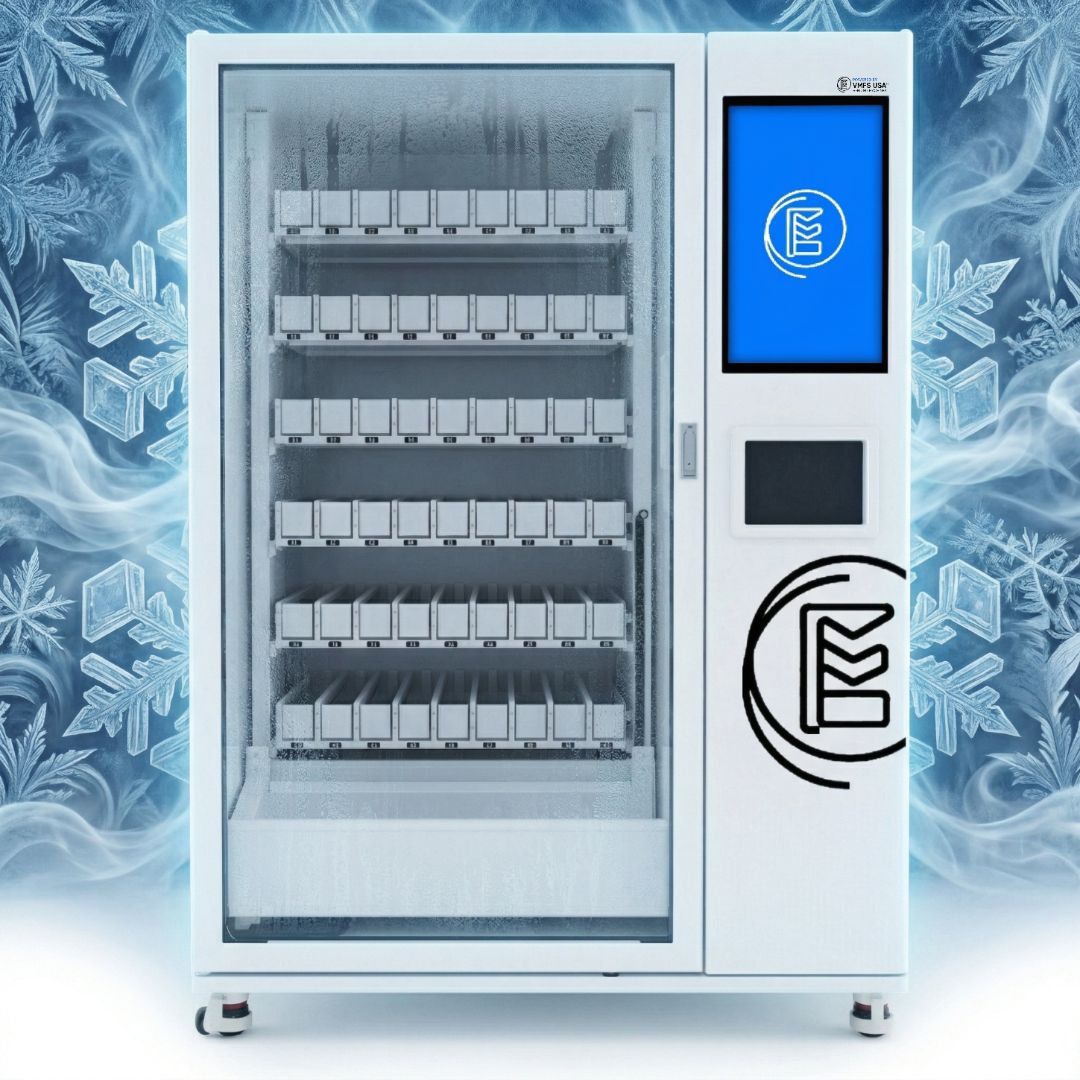
Snack Vending MachinesFrom compact countertop units to high-capacity elevator configurations.
Start by researching your market and niche, choosing a business structure, registering and licensing the business, budgeting startup capital, selecting equipment and product mix, securing a location, purchasing inventory, and launching with a servicing routine.
It can be, with a relatively low barrier to entry and scalable, passive-leaning revenue once established, though profitability depends heavily on location quality and consistent servicing.
Most operators choose an LLC for its balance of liability protection and manageable setup complexity, though sole proprietorships, partnerships, and corporations each fit different ownership and growth scenarios.
Total startup cost typically includes $2,000 to $9,000 for the machine, a few hundred dollars in initial inventory, and licensing fees that vary by jurisdiction.
Confirm your location before finalizing machine capacity, since equipment purchased without confirmed site traffic often needs costly revision later.
Location-matching platforms let new operators list space requirements and connect with interested property owners, which is faster and more reliable than cold-calling venues individually.
A general business license, a vending machine permit for each unit, and sales tax registration are the standard requirements in most jurisdictions.
Product mix should reflect the specific audience at your location, with health-conscious options increasingly important in office and gym settings specifically.
Ordering equipment before finalizing a location is the most common sequencing error, since capacity decisions made without confirmed site demand often need costly revision later.
Yes, many operators start with one machine to validate demand and servicing logistics before scaling to additional locations once the initial setup proves profitable.


Share:
How Much Is a Snack Vending Machine? Complete Pricing Guide
How Elevator Delivery and Modular Shelving Unlock Premium Vending