




Design the perfect vending solution for your location and customers.

Join the VMFS newsletter and step into a thriving network dedicated to collective success.
One signup. Endless possibilities.
Successful vending machine business ideas range from traditional snack and drink machines to high margin niche models, including bean to cup coffee stations, healthy organic snacks, tech accessories, travel and personal care items, and pet supplies. Starting a vending business requires an equipment investment ranging from $1,900 for a new countertop model to $5,000 or more for a full size smart machine. Success relies on securing high traffic location contracts first, stocking location specific inventory, and choosing vending machines with card readers so customers can pay contactless.
Vending machine item ideas are what separate an average machine from a profitable one. Selecting the right products for each location is the fastest way to boost sales and ROI. In this guide, we cover 20 of the best vending machine product ideas, including snacks, drinks, hot meals, baked goods, flowers, and tech accessories. We explain where each product works best, what profit margins to expect, and how to restock efficiently so your machines generate consistent income. A dedicated vending machine food ideas section below covers hot, fresh, frozen and shelf-stable meals by location and by machine type.
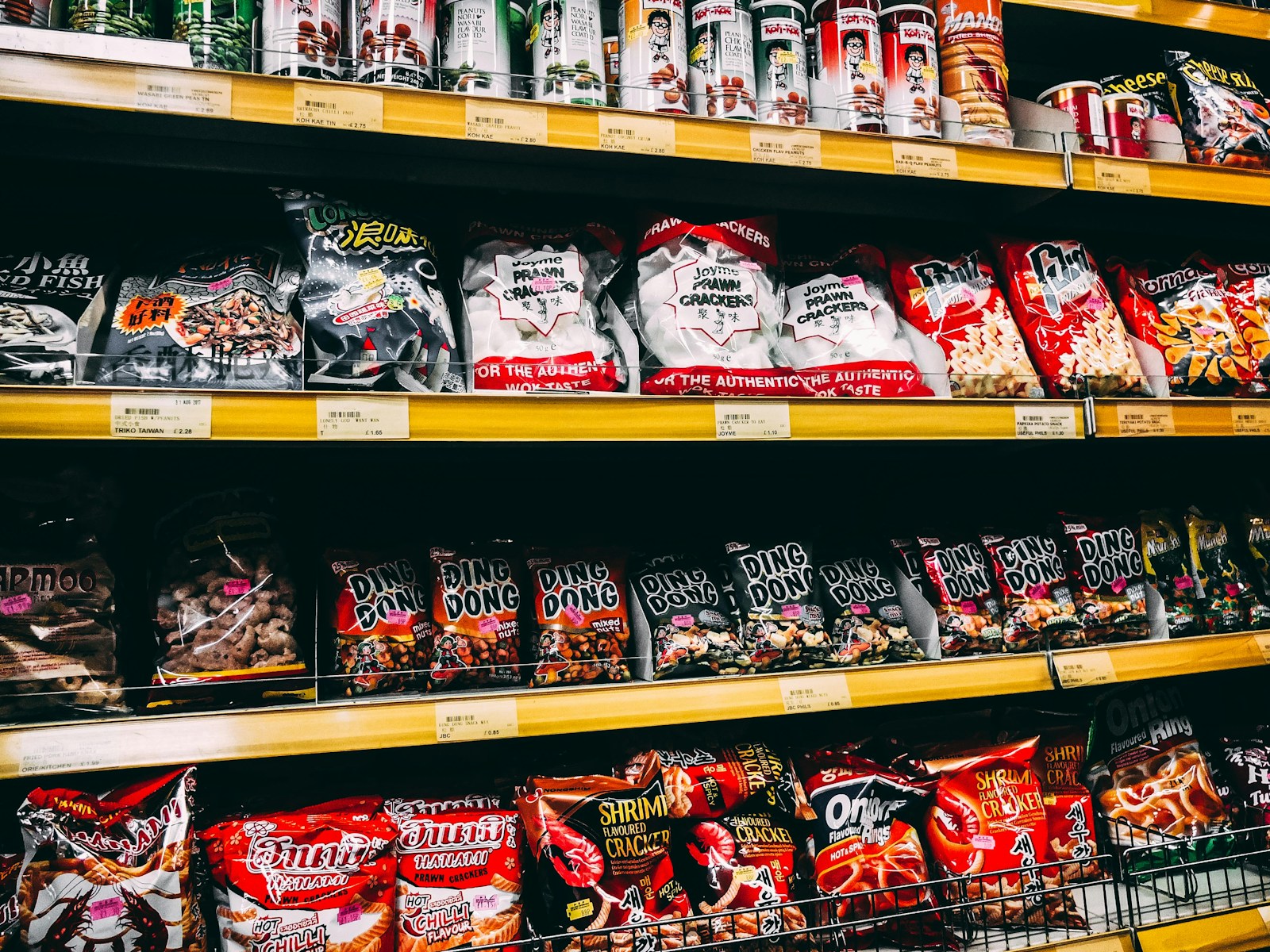
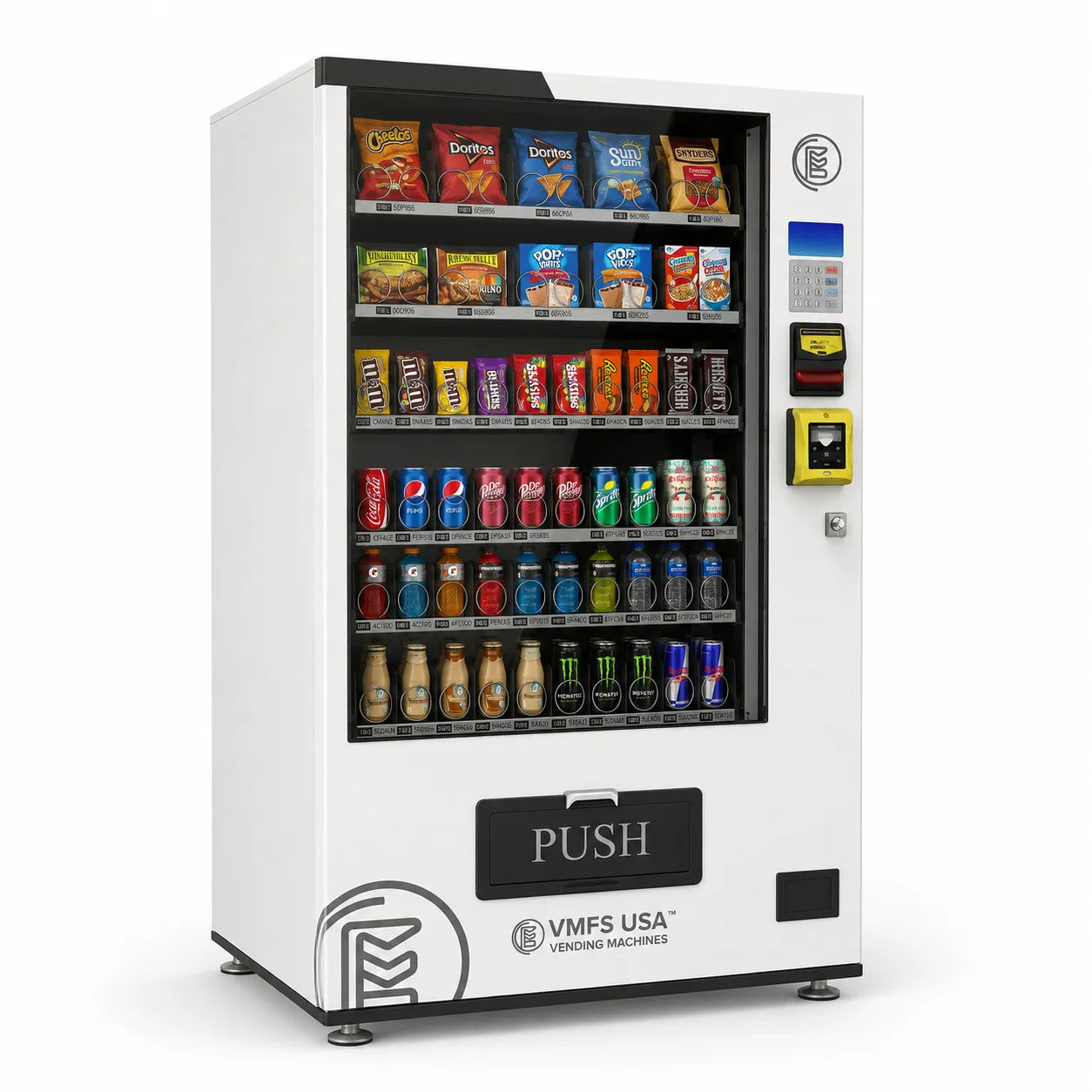
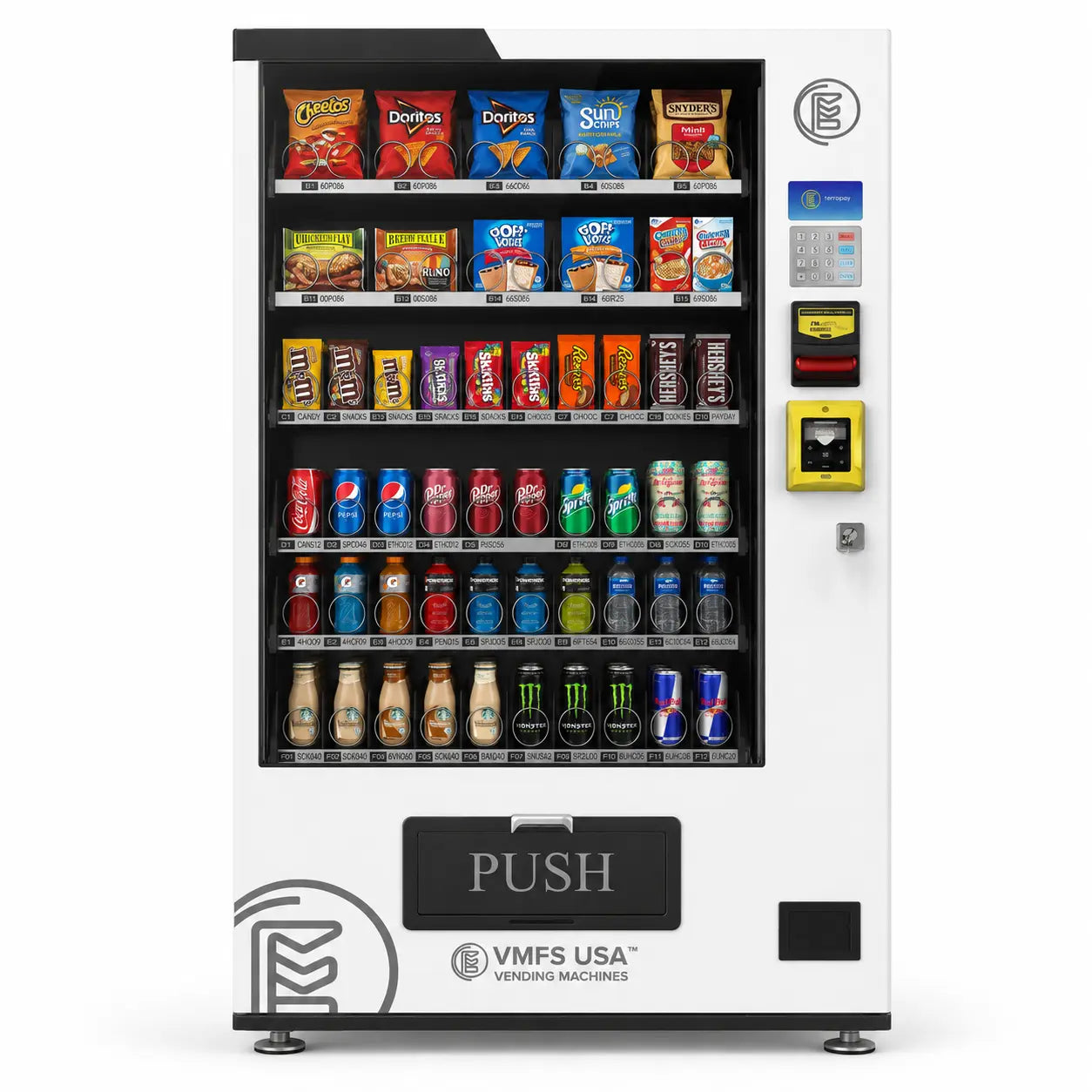
Chips, candy bars, bottled water, and sodas have powered vending profits for decades because they are cheap to stock, quick to sell, and familiar to customers. A traditional snack vending machine in an office break room, lobby, or apartment building can generate $300 to $600 in monthly revenue with profit margins around 20 to 25 percent. Operators often pay $0.50 to $0.70 per item in bulk and sell them for $1.25 to $1.75, making each machine a steady cash generator. The key is stocking name brands customers trust, keeping machines spotless, and using an optional VMFS Cloud plan to see which items sell fastest so you can restock on time.
Demand for healthier snacks continues to grow, which makes healthy vending one of the most profitable niches in vending. Our ranking of the most profitable vending machines explains why premium items lift profit per sale. Protein bars, mixed nuts, fruit snacks, and sugar-free beverages sell best in gyms, hospitals, corporate campuses, and schools that emphasize wellness. A healthy snack vending machine stocked with premium items can return 30 to 45 percent profit margins, and because customers associate healthy products with higher value, most are willing to pay $2.50 or more per item. This category is also popular with location owners since it aligns with wellness programs and improves employee satisfaction.
Cold products capture impulse buyers, especially during warm months or in high-traffic family spaces. Ice cream bars, frozen yogurt, and bottled smoothies command higher price points and sell well on impulse. An ice cream vending machine located in a park, recreation center, or dorm can quickly become a popular stop for visitors. While refrigeration increases operating costs slightly, the ability to sell items at $3 to $5 each more than covers the expense, especially at busy seasonal locations where daily foot traffic is high.
Meal vending is one of the fastest-growing categories thanks to automation technology. Ramen, pizza, and burrito machines are especially profitable in late-night environments and on college campuses where food options may be limited. A ramen vending machine can sell each meal for $7 to $9, delivering margins of 30 to 35 percent. The novelty also attracts repeat customers, making it a reliable investment for operators targeting students and nightlife patrons.
Professionals want convenient lunch solutions that feel fresh and nutritious. Stocking salads, wraps, and sandwiches in a refrigerated fresh food vending machine allows operators to serve premium meals priced between $6 and $10 per item. These machines work best in office parks, medical facilities, and corporate campuses with limited cafeteria options. Partnering with a local commissary or meal-prep company ensures variety and quality while keeping spoilage under control.
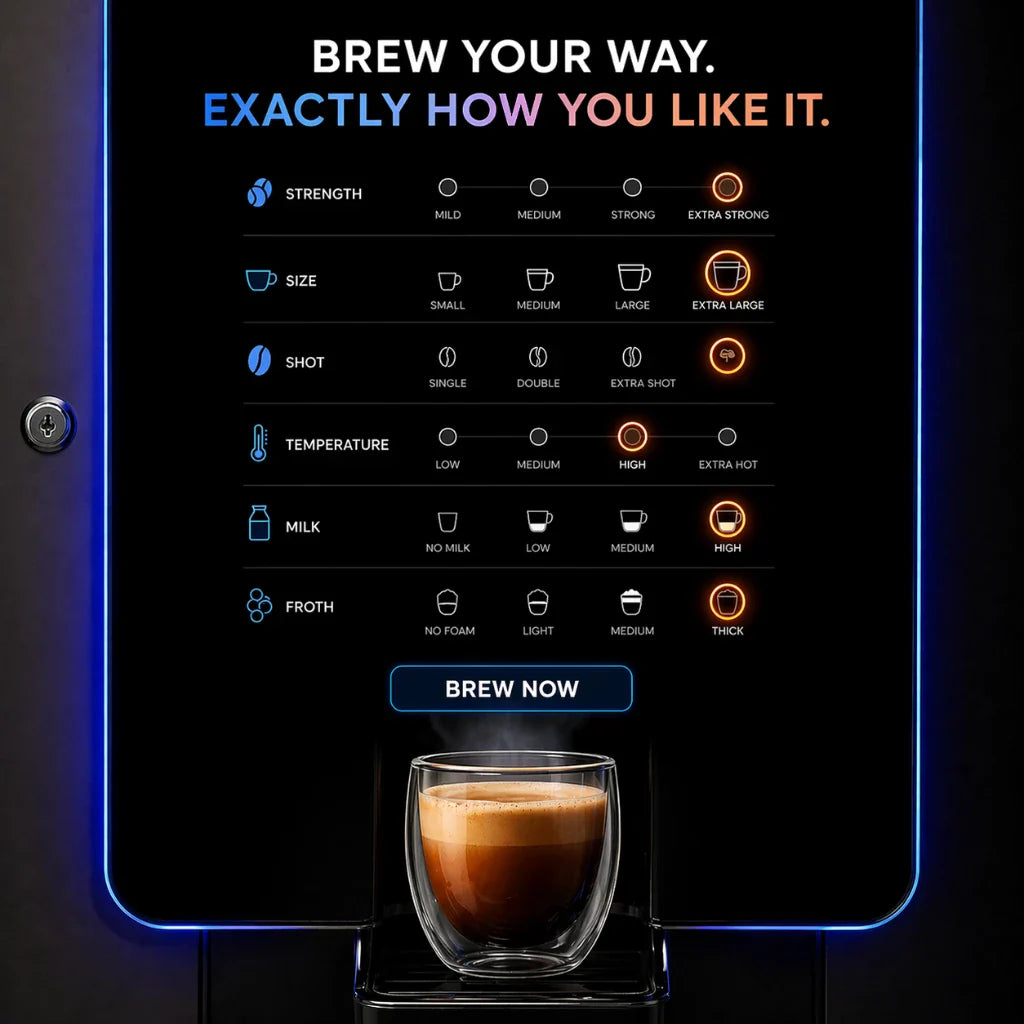
Coffee is one of the most recession-proof vending categories because it satisfies a daily habit. A commercial coffee vending machine serving espresso, cappuccino, and hot chocolate can generate steady revenue all day long. Ingredient costs per cup are often below $0.50, while customers pay $2 to $3, leading to 30 to 40 percent margins. When placed in lobbies, offices, or waiting rooms, these machines can even increase foot traffic and employee satisfaction by offering a reliable caffeine option on-site.
Energy drinks and hydration products have grown quickly in popularity among athletes, students, and shift workers. A drink vending machine placed near a gym entrance or dormitory can sell cans for $3 to $4 while costing under $1.50 wholesale, producing high profit per unit. Because these products are consumed quickly and frequently, they are excellent for high-turnover locations where customers want a fast boost.
Frozen meals are ideal for offices, dorms, and apartment complexes where microwaves are available. With wholesale costs of $2 to $4 per entrée and resale prices between $5 and $8, a frozen meal vending machine from our range of frozen vending machines provides reliable revenue even outside traditional mealtimes. These machines allow operators to serve customers 24/7, making them a smart choice for locations with extended hours or overnight workers.
Urban professionals and travelers are willing to pay extra for premium convenience foods. An automated sushi vending machine near a train station, business park, or airport provides fresh, attractive grab-and-go meals. With prices ranging from $7 to $12 per set and proper turnover management, operators can achieve strong margins and stand out from competitors offering only chips and candy.
Pet owners value convenience when they are out with their animals. Stocking treats, waste bags, and collapsible water bowls in a vending machine for pet treats near a dog park or pet-friendly plaza turns idle space into a profit center. Because these items are low-cost but urgent when needed, operators can price them at a premium and still keep customers satisfied.
Travelers frequently forget cables, chargers, headphones, or even toiletries when they are rushing. A vending machine for travel essentials placed in a terminal or hotel lobby solves this problem while allowing operators to charge premium prices. A $5 wholesale power bank can retail for $15, delivering some of the highest margins in vending. Transit locations are high-visibility, high-turnover spots that make this category consistently profitable, and our list of airport vending machine ideas covers more products that sell well in terminals.
Hand sanitizers, travel-size deodorant, sunscreen, and makeup wipes are high-demand items in gyms, malls, and airports. A vending machine for skincare products, such as one of our cosmetics vending machines, allows visitors to refresh themselves without leaving the location. These small, lightweight items are cheap to restock, often under $1 per unit, and can retail for $3 to $5, making them excellent profit generators.
Libraries, schools, and co-working spaces often have students or workers who run out of basic supplies like pens, calculators, or USB drives. An automated office supply vending machine solves this problem while preventing lost productivity. Selling at a 200% to 300% markup is common since convenience outweighs the cost for buyers who need items immediately.
Universities, co-working spaces, and green business districts are excellent candidates for sustainability-focused products. A sustainable product vending machine can offer reusable water bottles, metal straws, tote bags, or bamboo utensils. Since eco-conscious buyers often value quality, these products can be sold at healthy margins while also positioning the operator as environmentally responsible.
Impulse purchases happen around the clock. A flower vending machine located in a hospital, train station, or shopping center allows people to pick up fresh flowers or small gifts at any hour. These machines can sell bouquets at $15 to $25 and generate excellent revenue with minimal supervision.
Cables, adapters, power banks, and earbuds are among the highest-margin products in vending. A tech accessory vending machine in an airport or train station can achieve 50% to 60% profit margins on accessories travelers urgently need. These machines also have low spoilage risk, which helps keep operational costs predictable.
Muffins, cookies, and individually wrapped baked goods are popular in office buildings, schools, and transit hubs. A fresh pastry vending machine can restock daily from a local bakery and sell items at $2 to $4 each. Offering a mix of indulgent and healthy options creates repeat sales during breakfast and snack hours.
Parks, gyms, and public recreation areas are prime spots for a public safety vending machine that carries bandages, antiseptic wipes, cold packs, and pain relief tablets. These items often carry high markups because buyers prioritize convenience in emergencies.
Organic snacks, gluten-free cookies, and vegan protein options cater to growing dietary preferences. Healthy vending machines stocked with organic snacks near yoga studios, wellness centers, or health-conscious office campuses allow operators to charge premium prices. This segment attracts repeat buyers who appreciate consistency and quality.
Rotating product mixes based on seasons or events creates novelty and keeps customers engaged. A machine might stock cold drinks and popsicles in the summer and hot cocoa packets in the winter, and a custom vending machine with your logo or a full wrap makes the machine easy to spot when you promote seasonal items. Event-based options like glow sticks or rain ponchos at festivals can also deliver quick, high-volume returns.
The best vending machine food ideas are meals and snacks that match the cabinet temperature: hot meals such as pizza, ramen and boxed lunches; fresh items such as salads, wraps, fruit cups and yogurt parfaits; frozen meals and ice cream; and shelf-stable meals such as cup noodles and microwave bowls. Food turns a vending machine from a snack stop into a place where people eat lunch, and that shift brings higher prices per item and loyal daily buyers.
The demand is backed by industry data. In the NAMA Foundation and Technomic industry census, micro market operators report that about 22% of their sales come from fresh or prepared food and about 10% from frozen food. The same census notes that consumer demand for grab-and-go meals is opening new opportunities for vending operators. One rule applies to every food idea below: choose the food first, then choose a cabinet that can hold it at a safe temperature.
For chips, candy and other packaged snacks, see our guide to the best vending machine snacks by category and location.
22%
Share of micro market sales from fresh or prepared food (NAMA census)
10%
Share of micro market sales from frozen food (NAMA census)
41°F
Maximum cold holding temperature for perishable food under the FDA Food Code
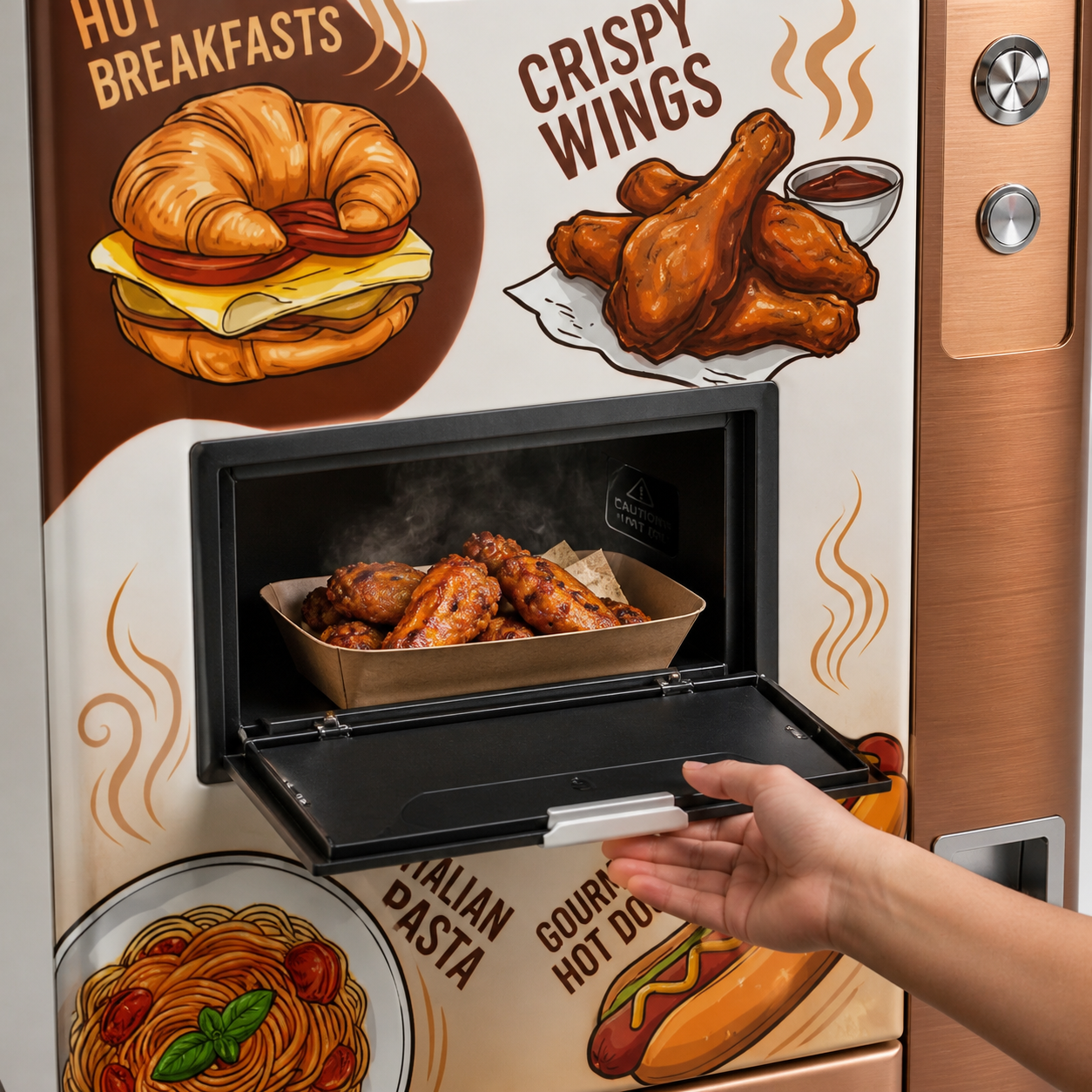
Hot food works best where people need a real meal and the cafeteria is closed, too far away or missing. Most hot food machines store meals refrigerated and heat them on demand, so the food stays cold until the moment of sale. A hot menu also gives you something new to promote, and a clear plan to market a food vending business helps a new machine build daily regulars.
VMFS hot food options include the Mini Hot Food Vending Machine at $12,450, the Hot Foods and Lunch Box machines at $14,450, the Ramen Noodle Vending Machine at $9,950 and the Hotlo Pizza Vending Machine at $14,950. VMFS also runs hot food vending pilot programs in the US and invites new pilot sites.
Fresh food is the fastest way to raise the average ticket at an office, hospital or campus. It needs a refrigerated cabinet, a reliable supplier and a short rotation cycle.
Fragile fresh items should not drop from a spiral coil. The Food Elevator Vending Machine at $8,950 lowers each item to the pickup bin, and open-door smart vending machines such as the AI Grab and Go Cooler at $2,950 let customers take a salad and a drink in one visit. Its temperature adjusts from 32°F to 86°F, so the same machine can hold cold fresh food or ambient snacks.
Frozen food has the longest life of any meal format, which makes it the easiest food category to manage on a weekly route. It works best where customers can reach a microwave.
Frozen products need a dedicated freezer cabinet. Compare frozen vending machines, including the Frozen Ice Cream Vending Machine at $9,950.
Shelf-stable meals let a standard snack or combo machine sell something closer to lunch without refrigeration. They are the lowest-risk way to test meal demand at a new site.
| Location | Food ideas that sell | Best machine type |
|---|---|---|
| Offices | Salads, grain bowls, wraps, yogurt parfaits, fruit cups | Refrigerated or AI grab and go cooler |
| Hospitals and clinics | Hot meals and soups around the clock, fresh boxes, fruit | Hot food machine plus refrigerated cabinet |
| Factories and warehouses | Breakfast burritos, rice bowls, hearty frozen entrees, jerky | Hot food or frozen machine |
| Colleges and dorms | Pizza, ramen, mac and cheese, frozen meals, ice cream | Pizza, ramen or frozen machine |
| Apartment buildings | Frozen entrees, ice cream, breakfast items, shelf-stable meals | Frozen or combo machine |
| Gyms and studios | Protein boxes, hard-boiled eggs, yogurt, protein shakes | Refrigerated or AI grab and go cooler |
| Transit hubs and airports | Sushi, wraps, hot noodles, premium fresh items | Elevator or hot food machine |
| Schools (students) | Only items that meet USDA Smart Snacks during the school day | Refrigerated machine with a compliant planogram |
Location decides most of the food menu, so study the best places for a food vending machine before you choose the cabinet. Once a food machine is live, list your machine on VendingFinder so hungry buyers nearby can find the new menu.
| Machine type | Temperature | Food ideas | VMFS example |
|---|---|---|---|
| Snack or combo spiral machine | Ambient, cold drink side | Shelf-stable meals, jerky, cup noodles, crackers | Build Your Snack Vending Machine from $3,595 |
| AI grab and go cooler | 32°F to 86°F | Salads, wraps, yogurt, fruit, drinks | AI Grab and Go Cooler $2,950 |
| AI smart fridge | Refrigerated | Full fresh menu, meal boxes, multi-item baskets | AI Smart Fridge $9,950 to $12,650 |
| Elevator food machine | Refrigerated | Fragile fresh items, glass bottles, produce | Food Elevator Vending Machine $8,950 |
| Hot food machine | Refrigerated storage with heating | Pizza, boxed lunches, rice bowls, soups | Mini Hot Food $12,450; Hot Foods $14,450 |
| Ramen machine | Hot water module | Cup noodles and instant ramen | Ramen Noodle Vending Machine $9,950 |
| Frozen machine | Frozen | Frozen entrees, ice cream, frozen fruit bars | Frozen Ice Cream Vending Machine $9,950 |
To see every cabinet that holds meals, compare the full range of food vending machines. If you want to set the temperature, delivery type and tray layout yourself, you can configure a food vending machine from $9,750. If a site is not ready for a food machine yet, a snack or combo machine with shelf-stable meals is a lower-cost start, and you can compare every format among our vending machines for sale.
Every food idea above depends on safe storage. The FDA Food Code, which most state and local health departments adopt, sets cold holding at 41°F or below and hot holding at 135°F or above. Food left between those temperatures for too long must be discarded. Many health departments also require a permit or inspection for machines that sell perishable food, and the FDA requires operators with 20 or more vending machines to disclose calories for the food they sell.
Food storage checklist for vending operators
Rules vary by state and county, so review the full food safety rules for a food vending machine before you load your first meal. Optional VMFS Cloud plans from $7.99 a month report sales, stock and machine alerts, which makes rotation easier to manage across a route.
Find The Right Machine For Your Food Menu
Compare hot, fresh and frozen formats with live prices, then finance through PayPal, Klarna or ClickLease.
Shop Vending Machines For Sale →Industry data shows the average vending machine earns $300 to $600 per month in gross sales, with profit margins typically between 20 and 30 percent. Specialty machines such as hot food, flowers, or tech accessories can exceed $1,000 per month in busy locations. Operators who track product sales with remote monitoring software can restock efficiently and quickly swap out underperforming items. Most operators recover their machine investment in 12 to 18 months, with high-traffic placements paying off even sooner. Our guide to whether vending machines are profitable breaks down these numbers in more detail.
Finding the right products is only half the work. The other half is placing your machine where it can succeed. That is why we offer a vending machine location matching service that connects operators with businesses that want to host a machine but do not want to buy one. The service helps you find high-traffic, profitable spots by matching machines with locations where customers already need them. For operators, it means higher sales and faster ROI. For businesses, it means offering convenience and extra value to their visitors, tenants, or employees with no upfront cost.
What are the most profitable vending machine items?
Snacks, drinks, coffee, and energy products are still top performers, but niche categories like baked goods, flowers, and travel accessories can bring higher margins when placed strategically.
Do healthy items really sell?
Yes. A healthy snack vending machine in gyms, offices, and schools often sells out faster than candy options, especially where wellness programs are promoted.
How much profit does a machine make each month?
Basic snack machines average $100 to $300 in monthly profit. Hot food and specialty machines can double or triple that in the right location.
Where do operators buy products?
Wholesale clubs, vending distributors, local bakeries, and direct partnerships with beverage brands are the most common sources.
What food can you sell in a vending machine?
You can sell hot meals, fresh salads and wraps, fruit and yogurt, frozen meals and ice cream, and shelf-stable meals such as cup noodles. Each type needs a cabinet that holds the right temperature, and perishable food usually needs a local health permit.
What temperature must vending machine food be kept at?
The FDA Food Code sets cold holding at 41°F or below and hot holding at 135°F or above. Most state and local health departments adopt these limits, so check your local rules before you stock perishable food.
The most successful operators treat vending as a location-driven business guided by sales data. From a fresh pastry vending machine in an office lobby to a self-serve flower vending machine in a hospital, the right product mix matched with the right audience creates consistent income. Our review of flower vending machine profits shows how one specialty idea performs. Focus on data, maintain your machines, and experiment with new ideas. That is how you transform a single machine into a profitable route that scales.
Share:
Are Alcohol Vending Machines Legal? US Laws, Licenses & Hardware
Are Alcohol Vending Machines Legal? US Laws, Licenses & Hardware