

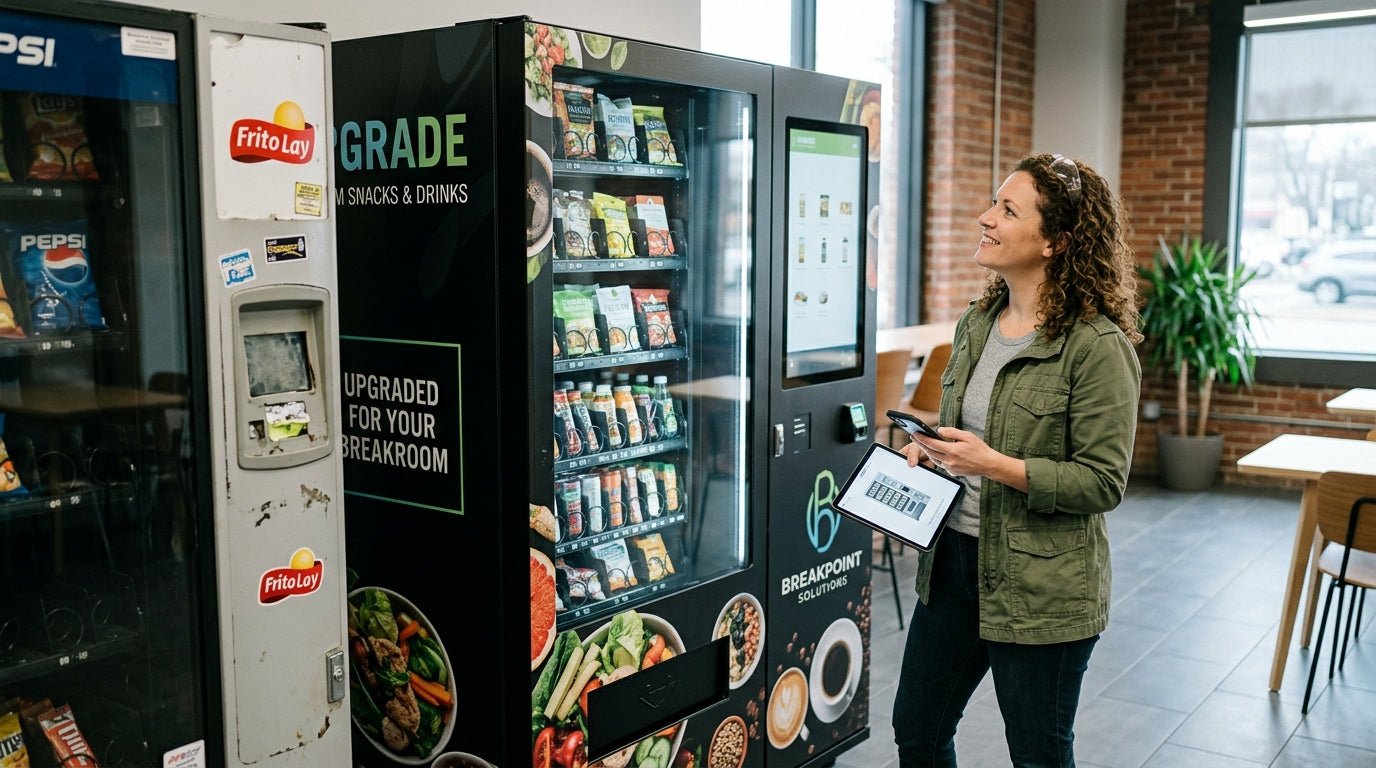


Design the perfect vending solution for your location and customers.

Join the VMFS newsletter and step into a thriving network dedicated to collective success.
One signup. Endless possibilities.
The right time to upgrade to a custom vending machine is when your product line, branding needs, or sales volume have outgrown what a standard, off-the-shelf unit can support, because a mismatched machine caps revenue and creates friction a custom build simply doesn't have. Businesses often stay on standard equipment too long simply because switching feels like a bigger decision than it is, missing the point where the upgrade would have already paid for itself. This guide walks through the concrete signs it's time to move, what the switch actually involves, and how to evaluate whether now is the right moment.
Table of Contents
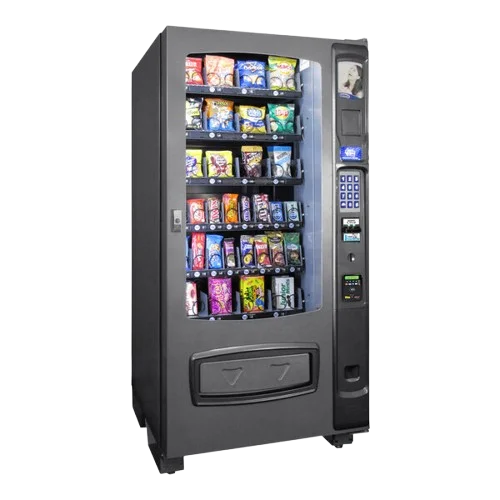
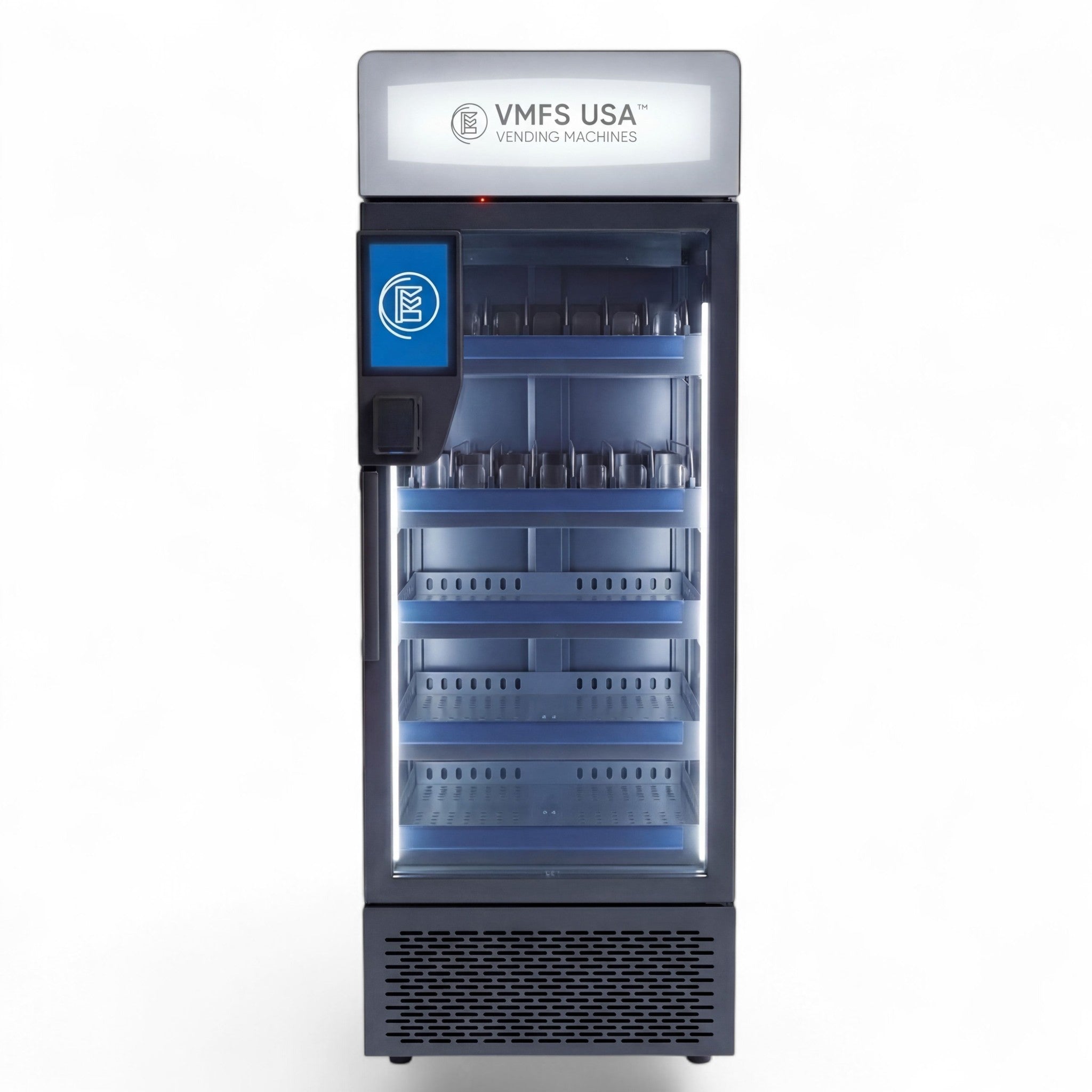
A standard vending machine is a fixed-configuration unit built for general use, with a set slot layout and generic branding designed to fit as many buyers as possible rather than any one business specifically. A custom vending machine, by contrast, is engineered around a specific product line, branding identity, and technology requirement from the start, which is why it fits a growing or specialized business better once generic equipment starts creating friction rather than solving problems.
Four patterns consistently signal that standard equipment has become a limitation rather than a convenience.
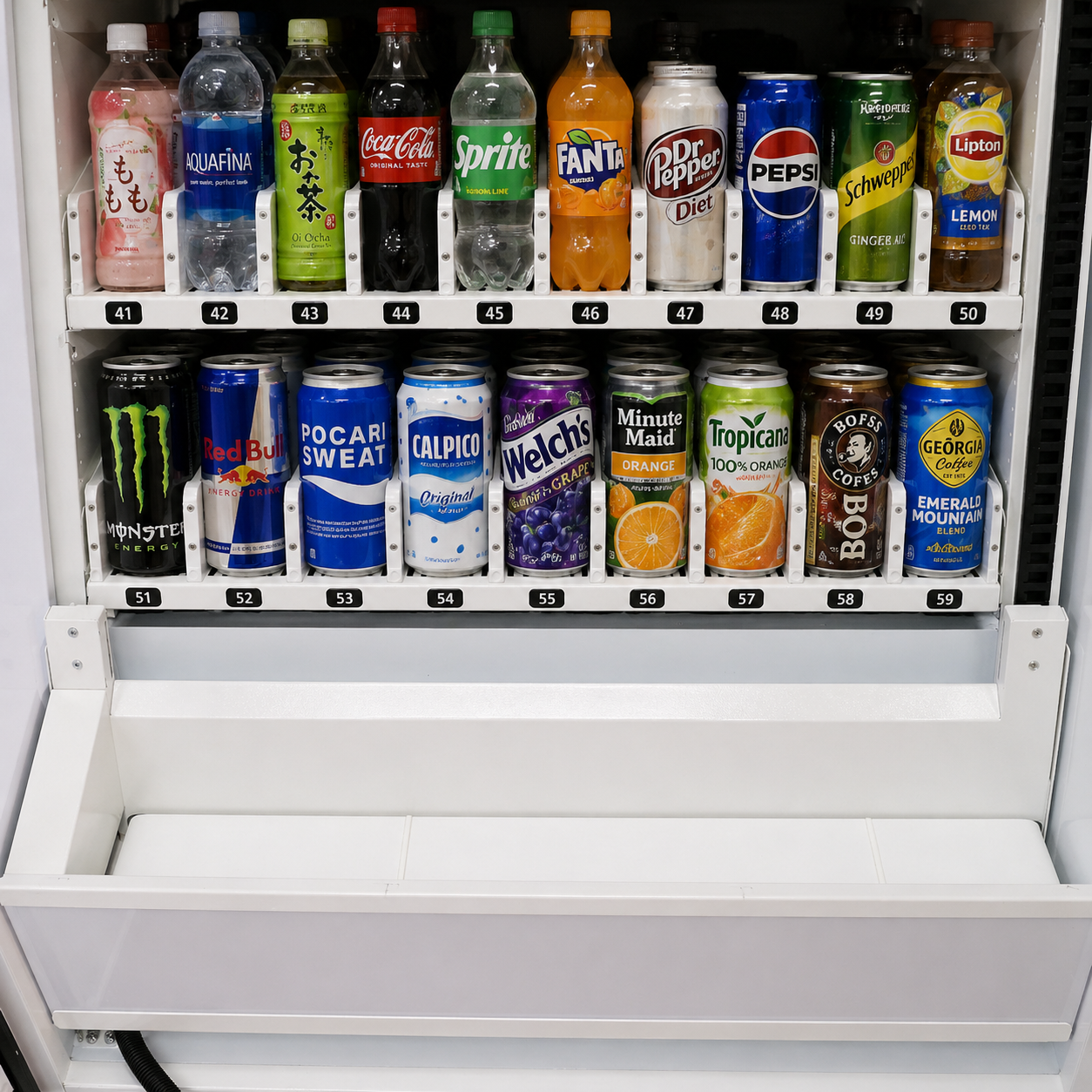
A standard machine's fixed slot dimensions and dispensing mechanism assume a generic product mix, which becomes a problem the moment your actual inventory, whether that's specialty coffee, trading card packs, or an unusual snack format, doesn't match what the equipment was built to handle. This mismatch shows up as jammed slots, wasted space, or products the machine simply can't dispense reliably.
If your best-selling items sell out faster than lower-demand products because the machine allocates equal slot space to both, that's a direct revenue signal a fixed configuration can't fix. Custom slot allocation solves this by matching capacity to actual demand instead of forcing every product into the same generic layout.
A wrap applied after the fact to a generic machine reads differently than branding integrated into the build itself, and businesses that have invested in a stronger visual identity often find a retrofitted wrap doesn't do that identity justice. A full custom vending machine branding strategy guide covers what integrated branding actually looks like once a machine is built around it from the start, while general guidance on custom wrap and branding on vending machines explains what's achievable even on existing equipment as a middle step.
Standardizing on a custom configuration becomes more valuable, not less, as an operation scales, since consistent branding and product handling across multiple sites reinforces recognition the way a single machine's branding alone can't. Evaluating the best locations for smart combo vending machines is worth revisiting at this stage, since a scaling operation often needs to re-evaluate site criteria against a now-larger, more capital-intensive fleet.
| Factor | Standard Machine | Custom Machine |
|---|---|---|
| Product fit | Generic, fixed slot dimensions | Configured around your specific inventory |
| Branding | Retrofitted wrap, if any | Integrated into the build from the start |
| Technology | Whatever came standard | Selected and integrated to spec |
| Upfront cost | Lower | Higher, offset by better fit and ROI over time |
| Best fit | Early-stage or generic-product operations | Established operations with specific product or branding needs |
Custom equipment costs more upfront, but the calculation isn't just sticker price against sticker price; it's the cost of continued lost sales from stockouts and mismatched configuration weighed against the higher initial investment. A detailed custom vending machine cost and pricing guide breaks down exactly what drives price differences across configurations, which makes this comparison concrete rather than abstract.
Payback timelines depend heavily on how much revenue the current machine is actually leaving on the table due to poor product fit, since a bigger mismatch means a faster payback once corrected. Operations already seeing frequent stockouts on top sellers or unused capacity on slow movers tend to see the upgrade pay for itself faster than businesses upgrading primarily for branding reasons alone. A dedicated breakdown of custom vending machine ROI walks through the specific variables that shape this timeline in more depth.
Consistent stockouts on top-selling products. A product line that doesn't fit standard slot dimensions. Branding investment that a generic wrap can't represent well. Plans to scale across multiple locations.
Sales volume still validating product-market fit at a single location. No consistent stockout or configuration problems yet. Limited capital better spent on inventory or a first location's placement costs.
Businesses that haven't launched yet or are still working through initial setup should treat this as a later-stage decision entirely; a full walkthrough of how to launch a custom vending machine business covers what comes before an upgrade even becomes relevant.
Confirming the business fundamentals are in place before committing capital to a custom build avoids compounding an equipment upgrade with unrelated compliance gaps.
Before scaling equipment investment, confirming the underlying business structure can support growth matters just as much as the machine itself. Operators still operating informally often revisit whether forming an LLC for a vending machine business makes sense at this stage, since liability exposure grows alongside equipment investment and location count. Confirming a registered agent for a vending machine business is in place matters here too, particularly for operators expanding into new states. On the tax side, reviewing custom vending machine tax requirements and confirming proper licensing for a custom vending machine closes the compliance gap before new equipment goes live.
Upgrading equipment is also a good moment to re-evaluate whether current locations still justify the investment or whether it's time to add new sites. Listing available space details and getting matched with qualified operators through VPlaced's location owner matching process simplifies finding new placements without cold-calling venues individually, which is especially useful when an upgrade coincides with expansion plans rather than a like-for-like equipment swap.
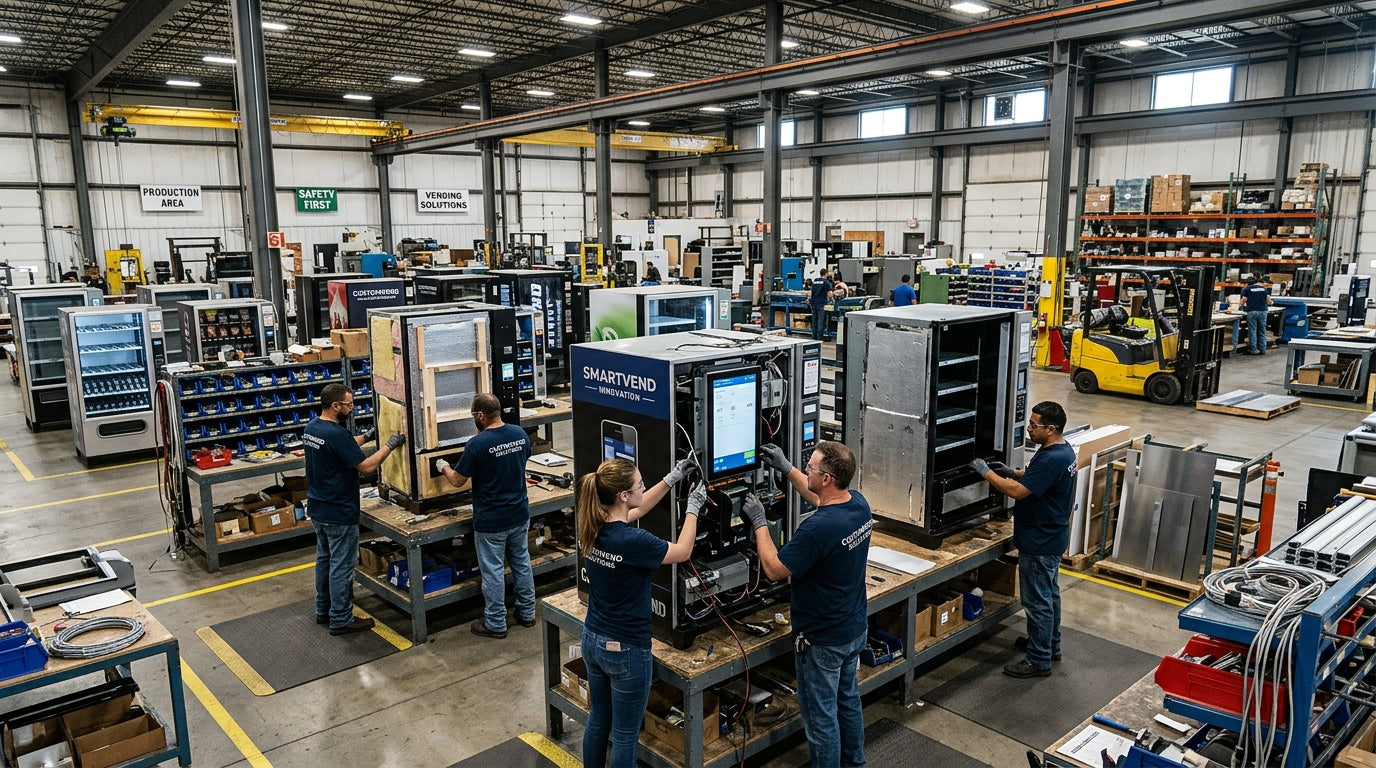
Working with a manufacturer rather than a reseller matters more at upgrade time than at initial purchase, since a custom build depends entirely on the builder's ability to translate specific requirements into a finished machine rather than adapting an existing catalog unit. Understanding what separates custom vending machine manufacturers from resellers clarifies why this distinction affects configuration flexibility and support quality during the upgrade itself. A complete custom vending machines buyer's guide walks through the selection process in more depth for operators evaluating multiple options.
The process typically starts with mapping current product line and branding requirements against what the existing machine can't support, followed by a configuration consultation with the manufacturer before production begins. A detailed walkthrough of upgrading to a custom vending machine covers this process step by step, including what to expect between placing the order and installation at your location.
Identify exactly where product mix or branding is outgrowing standard equipment.
Verify entity structure, tax registration, and licensing before scaling investment.
Work directly with a builder, not a reseller, for real configuration flexibility.
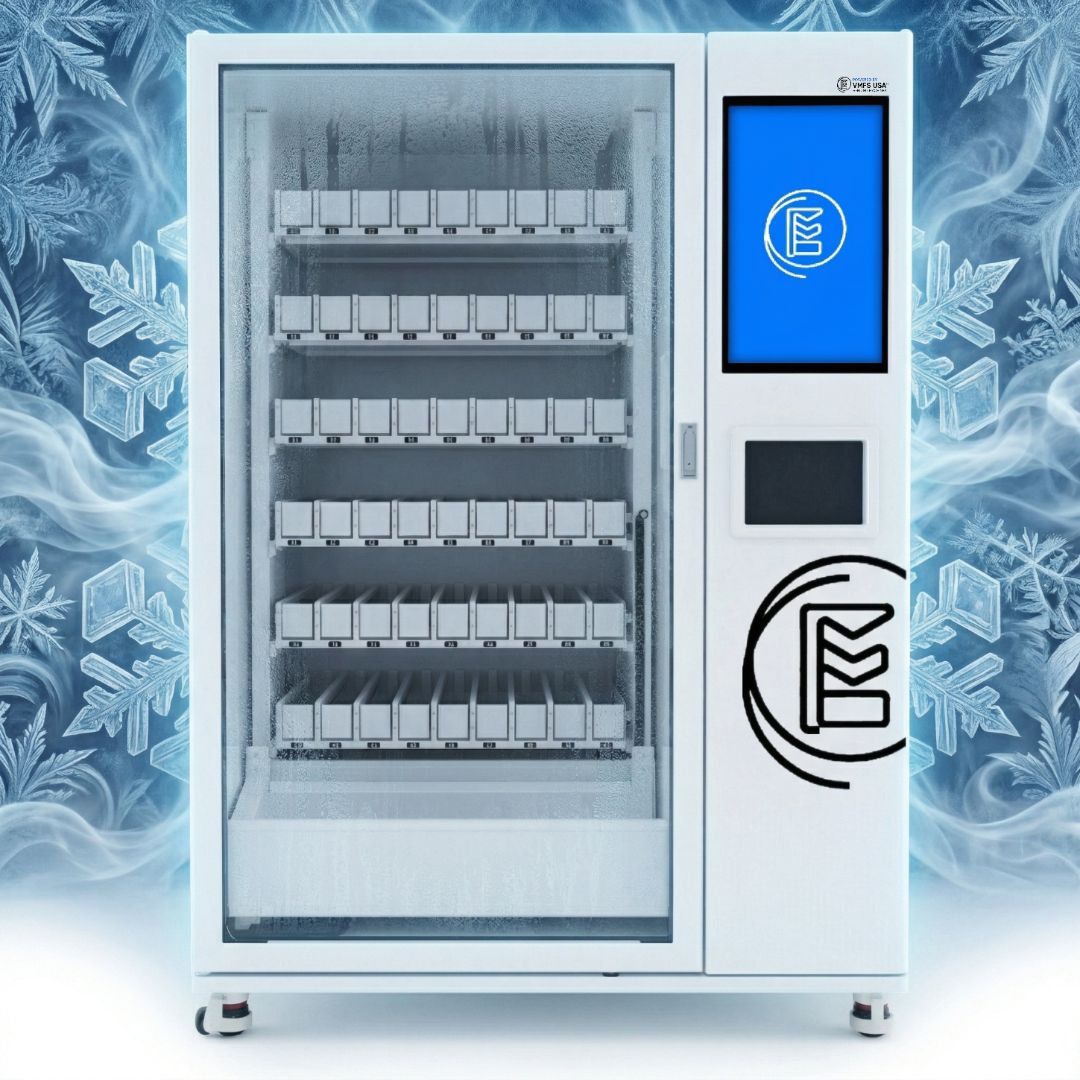
Configure product slots, branding, and smart technology around exactly what your business needs now.
Build Your Own Custom Vending MachineSee what an upgrade looks like for your specific product line.
The right time is when your product line, branding, or sales volume have outgrown what a standard machine can support, typically shown by frequent stockouts, poor slot configuration, or branding that a generic wrap can't represent well.
A standard machine uses a fixed, generic configuration designed to fit many buyers, while a custom machine is engineered around a specific business's product line, branding, and technology requirements.
Signs include frequent jamming, wasted slot space, or products the machine can't reliably dispense, all pointing to a mismatch between fixed slot dimensions and your actual inventory.
It can, particularly when the current machine is losing sales to stockouts on top sellers or wasting capacity on slow movers, since custom configuration directly corrects that mismatch.
It depends on whether that single location already shows consistent stockout or configuration problems; if sales volume is still validating product-market fit, waiting is often the more capital-efficient choice.
Many operators combine the two, since equipment upgrades and location expansion often make sense to evaluate together rather than treating them as fully separate decisions.
Confirming your entity structure, tax registration, and required licensing are in place before scaling equipment investment avoids compounding an upgrade with unrelated compliance gaps.
A manufacturer offers greater configuration flexibility and a more direct support path, which matters more during an upgrade than at initial purchase since custom builds depend on the builder's ability to translate specific requirements accurately.
Timelines vary by configuration complexity, starting with a requirements consultation before production begins, so working directly with the manufacturer gives the clearest visibility into the full schedule.
Not yet. Upgrade decisions are a later-stage question; businesses still in initial setup should focus on launching and validating demand before evaluating a custom equipment upgrade.


Share:
Regional Coffee Preferences: A US Coffee Vending Guide
Custom Vending Machine Manufacturers: What They Do and Why It Matters