


The best products to sell in an AI vending machine are beverages, specialty coffee, fresh grab-and-go meals, healthy snacks, and premium confections, because these categories combine strong gross margins with the fast turnover that keeps an AI machine's transaction volume high. Beverages account for 40% to 50% of total vending sales on their own, coffee posts the highest margin percentage in the category at 60% to 75%, and fresh food commands the highest average transaction value at $6 to $12 per sale. Because AI machines stock almost anything that fits on a shelf rather than items sized for a coil, the product decision matters more here than in traditional vending — this guide breaks down exactly what sells, why, and how to build a mix around your specific location.
Table of Contents
- Why Product Selection Works Differently in AI Vending
- Top Product Categories Ranked
- Beverages: The Volume Anchor
- Specialty Coffee
- Fresh Food and Grab-and-Go Meals
- Healthy Snacks and Functional Products
- Packaged Snacks and Confections
- Best Products by Location Type
- Products to Avoid Stocking
- Optimizing Your Mix With Sales Data
- Matching Products to the Right Machine
- Frequently Asked Questions
Why Product Selection Works Differently in AI Vending
No Coil Means No Size Restriction
AI vending machines use camera-based recognition and open shelving instead of coin-and-coil mechanisms, which means the product decision is no longer constrained by what physically fits a spiral slot. That single shift is why AI units can sell fresh meals, electronics, and cosmetics alongside standard snacks, expanding the addressable product range far beyond what a traditional machine supports. A full explanation of the underlying technology is covered in what is an AI vending machine.
Higher Transaction Values Change the Math
Because AI machines support higher-ticket items, average transaction value runs three to four times higher than a coin-based machine, which means product selection has a bigger direct impact on monthly revenue than it does in traditional vending. Choosing the wrong category for a location wastes that structural advantage; choosing the right one compounds it.
See which AI machine format fits your product plan.
Shop AI Grab-and-Go MachinesTop Product Categories Ranked
Comparing Categories on Margin and Transaction Value
The best-performing product categories balance margin percentage against transaction value and turnover speed, since no single metric tells the full profitability story on its own.
| Product Category | Gross Margin | Avg. Transaction Value | Turnover Speed |
|---|---|---|---|
| Bottled water / cold drinks | 64–86% | $1–$2.50 | Very fast |
| Specialty coffee | 60–75% | $2.50–$5 | Fast, daily repeat |
| Packaged snacks / candy | 45–76% | $0.50–$1.50 | Fast |
| Healthy snacks / protein bars | 35–50% | $2–$4 | Moderate |
| Fresh food / grab-and-go meals | 35–50% | $6–$12 | Moderate, needs cold chain |
A deeper margin breakdown across every category is available in the dedicated guide to AI vending machine cost, since product profitability only makes sense measured against the hardware and operating cost baseline.
Beverages: The Volume Anchor
Water and Soda Post the Widest Margins in the Machine
Beverages consistently rank among the best products to sell because they combine near-universal demand with some of the widest margins available: a 16 oz. bottle of water costing roughly $0.14 and selling for $1.00 delivers an 86% margin, the single strongest margin of any common vending product. Branded energy drinks trade a slightly thinner margin, typically in the 43% to 64% range, for strong unit velocity and high brand loyalty.
Why Beverages Belong in Almost Every Machine
Beverages typically account for 40% to 50% of total vending sales across nearly every location type, which makes them the default anchor category regardless of whether the site is an office, gym, or hospital. A diverse beverage lineup — soda, water, energy drinks, juice, and ready-to-drink coffee — captures a wider range of buying occasions than any single product line could alone.
Specialty Coffee
The Highest-Margin Product in Vending
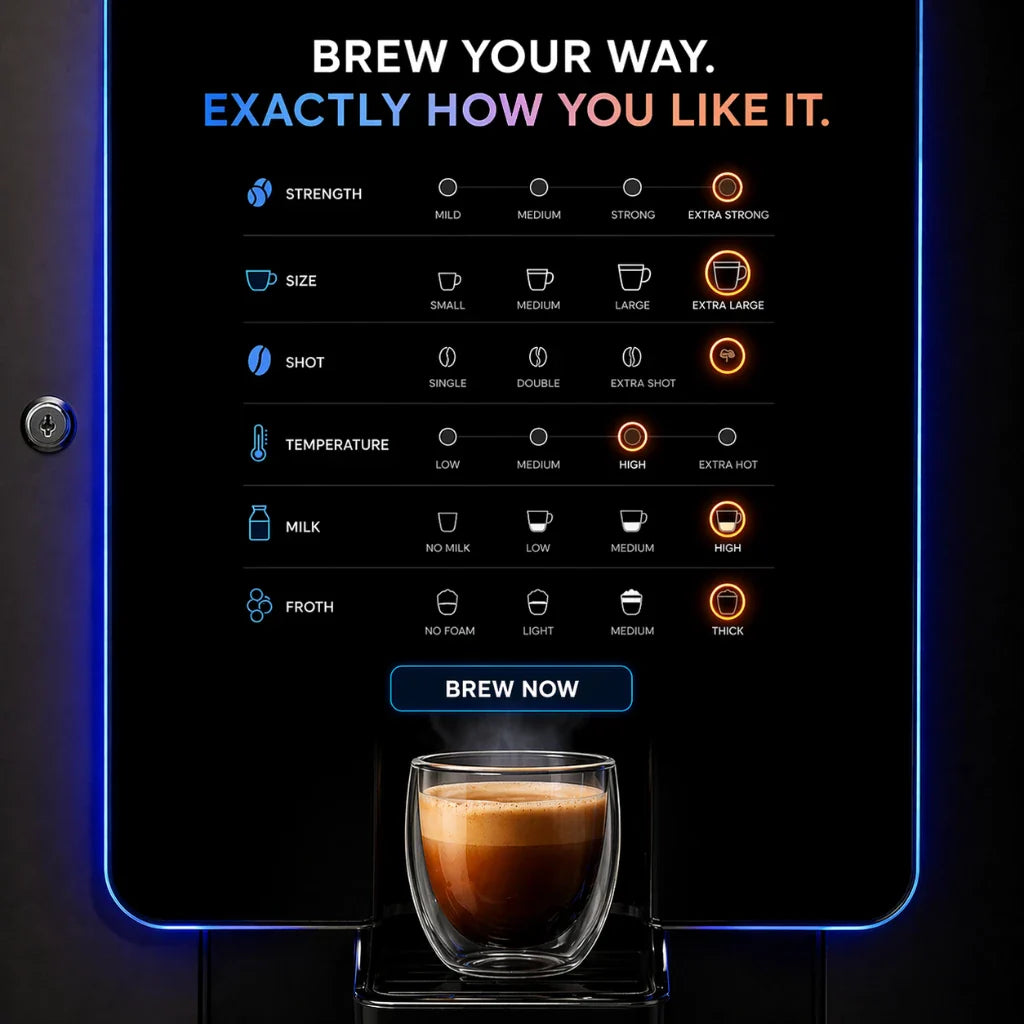
Coffee delivers the highest margin percentage of any common vending product, typically 60% to 75%, because ingredient cost per cup stays low relative to price while daily repeat-purchase habits keep demand consistent year-round. Customization options — size, milk, flavor shots — support upsell pricing that lifts transaction value without a proportional cost increase.
Where Coffee Performs Best
Coffee performs best in locations with genuine daily repeat traffic — office buildings, waiting rooms, and transit hubs — because the equipment cost runs higher than a standard combo unit and needs consistent volume to justify the investment quickly. Compare purpose-built hardware directly in the coffee vending machine collection.
Fresh Food and Grab-and-Go Meals
The Highest-Ticket Category AI Vending Unlocks
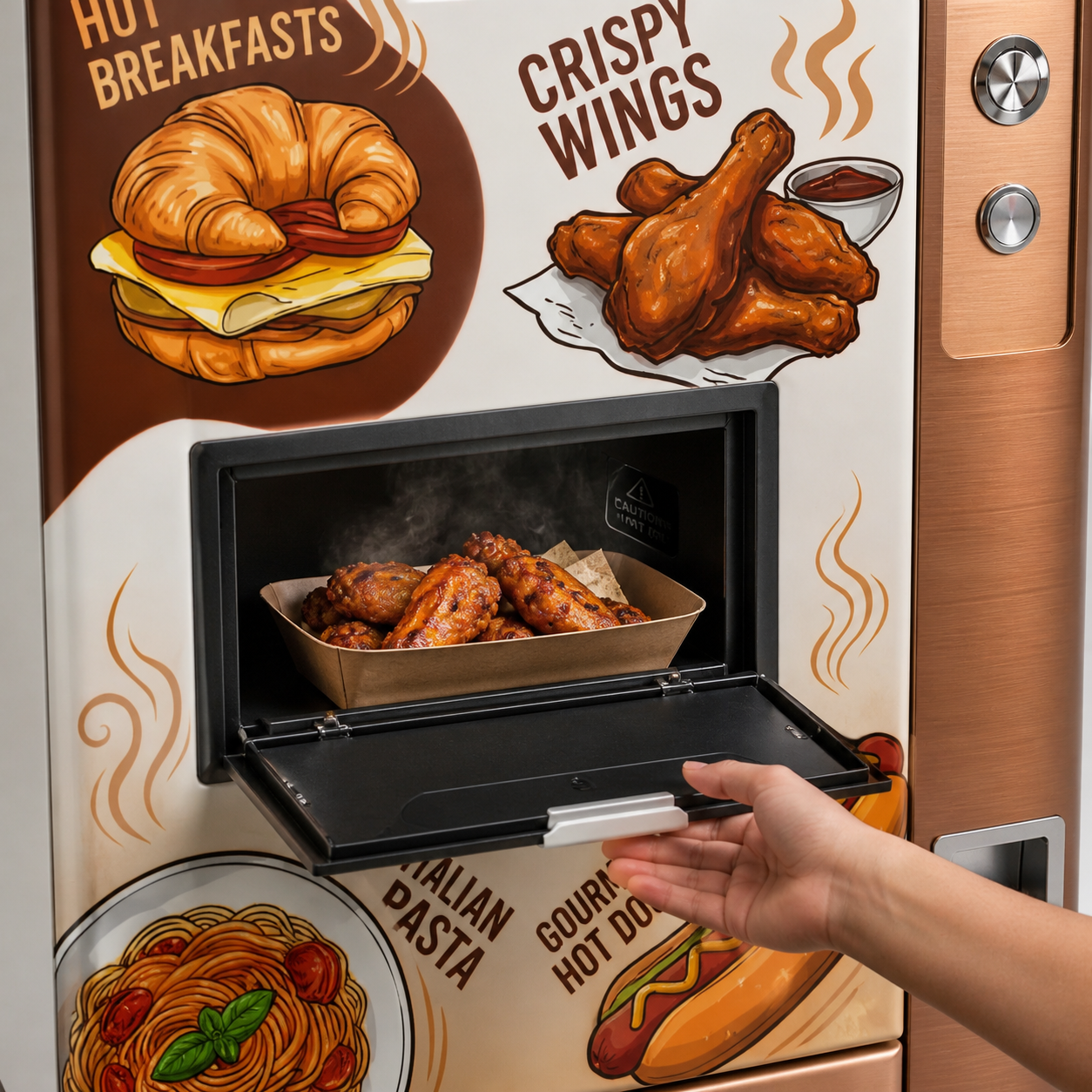
Fresh food is arguably the best product opportunity unique to AI vending, since traditional coil machines cannot stock salads, sandwiches, or prepared meals at all. Average sale price runs $6 to $12 per transaction, several times higher than any snack or beverage, and margins of 35% to 50% on that price point generate strong absolute profit even though the percentage trails coffee or candy.
Managing the Trade-Off: Shelf Life
Fresh food's main risk is waste from unsold perishable inventory, which is exactly where AI machines outperform manual operations, because real-time sell-through tracking flags slow-moving items early enough to apply a dynamic discount before spoilage. The mechanics behind this optimization are detailed in how AI-powered vending machines optimize sales and how an AI vending machine works.
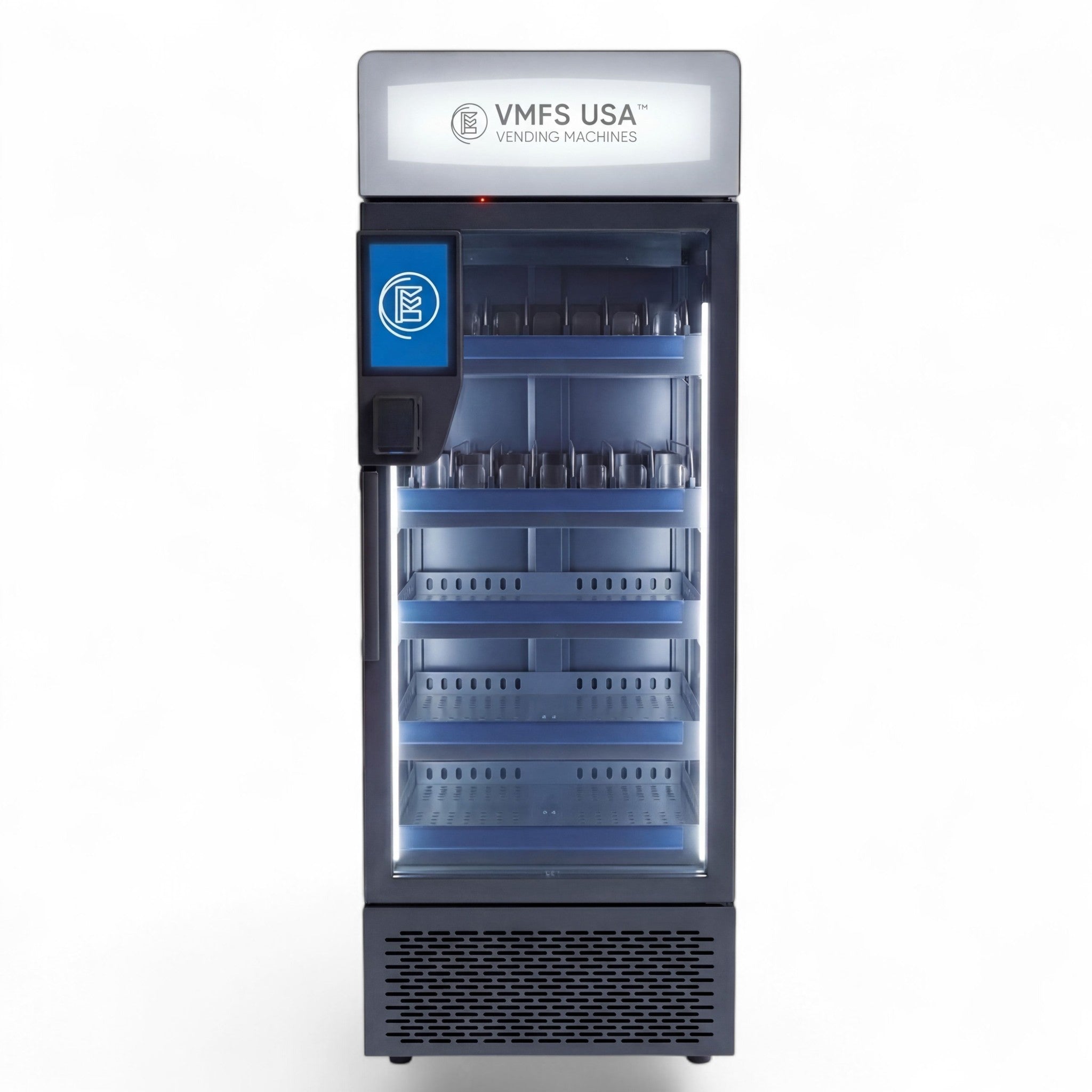
Fresh food and refrigerated categories are best served by the Smart Fridge Vending Machine, purpose-built for perishable inventory and temperature control.
Healthy Snacks and Functional Products
Wellness Alignment Reduces Price Sensitivity
Healthy snacks — protein bars, nuts, dried fruit, functional beverages like coconut water and electrolyte drinks — perform best in offices, gyms, hospitals, and schools where demand already aligns with wellness goals. That alignment reduces direct price competition even when overall unit volume holds steady, because health-conscious buyers are less likely to comparison-shop against a nearby convenience store.
Premiumization Is Reshaping Demand in 2026
Consumers increasingly favor artisanal, functional, and clean-ingredient products over generic snacks, and replacing roughly one-third of a machine's low-margin filler items with premium or healthy alternatives has been shown to lift total sales 30% to 40%. This trend ties directly into the sustainability and smart-retail shift covered in AI vending's role in smart cities and sustainability.
Packaged Snacks and Confections
Reliable Staples With Strong Individual Margins
Salty chips, chocolate bars, and grab-and-go candy remain among the most reliably purchased vending products, with fruit snacks posting 76% margin, granola bars 72%, gummy bears 70%, and chips around 55%. These items anchor impulse-purchase behavior and rarely require refrigeration or special handling, which keeps operating overhead low.
Why They Should Not Dominate the Mix
Because confection transaction values sit between $0.50 and $1.50, a machine that leans too heavily on candy posts an impressive blended margin percentage but a comparatively low absolute profit per visit. The strongest mixes treat confections as a supporting category rather than the centerpiece, rotating in seasonal favorites — comfort snacks in winter, light and hydrating options in summer.
Pros of a Diversified Product Mix
Higher blended transaction value, appeal across multiple customer segments, resilience against seasonal demand swings, and stronger total revenue per visit than any single category alone.
Cons of an Undiversified Mix
Over-indexing on candy caps total revenue, over-indexing on fresh food raises waste risk, and ignoring location demographics wastes the machine's full transaction-value potential.
Best Products by Location Type
Benchmark Mixes That Reflect Real Buying Behavior
Product selection should always start with the customer, not the machine. Students look for affordable snacks and energy drinks between classes, office workers prefer healthier options and quick meals, and gym-goers prioritize protein and hydration — each of which points to a different benchmark mix.
| Location Type | Benchmark Product Mix |
|---|---|
| Office buildings | 40% beverages, 35% healthy snacks, 15% coffee, 10% misc |
| Gyms / fitness centers | 40% protein bars/shakes, 30% sports drinks, 20% healthy snacks, 10% supplements |
| Hospitals | 30% grab-and-go meals, 35% beverages, 25% snacks, 10% OTC items |
| Universities | 35% snacks, 25% energy drinks, 20% coffee, 20% meals |
A complete framework for scoring traffic and demand data before finalizing a location's product mix is covered in AI vending machine location data, and a real-world example of matching product mix to site is walked through in the case study on finding the sweet spot for AI vending machines.
Products to Avoid Stocking
Slow-Moving and High-Waste Items
Any product that has not sold within two to three weeks, adjusted for shelf life, is dragging down the machine's overall return and should be replaced rather than left in rotation out of habit. Perishable items with short shelf lives are especially risky without an AI machine's real-time sell-through tracking, since expired stock erases the margin advantage that made the category attractive.
Mismatched Category-Location Pairings
Stocking generic snacks in a health-focused corporate office, or premium artisanal products in a low-traffic factory breakroom, both waste the machine's transaction-value potential because the product does not match what that specific customer base actually buys. Product-location alignment matters more than product margin in isolation.
Optimizing Your Mix With Sales Data
Let the Cloud Dashboard Guide Adjustments
Once a machine is live, real-time inventory data by SKU turns product selection from a one-time decision into an ongoing optimization loop. Reviewing sales velocity weekly for the first 90 days after installation, then adjusting the planogram every 30 days, reveals which products actually convert at that specific site rather than which ones seemed promising during initial stocking.
GMROI as the Deciding Metric
Gross Margin Return on Investment measures profit earned per dollar invested in inventory, and it is the metric that should settle any close call between two candidate products. A lower-margin item that sells quickly can outperform a higher-margin item that sits on the shelf, so GMROI — not margin percentage alone — should guide the final product decision. The full ROI framework tying product performance back to machine payback is in the AI vending machine ROI guide.
Matching Products to the Right Machine
Beverage and Snack-Heavy Mixes
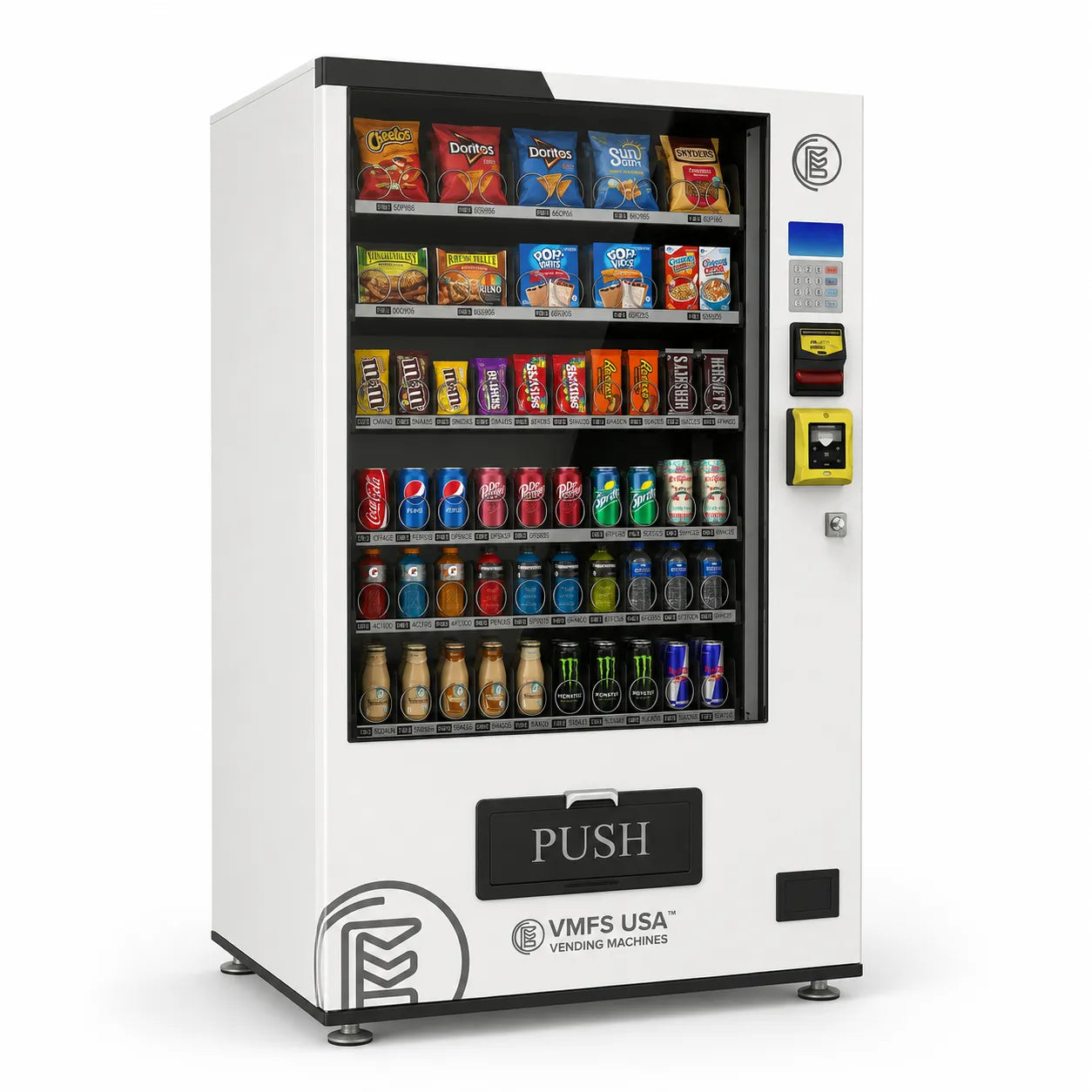
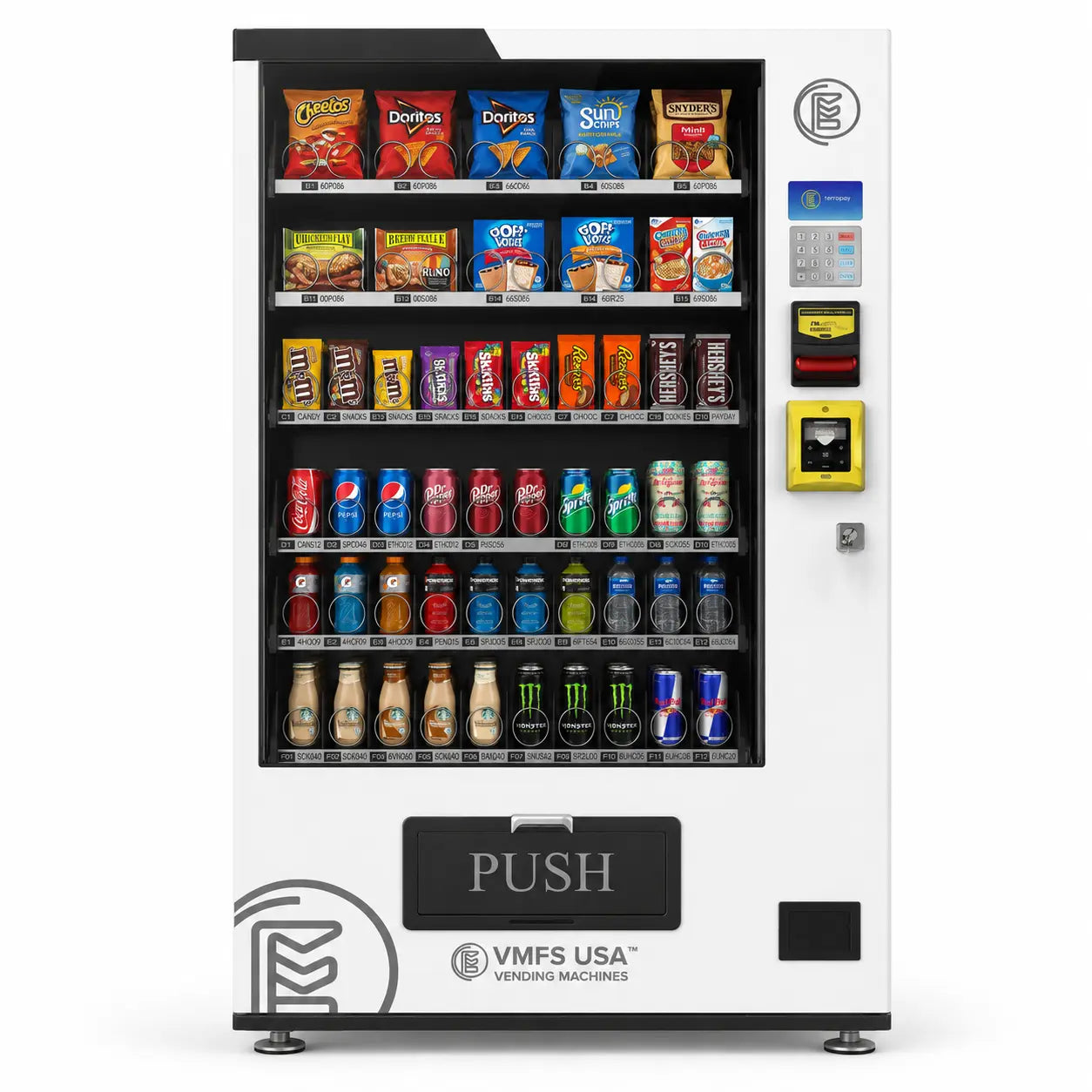
Operators building a mix anchored in beverages and packaged snacks should evaluate the AI Smart Cooler Vending Machine or the AI Smart Cooler Combo Vending Machine, both sized for high-turnover, low-perishability inventory that does not need constant temperature monitoring.
Choosing Format Before Finalizing Product Plans
A product strategy only works if the machine's capacity, refrigeration, and price point support it, which is why format selection and product planning should happen together rather than sequentially. The full range of formats is compared in the complete AI vending machine buyer's guide, and pre-made versus custom-built cost trade-offs are detailed in pre-made vs. custom build payback analysis. Payment infrastructure that affects net margin across every product category is explained in how card processing works for AI vending machines, and how AI product economics compare against a traditional machine is covered in traditional vs. AI vending machines and is the AI upgrade worth it. Broader shifts in what smart retail buyers now expect from product selection are covered in the AI vending machine experiment on how smart retail is changing.
Ready to see real machine capacity and specs for your product plan?
Browse AI Vending MachinesFrequently Asked Questions
What are the best-selling products in an AI vending machine?
Beverages, specialty coffee, packaged snacks, healthy snacks, and fresh grab-and-go meals consistently perform best because they combine strong margins with fast turnover and broad customer appeal.
Which product category has the highest profit margin?
Bottled water and cold beverages can reach up to 86% margin, and coffee typically ranges from 60% to 75%, making these two categories the highest-margin products in most AI vending machines.
Can AI vending machines sell fresh food?
Yes. Unlike coil-based machines, AI vending units use open shelving and camera recognition, allowing them to stock salads, sandwiches, and prepared meals with average sale prices of $6 to $12.
How do I decide what to stock for a specific location?
Start with the customer profile: gyms favor protein and hydration, offices favor healthier options and coffee, and hospitals favor grab-and-go meals and beverages. Match the product mix to that demographic first.
Are healthy snacks worth stocking even at a lower margin?
Yes. Healthy snacks post 35% to 50% margin, lower than candy, but they support premium pricing and steadier demand in wellness-aligned locations like gyms and corporate offices, lifting absolute profit per unit.
How often should I rotate or change my product lineup?
Review sales data weekly and adjust the planogram every 30 days for the first 90 days after installation. After that, a formal product mix review every 3 to 6 months is sufficient.
What percentage of vending sales come from beverages?
Beverages typically account for 40% to 50% of total vending sales across nearly every location type, making them the default anchor category for almost any AI vending product mix.
Should I prioritize high-margin products or fast-moving products?
Neither exclusively. Use Gross Margin Return on Investment (GMROI) to compare both: a lower-margin item that sells quickly can outperform a high-margin item that moves slowly and ties up shelf space.
What products should I avoid stocking in an AI vending machine?
Avoid any item that has not sold within two to three weeks, generic products that do not match the location's demographic, and perishable items without a reliable sell-through tracking system in place.
Does premium product positioning actually increase sales?
Yes. Replacing about one-third of low-margin filler snacks with premium or healthy alternatives has been shown to lift total sales by 30% to 40%, reflecting rising consumer demand for higher-quality options.
Share:
AI Vending Machine Profit Margins by Product Type - Detailed Guide For Operators
Coffee Vending Machine for Office: The Complete Guide