



Design the perfect vending solution for your location and customers.

Join the VMFS newsletter and step into a thriving network dedicated to collective success.
One signup. Endless possibilities.
Pizza vending is no longer a novelty. It is a proven way to sell hot meals in places where a full kitchen does not make sense. If you are comparing equipment, you probably want a clear answer to one question first: how much does a pizza vending machine cost, and what are the real numbers beyond the sticker price? This guide walks you through machine types, pricing ranges, setup costs, and realistic payback timelines so you can make an informed decision without guesswork.
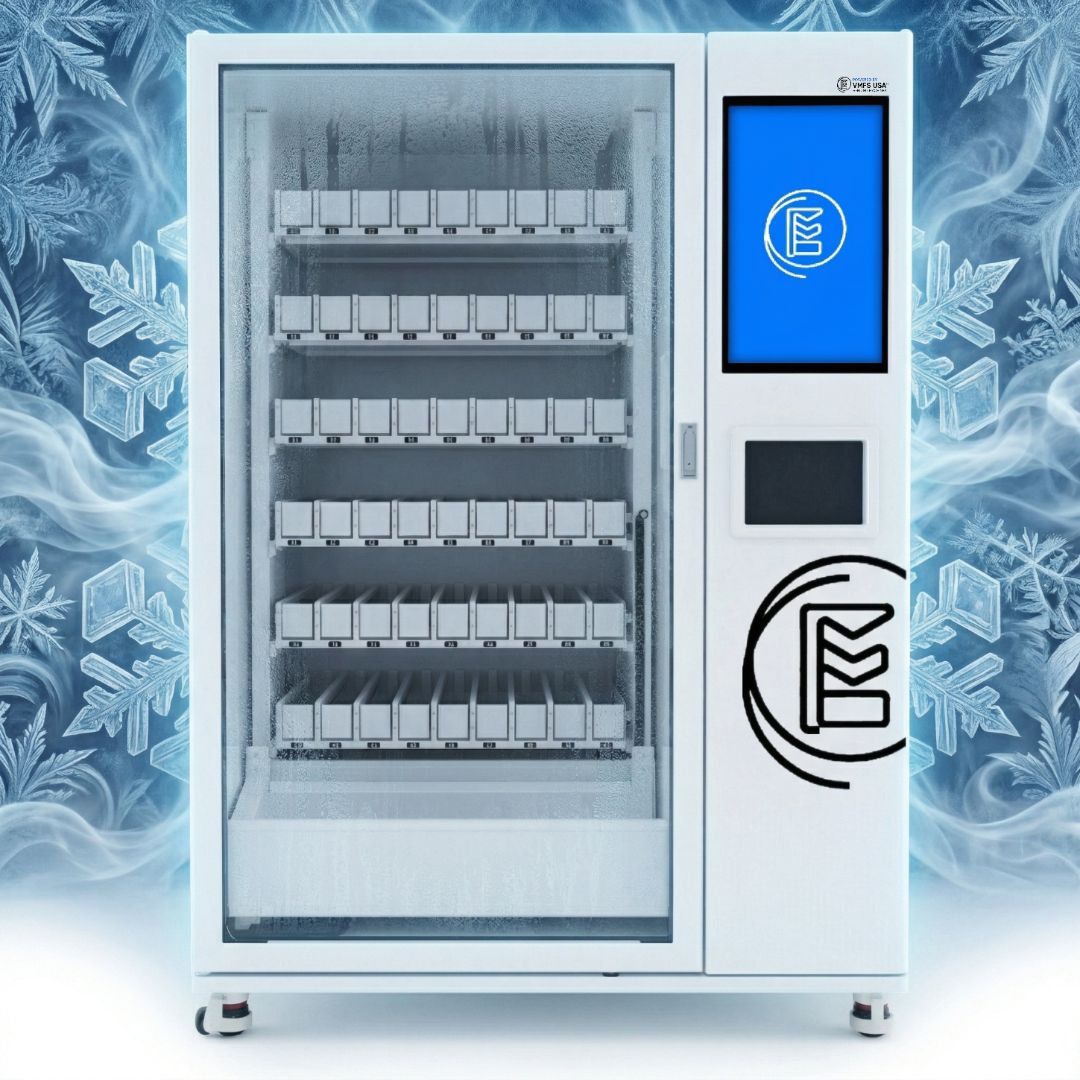
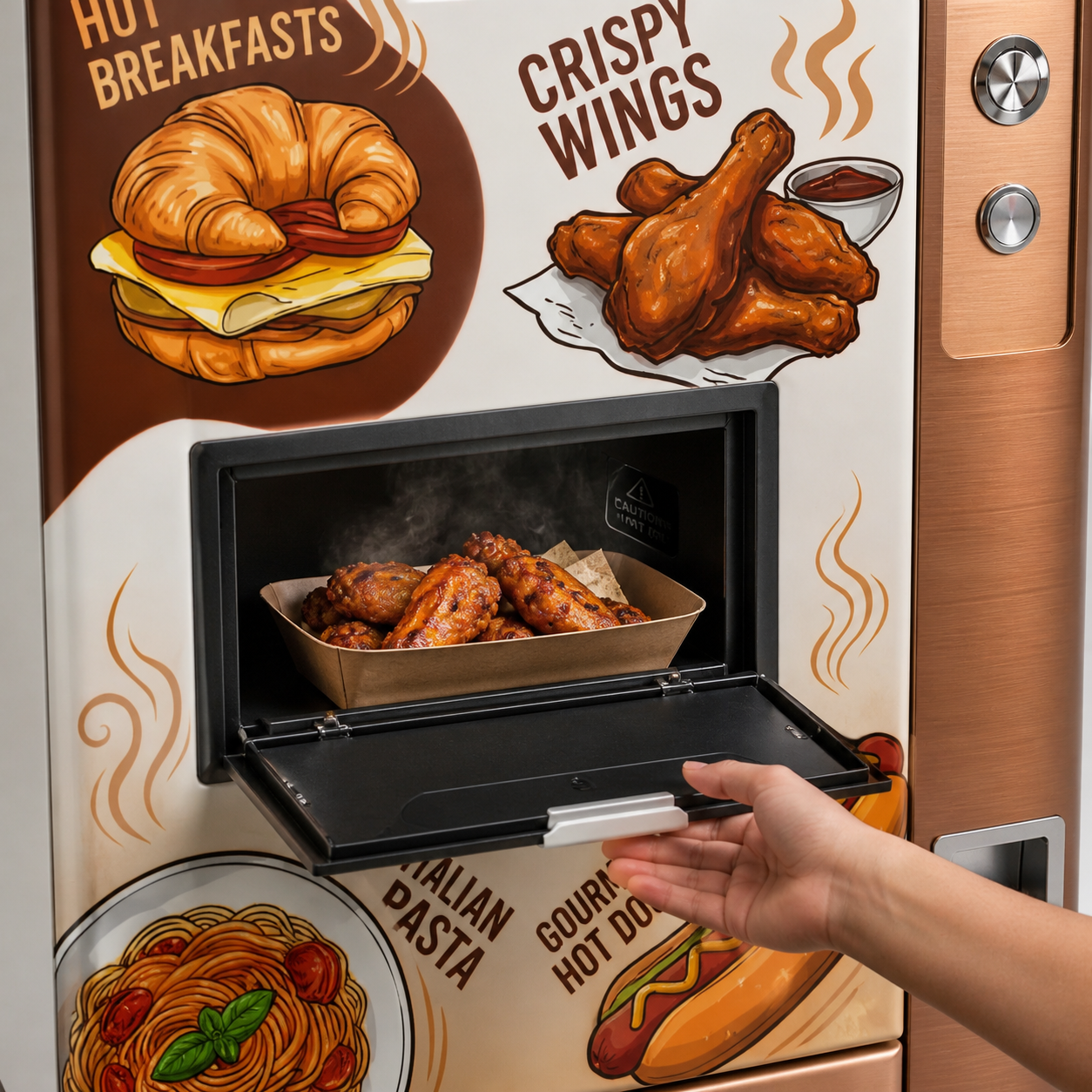
There are two common routes. The first is an automated, oven-equipped unit that stores dough or boxed pies, bakes inside the cabinet, and serves a hot pizza on demand. The second is a simpler vending approach that stores boxed pies in a cooled cabinet, uses rapid reheating, and focuses on reliable sales with less complexity. Both models have a place in the market. The difference is cost and the level of operations you want to manage.
If you want to see a straightforward option, browse our pizza vending machine. It is built for operators who want clear setup, dependable service, and predictable costs.
Let’s address the headline number. Automated, oven-style systems are often quoted between $75,000 and $110,000 in the United States. That figure typically includes a machine with integrated refrigeration, a cooking chamber, a large touchscreen, and payments. It may also include training and software access. The range is based on public pricing seen in the market for indoor, outdoor, and ATM-style units, and it can shift with freight, permitting, and local requirements.
Standard, non-oven pizza vending machines cost significantly less than the models with built-in ovens. Reliable units usually start around $10,000, and even larger or more advanced versions rarely exceed $20,000. The exact price depends on factors such as storage capacity, payment options, and delivery mechanism.
The sticker price is one part of your budget. To plan realistically, factor in the setup work around the machine. Here are the most common items operators include in their launch estimate.
Most locations already meet the basics for power and placement, but you still want to verify outlet capacity, floor clearance, and customer access. If the site needs electrical upgrades or minor finishes, account for that before delivery. Costs vary by building and local labor rates, but a simple prep often lands in a modest range.
Regulations differ by city and county. Some areas treat pizza vending like general food service. Others require specific approvals. Call your local officials early. Getting clarity up front keeps your timeline clean and prevents costly resets. If you are new to business ownership, our guide on How to Start a Vending Machine Business explains the basics of registering and setting up without overspending.
Large machines ship on dedicated freight, then move into place with dock equipment or pallet jacks. Ask for a quote based on your exact address and access details. If you have elevators or tight hallways, note those in advance so the delivery team brings the right gear. Good planning protects the machine and keeps your costs steady.
Modern systems accept tap, chip, and mobile wallets. Some operators also add bill acceptors for mixed audiences. Payment hardware is usually bundled, but it can be itemized depending on your processor. Include the merchant account fee in your monthly forecast, and confirm cellular or Wi-Fi options with your provider.
Start with a menu that moves. Box sizes, toppings, and price points should match foot traffic and dwell time. Airports, campuses, and residential towers may want different formats. Stock conservatively for week one, watch sales by daypart, and adjust quickly. A tight feedback loop protects freshness and keeps your cash unblocked.
Below are simplified examples to illustrate how investment profiles differ. These figures do not include tax and will vary by market, but they help frame the decision.
If you already know your target venue, it helps to map a 12-month forecast. Keep rent, utilities, and card fees conservative. Price your menu by what the location will bear, not by what a calculator suggests. The goal is consistent sell-through and a quick payback, not theoretical margins that never materialize. For a fuller look at revenue drivers, review Are Vending Machines Profitable?. It breaks down traffic, pricing, and product mix in plain terms.
Capacity is not only a storage number. It tells you how often you need to restock and how many missed sales you risk if you run out. Throughput is how quickly the machine completes each order. Oven units may bake per order, which affects lines during peaks. Heated-serve units move faster because the product is already prepped and ready. Faster service can lift total daily transactions, which improves payback even at lower equipment cost.
Two operators can buy the same machine and see different outcomes. The difference lives in three habits.
If you stay consistent on those three, a standard unit can reach breakeven far sooner than high-priced alternatives. That is why many owners start with one cabinet, prove the site, and add a second machine nearby. Scaling with a lower per-unit cost multiplies your coverage without stretching your budget.
You can review specs, photos, and pricing for a proven model on our product page. If you are ready to compare options or place an order, start with this pizza vending machine. If you plan to expand into other categories at the same site, you can also browse our full range of food vending machines.
Look for steady foot traffic, predictable peaks, and a simple path to power. Venues near dorms, late-night study spaces, gyms, and transit lines do well when the menu matches the moment. A good landlord is part of the equation. You want someone who understands that a clean, well-lit machine adds value to the property and supports it. If you are still searching for your first location, the checklist in How to Start a Vending Machine Business for Free will help you organize your outreach and avoid common missteps.
It is easy to pay for technology that sounds impressive but adds little to your site. Pick the machine that matches your real menu, not the one with the longest spec sheet. If a location wants fast service and simple choices, you do not need an on-board culinary lab.
The quickest way to lose momentum is an empty cabinet at peak time. Build a simple restock rhythm and stick to it. Your best marketing is a machine that never looks picked over.
Food permits can be straightforward, but the details are local. Take one morning to call your county office and ask exactly what they require for a pizza vending setup at your type of property. That one call can save weeks.
Assume a standard heated-serve unit with a lower upfront cost. Price each pizza to match your venue, then track daily transactions. Even conservative volume can create a steady monthly margin once the site is dialed in. Compare that to a high-cost oven system where the monthly payment or capital recovery pulls cash for a longer period. The unit with the faster payback is usually the one that asks less from day one and keeps maintenance light.
Some venues demand on-site baking for brand or experience reasons. If you run a showcase site where people expect the product to be baked inside the machine, an oven unit is a fit. Just treat it like a full equipment project with a premium budget and a longer plan to recover your investment. For most sites where speed and price matter more, a standard unit is the straightforward answer.
First-time owners, operators building a cluster of locations, and property managers testing 24-hour food access tend to see the best results here. Lower entry cost keeps risk in check. The learning curve is short. The service routine is simple. When the model works at one property, it is easy to replicate at the next without hunting for a larger budget.
Plan for basic upkeep and occasional part swaps. A clean cabinet and a quick response to alerts keep the machine online. With fewer complex subsystems, standard pizza vending usually means fewer service calls. That steadiness is a big part of the total value, even if it does not show up on a spec sheet.
When you request a quote, ask for a breakdown that separates the machine, freight, install, and any optional software or display add-ons. Clarity helps you compare offers and avoid surprises. If an estimate looks impressively low, check what was removed to get there. A clear quote builds trust on day one.
The main takeaway is simple. If you want the shortest path to a working pizza site, start with a standard heated-serve unit. The pizza vending machine on our site is built for that exact use case. It stores product cleanly, serves quickly, and keeps your costs predictable. If you already operate other categories, you can expand your footprint with matching cabinets from our lineup of food vending machines.
In the second half of this guide, we will dig deeper into specific ROI examples, monthly cost templates, and a clear checklist for evaluating locations. We will also answer common questions about performance, inventory planning, and the best way to grow from one site to five.
When considering the cost of a pizza vending machine, the real question is how long it takes to earn that investment back. This is where comparing high-end automated ovens and simpler heated-serve models makes sense. The difference is not just purchase price—it’s how fast you recover your cash and start seeing steady profit.
Let’s take an oven-equipped system with a price tag near $95,000. If you sell pizzas at $10 each and average 40 sales per day, your gross revenue is $400 daily, or about $12,000 per month. Subtract card fees, location rent, utilities, and restocking, and you might clear around $5,000 to $6,000 per month in net profit. At that pace, your breakeven period could be around 16–18 months. That is solid, but it requires high traffic and consistent maintenance.
Now compare a simpler unit priced far below that figure. At the same sales volume of 40 pizzas per day, you are making the same $12,000 gross per month. With lower financing costs and lighter operating overhead, you may net closer to $6,500 or more. This shortens your breakeven window to less than a year, even if your traffic dips occasionally. That speed is why many new operators choose a non-oven model first—it is a lower-risk way to enter the business and scale faster.
Running costs can make or break your forecast. Here’s what most owners see month-to-month:
Build these into your plan with conservative estimates. Even if sales dip one week, a lean cost structure will keep you profitable.
Where you place your pizza vending machine is more important than which unit you buy. High-traffic areas like airports, transit stations, and busy campuses generate faster turnover. Residential sites or workplaces may see steadier but smaller daily numbers. Matching the right machine to the right site is key. If you expect only 15–20 sales a day, a lower-cost heated model makes more sense. If you’re in a venue with thousands of visitors daily, an oven model could justify its higher price.
Automated oven-equipped models are often priced between $75,000 and $110,000. Standard heated-serve machines cost much less, giving operators a faster path to profitability.
Yes, with the right location and consistent restocking. Our detailed guide Are Vending Machines Profitable? breaks down how sales volume, pricing, and site agreements affect your bottom line.
You can review specs and options on our dedicated pizza vending machine page or browse more choices in our food vending machine lineup.
Beyond the machine itself, plan for site prep, permits, freight, and initial inventory. None of these are surprises if you ask the right questions up front, but they can stretch your budget if ignored.
For high-end oven units, 16–24 months is common depending on traffic. For simpler heated-serve models, ROI can be achieved in as little as 8–12 months.
The price tag of a pizza vending machine is only the first chapter. What matters more is how your model fits your location, your customer flow, and your appetite for risk. Oven-based systems deliver a premium experience but require patience before payback. Heated-serve models cost less, need less maintenance, and help new operators turn profit quickly. Both are valid, but the smarter move is the one that matches your goals today.
If you are ready to explore options, visit our pizza vending machine page. Or, if you want to compare across categories, explore our full food vending machines.
For anyone just beginning their journey, start with our guide on how to start a vending machine business and build the foundation for a profitable venture.


Share:
How Does a Pizza Vending Machine Works?
How Does a Pizza Vending Machine Works?