


Coffee Vending Machines in Detroit, MI
Transform your Detroit workplace with premium automated coffee solutions that boost productivity, employee satisfaction, and convenience every single day.
Deja de adivinar. Configure Your Coffee Vending Machine.
Answer a few quick questions about your location, your product mix, your temperature needs, and your budget. Our Coffee Vending System will match you with the right base model, add the right modules (refrigeration, ad screen, outdoor protection, payment suite), and show you real time pricing and lead time as you build.
Omita las idas y venidas. Omita la abrumadora hoja de especificaciones. Vea su configuración exacta, su costo exacto y su ventana de entrega exacta antes de comprometerse.
- Precios en tiempo real a medida que añade o elimina funciones
- Estimación del tiempo de entrega en tiempo real basada en su configuración
- Combinación de productos recomendada para su tipo de ubicación
- Capacidad, número de ranuras y límites de peso mostrados por configuración
- Opciones preestablecidas para alimentos, bebidas, electrónica, comercio minorista y congelados
Why Coffee Vending Machines?
A coffee vending machine transforms workplace break rooms across Detroit with fresh, premium beverages on demand. Our bean-to-cup vending machine technology freshly grinds whole beans for each order, delivering espresso, cappuccino, latte, mocha, americano, decaf, hot chocolate, tea, and 20+ specialty drinks in just 30 to 60 seconds. Whether you need a compact tabletop office coffee machine brewing 150 cups daily or the Coffee Pro XL flagship hot drinks vending machine producing 600 cups daily, bean-to-cup brewing excellence is guaranteed. These machines feature 9-bar espresso pressure, 3000W heating power, aluminum boiler with continuous temperature control, and programmable self-cleaning for effortless maintenance. The VMFS Cloud dashboard provides real-time sales and inventory tracking to optimize your beverage program. Explore our complete selection of
coffee vending machines
designed for Detroit businesses seeking superior quality and reliability.
Bean-To-Cup Brewing
Built-in grinder freshly grinds 7 to 16 grams of whole beans per order for true cafe-quality espresso, cappuccino, latte, mocha, and 20+ specialty drinks with no pre-ground coffee going stale
High-Capacity Brewing System
Capacity ranges from 150 cups per day on compact tabletop models up to 600 cups per day on the Coffee Pro XL flagship, with brewing time of 30 to 60 seconds per drink
Premium Drink Menu
Espresso, cappuccino, latte, mocha, americano, decaf, hot chocolate, tea selections, and iced coffee on select models, with adjustable strength, cup size, and ingredient ratios for every recipe
Automated Cleaning And Maintenance
Programmable self-cleaning of mixing circuits, product outlets, and grinder; tool-free access to removable parts; aluminum boiler resists scaling for long-term reliability rated for 750,000+ grinder cycles
VMFS Cloud Remote Management
Real-time sales, ingredient stock levels, fault alerts, and remote menu updates stream to the VMFS Cloud dashboard from any device, with U.S.-based support and software updates included
Why Coffee Machines Perform in Detroit, Michigan
Detroit's robust automotive and manufacturing corporate headquarters density drives consistent weekday office foot traffic across downtown and suburban business parks, making
coffee vending machines
an ideal fit for break rooms and lobbies where employees seek quick caffeine hits between shifts and meetings. The city's major medical centers, including Henry Ford Health System facilities, require 24/7 beverage solutions for night-shift staff and visitors, while Detroit's growing tech and startup scene in Corktown and Midtown creates younger workforces accustomed to on-demand specialty coffee. Bean-to-cup machines deliver fresh-brewed beverages in 30–60 seconds without barista overhead, perfectly matching the morning rush and afternoon slump patterns in these high-traffic venues, with capacities of 150–600 cups daily sustaining profitable operations at $300–$700 net monthly revenue per unit. Partnering with
professional placement services
ensures optimal machine placement in Detroit's venue mix of corporate offices, hospitals, and transit hubs, maximizing visibility and accessibility for your target customer base.
Best Locations in Detroit
High-value deployment sites where coffee vending delivers the strongest revenue per square foot.
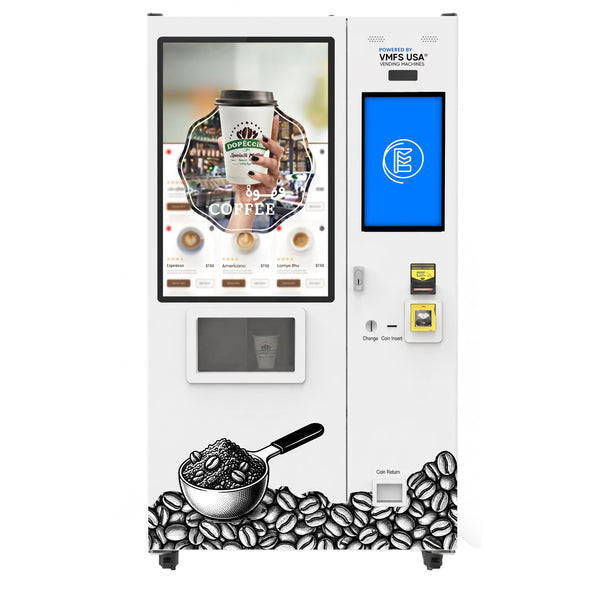
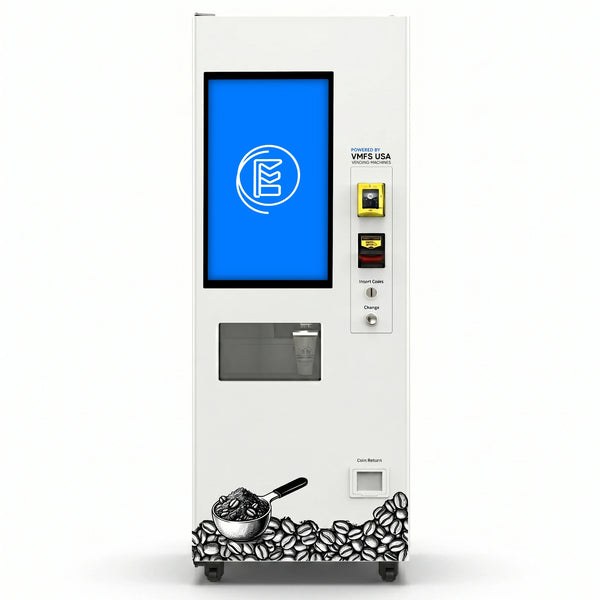
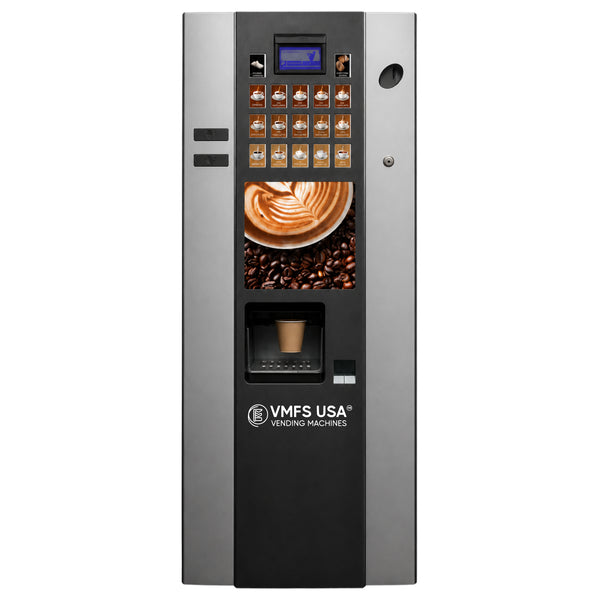
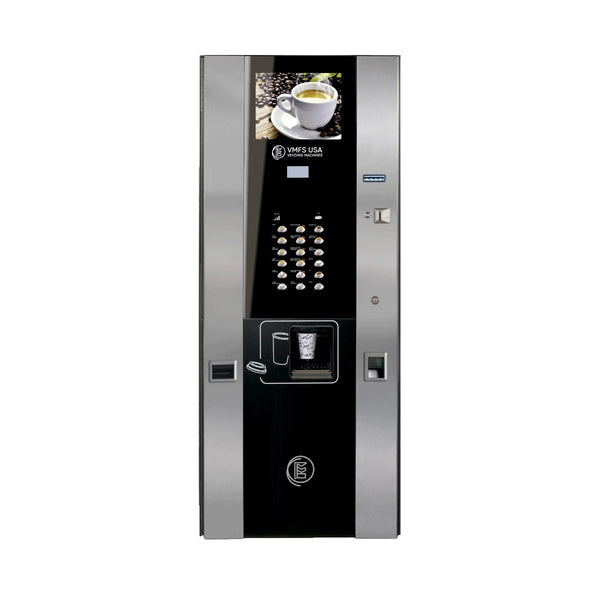
Coffee Vending Machines Available for Detroit
Every unit below ships configured, compliance-ready, and backed by VMFS Cloud monitoring.

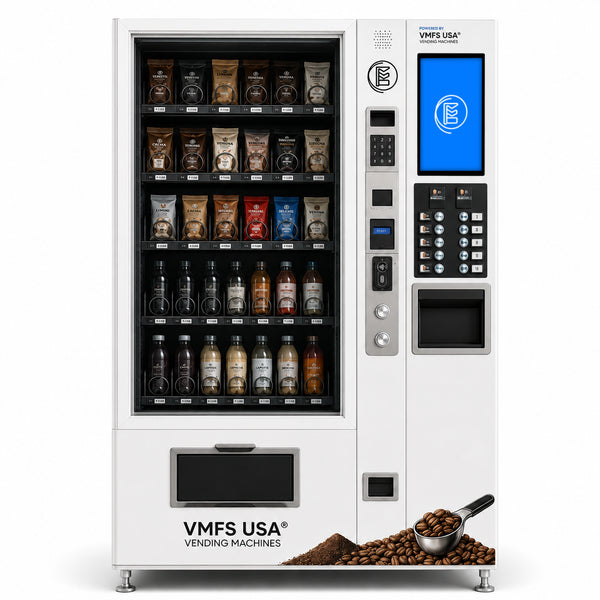
How Operators Use Coffee Vending in Detroit
Auto Manufacturing Plant Breakroom
Detroit's major automotive suppliers and assembly operations including Stellantis Detroit Assembly Plant, Ford Michigan Assembly Plant, and General Motors Detroit-Hamtramck Assembly employ thousands of shift workers across day, night, and weekend schedules. The coffee vending machine stocks espresso, cappuccino, latte, americano, and decaf to handle sustained morning and pre-shift caffeine demand. Bean-to-cup brewing delivers consistent quality across 200 to 600 cup per day capacity without requiring daily restocking, and the 9-bar espresso pressure system reliably handles hot drinks and espresso shots during compressed break windows. Net profit of 300 to 500 dollars monthly makes machine placement a no-cost employee retention amenity that reduces break room equipment burden on facility operations.
Downtown Corporate Office Tower
Properties including the Guardian Building, Fisher Building, and modern office stock in the financial district house legal firms, insurance companies, and professional services employers with morning coffee rush demand from 8 to 11 AM. Stocking includes espresso, cappuccino, latte, americano, and specialty hot chocolate for white-collar daily coffee purchasing. The coffee vending machine brews fresh bean-to-cup drinks in 30 to 60 seconds per cup, eliminating barista wait time and keeping breakroom coffee costs predictable through high-capacity 150 to 600 cup per day brewing without daily ingredient refills. Monthly net profit of 250 to 400 dollars per location justifies machine placement as a tenant amenity that reduces building owner capital spend on traditional breakroom equipment.
University and Research Campus
Wayne State University and University of Michigan-Dearborn campuses plus attached research facilities and dormitory complexes serve student and faculty populations with 24-hour demand spanning overnight study sessions and early morning lectures. The machine stocks espresso, cappuccino, iced coffee, hot chocolate, and tea to meet student preference for cold drinks and quick caffeine during late-night library hours and morning class sprints. Bean-to-cup brewing capacity of 150 to 600 cups daily ensures the coffee vending machine covers peak demand without stockouts, and real-time VMFS Cloud monitoring alerts operators to ingredient levels for reliable overnight access when campus food service is closed. Net profit of 200 to 350 dollars per machine monthly supports expansion across dormitories, student unions, and research commons where daytime and night shift caffeine purchasing compounds month over month.
Transit Hub and Hotel Lobby
Detroit Metropolitan Airport terminals, Amtrak station, and major hotel properties including downtown convention district properties serve travelers, conference attendees, and overnight guests requiring immediate hot beverage access without line wait. Stocking includes premium espresso, cappuccino, latte, americano, and specialty hot chocolate for both early morning airport departures and late evening guest requests. The coffee vending machine delivers 24-hour uptime with bean-to-cup brewing reliability for consistent guest experience, card and digital payment acceptance across credit, debit, Apple Pay, and Google Pay, and 150 to 600 cup per day capacity to handle sustained traveler volume without service gaps. Monthly net profit of 300 to 450 dollars per machine reflects high per-cup pricing and all-hours transaction volume that makes airport and hotel placement the highest-yield venue category for vending route operations.
What Ships With Every Coffee Unit
Regulations for Operating in Detroit, MI
Licensing, permits, sales tax, and health department standards for coffee vending operators in Michigan.
State License Requirements
In Michigan, the Department of Agriculture and Rural Development (MDARD) oversees food service licensing, including vending machines that dispense hot beverages. Operators selling coffee, espresso, milk-based drinks, hot chocolate, tea, and iced coffee from vending machines must obtain a Food Service License from MDARD. Michigan requires all vending machine operators to register with the Michigan Department of Treasury for sales tax purposes and obtain an Employer Identification Number (EIN) from the IRS; operators must also establish a business entity (sole proprietorship, LLC, corporation, or partnership) before licensing. For milk-based espresso drinks and other dairy products, operators must comply with Michigan's dairy handling and temperature control requirements: milk and milk products must be stored at 41 degrees Fahrenheit or below, and all milk-based beverages must be clearly labeled with ingredients and allergen warnings including dairy and nut allergens if present. Powdered milk and other dairy ingredients used in machine recipes must be labeled with manufacture and expiration dates. Vending machine operators must also comply with Michigan's Cottage Food Law and any applicable ingredient-disclosure rules for prepared beverages. Licenses must be renewed annually; operators should contact MDARD at (517) 373-1060 or visit michigan.gov/mdard for current fee schedules and renewal deadlines.
City and County Permits
In Detroit, Michigan, vending machine operators must obtain a Business License from the City of Detroit Business Licensing Division; the license is required for any person or entity conducting business within city limits. Operators must also obtain a Certificate of Use from the Detroit Planning and Development Department to confirm the proposed vending machine location complies with zoning regulations; some locations (commercial kitchens, food service areas, offices) may have specific zoning restrictions. A Fire Safety Inspection and Certificate of Occupancy from the Detroit Fire Department may be required depending on machine placement and electrical requirements; contact the Detroit Fire Department at (313) 628-2451 for inspection scheduling. At the county level, Wayne County does not impose a separate vending machine permit beyond the city requirements, but operators should verify any additional county health department oversight if machines are placed in county-operated facilities or schools. Detroit requires coin-operated machine operators to file a declaration with the Business Licensing Division listing each machine location, serial number, and owner information. Business licenses must be renewed annually; late renewal penalties vary and operators should contact the Detroit Business Licensing Division at (313) 628-2451 for current penalty schedules. Zoning and use permits should be verified before placement; contact the Detroit Planning and Development Department at (313) 628-2451.
Sales Tax Rate
The combined state and local sales tax rate in Detroit, Michigan is 6 percent, consisting of the Michigan state sales tax rate of 6 percent with no additional county or city surtax. Hot beverages prepared on-site by vending machines, including freshly brewed coffee and espresso-based drinks, are taxed as prepared food at the full 6 percent rate; iced coffee and other cold beverages may have different treatment depending on whether they are considered prepared food or packaged goods. Operators must register with the Michigan Department of Treasury to collect and remit sales tax; registration can be completed online at michigan.gov/taxes or by calling the Department of Treasury at (517) 636-4486. Out-of-state sellers with economic nexus in Michigan (generally defined as more than $100,000 in annual sales or 200 transactions) must register for Michigan sales tax and remit accordingly. Operators should consult with the Michigan Department of Treasury or a tax professional regarding the specific tax classification of their beverage offerings and any exemptions that may apply to particular products.
Health Department Standards
The Michigan Department of Health and Human Services (MDHHS) and the Detroit Health Department establish standards for food service vending machines. All coffee vending machines must be equipped with an aluminum boiler or stainless steel reservoir with continuous temperature control to maintain water at the appropriate temperature for safe hot beverage preparation; boiler temperature must be monitored and controlled to prevent bacterial growth and ensure safe hot beverage dispensing. Machines must feature food-contact surfaces that meet NSF or similar food-safety standards, automatic shut-off capabilities to prevent overheating, and programmable self-cleaning cycles to reduce pathogenic contamination. Machines must be placed in clean, dry, well-ventilated areas away from direct sunlight, moisture sources, and areas subject to excessive temperature fluctuation; Detroit's climate can involve cold winters and humid summers, so machines should be placed indoors or in climate-controlled enclosures to protect electronic and refrigeration components. Operators must date-mark all perishable ingredients, including powdered milk, dairy products, and flavor syrups, and ensure label visibility and legibility on all ingredient containers within or attached to the machine. Ingredient labels must include allergen warnings and clearly identify milk, nuts, soy, and other common allergens. The Detroit Health Department conducts unannounced inspections of food service vending machines; operators should maintain records of cleaning, restocking, and temperature logs and be prepared to demonstrate compliance upon inspection. Schools, healthcare facilities, and government buildings in Detroit may have secondary health department oversight or additional food service requirements; operators should verify placement requirements with facility management and the Detroit Health Department at (313) 628-2451. VMFS USA coffee vending machines deployed in Detroit ship with the appropriate spec standard, including an aluminum boiler with continuous temperature control and energy-saving design, and a 1-year standard warranty with extended coverage options.
Disclaimer
Regulatory information is for reference only and current as of 2026. Operators should verify current requirements with the relevant agency before deployment. VMFS USA is not a legal or tax advisor. For operator-side legal guidance covering placement contracts, host venue agreements, documentation, business incorporation, tax registration, licenses, and permits, operators can consult <a href="https://vadviced.com">VAdviced</a>. For professional placement and location matching support, operators can work with <a href="https://vplaced.com">VPlaced</a>.
Detroit at a Glance
Geographic Identity
- County
- Wayne County
- Metro Area
- Detroit-Warren-Dearborn
- Time Zone
- America/Detroit (Eastern Time)
- Area Codes
- 313, 248, 586
- ZIP Codes
- 48201 to 48299
- Primary Airport
- DTW Detroit Metropolitan Wayne County Airport
- Secondary Airport
- MBS MBS International Airport
- Major Port
- Port of Detroit, a major freshwater port on the Detroit River
- Nickname
- The Motor City
Market Stats
- City Population
- 639,111
- Metro Population
- 4.3 million
- Annual Visitors
- None
- Visitor Economy
- None
- Airport Passengers
- 36 million annual travelers through DTW
- Hospitality Jobs
- None
- Top Industries
- Automotive Manufacturing, Advanced Manufacturing, Healthcare, Technology and Innovation, Logistics and Distribution, Professional Services, Real Estate and Development
- Demand Driver
- Detroit's economy is driven by major automotive headquarters and suppliers, significant healthcare and medical research institutions, and growing technology and innovation sectors attracting corporate investment and talent.
Climate Profile
- Climate Zone
- Humid Continental
- Average Humidity
- 65 to 75 percent year round
- Summer High
- 82 to 86 degrees Fahrenheit typical with peaks to 90 degrees Fahrenheit in July and August
- Winter Low
- regularly below 20 degrees Fahrenheit, indoor placements recommended during winter months
- Seasonal Hazard
- Lake Effect Snow, November to March
- Environmental Exposure
- Heavy winter snow load and road salt exposure near major thoroughfares require reinforced structural specs and corrosion resistant hardware for outdoor placements.
- Deployment Note
- Detroit's humid continental climate with cold winters and heavy seasonal snowfall demands weatherproofed units with sealed electronics, enhanced drainage, and heated cabinets for refrigeration cycle support. VMFS ships all Detroit outdoor units with these specifications as standard.
Location & Service Area
- Key Neighborhoods
- Downtown Detroit, Corktown, Midtown, Rivertown, New Center, Cultural Center, Woodbridge, West Village, Sherwood Forest, Indian Village, Rosedale Park, East English Village
- Nearby Cities
- Dearborn, Dearborn Heights, Westland, Garden City, Inkster, Lincoln Park, Wyandotte, Romulus, Livonia, Troy
- Service Radius
- VMFS delivers, installs, and services machines throughout Wayne County and Oakland County, with extended coverage to Macomb County and surrounding areas on request.
Your Location. Working 24/7.
Answers to common questions from Detroit operators. Didn't see yours? Send us a message — our US-based team responds within one business day.
What net profit can a Detroit office or facility expect monthly from a coffee vending machine?
How does a hospital, university, or large employer in Detroit keep the machine stocked and fresh?
What electrical setup and space does the coffee vending machine require in a Detroit building?
What happens if the machine breaks down during a contract term in Detroit?
Does the coffee vending machine accept cashless payment methods used widely in Detroit?
How should a Detroit business owner identify the right venue and negotiate placement terms?
Deploy Coffee Vending Machines in Detroit, MI Today
Request a custom quote today for
coffee vending machines
at your location in Detroit, and we handle machine selection, delivery, configuration, and ongoing support from start to operation. Every deployment begins with a site assessment that covers foot traffic patterns, drink menu balance across espresso cappuccino latte and specialty hot drinks, ingredient canister capacity and power requirements, and network requirements for the cloud platform, with placement strategy available through our
placement experts
for operators seeking professional location matching in high-foot traffic offices, hotels, and waiting rooms to maximize daily cup volume. We scale from a single unit in a small medical clinic or bank branch to rollouts of 30 or more machines across a large automotive facility or university campus, and every quote includes hardware, installation, training, and 12 months of cloud monitoring at no extra cost.
Deploy Coffee Vending Across Detroit
1,200+ machines deployed. 1-year warranty standard. Free lifetime support. One team from site survey to uptime.