



Design the perfect vending solution for your location and customers.

Sales, inventory and alerts for your whole route, from one machine to a fleet.
Answer a few questions about your location, products and budget and get a shortlist.
Estimate revenue, payback period and margin before you buy.
Sales, setup help, warranty and parts from the VMFS USA team.
Join the VMFS newsletter and step into a thriving network dedicated to collective success.
One signup. Endless possibilities.
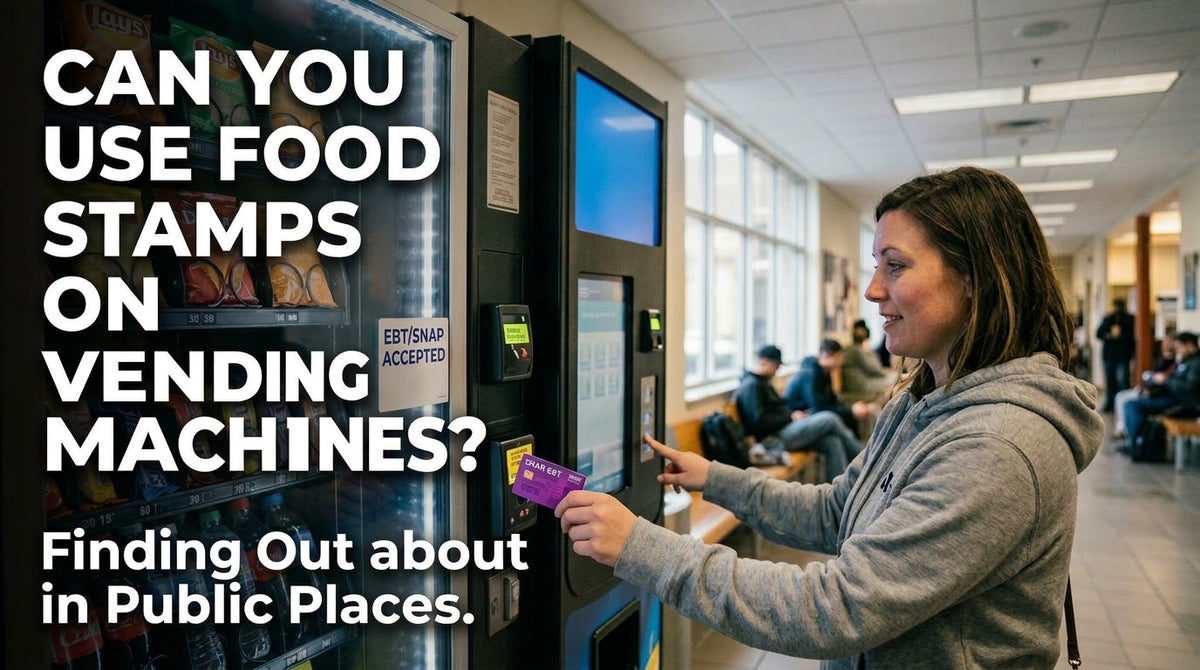
Supplemental Nutrition Assistance Program (SNAP) benefits, commonly known as food stamps, cannot be used on standard standalone vending machines because the vast majority lack United States Department of Agriculture (USDA) Food and Nutrition Service (FNS) authorization and specialized Electronic Benefit Transfer (EBT) card processing software. A consumer can only use food stamps on a vending machine if the machine is owned by an officially authorized SNAP retailer, equipped with an EBT-compliant Point-of-Sale (POS) terminal, and stocked exclusively with SNAP-eligible foods.
The USDA FNS strictly regulates automated point-of-sale systems to ensure federal nutrition funds purchase approved grocery items rather than hot meals, immediate-consumption snacks, or non-food commodities. While technology exists to handle EBT card transactions at automated kiosks, fewer than 1% of independent vending machines in the United States currently possess the requisite FNS permit and inventory profile needed to process SNAP EBT payments legally.

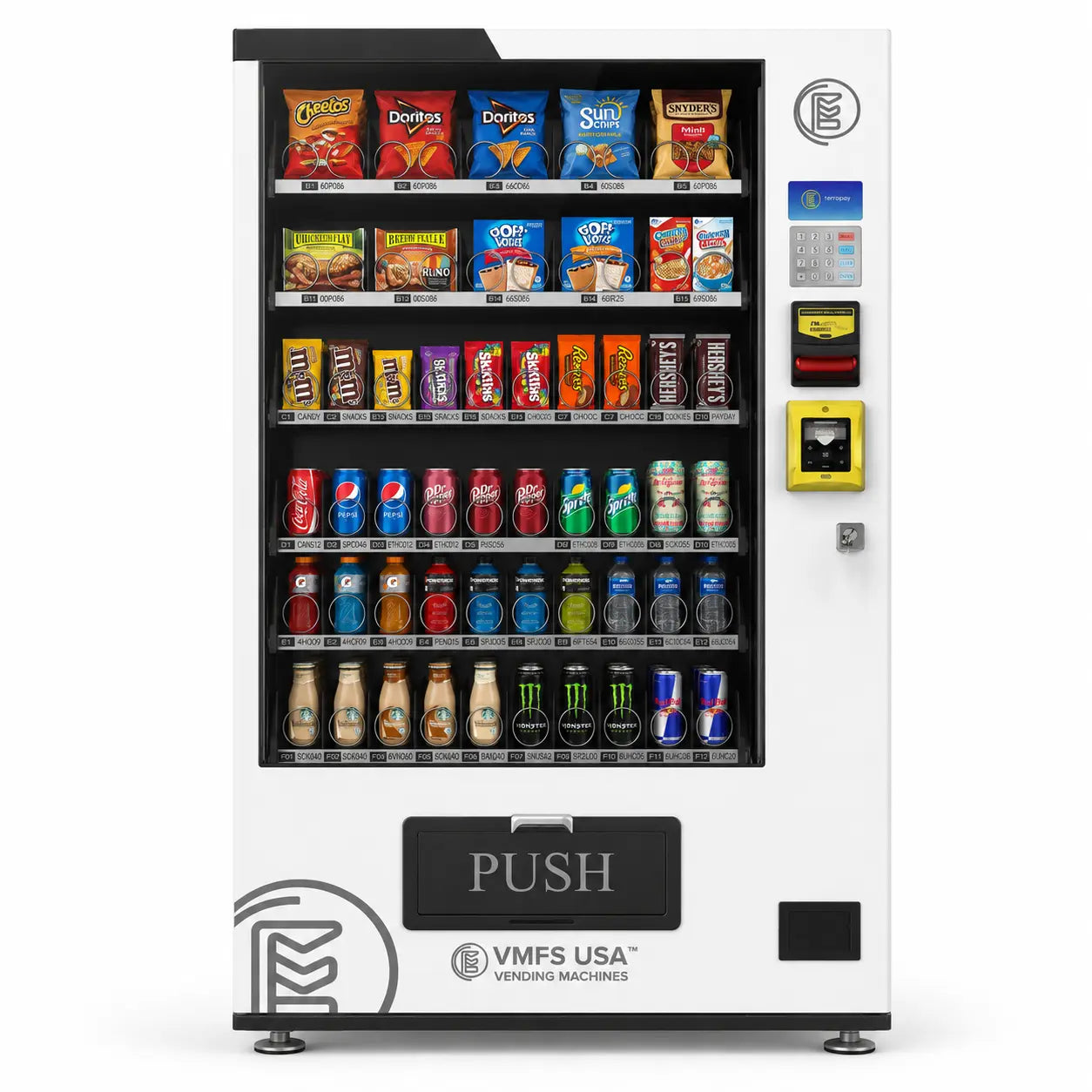
Most traditional glass-front snack and beverage machines reject EBT cards because their integrated card readers process transactions through commercial merchant credit channels rather than secure state EBT processing networks. Federal EBT processing requires a direct connection to state-level Quest network switches, which enforce strict Personal Identification Number (PIN) debit protocols and real-time balance inquiries. Commercial vending payment hardware is configured by default for Visa, Mastercard, American Express, or mobile wallets like Apple Pay, completely bypassing EBT routing pipelines.
Traditional vending operators stock inventory optimized for high margins, portable impulse consumption, and extended shelf life, which directly conflicts with federal SNAP retailer criteria. SNAP authorization requires retailers to continuously stock minimum quantities of fresh staple foods across four distinct nutrition categories, including perishables. Because typical vending route operators focus on single-serve confections, salty snacks, and sugar-sweetened beverages, their inventory mix fails federal staple food ratios, making them ineligible for FNS registration.
To gain authorization to accept SNAP EBT benefits, an automated retail operation or micro-market must satisfy the USDA FNS Criterion A inventory requirements. Under Criterion A, the location must continuously maintain at least 36 staple food items in stock at all times. These items must consist of at least three distinct varieties in each of the four official staple food categories: meat, poultry, or fish; bread or cereals; vegetables or fruits; and dairy products. Additionally, the inventory must include at least two perishable varieties in two different staple categories.
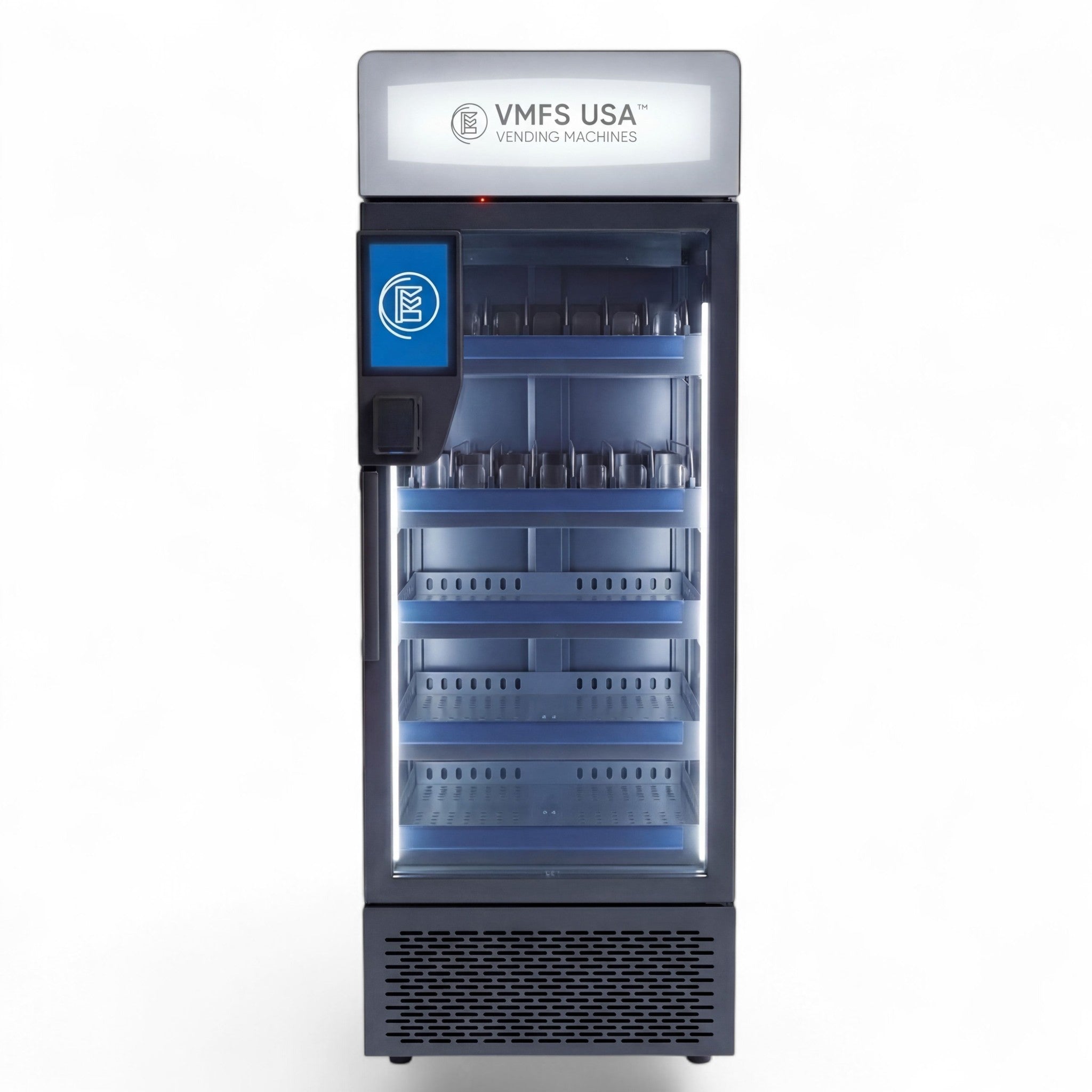
For a commercial vending operator working with a leading Vending Machine Company in USA, meeting Criterion A requires re-engineering machine planograms to incorporate fresh dairy, chilled produce, whole grains, and raw protein packs. Operators sourcing machinery from premier suppliers like VMFS USA utilize advanced climate-controlled hardware to maintain the strict temperatures required to preserve perishable staple items safely.

If an automated retail business cannot meet the 36-unit continuous inventory threshold of Criterion A, it can qualify under Criterion B. Criterion B mandates that more than 50 percent of the business’s total gross retail sales must originate from the sale of eligible staple foods. Specialty automated kiosks selling fresh fruits, chilled meats, or whole-grain breads can qualify under Criterion B even if total shelf storage capacity is constrained by machine dimensions.
Operators interested in reviewing official federal rules can examine the full USDA Food and Nutrition Service SNAP Retailer Eligibility Guidelines to determine whether their automated machinery fulfills FNS parameters. To launch an authorized retail point, vendors must register via the USDA FNS SNAP Retailer Application Portal before configuring payment infrastructure.
SNAP EBT benefits can only purchase cold, unheated food items intended for home preparation or general household consumption. In an authorized vending machine or micro-market kiosk, eligible selections include packaged nuts, granola bars, unsweetened fruit cups, bottled 100% juices, milk, chilled yogurt, cheese sticks, cold sandwiches, and salads. Selecting items containing a "Nutrition Facts" panel rather than a "Supplement Facts" panel ensures compliance under federal program rules.
stocking compliant product mixes requires reviewing lists of healthy food for vending machines to maximize consumer satisfaction while adhering to federal standards. Integrating balanced options supported by studies on vending machine and healthy snacks allows operators to drive higher unit sales among health-conscious consumers and SNAP participants alike.

Federal law prohibits SNAP benefits from being used to purchase hot foods, warm beverages, alcohol, tobacco, paper goods, or non-food items. Heating a food item prior to dispensing—or offering dispensing mechanisms that heat food inside the machine—automatically disqualifies the item from standard SNAP EBT redemptions. Additionally, items classified as dietary supplements, such as protein powders or energy shots carrying a "Supplement Facts" label, cannot be purchased with EBT funds.
Processing EBT card transactions at a vending machine requires specialized physical hardware and software integration. The machine must be equipped with a PCI-compliant PIN pad telemetry device capable of encrypted PIN entry, as state EBT systems mandate 4-digit PIN authentication for all SNAP purchases. The device must support dual-track payment processing to separate SNAP Food (EBT) balances from EBT Cash or standard debit/credit cards.
Modern smart vending machines incorporate multi-drop bus (MDB) controllers that communicate with cloud-based POS management systems. To understand how advanced hardware manages product storage and transaction flow, review the detailed breakdown of the cold food vending machine work process. Furthermore, understanding precisely how should food in vending machines be dispensed ensures that temperature controls, drop sensors, and elevator delivery arms maintain product safety without damaging delicate items.
Accepting EBT cards on multi-item vending kiosks requires Level 3 Itemization capability within the payment gateway software. When a consumer adds multiple items to a cart, the POS system must automatically perform "split-tender" processing, deducting SNAP-eligible items from the EBT balance while prompting the user to pay for ineligible items using cash or a credit card. Without real-time product-level filtering, an operator risks severe USDA penalties, including permanent FNS license revocation and financial fines for illegal benefit conversion.
Unattended micro-markets located in corporate breakrooms, hospitals, and educational facilities are far more likely to accept EBT than classic closed vending machines. Micro-markets feature open shelving, reach-in commercial refrigerators, and centralized self-checkout kiosks equipped with barcode scanners and full-featured PIN pads. Because micro-markets store dozens of product SKUs across all four staple food groups, they easily satisfy USDA Criterion A requirements.
+------------------------------------------------------------------------------------+
|                       MICRO-MARKET VS. STANDALONE VENDING                          |
+------------------------------------------------------------------------------------+
| Metric                     | Micro-Market Kiosk        | Standalone Vending     |
+----------------------------+---------------------------+----------------------------+
| Inventory Capacity         | 100-500 SKUs              | 20-50 SKUs                 |
| Barcode Scanning           | Individual Item Scan      | Selection Keypad           |
| EBT PIN Pad Capability     | Native Hardware           | Rare Retrofit Requirement  |
| USDA Approval Feasibility  | High (Meets Criterion A)  | Low (Fails Staple Mix)     |
| Average EBT Adoption Rate  | Growing Rapidly           | Under 1% Nationally        |
+------------------------------------------------------------------------------------+
Traditional glass-front vending machines operate with restricted shelf dimensions and limited coil selections, making it challenging to stock 36 distinct units of staple foods alongside traditional snacks. Consumers seeking convenience can read this practical guide on how to get food from a vending machine to understand how coil, conveyor, and elevator mechanisms deliver different types of packaged foods.
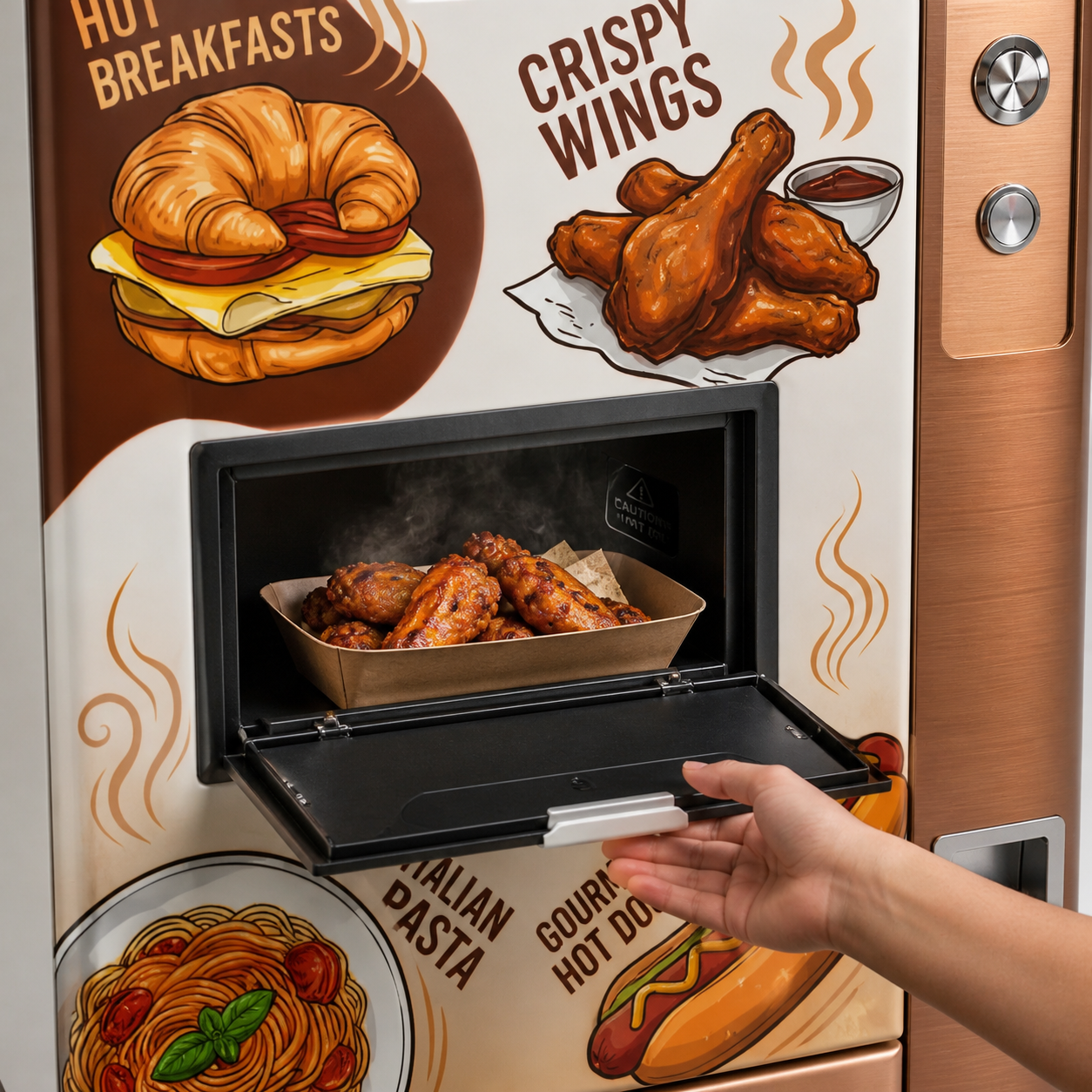
As a baseline rule under federal law, SNAP benefits cannot buy hot meals prepared for immediate consumption. Standard vending machines that cook, bake, microwave, or dispense hot foods automatically reject SNAP EBT card transactions.
The sole exception to the hot food prohibition is the SNAP Restaurant Meals Program (RMP). Under the RMP, individual states can elect to allow qualified SNAP recipients—specifically individuals who are elderly, disabled, or experiencing homelessness—to purchase hot, prepared meals at authorized restaurants and food establishments.
If a vending operator sets up an automated machine inside a state participating in RMP and secures explicit USDA FNS authorization as an RMP-approved provider, eligible individuals can buy hot meals using EBT. Operators building hot meal automated infrastructure should consult the comprehensive burger vending machine guide to evaluate how robotic heating elements process fresh hot entrees in regulated environments.
Pizza vending machines store frozen dough and raw ingredients, baking a hot, fresh pizza in under three minutes upon order selection. Because the final product is delivered hot and ready for immediate consumption, pizza vending machines are strictly classified as prepared hot food establishments. Consequently, standard EBT card transactions are automatically declined at pizza kiosks unless the machine is certified under the Restaurant Meals Program in an active state.
Operators seeking to deploy commercial pizza hardware can explore high-efficiency options like the Pizza Vending Machine from VMFS USA. To analyze market dynamics and business fundamentals surrounding automated pizzeria technology, review the following industry resources:
Technology & Trends: Discover how automated baking systems operate by reading how pizza vending machines deliver fresh slices.
Operational Mechanics: Understand internal convection ovens and temperature control by exploring how pizza vending machines work.
Financial Analysis: Evaluate capital investments and payback periods via a detailed pizza vending machine cost breakdown alongside total profitability of pizza vending machines.
Supply Chain Management: Identify raw ingredient sourcing channels by reading where to buy pizza for vending machines.
Commercial Growth Strategy: Assess scale, franchising options, and the broad commercial benefits of pizza vending within high-density environments, alongside long-term pizza vending machine investment growth.
Instant ramen noodle vending machines dispense dry noodle cups, inject boiling water automatically, and deliver a piping hot noodle soup within minutes. Under USDA rules, dispensing boiling water directly into a noodle cup converts a shelf-stable grocery item into a hot prepared meal, triggering the prepared food restriction. If the machine dispenses dry ramen cups without hot water, the transaction qualifies under standard SNAP EBT rules; adding automated hot water dispensing requires RMP authorization.
Businesses interested in automated soup kiosks can review the Ramen Noodle Vending Machine product line. For technical insights into thermal liquid dispensing, read about how we visited Venditalia and saw a cup noodles vending machine that dispenses hot water automatically. Operators can also examine the operational framework explaining how ramen vending machines work and evaluate business projections detailing whether ramen vending machines are profitable in high-traffic facilities.
Vending operators seeking to enter the SNAP EBT space must complete a multi-step compliance process overseen by federal regulators.
Submit Form FNS-252: Complete the online application for SNAP Retailer Authorization through the USDA FNS portal.
Provide Legal Documentation: Upload government-issued photo identification, Social Security numbers, business licenses, and state tax registration certificates for all corporate officers.
Pass Site Inspection: Allow a USDA FNS inspector to examine machine inventory, planograms, and temperature logging systems to confirm staple food compliance.
Obtain FNS Permit Number: Receive an official 7-digit FNS authorization number upon approval.
Configure POS Telemetry: Program the 7-digit FNS number into approved card processing gateways to enable Quest network EBT routing.
Before deploying equipment, vendors must secure appropriate municipal permits by reviewing how to get a food vending license. Operators launching hot meal platforms should read the blueprint on how to start a hot food vending machine business to align sanitation and licensing protocols.
Consumers looking for EBT-capable vending machines or micro-markets can identify approved locations using three verified approaches:
Official USDA SNAP Retailer Locator: Search the online USDA retailer database by entering a zip code to locate authorized micro-markets and automated retail stations.
On-Machine Decal Verification: Check the payment terminal for official "EBT Accepted Here" or "SNAP/Quest Network" decals displayed alongside card swipe slots.
POS Terminal Prompts: Observe the digital display screen during checkout; EBT-compliant terminals explicitly list "EBT Food" and "EBT Cash" as selectable payment options on the main screen.
Consumers seeking convenience machines in public facilities can search directory tools like vendingfinder.com to locate accessible vending hardware in their area.
Integrating EBT processing capabilities presents unique commercial advantages alongside stringent regulatory requirements for vending operators.
+------------------------------------------------------------------------------------+
|                         EBT INTEGRATION PROS & CONS MATRIX                         |
+------------------------------------------------------------------------------------+
| Advantages (Pros)                    | Disadvantages (Cons)                        |
+--------------------------------------+---------------------------------------------+
| Taps into $100B+ annual SNAP market  | High administrative hurdle for FNS permit   |
| Lower interchange processing fees    | Strict inventory monitoring requirements    |
| Higher transaction volume in underserved areas | Risk of FNS fines for illegal item sales |
| Increased customer loyalty & repeat visits | Elevated spoilage risks on fresh staples |
+------------------------------------------------------------------------------------+
Selecting the correct automated retail infrastructure determines whether an operator can successfully maintain SNAP EBT compliance over time.
+------------------------------------------------------------------------------------+
|                     AUTOMATED RETAIL MODEL COMPARISON TABLE                        |
+------------------------------------------------------------------------------------+
| Feature                  | Traditional Vending  | Micro-Market Kiosk | Smart Glass Kiosk |
+--------------------------+----------------------+--------------------+-------------------+
| EBT Compliance Rate      | Extremely Low (<1%)  | Very High (>85%)   | Moderate (30-40%) |
| Inventory Variety        | 20-40 SKUs           | 150-500 SKUs       | 50-100 SKUs       |
| Hardware Setup Cost      | Moderate ($3k-$8k)   | High ($8k-$20k)    | High ($6k-$14k)   |
| Theft Risk / Shrinkage   | Near Zero            | 2% - 5% Average    | Near Zero         |
| Primary Customer Base    | Impulse Snackers     | Full-Time Workers  | High-Density Transit|
+------------------------------------------------------------------------------------+
Operators seeking to capture market share in automated retail can source premium hardware engineered for high-capacity performance. VMFS USA provides industry-grade food vending systems equipped with modern payment gateway compatibility.
Explore high-performance commercial equipment designed for cold and hot food distribution:
Primary Commercial Line: Deploy versatile automated systems using Hot Food Vending Machines.
Compact Entree Kiosks: Maximize small footprints with the Mini Hot Food Vending Machine.
High-Capacity Meal Distribution: Service large industrial facilities using the Large Hot Food Vending Machine.
Pre-packaged Meal Systems: Serve office parks efficiently using the specialized Lunch Box Vending Machine.
Establishing an automated retail enterprise that accepts federal benefits requires rigorous business structuring to protect business assets and maintain tax compliance. Operators must select an appropriate legal entity before applying for FNS retailer authorization. Establishing formal liability protection separates personal assets from commercial liabilities generated during vending operations.
Vendors evaluating corporate legal structures should explore these specialized business formation services:
Limited Liability Company: Shield personal assets by choosing to form an LLC for a vending machine business.
Registered Agent Services: Maintain state regulatory compliance by assigning a certified registered agent for a vending machine business.
Sole Proprietorship Setup: Review operational considerations surrounding a simple sole proprietorship setup for vending.
Corporate Tax Structures: Evaluate scale advantages by analyzing C-Corporation structuring or electing S-Corporation tax status.
Securing profitable real estate for EBT-approved vending machines or micro-markets requires matching machines with receptive host locations. Property owners and facility managers looking to add automated food services can utilize the VPlaced location owner matching service to connect directly with vetted operators.
Once machines are placed, driving consumer awareness and local foot traffic requires dedicated marketing strategies. Vending businesses can scale their operational footprint by partnering with specialized industry platforms like vmarketed.com for digital promotion and brand visibility.
No, standard soda and snack vending machines do not accept EBT cards. They lack USDA retailer authorization and do not carry the minimum required inventory of staple food items mandated by federal law.
The transaction will be immediately declined at the payment card terminal. Regular vending card readers operate on commercial credit networks rather than state EBT Quest transaction channels.
Micro-markets accept EBT because they stock a wide selection of fresh staple groceries that satisfy USDA Criterion A rules. Additionally, their self-checkout terminals are equipped with PIN pads and barcode software capable of filtering eligible items.
No, hot pizza from a vending machine cannot be purchased with standard SNAP EBT benefits because federal law prohibits buying hot, prepared meals. The only exception is under the Restaurant Meals Program (RMP) for qualified individuals in participating states.
Energy drinks that feature a "Nutrition Facts" label are eligible for SNAP purchase, provided the machine is EBT-authorized. Energy drinks carrying a "Supplement Facts" label are classified as dietary supplements and are strictly ineligible.
Operators must apply for authorization through the USDA Food and Nutrition Service by completing Form FNS-252. They must demonstrate compliance with staple food inventory rules and install EBT-certified POS telemetry.
EBT Cash benefits can be used at any vending machine equipped with a debit card PIN pad that accepts Quest network cash transactions. Unlike SNAP Food benefits, EBT Cash operates like a standard debit card balance with no food restrictions.
Vendors who allow non-eligible items to be purchased with SNAP benefits face severe civil money penalties, temporary suspension, or permanent disqualification from the SNAP program. Criminal charges may also apply for intentional benefit trafficking.
EBT processing fees are typically lower than commercial credit card interchange fees because state contracts cap transaction rates. However, operators must pay for certified EBT telemetry hardware and software gateway subscriptions.
Recipients can search the official USDA SNAP Retailer Locator online to locate authorized micro-markets and automated kiosks. They can also look for official SNAP/Quest payment decals directly on machine payment faces.
Share:
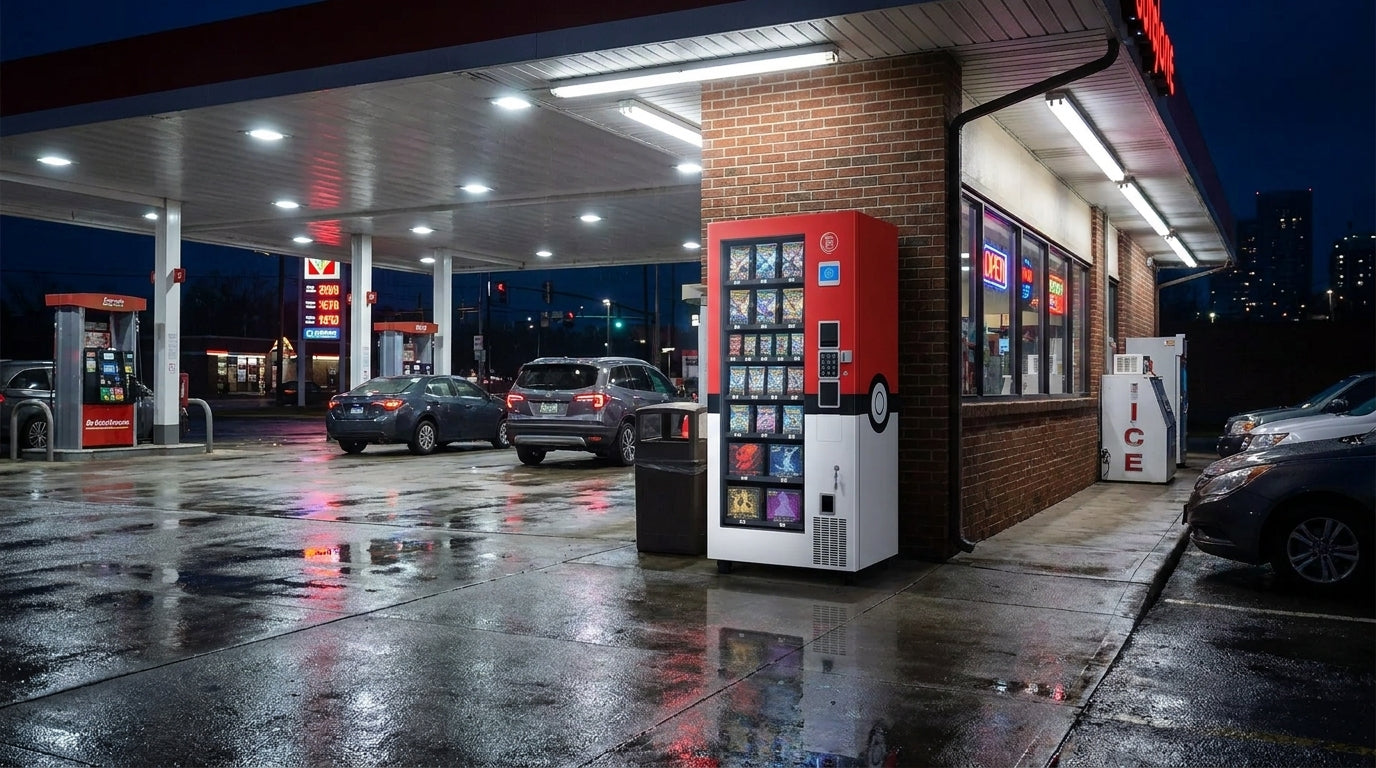
Mystery Ball Vending Machines: The Only Format Where the Customer Decides When to Stop
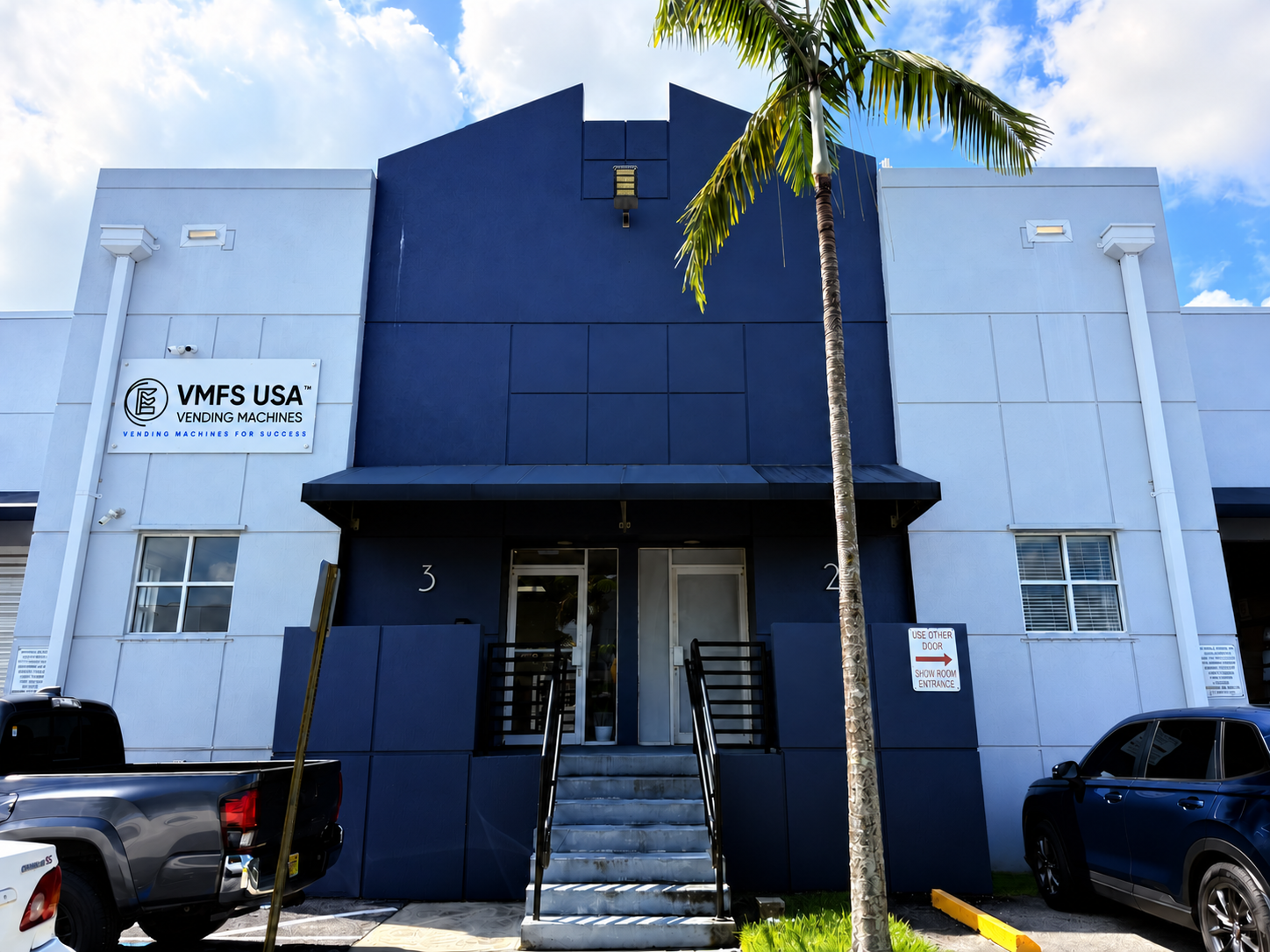
Vending Machine Showroom in Miami: Inside the VMFS USA Demo Floor, R&D Facility, and National Parts Network