


Elevator Vending Machines in Washington, DC
Premium elevator vending machines for Washington, DC buildings. Increase revenue, enhance tenant satisfaction, and maximize convenience in your property today.
Deja de adivinar. Configure Your Elevator Vending Machine.
Answer a few quick questions about your location, your product mix, your temperature needs, and your budget. Our Elevator Vending System will match you with the right base model, add the right modules (refrigeration, ad screen, outdoor protection, payment suite), and show you real time pricing and lead time as you build.
Omita las idas y venidas. Omita la abrumadora hoja de especificaciones. Vea su configuración exacta, su costo exacto y su ventana de entrega exacta antes de comprometerse.
- Precios en tiempo real a medida que añade o elimina funciones
- Estimación del tiempo de entrega en tiempo real basada en su configuración
- Combinación de productos recomendada para su tipo de ubicación
- Capacidad, número de ranuras y límites de peso mostrados por configuración
- Opciones preestablecidas para alimentos, bebidas, electrónica, comercio minorista y congelados
Why Elevator Vending Machines?
Premium Elevator Vending Machines in Washington, DC Experience the future of automated retail with premium
elevator vending machines
designed for Washington, District of Columbia's most demanding locations. Our innovative robotic lift system gently delivers products to the pickup tray with zero drops or damage, making them ideal for snacks, drinks, electronics, and fresh food. With capacities up to 800 slots and advanced remote cloud monitoring, these machines maximize revenue potential at high-volume locations while minimizing operational overhead. Perfect for offices, hotels, and commercial spaces seeking reliable, premium vending solutions that protect product integrity and enhance customer satisfaction.
Zero Product Damage
Robotic elevator lift delivers every item intact, protecting glass bottles, fresh food, electronics, and premium SKUs that coil machines physically destroy
High-Capacity Footprint
Up to 800 items across chilled, ambient, and frozen zones in a single cabinet — the highest SKU density in the industry
Premium Product Compatibility
Handles fragile, high-ticket, and temperature-sensitive inventory including glass-bottled beverages, sushi, salads, and small electronics
24/7 Cloud Monitoring
Real-time sales reporting, per-slot inventory tracking, temperature alerts, and cashless payment data stream to your VMFS Cloud dashboard
Why Elevator Machines Perform in Washington, District of Columbia
Washington's thriving convention and hospitality economy drives consistent foot traffic through hotels, airports, and office complexes where elevator vending machines excel. High-density venues like the Walter E. Washington Convention Center and Reagan National Airport create captive audiences in lobbies and corridors. Elevator placement solves critical problems: humid summers damage traditional machines, while elevator integration protects premium snacks and beverages during transit. Business travelers and convention attendees value frictionless purchasing between floors, making elevator vending a premium solution for D.C.'s dynamic commercial landscape.
Best Locations in Washington
High-value deployment sites where elevator vending delivers the strongest revenue per square foot.
Elevator Vending Machines Available for Washington
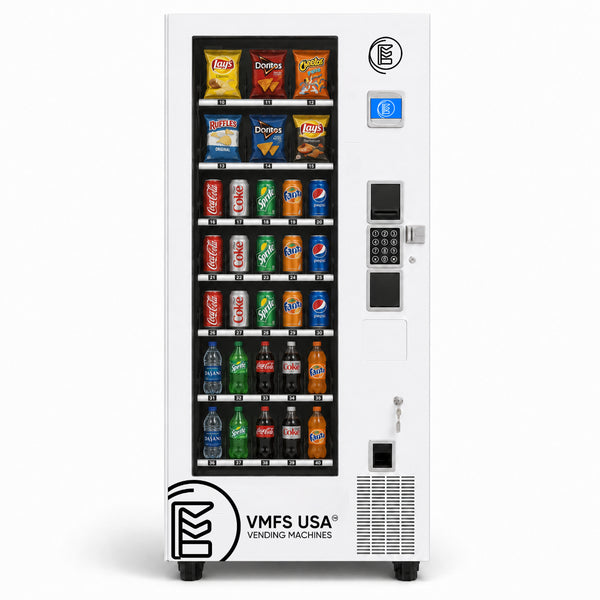
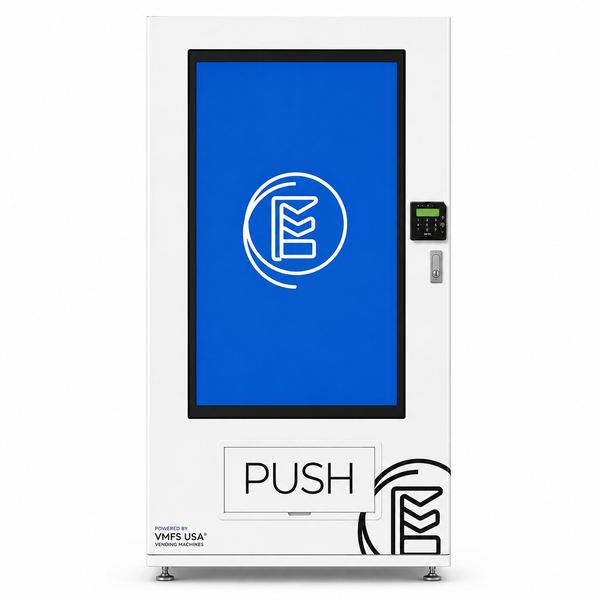
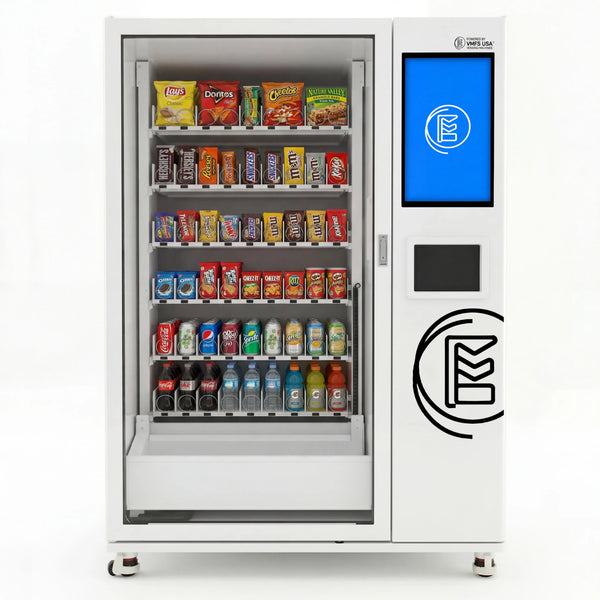
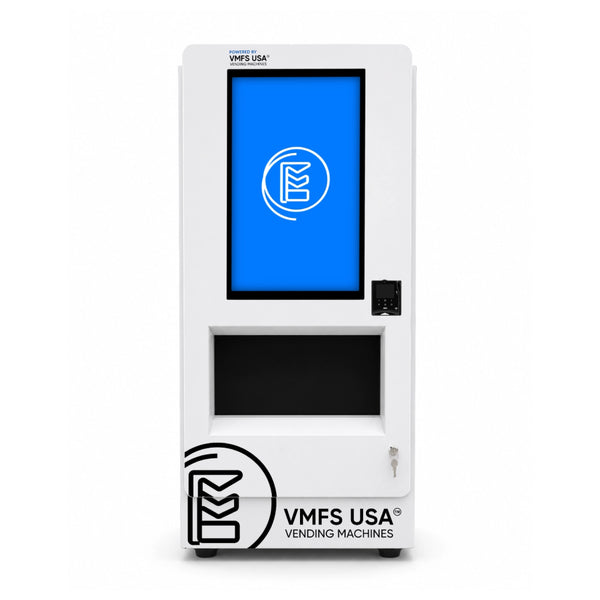
Every unit below ships configured, compliance-ready, and backed by VMFS Cloud monitoring.
How Operators Use Elevator Vending in Washington
Federal Office Building
Employees in the White House, State Department, and agencies clustered around the National Mall and Federal Triangle work long hours with limited break time, creating consistent demand throughout business days and into evenings. Machines stock fresh salads, cold pressed juices, kombucha, protein bars, and electrolyte beverages tailored to health conscious professionals. The elevator delivery unit protects delicate containers and glass bottles that would crack or leak in traditional coil machines, preserving the premium quality these high income workers expect. Federal employees represent stable, high volume traffic with government purchasing cards and mobile payment adoption, making this a reliable revenue stream with minimal churn.
Law Firm Office Tower
Washington's legal sector concentrates in prestigious buildings along K Street and near the Federal Courthouse, housing hundreds of attorneys and staff who bill by the hour and skip meals at their desks. Stocking focuses on premium snacks, gourmet sandwiches, specialty beverages, imported chocolate, and energy supplements that command 30 to 50 percent above retail pricing. An elevator delivery unit preserves the integrity of fresh food containers and chilled prepared meals that coil machines crush or dent, maintaining the quality positioning necessary for this demographic. Law firms view vending as a tenant amenity that reduces afternoon productivity loss and justifies premium office lease rates, creating powerful property owner alignment on machine placement and restocking frequency.
Think Tank And Research Institution
The Brookings Institution, American Enterprise Institute, and similar organizations clustered throughout Washington employ researchers and professionals requiring sustained nutrition during intensive work sessions and late night projects. Machines stock specialty coffee, matcha lattes, organic snacks, nuts, seeds, dark chocolate, and nootropic supplements aligned with intellectual worker preferences. The gentle elevator delivery system protects fragile items like glass bottles, supplement containers, and specialty food packaging that corridor vending machines would damage, preserving product quality and brand perception. These institutions generate predictable off hours traffic, weekend usage, and member loyalty that supports higher per unit revenue and reduced operational complexity compared to transient locations.
Museum And Cultural Institution
The Smithsonian museums along the National Mall, Kennedy Center, and Hirshhorn Museum serve both tourists and local members with extended operating hours and captive indoor audiences. Machines stock premium beverages, artisanal snacks, locally sourced items, water bottles, and specialty items at prices reflecting the venue's upscale positioning and visitor willingness to pay. Elevator delivery protects glass bottles, ceramic travel mugs, and premium packaging that cannot survive coil machine dispensing, maintaining the quality standard expected by cultural institution patrons. Museums generate year round traffic, operate during evening and weekend hours when external food options close, and attract visitors with discretionary spending power, making machine economics highly favorable.
What Ships With Every Elevator Unit
Regulations for Operating in Washington, DC
Licensing, permits, sales tax, and health department standards for elevator vending operators in District of Columbia.
State License Requirements
The District of Columbia Department of Health (DOH) and the Department of Consumer and Regulatory Affairs (DCRA) oversee vending machines in DC. Food vending machines that dispense potentially hazardous foods (those requiring time-temperature control for safety) require a mobile food facility license or retail food establishment license from DOH. Machines dispensing only shelf-stable snacks and non-potentially hazardous beverages may have different licensing requirements depending on classification. All vending operators must register for a DC business license through DCRA and obtain a sales tax identification number. There is no separate statewide vending operator license in DC; licensing is based on the type of food or merchandise being vended. Federal EIN and DC business entity registration are required. Tobacco vending machines are prohibited in DC. Alcohol vending is not permitted. Bottled water vending machines must comply with FDA bottled water standards. Permits and licenses typically require annual renewal. Operators should contact DCRA at (202) 442-4400 for business licensing and DOH at (202) 671-7431 for food facility licensing.
City and County Permits
Washington, D.C. requires a basic business license from DCRA for all vending machine operators, renewable annually. A Certificate of Use or Occupancy may be required depending on machine placement and building type. Zoning compliance is mandatory; vending machines in public spaces require approval from the DC Office of the Deputy Mayor for Operations and Infrastructure (ODMOI) or the relevant ANC (Advisory Neighborhood Commission). Fire safety inspections are conducted by the DC Fire and Emergency Medical Services Department and machines must comply with fire code placement requirements, including clearance from exits and sprinkler systems. No separate coin-operated machine declaration exists in DC, but machines must comply with general regulations. The District is a single jurisdiction with no separate county oversight. Renewal is typically annual with late penalties assessed if renewal deadlines are missed. Contact DCRA at (202) 442-4400 for business license information, the DC Fire Department at (202) 673-3320 for fire safety questions, and your local ANC office for zoning and public space placement.
Sales Tax Rate
The combined sales tax rate in Washington, D.C. is 6.0% (D.C. sales tax only; there is no additional county or city surtax). Most vended goods including snack foods, beverages, and prepared foods are subject to the 6.0% sales tax. Some items such as certain unprepared foods may have different treatment; operators should verify item-specific taxation with DCRA. Out-of-state vending operators with economic nexus to DC (including substantial property, payroll, or sales) must register for a DC sales tax license and remit taxes to the DC Office of the Chief Financial Officer (OCFO). Registration is available through the DC business portal and remittance is typically monthly or quarterly depending on sales volume.
Health Department Standards
The DC Department of Health establishes health code standards for vending machines under Title 25 of the DC Municipal Code. Food vending machines must have NSF-certified food-contact surfaces, accurate internal thermometers where applicable, and automatic temperature-control or shut-off features for potentially hazardous foods. Machines must be placed to prevent overhead leakage, water accumulation, and pest access, and surrounding floors must be clean and well-maintained. Operators must apply visible, legible date-marking and allergen labeling to all vended items. Food items must be stored at proper temperatures and protected from contamination. DOH conducts unannounced inspections of food vending machines and operators must maintain compliance records. Secondary oversight may apply if machines are placed in schools (DC Office of the State Superintendent of Education), healthcare facilities (facility health and safety officers), or government buildings (GSA or building management). Washington, D.C.'s humid subtropical climate and variable temperatures require machines to have robust temperature-control and condensation-management features. VMFS elevator machines deployed in Washington, D.C. ship with NSF-certified components, validated temperature-control systems, and compliance with DC health code standards.
Disclaimer
Regulatory information is for reference only and current as of 2026. Operators should verify current requirements with the relevant agency before deployment. VMFS USA is not a legal or tax advisor.
Washington at a Glance
Geographic Identity
- County
- Independent City
- Metro Area
- Washington-Arlington-Alexandria, DC-VA-MD-WV
- Time Zone
- America/New_York (Eastern Time)
- Area Codes
- 202, 771
- ZIP Codes
- 20001 to 20599
- Primary Airport
- DCA Ronald Reagan Washington National Airport
- Secondary Airport
- IAD Washington Dulles International Airport
- Major Port
- None
- Nickname
- The Nation's Capital
Market Stats
- City Population
- 705,749
- Metro Population
- 6.3 million
- Annual Visitors
- 24.6 million (2023)
- Visitor Economy
- 17.8 billion annual economic impact
- Airport Passengers
- 76 million annual travelers through DCA, IAD, and BWI
- Hospitality Jobs
- None
- Top Industries
- Government and Federal Administration, Tourism and Hospitality, Professional Services, Education and Research, Healthcare, Real Estate and Construction, Technology and Information Services
- Demand Driver
- Federal government presence, international diplomatic activity, major museums and cultural institutions, and consistent business travel drive sustained visitor traffic and economic activity year-round.
Climate Profile
- Climate Zone
- Humid Subtropical
- Average Humidity
- 55 to 75 percent year round
- Summer High
- 88 to 92 degrees Fahrenheit with high humidity from June through August
- Winter Low
- regularly between 25 to 35 degrees Fahrenheit, indoor placement recommended during winter months
- Seasonal Hazard
- None
- Environmental Exposure
- Urban heat island effect in central districts elevates temperatures 5 to 10 degrees Fahrenheit above surrounding areas, requiring enhanced cooling capacity for downtown placements.
- Deployment Note
- Washington's humid subtropical climate with hot summers and cold winters requires weatherproofed units with sealed electronics and reinforced refrigeration for summer cooling. Winter freezing risk necessitates heated cabinets or insulated compartments for sensitive equipment. VMFS ships all Washington outdoor units with weatherproofed housing, sealed electronics, enhanced cooling cycles, and winter heating specs as standard.
Location & Service Area
- Key Neighborhoods
- Downtown, Capitol Hill, Georgetown, Dupont Circle, Logan Circle, U Street Corridor, Shaw, Foggy Bottom, Navy Yard, Columbia Heights, Anacostia, Kalorama
- Nearby Cities
- Arlington, Alexandria, Bethesda, Silver Spring, Takoma Park, Falls Church, Annandale, Fairfax
- Service Radius
- VMFS delivers, installs, and services machines throughout Washington, D.C. and Arlington County, with extended coverage to Fairfax County and Prince George's County on request.
Your Location. Working 24/7.
Answers to common questions from Washington operators. Didn't see yours? Send us a message — our US-based team responds within one business day.
How does revenue sharing work, and when does the property owner receive payments?
What products work best in a Washington, DC office building or federal workspace, and how often does restocking happen?
What physical space and installation requirements apply, and can the operator handle setup?
What happens if the machine breaks down, and how quickly does the operator respond to service calls?
Does the machine accept credit cards, mobile payments, and contactless methods, or cash only?
How does seasonal tourism in Washington, DC affect machine placement and product strategy at hotels and museums?
Deploy Elevator Vending Machines in Washington, DC Today
Request a custom quote for your Washington, DC location and we'll handle machine selection, delivery, configuration, and ongoing support for your venue. Every deployment starts with a site assessment that covers foot traffic patterns, product mix alignment, power and network requirements, and compliance logistics specific to DC regulations and building codes. Whether you need a single unit in a boutique hotel lobby or a rollout of 40 or more machines across a corporate campus or medical center, the quote includes hardware, installation, staff training, and 12 months of cloud monitoring at no extra cost.
Deploy Elevator Vending Across Washington
1,200+ machines deployed. 1-year warranty standard. Free lifetime support. One team from site survey to uptime.