


Elevator Vending Machines in Minneapolis, MN
Maximize Your Revenue with Premium Elevator Vending Machines in Minneapolis
Transform high-traffic elevator spaces into profitable sales channels with our modern, reliable vending solutions today.
Deja de adivinar. Configure Your Elevator Vending Machine.
Answer a few quick questions about your location, your product mix, your temperature needs, and your budget. Our Elevator Vending System will match you with the right base model, add the right modules (refrigeration, ad screen, outdoor protection, payment suite), and show you real time pricing and lead time as you build.
Omita las idas y venidas. Omita la abrumadora hoja de especificaciones. Vea su configuración exacta, su costo exacto y su ventana de entrega exacta antes de comprometerse.
- Precios en tiempo real a medida que añade o elimina funciones
- Estimación del tiempo de entrega en tiempo real basada en su configuración
- Combinación de productos recomendada para su tipo de ubicación
- Capacidad, número de ranuras y límites de peso mostrados por configuración
- Opciones preestablecidas para alimentos, bebidas, electrónica, comercio minorista y congelados
Why Elevator Vending Machines?
Premium Elevator Vending Machines in Minneapolis, Minnesota Experience the future of automated retail with our premium
elevator vending machines
in Minneapolis, Minnesota. These innovative machines feature advanced robotic lift technology that gently delivers products to the pickup tray, eliminating drops and damage for optimal product integrity. Perfect for snacks, drinks, electronics, and fresh food, our machines offer up to 800 slots of storage capacity, making them ideal for high-volume, high-margin locations. Monitor your inventory and sales in real-time with our remote cloud-based management system, ensuring maximum profitability and operational efficiency for your Minneapolis business.
Zero Product Damage
Robotic elevator lift delivers every item intact, protecting glass bottles, fresh food, electronics, and premium SKUs that coil machines physically destroy
High-Capacity Footprint
Up to 800 items across chilled, ambient, and frozen zones in a single cabinet — the highest SKU density in the industry
Premium Product Compatibility
Handles fragile, high-ticket, and temperature-sensitive inventory including glass-bottled beverages, sushi, salads, and small electronics
24/7 Cloud Monitoring
Real-time sales reporting, per-slot inventory tracking, temperature alerts, and cashless payment data stream to your VMFS Cloud dashboard
Why Elevator Machines Perform in Minneapolis, Minnesota
Minneapolis's booming convention and hospitality economy creates ideal conditions for elevator vending machines, particularly in downtown hotels and the Minneapolis Convention Center where high-traffic corridors demand convenient 24/7 retail. Cold, humid winters make traditional outdoor vending impractical, while elevator placement in office towers along Nicollet Mall and corporate campuses near the airport solves last-minute shopper needs without requiring retail floor space. The city's significant business travel volume through Minneapolis-St. Paul International Airport ensures consistent elevator machine usage across connected hotels and transit hubs, where travelers need quick snacks, beverages, and impulse purchases during transit windows when ground-floor shops are closed or crowded.
Best Locations in Minneapolis
High-value deployment sites where elevator vending delivers the strongest revenue per square foot.
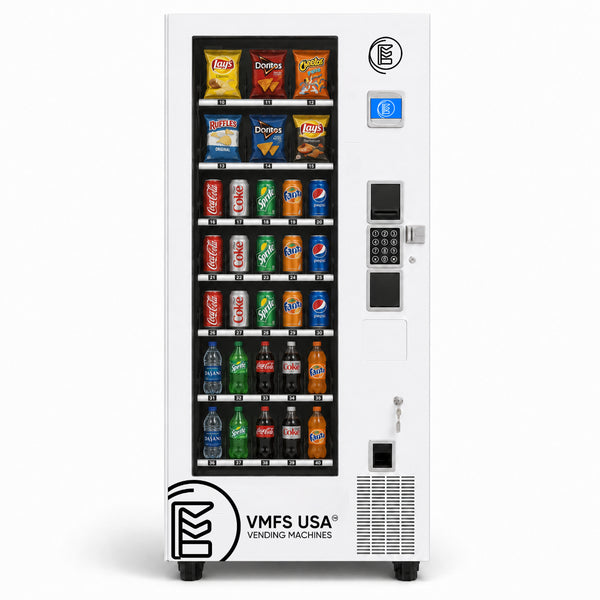
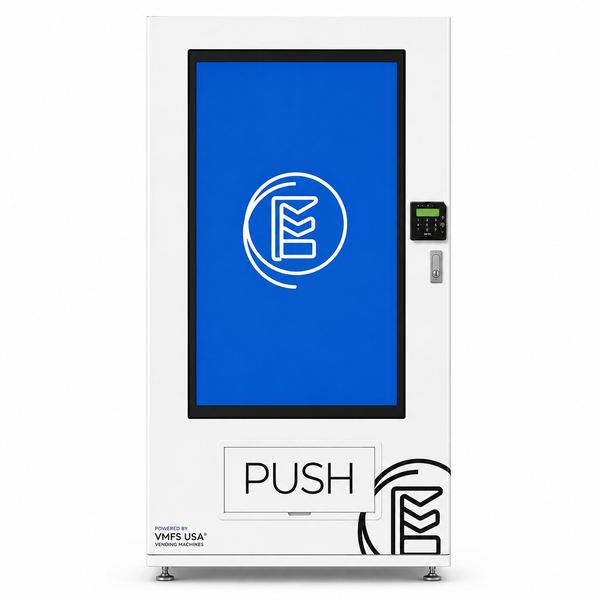
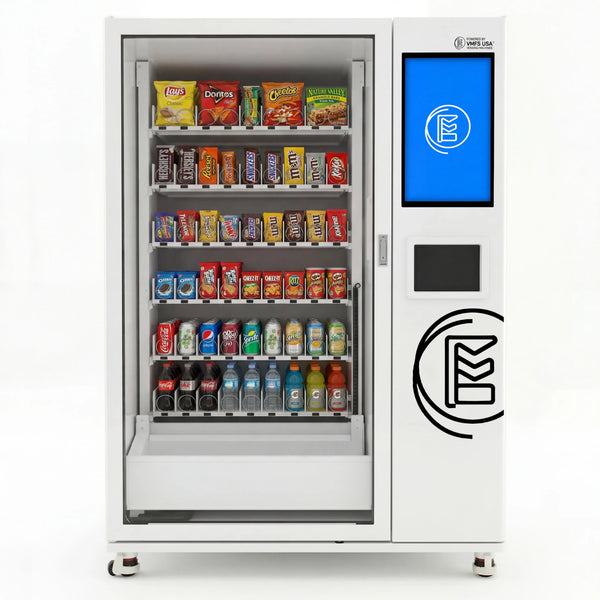
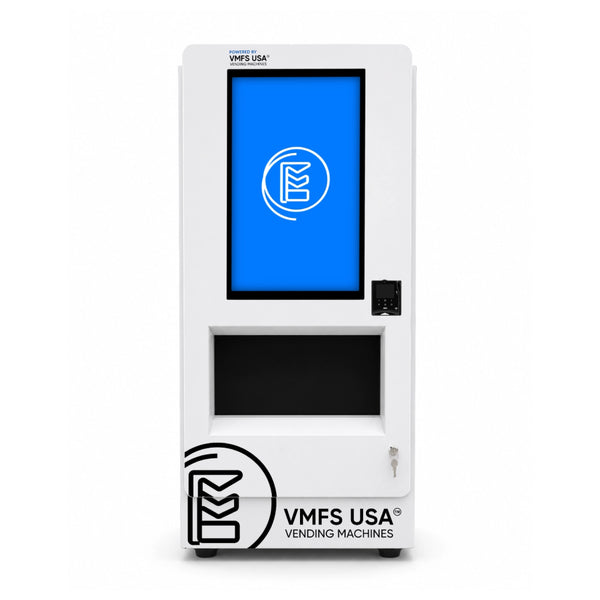
Elevator Vending Machines Available for Minneapolis
Every unit below ships configured, compliance-ready, and backed by VMFS Cloud monitoring.
How Operators Use Elevator Vending in Minneapolis
Medical Center Corridor
The University of Minnesota Medical Center and Mayo Clinic Health System facilities across Minneapolis draw patients, visitors, and medical staff through extended hours and high-stress environments where convenience vending generates steady revenue. An elevator delivery unit protects temperature-sensitive medications, nutritional supplements, and glass beverage bottles from the damage common in traditional coil machines. Reliable access to beverages, snacks, wellness products, and comfort items during off-hours when cafeterias close ensures consistent transaction volume and builds trust with hospital administrators seeking tenant amenities.
Corporate Office Tower
Downtown Minneapolis office complexes including IDS Center, 225 South Sixth, and major financial services headquarters concentrate professional workers who value quick nutrition between meetings and rely on vending for breakfast, lunch supplements, and afternoon energy. Stocking fresh salads, premium coffee beverages, protein options, and electrolyte drinks in an elevator delivery unit protects delicate food containers and glass bottles from impact damage that ruins margins. Office tenants expect reliable food access as a workplace amenity, making vending a high-margin recurring revenue stream that justifies premium machine placement in prime locations.
Hotel Corridor Downtown
Minneapolis hotels including the Marquette, Graves 601, and Renaissance Minnesota host business travelers and tourists who purchase snacks, beverages, phone chargers, and personal care items at rates 30 to 50 percent above retail throughout evening and early morning hours. An elevator delivery unit safeguards fragile phone chargers, glass bottles, and premium packaged goods from the vibration and impact damage that standard coil machines inflict. Revenue share agreements with hotel management on these high-margin impulse purchases create predictable income from guests seeking convenience when front desk services are unavailable.
University Student Housing
University of Minnesota dormitories and student residence halls concentrate young adults without cars who depend on in-building vending for late-night study snacks, beverages, protein supplements, and prepared foods when dining facilities close. An elevator delivery unit protects fresh food containers, electrolyte supplement bottles, and glass beverages from the mechanical damage that ruins inventory in traditional machines. Consistent after-hours demand from captive resident populations and reliable machine uptime earn strong per-unit revenue while meeting student expectations for accessible nutrition and convenience.
What Ships With Every Elevator Unit
Regulations for Operating in Minneapolis, MN
Licensing, permits, sales tax, and health department standards for elevator vending operators in Minnesota.
State License Requirements
Minnesota vending machines are regulated by the Minnesota Department of Health (MDH) under Minnesota Statutes Chapter 34A. Food vending machines that dispense potentially hazardous foods (those requiring time-temperature control for safety) require a food service license issued by MDH or a local health department. Machines vending only shelf-stable snacks and non-potentially hazardous items may operate under less stringent requirements but still require registration. Minnesota does not issue a separate statewide vending operator license; instead, operators must obtain a food service license if handling hazardous foods or register their business entity with the Minnesota Secretary of State. All vending operators must register for a Minnesota Sales Tax Permit with the Minnesota Department of Revenue and obtain an EIN from the IRS if operating as a business entity. Tobacco products in vending machines are prohibited for sale to minors and must comply with Minnesota Statutes Chapter 609.685; machines cannot be placed where minors have unsupervised access. Alcohol vending through machines is generally prohibited under Minnesota law. Bottled water and ice machines do not require a food service license if the water is commercially bottled and sealed or if ice is produced and handled according to health standards. Food service licenses are renewed annually, typically in the calendar year in which they are issued. Operators should contact the local health department in their operating jurisdiction for specific registration and renewal requirements.
City and County Permits
Minneapolis requires all vending machine operators to obtain a business license through the City of Minneapolis Finance Department. A Certificate of Use is required to verify the machine's intended location and use category. Zoning compliance must be confirmed with the Minneapolis Planning and Development Department; certain zoning districts restrict vending machine placement, particularly in residential zones. Fire safety inspection and approval from the Minneapolis Fire Department is required for machines placed in commercial buildings, public facilities, and multi-tenant spaces. Hennepin County does not issue a separate vending machine permit but operators should verify compliance with county building codes if machines are placed on county property. No specific coin-operated machine declaration is required at the city level, though operators must comply with all general business regulations. Surrounding municipalities such as St. Paul, Bloomington, and Edina have similar but separate permit requirements; operators should contact each municipality's business licensing office before deployment in those areas. Business licenses in Minneapolis are renewed annually and late renewal may result in penalties. The Minneapolis Finance Department (311 or (612) 673-2080) and Minneapolis Planning and Development Department (612) 673-2080 are primary contacts for permit and zoning inquiries. Fire safety inspections can be scheduled through the Minneapolis Fire Department.
Sales Tax Rate
The combined sales tax rate in Minneapolis, Minnesota is 8.375 percent, consisting of the state rate of 6.875 percent plus the Hennepin County rate of 1.5 percent. Food items including snacks, beverages, and prepared foods vended through machines are taxable at the full rate unless specifically exempted. Raw, uncooked food items are generally tax-exempt, but prepared snacks, candy, and beverages are taxable. Operators must register for a Minnesota Sales Tax Permit with the Minnesota Department of Revenue and are responsible for collecting and remitting sales tax on all taxable vended items. Sales tax returns are typically filed monthly or quarterly depending on sales volume. Out-of-state sellers with no physical presence in Minnesota are generally not required to collect sales tax unless they meet Minnesota's economic nexus threshold, which applies to remote sellers with over 100,000 dollars in annual sales into Minnesota or 200 or more transactions in the current or prior calendar year. VMFS USA operators should consult the Minnesota Department of Revenue for guidance on nexus and tax registration requirements specific to their sales volume and location.
Health Department Standards
Minnesota Department of Health and the Hennepin County Health Department enforce health standards for food vending machines under Minnesota Rules Chapter 4626 and 4628. All food vending machines must have stainless steel or food-grade surfaces, accurate internal thermometers visible to inspectors, and automatic temperature control with automatic shut-off capability for machines dispensing potentially hazardous foods. Machines must be screened or enclosed to prevent contamination and pest access. Placement requirements include protection from overhead leakage, clean and maintained flooring beneath and around machines, and compliance with Americans with Disabilities Act accessibility standards where applicable. Operational standards require date-marking of perishable products, clearly visible ingredient and allergen labeling, and adherence to cold chain protocols for temperature-sensitive items. The Hennepin County Health Department conducts unannounced inspections and compliance audits. Secondary oversight applies to vending machines placed in schools (Minneapolis Public Schools requires additional health and safety approvals), healthcare facilities (Minneapolis-based hospitals and clinics follow stricter sanitation standards), and government buildings (City of Minneapolis facilities require departmental approval). Minneapolis experiences variable winter temperatures and humidity conditions; machines must be equipped with heating and cooling systems appropriate to maintain food safety standards year-round, particularly during cold winter months when outdoor machines face freezing risks. VMFS USA elevator machines deployed in Minneapolis ship with food-grade stainless steel surfaces, calibrated thermometers, and climate-control specifications meeting or exceeding Minnesota Department of Health standards.
Disclaimer
Regulatory information is for reference only and current as of 2026. Operators should verify current requirements with the relevant agency before deployment. VMFS USA is not a legal or tax advisor.
Minneapolis at a Glance
Geographic Identity
- County
- Hennepin County
- Metro Area
- Minneapolis-St. Paul-Bloomington
- Time Zone
- America/Chicago (Central Time)
- Area Codes
- 612, 651
- ZIP Codes
- 55401 to 55499
- Primary Airport
- MSP Minneapolis-St. Paul International Airport
- Secondary Airport
- None
- Major Port
- None
- Nickname
- The City of Lakes
Market Stats
- City Population
- 397,853
- Metro Population
- 3.68 million
- Annual Visitors
- None
- Visitor Economy
- None
- Airport Passengers
- 37.5 million annual travelers through MSP
- Hospitality Jobs
- None
- Top Industries
- Healthcare and Medical Devices, Finance and Banking, Technology and Software, Manufacturing, Professional Services
- Demand Driver
- Major corporate headquarters, significant medical device and healthcare innovation sector, and strong regional business services economy drive substantial workforce and professional visitor traffic to Minneapolis.
Climate Profile
- Climate Zone
- Humid Continental
- Average Humidity
- 50 to 70 percent year round
- Summer High
- 85 degrees Fahrenheit or higher from June through August
- Winter Low
- regularly below 0 degrees Fahrenheit, indoor placements required during winter months
- Seasonal Hazard
- Winter Storm, November to March
- Environmental Exposure
- Heavy snow load and freeze thaw cycles require reinforced structural mounting and sealed drainage systems to prevent ice dam formation and water infiltration.
- Deployment Note
- Minneapolis outdoor vending requires weatherproofed units with sealed electronics, enhanced drainage, insulated compartments for winter operation, and corrosion resistant housing to withstand freeze thaw cycling and road salt exposure. VMFS ships all Minneapolis outdoor units with these specifications as standard.
Location & Service Area
- Key Neighborhoods
- Downtown Minneapolis, Northeast Minneapolis, Southeast Minneapolis, Southwest Minneapolis, North Minneapolis, Loring Park, Uptown, Phillips, Powderhorn, Calhoun Isles, St. Anthony, Dinkytown
- Nearby Cities
- St. Paul, Minnetonka, Bloomington, Edina, Plymouth, Richfield, Eden Prairie, Coon Rapids, Eagan
- Service Radius
- VMFS delivers, installs, and services machines throughout Hennepin County and Ramsey County, with extended coverage to surrounding counties including Dakota, Anoka, Washington, and Carver counties on request.
Your Location. Working 24/7.
Answers to common questions from Minneapolis operators. Didn't see yours? Send us a message — our US-based team responds within one business day.
How does revenue sharing work, and when does the property owner receive payment?
What products go into a vending machine at a Minneapolis office building or medical facility, and how often does restocking happen?
What space and electrical setup does the machine require, and how long does installation take?
If the machine breaks down or needs service, how quickly can the operator respond in Minneapolis neighborhoods like Uptown or Northeast?
Does the vending machine accept only cash, or can customers use cards and mobile payment apps?
How does seasonal traffic in Minneapolis, particularly winter months and the shift between indoor and outdoor venues, affect machine performance and product selection?
Deploy Elevator Vending Machines in Minneapolis, MN Today
Request a custom quote for your Minneapolis location and we handle machine selection, delivery, configuration, and ongoing support throughout your deployment. Every installation starts with a site assessment covering foot traffic patterns, product mix strategy, power and network requirements, and all compliance logistics specific to your venue. We scale from a single unit in a boutique hotel or medical office to a full rollout of 40 or more machines across a corporate campus or airport concourse, and every quote includes hardware, installation, staff training, and 12 months of cloud monitoring at no extra cost.
Deploy Elevator Vending Across Minneapolis
1,200+ machines deployed. 1-year warranty standard. Free lifetime support. One team from site survey to uptime.