


Elevator Vending Machines in Chicago, IL
Maximize Your Revenue with Modern Elevator Vending Machines Throughout Chicago's Busiest Buildings Today
Deja de adivinar. Configure Your Elevator Vending Machine.
Answer a few quick questions about your location, your product mix, your temperature needs, and your budget. Our Elevator Vending System will match you with the right base model, add the right modules (refrigeration, ad screen, outdoor protection, payment suite), and show you real time pricing and lead time as you build.
Omita las idas y venidas. Omita la abrumadora hoja de especificaciones. Vea su configuración exacta, su costo exacto y su ventana de entrega exacta antes de comprometerse.
- Precios en tiempo real a medida que añade o elimina funciones
- Estimación del tiempo de entrega en tiempo real basada en su configuración
- Combinación de productos recomendada para su tipo de ubicación
- Capacidad, número de ranuras y límites de peso mostrados por configuración
- Opciones preestablecidas para alimentos, bebidas, electrónica, comercio minorista y congelados
Why Elevator Vending Machines?
Premium Elevator Vending Machines in Chicago, Illinois Experience next-generation vending with our premium
elevator vending machines
in Chicago, Illinois. These innovative machines utilize advanced robotic lift technology to gently deliver products to the pickup tray, ensuring zero drops or damage—perfect for snacks, drinks, electronics, and fresh food items. With capacity for up to 800 slots and integrated remote cloud monitoring, these high-volume solutions maximize profits at busy locations. Ideal for offices, hospitals, and retail environments, our elevator vending machines combine durability, reliability, and superior product protection for the Chicago market.
Zero Product Damage
Robotic elevator lift delivers every item intact, protecting glass bottles, fresh food, electronics, and premium SKUs that coil machines physically destroy
High-Capacity Footprint
Up to 800 items across chilled, ambient, and frozen zones in a single cabinet — the highest SKU density in the industry
Premium Product Compatibility
Handles fragile, high-ticket, and temperature-sensitive inventory including glass-bottled beverages, sushi, salads, and small electronics
24/7 Cloud Monitoring
Real-time sales reporting, per-slot inventory tracking, temperature alerts, and cashless payment data stream to your VMFS Cloud dashboard
Why Elevator Machines Perform in Chicago, Illinois
Chicago's robust convention and hospitality economy drives exceptional elevator vending machine performance throughout the city's downtown corridor and O'Hare vicinity. High-rise hotels, corporate towers, and McCormick Place generate constant foot traffic in enclosed environments where traditional vending proves unreliable due to humidity fluctuations near Lake Michigan. Elevator placement captures captive audiences during peak transit times, while the machines' enclosed design protects premium snacks and beverages from moisture damage—a critical advantage during Chicago's harsh winters when lobby condensation damages standard inventory. Premium item sales flourish among business travelers and convention attendees seeking quality goods during brief elevator rides.
Best Locations in Chicago
High-value deployment sites where elevator vending delivers the strongest revenue per square foot.
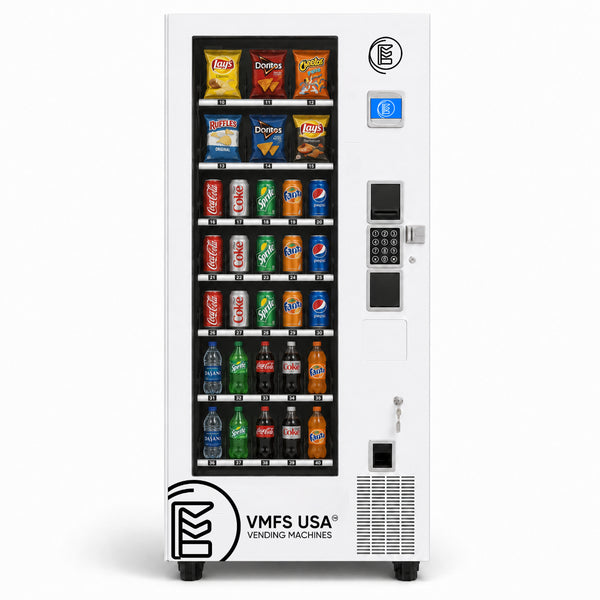
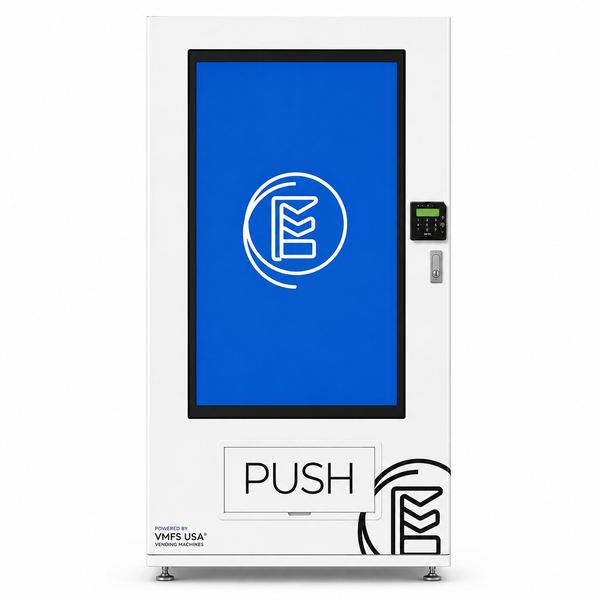
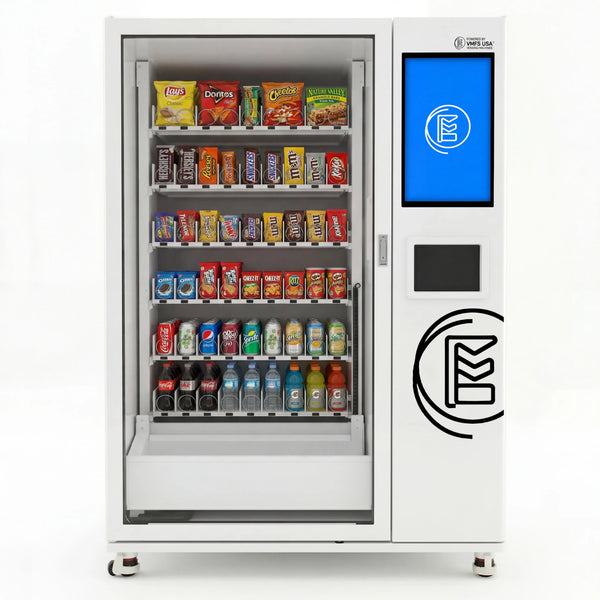
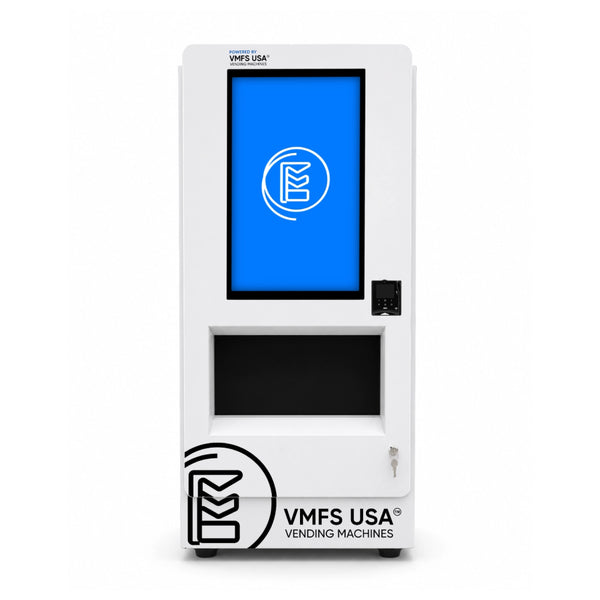
Elevator Vending Machines Available for Chicago
Every unit below ships configured, compliance-ready, and backed by VMFS Cloud monitoring.
How Operators Use Elevator Vending in Chicago
O'Hare And Midway Terminal
Travelers passing through O'Hare International and Midway Airport move through corridors in high volume during peak periods, creating consistent transaction density across security checkpoints, gates, and baggage claim areas. Elevator delivery units protect fragile electronics like phone chargers, tablet holders, and noise canceling earbuds from damage during installation and servicing, ensuring premium products arrive intact. Machine stocking includes premium snacks, electrolyte beverages, travel accessories, and single serve meals tailored to time-constrained passengers. Airport terminals generate transaction velocity that justifies premium pricing 30 to 50 percent above retail, with cashless payment adoption ensuring uptime through peak travel windows and overnight operational reliability.
Downtown Financial District Corridor
The Loop, Willis Tower, and Aon Center house thousands of office workers moving between buildings during lunch and afternoon breaks, generating sustained daily foot traffic in underground walkways and lobby spaces. Elevator delivery protects fresh food containers, cold pressed juice bottles, and supplement bottles from spillage and crushing during placement in lobby units, preserving product integrity and shelf appeal. Machine stocking includes fresh salads, premium sandwiches, cold brew coffee, kombucha, and protein supplements meeting the nutritional preferences of white collar workers during business hours. Office properties position premium vending as a tenant amenity that differentiates competitive real estate, justifying higher placement fees and revenue share arrangements that increase property value perception.
Hospital And Medical Campus Corridor
Rush University Medical Center, Northwestern Memorial, and University of Chicago Medicine employ thousands of staff, physicians, and support workers on rotating shifts requiring 24-hour access to food and beverage options outside regular cafeteria hours. Elevator delivery units prevent damage to glass beverage bottles, supplement containers, and delicate packaged goods during installation and restocking cycles, critical for maintaining food safety and product presentation in medical environments. Machine stocking includes protein bars, electrolyte powders, mineral supplements, sugar free beverages, and meal replacement options supporting healthcare workers during extended shifts and overnight rotations. Medical campuses demand reliable vending with zero downtime during peak patient and staff flow, and machines generate sustained transaction volume year round from workers unable to leave facilities during shift windows.
Hotel Corridor And Hospitality District
The Mag Mile, River North, and areas around major convention properties like the Hyatt Regency and Palmer House host thousands of hotel guests requiring late night and early morning access to premium beverages, snacks, and travel essentials. Elevator delivery protects glass bottles, fragile snack packaging, and electronics from damage during service, ensuring premium presentation for guests paying 30 to 50 percent above retail pricing and expecting quality consistency. Machine stocking includes premium wines and spirits, craft sodas, gourmet snacks, phone chargers, and personal care items matching the upscale expectations of hotel guests and business travelers. Hotel properties generate revenue share agreements based on per unit transaction volume, with nightly turnover rates from guest room occupancy creating reliable transaction flow that supports operator margins and property revenue participation.
What Ships With Every Elevator Unit
Regulations for Operating in Chicago, IL
Licensing, permits, sales tax, and health department standards for elevator vending operators in Illinois.
State License Requirements
In Illinois, vending machines are regulated by the Illinois Department of Public Health (IDPH). Food vending machines that dispense potentially hazardous foods (hot foods, foods requiring refrigeration) require a food service license, while machines dispensing only shelf-stable snacks, beverages, or non-food items do not require a food service license. All vending machine operators must register for an Illinois sales tax ID with the Illinois Department of Revenue. There is no separate statewide vending operator license; however, operators must register as a business entity (sole proprietorship, LLC, S-Corp, or C-Corp) and obtain an EIN from the federal IRS. Tobacco vending machines are prohibited in Illinois except in adult-only facilities; alcohol vending is not permitted. Bottled water dispensed from vending machines is subject to the same food service licensing as other beverage vending. Ice vending machines do not require a food service license if dispensing pre-packaged ice only. Food service licenses must be renewed annually, typically in the calendar year of issuance.
City and County Permits
In Chicago, all vending machine operators must obtain a Chicago business license from the City of Chicago Department of Business Affairs and Consumer Protection (BACP). Additionally, operators must obtain a Certificate of Use permit specific to vending machines, which requires site inspection and approval. Zoning compliance is mandatory; confirm your intended placement location is zoned to permit vending machines, as restrictions may apply in residential areas, near schools, or in certain commercial districts. Fire safety approval may be required depending on machine type and location; contact the Chicago Fire Department Bureau of Fire Prevention for guidance on hazardous materials or fuel-based machines. At the county level, Cook County does not impose a separate vending machine permit, but operators must comply with Cook County health department rules if machines are placed outside Chicago proper. All Chicago permits must be renewed annually. Late renewal penalties vary; contact BACP at 311 or visit their office for current penalty schedules. Coin-operated machine declarations are not required in Chicago, but operators must maintain proof of authorization from the property owner.
Sales Tax Rate
The combined sales tax rate in Chicago, Illinois is 10.25% (Illinois state rate of 6.25% plus Cook County surtax of 1.25% plus Chicago surtax of 2.75%). Food and beverages vended from machines are generally taxable in Illinois. However, unprepared foods (such as shelf-stable snacks, candy, and non-carbonated beverages) are exempt from sales tax; prepared foods and hot beverages are taxable. Operators must register with the Illinois Department of Revenue for a sales tax ID and file returns monthly or quarterly depending on sales volume. The economic nexus threshold for out-of-state vending operators is 200,000 dollars in annual sales into Illinois, above which you must collect and remit Illinois sales tax.
Health Department Standards
The Illinois Department of Public Health sets standards for vending machines dispensing food or beverages. All food service vending machines must have stainless steel or food-grade surfaces, built-in or accessible thermometers for temperature verification, and automatic shut-off mechanisms for heated or refrigerated compartments. Machines must be screened to prevent pest and dust contamination. Placement rules require machines be positioned away from overhead leakage (water pipes, air conditioning units), on clean level floors free of cracks or damage, and with adequate clearance for cleaning and service. Operators must date-mark all perishable items, ensure label visibility for allergen and ingredient information, and allow unannounced inspections by IDPH and Chicago Department of Public Health (CDPH) inspectors. The Chicago CDPH has secondary oversight of machines placed in schools, hospitals, government buildings, and food courts. Chicago winters are harsh; machines must have heating or insulation to protect products from freezing, and summer humidity requires adequate ventilation to prevent condensation. VMFS elevator machines deployed in Chicago ship with specifications compliant with IDPH and CDPH standards, including temperature monitoring and sealed compartments.
Disclaimer
Regulatory information is for reference only and current as of 2026. Operators should verify current requirements with the relevant agency before deployment. VMFS USA is not a legal or tax advisor.
Chicago at a Glance
Geographic Identity
- County
- Cook County
- Metro Area
- Chicago-Naperville-Elgin, IL-IN-WI
- Time Zone
- America/Chicago (Central Time)
- Area Codes
- 312, 773, 630, 847
- ZIP Codes
- 60601 to 60699
- Primary Airport
- ORD O'Hare International Airport
- Secondary Airport
- MDW Chicago Midway International Airport
- Major Port
- Port of Chicago, a major freshwater port on Lake Michigan
- Nickname
- The Windy City
Market Stats
- City Population
- 2,746,388
- Metro Population
- 9.6 million
- Annual Visitors
- 65.5 million (2022)
- Visitor Economy
- $74.6 billion annual economic impact
- Airport Passengers
- 84 million annual travelers through ORD and MDW
- Hospitality Jobs
- 172,000+ tourism and hospitality jobs across Cook County
- Top Industries
- Finance and Banking, Healthcare, Manufacturing, Logistics and Transportation, Technology, Professional Services, Tourism and Hospitality
- Demand Driver
- Major corporate headquarters density, world class medical institutions, extensive convention center capacity, and high international business travel demand drive strong year round foot traffic and consumer spending across Chicago.
Climate Profile
- Climate Zone
- Humid Continental
- Average Humidity
- 55 to 75 percent year round with winter lows near 50 percent
- Summer High
- 85 to 90 degrees Fahrenheit with occasional peaks above 90 degrees Fahrenheit from June through August
- Winter Low
- regularly below 20 degrees Fahrenheit from December through February, indoor placements recommended during winter months
- Seasonal Hazard
- Winter Blizzards and Ice, December to March
- Environmental Exposure
- Heavy winter snow load and ice accumulation require reinforced structural design and enhanced drainage to prevent water intrusion and equipment freeze damage.
- Deployment Note
- Chicago's humid continental climate demands weatherproofed units with sealed electronics, insulated compartments for winter operation, and reinforced refrigeration cycles to handle temperature extremes from below zero in winter to 90 degrees Fahrenheit in summer. VMFS ships all Chicago outdoor units with these specifications as standard.
Location & Service Area
- Key Neighborhoods
- Downtown, Loop, Wicker Park, Pilsen, Logan Square, Lakeview, Lincoln Park, Hyde Park, Bucktown, West Loop, Streeterville, Ukrainian Village
- Nearby Cities
- Evanston, Oak Park, Cicero, Skokie, Des Plaines, Schiller Park, Arlington Heights, Oak Lawn
- Service Radius
- VMFS delivers, installs, and services machines throughout Cook County, with extended coverage to DuPage and Lake counties on request.
Your Location. Working 24/7.
Answers to common questions from Chicago operators. Didn't see yours? Send us a message — our US-based team responds within one business day.
How does revenue split work, and when does the property owner receive payment?
What products stock inside the machine, and how often does restocking happen?
What space and installation does the machine require?
How are payment methods handled, and what happens if the machine malfunctions?
Does Chicago winter weather affect machine performance and sales volume?
What permits or licensing does the venue need to host a vending machine in Chicago?
Deploy Elevator Vending Machines in Chicago, IL Today
Request a custom quote for your Chicago location and we handle machine selection, delivery, configuration, and ongoing support for your site. Every deployment starts with a site assessment covering foot traffic patterns, product mix strategy, power and network infrastructure, and local compliance requirements across your property. We scale from a single unit in a boutique hotel lobby or medical office building to a full rollout of 40 or more machines across a corporate campus or O'Hare concession area, and your quote includes all hardware, professional installation, staff training, and 12 months of cloud monitoring at no extra cost.
Deploy Elevator Vending Across Chicago
1,200+ machines deployed. 1-year warranty standard. Free lifetime support. One team from site survey to uptime.