


Elevator Vending Machines in Charleston, WV
Experience convenient snacking on-demand with our innovative elevator vending machines—reliable, profitable solutions for Charleston businesses.
Deja de adivinar. Configure Your Elevator Vending Machine.
Answer a few quick questions about your location, your product mix, your temperature needs, and your budget. Our Elevator Vending System will match you with the right base model, add the right modules (refrigeration, ad screen, outdoor protection, payment suite), and show you real time pricing and lead time as you build.
Omita las idas y venidas. Omita la abrumadora hoja de especificaciones. Vea su configuración exacta, su costo exacto y su ventana de entrega exacta antes de comprometerse.
- Precios en tiempo real a medida que añade o elimina funciones
- Estimación del tiempo de entrega en tiempo real basada en su configuración
- Combinación de productos recomendada para su tipo de ubicación
- Capacidad, número de ranuras y límites de peso mostrados por configuración
- Opciones preestablecidas para alimentos, bebidas, electrónica, comercio minorista y congelados
Why Elevator Vending Machines?
Discover premium
elevator vending machines
in Charleston, West Virginia that revolutionize retail automation. These sophisticated units utilize advanced robotic lift technology to gently deliver products directly to the pickup tray, eliminating drops and damage while protecting inventory integrity. Perfect for snacks, beverages, electronics, and fresh food items, these machines accommodate up to 800 slots for maximum product variety. With cloud-based remote monitoring capabilities, operators gain real-time inventory insights, sales analytics, and machine performance data, making them ideal investments for high-volume, high-margin locations seeking reliable, damage-free vending solutions.
Zero Product Damage
Robotic elevator lift delivers every item intact, protecting glass bottles, fresh food, electronics, and premium SKUs that coil machines physically destroy
High-Capacity Footprint
Up to 800 items across chilled, ambient, and frozen zones in a single cabinet — the highest SKU density in the industry
Premium Product Compatibility
Handles fragile, high-ticket, and temperature-sensitive inventory including glass-bottled beverages, sushi, salads, and small electronics
24/7 Cloud Monitoring
Real-time sales reporting, per-slot inventory tracking, temperature alerts, and cashless payment data stream to your VMFS Cloud dashboard
Why Elevator Machines Perform in Charleston, West Virginia
Charleston's thriving convention and hospitality sector drives consistent foot traffic through downtown hotels and the Charleston Convention Center, where elevator vending machines excel. West Virginia's humid climate creates challenges for traditional ground-level vending—moisture damages snacks and beverages—but enclosed elevator machines protect inventory while reaching guests across multiple floors. Business travelers and convention attendees value quick, 24/7 access to premium snacks and drinks without leaving their hotels. Elevator placement in high-rise lobbies captures captive audiences during peak transit times, generating superior sales compared to street-level competitors while reducing restocking frequency in challenging weather conditions.
Best Locations in Charleston
High-value deployment sites where elevator vending delivers the strongest revenue per square foot.
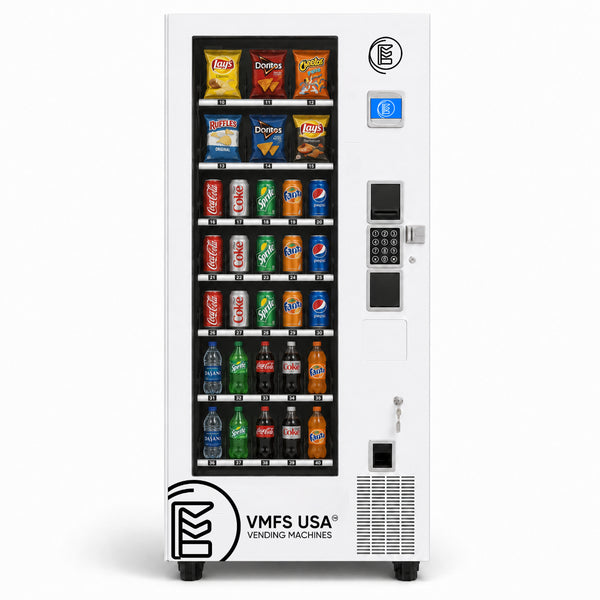
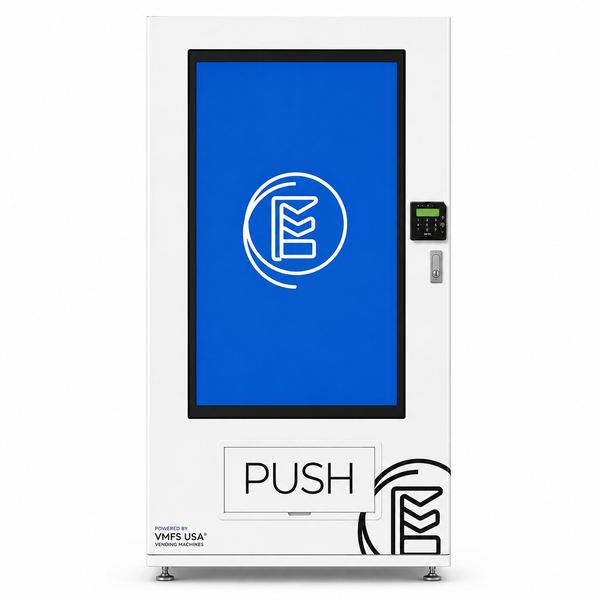
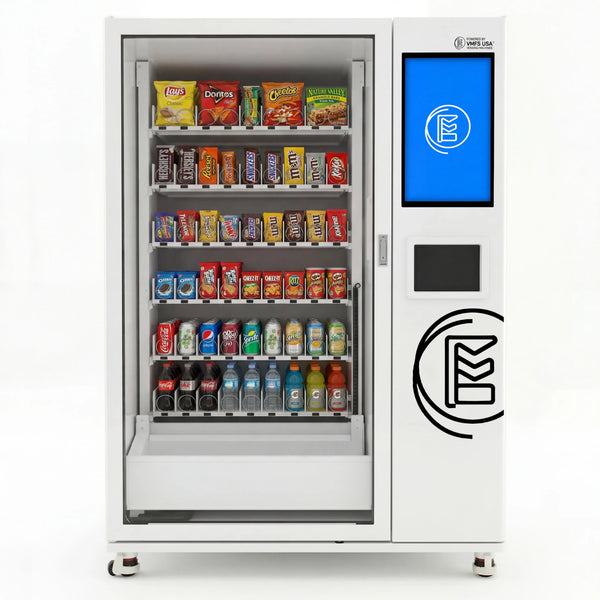
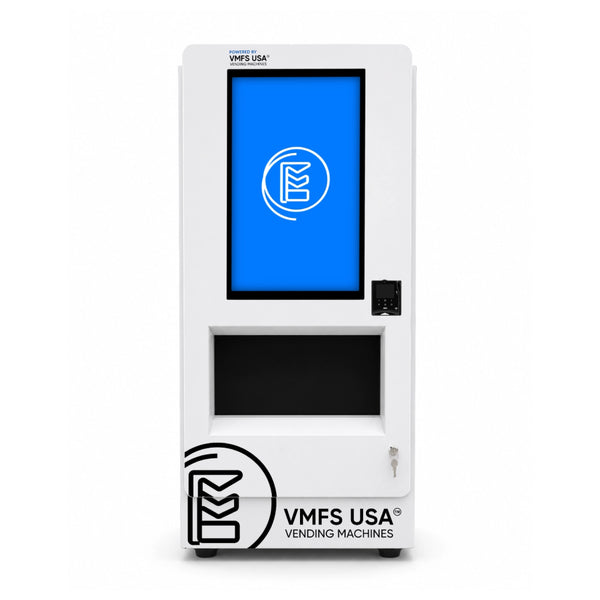
Elevator Vending Machines Available for Charleston
Every unit below ships configured, compliance-ready, and backed by VMFS Cloud monitoring.
How Operators Use Elevator Vending in Charleston
Hospital And Medical Center
Charleston Area Medical Center and Cabell Huntington Hospital see high foot traffic from patients, visitors, and medical staff working extended shifts across multiple floors. Machines stock premium beverages, protein snacks, fresh sandwiches, and over-the-counter wellness items tailored to health conscious consumers. The elevator unit protects fragile glass bottles and fresh food containers from damage that coil mechanisms cause, preserving product integrity and reducing spoilage costs. Reliable vending access during late night and early morning hours when cafeteria services close generates steady revenue from captive audiences with limited alternative options.
Government Office Complex
State Capitol Complex and the offices throughout downtown Charleston house state employees and visiting citizens conducting business throughout the workday and after hours. Machines stock cold beverages, fresh salads, protein boxes, nuts, and grab-and-go snacks that appeal to professionals working through lunch or waiting for appointments. Gentle elevator delivery protects delicate fresh food packaging and glass bottles from the crushing damage typical coil machines inflict, ensuring premium products arrive undamaged and maintaining perceived quality. Government workers represent steady, predictable revenue with consistent purchasing patterns and budget allocations for break room amenities and employee satisfaction.
Manufacturing And Industrial Park
The industrial corridor along Kanawha River and Dunbar facilities employ hundreds of shift workers and maintenance crews in demanding physical environments. Machines stock electrolyte beverages, protein bars, energy snacks, salty snack varieties, and cold drinks sized for workers with high caloric needs and limited break time. An elevator unit protects protein bar packaging and supplement bottles from the vibration and rough handling that traditional machines subject to, keeping products shelf-ready and preventing customer complaints. High volume consumption from shift workers across multiple time periods and minimal competition from on-site food service creates exceptional per-machine revenue potential.
University And Student Housing
West Virginia University Charleston campus and residence halls concentrate young adults with consistent daily routines and purchasing power throughout evenings and weekends. Machines stock energy drinks, protein snacks, instant noodles, frozen meals, candy, and ready-to-drink beverages that match student preferences and late-night study habits. The elevator unit preserves fragile beverage bottles and packaged snacks from damage that coil retrieval causes, reducing waste and improving margins on premium branded products. Reliable access during dormitory evening and weekend hours when commercial dining closes drives high transaction frequency and strong return per location.
What Ships With Every Elevator Unit
Regulations for Operating in Charleston, WV
Licensing, permits, sales tax, and health department standards for elevator vending operators in West Virginia.
State License Requirements
In West Virginia, the Department of Health and Human Resources (DHHR), Office of Environmental Health Services, oversees vending machines and food service operations. Vending machines dispensing potentially hazardous foods, including refrigerated sandwiches, dairy products, and prepared foods requiring temperature control, require a vending machine license from the state. Machines offering only shelf-stable snacks, candy, and non-potentially hazardous items may have fewer restrictions but still require proper registration if selling food products. West Virginia requires all food service operators, including vending machine owners, to register for a sales tax account with the West Virginia State Tax Department; registration can be completed online via the WV Secretary of State's website or by mail. There is no separate statewide vending operator license distinct from food service licensing. All vending operators must maintain a valid business entity registration with the West Virginia Secretary of State (LLC, corporation, sole proprietorship) and obtain an EIN from the IRS if the entity has employees or operates as a corporation or partnership. Vending machines for tobacco products require compliance with state tobacco tax and age-verification laws; machines dispensing alcohol are not permitted in West Virginia for self-service vending. Ice and water vending machines are subject to the same health department oversight as food vending if they dispense products for consumption. Permit renewal for food service vending is typically annual, with renewal requirements tied to the calendar or anniversary date.
City and County Permits
Charleston, the capital of West Virginia, requires vending machine operators to obtain a city business license through the Charleston Finance Department (Assessor's Office). A Certificate of Occupancy or Certificate of Use may be required depending on the location and property owner authorization. Zoning approval is necessary; operators must verify that the proposed vending location is zoned to permit food service or vending operations and does not conflict with local land use ordinances. Fire safety clearance may be required if machines are placed in public facilities, government buildings, or commercial spaces with fire code implications. Kanawha County (the county containing Charleston) does not impose a separate countywide vending permit but defers to state and municipal requirements. Operators must file any required coin-operated machine declarations as part of local business registration. Surrounding municipalities including Dunbar and South Charleston have their own business licensing requirements; operators placing machines in these areas must register separately with each municipality. City business license renewal is typically annual; late fees apply if renewal deadlines are missed. For specific contact information, the Charleston City Assessor's Office can be reached through the City of Charleston Finance Department. Operators should contact the city directly for current fee schedules and renewal timelines.
Sales Tax Rate
The combined sales tax rate in Charleston, West Virginia is 6%, consisting of the state rate of 6% with no additional city or county surtax. Most food items vended are subject to sales tax; however, certain unprepared foods and basic groceries may have reduced tax treatment under state law. Candy, soda, and prepared/ready-to-eat foods are fully taxable. Operators must register for a sales tax permit with the West Virginia State Tax Department and remit sales tax monthly or quarterly depending on the volume and the department's determination. Registration is completed online via the WV Tax Department portal. West Virginia has no economic nexus threshold; out-of-state vending operators operating machines in the state must register and remit tax regardless of sales volume.
Health Department Standards
The West Virginia Department of Health and Human Resources, Office of Environmental Health Services, establishes statewide health standards for all vending machines dispensing food or beverage products. Equipment must have food-contact surfaces of stainless steel or equivalent non-corrosive material, functioning thermometers (for refrigerated units), and automatic shut-off mechanisms to prevent temperature abuse. Machines must be screened to prevent pest entry and positioned away from direct overhead water hazards and deteriorated flooring. Operational standards include clear date-marking and labeling visible to consumers, with unannounced inspections by state and local health officials. Secondary oversight may apply if machines are placed in schools, hospitals, or government buildings, which may have additional equipment and sanitation requirements. Charleston's location in the humid, subtropical Appalachian region requires machines to have effective drainage and moisture-resistant components to prevent rust and mold. The Kanawha County Health Department provides local enforcement and inspection services. All VMFS elevator machines deployed in Charleston, West Virginia ship with stainless-steel food-contact surfaces, NEMA-rated moisture protection, and thermostatic controls meeting West Virginia health code specifications.
Disclaimer
Regulatory information is for reference only and current as of 2026. Operators should verify current requirements with the relevant agency before deployment. VMFS USA is not a legal or tax advisor.
Charleston at a Glance
Geographic Identity
- County
- Kanawha County
- Metro Area
- Charleston, WV Metropolitan Statistical Area
- Time Zone
- America/New_York (Eastern Time)
- Area Codes
- 304
- ZIP Codes
- 25301 to 25311, 25313 to 25315, 25317
- Primary Airport
- CRW Yeager Airport
- Secondary Airport
- None
- Major Port
- None
- Nickname
- None
Market Stats
- City Population
- 36,404
- Metro Population
- 0.27 million
- Annual Visitors
- None
- Visitor Economy
- None
- Airport Passengers
- 1.2 million annual travelers through CRW
- Hospitality Jobs
- None
- Top Industries
- Government and Administration, Healthcare, Education, Energy and Utilities, Manufacturing
- Demand Driver
- Government employment through state capital operations and federal facilities drives steady consumer demand and workforce density in Charleston.
Climate Profile
- Climate Zone
- Humid Subtropical
- Average Humidity
- 55 to 75 percent year round
- Summer High
- 85 to 90 degrees Fahrenheit with moderate to high humidity from June through September
- Winter Low
- regularly drops to 25 to 35 degrees Fahrenheit, occasional freezing conditions requiring winter protection
- Seasonal Hazard
- Severe Thunderstorms and Occasional Tornadoes, March to June
- Environmental Exposure
- None
- Deployment Note
- Charleston experiences humid subtropical conditions with warm summers and cold winters, requiring weatherproofed units with sealed electronics and enhanced drainage for summer storm protection, plus heated cabinets or insulated compartments for winter operation. VMFS ships all Charleston outdoor units with these specifications as standard.
Location & Service Area
- Key Neighborhoods
- Downtown, East End, West Side, Kanawha City, Southside, Quarrier Street, Capitol Street, Clendenin Heights, Riverside, Builta
- Nearby Cities
- South Charleston, Dunbar, Nitro, Teays Valley, Kanauga, Hurricane, Huntington
- Service Radius
- VMFS delivers, installs, and services machines throughout Kanawha County, with extended coverage to Putnam and Cabell counties on request.
Your Location. Working 24/7.
Answers to common questions from Charleston operators. Didn't see yours? Send us a message — our US-based team responds within one business day.
How does revenue sharing work, and when does the property owner receive payment?
What products go into the machine, and how often does restocking happen?
What space and electrical setup does the machine require?
What happens if the machine breaks down or needs service during winter months?
Does the machine accept card payments and mobile wallets?
How does the machine perform during Charleston tourism season and holiday periods?
Deploy Elevator Vending Machines in Charleston, WV Today
Request a custom quote today for your location in Charleston, WV, and we handle machine selection, delivery, configuration, and ongoing support end to end. Every deployment starts with a site assessment covering foot traffic patterns, product mix, power and network requirements, and compliance logistics specific to your venue. Whether you operate a single unit at a boutique hotel downtown or manage a rollout of 40 or more machines across a hospital campus or corporate office park, the quote includes hardware, installation, staff training, and 12 months of cloud monitoring at no extra cost.
Deploy Elevator Vending Across Charleston
1,200+ machines deployed. 1-year warranty standard. Free lifetime support. One team from site survey to uptime.