


Refreshing Revenue Awaits: Premium Soda and Beverage Vending Solutions for Seattle BusinessesTransform your location into a profit-generating powerhouse with our state-of-the-art cold drink vending machines, delivering consistent income while keeping customers refreshed.
Refreshing Revenue Awaits: Premium Soda and Beverage Vending Solutions for Seattle Businesses
Transform your location into a profit-generating powerhouse with our state-of-the-art cold drink vending machines, delivering consistent income while keeping customers refreshed.
Deja de adivinar. Configure Your Soda and Drinks Vending Machine.
Answer a few quick questions about your location, your product mix, your temperature needs, and your budget. Our Soda and Drinks Vending System will match you with the right base model, add the right modules (refrigeration, ad screen, outdoor protection, payment suite), and show you real time pricing and lead time as you build.
Omita las idas y venidas. Omita la abrumadora hoja de especificaciones. Vea su configuración exacta, su costo exacto y su ventana de entrega exacta antes de comprometerse.
- Precios en tiempo real a medida que añade o elimina funciones
- Estimación del tiempo de entrega en tiempo real basada en su configuración
- Combinación de productos recomendada para su tipo de ubicación
- Capacidad, número de ranuras y límites de peso mostrados por configuración
- Opciones preestablecidas para alimentos, bebidas, electrónica, comercio minorista y congelados
Why Drink Vending Machines?
A soda vending machine offers Seattle businesses a premium beverage solution, dispensing sodas, carbonated drinks, juices, bottled water, energy drinks, sports drinks, and protein shakes from a single refrigerated cabinet. Our drink vending machine options feature capacities from 240 to 800 beverages across up to 60 adjustable slots, with premium models offering drop-down or elevator delivery systems. These cold drink vending machines utilize modular refrigeration with eco-friendly refrigerants and feature double-layer toughened glass with optional defogging technology. The VMFS Cloud dashboard provides real-time sales tracking and inventory management. Explore our complete selection of
soda vending machines
designed for maximum profitability and customer satisfaction in Seattle.
Refrigerated Beverage Cabinet
Modular refrigeration with eco-friendly refrigerants keeps sodas, water, juices, energy drinks, sports drinks, and protein shakes consistently cold in any climate
High-Capacity Drink Format
Up to 800 drinks across up to 60 adjustable slots, supporting standard cans, slim cans, energy drink cans, sports bottles, and full-size soda bottles in a single cabinet
Reliable Delivery System
Drop-down delivery on standard models with elevator delivery on premium models for damage-free vending of bottles, cans, and tall energy drinks
Universal Venue Fit
Designed for offices, gyms, schools, hospitals, hotels, retail spaces, transit hubs, and any high-traffic venue where cold beverage demand exists
3-Year Comprehensive Warranty
Industry-leading 3-year warranty covering parts and replacements, with U.S.-based support, real-time VMFS Cloud monitoring, and photoelectric sensors for accurate dispensing
Why Soda and Drink Machines Perform in Seattle, Washington
Seattle's thriving tech and corporate sector—home to Amazon, Microsoft, and countless startups—creates massive demand for convenient beverage solutions in office breakrooms and campus environments.
Soda vending machines
thrive in these high-traffic corporate settings, where employees seek 24/7 cold drink access without requiring staffing. Seattle's rainy climate and fitness-focused culture further boost hydration demand across gyms, hotels, and transit hubs like Sea-Tac Airport. Premium
professional placement services
help operators identify Seattle's highest-performing venues, while machines with 300–800-drink capacity and real-time inventory monitoring generate $150–$400 monthly profit per unit in dense commercial zones.
Best Locations in Seattle
High-value deployment sites where soda and drinks vending delivers the strongest revenue per square foot.
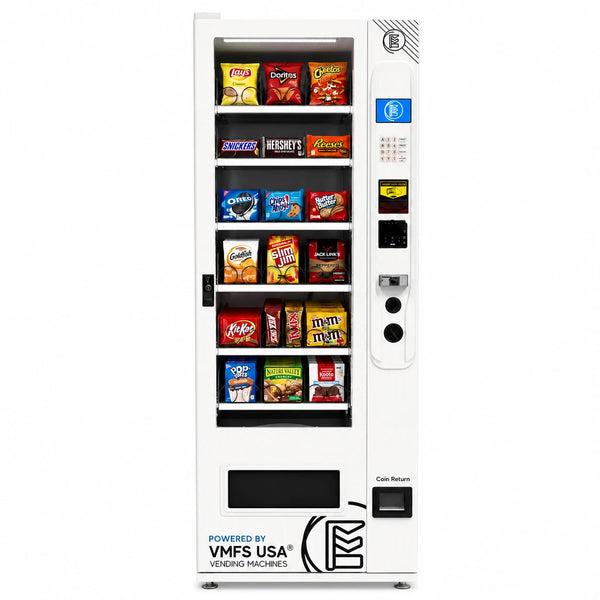
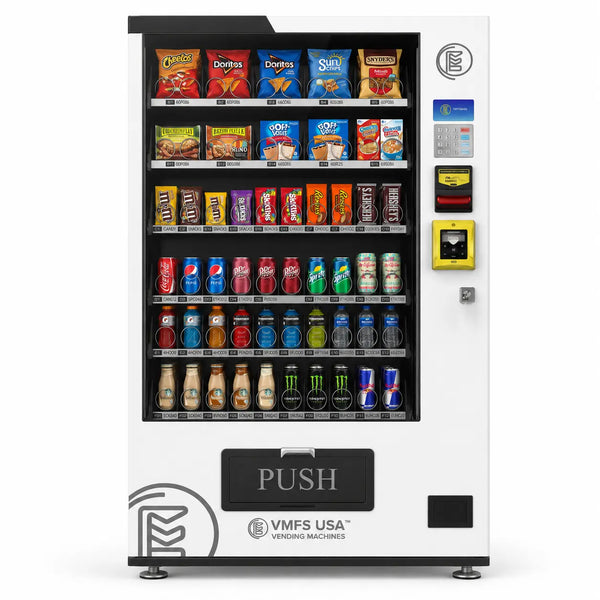
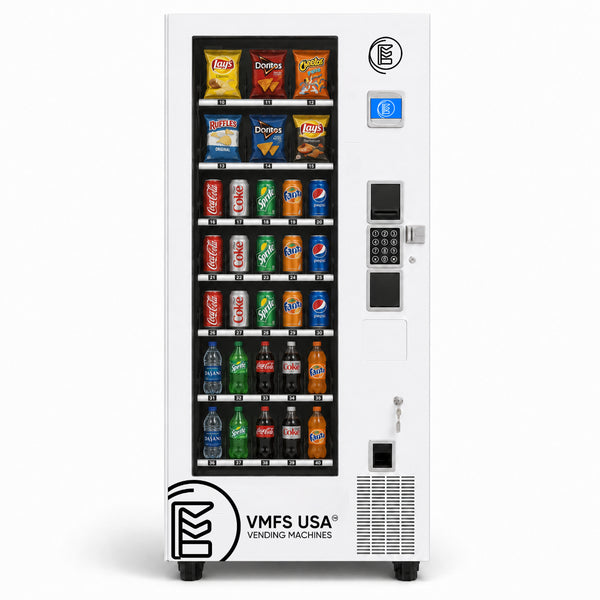
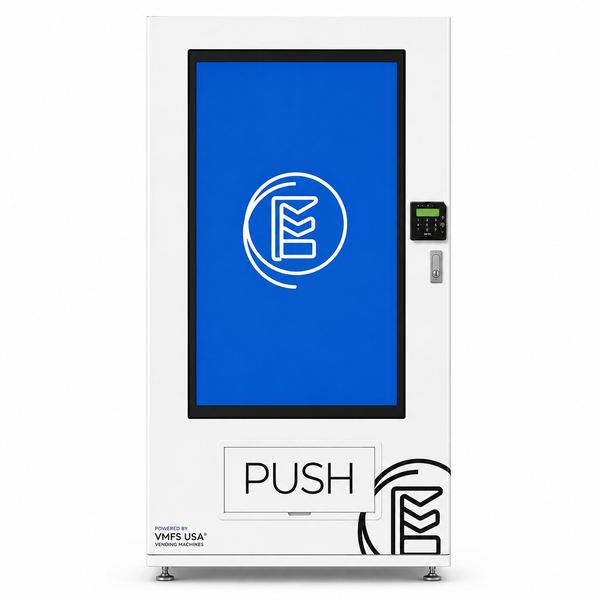
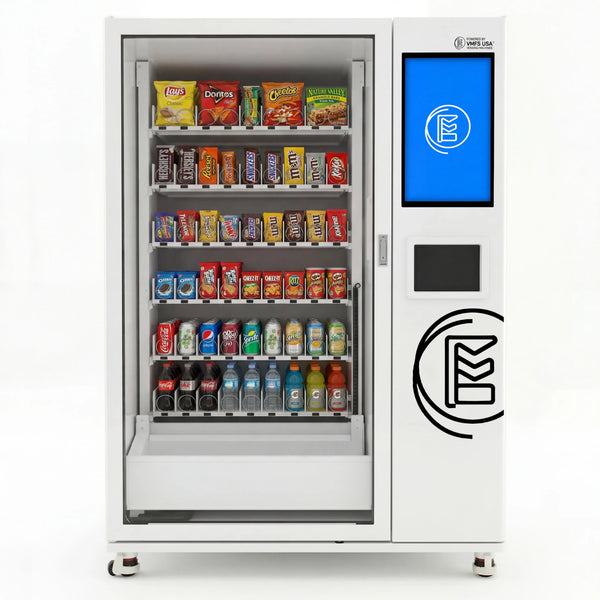
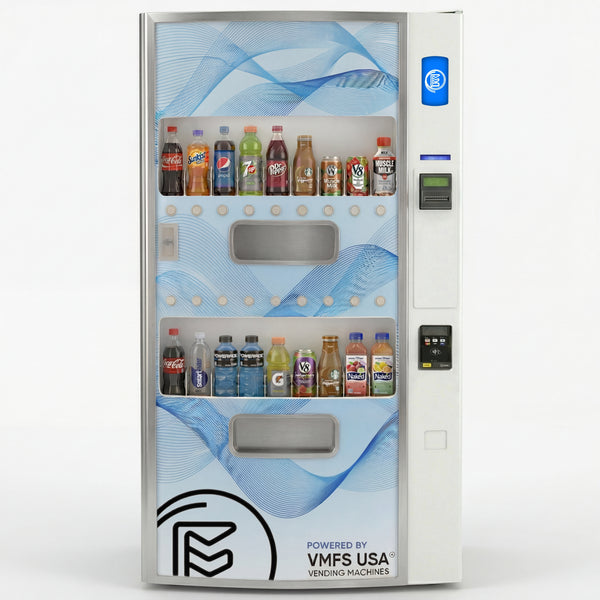
Soda and Drink Vending Machines Available for Seattle
Every unit below ships configured, compliance-ready, and backed by VMFS Cloud monitoring.


How Operators Use Soda and Drinks Vending in Seattle
Tech Campus Breakroom
Seattle's major tech employers including Amazon, Microsoft, Google, and Facebook have large engineering and corporate campuses throughout the region. These breakrooms stock sodas, sparkling water, energy drinks, and bottled water for employees seeking quick hydration between meetings and coding sessions. A fully refrigerated drink vending machine with 300 to 800 drink capacity and reliable drop-down delivery handles consistent demand from hundreds of workers without requiring daily restocking, keeping every beverage at optimal temperature. Tech campuses generate $250 to $400 net profit per machine per month because employees make routine impulse purchases and companies view the amenity as talent retention and workplace satisfaction.
Pike Place Market and Waterfront Hospitality
Hotels, restaurants, and hospitality venues clustered around Pike Place Market, the waterfront district, and downtown Seattle serve tourists and business travelers year round. Premium refrigerated drink vending machines stock sodas, premium bottled water, juices, energy drinks, and on licensed properties craft beer or wine to match guest expectations. The machine's high-capacity configuration and elevator delivery system ensure consistent cold refreshment is available 24/7 for guests arriving at odd hours, with no dependence on staff scheduling. Hospitality venues generate $200 to $350 net profit per month per machine because guest convenience drives impulse beverage sales and reduces operational load on front desk and bar staff.
Fitness and Wellness Studio
Gyms, CrossFit boxes, and yoga studios throughout Seattle including neighborhoods like Capitol Hill, Ballard, and Fremont depend on member hydration and post-workout refueling. The machine stocks electrolyte drinks, protein shakes, sports drinks like Gatorade and Powerade, and bottled water specifically chosen for the post-exercise market. Refrigerated drink vending machines with drop-down delivery ensure tall cans of energy drinks and protein bottles drop safely without damage, while high capacity means members always find cold stock during peak hours without machine downtime. Fitness venues generate $250 to $400 net profit monthly because members make habitual impulse purchases after workouts and gyms benefit from improved member retention through service amenities.
University Housing and Campus
University of Washington dormitories, student centers, and campus housing throughout the University District stock sodas, energy drinks, sports drinks, and protein shakes tailored to student schedules and study habits. The refrigerated drink vending machine provides reliable cold beverage access during late night study sessions and weekend hours when campus dining is closed, keeping inventory fresh across 300 to 800 drinks without nightly restocking. Drop-down and elevator delivery protect delicate cans and bottles from damage during high-volume student use. University placements generate $180 to $300 net profit per month because students make routine late-night purchases and dormitory vending creates recurring revenue from a concentrated population with predictable consumption patterns.
What Ships With Every Soda and Drinks Unit
Regulations for Operating in Seattle, WA
Licensing, permits, sales tax, and health department standards for soda and drinks vending operators in Washington.
State License Requirements
Washington State's Department of Health oversees food service licensing including vending machines that dispense refrigerated beverages. Operators selling sodas, juices, bottled water, energy drinks, sports drinks, and protein shakes must obtain a Washington State Food Service License (issued by the local health department on behalf of the state). Washington has a beverage container deposit law (Revised Code of Washington 70.95.630) requiring a 5-cent deposit on most beverage containers sold in the state, which applies to soda and drink vending machines; operators must comply with deposit return and handling requirements. Washington does not currently impose a state-level sugary beverage excise tax, though some localities (such as Seattle) have their own tax structures. Operators must register for a Washington State Unified Business Identifier (UBI) and sales tax account with the Washington Department of Revenue; an EIN from the IRS is required if operating as a business entity other than a sole proprietorship. Business entity formation (LLC, corporation, sole proprietorship) is handled through the Washington Secretary of State. Bottled water vending is subject to Washington's bottled water standards (WAC 246-290), requiring proper labeling with source information and mineral content where applicable. Protein shakes or beverages containing dairy products must comply with dairy product handling and labeling rules. All beverage labels must meet FDA and Washington State requirements for ingredient disclosure and allergen warnings. Food Service Licenses must be renewed annually, typically in the month of issuance. Washington State currently does not authorize wine or beer vending machines through standard vending operations; alcoholic beverage sales require separate licensing through the Washington Liquor and Cannabis Board and are not typically available via automated vending.
City and County Permits
Seattle requires operators to obtain a Seattle Business License (available through the City of Seattle Finance and Administrative Services, Department of Finance and Administrative Services, accessible at seattle.gov or by calling 206-684-8484) and a Health Department Food Service License specifically issued by the Seattle & King County Department of Public Health. Operators must also comply with Seattle Municipal Code Title 5 zoning requirements to determine whether vending machine placement in a specific location is permitted (different zoning classifications allow or restrict vending machines; operators should verify the zoning district of intended placement locations). A Certificate of Use or similar land-use certification may be required depending on the specific site location and zoning. Fire safety compliance is required; machines must meet National Fire Protection Association standards and allow adequate clearance around the unit. King County (in which Seattle is located) does not impose separate vending permits beyond the city and state requirements, though operators placing machines in unincorporated King County areas would need to comply with county code. The City of Seattle imposes a 1.75-cent per fluid ounce excise tax on sugary beverages (defined as non-alcoholic beverages with added sugars), which applies to sodas, energy drinks, sports drinks, and similar products sold through vending machines; this tax is remitted by the operator and collected at point of sale. Bottled water and unsweetened beverages are exempt from this local tax. Renewal of the Seattle Business License occurs annually; late fees apply if renewal deadlines are missed. For specific zoning questions, contact the Seattle Department of Construction and Inspections at 206-684-8467 or visit seattle.gov/DCI. For health department questions, contact the Seattle & King County Department of Public Health at 206-744-0974 or visit kingcounty.gov/health. Surrounding municipalities such as Shoreline, Tukwila, and Renton have their own permit requirements; operators should contact each jurisdiction separately if placing machines in multiple locations outside Seattle proper.
Sales Tax Rate
The combined state and local sales tax rate in Seattle, Washington is 10.25 percent (Washington State base rate of 6.5 percent plus King County rate of 3.6 percent plus City of Seattle rate of 0.15 percent). Most vended beverages including sodas, energy drinks, sports drinks, and flavored milk drinks are subject to the full sales tax rate. Bottled water (plain, unflavored) is exempt from sales tax in Washington State. Juice products that contain at least 70 percent fruit or vegetable juice by volume may be exempt or taxable depending on whether sweeteners are added; operators should verify the specific product classification. Milk-based protein shakes may be subject to tax depending on whether they are classified as beverages or food products; plain milk is exempt but flavored or fortified milk drinks are typically taxable. In addition to sales tax, the City of Seattle's sugary beverage excise tax of 1.75 cents per fluid ounce applies to qualifying beverages (sodas, energy drinks, sports drinks, and similar sugary non-alcoholic drinks) and must be collected and remitted separately from sales tax. Operators must register with the Washington Department of Revenue for a sales tax account and remit taxes monthly or quarterly depending on sales volume; registration is done online at dor.wa.gov or by calling 360-705-6705. The Washington sales tax economic nexus threshold applies to out-of-state sellers: sellers with no physical presence in Washington but with annual sales into Washington of $1,250 or more (as of 2024, adjusted annually) must register and collect sales tax. All sales tax and excise tax collected must be remitted to the Department of Revenue according to the operator's assigned tax reporting period.
Health Department Standards
The Seattle & King County Department of Public Health enforces Washington State health code standards for refrigerated beverage vending machines under WAC 246-2A (Food Service Standards) and Chapter 11.67 RCW. Refrigerated beverage machines must maintain internal temperatures of 41 degrees Fahrenheit or below for all perishable beverages including dairy-containing protein shakes and fresh juices. Machines must be equipped with visible, functioning thermometers or temperature monitoring devices checked daily by operators. Surfaces in contact with beverages (dispensing valves, hoppers, tubing where applicable) must be food-grade, cleanable, and non-corrosive; stainless steel or equivalent materials are required. Machines must have automatic shut-off features preventing dispensing of products that exceed safe temperature limits. Placement rules require machines to be located in areas with adequate lighting, ventilation, and climate control; placement directly in sunlight or in unheated outdoor spaces in winter is not permitted as it compromises refrigeration integrity and product safety. Operational requirements mandate that any perishable or potentially hazardous beverages (including protein shakes with dairy, fresh juices, and flavored milk products) must be date-marked and removed after the manufacturer's expiration date or seven days of opening if earlier. Product labels must be fully visible to consumers before purchase, displaying ingredients, allergens, expiration dates, and nutritional information as required by FDA and state law. The Seattle & King County Department of Public Health conducts unannounced inspections of vending machines and locations; operators must maintain records of temperature logs, product restocking dates, and machine cleaning schedules for inspection. Secondary oversight may apply if machines are placed in schools (subject to school district food safety policies), healthcare facilities (subject to hospital infection control standards), or government buildings (subject to agency food safety directives). Seattle's maritime and temperate climate with frequent precipitation and seasonal temperature fluctuations requires machines to be installed in enclosed, climate-controlled spaces; outdoor placement is not compliant unless the machine is fully weather-sealed and maintains internal refrigeration during all seasons, which is uncommon for standard vending equipment. VMFS soda and drink vending machines deployed in Seattle ship with the appropriate health department specification standard, including modular refrigeration systems with eco-friendly refrigerants (R290 or equivalent non-CFC blends), heavy-duty stainless-steel internal surfaces, redundant thermometer displays, automatic high-temperature shut-off valves, and a comprehensive 3-year warranty covering parts and service.
Disclaimer
Regulatory information is for reference only and current as of 2026. Operators should verify current requirements with the relevant agency before deployment. VMFS USA is not a legal or tax advisor. For operator-side legal guidance covering placement contracts, host venue agreements, documentation, business incorporation, tax registration, licenses, and permits, operators can consult <a href="https://vadviced.com">VAdviced</a>. For professional placement and location matching support, operators can work with <a href="https://vplaced.com">VPlaced</a>.
Seattle at a Glance
Geographic Identity
- County
- King County
- Metro Area
- Seattle-Tacoma-Bellevue
- Time Zone
- America/Los_Angeles (Pacific Time)
- Area Codes
- 206, 425, 253
- ZIP Codes
- 98101 to 98199
- Primary Airport
- SEA Seattle-Tacoma International Airport
- Secondary Airport
- None
- Major Port
- Port of Seattle, a major container and cruise port
- Nickname
- The Emerald City
Market Stats
- City Population
- 753,675
- Metro Population
- 4.02 million
- Annual Visitors
- 10.9 million (2023)
- Visitor Economy
- $8.4 billion annual economic impact
- Airport Passengers
- 52.8 million annual travelers through SEA
- Hospitality Jobs
- None
- Top Industries
- Technology, Aerospace and Defense, Healthcare, International Trade, Logistics and Shipping, Real Estate, Tourism and Hospitality
- Demand Driver
- Strong corporate headquarters density in technology and aerospace sectors, major international passenger traffic through Seattle-Tacoma International Airport, and year-round convention and tourism activity drive sustained consumer and business demand.
Climate Profile
- Climate Zone
- Oceanic
- Average Humidity
- 70 to 80 percent year round
- Summer High
- 79 degrees Fahrenheit in July and August
- Winter Low
- 37 degrees Fahrenheit, outdoor operating conditions year round
- Seasonal Hazard
- None
- Environmental Exposure
- Moderate rainfall and wet conditions year round require sealed electronics and enhanced drainage in all outdoor placements.
- Deployment Note
- Seattle's mild oceanic climate with persistent moisture demands weatherproofed units with sealed electronics and superior drainage systems. Winter temperatures rarely freeze, allowing year round outdoor deployment, but high annual precipitation necessitates corrosion resistant hardware and water resistant compartments. VMFS ships all Seattle outdoor units with weatherproofing and sealed electronics as standard.
Location & Service Area
- Key Neighborhoods
- Downtown Seattle, Capitol Hill, Queen Anne, Ballard, Fremont, University District, Wallingford, Green Lake, Beacon Hill, West Seattle, Eastlake, Magnolia
- Nearby Cities
- Bellevue, Redmond, Kirkland, Renton, Tacoma, Sammamish, Shoreline, Bothell
- Service Radius
- VMFS delivers, installs, and services machines throughout King County, with extended coverage to Pierce and Snohomish counties on request.
Your Location. Working 24/7.
Answers to common questions from Seattle operators. Didn't see yours? Send us a message — our US-based team responds within one business day.
How much net profit can a property owner expect from hosting a soda and drink vending machine in Seattle, WA?
What beverage selection works best for Seattle venues and how often does restocking occur?
What are the space and power requirements for installing a refrigerated drink vending machine?
What happens if the machine breaks down, and how does the warranty protect the property owner?
Does the machine accept only cash, or does it handle modern contactless payments?
How do operators identify the best placement locations in Seattle, WA, and what legal terms should property owners understand?
Deploy Drink and Soda Vending Machines in Seattle, WA Today
Request a custom quote today for
soda vending machines
and drink vending machines at your Seattle location, and we handle machine selection, delivery, configuration, and ongoing support from start to finish. Every deployment begins with a site assessment covering foot traffic patterns, drink mix balance across sodas, water, juices, and sports drinks, refrigeration and power requirements, network needs for cloud platform access, and placement strategy can be coordinated through our
placement experts
for operators seeking professional location matching. Whether you need a single unit in a small office breakroom or a rollout of 30 or more machines across a hospital campus, university dormitory complex, or corporate headquarters in Seattle, your quote includes hardware, installation, staff training, and 12 months of cloud monitoring at no extra cost.
Deploy Soda and Drinks Vending Across Seattle
1,200+ machines deployed. 1-year warranty standard. Free lifetime support. One team from site survey to uptime.